15 Pre-College Medical Programs

TL;DR
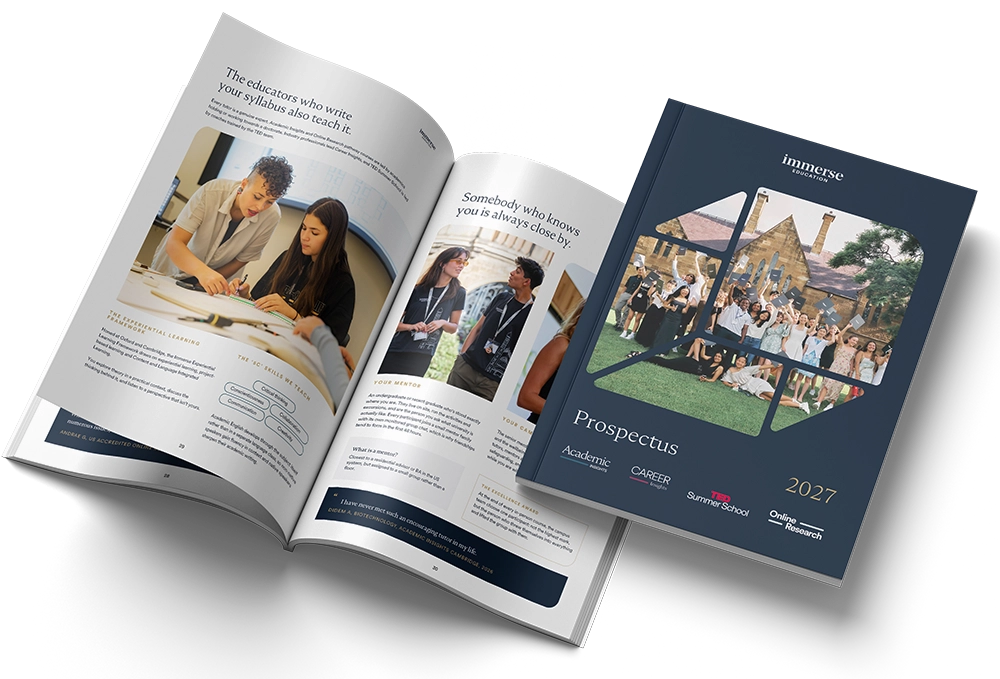
You’ll find 15 pre-college medical programs here, from paid research internships at UC San Diego, Duke, and UChicago to tuition-based summer schools at Tufts, Georgetown, and UC Irvine. The key split is between stipend-paying research programs, which often have location or citizenship rules, and paid courses focused on clinical skills. Most are built for high schoolers aged 14 to 18, especially rising juniors and seniors. UC Irvine’s Summer Surgery Program, for example, lets you observe live surgeries and earn BLS certification. Immerse Education's Academic Insights pathway in Medicine welcomes ages 13 to 18 in cities including Oxford, Cambridge, and Toronto.
Pre-college medical programs are one of the best ways to get insight into the medical field through classes, simulations, research, and clinical activities that are designed for high school students. You will be learning anatomy, physiology, pathology, immunology, and more through these sessions. You will simultaneously have the opportunity to practice taking vital signs, doing sutures, performing CPR, and more. You will also learn more about the clinical reasoning that medical professionals use to diagnose and treat diseases.
As a result, these programs allow you to acquire an advanced skillset that you cannot gain just by attending high school science classes. This also includes your ability to properly analyze medical cases, interpret research, safely work with laboratory or surgical tools, and more. Another reason to consider joining a pre-college medical program is also to figure out if a healthcare career would actually suit you before you commit to a long academic path.
Why Should You Consider a Pre-College Medical Program?
A lot of these programs take place at top universities, so joining a program gives you early exposure to these universities’ curriculum, labs, clinical facilities, and other resources. It gives you a realistic taste of studying in a top medical school, especially the academic workload, collaborative lab and research work and other elements you can expect in a medical college. Besides, you will be surrounded by medical professors and students, and you will meet healthcare professionals who can tell you more about studying and working in medicine.
Additionally, you get to explore a wide range of medical disciplines, with some examples being cardiology, cancer research, surgery, emergency medicine, community health, and more. Such exposure, which also typically involves shadowing medical staff, can help you determine your interests and recognize the skills you need to acquire to thrive in that specific role. Whether you can only commit to a short medical camp or have time to commit to a multi-week medical immersion program, below are 15 pre-college medical programs for you to begin exploring the field and finding the experience that fits you best.
15 Pre-College Medical Programs
1. Immerse Education's Medicine Summer School

Location: Cambridge, London, Oxford, Singapore, Sydney, and Toronto
Cost: Varies; summer school scholarship available through our bursary programme
Acceptance rate/cohort size: Selective; an average of 7 participants per class
Program Dates: 2 weeks during the summer
Application Deadline: Multiple cohorts with rolling admissions
Eligibility: Students worldwide aged 13-18 currently enrolled in middle or high school; open to international students
Immerse Education's Academic Insights pathway in Medicine is a two-week, in-person programme that introduces you to university-level medical science through small-group teaching and case-based learning. You explore core topics such as anatomy, physiology, and clinical reasoning while learning how doctors apply scientific knowledge to diagnose and treat patients.
Classes emphasise discussion, critical thinking, and clear communication, mirroring the structure of undergraduate medical education. By the end of the programme, you will complete an academic project, receive detailed feedback, and gain a clearer understanding of what studying medicine at a top university involves.
Why it stands out: It connects you with medical academics and clinicians, helping you understand how medicine is studied and practiced at leading universities.
2. UCSD Cardiovascular Institute Summer Research Program
Location: University of California San Diego, San Diego, CA
Stipend: $2,500 for high school students
Dates: Eight weeks (June 1st to August in 2026), with a core lecture period from June 15th to July 15th
Application Deadline: March 31st (2026 cycle)
Eligibility: Rising 11th and 12th graders who are at least 16 years old and have a strong interest in clinical research; also open to current UC San Diego undergraduates and medical students; international eligibility not specified
This pre-college medical program is more inclined towards students whose interest in medicine leans towards cardiology. It allows you to work under UC San Diego’s clinician scientists on cardiovascular research, with a designated mentor for both your research and clinical shadowing.
This will teach you some important skills needed to conduct clinical and population health research. You will additionally participate in a core lecture series through which you will learn about cardiovascular diseases, clinical and population health research, and more.
Why it stands out: You will be shadowing clinician scientists and receiving mentorship from them.
3. Lumiere Research Scholar Program
Location: Remote, you can participate in this program from anywhere in the world!
Cost: Varies depending on program type. Full financial aid available.
Application Deadline: Varies by cohort.
Program Dates: Varies by cohort: summer, fall, winter, or spring. Options range from 12 weeks to 1 year.
Eligibility: You must be currently enrolled in high school and demonstrate a high level of academic achievement.
The Lumiere Research Scholar Program is a rigorous research program tailored for high school students. The program offers extensive 1-on-1 research opportunities for high school students across a broad range of subject areas. The program pairs high school students with Ph.D. mentors to work 1-on-1 on an independent research project.
At the end of the 12-week program, you’ll have developed an independent research paper! You can choose research topics from subjects such as psychology, physics, economics, data science, computer science, engineering, chemistry, international relations, and more. You can find more details about the application here, and check out students’ reviews of the program here and here.
Why it stands out: You get 1-1 mentorship with a Ph.D. mentor and produce an independent research project by the end.
4. The Hormel Institute High School Summer Research Scholars
Location: The Hormel Institute (University of Minnesota), Austin, MN
Stipend: $3,000
Dates: 8 weeks in the summer, 25 hours per week, in person
Application Deadline: Not publicly available
Eligibility: High school students entering grades 11 and 12 and recent high school graduates with a minimum GPA of 3.5 who have completed a biology course; international eligibility not specified
Every year, the University of Minnesota’s Hormel Institute welcomes a cohort of just three to four students to its summer research program, where you will develop biomedical research skills. Through research observation, data analysis, and literature review, you will learn the everyday tasks of a working lab.
You will simultaneously prepare a research portfolio documenting your growth and join professional development sessions on research ethics and career pathways. You’ll also attend and present at research symposiums, with the chance to present a research poster. If research is your main interest, you can explore more biomedical research opportunities for high school students.
Why it stands out: The program gives you practice in working in a professional laboratory while adhering to lab safety protocols.
5. Duke Summer Training in Academic Research (STAR) Program
Location: Duke Clinical Research Institute, Durham, NC
Stipend: Free to attend; stipend provided
Dates: June 21st to July 23rd, 2027 (in person)
Application Deadline: Applications open in the fall; the 2026 cycle closed January 2nd
Eligibility: Rising senior and current senior high school students; also open to undergraduates and medical students; U.S. citizenship or permanent residency required
Organized by the Duke Clinical Research Institute, this program gives you the opportunity to learn research methodology and writing through medical and scientific research. You will work in a team with a Duke faculty mentor on an original research project, with the goal of every participant qualifying for co-authorship on a peer-reviewed manuscript.
Along the way, you’ll learn about research methodology, writing, statistics, medical ethics, and career development. Participants who are 18 or older can also shadow a physician on hospital rounds.
Why it stands out: You can leave a five-week summer program with a realistic shot at co-authoring a peer-reviewed paper.


6. Brown University Pathways to Medicine: High School Mentorship Program
Location: The Warren Alpert Medical School of Brown University, Providence, RI
Cost: Not specified
Dates: Monthly sessions during the school year
Application Deadline: Not specified on the program page
Eligibility: All high school students; Rhode Island residents and students who identify as underrepresented in medicine are highly encouraged to apply
Brown University runs this mentorship program that pairs its medical students with high school students who dream of joining medical school and working in the healthcare field. As a mentee, you will take part in monthly sessions that include medical case studies, healthcare simulations, and interactive workshops.
Since sessions take place at The Warren Alpert Medical School, you’ll learn in its lecture halls, seminar rooms, and anatomy suite. Your mentors also offer individual guidance on moving from high school to college and beyond, and you’ll create a research presentation of your own.
Why it stands out: You get ongoing mentorship from Brown medical students across the school year, not just a single summer week.
7. Johns Hopkins University Summer Academic Research Experience (SARE)
Location: Johns Hopkins School of Medicine (East Baltimore Campus), Baltimore, MD
Stipend: Stipend provided
Dates: Eight weeks in the summer
Application Deadline: March 1st (2026 cycle)
Eligibility: High school students from low-income households (below 200% of the federal poverty level) who also meet an educationally under-resourced criterion, such as being first-generation college; international eligibility not specified
Johns Hopkins invites academically talented high school students from low-income and educationally under-resourced backgrounds to join its SARE program. If selected, you will gain exposure to modern biomedical research in a Johns Hopkins lab while receiving tutoring that strengthens your academic skills.
The program is built around four pillars: mentoring, professionalism, research, and academic fortification. Through your participation in the various research activities, you are sure to strengthen your critical thinking skills and present your work at an end-of-summer poster session.
Why it stands out: The eight-week program gives you the opportunity to work in a professional lab environment next to some top scientists.
8. University of Florida Health Summer Pre-Medical Professions Program (SPMPP)
Location: University of Florida College of Medicine, Gainesville, FL
Cost: A non-refundable application fee of $25 and a program fee of $1,200, which covers daily parking, official CPR certification, and meals; limited scholarships available
Dates: June 22nd to 26th (Session 1); July 6th to 10th (Session 2); or July 20th to 24th (Session 3) in 2026
Application Deadline: February 25th (2026 cycle)
Eligibility: Rising 11th and 12th graders; students from outside Florida in the US may apply; international eligibility not specified
SPMPP is designed for rising high school juniors and seniors who wish to become medical professionals in the future. In this five-day, non-residential program, you will be introduced to the role and work of physicians and medical professionals.
You’ll work closely with UF College of Medicine students, faculty, and staff, and earn an official CPR certification as part of the program fee. You will particularly learn about physicians’ and medical professionals’ need to provide holistic, patient-centered care.
Why it stands out: You will leave the program with a clear plan of the path you should be following to pursue medicine, including the academic and extracurricular activities you should be doing for it.
9. Tufts University Mini Med School
Location: Tufts University Medford/Somerville Campus, Medford, MA, and Tufts University Boston Health Sciences Campus, Boston, MA
Cost: $3,625 (One-week Commuter), $4,650 (One-week Residential), $5,425 (Two-week Commuter), and $6,950 (Two-week Residential); need-based scholarships available for domestic students
Dates: One-week and two-week sessions available
Application Deadline: May 1st (2026 cycle)
Eligibility: Rising 11th and 12th graders who are at least 16 years old and have completed one year of high school biology; open to international students
Tufts University’s Mini Med School gives high school students with an interest in studying in medical school a taste of it. You will learn from medical students and faculty who will conduct lectures on advanced healthcare topics and discuss medical cases with you.
You will also engage in practical sessions at the university’s Clinical Simulation Center and anatomy lab, building medical skills such as suturing and taking vital signs. If you’re focused on Boston, you can compare more medicine summer schools in Boston for high school students.
Why it stands out: You get to participate in Q&A sessions with admissions staff, doctors, and medical students who will give a better insight into the medical field.
10. University of Connecticut Pre-Med: Explore the Medical Field
Location: UConn Storrs Campus, Storrs, CT, and UConn Health, Farmington, CT
Cost: A non-refundable application fee of $50, a program fee of $2,250 (Early-Bird Discount) or $2,350 (After April 1st), plus an additional course fee of $250
Dates: July 5th to 11th, July 12th to 18th, or July 19th to 25th (2026)
Application Deadline: Rolling, with early-bird pricing before April 1st
Eligibility: Rising 10th through 12th graders aged 14 to 17 during the program; international eligibility not specified
This University of Connecticut Pre-Med program gives you exposure to the medical field, letting you know what being a physician entails. The course is taught by doctors, professionals, and consultants from UConn Health and includes daily lab and hospital visits.
During this one-week program, you will explore a range of medical topics and specialties. You will also learn about UConn Health’s academic, research, and clinical care work.
Why it stands out: You will benefit from guidance from UConn’s Pre-Med academic advising staff.
11. Georgetown University Medical Immersion Academy

Location: Georgetown University, Washington, D.C.
Cost: A non-refundable application fee of $50 and a program fee of $7,610 (Commuter) and $9,540 (Residential); the application fee is waived for students who apply by January 31st, and there are a limited number of need-based scholarships available
Dates: Three weeks (June 21st to July 10th in 2026)
Application Deadline: January 31st (Early Bird Deadline) and May 15th (Final Deadline)
Eligibility: 8th to 12th graders who are at least 15 years old and have a minimum GPA of 2.0; open to international students
This Medical Immersion Academy aims to give you a taste of being a medical student by exposing you to the curriculum taught to first-year students at Georgetown University School of Medicine. With the medical school’s faculty and students running the sessions, you will study cell biology, pathology, immunology, cardiology, endocrinology, and more.
You will also learn the fundamentals of emergency medicine, including wound care, control of bleeding, stitches and suturing, airway management, CPR, and oxygen administration. The ultimate goal of the program is to prepare you for various medical careers.
Why it stands out: By the end of the program, you will become familiar with how the human body functions.
Join the Immerse Education 2027 Essay Competition
Follow the instructions to write and submit your best essay for a chance to be awarded a 100% scholarship.
12. UC Irvine Summer Surgery Program
Location: UC Irvine Department of Urology, Orange, CA
Cost: $5,500; up to six fully paid scholarships available
Dates: July 6th to 17th (Session I) and July 20th to 31st (Session II) in 2026
Application Deadline: Late February (the 2025 window ran January 1st to February 28th)
Eligibility: High school students who are at least 16 years old before the program starts and have a minimum unweighted GPA of 3.5; international eligibility not specified
Run by UC Irvine’s urology department, this program encourages more students to pursue careers in surgery, medicine, and similar areas. The program will teach you skills used in open, laparoscopic, robotic, and endoscopic surgery, with first-hand exposure to the da Vinci robot.
One of the standout aspects of the program is the opportunity to observe live surgeries with UC Irvine’s surgeons and create a medical innovation project based on your observations. You will also become proficient in CPR and obtain Basic Life Support (BLS) Certification.
Why it stands out: The program will teach you human anatomy by engaging you in dissection courses and ultrasound training.
13. The M.I.N.D.S. Program (Medical Internship Navigating and Discovering Science)
Location: Hybrid, with in-person sessions held at Hackensack Meridian School of Medicine, Nutley, NJ
Stipend: Stipend provided in past cohorts
Dates: Four weeks in the summer, Mondays through Thursdays (July 14th to August 7th in 2025)
Application Deadline: Not specified
Eligibility: Rising 11th graders; international eligibility not specified
M.I.N.D.S. is a program for you to learn more about healthcare careers while you are still in high school. You’ll earn CPR/BLS certification and take part in medical simulations, workshops run by healthcare professionals, and clinical shadowing at hospitals.
You will even get SAT prep and learning strategies, as the program aims to address the shortage of healthcare staff in New Jersey. You will also complete a research project addressing community health needs and present it at a research showcase at the end of the program.
Why it stands out: You can get CPR/BLS Certification while participating in the program.
14. UT Tyler Pathways SUPERNet Summer Medical Scholars Academy
Location: The University of Texas at Tyler School of Medicine, Tyler, TX
Cost: $400
Dates: June 7th to 11th (2026)
Application Deadline: February 13th (2026 cycle)
Eligibility: Current 9th, 10th, and 11th graders who will be entering 10th, 11th, or 12th grade the following year; international eligibility not specified
This is a five-day residential medical camp organized by The University of Texas at Tyler School of Medicine. It teaches you about the career opportunities available in the healthcare and public service fields.
The program engages you in activities such as trying out basic medical procedures and exploring different healthcare careers. A selection committee reviews applications, and accepted students are notified in March.
Why it stands out: It will give you a clear plan of the steps you need to take in order to prepare for an education and a career in the medical field.
15. UChicago Medicine Chicago EYES on Cancer

Location: The University of Chicago Medicine Comprehensive Cancer Center, Chicago, IL
Stipend: Taxable stipend of $5,000 per year
Acceptance rate/cohort size: Up to 12 applicants accepted each year
Dates: Two eight-week summers (June 14th to August 6th in 2027), plus monthly Zoom activities from February 2027 through December 2028
Application Deadline: November 30th, 2026
Eligibility: High school sophomores, juniors, or seniors who will be at least 16 on the first day of the program and live in Cook, Lake, Will, or DuPage counties in Illinois or Lake County in Indiana
Chicago EYES on Cancer is a program that lets you learn about cancer research by working full-time in the laboratories of established cancer researchers. If selected, you will take part over two consecutive summers, working 35 to 40 hours a week in a lab matched to your interests.
Rigorous research training is complemented by a cancer-focused summer lecture series, year-round career development workshops, and a network of faculty and peer mentors. The program culminates in a research symposium where you showcase your work.
Why it stands out: Apart from the research components of the program, you will also take part in monthly enrichment activities, lectures on cancer, and more.
Frequently asked questions: Pre-College Medical Programs for High School Students
What do you do in a pre-college medical program?
You usually learn how doctors think and work through lectures, simulations, case studies, and lab sessions. Some programs, like Georgetown’s Medical Immersion Academy and UC Irvine’s Summer Surgery Program, focus on clinical skills such as suturing, CPR, and surgical techniques. Others, like Duke STAR and Chicago EYES on Cancer, place you on a research project with a faculty mentor. Many also include admissions guidance and conversations with medical students.
Are there paid pre-college medical programs for high school students?
Yes, several research-focused programs pay you a stipend. UC San Diego’s Cardiovascular Institute pays high school students $2,500, the Hormel Institute offers $3,000, and Chicago EYES on Cancer pays a taxable $5,000 per year. These programs are usually very selective and often limit eligibility by location, income, or citizenship. If you’d prefer a work-based option, you can also look at these medical internships for high school students.
Can international students join pre-college medical programs?
Some can, but many research programs are limited to US citizens, permanent residents, or local students. Georgetown’s Medical Immersion Academy and Tufts Mini Med School both welcome international applicants. Immerse Education's Academic Insights pathway in Medicine is open to students aged 13 to 18 from around the world in Cambridge, London, Oxford, Singapore, Sydney, and Toronto. Always check visa requirements and deadlines early if you plan to travel.
How old do you need to be for a pre-college medical program?
Most programs want you to be at least 15 or 16. UC Irvine, UC San Diego, and Tufts require you to be at least 16, while Georgetown accepts students from age 15 and UConn’s Pre-Med course welcomes ages 14 to 17. Immerse’s medicine programmes start even younger, from age 13. Grade requirements also matter, since many programs are only open to rising juniors and seniors.
Do pre-college medical programs help with college applications?
They can, especially when you leave with something concrete to show. A research poster, a BLS certification, or a co-authored paper from a program like Duke STAR gives you specific achievements to discuss in essays and interviews. These programs also help you explain why you want to study medicine, using real experience rather than general interest. To understand where that interest could lead, you can read our guide to careers in medicine.
When should you apply for pre-college medical programs?
Start in the fall, since some of the most competitive programs close early. Chicago EYES on Cancer’s deadline is November 30th, 2026, and Duke STAR’s 2026 cycle closed on January 2nd. Many others close between February and March, including UT Tyler (February 13th), UF’s SPMPP (February 25th), and Johns Hopkins SARE (March 1st). Georgetown and Tufts accept applications into May, but popular sessions can fill sooner.
Taking your first steps toward a medical career
Medicine is a long road, so testing it early through labs, simulations, and shadowing helps you decide whether the path truly fits you.
Pre-college medical programs range from paid cancer research internships to week-long clinical camps, so you can match your choice to your time and budget.
Start checking deadlines in the fall, since several research programs close between November and March and limit places to small cohorts.
To learn more about healthcare roles, training routes, and what each specialty involves day-to-day, explore our Career Exploration blogs for practical guides.





Unlock Inspiring Opportunities with the Immerse Education Newsletter
Join our newsletter to stay ahead with exclusive updates, exciting programme highlights, and expert insights from the world of immersive education.
Learn how Immerse can transform your life
An in-depth overview of our university and career preparation programmes
Get a glimpse into the life of an Immerse participant
Find the right programme for you with sample timetables, location showcases, and more