Immerse Education Blog Competition 2026 – The Receipt
Category Two: Supercurriculars – A Personal Experience
What does it actually cost to keep someone from raising their hand?
mend – /mend/ verb.
From Old English mendan, to reform, to make better. Oxford English Dictionary (2024): ‘to repair something that is broken or damaged.‘ The word assumes the broken thing is the object. Sometimes the broken thing is the system around it.
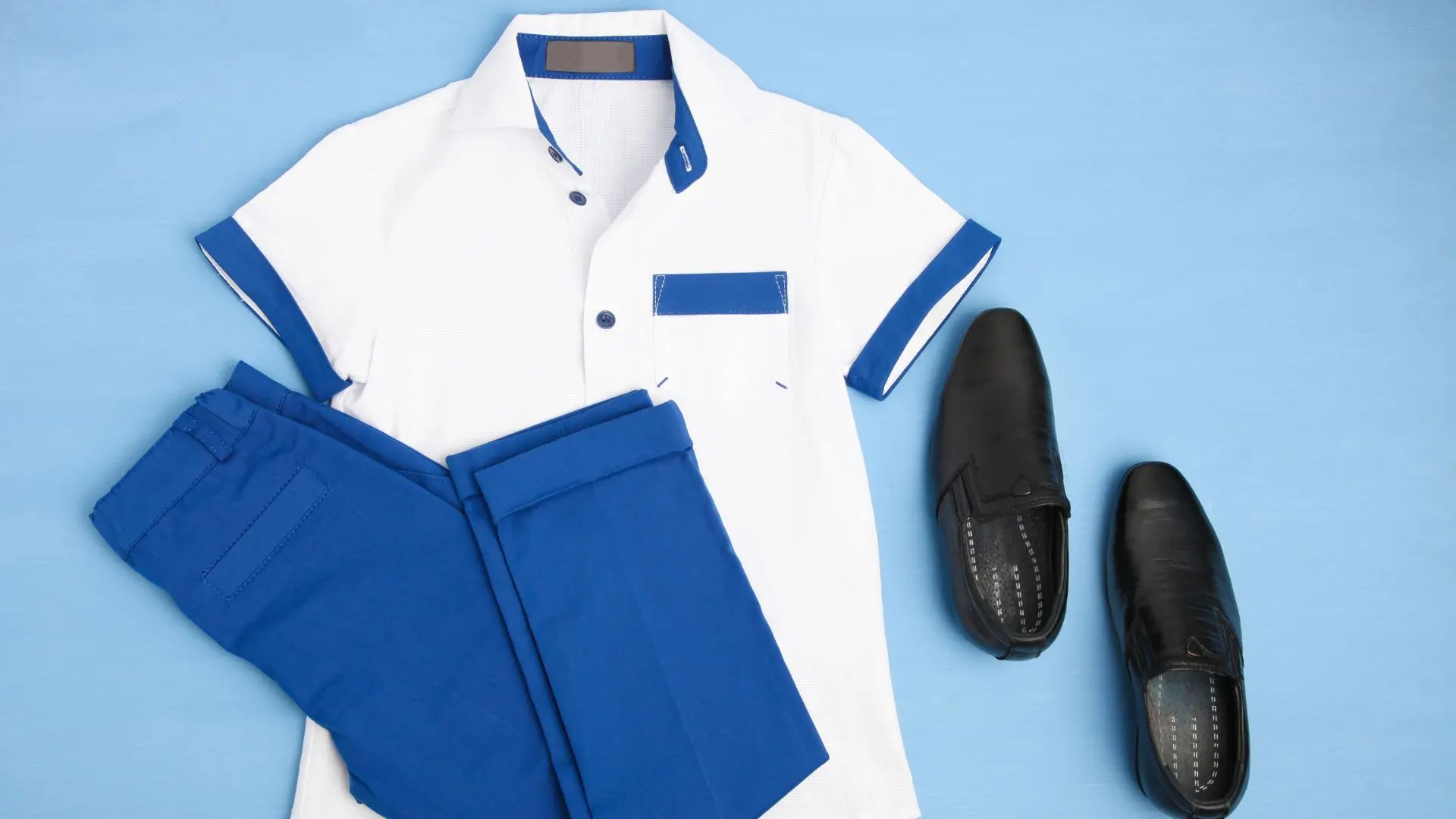
TAILORING RECEIPT – NYAMIRAMBO, KIGALI
- Collar replacement (frayed) – 400 RWF
- Hem re-stitched (trousers) – 300 RWF
- Knee patch (worn through) – 500 RWF
- Bleach fade treatment (attempt) – 200 RWF
- TOTAL – 1,400 RWF
Note (pencil): ‘3rd time this term. Maybe just buy new.’
A new school uniform in Rwanda costs 6,500 RWF. In a single term, a classmate’s family had spent 4,200 RWF on repairs and still owned a uniform that was visibly, unmistakably worn. They were paying more to stay inside a problem than it would cost to leave it.
I started with 800 RWF, saved from two weeks of skipping the snack I did not strictly need. What I built was a quiet exchange: uncollected garments from a local tailor, offered through private conversations, with a minimum contribution of 500 RWF recycled back into the fund. No charity list. No names on a board. A system with dignity designed into its structure.
Six weeks later: eleven uniforms exchanged, 7,150 RWF circulating, two families permanently out of the repair cycle. My classmate raised his hand twice last Thursday. It was the first time I had seen him do it.
I want to study law and international relations. Not because I believe institutions solve things on their own. Because somewhere between 800 RWF and 7,150 RWF, I understood that the structures deciding who participates, who raises their hand, who stands at the centre of the assembly photograph, were designed by people. Which means they can be redesigned. The receipt taught me that.
So what does it actually cost someone to keep their hand down?


Join the Immerse Education 2027 Essay Competition
Follow the instructions to write and submit your best essay for a chance to be awarded a 100% scholarship.
About the author
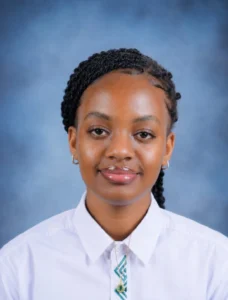
Marie Samvura
Marie Samvura grew up learning that the most important things are usually hiding just underneath the obvious ones.
She is a student from Kigali, Rwanda – a city of a thousand hills, impatient traffic, street-food smoke at dusk, and conversations that can transform a simple visit into an entire evening. Growing up there taught her to pay attention to what passes between people in the space between words: the assumptions, the unspoken agreements, the invisible rules that shape everyday life.
She is the kind of thinker who pulls on a thread and refuses to let go until she discovers what it is attached to. Sometimes that thread is a question. Sometimes it is a word. Sometimes it is something as ordinary as a receipt.
One word she returns to often is agaciro – a Kinyarwanda idea that reaches toward dignity, worth, and the value a person carries even when the world overlooks it. She did not set out to write about it. It kept appearing. She decided to follow it.
She hopes to study law and international relations, drawn by the belief that the systems shaping people’s lives were designed by people – which means they can be redesigned by people too.
Until then, she writes the way she thinks: carefully, curiously, and usually longer than she intended.




Unlock Inspiring Opportunities with the Immerse Education Newsletter
Join our newsletter to stay ahead with exclusive updates, exciting programme highlights, and expert insights from the world of immersive education.
Learn how Immerse can transform your life
An in-depth overview of our university and career preparation programmes
Get a glimpse into the life of an Immerse participant
Find the right programme for you with sample timetables, location showcases, and more