15 Fall Programs for High School Seniors

TL;DR
This list covers fall programs for high school seniors, mixing paid national-lab internships with university dual-enrollment courses that carry real college credit. Some options, like NASA’s OSTEM internships, come with a stipend, while others, such as Columbia’s College Edge, charge per credit for coursework alongside undergraduates. Most programs are built for juniors and seniors, though a handful, like Lumiere’s Research Scholar Program, welcome any high schooler with a strong record. Immerse Education also offers a fully remote Online Research pathway, open to students aged 13 to 18 worldwide, with a bursary available for those who need it.
As a high school senior, fall can feel like a turning point. College applications are approaching, academic expectations are growing, and you may be wondering what studying or working in your field of interest is actually like beyond your classroom. One of the best ways to bridge that gap is by joining a fall program hosted by a university or government institution.
Imagine spending your weekends in a university lecture hall, contributing to research in a national laboratory, analysing policy at a government agency, or learning directly from professors and industry experts. These programs go beyond textbooks, giving you the chance to strengthen research, analytical thinking, communication, technical, and problem-solving skills while working with the same tools, methods, and ideas used in higher education and professional settings.
How do you choose the right fall program for high school seniors?
The options vary widely. Some focus on earning college credit, while others emphasise research, internships, fieldwork, or specialised academic training. The right program depends on whether you want to experience university coursework, explore a potential major, or gain practical experience before submitting your college applications. Fall programs can serve as a strong foundation for your college journey by giving you an authentic taste of university life at a leading institution while helping you build skills that carry into higher education.
To make your search easier, we’ve curated a list of 15 fall programs for high school seniors hosted by universities and government organisations. The list prioritises academically rigorous opportunities, with an emphasis on selective programs that are free or offer a stipend, helping you gain meaningful academic and professional experience before college.
15 Fall Programs for High School Seniors
1. New York University Pre-College Program
Location: New York University, New York, NY (on campus or remote)
Cost/Stipend: $50 application fee + 700–16,016 tuition (depending on credits)
Acceptance Rate/Cohort Size: Selective; varies by course
Dates: Fall: September 2nd - December 14th
Application Deadline: August 14th (Fall)
Eligibility: Current 11th- and 12th-grade students with a minimum 3.0 GPA; international students may apply
NYU’s Pre-College Program lets you experience university academics before graduating from high school by enrolling in undergraduate courses for credit. You can choose subjects across business, engineering, computer science, psychology, the humanities, the arts, and more, depending on course availability. Classes follow the same expectations as regular university courses, requiring you to complete readings, assignments, discussions, projects, and exams.
Alongside your coursework, you’ll attend College 101 sessions covering admissions, financial aid, academic planning, and campus resources. Whether you study on campus or remotely, you’ll gain first-hand experience managing the pace and independence of college-level learning.
Why it stands out: You can earn university credit while experiencing the academic expectations and support systems of NYU before college.
2. Immerse Education’s Online Summer School

Location: Fully remote
Cost: Varies; summer school scholarship available through our bursary programme
Acceptance rate/cohort size: Selective; 1:1 learning
Application Deadline: Rolling admissions; multiple dates throughout the year
Program Dates: Start any time; 10-15 hours of 1:1 tutorials over 2-3 weeks
Eligibility: Students around the world aged 13-18 (accredited options require age 14+)
Immerse Education's Online Research pathway offers high school students the opportunity to conduct rigorous research with tutors from Oxford, Cambridge, and Ivy League universities. You will work with your tutor to explore a subject of your choice in depth and write an academic research paper. The programme is taught 1:1, and on the Accredited option (ages 14+) you can earn 8 UCAS points or 3 US college credits.
The virtual research program is offered in over 20 subjects, including artificial intelligence, chemistry, psychology, economics, computer science, creative writing, philosophy, and more. At the end of the program, you’ll receive a written evaluation from your tutor and an opportunity to publish your research, with guaranteed submission to a high-school research journal on the Publication option (acceptance is at the journal’s discretion) and, on the Accredited and Publication options, an invitation to present at the Immerse Online Symposium.
Why it stands out: You’ll get access to 1:1 Oxbridge- or Ivy-style research supervision culminating in a publishable academic paper.
3. Lumiere Research Scholar Program
Location: Remote, you can participate in this program from anywhere in the world!
Cost: Varies depending on program type. Full financial aid available.
Application Deadline: Varies by cohort.
Program Dates: Varies by cohort: summer, fall, winter, or spring. Options range from 12 weeks to 1 year.
Eligibility: You must be currently enrolled in high school and demonstrate a high level of academic achievement.
The Lumiere Research Scholar Program is a rigorous research program tailored for high school students. The program offers extensive 1-on-1 research opportunities for high school students across a broad range of subject areas. The program pairs high school students with Ph.D. mentors to work 1-on-1 on an independent research project.
At the end of the 12-week program, you’ll have developed an independent research paper! You can choose research topics from subjects such as psychology, physics, economics, data science, computer science, engineering, chemistry, international relations, and more. You can find more details about the application here, and check out students’ reviews of the program here and here.
Why it stands out: You get 1-1 mentorship with a Ph.D. mentor and produce an independent research project by the end.
4. NASA OSTEM Internships
Location: NASA centers across the United States
Cost/Stipend: Free; most internships include a stipend starting around $8,200
Acceptance Rate/Cohort Size: Competitive; varies by center
Dates: Multiple part-time and full-time cohorts throughout the year
Application Deadline: May 22nd (Fall session)
Eligibility: U.S. citizens aged 16+ enrolled full-time with a minimum 3.0 GPA
If you’re interested in applying classroom STEM knowledge to real projects, NASA’s OSTEM Internship Programme provides opportunities to contribute inside one of the world’s leading scientific organisations. Depending on your placement, you could support work in engineering, aerospace, robotics, computer science, Earth science, data analysis, or space exploration.
You’ll collaborate with NASA engineers and researchers while using professional software, laboratory equipment, simulation tools, or engineering design processes. Many internships involve testing prototypes, analysing technical data, improving existing systems, or assisting ongoing research initiatives. The experience also helps you understand how multidisciplinary teams approach complex scientific and engineering challenges.
Why it stands out: You work alongside NASA scientists and engineers on authentic research and engineering projects while receiving a stipend in many placements.
5. Columbia University College Edge: Academic Year
Location: Columbia University, New York, NY
Cost/Stipend: $2,672 per point + $80 application fee
Acceptance Rate/Cohort Size: Selective
Dates: September 8th - December 23rd
Application Deadline: July 3rd
Eligibility: Current U.S. high school juniors and seniors
College Edge gives you the opportunity to join undergraduate classes at Columbia University while remaining in high school. You can enrol in subjects such as mathematics, statistics, science, or languages and study alongside Columbia undergraduates in regular university classrooms.
Beyond earning college credit, you’ll attend seminars focused on leadership, academic planning, and the transition to higher education. You’ll also have access to campus libraries, student facilities, and academic resources throughout the semester. By balancing demanding coursework with independent study, you’ll develop the discipline and confidence expected in a research university environment.
Why it stands out: You’ll earn Columbia credit while studying alongside undergraduate students and experiencing university life throughout an academic semester.


6. AFRL Scholars Program
Location: Air Force Research Laboratory sites across the United States
Cost/Stipend: Paid internship; stipend varies by location
Acceptance Rate/Cohort Size: Competitive; varies by laboratory
Dates: Minimum eight weeks; fall, spring, and summer opportunities available, though fall and spring placements are limited
Application Deadline: Fall and spring deadlines vary by site and are announced closer to each term; the Summer 2026 window ran October 10th, 2025 to January 9th, 2026
Eligibility: U.S. high school students aged 16+ with strong academic performance; international students are not eligible
The AFRL Scholars Program places you inside Air Force research laboratories, where you’ll contribute to ongoing scientific and engineering projects under the guidance of experienced researchers. Placement areas include artificial intelligence, robotics, aerospace engineering, cybersecurity, advanced materials, and other emerging technologies. Rather than observing from the sidelines, you’ll analyse data, conduct experiments, solve technical problems, and contribute to research discussions alongside professional scientists and engineers.
Throughout the internship, you’ll also strengthen technical communication through presentations, mentorship meetings, and collaborative project work. The experience offers valuable exposure to applied research while helping you understand how scientific discoveries move from theory to real-world applications.
Why it stands out: You’ll receive paid research experience while contributing to advanced STEM projects inside Air Force laboratories.
7. Los Alamos National Laboratory High School Internship Program
Location: Los Alamos National Laboratory, Los Alamos, New Mexico
Cost/Stipend: Paid internship; technical hourly rate of $16.89
Acceptance Rate/Cohort Size: Not publicly disclosed
Dates: Varies based on mentor and project timeline
Application Deadline: September 30th (Spring cohort also available)
Eligibility: High school juniors in New Mexico who will be seniors at the start of the internship, at least 16 years old, minimum GPA of 2.75; must pass a pre-employment drug test. Programming experience is preferred.
Los Alamos National Laboratory offers New Mexico high school seniors the opportunity to contribute to ongoing scientific and engineering projects within one of the country’s leading national research laboratories. Depending on your placement, you could work in fields such as physics, bioscience, chemistry, engineering, intelligence, or space research alongside experienced scientists and engineers.
Rather than observing from the sidelines, you’ll use laboratory equipment, technical software, and research methods as part of your daily work. The internship also introduces you to collaborative research environments where multidisciplinary teams solve complex scientific problems. Along the way, you’ll strengthen analytical thinking, technical communication, and problem-solving skills while gaining insight into STEM careers.
Why it stands out: You work on active research projects at a national laboratory while earning a paid stipend and receiving mentorship from leading scientists.
8. Alley Pond Environmental Center Field Biology Internship
Location: Alley Pond Environmental Center, Douglaston, New York
Cost/Stipend: $150; financial aid available
Acceptance Rate/Cohort Size: Not publicly disclosed
Dates: Fall: September 26th - October 31st | Summer: June 30th - August 5th | Spring: March 14th - May 2nd
Application Deadline: Fall: August 1st | Summer: May 1st | Spring: January 2nd
Eligibility: High school students aged 14 and above who can participate in outdoor fieldwork; designed primarily for New York students.
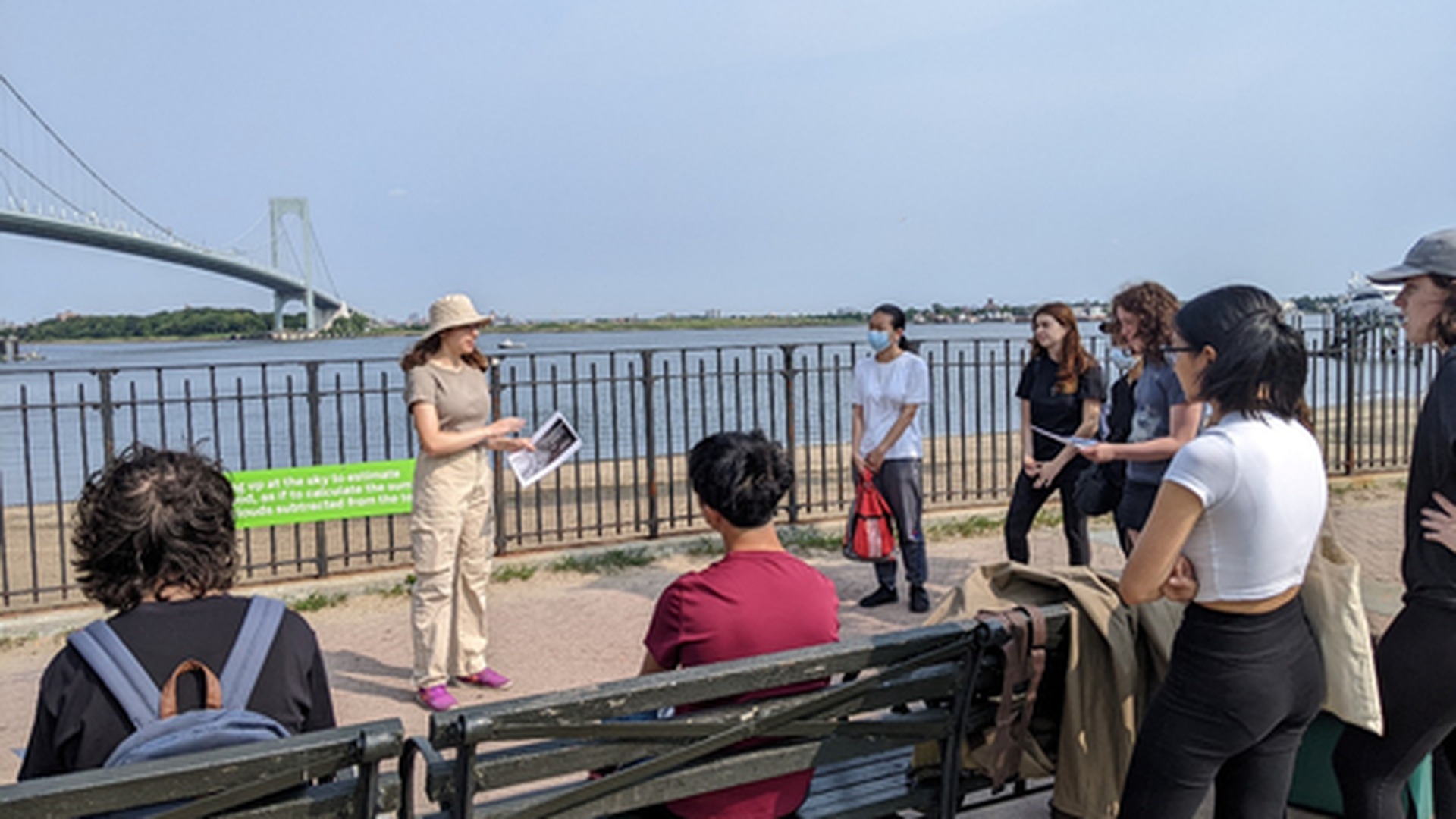
If you’re interested in ecology, conservation, or environmental science, this internship lets you study ecosystems where they actually exist rather than only reading about them. Each session takes you into parks and natural areas across New York City, where you’ll collect ecological data and learn field research techniques from environmental educators.
Activities include biodiversity surveys, bird monitoring, water-quality testing, habitat assessments, and identifying aquatic organisms. As you gather evidence, you’ll also learn how scientists design studies, record observations, and interpret ecological patterns. The internship concludes with a presentation of your findings, giving you experience communicating scientific research.
Why it stands out: It combines field ecology, scientific research, and environmental monitoring through regular outdoor investigations across New York City’s ecosystems.
9. Foreign Policy Research Institute (FPRI) Internship
Location: Remote or Philadelphia, Pennsylvania
Cost/Stipend: No cost; a limited number of paid internship stipends are available, alongside unpaid positions
Acceptance Rate/Cohort Size: Not publicly disclosed; internships are primarily aimed at college students, though high schoolers are welcome to apply
Dates: Fall term runs roughly September through December
Application Deadline: Varies by session
Eligibility: High school and college students authorized to work in the United States.
If international affairs, security studies, or public policy interest you, this internship offers a practical introduction to the work of a foreign policy think tank. Depending on your placement, you might support regional research, assist with public events, contribute to communications projects, or help produce educational content.
Your work could involve reviewing policy sources, conducting background research, analysing data, drafting written material, or supporting discussions on global issues. You’ll also attend seminars featuring scholars and practitioners working across foreign affairs and national security. The experience helps you understand how research informs public debate while strengthening writing, analytical, and professional communication skills.
Why it stands out: It provides direct exposure to policy research and global affairs within an established foreign policy research institute.
10. Stanford Clinical Summer Internship (CSI): Fall Intensive

Location: Virtual (Fall Intensive); Stanford Medicine, Stanford, California, or virtual (Summer)
Cost/Stipend: Fall: $75 application fee + $2,480 program fee | Summer: $95 application fee + $4,580 program fee
Acceptance Rate/Cohort Size: Selective; cohort size not publicly disclosed
Dates: Fall: September 10th - November 12th (weekly 90-minute virtual sessions) | Summer: July 13th - July 24th or July 27th - August 7th
Application Deadline: Fall: June 2nd | Summer: February 9th
Eligibility: High school juniors and seniors aged 16+ and undergraduate pre-med students; international eligibility not specified
This program introduces you to clinical medicine through a combination of instruction, simulation, and practical training. The Fall Intensive meets once a week for about 90 minutes, so it fits alongside regular schoolwork, while the Summer version is a more concentrated two-week block. You’ll explore medical specialties while practising techniques such as suturing, administering injections, conducting physical examinations, and working with anatomical specimens.
Clinical case discussions encourage you to evaluate symptoms, develop differential diagnoses, and consider appropriate treatment plans using evidence-based reasoning. Whether you attend virtually or on campus, you’ll gain a clearer understanding of how physicians apply scientific knowledge in clinical practice.
Why it stands out: You build practical clinical skills through simulation-based medical training guided by Stanford instructors, in a format that works around the school year.
11. U.S. Treasury Department Headquarters Student Internship Program
Location: U.S. Department of the Treasury, Washington, D.C.
Cost/Stipend: Unpaid
Acceptance Rate/Cohort Size: Not publicly disclosed
Dates: Fall: September - December | Spring: January - May | Summer: May - August
Application Deadline: Fall: June | Spring: October | Summer: December
Eligibility: U.S. citizens enrolled in or accepted to accredited high schools or colleges.
This internship gives you an inside look at how economic policy is developed within a federal government department. Depending on your office assignment, you may support teams working in economic policy, taxation, international affairs, financial regulation, or domestic finance. Your work can include researching policy issues, analysing data, preparing briefing materials, attending meetings or congressional hearings, and assisting with ongoing departmental projects.
Throughout the semester, you’ll observe how government agencies evaluate economic challenges and translate research into public policy. The experience also helps you develop professional communication, analytical reasoning, and workplace skills relevant to careers in public service.
Why it stands out: It offers firsthand experience supporting policy work within one of the U.S. government’s principal economic agencies.
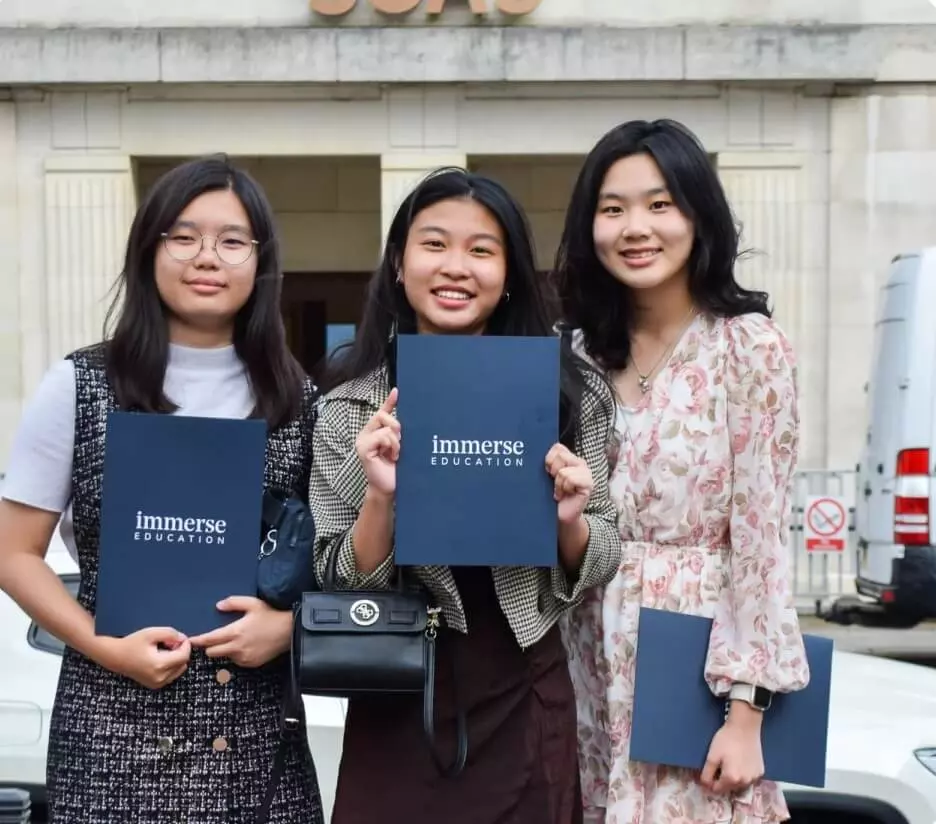
Join the Immerse Education 2027 Essay Competition
Follow the instructions to write and submit your best essay for a chance to be awarded a 100% scholarship.
12. University of Michigan Stamps School of Art & Design Fall Pre-College Programs
Location: University of Michigan, Ann Arbor, Michigan
Cost/Stipend: 0–250 per programme; scholarships available
Acceptance Rate/Cohort Size: Not publicly disclosed
Dates: September 29th - November 1st
Application Deadline: September 5th
Eligibility: Current students in grades 9-12
The Stamps School’s fall offerings let you explore university-level art and design through a combination of online studios, campus workshops, museum sessions, and creative career events. Depending on your interests, you can study areas such as graphic design, illustration, digital photography, drawing, stop-motion animation, or 3D modelling under university instructors.
If you choose an in-person option, you’ll also work directly with collections housed in University of Michigan museums and botanical gardens to develop observational and artistic skills. Beyond studio work, you can attend free workshops on augmented and virtual reality, portfolio preparation, and careers in the creative industries. The flexible programme allows you to build technical skills while experimenting with different artistic disciplines before college.
Why it stands out: You can explore a wide range of creative disciplines through flexible online and on-campus courses while learning from university faculty.
13. Tufts University Pre-College Dual Enrollment
Location: Tufts University, Medford/Somerville, Massachusetts
Cost/Stipend: 995–1,300 per credit + $65 registration fee (additional lab or material fees may apply)
Acceptance Rate/Cohort Size: Not publicly disclosed
Dates: Fall semester, aligned with Tufts’ academic calendar; exact dates are released closer to the term
Application Deadline: Not yet announced; check Tufts’ admissions portal for updates
Eligibility: Students entering grades 10-12; international students welcome
Tufts’ Dual Enrollment Programme allows you to integrate university coursework into your high school schedule by enrolling in undergraduate classes for credit or audit. You may choose courses taken alongside Tufts undergraduates or classes designed specifically for high school learners, depending on availability. Coursework follows university expectations, requiring independent reading, discussions, analytical writing, projects, and examinations.
Some subjects also include laboratory or studio work, giving you experience with practical learning environments. The programme offers an early introduction to the pace, workload, and academic standards of a research university while helping you strengthen skills you’ll use throughout college.
Why it stands out: You can earn transferable university credit while studying alongside Tufts undergraduates during the academic year.
14. Fashion Institute of Technology Fall Courses
Location: Fashion Institute of Technology, New York, New York
Cost/Stipend: $550; financial aid available
Acceptance Rate/Cohort Size: Not publicly disclosed
Dates: September 26th - December 5th
Application Deadline: September 16th
Eligibility: High school students
FIT’s fall courses offer an opportunity to explore fashion, design, and visual arts through university-level instruction over ten weekly sessions. Course topics vary each year but often include fashion illustration, design, textiles, styling, digital media, and other creative disciplines taught by FIT faculty.
Throughout the programme, you’ll develop practical skills by completing independent projects that mirror the creative process used in professional design programmes. You’ll also gain exposure to FIT’s academic environment while building pieces that can strengthen a future portfolio. The combination of structured instruction and project-based learning provides useful preparation for further study in art and design.
Why it stands out: You’ll develop portfolio-ready creative work while learning directly from faculty at one of the leading institutions for fashion and design.
15. New Jersey Institute of Technology Academy College Credit Courses
Location: New Jersey Institute of Technology, Newark, New Jersey
Cost/Stipend: $60 non-refundable application fee; FED 101: $1,320 | MATH 111: $2,640
Acceptance Rate/Cohort Size: Not publicly disclosed
Dates: September 5th - December 19th (Saturday classes)
Application Deadline: August 19th
Eligibility: High-achieving students entering grades 11-12 who can maintain at least a B average
NJIT’s Academy College Credit Courses allow you to complete university-level STEM classes while continuing high school. Saturday classes are taught on campus by NJIT faculty and focus on subjects such as engineering foundations and college mathematics.
You’ll complete coursework under the same grading standards used for university students, giving you experience with college assessments, academic expectations, and classroom structure. Successful completion earns official NJIT transcript credit that may transfer to other universities, depending on institutional policies. The programme provides a structured introduction to engineering and mathematics while helping you build confidence before beginning college.
Why it stands out: You earn official NJIT college credit through university-level STEM courses designed specifically for academically advanced high school students.
Frequently asked questions: Fall Programs for High School Seniors
Are fall programs worth it for college applications?
They can be, especially the selective or credit-bearing ones. A program like Columbia’s College Edge or NJIT’s Academy Courses gives you a real university transcript line, while a competitive internship like NASA’s OSTEM or the AFRL Scholars Program signals that you were selected from a large applicant pool. Less selective, pay-to-attend options still build skills and give you material for essays and interviews, but they carry less weight on their own. The strongest move is usually pairing one credential-style program with genuine interest in the subject, rather than collecting several for their own sake.
Do fall programs for high school seniors cost money?
Some do and some don’t. Dual-enrollment courses like NYU’s Pre-College Program and Columbia’s College Edge charge per credit, often running into the thousands of dollars, while national-lab and government internships such as NASA’s OSTEM, the AFRL Scholars Program, and the Los Alamos High School Internship are free to join and often pay a stipend. A handful of programs, like Alley Pond’s Field Biology Internship and the Fashion Institute of Technology’s fall courses, charge a modest flat fee with financial aid available. Your budget shouldn’t rule out credit-bearing options outright, since many offer need-based aid.
What’s the difference between a fall internship and a fall pre-college course?
An internship places you inside a real workplace, like a national laboratory or government office, working on actual projects under a mentor’s supervision. A pre-college course, by contrast, puts you in a classroom alongside undergraduates, following a syllabus and earning a grade and transcript credit, as with NYU’s Pre-College Program or Tufts’ Dual Enrollment. Internships tend to suit students who want hands-on exposure to a career path, while pre-college courses suit students who want proof they can handle university-level coursework. Many seniors benefit from trying one of each across their high school years rather than committing to only one format.
Can international students apply to fall programs for high school seniors?
It depends heavily on the program. Paid pre-college options like NYU’s Pre-College Program and Tufts’ Dual Enrollment explicitly welcome international applicants, and Immerse Education’s Online Research pathway is fully remote and open to students aged 13 to 18 worldwide. Government-affiliated internships are a different story: NASA’s OSTEM internships, the AFRL Scholars Program, and the U.S. Treasury internship all require U.S. citizenship. If you’re applying from outside the U.S., focus your search on university coursework and research-mentorship programs rather than federal internships.
How early should you apply to a fall program as a high school senior?
Earlier than you might expect, since many fall deadlines fall in the spring or early summer of the same year. Columbia’s College Edge closes in early July, NASA’s OSTEM Fall session closes in May, and Los Alamos’ internship deadline is September 30th, all well before the fall term actually begins. A few programs, like Tufts’ Dual Enrollment, don’t publish exact dates until closer to the term, so it’s worth checking a program’s page directly rather than assuming a deadline based on previous years. Building a shortlist over the summer gives you the best chance of meeting these earlier-than-expected deadlines.
Will a fall program interfere with your regular school workload?
It can, so the time commitment is worth checking before you commit. Programs like Stanford’s Clinical Summer Internship Fall Intensive are built around a single weekly session to fit around school, while others, like Columbia’s College Edge or NYU’s Pre-College Program, expect the same weekly workload as a real university course. Internships such as the Los Alamos High School Internship or the AFRL Scholars Program typically run part-time, 10 to 20 hours a week, during the school year. Talk to your school counselor about your course load before adding a demanding fall program, especially if you’re also working on college applications.
Ready to prepare for university this fall?
Fall programs for high school seniors give you a structured way to test a subject or build real experience before college applications are due.
Weighing a free, selective internship against a paid, credit-bearing course helps you decide which outcome matters more to your own application.
Starting your search early, since many deadlines fall months before the term begins, gives you the best shot at your preferred programs.
For more guidance on turning this fall into real momentum, browse our University Preparation blogs and keep building your application story.





Unlock Inspiring Opportunities with the Immerse Education Newsletter
Join our newsletter to stay ahead with exclusive updates, exciting programme highlights, and expert insights from the world of immersive education.
Learn how Immerse can transform your life
An in-depth overview of our university and career preparation programmes
Get a glimpse into the life of an Immerse participant
Find the right programme for you with sample timetables, location showcases, and more