15 High School Summer Camps in 2026
TL;DR
This page rounds up 15 high school summer camps for 2026, spanning residential arts intensives, STEM labs at national research facilities, and selective university-based programs. Costs range from fully free, government-funded options to competitive multi-week residentials costing several thousand dollars, and eligibility varies from open enrollment to GPA and geographic restrictions. You can find options whether you’re a rising 9th grader or a graduating senior. The Kenyon Review Young Writers Workshop, for instance, places you in five-hour daily generative writing workshops at Kenyon College, while Immerse Education runs a two-week Academic Insights pathway across six cities for ages 13 to 18.
Summer offers high school students opportunities to study beyond their regular curriculum, from creative writing workshops on university campuses to engineering projects in research laboratories. Rather than simply attending classes, you could spend time developing a specific skill, working through practical problems, and learning how a subject is approached in a more advanced academic setting. High school summer camps in 2026 include programs in science, engineering, mathematics, music, and the arts, each providing a different way to explore a potential college major.
Picture yourself working on an engineering project with university faculty, developing a portfolio of original writing, or examining scientific questions with researchers and other students. Depending on the camp, you might use laboratory equipment, practice technical problem-solving, participate in discussions, or receive feedback on your work.
What should you look for in high school summer camps in 2026?
The right camp depends on the subject you want to explore, the level of instruction you are ready for, and the kind of experience you need. Some programs provide residential study on university campuses, while others focus on laboratory work, creative practice, or short, specialized workshops. Cost, financial assistance, eligibility, location, and the opportunity to work directly with instructors are also important factors to compare when evaluating high school summer camps 2026.
The United States offers a varied academic landscape for these experiences, with major universities, specialist colleges, and government research laboratories supporting programs in fields ranging from marine science and quantum computing to writing and engineering. Studying in these settings can give you a closer look at the methods and expectations associated with a discipline, although the depth of the experience varies by program. If you’re set on writing specifically, our summer writing camps for high school students roundup digs deeper into that niche.
To make the comparison easier, we have compiled a list of 15 high school summer camps in 2026, including opportunities for students with different academic and creative interests.
15 High School Summer Camps in 2026
1. Kenyon Review Young Writers Residential Workshop
Location: In-person and residential at Kenyon College in Gambier, Ohio
Cost: $2,575, covering tuition, accommodation, all meals, and all activities, with no application fee | A non-refundable $500 deposit is due April 8th, and the balance by May 18th | Need-based financial aid is available
Acceptance rate or cohort size: Workshop groups of 12 to 14 students
Dates: June 21st - July 4th | July 12-25
Application deadline: March 1st | Recommendations due March 7th | Applications for the 2026 workshop have closed; 2027 dates aren’t posted yet
Eligibility: For students aged 16 to 18 who are rising juniors, rising seniors, or recent graduates | Rising sophomores are ineligible, and previous residential participants cannot reapply | International students are welcome and may attend on a B-2 or B-1/B-2 visa
You write in generative workshops that produce fresh short stories, poems, and essays rather than polishing work brought from home. Your group meets for five hours daily, and everyone in the room, instructors included, writes and shares work every day.
Nothing is graded, and no piece is formally evaluated, so instructors instead model responses that help you recognize your own strengths and locate productive avenues for revision. Individual conferences run alongside the workshop, which makes the attention you receive both collective and private.
Why it stands out: This program focuses uniquely on daily, five-hour generative workshops where you produce fresh work across multiple genres rather than simply critiquing existing pieces.
2. Immerse Education’s Pre-University Summer School

Location: Cambridge, London, Oxford, Singapore, Sydney, and Toronto
Cost: Varies; summer school scholarship available through our bursary programme
Acceptance rate or cohort size: Selective; an average of 7 participants per class
Program dates: 2 weeks during the summer
Application deadline: Multiple cohorts with rolling admissions
Eligibility: Ages 13 to 18, open to international students from around the world
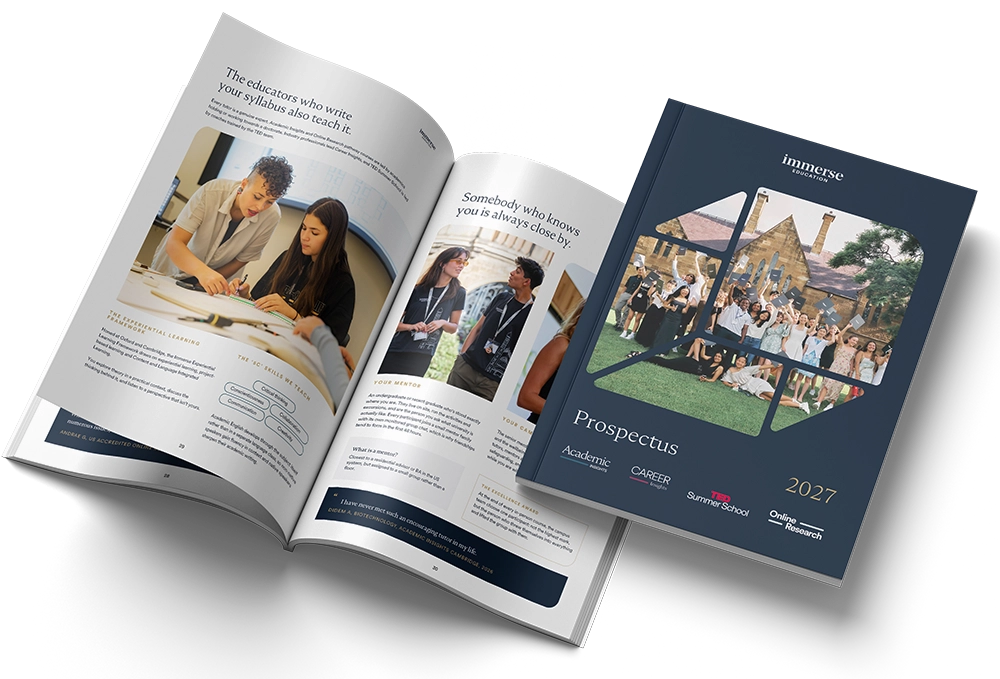
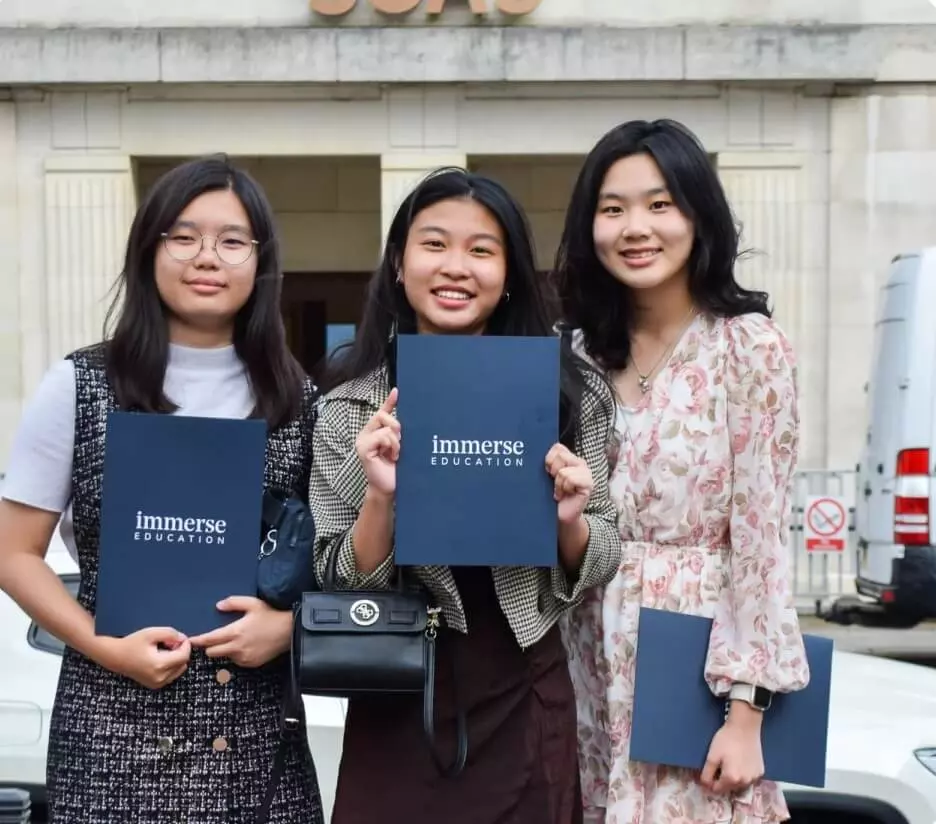
Immerse Education's Academic Insights pathway lets you experience university life firsthand. You will live on campus and study in small seminar groups averaging 7 students, learning from tutors from eminent top universities like Oxford and Cambridge. You can explore a wide range of subjects, spanning over 20 options, including Architecture, AI, Business Management, Computer Science, Economics, Medicine, Philosophy, and more.
The courses are experiential and project-based. You may find yourself conducting dissections in medicine, designing a robotic arm in engineering, participating in a moot court for law, or building creative writing portfolios and business case studies. By the end of the program, you’ll complete a personal project, receive written feedback, and receive a certificate of completion, with the option to earn 8 UCAS points or 3 US college credits if you’re 14 or older.
Why it stands out: You’ll get an early start at university life and academics because the program includes an independent project, discussion-based classes, and living at a college campus.
3. Young Founders Lab
Cost: Varies depending on program type. Full financial aid available.
Location: This program is 100% virtual, with live, interactive workshops
Eligibility: The program is currently open to all high school students
Program Dates: Multiple cohorts throughout the year, including summer, fall, winter, and spring
Application Deadline: Varies according to cohort. You can access the application link here!
The Young Founder’s Lab is a start-up boot camp founded and run by Harvard entrepreneurs. In this program, you will work towards building a revenue-generating start-up that addresses a complex problem. You will also have the opportunity to be mentored by established entrepreneurs and professionals from Google, Microsoft, and X.
Apart from building the start-up itself, you will also participate in interactive classes on business fundamentals and business ideations, workshops and skill-building sessions, case studies, panel discussions, and more. The program is an excellent opportunity to delve into the world of business in high school and have a space to explore multiple theoretical as well as practical frameworks that lead to a successful business. You can check out the brochure for the program here.
4. California State Summer School for the Arts (CSSSA)
Location: In-person and residential on the Cal Poly Pomona campus in California
Cost: CA State Residents: $5,174 | Out-of-State and International Students: $10,475 | Full and partial scholarships are restricted to California residents
Acceptance rate or cohort size: Up to 500 students each summer
Dates: July 4th - August 1st
Application deadline: February 28th, including the financial aid form, with acceptance notifications by the first week of May
Eligibility: For students in grades 8 to 12 | California residents form the primary intake; up to 20 out-of-state and international students are admitted each year | CSSSA cannot sponsor a student visa, and financial aid is restricted to California residents
CSSSA offers intensive training in seven artistic disciplines: animation, dance, music, theater, film, visual arts, and creative writing. You spend four weeks developing skills in your chosen field through instruction from working artists and structured creative assignments.
Admission is based on demonstrated talent and creative potential, supported by application materials and recommendations. The program provides sustained practice rather than a brief introduction to multiple art forms, allowing you to develop your technique and explore your interests in greater depth.
Why it stands out: You are named a California Arts Scholar upon completing the program, and California State University Extension credits with a college transcript are available to graduates.
5. Iowa Young Writers’ Studio Summer Residential Program
Location: In person and residential at the University of Iowa in Iowa City
Cost: $2,510 per session covering room, board, instruction, and materials, plus a $10 reading fee waived on request | Need-based aid includes several full-tuition and partial-tuition grants
Acceptance rate or cohort size: Not disclosed
Dates: June 14-27 | July 12-25
Application deadline: February 1st, with decisions in early April
Eligibility: For students currently in 10th, 11th, or 12th grade | Ninth graders are not accepted | Applications from students living outside the United States are explicitly welcomed
You take one core course for the length of the session, selecting fiction, poetry, or a combined course spanning fiction, poetry, and the personal essay. Graduates of the Iowa Writers’ Workshop teach every core course, anchoring your instruction in the most established writing program in the country.
Attendance in that core course is mandatory, while readings by visiting writers, craft discussions, open mics, and talent shows sit around it as options you choose. The structure favors immersion over sampling, since the same cohort and instructor carry you from the first day to the last.
Why it stands out: The program pairs small cohorts of high school writers with graduates of the Iowa Writers’ Workshop for an intensive two-week immersion focused on a single creative writing genre.


6. Berklee Aspire: Five-Week Music Performance Intensive
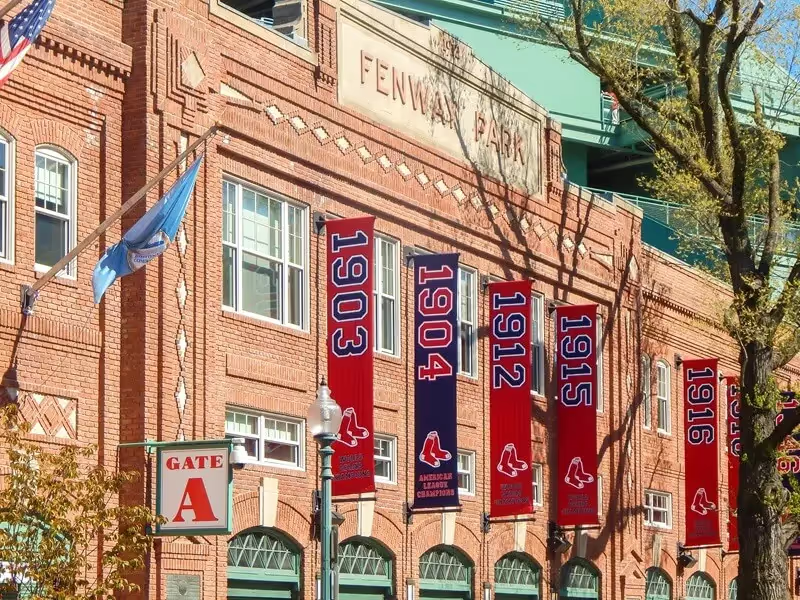
Location: In-person and residential at Berklee College of Music in Boston, Massachusetts
Cost: $5,430 tuition plus a $50 non-refundable application fee, with housing charged separately and payable in installments | Full and partial merit-based scholarships are available
Acceptance rate or cohort size: More than 1,000 students from over 70 countries
Dates: Runs for 5 weeks, July 5th - August 7th
Application deadline: Rolling enrollment, with your place reserved only once tuition is paid in full
Eligibility: For high school-aged musicians aged 15 and older | International students are actively recruited and must obtain an F-1 visa
You choose one principal instrument, voice included, and study it as a Berklee undergraduate would. Classes combine private lessons, instrumental labs, ensembles, theory, and musicianship training calibrated to your existing ability.
Elective coursework opens into songwriting, music production, music business, and music therapy, so you test adjacent careers alongside performance. The final week hosts over 200 ensemble performances, and you appear in at least one.
Why it stands out: You can audition during the program for a place in Berklee’s undergraduate degree, with roughly $10 million in scholarships awarded in the final week.
7. Advanced Space Academy
Location: In-person and residential at the U.S. Space & Rocket Center in Huntsville, Alabama
Cost: $1,999 per camper, covering meals, housing, a program T-shirt, and materials but excluding transportation | Scholarships are available at $1,000 a year for Alabama residents and $2,000 a year for non-residents
Acceptance rate or cohort size: Not disclosed
Dates: Six days, running weekly through summer
Application deadline: Rolling registration | Filled first-come, first-served
Eligibility: For trainees aged 15 to 18 | International trainees attend regularly, and the Space Camp Habitat houses students from many countries each summer
You train through astronaut exercises, engineering challenges, and team-building tasks structured around college and career preparation in science, engineering, technology, and mathematics. The program culminates in an extended-duration simulated space mission where your team holds defined operational roles.
Optional training includes the multi-axis trainer, moon-walking simulation, and extravehicular activity simulation. Housing sits in the Space Camp Habitat facility, so you live inside the training environment rather than commuting to it.
Why it stands out: Completing the program qualifies you for Advanced Space Academy Elite, an invitation-only eight-day program featuring SCUBA diving in the Underwater Astronaut Trainer and NASA guest speakers.
8. Northwestern University National High School Institute (NHSI)
Location: In-person and residential on Northwestern University’s campus in Evanston, Illinois (Debate is fully virtual)
Cost: Varies by division; Debate costs $3,500 (4-week) or $5,000 (6-week), plus a $60 application fee
Acceptance rate or cohort size: Not disclosed
Dates: Late June through late July or early August, varying by division
Application deadline: Varies by division
Eligibility: Spans grades 9 through 12 across the Theatre Arts, Film & Video, and Debate divisions | International students may apply
Northwestern’s National High School Institute offers intensive study in creative and performing arts through separate divisions: Theatre Arts, Film & Video, and Debate. The curriculum depends on the chosen division, with activities such as film production, screenwriting, performance, and specialized workshops.
You work with instructors who have professional experience in their fields and develop skills through sustained practice. Evenings and weekends may include field trips to Chicago theatre, film screenings, and master classes with visiting artists.
Why it stands out: Its separate subject-specific divisions allow you to focus on a particular creative discipline rather than follow a general arts curriculum.
9. Texas A&M Galveston Sea Camp
Location: In person and residential in dormitories on the Texas A&M University at Galveston Mitchell campus on Pelican Island, Texas
Cost: Residential week-long sessions range from roughly $995 to $3,200, including housing, meals, lab supplies, and field trips | Exact costs vary by program
Acceptance rate or cohort size: Not disclosed
Dates: Weekly sessions run from early June through late July, depending on the camp
Application deadline: Registration remains open until seats fill up
Eligibility: For campers aged 10 to 18, depending on the selected camp | International eligibility not specified
You gain access to research vessels, oceanographic equipment, and laboratory facilities under the supervision of professional marine science staff. Seining and trawling expeditions put you in the water collecting specimens rather than observing from shore.
Investigations run across oyster reefs and salt marshes, and guided dissections translate classroom marine biology into direct examination. University undergraduates and graduate students working in marine science and conservation lead the instruction.
Why it stands out: This residential program immerses you in marine science through research vessel excursions, lab dissections, and coastal field sampling guided by university educators.
10. Santa Clara University Summer Engineering Seminar (SES)
Location: In person and residential at Santa Clara University in Silicon Valley, California
Cost: Free
Acceptance rate or cohort size: Not disclosed
Dates: July 13-17 | July 20-24
Application deadline: March 31st, with decisions by May 8th
Eligibility: For current sophomores and juniors, with priority to sophomores, aimed at students without prior engineering exposure | The program continues to draw international interest, welcoming students from around the world
Santa Clara University’s Summer Engineering Seminar introduces you to several engineering disciplines through faculty-led workshops and projects. The introductory sessions cover bioengineering, civil and environmental engineering, computer science, electrical engineering, and mechanical engineering.
Faculty and university students guide you as you test ideas and learn how different branches of engineering approach practical problems. The residential format also provides a short introduction to university routines and collaboration beyond the classroom.
Why it stands out: This fully funded residential seminar gives you a zero-cost introduction to college life through faculty-led workshops across five distinct engineering disciplines.
11. SAGE Camp at SLAC
Location: In person and residential across the SLAC National Accelerator Laboratory and Stanford campuses in Menlo Park and Palo Alto, California
Cost: Free
Acceptance rate or cohort size: Not disclosed
Dates: June 21-27
Application deadline: March 17th, with teacher recommendations due March 24th
Eligibility: For 9th, 10th, and 11th graders attending a Northern California high school who are under 18 | Not open to international students or to those studying outside Northern California
SAGE Camp at SLAC gives you an introduction to scientific careers through conversations with researchers, engineers, and other STEM professionals. You explore how scientific work connects with fields beyond traditional laboratory science, including writing, music, art, and athletics.
Hands-on activities, including electronics projects, provide opportunities to apply concepts rather than simply observe demonstrations. The residential format offers a concentrated week of learning and discussion in a research-laboratory environment.
Why it stands out: This fully funded, one-week residential camp connects you directly with Department of Energy scientists and engineers through projects, facility tours, and ongoing career mentorship.
Join the Immerse Education 2027 Essay Competition
Follow the instructions to write and submit your best essay for a chance to be awarded a 100% scholarship.
12. Stanford University Mathematics Camp (SUMaC)
Location: Stanford University, Stanford, CA + Virtual options
Cost: $3,750 (online) | $8,950 (residential) | Need-based financial aid available
Acceptance rate or cohort size: Highly selective
Dates: Online: June 15th - July 3rd or July 6-24 | Residential: June 21st - July 17th
Application deadline: February 2nd
Eligibility: 10th-11th graders; Participants who are 18+ are not eligible for the residential track but are eligible for the online track | Open to international students
Stanford University Mathematics Camp is intended for students ready to move from computational mathematics into proof-based and theoretical study. You will attend daily lectures introducing advanced concepts that demand abstraction, logical precision, and sustained engagement with unfamiliar ideas.
You will also join problem sessions that require you to construct arguments, identify gaps in your reasoning, and communicate each step with greater clarity. Independent assignments give you additional practice working through mathematical questions without relying on routine formulas or familiar methods.
Why it stands out: Its sustained focus on formal proof and abstraction closely resembles the way mathematics is studied at the university level.
13. Quantum School for Young Students (QSYS)
Location: Online, hosted by the Institute for Quantum Computing at the University of Waterloo, with an optional in-person lab day on campus
Cost: Free
Acceptance rate or cohort size: Up to 200 students online, with about 25 invited to the in-person lab day
Dates: August 4-13, plus an optional lab day on August 17th
Application deadline: May 1st
Eligibility: For Grade 11 and 12 students, with exceptional Grade 10 students considered as space permits | Live sessions are restricted to students in Canada, so international students outside Canada cannot attend
The Quantum School for Young Students introduces you to quantum science through lectures, discussions, problem-solving, and mentoring. You develop the mathematical foundations needed to understand concepts such as superposition, entanglement, and quantum cryptography.
The program is designed to make advanced subject matter accessible to motivated students who may not have taken specialist quantum physics courses. Its online format allows eligible students across Canada to participate, while a separate in-person laboratory day offers a more direct encounter with quantum research equipment.
Why it stands out: QSYS combines an accessible introduction to quantum theory with the possibility of an in-person laboratory experience at a specialist university research institute.
14. AEOP Gains in the Education of Mathematics and Science (GEMS)
Location: In person at U.S. Army research centers and laboratories across the country, with a virtual camp option
Cost: Free, with a stipend on completion | Students completing the one-week in-person session at Vicksburg receive $125
Acceptance rate or cohort size: Not disclosed
Dates: One-week sessions through the summer, with dates set by each host laboratory
Application deadline: Set individually by each site
Eligibility: For rising 5th through 12th graders who are U.S. citizens or permanent legal residents only | International students are not eligible | You are less likely to be accepted to a camp you have previously attended
You conduct inquiry-based, hands-on laboratory experiments inside working Army research facilities. Army research scientists and engineers deliver the instruction alongside teachers and near-peer mentors, so you encounter three levels of expertise at once.
Experiments connect to each centre’s actual research areas, whether civil and military engineering, geospatial sciences, water resources, or environmental sciences. The program exists to reach students who have not yet considered scientific careers, early enough that academic preparation remains possible.
Why it stands out: Completing GEMS opens a paid route back as a Near-Peer Mentor, where you work alongside Army scientists teaching the next cohort and receive a stipend based on your experience.
15. Princeton Summer Journalism Program
Location: Princeton University, Princeton, NJ, U.S.
Cost: None
Program dates: 10 days in the summer (late July - August) + academic-year support
Application deadline: Late January
Eligibility: High school juniors from low-income backgrounds with a GPA of 3.5 or higher who live and attend school in the U.S.; potential first-generation college students will be given priority consideration
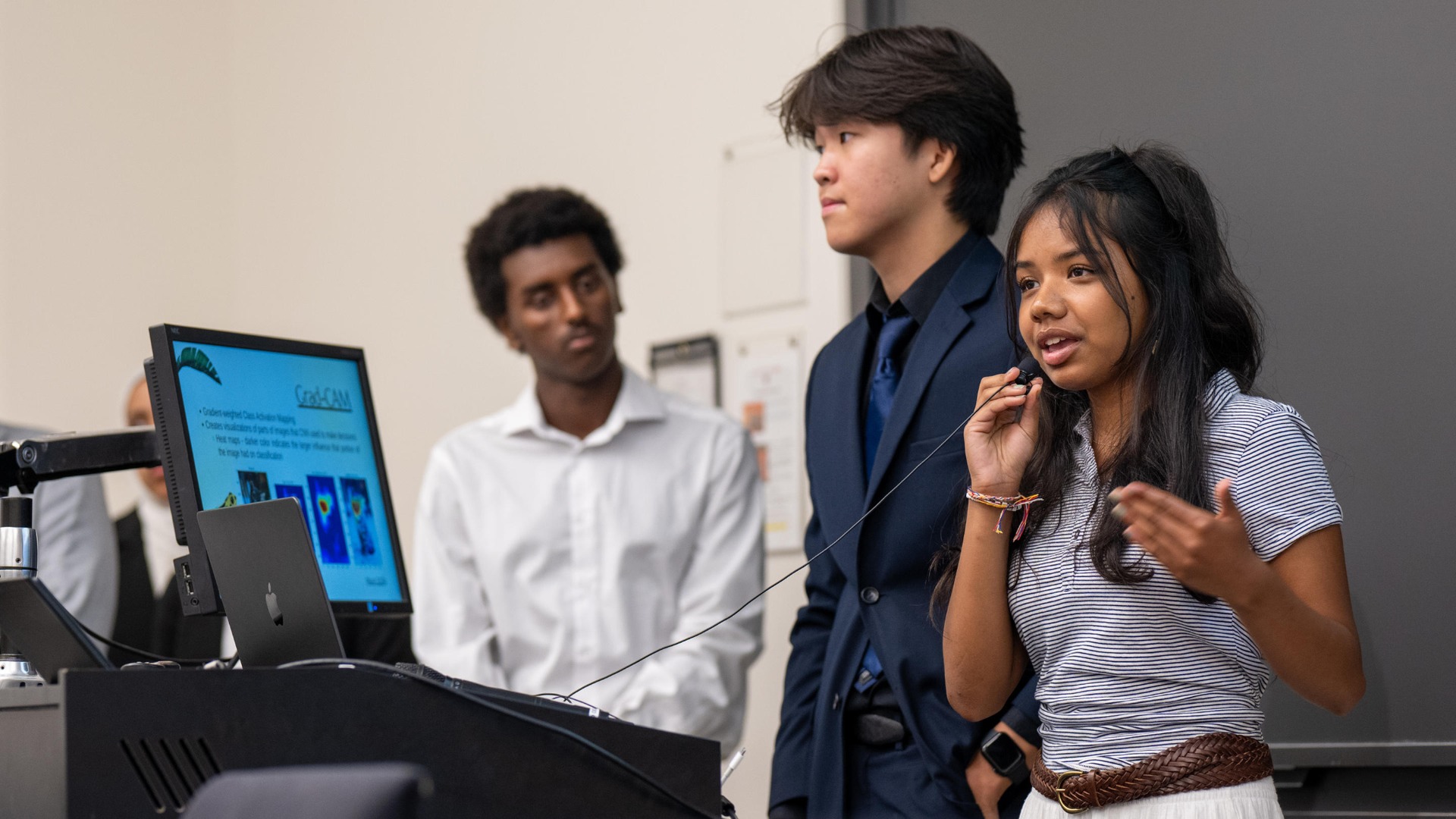
The Princeton Summer Journalism Program is a free program that offers you an in-depth introduction to journalism through on-campus and virtual seminars, workshops, and collaborative storytelling activities. You will engage in media training, learning how to investigate, research, and craft compelling narratives. Sessions led by journalists will add to your understanding of the field.
You will tour major news organizations and also cover a professional sports event. Throughout the program, you will cover news events in the Princeton area, produce digital content, complete an investigative report, and report, write, edit, and design a newspaper called The Princeton Summer Journal, which is published on the program’s last day.
Why it stands out: You will practice writing, reporting, editing, and producing digital content, design your own newspaper, and connect with professionals over the course of 10 days in a university environment, while also gaining access to year-round college prep support. If you’d rather compare a wider spread of STEM-specific options, our STEM summer programs in Canada for high school students roundup is a useful companion to QSYS above.
Frequently asked questions: High School Summer Camps in 2026
What’s the cheapest way to attend a high school summer camp in 2026?
Several camps on this list are completely free. Santa Clara’s Summer Engineering Seminar, SAGE Camp at SLAC, the Quantum School for Young Students, and the Princeton Summer Journalism Program all charge no tuition at all, and AEOP GEMS even pays a small stipend on completion. These free options tend to be funded by universities, national laboratories, or government programs rather than private institutions, which is why they often carry tighter geographic or income-based eligibility rules in exchange for covering the full cost.
Are these summer camps open to international students?
It depends heavily on the program. Camps run by national laboratories or government agencies, like SAGE Camp, QSYS, and AEOP GEMS, are restricted to students within a specific country or region. University-run academic and arts programs are typically more open: Kenyon Review, Iowa Young Writers’ Studio, Berklee Aspire, and Stanford’s SUMaC all explicitly welcome international applicants. Immerse Education's Academic Insights pathway is open to students aged 13 to 18 from anywhere in the world, across six cities.
Do you need a portfolio or audition to get into an arts-focused camp?
Yes, for most of the arts programs on this list. CSSSA requires a portfolio, writing sample, or audition depending on your chosen discipline, and Berklee Aspire includes an audition component for its ensemble and scholarship opportunities. The two creative writing residentials, Kenyon Review and Iowa Young Writers’ Studio, ask for a writing sample and statement of purpose rather than a formal audition. Review each program’s application requirements early, since portfolio and audition materials usually take longer to prepare than a standard application form.
How selective are research-focused summer camps for high schoolers?
Very, in most cases. The Lumiere Research Scholar Program receives more than 4,000 applications for around 500 spots each year, and Stanford’s SUMaC is similarly competitive given its narrow 10th and 11th grade eligibility window. QSYS is less about rejecting applicants than managing capacity, since only about 200 students can be accommodated in the live online sessions. If a research program appeals to you, apply as early as your eligibility allows, since several of these deadlines fall months before the program itself.
Can a 9th grader attend any of these camps?
A few, though most on this list start at 10th grade or above. CSSSA accepts students from grade 8 up, and Northwestern’s NHSI spans grades 9 through 12 across its divisions. Iowa Young Writers’ Studio explicitly excludes 9th graders, and Stanford’s SUMaC and the Lumiere Research Scholar Program are generally better suited to students further along in high school. If you’re a rising 9th or 10th grader, Immerse Education's Academic Insights pathway is open from age 13.
What’s the difference between a residential and a virtual summer camp?
A residential camp means you live on or near campus for the program’s duration, with meals, housing, and evening activities built into the experience alongside the academic work. A virtual camp delivers the same instruction over video or online platforms, without travel or housing costs, which is part of why programs like the Lumiere Research Scholar Program and QSYS can serve students from far wider geographic areas. Some programs, like NHSI’s Debate division, offer a virtual version of what’s otherwise a residential institute, so check the format for the specific track you want.
Turning a summer camp into university prep
A high school summer camp works best when you pick it for the subject you want to test, not just the name on the brochure.
A free week at a government research lab teaches you something different than a selective, paid residential with college credit attached.
Whichever format you choose, you’ll finish the summer with a clearer sense of what you actually want to study next.
For more help narrowing down your college path, browse our University Preparation blogs and find the camp that fits where you’re headed.






Unlock Inspiring Opportunities with the Immerse Education Newsletter
Join our newsletter to stay ahead with exclusive updates, exciting programme highlights, and expert insights from the world of immersive education.
Learn how Immerse can transform your life
An in-depth overview of our university and career preparation programmes
Get a glimpse into the life of an Immerse participant
Find the right programme for you with sample timetables, location showcases, and more