15 Science Summer Schools for Year 13 Students
TL;DR
You'll find 15 science summer schools, from fully funded research programs at MIT and Rockefeller to paid lab internships at the NIH, Broad Institute, and Berkeley Lab. The main split is between national programs open across the US and local internships that require you to live near the lab. A few, like the Jackson Laboratory and NIH internships, accept graduating seniors, which suits you if you're in Year 13. The Jackson Laboratory, for example, pays a $7,000 stipend plus room, board, and travel. Immerse Education's Academic Insights pathway welcomes ages 13 to 18 in cities including Oxford and Cambridge.
Science rarely looks like the subject on your syllabus once you get close to how it's actually practiced. A working scientist spends far more time troubleshooting a failed experiment, arguing over what a dataset actually shows, or rewriting a hypothesis than following a set of steps to a known answer.
That's the gap a good summer school closes: instead of reading about how research works, you're at a bench, in a field site, or in front of real data, doing the slow, uncertain work yourself. You'll pick up skills you won't get from a textbook, like experimental design, statistical reasoning, scientific writing, and how to defend a result under questioning. For a Year 13 student weighing what to study next, that kind of exposure is worth more than another set of grades.
Why pursue science summer schools in Year 13?
These programs can act as a foundation for your university journey, giving you a taste of what life is like at a top institution, in person. Every entry on this list happens on a campus or in a lab, because there's a difference between watching a lecture online and living in a dorm, eating in a dining hall, and walking to a seminar the way an actual undergraduate does.
You'll work alongside professors, graduate students, and researchers who can talk honestly about what a science career involves, and you'll meet other students asking the same questions you are. The list below leans toward programs hosted by a university or a government research organization, with a bias toward ones that are free or pay a stipend.
15 Science Summer Schools for Year 13 Students
1. MITES Summer
Location: Massachusetts Institute of Technology, Cambridge, MA
Cost/Stipend: Free; students cover travel to and from campus
Acceptance rate/cohort size: Highly selective
Dates: Six weeks, late June to early August
Application Deadline: February 1st
Eligibility: Students in 11th grade at application (rising seniors) who are U.S. citizens or permanent residents
Six weeks at MIT gets you a full course load in math, science, and the humanities, plus one applied elective you choose, in fields like genomics, machine learning, or electronics. Midterms, finals, and instructor evaluations run through the summer the same way they would in a real semester, so this isn't a lighter version of college; it's an early one.
You'll live in MIT's dorms and eat in its dining halls for the full six weeks, with tuition, housing, and meals covered. For a student about to submit university applications, the instructor evaluations you earn here can double as a strong, recent academic reference.
Why it stands out: It's a fully funded six-week academic term with real evaluations, not a shortened summer sampler.
2. Immerse Education's Pre-University Summer School

A collection of high-school students, gathered in a group, laughing and talking amongst themselves.
Location: Cambridge, London, Oxford, Singapore, Sydney, and Toronto
Cost: Varies; summer school scholarship available through our bursary programme
Acceptance rate/cohort size: Selective; an average of 7 participants per class
Application Deadline: Multiple cohorts with rolling admissions
Program Dates: 2 weeks during the summer
Eligibility: Students aged 13 to 18; open to international students from around the world
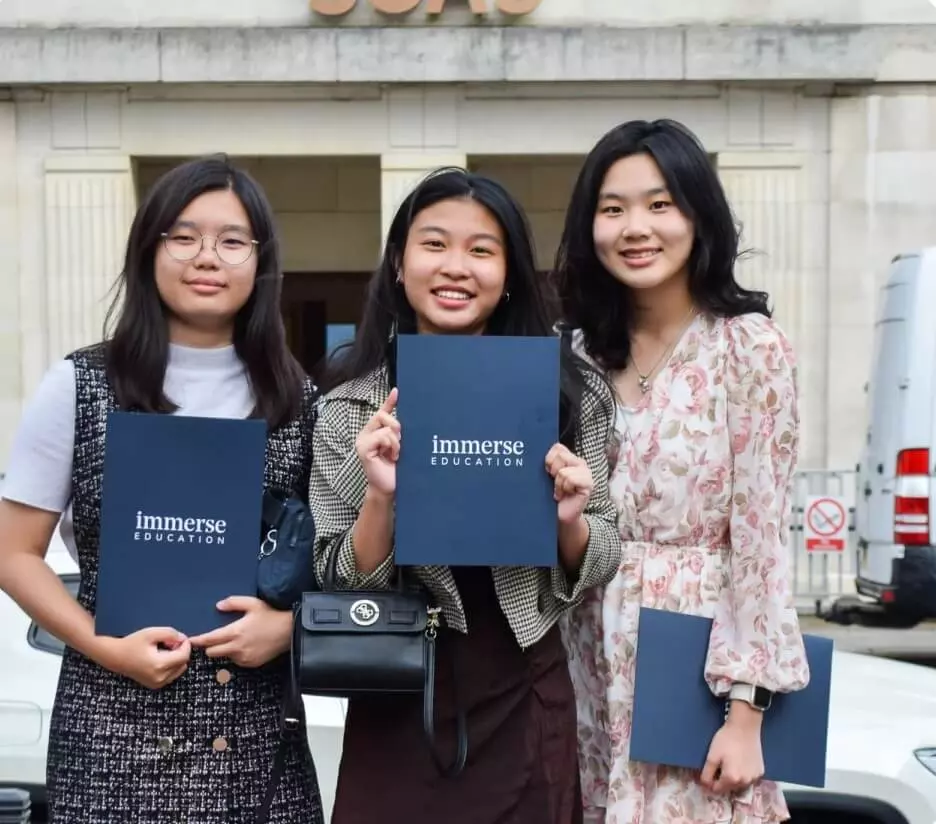
Immerse Education's Academic Insights pathway lets you experience university-level study firsthand. You'll study in tutor-led seminars averaging 7 students, with two 1:1 tutorials, masterclasses, and guest speakers across your two weeks.
You can explore more than 20 subjects, including Biology, Chemistry, Engineering, Medicine, Natural Sciences, and Physics, with residential or commuter options. By the end of the programme, you'll present a personal project on the final Friday, and accredited options let you earn 8 UCAS points or 3 US college credits from age 14. You can find more details about the application here.
Why it stands out: You'll get an early start at university life and academics through small-group teaching, an independent project, and living in a historic university city.
3. Lumiere Research Scholar Program
Location: Remote, you can participate in this program from anywhere in the world!
Cost: Varies depending on program type. Full financial aid available.
Application Deadline: Varies by cohort.
Program Dates: Varies by cohort: summer, fall, winter, or spring. Options range from 12 weeks to 1 year.
Eligibility: You must be currently enrolled in high school and demonstrate a high level of academic achievement.
The Lumiere Research Scholar Program is a rigorous research program tailored for high school students. The program offers extensive 1-on-1 research opportunities for high school students across a broad range of subject areas. The program pairs high school students with Ph.D. mentors to work 1-on-1 on an independent research project.
At the end of the 12-week program, you'll have developed an independent research paper! You can choose research topics from subjects such as psychology, physics, economics, data science, computer science, engineering, chemistry, international relations, and more. You can find more details about the application here, and check out students' reviews of the program here and here.
Why it stands out: You get 1-1 mentorship with a Ph.D. mentor and produce an independent research project by the end.
4. Research Science Institute (RSI)
Location: Massachusetts Institute of Technology, Cambridge, MA, and Stanford University, Stanford, CA
Cost/Stipend: Free
Acceptance rate/cohort size: Highly selective; 100 students at MIT and 50 at Stanford in 2027
Dates: Six weeks during the summer
Application Deadline: December 11th, 2026
Eligibility: High school juniors (rising seniors); open to U.S. and international students
RSI's first week is classroom-based, college-level instruction across the sciences and engineering, taught fast. The five weeks after that, you're paired with a research mentor and expected to produce something real: a research plan, actual data, a written paper, and a formal presentation.
Starting in 2027, RSI runs a second site at Stanford alongside MIT. If you're weighing whether a research-heavy STEM degree is right for you, this is about as close to the real thing as a summer program gets.
Why it stands out: A highly selective international cohort and a full research paper put it closer to graduate-level research training than a typical camp.
5. Simons Summer Research Program
Location: Stony Brook University, Stony Brook, NY
Cost/Stipend: No tuition; students receive a stipend award at the closing symposium
Acceptance rate/cohort size: Highly selective
Dates: Six weeks; June 29th to August 7th in 2026
Application Deadline: February 5th (2026 cycle), following school nomination
Eligibility: High school juniors who are U.S. citizens or permanent residents, at least 16 by the start date
Your school has to nominate you before you can even apply, which narrows the pool before admissions even begins. Once accepted, you're placed with a Stony Brook faculty mentor and given real responsibility for a piece of an ongoing research project.
Weekly faculty talks and workshops run alongside the lab work, and the six weeks end with a written research abstract and a poster you present at a public symposium. There's no tuition, and every fellow receives a stipend at the closing event.
Why it stands out: The nomination-only entry point and public poster symposium mirror how a real research group actually operates.


6. Summer Academy for Math and Science (SAMS)
Location: Carnegie Mellon University, Pittsburgh, PA
Cost/Stipend: Free; fully funded
Acceptance rate/cohort size: Highly selective
Dates: Six weeks; June 20th to August 1st in 2026
Application Deadline: February 1st (2026 cycle)
Eligibility: Students in 11th grade at application who are at least 16 by the start date; U.S. citizens or permanent residents
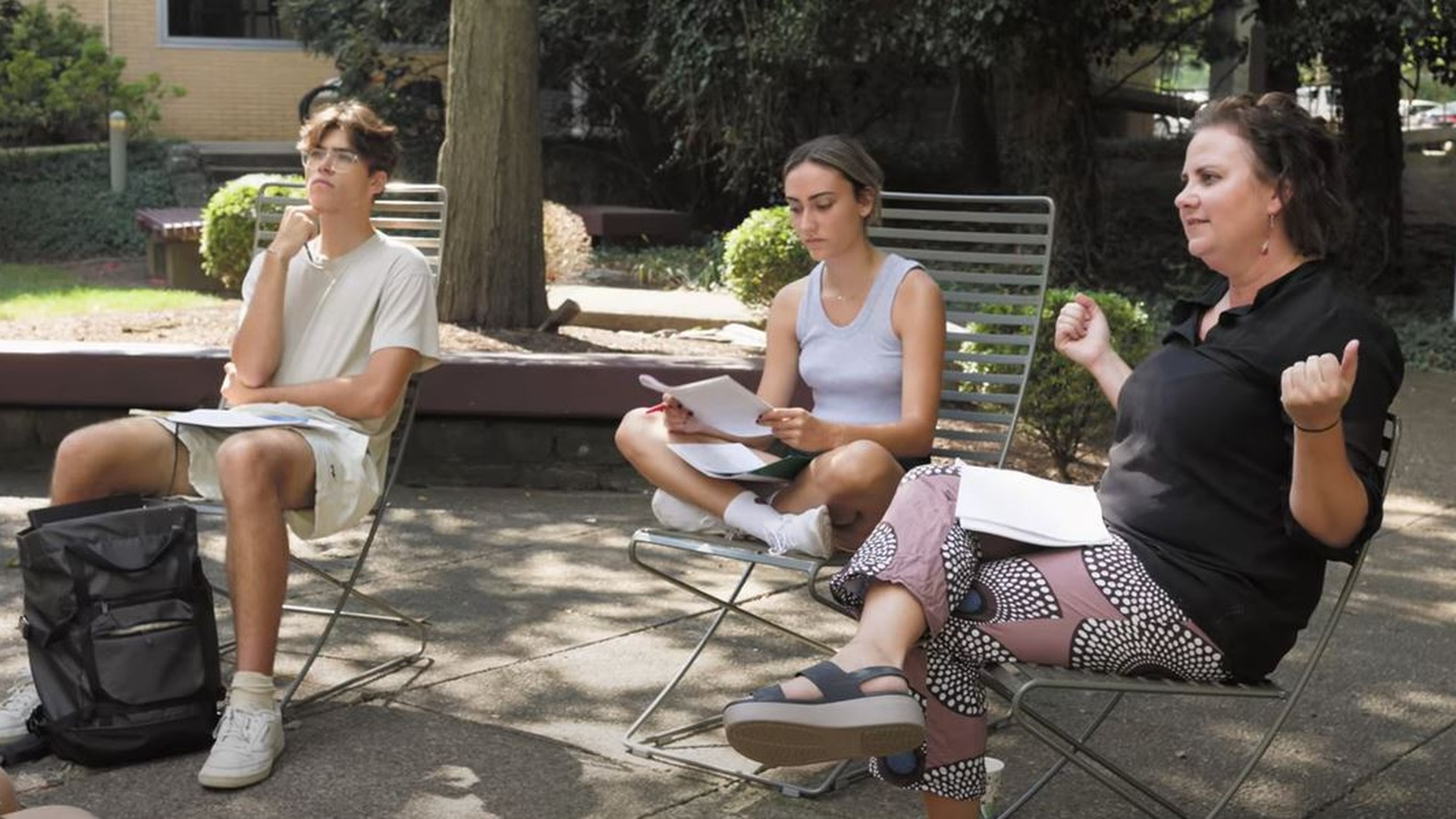
SAMS is a six-week residential program at Carnegie Mellon built for students interested in math and science. Your days run on core math and science seminars plus a STEM research project supervised by faculty or graduate students, and the summer closes with a symposium where you present that work.
College-readiness workshops, including support with your application essay, run alongside the science. Mentoring groups and workshops with alumni and industry leaders round out the six weeks.
Why it stands out: It combines fully funded STEM coursework with research and college application support in a single summer.
7. Anson L. Clark Scholars Program
Location: Texas Tech University, Lubbock, TX
Cost/Stipend: Free; room, board, and meals covered, plus a $750 stipend on completion; $25 application fee
Acceptance rate/cohort size: 12 scholars per summer
Dates: Seven weeks during the summer
Application Deadline: February 15th, 2027 (applications open January 2nd)
Eligibility: Rising high school seniors and recent graduates, at least 17 by the start date; U.S. citizens or permanent residents
Clark Scholars is one of the smallest and hardest-to-enter programs on this list. Each scholar spends seven weeks working with a Texas Tech faculty member on an active research project, so the depth of mentorship is unusually high for a high school program.
Weekly seminars and discussions run alongside the research. Complete a successful research project and you leave with a $750 stipend on top of free room, board, and meals. If you want sustained, individual mentorship over a broader survey experience, this is built for exactly that.
Why it stands out: A cohort of just twelve means close faculty mentorship, a level of individual attention few other programs can offer.
8. Summer Student Program
Location: The Jackson Laboratory, Bar Harbor, ME (high school students) and Farmington, CT
Cost/Stipend: Free; $7,000 stipend plus room, board, and round-trip travel
Acceptance rate/cohort size: Highly selective; around 40 students across both campuses
Dates: About 10 weeks (May 30th to August 7th in 2026 at Bar Harbor)
Application Deadline: January 26th (2026 cycle)
Eligibility: Graduating high school seniors and undergraduates interested in genetics and genomics
This one is built for students who've just finished their final year of school, not rising seniors still mid-course, which makes it a natural fit if you're already in Year 13. You'll explore how genetics and genomics shape biological systems through laboratory research, growing as an independent researcher in a team environment.
At the end of the summer, you present your work to JAX researchers, other participants, and family members. The genetics and genomics focus is narrower than most programs here, so it suits a student who already knows that's the direction they're headed.
Why it stands out: It's designed for graduating seniors, and ten weeks of focused genetics research with a $7,000 stipend is hard to match.
9. Summer Science Research Program (SSRP)
Location: The Rockefeller University, New York, NY
Cost/Stipend: Free
Acceptance rate/cohort size: Highly selective; around 32 to 40 students
Dates: June 21st to August 5th, 2027
Application Deadline: January 4th, 2027
Eligibility: High school juniors and seniors at least 16 by the start date; open to international students, though no visa or housing support is provided
Rockefeller organizes SSRP around lab teams that mirror how the university's own research groups run. You'll design and run discovery-based experiments in fields like neuroscience, immunology, or genetics, with lectures from working scientists alongside the lab work.
The program closes with a symposium where you present your findings. Because you're doing the research rather than observing it, you leave with real technical experience. For more options in the city, see these research programs in NYC for high school students.
Why it stands out: Lab teams are structured the way Rockefeller's research groups run, giving you an authentic research environment.
10. NIH Summer Internship Program (SIP)
Location: NIH campuses nationwide (main campus in Bethesda, MD)
Cost/Stipend: Free; stipend provided
Acceptance rate/cohort size: Highly selective
Dates: Summer, with dates set by your host lab
Application Deadline: February 18th in the 2026 cycle; reference letters were due February 25th
Eligibility: U.S. citizens or permanent residents who are graduating high school seniors and will be 18 by September 30th; graduating seniors who are 17 by June 1st must live within 40 miles of an NIH campus
The NIH runs SIP across its research campuses, so you end up inside a working federal biomedical lab. You're placed in the Intramural Research Program on an active research project, alongside lectures and professional development sessions.
A Summer Poster Day in early August closes out the program, where you present your findings to the NIH community. Since high school eligibility now starts with graduating seniors, this program works as a bridge between school and university.
Why it stands out: It's the only program here that puts you inside an active federal research agency, useful if public-sector science interests you.
11. National Youth Science Camp (NYSCamp)
Location: Monongahela National Forest, West Virginia, and Washington, DC
Cost/Stipend: Free; housing, meals, academic programming, and transportation covered
Acceptance rate/cohort size: Highly selective; typically two delegates per state and DC, plus international delegates
Dates: July 11th to August 1st (2026)
Application Deadline: Mid-to-late March, varying by state (2026 cycle)
Eligibility: Graduating high school seniors and rising seniors with demonstrated excellence in STEAM; international delegates take part through the U.S. State Department
Only around two students per state get chosen for this one, plus delegates from abroad. For three weeks in the Monongahela National Forest, you attend daily lectures and seminars and take part in directed studies with working STEAM professionals.
The camp sits near the National Radio Quiet Zone, so phone service is spotty and your focus stays on the program. Between sessions, you can hike, backpack, rock climb, or go caving with a cohort assembled from across the country.
Why it stands out: Being chosen as one of about two delegates from your entire state carries a distinction few other programs on this list can match.
Join the Immerse Education 2027 Essay Competition
Follow the instructions to write and submit your best essay for a chance to be awarded a 100% scholarship.
12. Laboratory Learning Program
Location: Princeton University, Princeton, NJ
Cost/Stipend: Free
Acceptance rate/cohort size: Very selective; admits only a few students per research area
Dates: Typically five to six weeks during the summer
Application Deadline: March 15th
Eligibility: U.S. citizens at least 16 by June 15th who attend a local New Jersey high school
Princeton doesn't build a curriculum around you for this one; it folds you directly into an existing lab's ongoing project, under a faculty member and their research staff. Your placement depends on which mentors have room that summer, which is closer to how real research assignments actually happen.
You'll complete assigned tasks as part of the team and submit a short report on your contribution at the end. It's non-residential, so you'll need your own transportation, and the dates depend on the research team's schedule.
Why it stands out: You're placed inside an existing Princeton lab's project rather than a program built specifically for visiting students.
13. ARISE
Location: NYU Tandon School of Engineering, Brooklyn, NY
Cost/Stipend: Free; $1,000 stipend
Acceptance rate/cohort size: Selective
Dates: 10 weeks; June 1st to August 14th in 2026
Application Deadline: 2027 deadline not yet announced
Eligibility: NYC residents or students in 10th or 11th grade
The first stretch of ARISE is a bootcamp covering lab skills and research methods, so you're not learning technique and doing research at the same time. After that, you join an NYU Tandon lab for projects spanning areas like artificial intelligence, robotics, biomedical engineering, and environmental science. Scientific communication gets real weight too, with the program building toward final research presentations. It pays a stipend and is free to attend.
Why it stands out: A dedicated skills bootcamp before the research starts means you're not learning lab technique and doing science at the same time.
14. Broad Summer Scholars Program
Location: Broad Institute of MIT and Harvard, Cambridge, MA
Cost/Stipend: Free; $3,600 stipend and partial reimbursement for transportation
Acceptance rate/cohort size: Small, selective cohort
Dates: Six weeks; June 29th to August 7th in 2026
Application Deadline: January 21st (2026 cycle)
Eligibility: Rising high school seniors (applying in their junior year) who attend a Massachusetts high school within commuting distance of the Broad
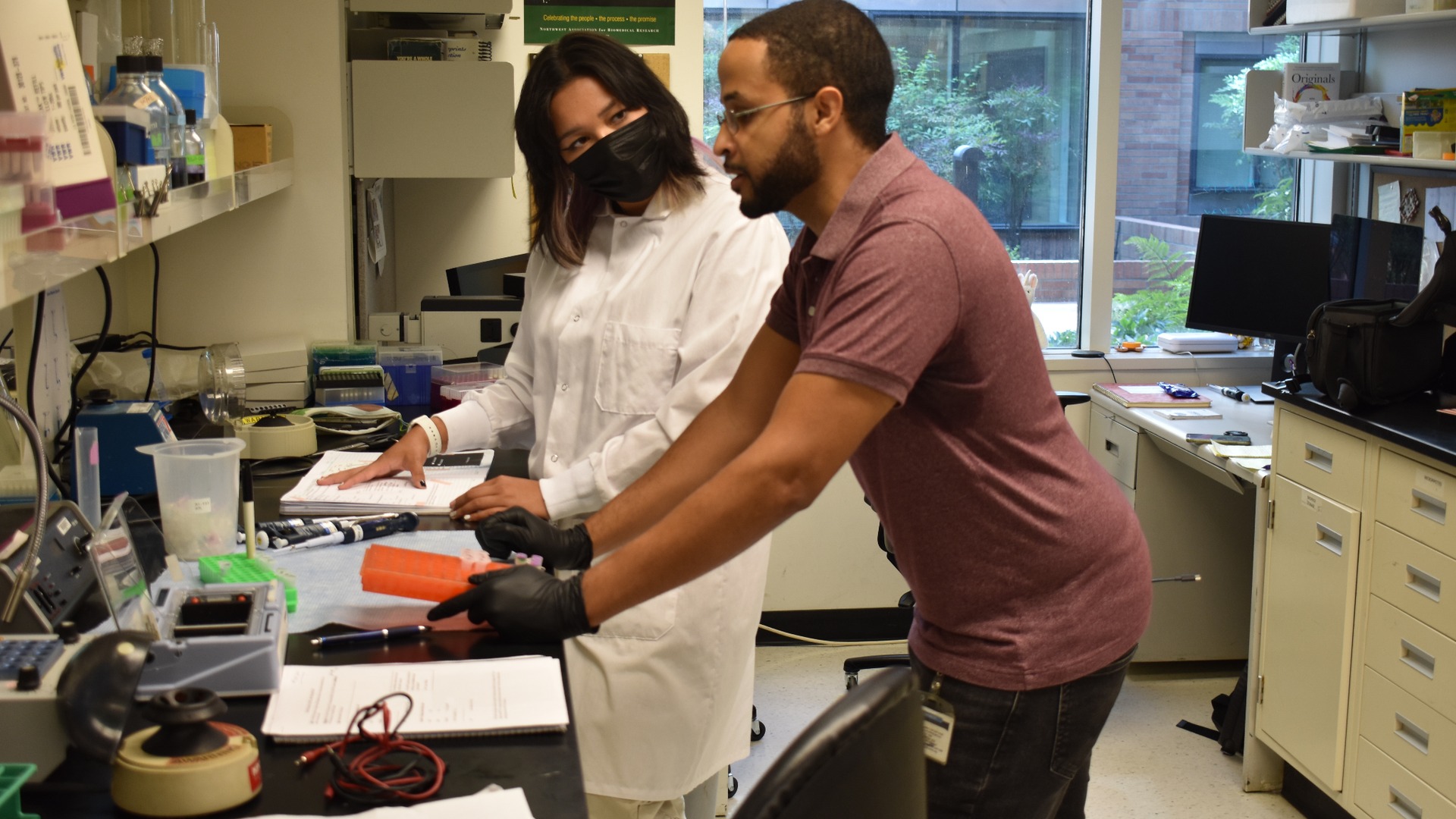
For those who qualify, six weeks gets you original biomedical research alongside scientists at one of the country's leading genomics institutes. You're matched with a Broad scientist on a project in areas such as cancer biology, psychiatric disease, chemical biology, computational biology, or infectious disease.
Beyond the research, you attend scientific talks, explore science careers, go to a college fair, and present your work at a poster session. An on-staff tutor helps you review the science behind your project.
Why it stands out: The $3,600 stipend and dedicated tutor make it one of the most supportive entry points to elite biomedical research for Massachusetts students.
15. Experiences in Research (EinR)
Location: Lawrence Berkeley National Laboratory, Berkeley, CA
Cost/Stipend: Paid; $500 per week
Acceptance rate/cohort size: Selective
Dates: Six weeks; June 15th to July 24th in 2026
Application Deadline: March 23rd (2026 cycle; applications opened February 2nd)
Eligibility: High school students at least 16 by June 15th; applicants are recommended to live within about 20 miles of Berkeley Lab
Berkeley Lab is a U.S. Department of Energy facility, so EinR sits at the overlap of government research and science careers. Over six weeks, at roughly 30 hours a week, you'll work on projects spanning experimental research, data science, science communication, and administration. In 2026, most projects ran in a hybrid format, with a few fully virtual. You'll form connections with Berkeley Lab mentors while earning $500 a week.
Why it stands out: It's paid work at a Department of Energy lab, giving you weekly hours inside a national research facility.
Frequently asked questions: Science Summer Schools for High School Students
What is a science summer school?
A science summer school is a short program where you study or research science at university level during the summer break. Some, like MITES and SAMS, combine college-level coursework with a research project. Others, like the Broad Summer Scholars Program and Berkeley Lab's EinR, place you directly in a lab with a mentor. Most end with a presentation or poster session where you share your results.
Can Year 13 students apply to science summer schools?
Yes, but many US programs are aimed at rising seniors, so check grade rules closely. The Jackson Laboratory's Summer Student Program, the NIH Summer Internship Program, and the National Youth Science Camp all accept graduating seniors. Clark Scholars also accepts recent graduates. Immerse Education's Academic Insights pathway is open to students up to age 18 in cities including Oxford and Cambridge.
Are there free or paid science summer schools?
Yes, many of the strongest options are free, and some pay you. MITES, RSI, and SAMS are fully funded, while the Jackson Laboratory pays a $7,000 stipend and the Broad Institute pays $3,600. Berkeley Lab's EinR pays $500 a week, and Clark Scholars adds a $750 completion stipend. You can compare more options in this list of free research programs for high school students.
Can international students apply to science summer schools?
Some can, but many US programs require citizenship, permanent residency, or local residence. RSI and Rockefeller's SSRP accept international applicants, and the National Youth Science Camp includes international delegates through the U.S. State Department. Immerse Education's Academic Insights pathway is open to students aged 13 to 18 from around the world in six cities. If you'd prefer to stay closer to home, explore these summer research programs in Europe for teens.
Do you need research experience to join a science summer school?
Not always. The Broad Summer Scholars Program does not require prior research experience, and ARISE starts with a bootcamp on lab skills and research methods. Highly selective programs like RSI and Simons look for strong academic records, but they teach you research methods once you're there. A clear statement about why you want to do research often matters as much as past experience.
When should you apply for science summer schools?
Start in the autumn, since the most selective deadlines fall early. RSI closes on December 11th, 2026, and Rockefeller's SSRP closes on January 4th, 2027. Many others close between January and February, including the Broad Summer Scholars Program, the Jackson Laboratory, MITES, SAMS, and Simons. Programs like Princeton's Laboratory Learning Program and Berkeley Lab's EinR close in March.
From research labs to your first lecture
Spending a summer at a lab bench shows you how science actually works, from failed experiments to defending a result in front of experts.
The best science summer schools for Year 13 students give you mentors, real data, and a clearer idea of which degree suits you.
Check residency and citizenship rules early, since many of these programs only accept US students or applicants living near the lab.
For more help choosing a science course, writing your personal statement, and preparing for university life, explore our University Preparation blogs.






Unlock Inspiring Opportunities with the Immerse Education Newsletter
Join our newsletter to stay ahead with exclusive updates, exciting programme highlights, and expert insights from the world of immersive education.
Learn how Immerse can transform your life
An in-depth overview of our university and career preparation programmes
Get a glimpse into the life of an Immerse participant
Find the right programme for you with sample timetables, location showcases, and more