15 Animation Courses for High School Students

TL;DR
This list rounds up 15 programs where you can build animation skills, from 2D drawing and storyboarding to 3D modeling in software like Maya and Unreal Engine. Options range from short day camps, such as IU's $500 session, to six-week intensives like Carnegie Mellon's $12,204 track, with most held on university or art school campuses. Eligibility typically starts around age 14 and spans grades 9 through 12, with international applicants welcome at most schools. Immerse Education's Film & Animation Summer School in Tokyo, open to students ages 15 to 18, closes out the list.
Animation has become a major part of the digital world, from animated films and games to advertisements, social media, and the visual effects you see in almost every major production. If you enjoy watching how these things are made and want to learn the process yourself, an animation course can be an excellent way to build that skill while you're still in high school. It can also take you beyond what you would normally learn in a classroom and give you a better idea of what studying animation at a higher level involves.
Imagine learning how a 2D character is drawn, framed, and moved into a full scene, or how motion graphics are created for films and advertisements. You might learn how characters are animated, how backgrounds and environments are built, or how visual effects are added to a finished scene. Depending on the course, you could also work with tools such as Adobe After Effects, Blender, Maya, or other animation software used to create and edit digital work.
How do you choose the right animation course for high school?
A good animation course for you should match the kind of animation you actually want to learn. If you're interested in 2D animation, look for a course that spends real time on drawing, movement, storyboarding, and character animation. If you're more interested in 3D animation or motion graphics, check that the syllabus covers the relevant techniques and software. Look through the curriculum carefully and see what tools you'll use, since learning software that you can continue using later can make the course much more useful.
Another thing to look at is the organisation running the course. A university or established academic organisation can give you a better idea of how animation is taught at a higher academic level, while a strong industry-focused program may give you more exposure to professional workflows. If you’re looking to build a career in animation, check out our guide on getting work experience in animation as a high schooler.
For related options, explore animation internships for high school students.
To help you find the right fit, we've compiled a list of 15 animation courses for high school students!
15 Animation Courses for High School Students
1. SVA Pre-College Animation Program
Location: Virtual or School of Visual Arts NYC campus, NY
Cost: $2,800 online (3D Animation) or $3,400 in person (3D Animation or Animation); financial aid availability should be confirmed with SVA
Acceptance rate/cohort size: Space is limited to approximately 20 students per course
Dates: July 13-31
Application Deadline: Rolling admissions on a first-come, first-served basis
Eligibility: Domestic and international high school students ages 14-18; open to international students
SVA’s Pre-College Animation program introduces you to animation through drawing, storytelling, character development, and digital production. You begin with foundational drawing and motion exercises before moving into character animation and narrative-based work.
The curriculum connects traditional art principles with digital techniques while showing you how projects move through an animation production pipeline. You may develop characters, animated sequences, or short films incorporating elements such as editing and sound. Taught by faculty who also teach SVA undergraduates, the program gives you a strong preview of college-level animation study while helping you develop portfolio-ready work.
Why it stands out: SVA blends traditional drawing and storytelling with digital animation workflows, giving you a well-rounded introduction to how animated projects move from concept to production.
2. Immerse Education’s Film & Animation Summer School
Location: Tokyo
Cost: Varies; summer school scholarship available through our bursary programme
Acceptance rate/cohort size: Selective; an average of 7 participants per class
Dates: 2 weeks during the summer
Application Deadline: Multiple cohorts with rolling admissions
Eligibility: High school students aged 15-18 across the world
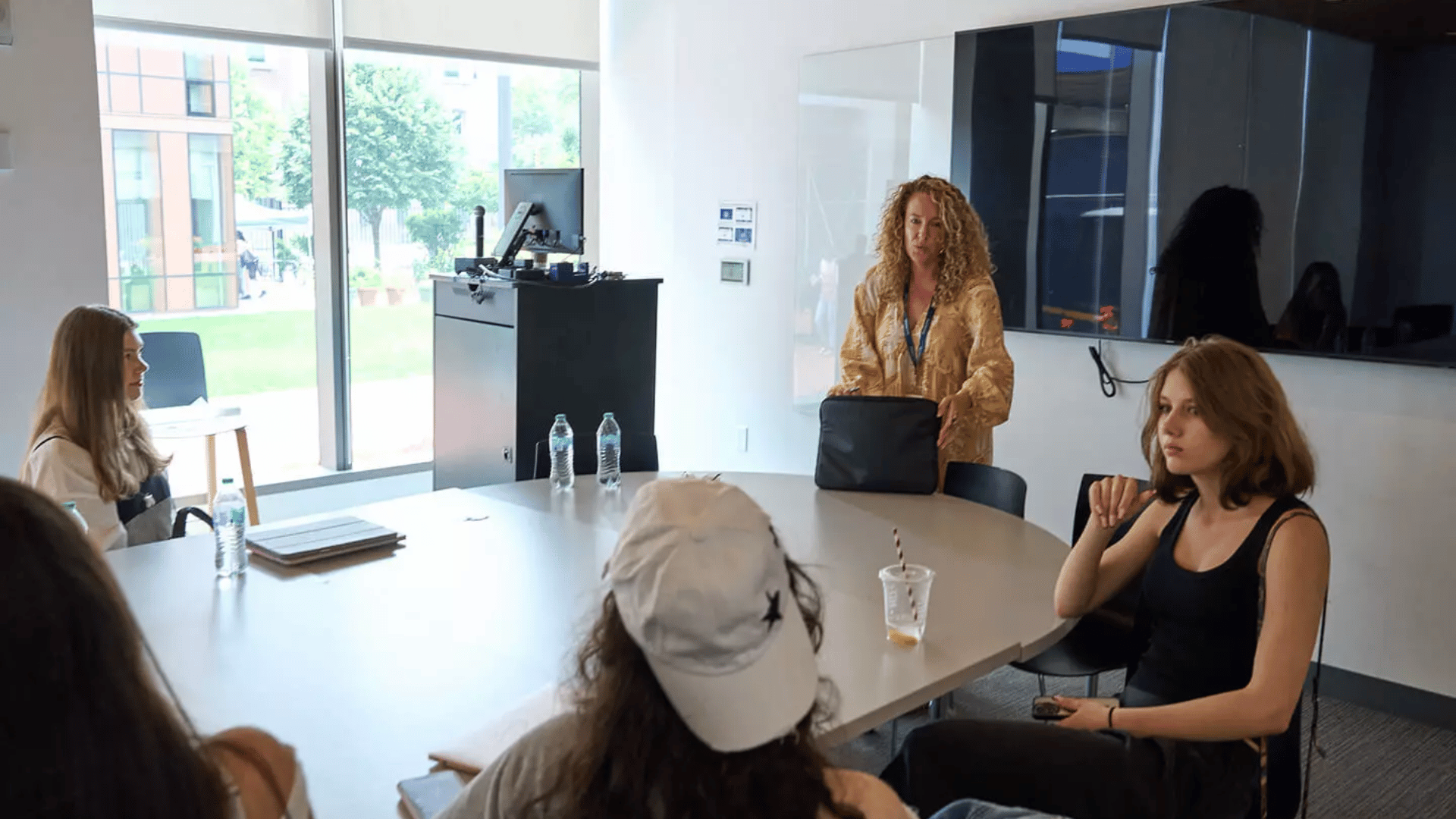
Immerse Education’s Career Insights Program lets you explore the film and animation industries through hands-on, career-focused learning. In the Film & Animation track, you develop skills in areas such as 3D animation, storytelling, and film production with guidance from academics and industry professionals.
Project-based work with established companies helps you apply what you learn to practical challenges, while workshops and industry visits offer a closer look at how creative businesses operate. You also take part in weekly one-on-one career coaching and receive personalized feedback on your resume and overall profile. At the end of the experience, you present your work and findings to industry experts, building confidence in communicating your ideas professionally. You can find more details about the application here!
Why it stands out: It’s a unique opportunity to study in Tokyo, a global hub for anime and cinematic innovation, with expert mentorship in storytelling, 3D animation, and production, while you create your own personal projects for a portfolio.
3. SCAD Rising Star
Location: Savannah College of Art and Design campuses in Savannah, GA, and Atlanta, GA
Cost: $6,620
Acceptance rate/cohort size: Selective
Dates: June 28th – July 24th
Application deadline: May 29th
Eligibility: Rising high school seniors; international students eligible
SCAD Rising Star lets you take college-level courses while using the university’s studios, computer labs, and production facilities. Animation-related options cover areas such as 2D and 3D animation, motion media, visual effects, typography, compositing, and production workflows. Depending on your selections, you might create an animated film, produce short-form motion projects, or examine VFX techniques used across film, television, and games.
Faculty critiques and access to professional software help you refine your work through an iterative creative process. You leave with college-level coursework, stronger portfolio material, and a clearer sense of how animation and related disciplines are taught at an art university.
Why it stands out: You can earn college credit while exploring 2D or 3D animation, motion design, or visual effects using professional software and university-level production facilities.
4. University of North Carolina School of The Arts (UNSCA) Animation Summer Intensive
Location: University of North Carolina School of the Arts, Winston-Salem, NC
Cost: Varies; scholarships available
Acceptance rate/cohort size: Not specified
Dates: Session 1: June 21st – July 3rd; Session 2: July 5-17; 4-week session: June 21st – July 17th
Application Deadline: May 8th
Eligibility: Rising high school freshmen through incoming college freshmen; open to international students
UNCSA approaches animation as a filmmaking discipline that combines visual storytelling, performance, and production. You explore storyboarding, cinematography, directing, editing, sound design, and both hand-drawn and 3D computer animation. Workshops in screenwriting, acting for animators, and character design show how different creative elements contribute to finished work.
Critiques, screenings, and individual instruction from professional animators are built throughout the experience. The conservatory-style format makes this one of the more comprehensive animation courses for high school students interested in understanding the full collaborative production process.
Why it stands out: Its conservatory-style approach treats animation as collaborative filmmaking, combining storyboarding, directing, cinematography, sound, and animation production in one intensive experience.
5. IU Animation Academy
Location: IU Bloomington campus, IN
Cost: Overnight option: $850; Day-camp option: $500
Acceptance rate/cohort size: Not specified
Dates: July 13-17
Application Deadline: Rolling admissions on a first-come, first-served basis
Eligibility: High school students; international student eligibility not specified
IU Animation Academy offers a focused introduction to digital animation and the workflows used to create moving characters and environments. Students explore multiple animation styles while learning how digital content is developed for film, television, and video games. Hands-on exercises give you experience with professional-level software and equipment.
The curriculum focuses on practical production and the technical steps involved in bringing digital assets to life. Its cinematic arts setting also helps you see how animation fits within the broader entertainment and media industries.
Why it stands out: The program packs professional-level digital animation tools and workflows into a focused experience geared toward students curious about film, television, and game production.


6. Ringling College of Art and Design Pre-College
Location: Sarasota, FL
Cost: $7,480 (Residential Program); $5,345 (Commuter Program)
Acceptance rate/cohort size: Limited seats
Dates: June 21st – July 18th
Application Deadline: May 1st or till the seats are full
Eligibility: High school students ages 16–18 who are currently in grades 10–12; international student eligibility not specified
Ringling’s PreCollege program combines foundational art training with concentrated study in areas such as traditional animation, computer animation, and motion graphics. Core classes strengthen fundamental artistic skills before you apply them in specialized studio work. Related options in film, game design, creative coding, and storytelling let you explore disciplines that intersect with animation.
Faculty instruction, studio sessions, and project development create a schedule that reflects undergraduate art-school coursework. A strong emphasis on portfolio development makes the experience particularly useful if you are preparing for future art and design college applications.
Why it stands out: Ringling pairs rigorous foundation training with specialized animation immersions, making it particularly useful for students looking to strengthen an art-school portfolio.
7. The College of New Jersey – 2D Animation Camp
Location: The College of New Jersey, Ewing, NJ
Cost: Residential Camp: $1,200 | Commuter Camp: $800
Acceptance rate/cohort size: 20 students
Dates: July 5-10
Application Deadline: June 1st or when the camp has reached capacity
Eligibility: Rising 9th graders to graduating high school seniors; international student eligibility not specified
TCNJ’s 2D Animation Camp takes you through the basic stages of turning an original idea into an animated project. You move from sketching and planning into learning how timing, movement, and expression shape an animated scene. Extended classroom and lab sessions give you time to test techniques, revise your work, and complete a short-form project.
Faculty guidance is paired with a collaborative studio environment that encourages experimentation and feedback. By completing an animated short, you gain a practical understanding of how a 2D project develops from initial concept to finished sequence.
Why it stands out: You take a 2D animated project from initial sketches to a completed short, gaining a clear, hands-on understanding of the full creative process.
8. Vancouver Film School (VFS) Summer Intensives
Location: Vancouver, BC, Canada
Cost: Varies by workshop
Acceptance rate/cohort size: Limited spots
Dates: July 6th – August 28th (varies by workshop)
Application Deadline: One week before the workshop begins
Eligibility: Students ages 16 and older at the start of the program; intermediate-level English with a minimum IELTS score of 6.0; additional workshop-specific requirements may apply; open to international students
VFS Summer Intensives provide several hands-on pathways into animation and related visual media. Depending on your workshop, you may explore 3D animation or combine animation with filmmaking, sound design, storyboarding, and digital design. Faculty with professional industry experience lead production-based exercises designed to show how different media disciplines intersect.
You apply these techniques through practical assignments or a final visual project. The studio-focused structure gives you an early introduction to professional creative workflows while helping you begin developing material for a portfolio.
Why it stands out: VFS places you in a studio-style environment where animation intersects with filmmaking, sound, design, and other media disciplines used across the entertainment industry.
9. Pratt Institute Pre-College Intensives
Location: Brooklyn, New York City, NY
Cost: Varies by number of credits (scholarships available)
Acceptance rate/cohort size: Not specified
Dates: July 6–31
Application Deadline: May 1st; Scholarship deadline: February 1st
Eligibility: High school students ages 15.5–18; U.S. citizens, permanent residents, and international students eligible for an F-1 visa may apply
Pratt’s Digital Arts courses allow you to explore either 2D or 3D animation within a college-level studio environment. The 2D course covers motion and storytelling through character design, walk cycles, storyboarding, sound, and color, while the 3D course introduces Maya and Unreal Engine for modeling, animation, and rendering.
Assignments and structured studio hours give you substantial time to develop and refine your work. Among animation courses for high school students, Pratt is particularly strong if you want intensive technical training alongside college credit and portfolio development. You also gain experience managing the workload and independence expected in undergraduate creative programs.
Why it stands out: With distinct pathways in 2D and 3D animation, Pratt lets you build technical skills with tools such as Maya and Unreal Engine while producing portfolio-ready work.
10. NYFA 3-Week 3D Animation Camp for Teens
Location: Los Angeles, CA or Harvard University, Cambridge, MA
Cost: $4,100
Acceptance rate/cohort size: Not specified
Dates: Los Angeles: June 28th – July 18th; Harvard University: July 12th – August 1st
Application Deadline: Rolling
Eligibility: Teens ages 14-17; open to international students
NYFA’s 3D Animation Camp introduces you to the production pipeline behind a complete computer-animated project. You work across modeling, texturing, rigging, animation, writing, and storyboarding to see how each stage contributes to the final sequence. Autodesk Maya serves as the primary production tool, giving you experience with industry-standard 3D software.
Instructor feedback helps you refine character movement, visual details, and storytelling as your project develops. You finish by creating a short animated film that brings together the technical, creative, and project-management skills covered throughout the program.
Why it stands out: Rather than focusing on a single technique, NYFA takes you through modeling, rigging, texturing, animation, and storytelling as you create a complete 3D animated short.
11. Carnegie Mellon Pre-College Program’s Art track
Location: Carnegie Mellon University, Pittsburgh, PA
Cost: Six weeks: $12,204 (Residential); $9,039 (Commuter); Three weeks: $7,945 (Residential); $6,184 (Commuter) + Application Fee: $50; need-based financial aid and merit scholarships are available
Acceptance rate/cohort size: Not specified
Dates: June 20th – July 11th; June 20th – August 1st
Application deadline: Early: February 1st; Final: March 1st
Eligibility: Students, ages 16 and up, between grades 10 and 11 or between grades 11 and 12; international students eligible
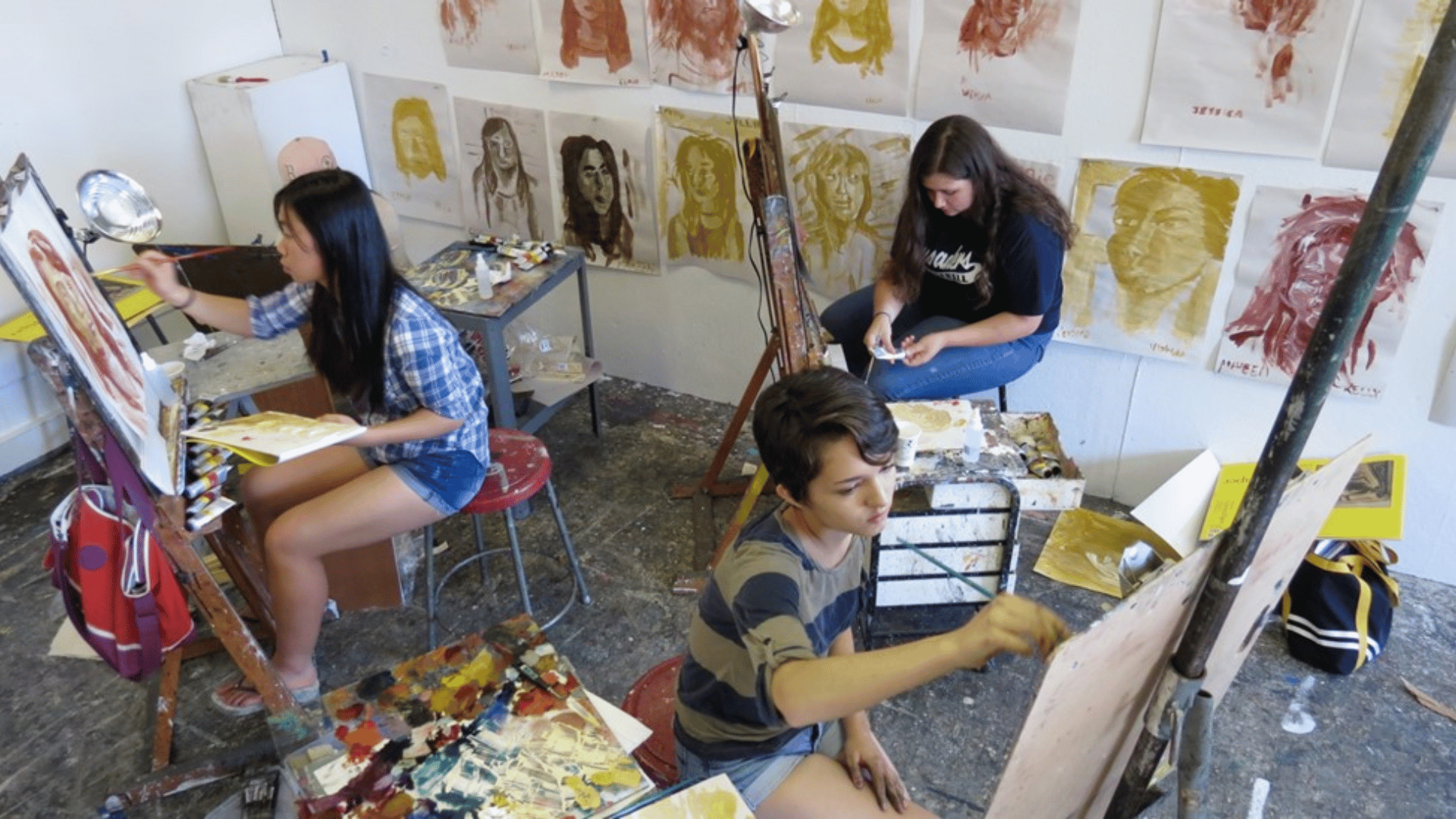
Carnegie Mellon’s Pre-College Art program places animation within a broader study of artistic technique, experimentation, and conceptual thinking. Alongside animation, you may work in drawing and sculpture, while Concept Studio encourages you to examine the ideas driving your creative choices.
Coursework incorporates critiques, collaboration, reading, writing, and experimentation. Access to fabrication facilities lets you test concepts across different formats and materials. One-on-one portfolio reviews with School of Art faculty make the program especially valuable if you are preparing for competitive college art applications.
Why it stands out: CMU places animation within a broader culture of experimentation and conceptual thinking, helping you develop the ideas behind your work alongside your technical skills.
Join the Immerse Education 2027 Essay Competition
Follow the instructions to write and submit your best essay for a chance to be awarded a 100% scholarship.
12. The Game, Cinema, & Animation Summer Academy @ DePaul University
Location: DePaul University’s Loop Campus, Chicago, IL
Cost: $900 (including $150 deposit)
Acceptance rate/cohort size: Not specified
Dates: July 13-17
Application deadline: Priority: May 20th; Final: June 1st
Eligibility: Students who have completed their freshman year of high school by July 1st; graduating seniors are also eligible; international student eligibility not specified
DePaul’s Summer Academy lets you explore animation within the wider context of film, television, games, and digital production. Animation tracks include classical hand-drawn character animation and 3D modeling and computer animation. In the 3D pathway, you may collaborate with game-development students to design, model, and texture creatures, vehicles, or environmental assets for a working game.
The hand-drawn track instead focuses on classical character animation principles and practical software use. Compared with many animation courses for high school students, DePaul offers a particularly direct look at how animation skills contribute to collaborative game and media projects.
Why it stands out: DePaul is especially compelling for students interested in the overlap between animation and gaming, with opportunities to create 3D assets for collaborative game projects.
13. Moore College of Art & Design’s Summer Art & Design Institute
Location: Moore College campus, Philadelphia, PA
Cost: $6,755 (including tuition, room, and board); financial aid is available
Acceptance rate/cohort size: Not specified
Dates: July 12th – August 7th
Application Deadline: Tuition Deadline: May 1st
Eligibility: High school students in grades 10-12; international students with strong English-language skills may apply
Moore’s Summer Art & Design Institute combines foundational studio training with focused study in fields such as animation, illustration, filmmaking, and game design. In the animation track, you use traditional and digital techniques to develop characters and visual narratives from your own ideas.
Foundational work in areas such as drawing and anatomy supports stronger character and design skills. Projects develop through demonstrations, critiques, independent studio sessions, and experimentation. The program’s portfolio-focused structure helps you strengthen both technical ability and the body of creative work you may use for future college applications.
Why it stands out: Moore combines traditional and digital animation training with foundational drawing and design work, creating a strong pathway toward portfolio development.
14. Rhode Island School of Design (RISD) Pre-College Program
Location: Rhode Island School of Design, Providence, RI
Cost: Residential: $12,495; Commuter: $9,595 + $60 non-refundable application fee (additional costs may apply); limited needs-based scholarships available
Acceptance rate/cohort size: Typically, ~500 students/year
Dates: June 27th – August 1st
Application Deadline: First-come, first-served registration starting from November 5th
Eligibility: 10th and 11th graders between 16 and 18 years old; international students may apply
RISD Pre-College combines intensive foundation courses with concentrated study in an animation major. You balance drawing, design, and critical studies with studio work focused on original characters, scenes, and visual narratives. The animation curriculum emphasizes hand-drawn, cutout, stop-motion, and other hand-crafted or computer-aided techniques rather than 3D digital production.
Studying animated films alongside your own work adds a critical dimension to the practical training. The combination of foundation study, critiques, experimentation, and major-specific work closely mirrors the structure of a first-year art and design education.
Why it stands out: RISD emphasizes hands-on techniques such as hand-drawn, cutout, and stop-motion animation within a demanding curriculum modeled on first-year art-school study.
15. USC School of Cinematic Arts Summer Program
Location: University of Southern California School of Cinematic Arts, Los Angeles, CA
Cost: Check here
Acceptance rate/cohort size: Not specified
Dates: June 25th – August 7th
Application Deadline: Varies, check here
Eligibility: Students ages 16 years and older from around the world
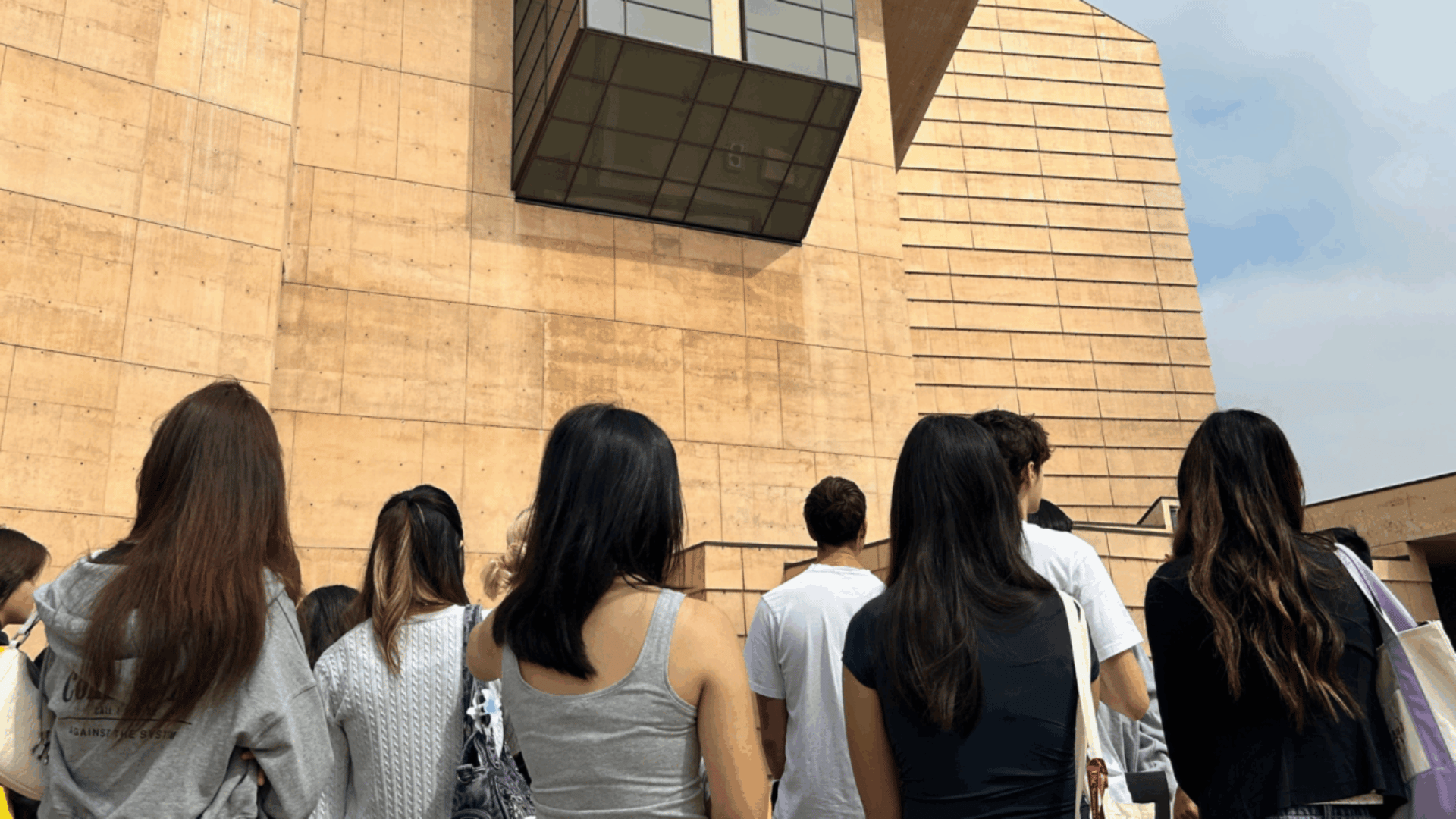
USC School of Cinematic Arts’ Summer Program gives you a college-level introduction to cinematic storytelling through courses in animation, production, editing, screenwriting, and interactive media. Animation-focused options cover motion, timing, hand-drawn techniques, and visual storytelling under the guidance of USC faculty and industry professionals.
Storyboarding courses also explore composition, perspective, character sketching, pacing, and sequence development. You may create polished boards or an animatic using sound, music, and voice work. Screenings, seminars, and industry conversations add insight into how these skills apply across film, television, and other media.
Why it stands out: USC gives you access to a leading cinematic arts environment where you can develop animation and storyboarding skills while learning directly from faculty with industry experience.
Frequently asked questions: Animation Courses for High School Students
What is the difference between 2D and 3D animation courses for high school students?
2D courses focus on hand-drawn or digitally illustrated movement, covering skills like storyboarding, character design, and timing, as seen in RISD's cutout and stop-motion techniques or TCNJ's 2D Animation Camp. 3D courses instead teach modeling, rigging, and rendering using software such as Maya or Unreal Engine, the approach taken by NYFA's 3D Animation Camp and Pratt's 3D track. Some programs, like SCAD Rising Star, let you choose between both paths. Deciding which style interests you more will help narrow down which course fits your goals.
Do animation courses for high school students offer college credit?
Some do, though it depends on the program. SCAD Rising Star and Pratt Institute's Pre-College Intensives both let you earn transferable college credit while studying animation. Other options, such as IU Animation Academy or TCNJ's 2D Animation Camp, focus on skill-building and portfolio development rather than credit. If earning credit matters to you, check the program details closely, since even similar-length courses can differ on this point. Weighing credit against cost and curriculum depth will help you find the right balance.
What software will I learn in an animation course for high school students?
Software varies by program and animation style. NYFA and Pratt's 3D track both use Autodesk Maya for modeling and rigging, while Pratt also introduces Unreal Engine for rendering and interactive environments. RISD focuses more on hand-drawn, cutout, and stop-motion techniques rather than specific 3D software. Since tools differ significantly across programs, checking the syllabus for the exact software used can help you pick a course that builds skills you can keep using afterward.
Are there free animation courses for high school students?
Most programs on this list charge tuition, though costs and formats vary widely, from IU Animation Academy's $500 day-camp option to Carnegie Mellon's six-week track at over $12,000. Several schools, including SCAD and Pratt, offer needs-based financial aid or scholarships to offset cost. Immerse Education's Film & Animation Summer School in Tokyo is a paid, career-focused option for students ages 15 to 18, with financial aid available. Checking each program's cost and aid details will help you plan around your budget.
Do I need prior animation experience to take these courses?
Most programs are designed to introduce animation from the fundamentals, so prior experience typically isn't required. Courses like SVA's Pre-College Animation program and TCNJ's 2D Animation Camp start with foundational drawing and movement exercises before moving into more advanced techniques. If you’re unsure about your skills in animation, you should have a look at our guide on getting started in animation and film.
Are animation courses for high school students useful for college applications?
Yes, many are designed with that goal in mind. Programs like Ringling College's Pre-College and Moore College's Summer Art & Design Institute emphasize portfolio development specifically to support future art school applications. Others, such as SCAD Rising Star and Pratt's Digital Arts courses, combine college credit with hands-on production work that strengthens both your transcript and your creative portfolio. Finishing a course with a completed short film, storyboard, or demo reel gives you concrete material to include alongside your application.
Build career-ready skills through animation courses
You'll walk away from most of these programs with a finished short film, demo reel, or storyboard you can show later.
Software choices vary widely, so pay attention to whether a program teaches Maya, After Effects, or hand-drawn techniques before you commit.
Taking animation courses for high school students early gives you a real sense of whether the industry fits your interests.
Browse Immerse's Career Exploration blogs to keep testing animation against other creative and technical paths worth considering.







Unlock Inspiring Opportunities with the Immerse Education Newsletter
Join our newsletter to stay ahead with exclusive updates, exciting programme highlights, and expert insights from the world of immersive education.
Learn how Immerse can transform your life
An in-depth overview of our university and career preparation programmes
Get a glimpse into the life of an Immerse participant
Find the right programme for you with sample timetables, location showcases, and more