15 Chemistry Summer Schools for High School Students
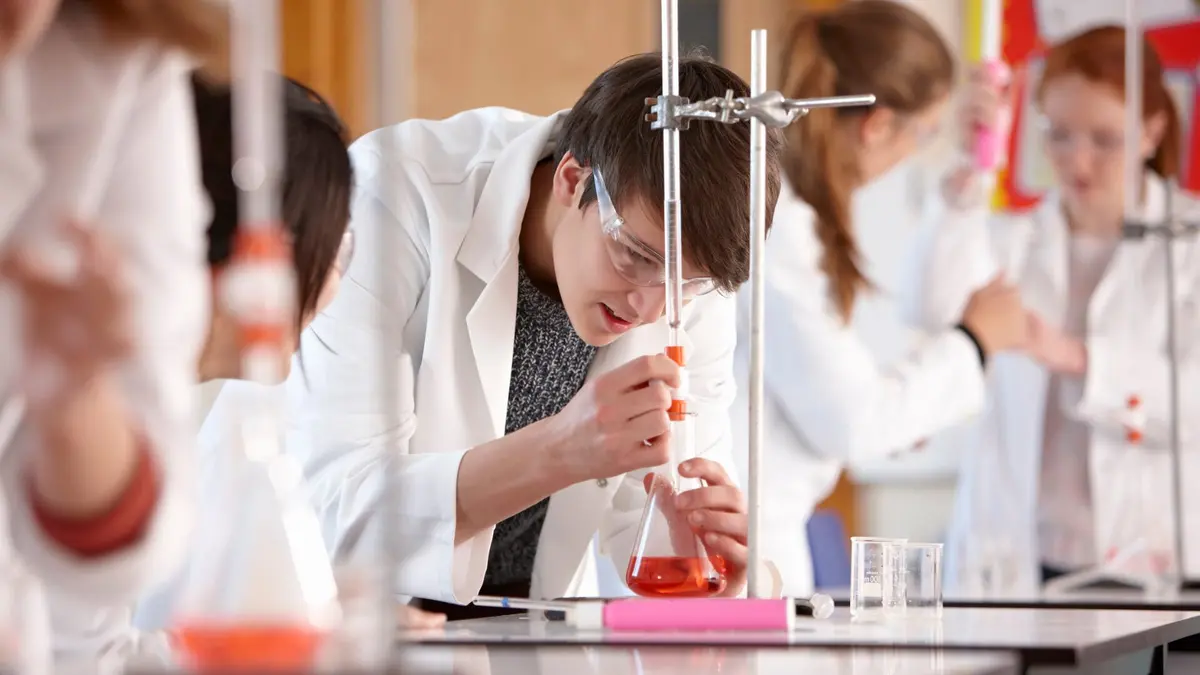
The world of chemistry goes far beyond balancing equations and memorizing the periodic table: it’s a dynamic field driven by hands-on experimentation, complex problem-solving, and real-world applications. If you’re a high school student drawn to the sciences, diving into this subject can feel both thrilling and a bit intimidating. One of the most effective ways to bridge the gap between classroom theory and actual scientific practice is by attending a summer chemistry program.
Imagine spending your summer in a state-of-the-art university laboratory. You could be synthesizing new compounds, operating advanced analytical equipment under the mentorship of professional researchers, and debating material science breakthroughs with peers who share your passion. A dedicated summer experience offers a genuine preview of college-level academics and a chance to build real laboratory skills.
How do you decide the right chemistry summer programs for high school students?
Finding the correct chemistry summer programs can be tough. You want to avoid camps that merely scratch the surface or feel like a repeat of your high school classes. The goal is to find guidance about the summer programs that offer authentic, rigorous scientific immersion.
Top-tier universities and research institutes host summer schools designed to challenge you. Depending on the program, you might explore organic synthesis, biochemistry, thermodynamics, or spectroscopy. The coursework is highly interactive, often combining deep theoretical lectures with extensive bench work, collaborative research projects, and data analysis.
Knowing where to start looking is half the battle. To save you time and point you in the right direction, we have compiled a guide to the 15 Best Chemistry Summer Schools for High School Students. These programs stand out for their challenging curricula, decent lab facilities, and good reputations in the scientific community.
For more options, you can consider online chemistry summer programs.



15 Chemistry Summer Schools for High School Students
1. Immerse Education Chemistry Online Summer School
Location: Virtual (Online)
Cost: £2,995 to £4,995. Summer school scholarship available through their bursary programme
Dates: Flexible (The program is available year-round)
Application Deadline: Rolling admissions
Eligibility: Students aged 13–18 from anywhere in the world who are curious about science. Open to international students.
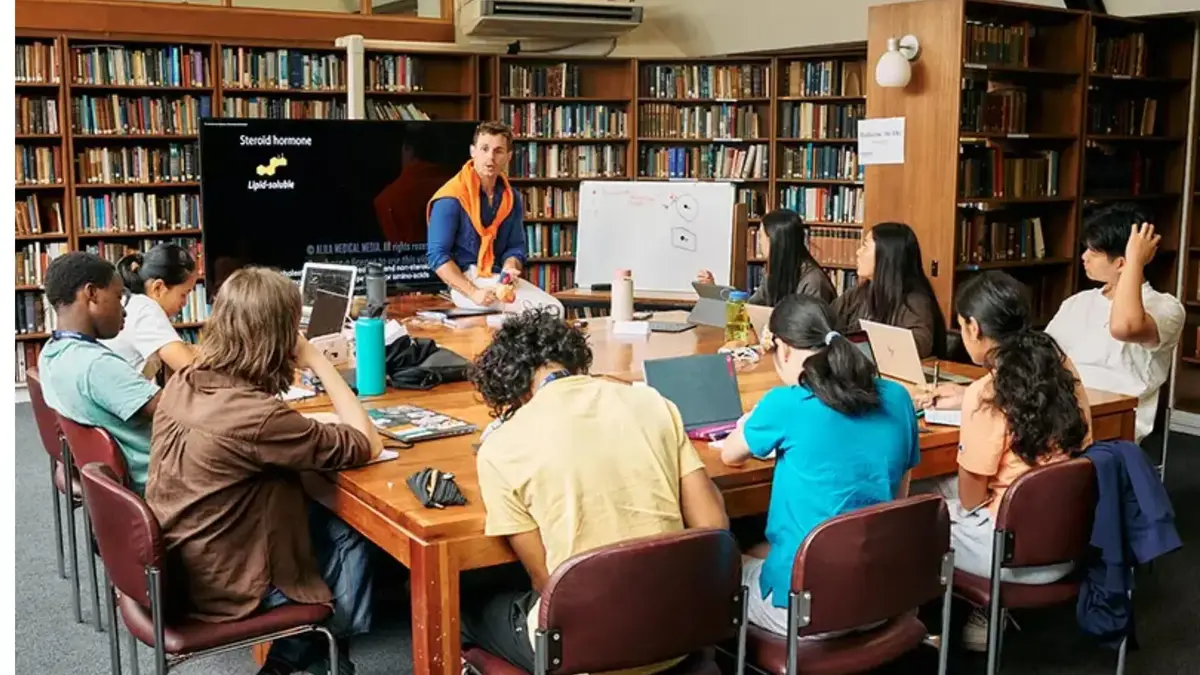
Immerse Education offers a flexible online chemistry program where you complete an exciting university-level study from your own home. You work one-on-one with a private tutor from a world-famous school like Oxford or Cambridge. Throughout the course, you explore advanced chemical science topics and learn how to think logically about real-world problems.
You design your very own independent research project and write a professional final report about your discoveries. The digital schedule allows you to arrange your private classes whenever they fit best into your busy life. This virtual experience quickly improves your problem-solving skills and gives you a powerful writing sample to include in your college applications. You can apply here!
Why it stands out: You can select the special “Publication Research Programme” option, which gives you four extra hours of expert coaching specifically designed to help you publish your final chemistry paper in a recognized international science journal.
2. Mellon University Summer Academy for Math and Science (SAMS)
Location: Carnegie Mellon University, Pittsburgh, PA
Cost: Free (Tuition, housing, and food are fully paid for; you only pay for your travel to the campus)
Dates: June 20th – August 1st (6 weeks in person, plus virtual sessions)
Application Deadline: February 1st
Eligibility: Between 11th and 12th grade and at least 16 years old, U.S. citizens or permanent residents. No international students are allowed.
Carnegie Mellon’s SAMS is a 6-week summer program where you dive deep into advanced math and science to prepare for a top-tier college. You take challenging courses taught by university professors, covering subjects like biology, chemistry, and game theory, and complete your own hands-on research project under the guidance of STEM experts. You participate in weekly writing workshops to draft a strong college application essay and take a special transition course to learn exactly what it takes to succeed as a university scholar. .
The busy daily schedule pushes you to think critically, manage your time well, and solve complex problems in a real laboratory setting. Furthermore, living in the campus dorms connects you with a diverse community of driven peers from across the country. The program shows you exactly what a demanding college workload feels like and gives you the tools you need to build a successful career in science or engineering. You can start applying here!
Why it stands out: You celebrate your hard work by presenting your final project at a large Research Symposium, and the university continues to guide you long after the summer ends by offering virtual workshops on college prep and financial aid.
3. Research Science Institute (RSI)
Location: Massachusetts Institute of Technology (MIT), Cambridge, MA
Cost: Free (the program covers your classes, housing, meals, and travel). Application fee is $75 (can be waived for students who need financial aid)
Dates: June 28th – August 8th (6 weeks)
Application Deadline: Early to Mid-December (December 10 for the most recent cycle)
Eligibility: High school juniors (students entering their senior year) who show exceptional talent in science and math. At least 740 score in PSAT Math; 700 score in Evidence-Based Reading and Writing; At least 33 score in ACT Math; At least 34 score in Verbal. International students are welcome to apply.
The Research Science Institute (RSI) is a 6-week summer program where you experience the entire scientific research process from start to finish. You begin the summer by taking one week of intense science and math classes with expert professors (to build a strong foundation of advanced knowledge). After that, you spend 5 weeks completing your own original research project under the direct guidance of real MIT scientists.
You read the newest studies in your field, design an actual experiment, and test your own ideas in a working laboratory. The daily schedule requires you to work hard and think critically, just like a professional scientist. Furthermore, living and working on the MIT campus introduces you to the high expectations and fast pace of a world-famous college. Applications for RSI 2026 are closed.
Why it stands out: You will wrap up the summer by writing a college-level research paper and presenting your own discoveries to a large audience, giving you the exact same public speaking and publishing experience that adult scientists have.
4. Texas Tech University Anson L. Clark Scholars Program
Location: Texas Tech University, Lubbock, TX
Cost: Free (The program pays for your housing and meals, though you must cover your travel and a $25 application fee)
Dates: June 21st – August 6th (7 weeks)
Application Deadline: February 16th
Eligibility: U.S. citizens or permanent residents who are at least 17 years old by the start date and graduating high school in 2026 or 2027. No international students are allowed.
The Anson L. Clark Scholars Program at Texas Tech University offers a 7-week summer research experience for talented students. Expert professors guide you through hands-on, practical experiments inside a real university laboratory. Weekly seminars and group discussions teach you exciting new concepts beyond your specific research topic.
The demanding schedule requires you to manage your time well while balancing daily lab work with weekend social events. Campus dormitories and dining halls provide a completely authentic preview of life at a large college. This immersive environment builds your scientific skills and gives you the confidence to tackle rigorous university courses. You can begin your application process here!
Why it stands out: The university accepts only 12 students into the program each summer to guarantee highly personalized mentoring, and it actually pays you a $750 cash stipend when you finish your final research report.
5. Simons Summer Research Program
Location: Stony Brook University, Stony Brook, NY
Cost: Free (Tuition is free and you earn a stipend, but you must pay for housing and meals if you live on campus)
Dates: June 29th – August 7th (6 weeks)
Application Deadline: Early February (February 5th for the 2026 session)
Eligibility: High school juniors (11th graders) who are U.S. citizens or permanent residents and at least 16 years old. Not open to international students.
The Simons Summer Research Program invites talented high school juniors to conduct real science experiments at Stony Brook University. You match with a faculty mentor and join a research team to investigate difficult questions in math, science, or engineering. The program teaches you advanced laboratory skills and lets you attend special weekly talks by expert researchers. Your days involve focused work on your specific project, just like a professional scientist or graduate student.
At the end of the summer, you write a formal research paper and create a poster to explain your discoveries. The experience concludes with a symposium where you present your hard work to professors, peers, and family members. Applications are now closed.
Why it stands out: You earn a cash award (stipend) at the end of the program, and you get to work directly with famous scientists on projects that can help you win national competitions.
6. American Chemical Society (ACS) Project SEED
Location: Various university and industry laboratories across the United States
Cost: Free (The program actually pays you a $4,000 fellowship stipend for your work)
Dates: June to July (usually an 8-10 week program)
Application Deadline: April
Eligibility: High school sophomores, juniors, and seniors who have completed at least one chemistry class and meet specific family income limits (under 300% of the Federal Poverty Guidelines)
The American Chemical Society Project SEED program gives high school students the chance to work in professional science laboratories. You commute daily to a local university or company to conduct actual chemistry research alongside experienced scientists. Instead of just watching others, you take charge of your own meaningful experiment over an 8-10 week period.
Your mentors teach you advanced laboratory techniques and explain different career paths in the science field. At the end of the summer, you write a formal report and create a poster to explain your final results. Some students even get the exciting opportunity to travel and present their hard work at a large national science meeting. You can start the application process here.
Why it stands out: The program removes financial barriers by paying you a large cash stipend for your summer research, and it gives you exclusive access to special college scholarships reserved only for Project SEED graduates.
7. NYU Applied Research Innovations in Science and Engineering (ARISE)
Location: NYU Tandon School of Engineering, Brooklyn, NY
Cost: Free (The program actually pays you a $2,000 stipend for your participation)
Dates: June 1st – August 14th (10 weeks)
Application Deadline: February 27th
Eligibility: Rising high school juniors and seniors who live in New York City and attend a New York City school. International students are not allowed.
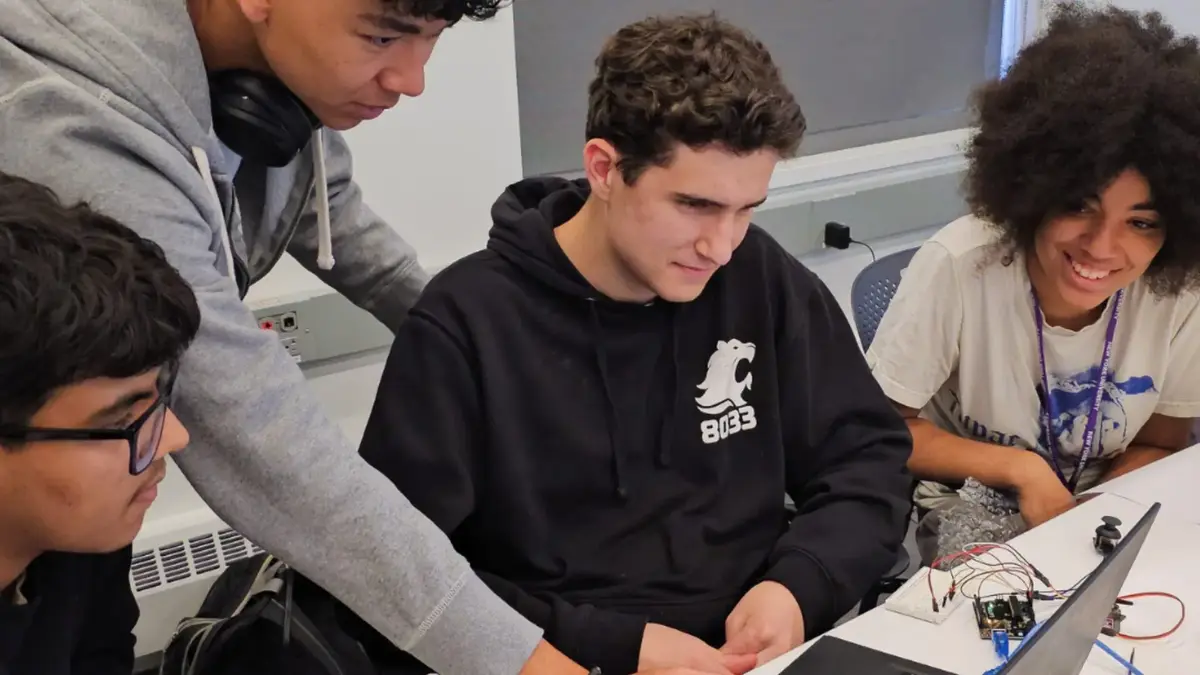
The Applied Research Innovations in Science and Engineering (ARISE) program gives you a 10-week summer research experience at New York University. You spend the first 4 weeks taking online workshops to learn important lab safety rules and college writing skills. During the final 6 weeks, you work face-to-face inside a real university laboratory alongside professional researchers.
You help expert scientists solve problems in exciting subjects like machine learning, flow chemistry, crystal engineering, and molecular biology. At the end of the summer, you create a professional poster and present your scientific discoveries to the public. If you want to join this research team, you can submit your application right here.
Why it stands out: The program completely removes financial barriers by paying you a $2,000 cash stipend for your hard work, and it gives you the incredibly rare opportunity to showcase your final research at the world-famous American Museum of Natural History.
8. Boston Leadership Institute Chemistry Research Program
Location: Gann Academy/Bentley University, Waltham, MA
Cost: $2,500 for tuition (an additional $2,097 applies if you choose the residential dorm option). Need-based scholarships are available here.
Dates: June 29th – July 17th (3 weeks)
Application Deadline: Rolling admissions (the staff reviews applications every week until the program fills up)
Eligibility: Students entering 8th grade to rising 10th graders. International students can apply.
The Boston Leadership Institute offers a 3-week high school chemistry summer school where you explore the exciting world of green chemistry. You learn how to redesign industrial and pharmaceutical products to eliminate dangerous toxins and protect the environment. Your daily schedule includes testing eco-friendly cleaning supplies, turning plastic into glass cleaner, and creating real heat using lab-made biodiesel fuel.
Teachers guide you through advanced toxicology experiments to show you exactly how professionals produce repeatable scientific results. You also visit famous science hubs like the Massachusetts Institute of Technology to see how adult engineers solve global climate problems. At the end of the summer, you present an independent research project to demonstrate your new laboratory skills. You can begin applying here!
Why it stands out: An award-winning Massachusetts Teacher-of-the-Year finalist originally designed this competitive curriculum, ensuring you receive top-tier, engaging instruction rather than just reading standard textbook lectures.
9. George Mason University Aspiring Scientists Summer Internship Program (ASSIP)
Location: George Mason University, Fairfax, VA (remote and hybrid options are also available)
Cost: $1,299 for tuition plus a $25 application fee (financial aid waivers are available for both)
Dates: June 18th – August 12th (8 weeks)
Application Deadline: February 15th
Eligibility: High school or college students who are at least 16 years old and above for in-person chemistry or biology labs. International students are welcome.
The Aspiring Scientists Summer Internship Program (ASSIP) places you in an 8-week research role alongside real university professors. You choose a specific area of interest, like astronomy, computer science, chemistry, or medicine, to focus your summer learning. Your mentors teach you how to use high-tech equipment to run cutting-edge experiments.
You also practice writing professional science papers and explaining your discoveries to other people. The schedule gives you plenty of time to explore different science careers by talking directly with successful experts. When you finish the program, you present your final research poster to a large audience and earn 3 actual college credits. Applications are now closed.
Why it stands out: You can actually publish your name in real scientific journals or present your hard work at major national conferences before you even finish high school.
10. Stanford Inspiring Future Scientists through Shadowing (IFSS) Program
Location: Stanford University, Stanford, CA
Cost: Free (Students must provide their own daily transportation and housing)
Dates: June 15th – June 26th (Two weeks, Monday through Friday, 9 AM to 12 PM)
Application Deadline: March 1st
Eligibility: Rising high school juniors and seniors who are at least 16 years old and live/attend school in Alameda, Santa Clara, San Francisco, or San Mateo counties
The Inspiring Future Scientists through Shadowing (IFSS) program invites local students to explore the daily life of a working chemist. You spend 2 weeks on the Stanford campus observing actual graduate students as they conduct high-level laboratory research. You hold direct conversations with these professionals to understand their unique career paths and daily problem-solving strategies.
The program specifically requires you to be present every single morning, ensuring you never miss important safety training or group discussions. This immersive shadowing experience broadens your understanding of modern science and helps you decide if a research career is right for your future. If you want to take part in this experience, feel free to submit your application right here.
Why it stands out: Instead of forcing you to focus on just one narrow, independent project for the whole summer, this program deliberately rotates you through multiple different laboratories so you can witness the massive variety of research happening in a world-class chemistry department.
11. NIST Summer High School Intern Program (SHIP)
Location: NIST campuses in Gaithersburg, MD, or Boulder, CO
Cost: Free (This is an unpaid volunteer internship, and you must provide your own housing and transportation)
Dates: June 22nd – August 7th (7 weeks)
Application Deadline: January 26th
Eligibility: U.S. citizens who are high school juniors or seniors, maintain at least a 3.0 unweighted GPA out of 4.0, and live within 50 miles of their chosen campus
The National Institute of Standards and Technology invites talented students to spend seven weeks conducting research at a top government laboratory. You choose a specific scientific field like cybersecurity, engineering, or advanced materials to focus your summer learning. Expert scientists guide you through your very own cutting-edge project using highly advanced technology.
You learn how to solve complex problems and apply new skills like computer programming to real-world challenges. The daily schedule requires you to work hard alongside professionals who set national measurement standards for the entire country. This intense experience gives you a massive advantage in college and helps you build a successful career in science. You can apply here.
Why it stands out: You gain rare access to a highly secure federal facility that creates the official measurements and scientific standards used by tech companies and industries all over the world.
12. Penn Chemistry Research Summer Academy Program
Location: University of Pennsylvania, Philadelphia, PA
Cost: $10,050 (covers tuition, housing, and meals) plus a $100 application fee
Dates: July 11th – August 1st (3 weeks)
Application Deadline: Rolling admissions (the university reviews applications as they arrive, so you should apply early before spots fill up)
Eligibility: Current 10th and 11th-grade students who have completed at least one year of high school chemistry
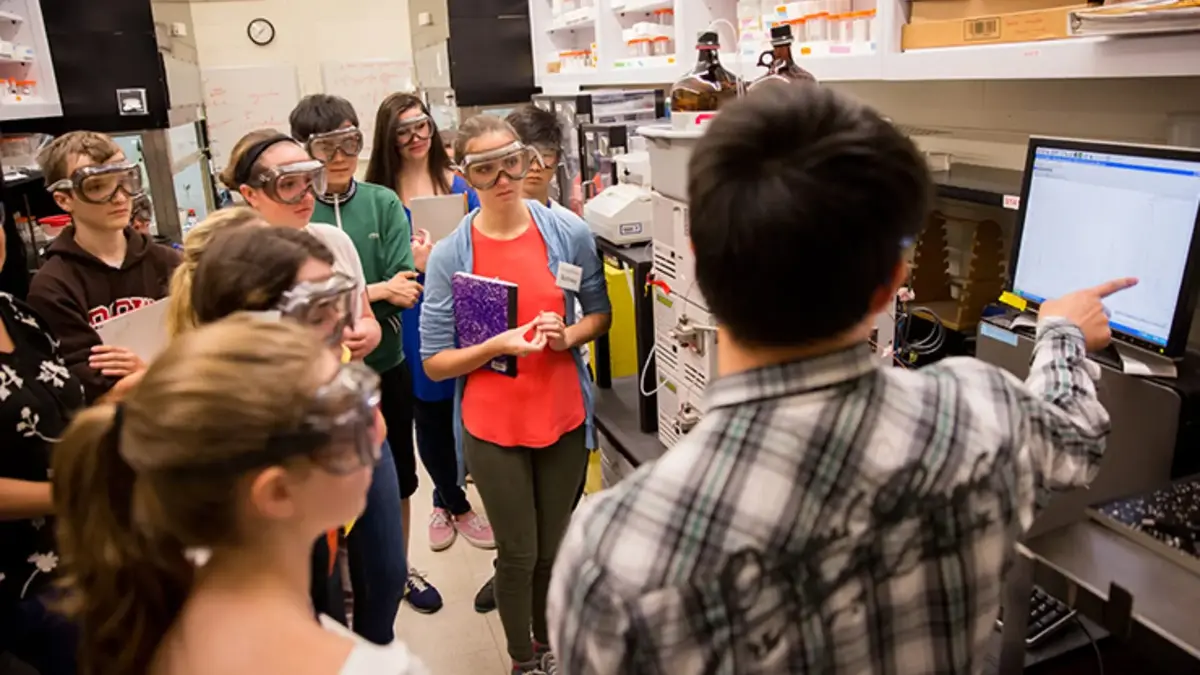
The Penn Chemistry Research Academy provides you with a foundational understanding of cutting-edge molecular research while working in state-of-the-art university laboratories, making it one of the most research-focused high school chemistry summer school on this list. You spend about half of your instructional time completing open-ended laboratory challenges and learning to use advanced analytical tools like spectroscopy and gas chromatography. When you are not in the lab, you participate in daily classroom activities to grasp complex principles of organic chemistry and materials science.
Expert instructors also teach you how to properly find, understand, and critique professional research articles. By the end of the academy, you develop a complete, independent capstone research plan that you can use for future high school science fairs. You can begin the application process here!
Why it stands out: You get to live in actual college dormitories and interact directly with professional Ivy League researchers who are actively using chemistry to solve some of the world’s biggest challenges.
13. University of Chicago After School Matters STEM Lab Internship
Location: The University of Chicago, Chicago, IL
Cost: Free (The program actually pays you to work as a summer intern)
Dates: 6 weeks during the summer (20 hours per week)
Application Deadline: Applications open in March (Spring 2026)
Eligibility: Students who attend a high school in Chicago and are at least 16 years old by the first day of the program
The Pritzker School of Molecular Engineering offers a 6-week summer internship for high school students who want to explore real science. You kick off the experience with a one-week boot camp that teaches you the basic skills needed to conduct actual experiments. After learning the fundamentals, you spend 20 hours each week working directly inside a professional university laboratory. Expert scientists and education staff mentor you closely as you tackle authentic research projects alongside your peers.
The instructors also train you how to communicate your scientific discoveries clearly to different types of audiences. You receive dedicated support and helpful resources to strengthen your future college applications. You can apply here for the After School Matters Program Interest Form.
Why it stands out: Instead of paying an expensive tuition fee, you actually earn money through a paid internship while gaining hands-on engineering experience at one of the top research universities in the country.
14. King’s College London Discover Chemistry Summer School
Location: King’s College London (Franklin-Wilkins Building), London, UK
Cost: Free (This is a daytime-only program, so you must manage your own daily travel and housing)
Dates: July
Application Deadline: April (Applications open in early 2026)
Eligibility: Year 12 students who attend a non-fee-paying school, plan to study chemistry in Year 13, and lack access to similar opportunities. Because this is a Widening Participation program designed to support local students from marginalized groups, it is not available for international students.
King’s College London hosts a free summer school to help students from underrepresented backgrounds explore the exciting world of university-level chemistry. You spend your mornings attending engaging lectures and your afternoons working inside advanced undergraduate laboratories. During the practical sessions, you chemically create your very own sunscreen from scratch.
You then use high-tech equipment, like infrared spectroscopy, to test how well your new sunscreen absorbs harmful ultraviolet light. The instructors also teach you how to design a professional research poster and speak confidently about your scientific findings. The program ends with a fun presentation competition where you showcase your hard work to professors, current college students, and your family members. Applications will begin soon.
Why it stands out: If you successfully complete the summer school and later apply to study chemistry at King’s College London, the university will likely give you a special contextual offer, which lowers your university admission requirements by two full grades.
15. Memorial Sloan Kettering Cancer Center’s Summer Student Program
Location: Memorial Sloan Kettering Cancer Center, New York, NY (Main Campus in Manhattan)
Cost: Free (The program actually pays you a $1,200 summer stipend, though you must cover your own housing and transportation)
Dates: June 29th – August 21st (8 weeks)
Application Deadline: February 6th
Eligibility: High school juniors who are at least 14 years old, maintain a 3.5 GPA in science, and live within 25 miles of the main MSK campus. Because applicants must be legally authorized to work in the United States, international students without proper work authorization are not eligible to apply.
The Memorial Sloan Kettering Summer Student Program pairs high school students with professional scientists for an 8-week biomedical research internship. You join a working laboratory to complete a self-directed project that directly supports the goals of your assigned principal investigator. The instructors teach you advanced technical skills in exciting fields like cancer biology, immunology, and computational genomics. You also attend special events outside the lab to learn exactly what it takes to build a successful career in translational medicine.
The full-time schedule requires you to dedicate 40 hours a week to your experiments and team meetings. At the end of the summer, you can even use your research data for national science competitions if you get permission from your lab director. Applications are already closed now.
Why it stands out: With an extremely competitive 2% acceptance rate, this elite program places you in one of the world’s most famous cancer research centers and directly exposes you to the groundbreaking work of top medical professionals.
Join the Immerse Education 2027 Essay Competition
Follow the instructions to write and submit your best essay for a chance to be awarded a 100% scholarship.
Your Next Step After the Final Lab Report
Chemistry clicks when you stop memorising and start experimenting, noticing patterns, errors, and surprises that textbooks can’t replicate in a single lesson over a few focused weeks.
In a high school chemistry summer school, you gain lab confidence: setting up reactions, reading data, and explaining results with the precision real researchers expect.
Those projects become proof for applications, because they show curiosity, stamina, and scientific writing skills, not just good grades on a transcript.
Ready to turn your lab work into offers? Visit our University Preparation blogs for personal statement tactics, interview drills, and supercurricular ideas you can use today.






Unlock Inspiring Opportunities with the Immerse Education Newsletter
Join our newsletter to stay ahead with exclusive updates, exciting programme highlights, and expert insights from the world of immersive education.
Learn how Immerse can transform your life
An in-depth overview of our university and career preparation programmes
Get a glimpse into the life of an Immerse participant
Find the right programme for you with sample timetables, location showcases, and more