15 Psychology Courses for High School Students
Psychology is something that gets touched on very little in high school, usually a short unit tucked into a health class or a single chapter buried somewhere in biology, gone before you’ve really had time to sit with it. If you’re thinking about studying it further, or you just want to understand the subject on a deeper level than what a regular class offers, purusing a psychology course for high school students can be helpful.
Unlike a pre-college program or an internship, a course is a lot more flexible and doesn’t demand nearly as much of your time or energy. You will work to understand concepts at your own pace, which is a genuinely good fit for an already busy high school routine. Courses also tend to have real structure built in from the start, with a clear syllabus and defined milestones, and most give you a certificate once you’ve actually finished.
Imagine learning why people follow the crowd even when they think the crowd is wrong, or working through a case study that shows how easily memories can change. You could also explore why eyewitness accounts aren’t always as trustworthy as they seem. These are the kinds of questions psychology courses explore once you get past the basics.
Why should I join a psychology course in high school?
As a participant, you learn skills used in psychology, from understanding cognitive behaviour and analysing case studies to learning research methods and seeing how psychologists study memory, emotion, and decision-making. You are not just reading about these ideas but rather working with concepts that are part of an introductory college psychology course.
These courses also strengthen your college application in a real, tangible way. A completed course usually comes with a certificate you can actually point to, giving admissions officers something concrete beyond simply saying you’re interested in psychology. It shows sustained, deliberate interest in a subject, not just a passing curiosity you mentioned once in an essay.
To help you find the right fit, we’ve compiled a list of 15 psychology courses for high school students!
For adjacent opportunities, check out the online psychology program.
Key Takeaways
- Free programs include both tracks of Princeton’s Laboratory Learning Program (LLP), focused on social isolation research and children’s language development.
- Costs for paid programs range from $850 for NYU’s SPS High School Academy Weekend Workshop to $5,781 for Northwestern’s College Preparation Program in Introduction to Psychology.
- Several programs are entirely virtual and self-paced, including Northwestern’s Psychology: Inside Diagnosis and Treatment and Wake Forest’s The Mystery and Science of Human Behavior.
- Research-focused programs, including both Princeton LLP tracks and Syracuse University’s Social Psychology course, have students design or contribute to an independent research project.
- Program lengths range from a single weekend, as with NYU’s SPS Weekend Workshop, to roughly three months for Princeton’s LLP tracks running from June through August.
- Clinical psychology topics are covered in Vanderbilt’s PTY tracks, Northwestern’s Diagnosis and Treatment course, and Brown University’s Behavior Change Counseling program.
- Immerse Education’s Psychology Summer School runs across six global locations, including Oxford, Cambridge, and London, for students aged 13 to 18 in classes averaging 7 participants.
- Application deadlines range from February for several Northwestern and NYU programs to May for Brown University and UMass Amherst’s psychology offerings.
15 Psychology Courses for High School Students
1. Princeton University’s LLP Psychology Track – How Social Isolation Shapes Social Thought
Location: Princeton University, Princeton, NJ
Cost: Free
Acceptance Rate/Cohort Size: Highly selective with up to 2 interns per project
Program Dates: June 1 – August 21
Application Deadline: March 15
Eligibility: Students enrolled in a local NJ high school (high school graduates who have not yet turned 18 by June 15 are also eligible); must be 16 years old or more by June 15; must be U.S. citizens currently in the U.S. (check all criteria here)
In this Psychology track, you will join the Laboratory Learning Program (LLP) at Princeton University and contribute to an ongoing research project in a psychology laboratory. Working alongside researchers, you will collect, organize, and analyze data to investigate how patterns of social isolation and social integration may be reflected in an author’s written work. As part of the project, you will use linguistic analysis methods to examine evidence and evaluate research questions.
Throughout the program, you will also observe how the lab applies a range of research approaches , including machine learning, functional neuroimaging, and behavioral experiments , to study topics related to the self, social behavior, and interpersonal interaction. By the end of the program, you will prepare a two-page research summary that outlines your methodology, findings, and interpretation of the project.
Why it stands out: You contribute to an active research project while learning how multiple research methods are used to investigate questions in psychology.
2. Immerse Education’s Psychology Summer School
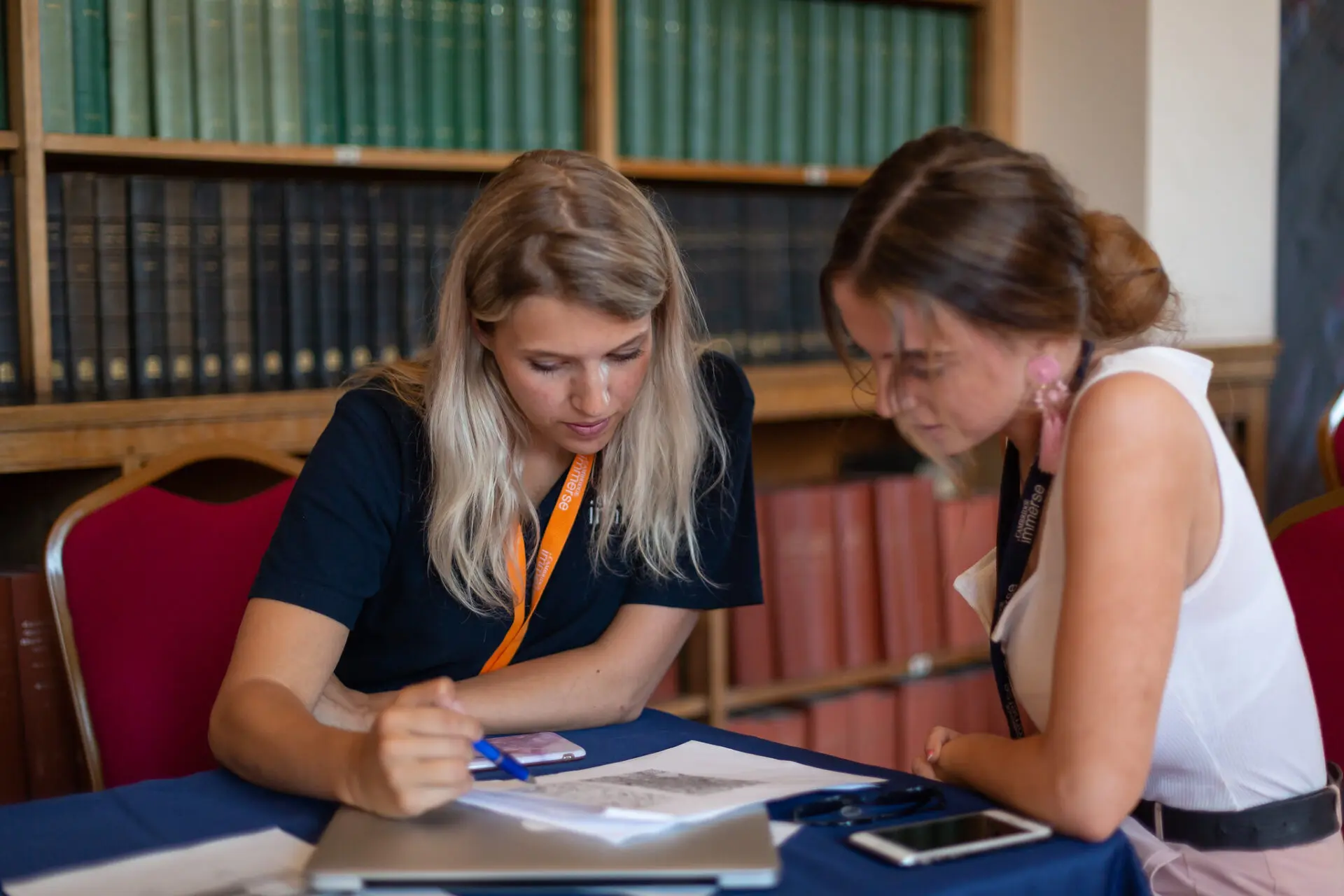
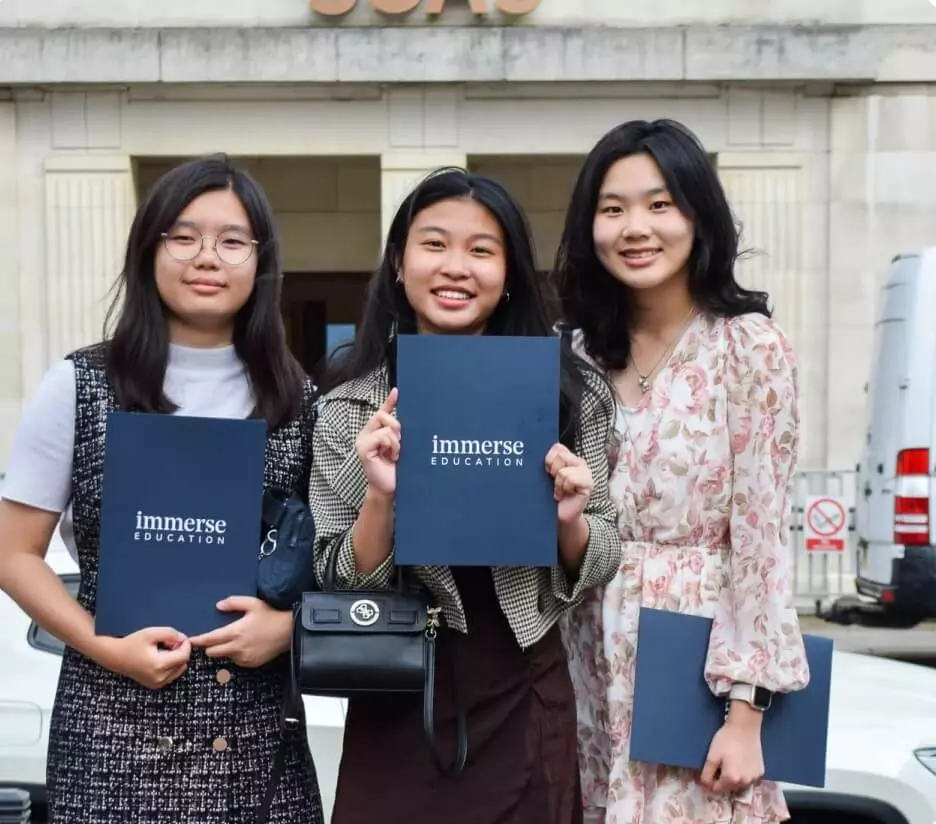
Source: Immerse Education
Location: Sydney, London, Singapore, Toronto, Oxford, Cambridge
Cost/Stipend: Varies; summer school scholarship available through our bursary programme
Acceptance rate/cohort size: Average of 7 participants per class
Dates: 2 weeks during the summer
Application Deadline: Multiple summer cohorts with rolling admissions
Eligibility: Students worldwide aged 13–18 currently enrolled in middle or high school
The Immerse Education Psychology Summer School is an immersive two-week academic program designed to introduce you to the scientific study of the human mind and behaviour. You’ll engage with core areas of psychology that include cognitive psychology, behavioural science, and mental health. You’ll dive into cognitive psychology and neuroscience while unpacking the core ideas of behavioural psychology.
You’ll be participating in interactive lectures, case studies, experiments, and group discussions that build analytical, research, and critical thinking skills. Along the way, you’ll see how surroundings and context influence the way people think and act, and you’ll develop an understanding of the forces that shape interactions and social patterns. By the end of the program, you will complete a personal project and receive written feedback and a certificate of completion. You can find more details about the application here.
Why it stands out: It gives you a taste of university-style psychology study, helping you prepare for future university applications or careers in psychology and related fields.
3. Princeton University’s LLP Psychology Track – Young Children’s Language Development
Location: Princeton University, Princeton, NJ
Cost: Free
Acceptance Rate/Cohort Size: Highly selective with up to 2 interns per project
Program Dates: June 22 – August 21
Application Deadline: March 15
Eligibility: Students enrolled in a local NJ high school (high school graduates who have not yet turned 18 by June 15 are also eligible); must be 16 years old or more by June 15; must be U.S. citizens currently in the U.S. (check all criteria here)
As part of Princeton University’s Laboratory Learning Program (LLP), you will work in a developmental psychology research lab that examines how children’s language and social environments shape early learning. During the program, you will support ongoing research by helping collect data during study sessions with young children, reviewing and coding recordings of parent-child interactions, and assisting with other research activities as needed.
You will also participate in weekly lab meetings, read and discuss academic literature related to the project’s focus, and develop an understanding of how developmental psychology research is conducted. At the end of the program, you will present your research findings based on the work you completed during your placement.
Why it stands out: You gain experience with developmental psychology research by contributing to studies involving child language and social development.
4. NYU SPS High School Academy Weekend Workshop – Exploring Psychology: Building an Understanding of Human Behavior
Location: NYU, Washington Square, New York, NY
Cost: $850; $50 non-refundable application fee
Acceptance Rate/Cohort Size: Not specified
Program Dates: February 28 – March 21
Application Deadline: February 13, with rolling admissions until spots fill
Eligibility: High school students in grades 10–12; typically, admitted students have a B grade point average or higher; international student eligibility not specified
Over the course of this weekend workshop, you will take part in lectures, discussions, and practical activities designed to introduce you to university-style psychology learning. You will explore topics in socio-emotional development and examine how psychological theories can be applied to everyday situations and human behaviour.
The workshop also includes collaborative exercises that encourage teamwork, communication, and problem-solving while giving you opportunities to reflect on interpersonal and leadership skills. Alongside these activities, you will learn about different areas of psychology and the range of academic and career pathways available within the field.
Why it stands out: You experience university-style psychology learning while exploring socio-emotional development through collaborative activities.
5. NYU School of Professional Studies – Psychology and the Workplace: Social Functions of Emotions
Location: NYU, New York, NY
Cost: $2,579; $50 non-refundable application fee; $684 (optional housing and dining fee)
Acceptance Rate/Cohort Size: Not specified
Program Dates: June 29 – July 2; July 6 – 10; July 13 – 17
Application Deadline: Closes typically three weeks before the course start date
Eligibility: High school students who have completed grades 9, 10, or 11 (students entering 10th, 11th, or 12th grade in Fall); international student eligibility not specified
Offered through the NYU School of Professional Studies (SPS), this course introduces you to the biological processes that influence human behavior. You will examine how the brain and nervous system contribute to emotions, motivation, and responses to challenges while exploring key concepts in behavioral science.
The program combines classroom instruction with guest lectures and applied activities that encourage you to connect psychological concepts to everyday decision-making and personal development. Outside the classroom, you will take part in campus activities, explore New York City, and attend organized evening events with other students. After completing the course, you will receive an official NYU transcript reflecting your academic performance.
Why it stands out: You study the biological basis of behaviour while earning an official university transcript through a short-term academic program.
6. Northwestern University Pre-College Program – Psychology: Inside Diagnosis and Treatment
Location: Virtual
Cost: $1,895; need-based scholarships available
Acceptance Rate/Cohort Size: Not specified
Program Dates: Varies, with two-week and four-week options (check upcoming dates here)
Application Deadline: A week before the session begins
Eligibility: High school or U.S.-high-school-equivalent students; should not yet be enrolled in college, and no more than one-year post-high school graduation (“gap year”); should be ages 13–19
This psychology course for high school students introduces you to the fundamentals of clinical psychology through self-paced video lessons taught by professionals from a range of psychology and mental health disciplines. As you progress through the course, you will learn about different clinical roles, approaches to psychological assessment, and the methods used to identify and understand mental health conditions.
You will also examine Cognitive Behavioural Therapy (CBT) alongside other evidence-based treatment approaches and explore how psychological interventions are selected for different situations. In the final capstone project, you will work through a patient case study by reviewing referral information, considering a diagnosis, and developing an appropriate treatment plan. Upon successful completion of the program, you will receive a certificate of completion from Northwestern University.
Why it stands out: You apply clinical psychology concepts to a case study while learning through a flexible, self-paced format.
7. Northwestern University College Preparation Program – Introduction to Psychology

Source: Northwestern University
Location: Virtual
Cost: $5,781; $60 non-refundable application fee; application fee waiver and tuition scholarships available (check details here)
Acceptance Rate/Cohort Size: Not specified
Program Dates: June 22 – July 26
Application Deadline: April 1
Eligibility: High school students who have completed sophomore or junior year of high school, and who have a cumulative GPA of 3.0; open to international students
Through Northwestern University’s College Preparation Program (CPP), you can study Introduction to Psychology in either a live online or self-paced format. The course provides an overview of core psychological concepts and examines how they relate to individual behavior, social interactions, and everyday experiences.
Throughout the program, you will explore topics such as memory, motivation, emotion, and cognition through readings, assignments, podcasts, and class discussions. You will also learn the foundations of psychological research, including how scientific methods are used to investigate behavior, evaluate evidence, and draw conclusions about psychological processes.
Why it stands out: You build a foundation in psychology while learning how researchers study behavior using scientific methods.
8. Brown University Pre-College Program – Behavior Change Counseling: Learning the Skills of Communication and Connection
Location: Brown University, Providence, RI
Cost: $3,748 (residential); $3,096 (commuter); $80 application fee (application fee waiver and scholarships available)
Acceptance Rate/Cohort Size: Not specified
Program Dates: July 6 – 10
Application Deadline: May 8
Eligibility: High school students completing grades 9 to 12; ages 14 to 18 by June 14; open to international students
In this Brown University Pre-College course, you will study the principles and practice of behavior change counselling with a focus on supporting healthier lifestyle choices. Through instructor-led sessions, you will learn counselling techniques used to encourage changes in behaviors related to areas such as nutrition, addiction, and other health-related habits. The program includes role-play exercises that allow you to practice communication and counselling strategies in realistic scenarios.
You will also explore academic and career pathways connected to behaviour change counselling, including fields such as social work, rehabilitation, and public health. As part of the final assessment, you will conduct an independent counselling session, complete a written reflection on your approach, and evaluate your own performance. Upon successful completion of the program, you will receive a digital certificate from Brown University.
Why it stands out: You develop practical counselling skills through role-play and an independent counselling exercise focused on behavior change.
9. UMass Amherst Pre-College Program – The Psychology of Well-Being
Location: UMass Amherst, Charles River Campus, Newton, MA with residential/commuter options
Cost: $2,337 (commuter); $4,119 (residential); $45 application fee; partial, need-based scholarships are available; discount for children of UMass Amherst alumni
Acceptance Rate/Cohort Size: Not specified
Program Dates: June 28 – July 11
Application Deadline: May 1
Eligibility: Rising sophomores, juniors, and seniors; open to international students
In this two-credit pre-college psychology course, you will examine the scientific study of well-being and explore how psychological research investigates happiness, resilience, and emotional health. Through readings, discussions, and practical activities, you will learn about topics in positive psychology, including habits, personal values, character strengths, and strategies for coping with stress.
Throughout the program, you will apply these concepts by creating a personalized well-being plan informed by psychological evidence. You will also work with other students on group activities, take part in community-based projects and field experiences, and consider how psychological principles are applied in everyday settings. The course concludes with a team poster presentation that communicates key ideas from the program to a local school district.
Why it stands out: You combine the study of positive psychology with collaborative projects and practical applications beyond the classroom.
10. Vanderbilt Summer Academy’s Programs for Talented Youth (PTY) – Psychology Tracks
Location: Vanderbilt University, Nashville, TN
Cost: $2,600 (Grades 9–10); $2,750 (Grades 11–12); $50 application fee ($100 for international applicants); need-based financial aid and scholarships are available (check details here)
Acceptance Rate/Cohort Size: Not specified
Program Dates: Vary based on course (check program dates here)
Application Deadline: March 14 (rolling admissions continue if spots are available)
Eligibility: Grades 7–12; open to international students
At this psychology course for high school students, you can choose from a range of intensive psychology courses based on your academic interests and grade level. Each course combines classroom learning with discussions and interactive activities, while the broader program includes opportunities to connect with other students through organized campus and off-campus events.
If you are entering 9th or 10th grade, you can study Inside Clinical Psychology: Science, Practice, and Ethics, where you will use case studies to examine the responsibilities of clinical psychologists and the ethical considerations involved in mental health care. If you are entering 11th or 12th grade, Clinical Psychology: Cognitive-Behavioral Theory in Research and Application introduces the principles of cognitive-Behavioural therapy and its use in understanding and treating anxiety disorders.
Why it stands out: You can choose from psychology courses tailored to your grade level and interests, with options spanning clinical psychology and psychological research.
11. Syracuse University Summer College – Social Psychology Track
Location: Syracuse University, Syracuse, NY
Cost: $4,995 (residential); $4,024 (commuter); $65 non-refundable application fee; merit-based scholarships and partial need-based financial aid available (check details here)
Acceptance Rate/Cohort Size: Not specified
Program Dates: July 5 – 17 (Session I) | July 19 – 31 (Session II)
Application Deadline: May 1
Eligibility: Rising high school sophomores, juniors, or seniors with a 3.0 GPA; should be 15 years or older by their move-in date; high school students graduating in the current year are also eligible if they are not matriculating into Syracuse University in the fall; open to international students
In Syracuse University’s course Social Psychology: What Every Student Should Know, you will explore how people think, feel, and behave in social situations. The course examines how self-perception, social influences, and group dynamics shape interactions between individuals, with topics including stereotypes, conformity, bias, and the role of societal expectations.
You will apply these concepts by developing an independent research project focused on a question about human behavior. Throughout the course, you will also participate in discussions and campus activities that allow you to exchange ideas with other students and reflect on social psychology concepts. Upon completion, you will receive a certificate and have the option to request a non-credit transcript from Syracuse University.
Why it stands out: You apply social psychology concepts by designing and completing your own behavioral research project.
12. Clark University’s Discover Psychology: Summer Pre-College Programs
Location: Clark University, Worcester, MA
Cost: $1,600 (one-week program); $3,000 (two-week residential program); fees are less for early registration, with group discounts available for 3+ students (check details here)
Acceptance Rate/Cohort Size: Small cohort; typically 10 for the residential program
Program Dates: July 6 – 10 (one-week program) | July 5 – 17 (two-week residential program)
Application Deadline: Rolling
Eligibility: Rising 11th and 12th graders; international student eligibility not specified
Through Clark University’s Discover Psychology Summer Pre-College Programs, you can explore psychology through either a one-week day format or a two-week residential experience. The one-week program introduces you to different areas of psychology, including cognitive, social, clinical, and developmental psychology, while giving you the opportunity to work with other students on a collaborative research project that you will present at the Clark Research Festival.
The two-week program provides a deeper focus on the research process, including developing research questions, forming hypotheses, collecting data, analyzing findings, and preparing a formal presentation. As part of the program, you may also have the opportunity to share your work at the New England Psychology Association (NEPA) conference.
Why it stands out: You gain experience with the full psychology research process, from developing a hypothesis to presenting findings.
13. Wake Forest University’s Pre-College Program – The Mystery and Science of Human Behavior
Location: Virtual
Cost: $1,595 with need-based scholarships available
Acceptance Rate/Cohort Size: Not specified
Program Dates: Multiple sessions (check the upcoming schedule here)
Application Deadline: A week before the program starts
Eligibility: High school/U.S.-high-school equivalent students; should be age 13 and up, not yet enrolled in college, and no more than one-year post-high school graduation (“gap year”); open to international students
In Wake Forest University’s asynchronous online course The Mystery and Science of Human Behavior: An Insider’s Guide to Psychology, you will examine key ideas in psychology through self-paced lessons, recorded lectures, and multimedia simulations. The course introduces you to how psychologists study human behavior, including the ways emotions, cognitive biases, and brain processes influence thoughts, decisions, and actions.
You will also explore topics related to perception, information processing, and mental health conditions while engaging with course materials and receiving support through discussion boards and assignment feedback. To complete the course, you will create a capstone project that explores a psychological concept covered in the program and present your understanding in a format of your choice.
Why it stands out: You study core psychology concepts through a flexible online format and demonstrate your learning through an independent project.
14. Wake Forest Summer Immersion Psychology Institute

Source: Wake Forest University
Location: Wake Forest University, Winston-Salem, NC
Cost: $3,500 with need-based scholarships available
Acceptance Rate/Cohort Size: Not specified
Program Dates: July 12 – 17/July 19 – 24 (check the summer schedule here)
Application Deadline: Rolling|
Eligibility: Current high school students in grades 9–12; open to international students
In the Wake Forest Summer Immersion Psychology Institute, you will explore foundational topics in psychology, including the relationship between psychological research and everyday experiences. You will look at the role of emotions in behavior and how people process sensory information and perceive the world around them. Through laboratory activities and guided exercises, you will examine psychological concepts in practice, including studying brain structure through a supervised sheep brain dissection and investigating visual perception through activities in a perception lab.
You will also participate in observational research exercises, which may involve studying behavior in everyday environments, and learn about academic and career pathways within psychology. The program concludes with a presentation where you will share the results of your research project.
Why it stands out: You combine classroom learning with laboratory activities, observational research, and a final research presentation.
15. Johns Hopkins University’s Pre-College Summer Program – Psychology Tracks
Location: Johns Hopkins University, Homewood Campus, Baltimore, MD, with virtual options available for some courses
Cost: $85 application fee; program cost varies for campus and online programs (check tuition fees here)
Acceptance Rate/Cohort Size: Not specified
Program Dates: Vary based on program and type (residential/commuter/online) (check schedules here)
Application Deadline: Rolling
Eligibility: High school students who have completed grade 9; should have a cumulative grade point average of 3.0 or higher; prerequisite knowledge may be required for some programs; open to international students
Through Johns Hopkins University’s Pre-College Programs, you can enrol in college-level psychology courses offered in either an on-campus or online format. Taught by university instructors, these courses introduce you to different areas of psychology, including foundational concepts, biopsychology and behavioral neuroscience, and methods used in psychological profiling.
During the program, you will complete coursework, participate in interactive learning sessions, and connect with other students through discussions and activities. Depending on your chosen course format, you will experience elements of university-style learning while developing skills in critical thinking, research, and the analysis of human behavior.
Why it stands out: You explore university-level psychology topics through courses taught by Johns Hopkins instructors in flexible formats.
Frequently asked questions: Psychology Courses for High School Students
What is the best psychology course for high school students interested in clinical psychology?
Northwestern’s Psychology: Inside Diagnosis and Treatment introduces clinical roles, psychological assessment, and treatment approaches like CBT through a self-paced, asynchronous format. Vanderbilt’s PTY Psychology Tracks offer a similar clinical focus but through structured, grade-specific in-person courses covering ethics and cognitive-behavioral theory. Brown University’s Behavior Change Counseling course is a strong fit for students wanting hands-on, role-play-based counseling practice rather than a purely academic overview.
Are there free psychology courses or research opportunities for high school students?
Yes. Both tracks of Princeton’s Laboratory Learning Program are free and place students directly in an active psychology research lab, working on projects related to social isolation or child language development. These free options are highly selective, accepting up to two interns per project, and are limited to students enrolled in local New Jersey high schools who meet residency and age requirements.
Can international students take psychology courses in the US?
Several programs are open to students worldwide, including Immerse Education’s Psychology Summer School, Northwestern’s asynchronous and live online courses, and Wake Forest’s self-paced online psychology course. Princeton’s Laboratory Learning Program, by contrast, requires U.S. citizenship and local New Jersey high school enrollment, making it inaccessible to international applicants. Students should check format and citizenship requirements closely, since virtual and asynchronous programs tend to have the most flexible eligibility.
What is the difference between an online psychology course and an in-person psychology program?
Online courses, such as Northwestern’s self-paced offerings and Wake Forest’s Mystery and Science of Human Behavior, let students work through readings, videos, and a capstone project on their own schedule without travel or residential costs. In-person programs, like Brown University’s Behavior Change Counseling or Wake Forest’s Summer Immersion Psychology Institute, add hands-on components such as role-play exercises, lab activities, and dissections that aren’t possible remotely. Students weighing flexibility against hands-on experience should consider which format better fits their schedule and learning style.
Which psychology courses let students design or conduct their own research project?
Syracuse University’s Social Psychology course has students develop an independent research project on human behavior, while Clark University’s two-week residential program walks students through the full research process from hypothesis to formal presentation. Both tracks of Princeton’s Laboratory Learning Program also involve direct research contribution, though within an existing lab’s ongoing study rather than a self-designed project. Students most interested in original research design should lean toward Syracuse or Clark’s two-week format.
How much do psychology courses for high school students cost?
Costs vary considerably by format and length. Princeton’s Laboratory Learning Program is free, while short weekend or one-week programs, like NYU’s SPS Weekend Workshop, cost under $1,000. Longer or more selective programs, such as Northwestern’s College Preparation Program and Syracuse University’s Summer College, range from roughly $2,600 to $5,781, with many offering need-based scholarships to offset tuition.
Your psychology course was just the first step
Choosing among these psychology courses for high school students gives you a genuine introduction to research methods, case studies, and the science of human behavior.
Once the course ends, you can turn that experience into a clearer sense of your academic and career direction.
The research skills, confidence, and analytical thinking you built become a strong foundation for stronger university applications ahead.
Keep building on what you started with this course by exploring our University Preparation blogs for guidance on your next steps.



Join the Immerse Education 2027 Essay Competition
Follow the instructions to write and submit your best essay for a chance to be awarded a 100% scholarship.
About the author

Alexandra Nistor
Bachelor in Experimental Psychology from the University of Oxford | Education Consultant, Immerse Education
Alexandra Nistor is a passionate education consultant with a background in psychology and a focus on student development and academic guidance. She studied Experimental Psychology at the University of Oxford, specialising in Cognitive Neuroscience, Metacognition, and the Psychology of Healthcare. As part of the ManyBabies2 Consortium, she contributed to research on infant social cognition, soon to be published.
Now a Programme Consultant at Immerse Education, Alexandra helps students identify the most suitable programmes for their goals, drawing on her academic expertise and commitment to personalised learning pathways.


Unlock Inspiring Opportunities with the Immerse Education Newsletter
Join our newsletter to stay ahead with exclusive updates, exciting programme highlights, and expert insights from the world of immersive education.
Learn how Immerse can transform your life
An in-depth overview of our university and career preparation programmes
Get a glimpse into the life of an Immerse participant
Find the right programme for you with sample timetables, location showcases, and more