15 Summer Programs for 18 Year Olds

TL;DR
You’ll find 15 options open to 18-year-olds here, mostly research internships at universities, federal labs, and biomedical institutes. Many are free or pay a stipend, but several only accept US citizens or local students, so check eligibility first. They suit rising seniors and recent graduates who want serious research experience before college. The NIH Summer Internship Program, for instance, requires you to be 18 by September 30th. Immerse Education's Academic Insights pathway also offers two-week courses for ages 13 to 18 in cities including Oxford, Cambridge, and Toronto.
By the time you're 18, you've probably already figured out that summers don't have to mean doing nothing. But knowing what to actually do with them is a different question. Summer programs, the kind hosted by universities and research institutions, are one of the more underrated options, and not just because they look good on a college application.
What makes them worth considering is what happens inside them. You're not sitting through a lecture series or doing a watered-down version of coursework. Depending on the program, you could be working in a lab, analyzing real data, presenting research to faculty, or collaborating with students from places you've never been to.
Why pursue summer programs as an 18 year old?
Some programs place you directly under a mentor. Others drop you into a cohort and let the work drive the experience. Either way, you walk away with something more concrete than a certificate, you start to understand what it actually feels like to study something seriously, at a university level, before college forces you to figure it out on your own.
That's the part that tends to stick: getting a real look at university life, the rhythm of it, the independence, the depth while you're still in a position to explore. For this list, we’ve kept it to programs run by universities or government bodies, since those tend to offer the most academic credibility.
15 Summer Programs for 18 Year Olds
1. NIH Summer Internship Program (SIP)
Location: NIH campuses; primarily Bethesda, Maryland
Cost/Stipend: Free; stipend provided (adjusted annually by education level)
Dates: May 10th to August 31st, 2027 (exact start and end dates set with your Principal Investigator)
Application Deadline: January 26th, 2027
Eligibility: US citizens or permanent residents; must be 18 by September 30th, 2027; graduating high school seniors must graduate before the internship starts; graduating seniors who are 17 on June 1st but turn 18 by September 30th must live within 40 miles of an NIH campus; not open to international students
The NIH Summer Internship Program places you in a research group inside the NIH Intramural Research Program, working under a Principal Investigator on active, funded science. Depending on the group you’re placed with, your work could sit in biology, chemistry, epidemiology, psychology, computer science, bioinformatics, pharmaceutical sciences, or any number of other fields. You’re not rotating through departments or completing structured exercises; you’re a full-time member of a team contributing to ongoing research for the entire summer.
Beyond the lab, the program includes professional development sessions focused on healthcare and research careers, educational programming, and a well-being and resilience program. NIH also hosts a Graduate and Professional School Fair in July and a Summer Poster Day in early August, where you’ll present your research to the wider NIH scientific community.
Why it stands out: You’ll be doing full-time research inside one of the most well-funded biomedical research institutions in the world, with access to the kind of infrastructure and mentorship most people don’t encounter until graduate school.
2. Immerse Education’s Pre-University Summer School

Location: Cambridge, London, Oxford, Singapore, Sydney, and Toronto
Cost: Varies; summer school scholarship available through our bursary programme
Acceptance Rate/Cohort Size: Selective; an average of 7 participants per class
Application Deadline: Multiple cohorts with rolling admissions
Program Dates: 2 weeks during the summer
Eligibility: Students aged 13 to 18 currently enrolled in middle or high school; open to international students from around the world
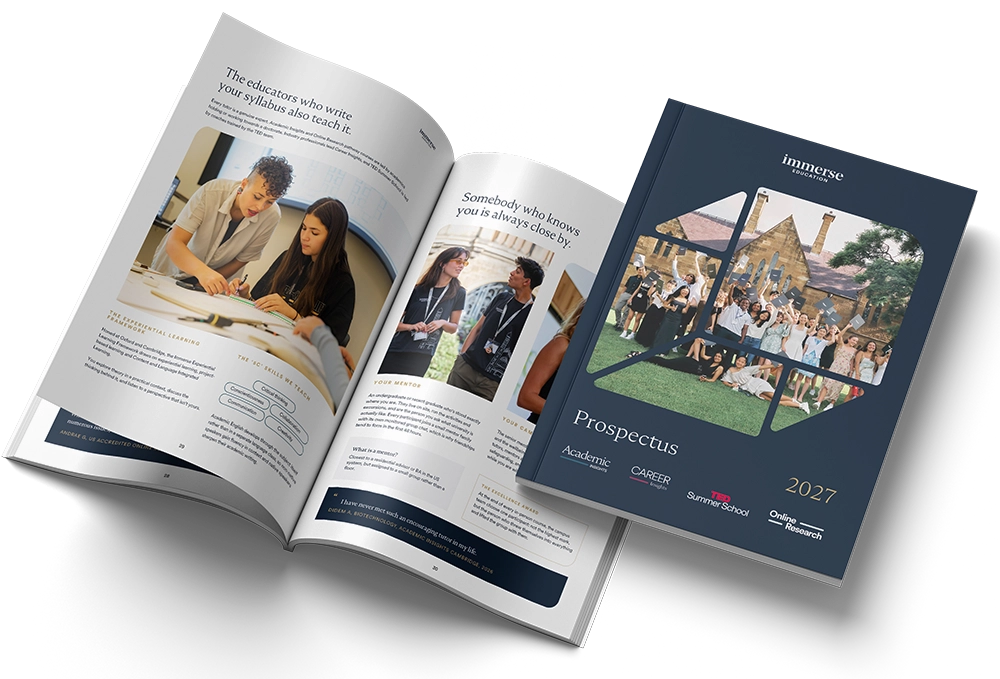
Immerse Education's Academic Insights pathway lets you experience university life firsthand. You can live on campus or join as a commuter, study in small seminar groups averaging 7 students, and learn from expert tutors who hold or are working towards a doctorate.
You can explore more than 20 subjects, including Architecture, Artificial Intelligence, Business Management, Computer Science, Economics, Medicine, and Philosophy, Politics & Economics. Across the two weeks, you’ll learn through tutor-led seminars, two 1:1 tutorials, masterclasses, and guest speaker sessions. By the end of the program, you’ll present a personal project to your class on the final Friday and leave with a certificate of completion. You can find more details about the application here.
Why it stands out: You’ll get an early start at university life and academics, since the program combines an independent project, discussion-based classes, and the option to live on a university campus.
3. Lumiere Research Scholar Program
Location: Remote; you can participate in this program from anywhere in the world!
Cost: Varies depending on program type. Full financial aid available.
Application Deadline: Varies by cohort.
Program Dates: Varies by cohort: summer, fall, winter, or spring. Options range from 12 weeks to 1 year.
Eligibility: You must be currently enrolled in high school and demonstrate a high level of academic achievement.
The Lumiere Research Scholar Program is a rigorous research program tailored for high school students. The program offers extensive 1-on-1 research opportunities for high school students across a broad range of subject areas. The program pairs high school students with Ph.D. mentors to work 1-on-1 on an independent research project.
At the end of the 12-week program, you’ll have developed an independent research paper! You can choose research topics from subjects such as psychology, physics, economics, data science, computer science, engineering, chemistry, international relations, and more. You can find more details about the application here, and check out students’ reviews of the program here and here.
4. Science and Engineering Apprenticeship Program (SEAP)
Location: 38 Department of Navy laboratories across the United States
Cost/Stipend: $4,000 stipend (new participant); $4,500 (returning participant)
Dates: 8 weeks during the summer, with a possible extension of up to two weeks
Application Deadline: November 30th, 2026
Eligibility: High school students who have completed at least 9th grade and are currently enrolled; graduating seniors are eligible; must be 16 or older by the internship start date; must be a US citizen, though some labs accept permanent residents or dual citizens; not open to international students
SEAP places you inside a working Department of Navy research laboratory for eight weeks, alongside professional scientists and engineers running active research. You’re matched to a lab and a mentor based on your academic background and stated research interests, and the work you take on, whether that’s in cybersecurity, robotics, materials science, environmental science, engineering, or another area, is real Naval research, not a simulation of it. With about 300 placements across 38 labs nationwide, you can apply to locations and focus areas that align with what you’re actually interested in.
Why it stands out: You’ll work inside a real federal research lab with a professional mentor at your side, getting a close look at how defense and science research actually operates within the US government.
5. NIST Summer High School Internship Program (SHIP)
Location: Gaithersburg, Maryland or Boulder, Colorado
Cost/Stipend: Free; unpaid educational internship
Dates: 2027 dates to be announced; the 2026 program ran June 22nd to August 7th
Application Deadline: End of January 2027 (applications expected to open in mid-October 2026)
Eligibility: US citizen; high school junior or senior at time of application; minimum unweighted GPA of 3.0; must live within 50 miles of NIST Gaithersburg or NIST Boulder; full seven-week commitment required; not open to international students
Through SHIP, you’ll spend seven weeks working on your own research project with a NIST scientist or engineer, using the same facilities and equipment as full-time researchers.
You’re assigned a real problem at the start and work through it over the course of the summer, the kind of sustained focus that gives you a clear sense of what scientific research actually involves day to day. The program closes with a poster session, where you’ll present your findings alongside other SHIP interns.
Why it stands out: You’ll work on your own research project at one of the country’s most respected federal science institutions, with access to equipment and expertise most students don’t encounter until well into their undergraduate years.


6. Smithsonian NMNH Summer High School Internship
Location: National Museum of Natural History, Washington, D.C.
Cost/Stipend: 5,600stipend(700 per week) in 2026
Dates: June 23rd to August 14th in 2026; 2027 dates not yet posted
Application Deadline: March 20th for the 2026 cycle; 2027 deadline not yet posted
Eligibility: Currently enrolled high school students, ages 15 to 18 (grades 9 to 12) at the start of the internship; must be within commuting distance of NMNH in D.C., Maryland, or Virginia; must write and speak English fluently; international eligibility not specified
Depending on your placement, you could be working with electron microscopes to study 89-million-year-old planktonic foraminifera from geological outcrops in Big Bend National Park, mapping the geographic origins of plant specimens to support species conservation assessments, contributing to the documentation and restoration of a Tlingit ceremonial bear screen, or learning to write about the natural sciences for a general audience. Developing research, interviewing, and editing skills are tied to science communication.
Projects for the 2026 cycle spanned paleobiology, botany, anthropology, exhibits, and science education, and the internship explicitly includes both science and non-science museum work. One to two days each week are set aside for enrichment: behind-the-scenes museum tours, field trips, and programming shared with other interns in the cohort.
Why it stands out: You’ll get behind-the-scenes access to one of the world’s largest natural history collections, working on projects that span live scientific research, cultural heritage, and public communication, all under one roof.
7. Garcia Research Scholars Program
Location: Stony Brook University, New York
Cost/Stipend: $4,000 laboratory usage fee plus a $50 non-refundable registration fee (2026); room and board not included
Dates: June 24th to August 7th in 2026; 2027 dates not yet posted
Application Deadline: Not specified
Eligibility: Must be at least 16 by July 4th (2026 cycle); unweighted GPA of 95/100 (3.8/4.0); standardized test scores at or above the 60th percentile (PSAT, SAT, ACT, AP, IB, or Regents); must have taken at least 3 of the following subjects: Chemistry, Math/Calculus, Physics, Biology, or English; open to international students already legally present in the US for the program, though the program can’t support visa applications
The Garcia Research Scholars Program at Stony Brook University is an intensive research experience in polymer science and materials research, a field that connects fundamental chemistry to real applications in medicine, energy storage, pharmacology, and materials design. You come in, get assigned to a research project, and work on it alongside Garcia Center faculty, graduate students, and staff in actual university labs. One of the program’s stated goals each summer is to advance student research to a point where participants can submit abstracts to the Materials Research Society Fall Meeting, one of the most significant scientific conferences in the field.
If you want to keep going after the summer ends, the Garcia Mentor Program lets you continue working with a faculty mentor into the academic year, with transportation coordinated through local school boards. You can read more in our Garcia Summer Research Program student guide.
Why it stands out: You’ll aim to take your research far enough to submit an abstract to a major international scientific conference, a benchmark that’s rare for a high school program.
8. Broad Summer Scholars Program
Location: Broad Institute, Cambridge, Massachusetts
Cost/Stipend: Free; paid research position ($3,600 stipend in 2026)
Dates: July 6th to August 13th, 2027
Application Deadline: January 20th, 2027
Eligibility: Rising high school senior; must attend a Massachusetts high school within commuting distance of the Broad Institute; B or better in science and math; US citizen, permanent resident, or non-US citizen with employment authorization; no prior research experience required
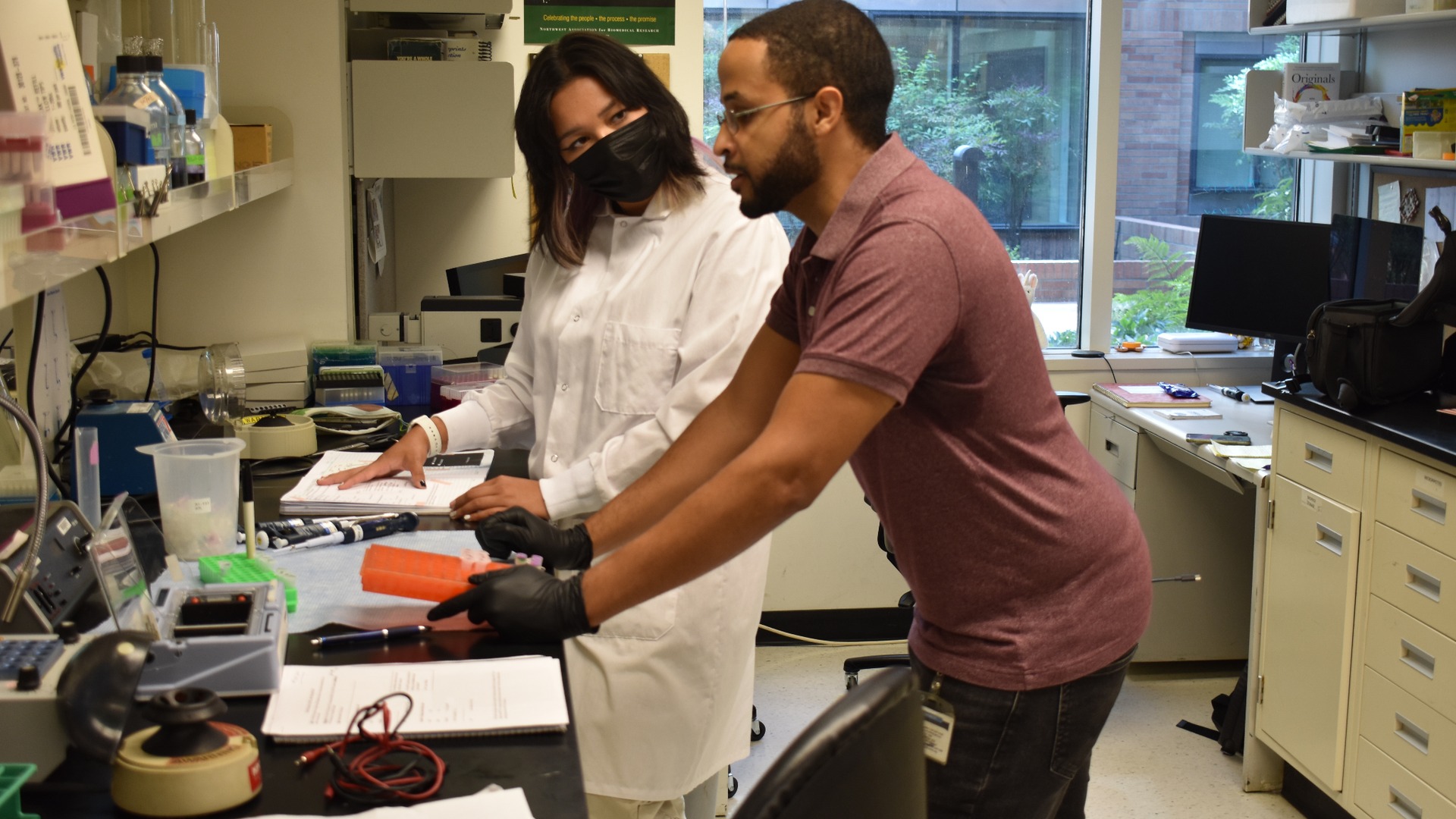
The Broad Institute is one of the leading genomic medicine and biomedical research institutions in the world, and the Broad Summer Scholars Program places rising seniors from Massachusetts high schools inside it for six weeks. You’re matched with a specific Broad scientist at the start of the program and spend the full six weeks working with them on an original research project in areas that include cancer biology, psychiatric disease, chemical biology, computational biology, and infectious disease, among others. You don’t rotate between labs or split your time across multiple projects; you go deep on one, which is how you actually start to understand what the research process looks like from start to finish.
Throughout the summer, you’ll attend scientific talks from Broad researchers, get college readiness support, explore careers at a career mixer, join social events, and present your work at a final poster session open to the wider Broad community. If biomedicine is your focus, you’ll find more options among these biomedical research opportunities for high school students.
Why it stands out: You’ll spend six weeks working closely with a scientist at one of the top genomics research institutions in the world, with a stipend and no prior experience required to apply.
9. University of Illinois Young Scholars Summer STEMM Research
Location: University of Illinois Urbana-Champaign, Illinois
Cost/Stipend: Free; housing, meals, and a monetary award provided (you cover travel to and from campus)
Dates: June 14th to July 31st in 2026, with online orientation starting May 28th; 2027 dates not yet posted
Application Deadline: Not specified
Eligibility: Rising 10th to 12th graders from Illinois, Indiana, Kentucky, Michigan, Missouri, Iowa, or Wisconsin; open to all students who meet the grade and location rules; program actively supports first-generation college students and students from groups underrepresented in STEMM; international eligibility not specified
The University of Illinois Young Scholars program is a residential research experience that places you directly inside active UIUC research groups. You’ll apply to one of two tracks: SpHERES, which focuses on medicine, engineering, innovation, and entrepreneurship through projects in neuroscience, molecular physiology, chemical and biomolecular engineering, kinesiology, and more; or the Grainger Engineering Young Scholars program (GEnYuS), which works across computer science, mechanical engineering, nuclear and quantum physics, aerospace, materials science, electrical engineering, bioengineering, and civil engineering.
You’re matched to a group based on your application and research interests, paired with another student, and in some cases with a teacher from your own school. Outside of research, the program includes weekly seminars on things like the college admissions process, scientific communication, and research poster preparation.
Why it stands out: You’ll spend six weeks living on campus at a major research university, doing STEMM research alongside graduate students and faculty, with housing, meals, and a monetary award included.
10. Duke Research in Engineering Program (DukeREP)
Location: Duke University, Biomedical Engineering Department, Durham, North Carolina
Cost/Stipend: Free; $4,000 stipend
Dates: June 15th to July 31st in 2026; 2027 dates not yet posted
Application Deadline: February 15th for the 2026 cycle; 2027 deadline not yet posted
Eligibility: Rising junior or rising senior in a North Carolina high school; must be 16 or older; priority given to Durham Public Schools students, but all eligible NC students may apply; international eligibility not specified
In DukeREP you’ll spend your days on a research project in a Duke BME lab, which, depending on your placement, could involve biomechanics, medical devices, imaging systems, synthetic biology, or other areas tied to Duke’s active research portfolio.
Beyond the lab work, the program runs weekly seminars on college advising and professional development, as well as talks by professors and engineering professionals. You’ll also take part in social activities with the rest of the cohort throughout the seven weeks.
Why it stands out: You’ll get seven paid weeks of biomedical engineering research in a Duke BME lab, with a $4,000 stipend designed to match what you might earn in a summer job.
11. Wake Forest WFIRM Mentored Research Exposure Program

Location: Wake Forest Institute for Regenerative Medicine, Winston-Salem, North Carolina
Cost/Stipend: Not specified
Dates: June 21st to July 16th, 2027
Application Deadline: February 15th, 2027 (applications open January 15th, 2027)
Eligibility: North Carolina high school students, ages 16 to 18; commuter program only; international eligibility not specified
The Wake Forest Institute for Regenerative Medicine runs one of the smaller and more focused programs on this list, just 8 to 10 spots for the four-week research experience, all of them going to North Carolina high school students. After two days of lab orientation and safety training, you’ll work directly with a WFIRM faculty researcher and their team on a regenerative medicine project, with your schedule set by your mentor.
Regenerative medicine sits at the intersection of biology, engineering, and medicine, and the field is focused on rebuilding or replacing damaged tissue and organs. Throughout the four weeks, you’ll also attend the annual Regenerative Medicine Essentials Course, weekly research meetings, and special seminars alongside graduate students and faculty.
Why it stands out: With only 8 to 10 spots available, you’ll get one of the most closely mentored research experiences on this list, working directly with WFIRM faculty at one of the country’s leading regenerative medicine centers.
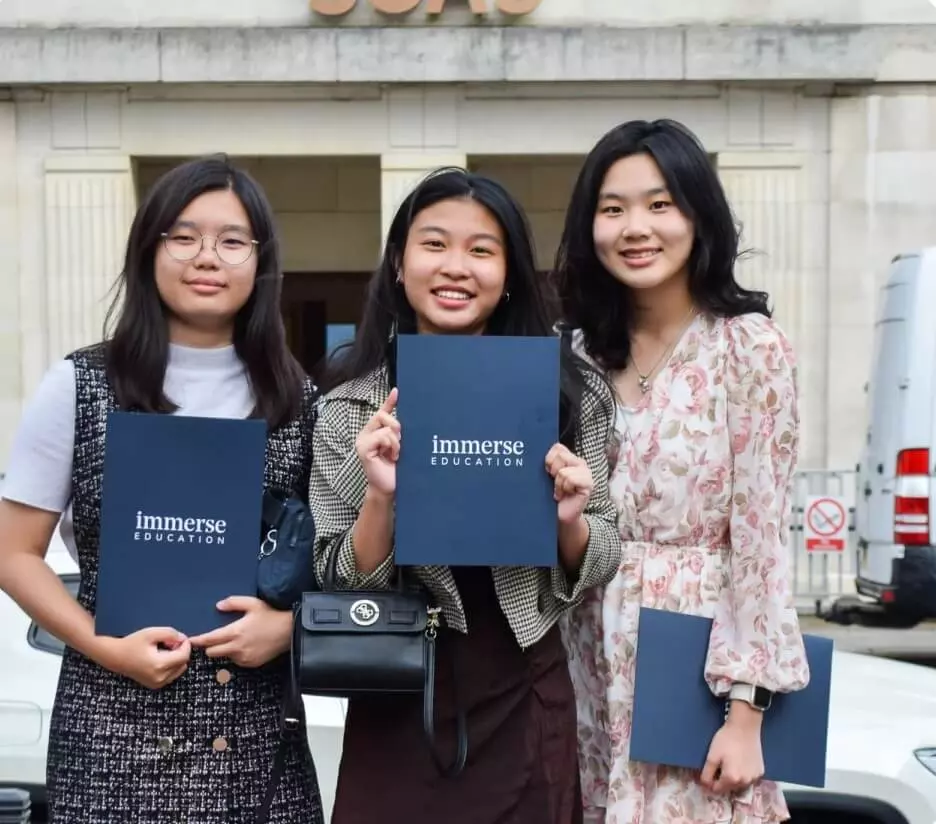
Join the Immerse Education 2027 Essay Competition
Follow the instructions to write and submit your best essay for a chance to be awarded a 100% scholarship.
12. Fred Hutch Summer High School Internship Program (SHIP)
Location: Fred Hutchinson Cancer Center, Seattle, Washington
Cost/Stipend: Paid internship (financial award on successful completion, plus a free ORCA transit card)
Dates: June 22nd to August 14th in 2026; 2027 details will be posted in November 2026
Application Deadline: March 13th for the 2026 cycle; 2027 deadline will be posted in November 2026
Eligibility: High school student entering senior year; 16 or older by program start; must live in Greater Seattle or surrounding areas; not open to out-of-state or international students
The Fred Hutch SHIP is an eight-week paid research internship for students entering their senior year, and it’s specifically designed for students who haven’t had extensive research experience. The first two weeks are focused on building your foundation: you’ll go through laboratory safety training, learn core research techniques, and get an introduction to Fred Hutch as an institution. From week three through week eight, you’re placed in pairs with a mentor inside an active Fred Hutch research group, working directly on a project alongside the scientists there.
Alongside the research, you’ll attend seminars, take part in professional development workshops covering college planning and career exploration, and spend time with your cohort through social activities. The summer ends with presentations to the Fred Hutch community, including family and friends.
Why it stands out: It’s one of the few paid research programs that explicitly welcomes students without prior lab experience, making it a strong entry point if you’re a Seattle-area student looking to get your first real exposure to biomedical research.
13. Rockefeller University Summer Science Research Program (SSRP)
Location: Rockefeller University, New York City, New York
Cost/Stipend: Free; OMNY transit card provided; need-based stipends may be available
Dates: June 21st to August 5th, 2027
Application Deadline: January 4th, 2027 at 5:00pm ET
Eligibility: Current high school juniors or seniors; 16 or older by June 21st, 2027; full-time attendance required; open to international students, though the program can’t assist with visas, housing, or travel
The SSRP accepts 32 to 40 students each summer, divided into four research teams of 8 to 10 scholars each. Every team has at least three dedicated research mentors drawn from the Tri-Institutions (Rockefeller University, Memorial Sloan Kettering Cancer Center, and Weill Cornell Medicine), and works in dedicated teaching laboratories at Rockefeller’s campus. You’re matched to a team based on your scientific interests. It’s also one of the few programs on this list open to students outside the US, and you can find more like it among these summer research programs for international high school students.
The seven weeks follow a clear arc: the first week is orientation to your team’s topic and lab norms; by week two, you’re choosing your own research question; weeks three through five are the core exploration phase; and the final two weeks are spent analyzing data and building a research poster to present at an end-of-program symposium. Outside of the research itself, the program includes elective courses, guest lectures, workshops, and networking and social events that run alongside the main work throughout the summer.
Why it stands out: Working within a research team mentored by scientists from three of the most prestigious biomedical institutions in the country, in a cohort of just 32 to 40 students, is a high level of access for a high school program.
14. Anson L. Clark Scholars Program
Location: Texas Tech University, Lubbock, Texas
Cost/Stipend: Free; on-campus room, board, and meals provided; $25 application fee; $750 stipend after a successful research project report
Dates: June 21st to August 6th in 2026; 2027 dates not yet posted
Application Deadline: February 15th, 2027 (applications open January 2nd, 2027)
Eligibility: Rising high school seniors and recent high school graduates; at least 17 years old by program start; US citizen or permanent resident; not open to international students
The Clark Scholars Program is one of the few nationally competitive high school research programs open to students across almost any academic field. Whether your interest is biology, cancer bioimaging, computer science, chemistry, mechanical engineering, physics, economics, or something in the fine arts or humanities, there’s a faculty research track for you.
Twelve students are selected nationally each summer out of a highly competitive pool, and each scholar is matched directly with a Texas Tech University or Health Sciences Center faculty member for seven weeks of one-on-one, mentored research. The program also includes weekly seminars, social activities, and weekend programming designed to help you explore where your academic interests might take you next.
Why it stands out: With only 12 spots nationally and direct one-on-one faculty mentorship across fields from natural sciences to fine arts, this is one of the most individualized and academically broad research opportunities available to high school students anywhere in the country.
15. Heithoff-Brody High School Summer Scholars Program
Location: Salk Institute for Biological Studies, La Jolla, California
Cost/Stipend: Paid internship; public transit stipends available if you need help getting to campus
Dates: June 14th to August 6th, 2027
Application Deadline: February 15th, 2027 (applications open December 1st, 2026)
Eligibility: San Diego County residents who completed their most recent semester at a San Diego County high school; 16 or older by June 14th, 2027; minimum GPA of 2.75; at least one high school biology class completed (chemistry preferred); applicants under 18 need a work permit; international eligibility not specified
A select group of San Diego County high school students is chosen each summer for an eight-week paid internship here, with each student paired one-on-one with a dedicated Salk mentor for the full duration of the program. The work is a real scientific investigation, where you’re contributing to an ongoing research project with the rigor that reflects actual lab standards.
Through events, collaborative activities, and cross-campus seminars, you’ll interact with researchers beyond your own mentor’s lab, which means you leave with a wider network and a clearer picture of how a research institution actually operates. The summer ends with the Summer Scholars Research Symposium, where you’ll present your work as either a formal scientific talk or a poster to mentors, lab teams, and family.
Why it stands out: With over 40 years of history, a one-on-one mentorship model, and a research environment that doesn’t scale down the science to fit a high school level, this is one of the most substantive local research opportunities available to San Diego County students.
Frequently asked questions: Summer Programs for 18 Year Old High School Students
Can you join a high school summer program at 18?
Yes, plenty of high school summer programs accept 18-year-olds, as long as you meet their grade or graduation rules. Some, like the NIH Summer Internship Program, actually require you to be 18 by September 30th of the program year. Others, such as the Clark Scholars Program, take rising seniors and recent graduates, while several cap eligibility at rising seniors only. Read each program’s eligibility page closely, since age and grade-level rules vary more than you might expect.
Can you do a summer program after graduating high school?
It depends on the program, since many are limited to students still enrolled in high school. The Clark Scholars Program explicitly accepts students in the summer after senior graduation, and the NIH Summer Internship Program accepts graduating seniors who finish high school before the internship begins. SEAP, Rockefeller’s SSRP, and Fred Hutch’s SHIP require current enrollment or rising-senior status, so they won’t work once you’ve graduated. If you’re taking a gap year, check how each program classifies you before you apply.
Are there free summer programs for 18 year olds?
Many of the strongest options are free, and several even pay you. NIH SIP, SEAP, the Smithsonian’s high school internship, and the Broad Summer Scholars Program all offer stipends, while Rockefeller’s SSRP and the Clark Scholars Program charge nothing to participate. Free doesn’t always mean fully covered, though, since Garcia charges a lab fee and most programs leave housing and travel to you. For more no-cost options, browse our list of free research programs for high school students.
Can international students apply to summer programs in the US at 18?
Some US programs accept international students, but many federal and local internships don’t. NIH SIP, SEAP, NIST SHIP, Fred Hutch’s SHIP, and the Clark Scholars Program are limited to US citizens or permanent residents. Rockefeller’s SSRP accepts international applicants but can’t help with visas, and Garcia only accepts international students already legally present in the US. If you’re applying from abroad, Immerse Education's Academic Insights pathway is open to students aged 13 to 18 from around the world, with courses in Cambridge, London, Oxford, Singapore, Sydney, and Toronto.
When should you apply for summer programs at 18?
Start applying in the fall or winter of your senior year, since most research programs close between November and March. SEAP’s deadline is November 30th, 2026, Rockefeller’s SSRP closes on January 4th, 2027, and the NIH Summer Internship Program closes on January 26th, 2027. Others, like WFIRM, Salk, and the Clark Scholars Program, close in mid-February. Put every deadline into one calendar early, since recommendation letters are often due on the same day as your application.
Do summer programs help with college applications?
A summer program can strengthen your application when it shows real depth in a subject you plan to study. Research programs give you concrete outcomes to point to, such as a poster, a symposium talk, or a mentor who knows your work well. Admissions readers care more about what you did and learned than about a program’s name, so pick something you’ll fully engage with. Immerse Education's Academic Insights pathway, for example, ends with a personal project you present on the final Friday, plus a certificate of completion.
Making the most of your summer at 18
At 18, you’re standing between high school and university, and the right summer can turn that in-between stretch into serious, lasting academic momentum.
The best summer programs for 18 year olds put you inside working labs, beside experienced mentors, on projects you’ll actually be proud to present.
Before you apply, check each deadline, cost, and eligibility rule closely, since many of these competitive programs only accept local, US-based, or rising-senior students.
For more guidance on choosing the right program and preparing a strong application, explore our University Preparation blogs and plan your next step with confidence.

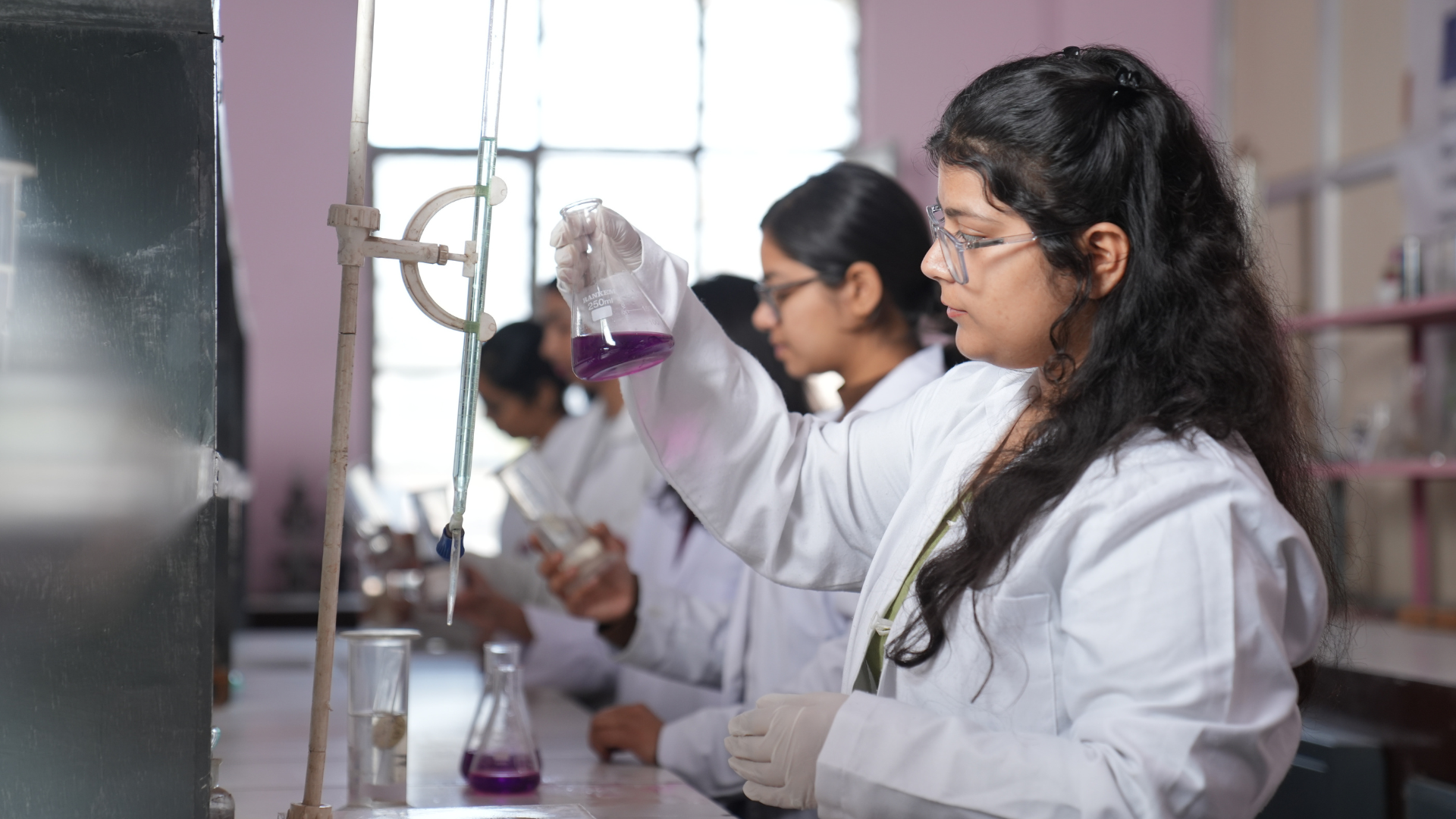




Unlock Inspiring Opportunities with the Immerse Education Newsletter
Join our newsletter to stay ahead with exclusive updates, exciting programme highlights, and expert insights from the world of immersive education.
Learn how Immerse can transform your life
An in-depth overview of our university and career preparation programmes
Get a glimpse into the life of an Immerse participant
Find the right programme for you with sample timetables, location showcases, and more