Garcia Summer Research Program 2026 | Guide for Students
The Garcia Summer Research Program at Stony Brook University offers high school participants aged 16 and above the chance to experience genuine laboratory research in polymer and materials science.
It takes place on the Stony Brook campus in New York and introduces participants to the techniques and thinking that underpin modern scientific discovery.
With a strong record of student achievements in competitions, publications and long-term research, Garcia offers a demanding but rewarding academic environment.
Here’s a comprehensive guide to the Garcia Summer Research Program.
Course Breakdown
Programme optionWho’s it for?DurationSubjects CoveredOutcomesCost (2026)High School Research ExperienceHigh school participants aged 16+ seeking a structured laboratory research placementSeven weeks (24 June–7 August 2026)Polymer science, materials engineering, and related interdisciplinary fieldsIndependent research project, symposium presentation, potential entry to science fairs; optional continuation in the academic-year Mentor ProgramTo be announced (2025 laboratory fee was US$4,000; housing extra)
Note: Check their official website for their current pricing.
Why Choose the Garcia Summer Research Program?
The Garcia Summer Research Program positions itself as a pathway into real scientific inquiry, offering participants the chance to contribute to active materials science projects rather than classroom-style experiments.
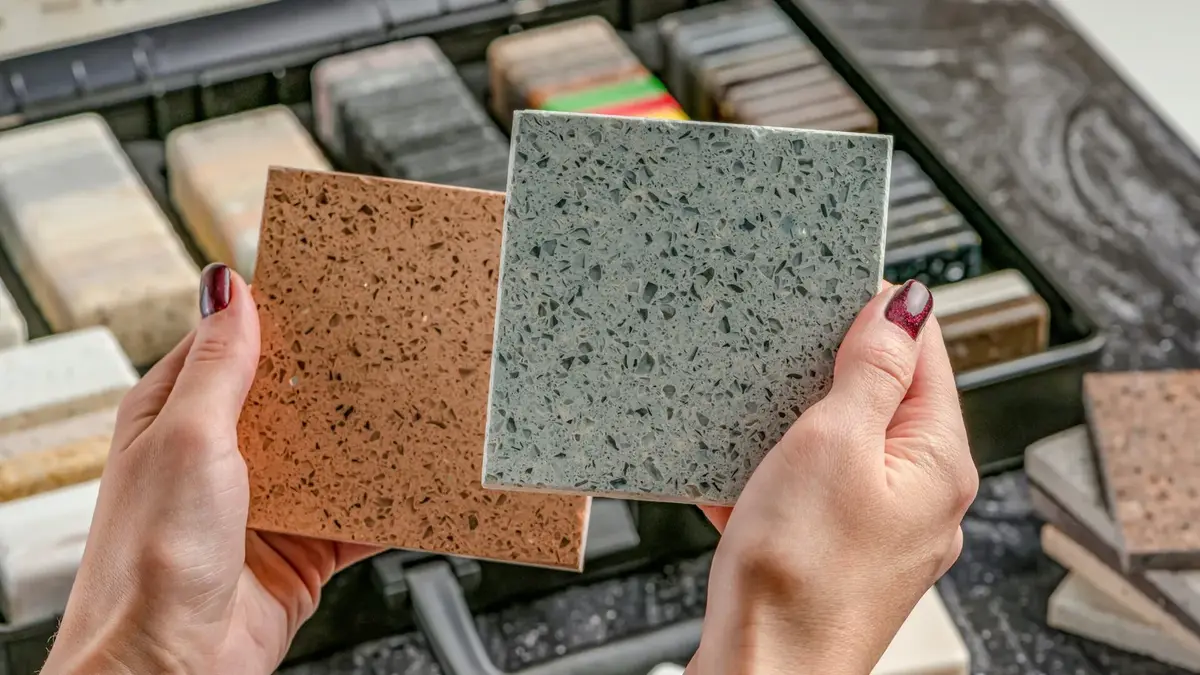
Focusing on polymer research, the programme offers a specialised setting to learn modern lab techniques with university researchers.
A defining strength is its emphasis on independent investigation. Participants design and develop their own projects, gaining insight into scientific methods, lab practices, and the collaborative nature of research. This hands-on approach appeals to high-achieving students who want meaningful STEM experience before university.
For 2026, the programme lists its laboratory usage fee as “To Be Announced”, though the 2025 fee was US$4,000, with optional room and board costs of US$2,507 for a double room, plus a US$120 starter meal plan and a US$62.75 health services fee.
Immerse Education also values rigorous STEM learning and offers pathways in biotechnology, environment and sustainability, and nanotechnology.
The programmes exceed lab work by providing academic depth, global residential options, small-group teaching, and strong university preparation.
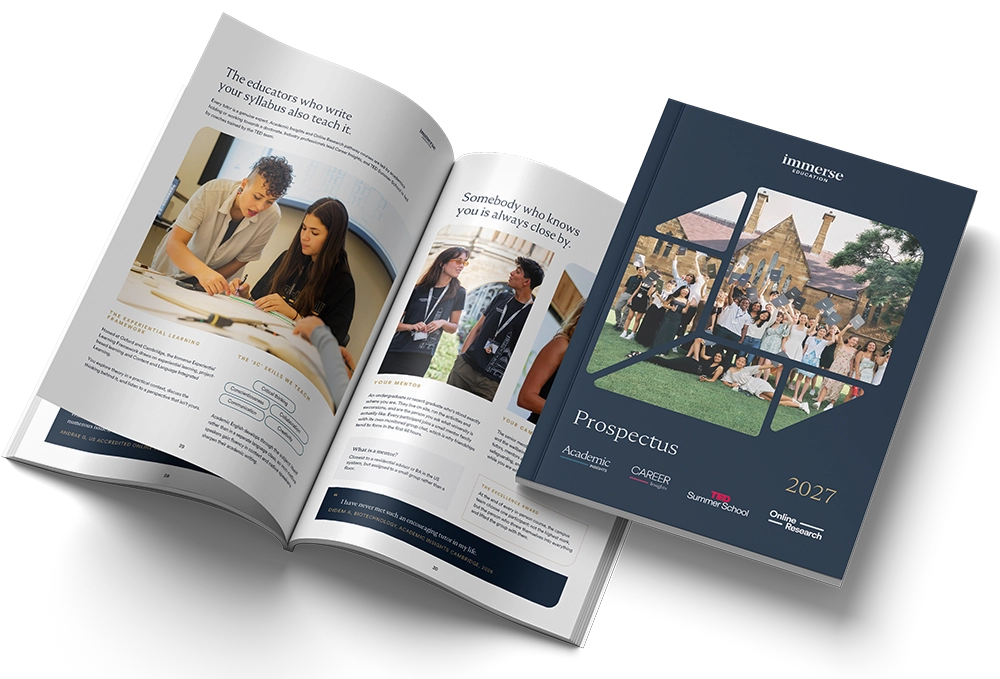
Alongside residential learning, Immerse provides an Online Research Programme for students who want flexible academic mentoring with university-level tutors, and Career Insights programmes that introduce participants to real-world projects, industry visits, and professional networks.



Key Features of the Garcia Summer Research Program
The Garcia Summer Program offers structured exposure to polymer and materials science through safety training, seminars, and supervised lab practice.
Participants develop technical skills before moving into independent projects supported by faculty, graduate students, and undergraduates.
Research groups explore polymer blends, composites, and protein or DNA interactions, giving participants experience with modern techniques and equipment.
At US$4,000 in 2025, the programme is relatively affordable and offers access to active university labs and specialist facilities. A final symposium allows participants to present their work and reflect on their research journey.
Advantages
- Hands-on laboratory research. Participants work directly in active university laboratories and gain experience with specialist scientific equipment that is rarely accessible in typical school settings.
- Defined STEM research focus. The programme centres on polymer and materials science, offering a focused and technically detailed environment for students who want depth in a specific research field.
- Opportunity for long-term continuation. Some participants extend their projects through the academic-year Mentor Program, providing continuity and deeper engagement beyond the seven-week summer session.
- Relatively affordable for a research programme. The 2025 laboratory fee of US$4,000 is comparatively lower than many intensive university-based research experiences that offer hands-on scientific training.
- Strong record of science fair success. Participants frequently submit their research to high-level competitions such as ISEF and LISEF, reflecting the programme’s strong support for academic achievement and scientific presentation.
Disadvantages
- No online learning options. The programme is fully in-person and does not offer virtual, remote, or hybrid formats for students who require more flexible participation.
- Limited subject choice. Its specialised focus on polymer and materials science may feel narrow to students who want a broader selection of STEM subjects or interdisciplinary areas.
- No structured career exploration. The programme concentrates on research and does not include organised industry visits, professional skills workshops, or career-oriented activities.
- Single location. Garcia operates exclusively at Stony Brook University in New York, with no satellite campuses or additional regional sites for students living farther away.
- Seven-week commitment required. The programme requires full attendance for its intensive seven-week duration, with no shorter, alternative, or accelerated formats offered.
- No formal accreditation. The programme does not provide UCAS points, college credit, or any other form of formal academic recognition that some students may seek.
Garcia vs Immerse Education
Immerse Education offers three core pathways: Academic Insights, Career Insights, and the Online Research Programme (ORP), combining university-style learning, real-world experience, and one-to-one research mentorship across global locations.
FeatureGarcia Summer Research ProgramImmerse EducationAge Range & AudienceHigh school participants aged 16+ focused on STEM researchAges 13–18; academic, research, and career-focused pathwaysAdmissionsSelective; GPA, test scores and recommendations requiredSelective; strong academics and (B2+) English expected for residential programmesTeaching & MentorshipMentorship from faculty, graduate students, and undergraduates in active labsOxbridge-style tutorials, small-group teaching, and 1:1 academic mentoringClass SizeResearch group based; work carried out in small lab teamsAverage of 7 students in residential tutorials; 1:1 or small-group in Online Research ProgrammeAcademic DepthIntensive polymer science and materials research with independent projectsBroad STEM and humanities subjects taught through intensive tutorial-style sessions, with research projects, advanced exploration, around 40 hours of learning over two weeks, and assessed outputs.Career Pathways & OutcomesFocused on research skills and science fair pathways (ISEF, LISEF etc.)Academic enrichment and Career Insights include industry visits, networking, and real-world project workCredit / RecognitionNo listed formal credit or accreditationAccredited pathways available, with programmes offering a Certificate of Achievement, 8 UCAS points, 3 US college credits for ORP, and potential tutor references for exceptional work.DeliverablesIndependent research project and symposium presentationEssays, project work, research outputs, and potential tutor recommendationsLearning EnvironmentFully in-person lab setting; optional housingResidential programmes in global academic cities such as Cambridge, Oxford, London, Boston, New York, San Francisco, Toronto, Singapore, Sydney, and Tokyo, plus online research optionsCultural & Industry ExposureLimited; some informal activities but no structured cultural or industry programmeCultural excursions and professional exposure in locations such as Cambridge, London, New York, San Francisco, Singapore, Sydney, and TokyoOnline OptionsNone offeredOnline Research Programme (1:1 or small-group with university-level mentors)Best ForStudents seeking an intensive, laboratory-based STEM research experienceStudents seeking academic breadth, global residential campuses, online flexibility, or career-focused learning
Join the Immerse Education 2027 Essay Competition
Follow the instructions to write and submit your best essay for a chance to be awarded a 100% scholarship.
Is the Garcia Summer Research Programme Worth It?
The Garcia Summer Research Programme offers strong value for students seeking a genuine introduction to laboratory-based STEM research.
Its emphasis on polymer and materials science provides access to specialised areas that most schools cannot offer, and participants benefit from working in active university labs with faculty, graduate students, and undergraduates. The opportunity to develop an independent project, practise modern scientific techniques and present findings at a research symposium makes the experience particularly meaningful for motivated students.
Garcia’s success in science fairs and publications strengthens its appeal for students, demonstrating academic maturity and research potential. These outcomes reflect the programme’s high expectations, structured supervision, and commitment to scientific inquiry.
However, its seven-week duration, selective admissions, and single New York location mean it may not suit every learner. Students wanting broader subjects, shorter sessions, or added career preparation may prefer pathways that match their needs.
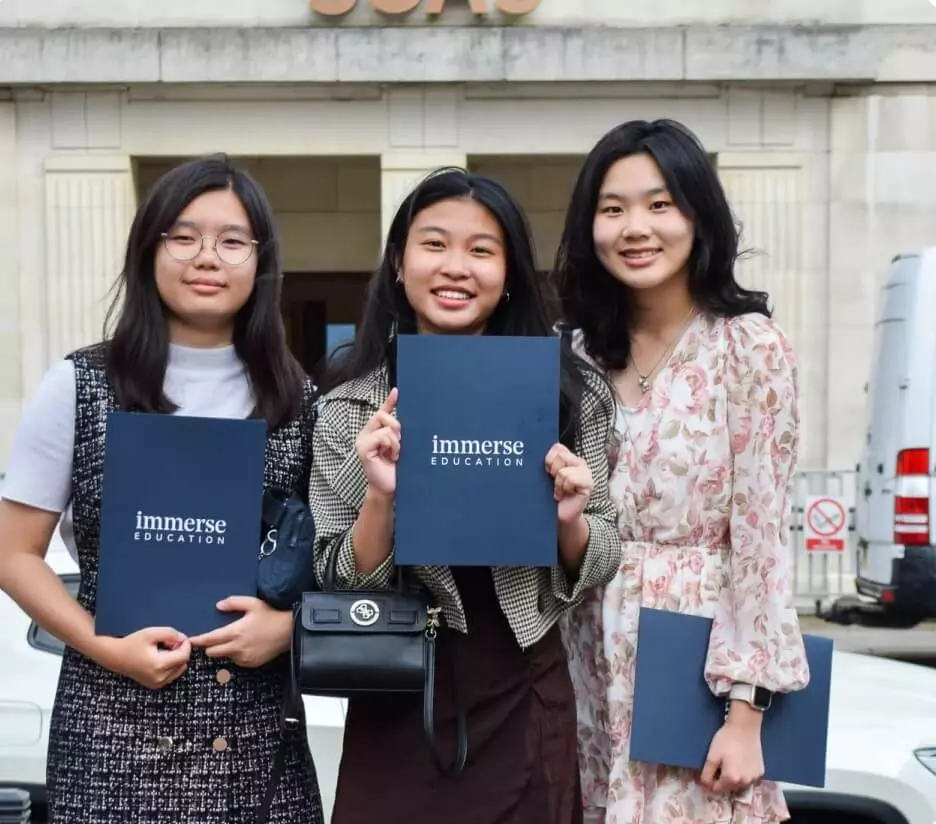
Immerse Education offers a wider range of formats, including Academic Insights for subject depth, Career Insights for real-world industry exposure, and the Online Research Programme for flexible, tailored research mentoring.
These options span global locations such as Oxford, Cambridge, London, Sydney, and Toronto, and combine academic challenge with cultural immersion, professional engagement, and personalised guidance.
Alternatives to the Garcia Summer Research Programme
- Immerse Education – Academic Summer School: Oxbridge-style teaching in small tutorials, with residential programmes in Oxford, Cambridge, Sydney, Toronto, Boston, and Singapore.
- Immerse Education – Career Insights: Project-based and career-focused learning in global cities such as London, New York, Tokyo, and San Francisco.
- Immerse Education – Online Research Programme: 1:1 or small-group research mentoring with university-level tutors, offering flexible online pathways in STEM and beyond.
- Oxford Royale Academy: Traditional boarding-school model with diverse subjects, cultural excursions and structured supervision.
- Stanford Pre-Collegiate Summer Institutes: Rigorous academic courses in a university setting for students seeking subject acceleration.
How to Apply for the Garcia Summer Research Programme
- Check your eligibility – Applicants must be at least 16 years old on or before 4 July 2026 and hold strong academics, including an unweighted GPA of around 95/100. Students must have completed at least three of the following subjects: English, Chemistry, Mathematics or Calculus, Physics, and optionally Biology, and have standardised test scores at or above the 60th percentile. International applicants must already hold valid documentation to stay in the US during the full programme period.
- Prepare your documents – You will need an official school transcript, three recommendation letters, including one from a science teacher, and standardised test scores. A non-refundable US$50 registration fee is also required.
- Complete the application form – The “Apply” page on the Garcia website provides the forms needed to submit your details and upload supporting documents once applications open.
- Submit your materials – Ensure that all documents and the registration fee are submitted according to the instructions on the official website, as incomplete submissions may not be reviewed.
- Plan next steps after acceptance – Successful applicants receive instructions on enrolment and may choose optional housing through Stony Brook University. Participants then prepare for safety training, laboratory work, and the research project that forms the core of the programme.
Final Thoughts
The Garcia Program offers a focused, rigorous pathway for high school students seeking direct experience in university laboratories.
Its emphasis on polymer and materials science, alongside access to active research groups, offers meaningful insight into scientific investigation and the processes that guide modern STEM fields.
For students who prefer broader subject choice, shorter academic sessions, or a combination of academic study and career exploration, Immerse Education offers alternative pathways through its Academic Insights, Career Insights, and Online Research Programmes.
Each route provides a supportive setting for personal and academic development, helping participants build confidence, skills, and a clearer understanding of their future goals.






Unlock Inspiring Opportunities with the Immerse Education Newsletter
Join our newsletter to stay ahead with exclusive updates, exciting programme highlights, and expert insights from the world of immersive education.
Learn how Immerse can transform your life
An in-depth overview of our university and career preparation programmes
Get a glimpse into the life of an Immerse participant
Find the right programme for you with sample timetables, location showcases, and more