15 Top University Online Pre-College Programs

TL;DR
This guide covers 15 online pre-college programs that let you take university-level courses from home, ranging from single-session tasters to options that award transcripted college credit. Programs vary widely, with Columbia's summer program alone offering more than 40 courses. You'll find options open to students as young as grade 9 through rising seniors, with costs ranging from free to several thousand dollars. Among these, Immerse Education's Online Summer School pairs you with a one-on-one university mentor across more than 20 subjects, open worldwide to students aged 13 to 18 with bursary scholarships available.
High school is a good time to start exploring subjects beyond your regular classes, but it isn't always easy to find opportunities that fit your schedule. University online pre-college programs make it possible to experience college-level learning from home while balancing your existing schoolwork and extracurricular activities.
Whether you're curious about what university classes are really like, want to explore a potential major, or hope to strengthen your academic profile before applying to college, these programs provide a structured way to challenge yourself. You don’t have to travel extensively to get a good summer school experience. There are multiple online summer school programs, and many of them cover content similar to the in-person classes.
What university online pre-college programs are available for high school students?
If you're in high school and want to see what college is actually like, a ton of universities now offer online programs that let you do just that right from home. Big schools like Stanford, Brown, and Columbia have summer and year-round options where you can dive into super specific topics such as astrophysics, game design, or criminal law that most high schools just don't teach. You can usually pick between taking a lighter, stress-free course just to explore a new interest, or jumping into a more intense class that actually earns you college credit for the future. It’s basically a way to test-drive a major, connect with professors, and figure out what you want to study before you're actually paying full tuition and living in a dorm.
With so many options available, choosing the right program can be challenging. Some emphasize research, others focus on earning college credit, and some are designed to help you explore new academic interests without the pressure of grades. That's why it's important to compare programs based on their curriculum, teaching format, faculty, and overall learning experience.
To help you get started, we've compiled a list of 15 top university online pre-college programs. These programs stand out for their academic quality, experienced instructors, and opportunities to explore university-level subjects while still in high school.
15 Top University Online Pre-College Programs
1. Harvard Secondary School Program
Location: Virtual
Cost: $4,180 (4-credit course) or $8,160 (8-credit course); financial aid is available
Acceptance rate/cohort size: Around 25% (estimated); cohort size not specified
Dates: June 20th – August 8th
Application Deadline: April 1st
Eligibility: Graduating high school and entering college in program year/+1/+2 years; at least 16 years old by June 20 and not turning 19 before July 31; open to international students
The Harvard Secondary School Program lets you enroll in real Harvard Summer School courses alongside college students and fellow high school participants. You'll choose from a wide range of subjects, including computer science, economics, psychology, neuroscience, ethics, and government, while completing the same coursework and assignments expected of university students.
You'll earn graded college credit if you successfully complete your courses, giving you an authentic introduction to Harvard's academic expectations. Classes are discussion-based and academically rigorous, so you'll strengthen your writing, analytical thinking, and time management while studying in a university-level environment. This program works well if you're looking for a challenging online academic experience and want to explore potential college majors before applying to university.
Why it stands out: You'll take real Harvard Summer School courses for graded college credit while studying alongside university students, making it one of the closest online experiences to attending college before graduation.
2. Immerse Education's Online Summer School
Location: Fully remote
Cost: Varies; summer school scholarship available through their bursary programme
Acceptance rate/cohort size: Not specified
Dates: Flexible; multiple cohorts throughout the year
Application Deadline: Rolling admissions; multiple application dates throughout the year
Eligibility: Students ages 13–18; open to students worldwide
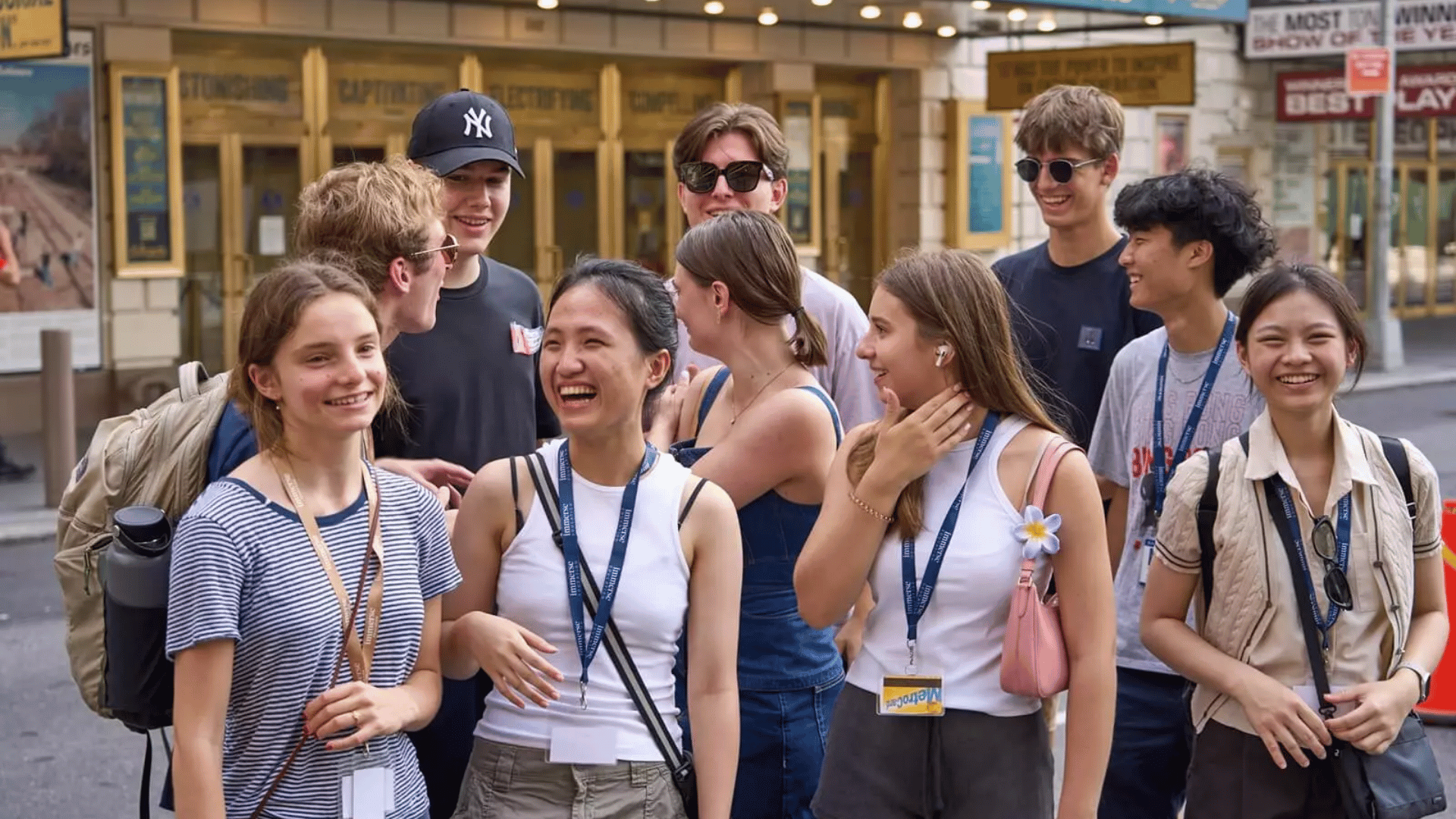
Immerse Education's Online Summer School lets you explore more than 20 academic subjects through a structured research experience. You'll work one-on-one with a mentor from a leading university while developing subject knowledge and completing an academic research project in your chosen field. The programme combines personalized mentorship with independent research, giving you the chance to investigate a topic in greater depth while receiving regular guidance and feedback.
You'll also strengthen higher education skills such as academic writing, critical thinking, and research while producing a final project that reflects your learning. Subjects include medicine, law, engineering, artificial intelligence, psychology, biology, economics, creative writing, and many others.
Why it stands out: You'll receive individual mentorship while completing a focused research project and personalized feedback in your chosen subject.
3. Northwestern Pre-College Online Program
Location: Virtual
Cost: $1,895; need-based scholarships are available
Acceptance rate/cohort size: Moderately selective; cohort size not specified
Dates: Available year-round; 2-week (condensed) and 4-week (extended) sessions are available
Application Deadline: Rolling admissions
Eligibility: High school students ages 13 and above; open to international students
The Northwestern Pre-College Online Program gives you the opportunity to explore college-level subjects through courses developed by Northwestern faculty. You can choose from topics including artificial intelligence, business, engineering, finance, law, psychology, medicine, and more while learning through video lessons and mentor support.
Throughout the course, you'll build your understanding of a subject while working through structured coursework designed to mirror a university learning experience. You'll also complete a final capstone project, present your work, and earn a certificate of completion from Northwestern University for each course you finish. The flexible, self-paced format makes it easier to fit the program around your existing school schedule.
Why it stands out: It combines flexible online learning with a college-level capstone project and a certificate from Northwestern University.
4. Berkeley Pre-College Scholars: Summer Virtual Track
Location: Virtual
Cost: $635 per unit
Acceptance rate/cohort size: Selective; no fixed cohorts
Dates: Session A: May 26th – July 2nd; Session B: June 8th – August 14th; Session C: June 22nd – August 14th; Session D: July 6th – August 14th; Session E: July 27th – August 14th; Session F: July 6th – July 24th
Application Deadline: June 1st
Eligibility: Rising high school juniors or seniors (completed 10th or 11th grade); maintain a minimum 3.0 overall GPA (weighted or unweighted); be at least 16 years of age by June 21st; open to international students
The Berkeley Pre-College Scholars: Summer Virtual Track gives you the opportunity to take UC Berkeley college-level courses from anywhere in the world. You can choose from subjects across STEM, the social sciences, arts, and the humanities while interacting with UC Berkeley faculty, students, and staff throughout the program.
You'll complete university-level coursework, participate in interactive workshops, and have the opportunity to earn college credit while studying online. The program also includes virtual mentorship and a personal commendation letter from the Dean of Extended Education, recognizing your academic achievement. It offers a flexible way to experience Berkeley academics without traveling to campus.
Why it stands out: You'll take UC Berkeley courses online, earn college credit, and receive a Dean's commendation letter upon successful completion.
5. UCL Pre-University Online Course
Location: Virtual (University College London)
Cost: £990
Acceptance rate/cohort size: Selective; ~14 students per cohort
Dates: July 20–31, with an online induction on July 17th
Application Deadline: June 15th
Eligibility: Students aged 16–18 for the full duration of the course who are currently in high school and study English as an additional language; minimum GPA of 70% in the previous year of study; English language proficiency minimum (e.g., IELTS 5.5, TOEFL iBT 65); must not already hold an offer for a UCL degree; open to international students
The UCL Pre-University Online Course is a two-week programme run by UCL's Centre for Languages and International Education for students preparing to apply to university. You attend live online seminars alongside guided and independent study, working through lectures drawn from the sciences, arts, humanities and social sciences rather than a single subject.
The course also covers the academic study skills that UK degree programmes assume you already have, including note-taking, referencing and presenting. Because it is delivered fully online, you take part from your own country while still working to UCL timetables and deadlines. Students who complete the course and attend at least 80% of live classes receive a UCL CLIE certificate and a written report on their progress.
Why it stands out: You study across several disciplines rather than one, and finish with a UCL certificate and a written academic report you can reference in university applications.


6. Brown Pre-College Online
Location: Online (through Brown University's Canvas learning management system)
Cost: $3,364 (2-week courses) to $5,554 (4-week courses); limited need-based scholarships exist for U.S. citizens, permanent residents, and DACA students
Acceptance rate/cohort size: Selective; nearly 4,000 high school students participate across the entire program
Dates: June 15th – July 24th (course dates vary by session)
Application Deadline: May 15th
Eligibility: Rising high school sophomores, juniors, or seniors (ages 14–18) with a strong command of the English language; open to international students
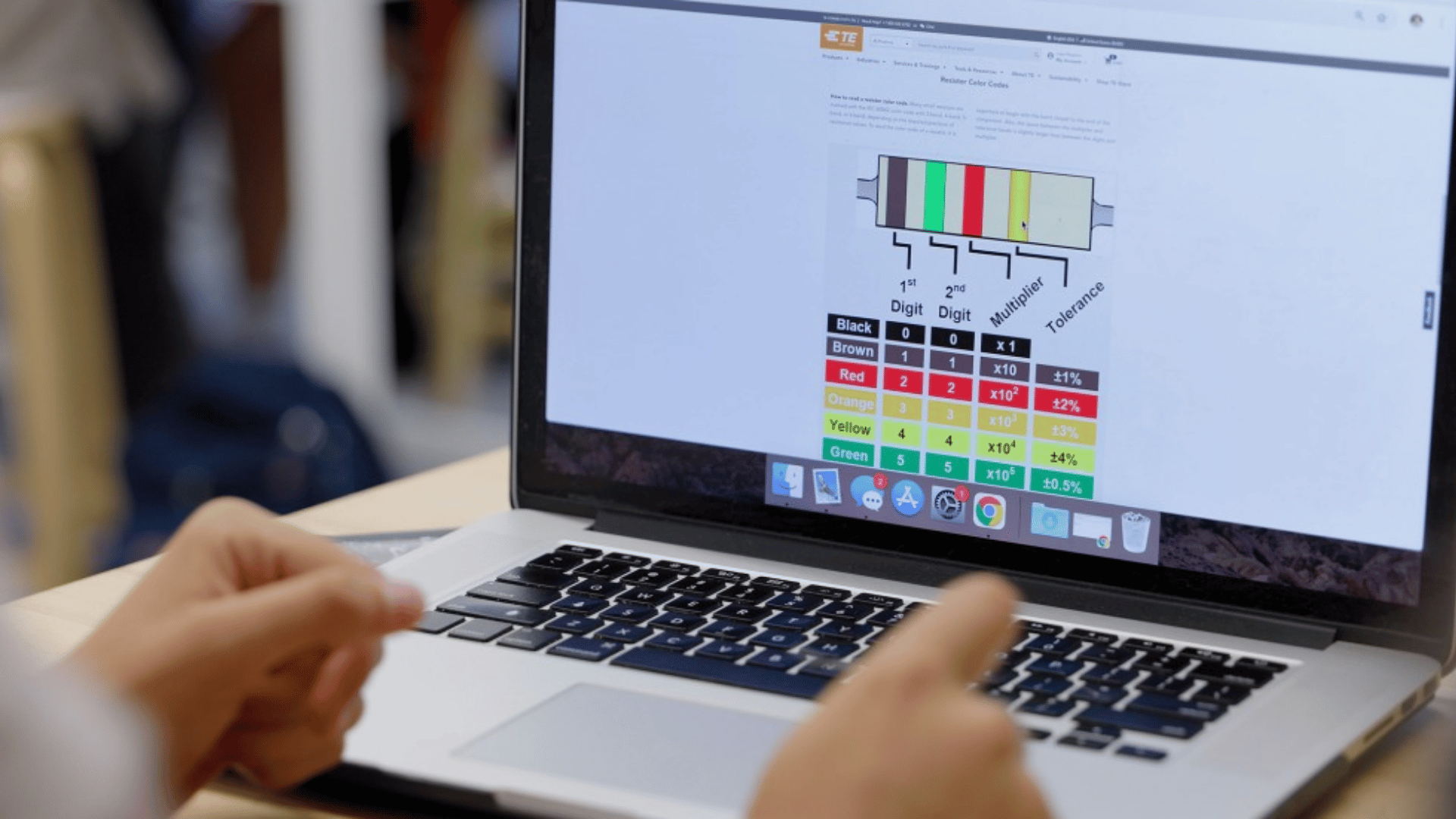
In this program, you can study subjects ranging from engineering, business, psychology, political science, and medical studies to literature, natural sciences, and course-based research experiences through either mostly asynchronous or blended online formats. You'll engage in active learning through independent projects, discussions, virtual office hours, and, depending on your course, live class sessions while receiving personalized feedback from your instructor.
The program emphasizes exploration over grades, allowing you to challenge yourself academically while earning a Certificate of Completion, with students in courses lasting three weeks or longer also receiving a Course Performance Report. Outside the classroom, you'll have opportunities to participate in virtual community activities and connect with students from around the world.
Why it stands out: It combines Brown's Open Curriculum with flexible online learning, allowing you to explore college-level subjects through active coursework and instructor feedback without the pressure of grades.
7. Penn Arts and Sciences Pre-College Online Program
Location: Virtual
Cost: 1 credit: $8,692; 2 credits: $14,300; scholarships are exclusively available to Philadelphia residents attending a School District of Philadelphia public or charter high school
Acceptance rate/cohort size: Selective; no fixed cohort
Dates: Summer Session I: May 26th – July 1st; Summer Session II: July 2nd – August 7th
Application Deadline: Session I: May 1st; Session II: June 1st
Eligibility: Current 10th-11th grade students worldwide who meet the 3.5 GPA threshold
The Penn Arts and Sciences Pre-College Online Program lets you take credit-bearing undergraduate courses through the University of Pennsylvania while you're still in high school. You'll learn from Penn faculty, visiting scholars, and staff as you study subjects such as philosophy, data science, sociology, statistics, oceanography, world literature, and social psychology.
Throughout the program, you'll complete the same types of coursework expected in college, including homework assignments, research papers, and midterm or final examinations. The experience gives you a realistic introduction to the pace and expectations of Ivy League academics while earning college credit. You'll also have the flexibility to explore subjects that align with your academic interests before applying to college.
Why it stands out: It allows you to earn Penn college credit while completing undergraduate coursework taught by university faculty.
8. Stanford Program for Inspiring the Next Generation of Women in Physics (SPINWIP)
Location: Virtual
Cost: None
Acceptance rate/cohort size: Highly selective; typically ~50 students
Dates: July 6–24
Application Deadline: Early May
Eligibility: Domestic and international students in grades 9–11
The Stanford Program for Inspiring the Next Generation of Women in Physics (SPINWIP) introduces you to university-level physics through lectures, coding activities, and collaborative projects. You'll explore topics such as cosmology, quantum physics, astrophysics, black holes, optics, exoplanets, and quantum computing while also building Python programming skills. You'll learn directly from Stanford professors and researchers while working in small groups guided by Stanford graduates throughout the three-week program.
In addition to academic content, you'll participate in career development and college planning workshops that provide insight into studying physics at the university level. The program is designed to help you explore both modern physics research and potential future pathways in the field.
Why it stands out: It combines advanced physics topics, Python programming, and direct access to Stanford faculty in a free online program.
9. Johns Hopkins Center for Talented Youth (CTY)
Location: Virtual
Cost: Varies by course and format; need-based financial aid is available
Acceptance rate/cohort size: Highly selective; less than 10 students
Dates: Fall A: Starts September 8th; Fall B: Starts October 11th; Spring A: Starts January 24th; Spring B: Starts March 21st; Summer A: Starts June 20th; Summer B: Starts July 11th
Application Deadline: Fall A: August 11th; Fall B: September 15th; Spring A: December 8th; Spring B: February 16th; Summer A: May 10th; Summer B: June 7th
Eligibility: Students in grades 2–12 who establish eligibility by achieving qualifying scores on an above-grade-level assessment (such as the SCAT, PSAT, SAT, or ACT), typically requiring scores in the 98th percentile for their age group; open to international students
The Johns Hopkins Center for Talented Youth (CTY) offers online courses that let you study advanced subjects beyond a traditional high school curriculum. You can choose from topics such as robotics, competitive math, creative writing, language arts, science, engineering, and space colonization while learning from expert instructors.
The program combines structured coursework with the flexibility to learn at your own pace, allowing you to explore challenging subjects in greater depth. You'll also connect with motivated students from around the world while developing advanced academic knowledge and problem-solving skills. With multiple course options available throughout the year, you can choose a subject that matches your interests and schedule.
Why it stands out: It offers advanced online courses across a wide range of subjects while giving you the flexibility to learn alongside talented students from around the world.
10. Columbia University Online Summer Program
Location: Virtual
Cost: 1-week session: $2,867; 2-week session: $4,017; need-based scholarships covering 100% of the course tuition (excluding mandatory fees) are available, which are restricted to U.S. citizens and permanent residents residing in the U.S. or its territories
Acceptance rate/cohort size: Selective; typically 15–25 students
Dates: Session AA: June 22–26; Session A: July 6–17; Session B: July 20–31
Application Deadline: April 2nd
Eligibility: Highly motivated high school students (entering grades 9–12 in the fall) and first-year college students; must possess a strong academic background; open to international students
The Columbia University Online Summer Program lets you choose from more than 40 college-level courses across a variety of academic disciplines. You'll participate in live class discussions, simulations, debates, workshops, and both individual and group projects while learning from Columbia instructors.
The program encourages active participation through collaborative assignments and interactive classroom experiences rather than lecture-based learning alone. Alongside your coursework, you'll attend seminars and lectures focused on college preparation and the university application process. Subjects include business, economics, entrepreneurship, creative writing, humanities, philosophy, literature, art, and architecture.
Why it stands out: It combines a broad selection of university-level courses with interactive learning and dedicated college preparation sessions.
11. A. James Clark School of Engineering – WIE RISE! Summer Research Program
Location: Virtual
Cost: $25
Acceptance rate/cohort size: Selective; cohort size not specified
Dates: July 27–31
Application Deadline: Rolling (Priority: late February; Final deadline: typically late April to mid-May)
Eligibility: Rising 9th–12th grade students worldwide
The WIE RISE! Summer Research Program introduces you to engineering through a series of virtual research experiences led by the University of Maryland. Each day focuses on a different engineering discipline, including aerospace, bioengineering, civil and environmental engineering, chemical engineering, materials science, electrical engineering, and computer engineering.
You'll explore how research is conducted through lab tours, demonstrations, discussions of scientific papers, and conversations with undergraduate engineering students. The program provides a broad overview of engineering fields, helping you understand how different disciplines approach real-world challenges. Its short, affordable format makes it an accessible way to explore engineering before college.
Why it stands out: You'll experience a different engineering discipline each day while learning directly from University of Maryland students and faculty through virtual research activities.
Join the Immerse Education 2027 Essay Competition
Follow the instructions to write and submit your best essay for a chance to be awarded a 100% scholarship.
12. UChicago SHE (Summer Healthcare Experience) in Oncology
Location: Virtual
Stipend: $500
Acceptance rate/cohort size: Highly selective; up to 20 trainees
Dates: July 13–25
Application Deadline: Not specified
Eligibility: High school students in Cook, Lake, Will, and DuPage counties in Illinois or Lake County in Indiana; not open to international students
The UChicago SHE (Summer Healthcare Experience) in Oncology introduces you to cancer science through a two-week virtual research experience. You'll work with other students on a genetics-based research project and a patient case study while attending faculty lectures, panel discussions, and skill-building workshops.
The program combines scientific research with clinical case analysis, giving you insight into both laboratory research and patient care in oncology. You'll also connect with faculty members and mentors while receiving a $500 stipend for participating in this funded program. It offers an introduction to cancer biology and healthcare careers through collaborative, project-based learning.
Why it stands out: It combines genetics research, clinical case studies, expert-led workshops, and a paid stipend in a focused oncology program.
13. Cornell Precollege Studies: Summer Online Program
Location: Virtual
Cost: $1,940 per credit (for example, $5,820 for a 3-credit course), plus a $75 application fee; limited partial scholarships awarded based on demonstrated financial need, academic promise, and availability of funds
Acceptance rate/cohort size/cohort size: Moderately selective; cohort size not specified
Dates: June 1st – July 31st, involving three- and six-week sessions
Application Deadline: Session 1: Apr 28th (materials by May 5th); Session 2 & 6-week: May 5th (materials by May 19); Session 3: Jun 2nd (materials by Jun 16th)
Eligibility: Students who have completed grade 10 and are aged 15–19 at the course start; open to international students who meet English proficiency requirements
The Cornell Precollege Studies: Summer Online Program lets you take regular Cornell undergraduate courses online and earn credit that appears on an official Cornell transcript. Courses run in three- and six-week sessions across fields including architecture, business, health, international relations, and the sciences, delivered through Canvas in either synchronous or asynchronous formats.
You complete the same assignments and assessments as matriculated Cornell students, which gives you a direct measure of how you handle university-level workload. Because the courses come from the standard catalogue rather than being written for high schoolers, the pace is condensed: a session covers roughly 15 weeks of material.
Why it stands out: You take the same credit-bearing courses as Cornell undergraduates and finish with an official Cornell transcript.
14. Stanford AI4ALL
Location: Virtual
Cost: $4,120; need-based financial aid is available
Acceptance rate/cohort size: Highly competitive; small cohort sizes
Dates: June 15–26
Application Deadline: February 6th
Eligibility: Current 9th-grade students at the time of application; open to international students
Stanford AI4ALL introduces you to the foundations of artificial intelligence through lectures, research projects, and mentorship from Stanford faculty and industry professionals. You'll study topics such as medical AI, robotics, computer vision, and natural language processing while exploring how AI can be applied to real-world challenges.
Throughout the program, you'll work on research projects that encourage you to apply AI concepts while learning from experts in both academia and industry. You'll also attend career workshops and live demonstrations that provide insight into university study and careers in artificial intelligence. The program is designed to help students build both technical knowledge and an understanding of AI's broader impact on society.
Why it stands out: It combines AI research projects, mentorship, and exposure to emerging technologies while connecting students with Stanford faculty and industry professionals.
15. University of Texas Southwestern Inspiring Careers in Mental Health
Location: Virtual
Cost: Free
Acceptance rate/cohort size: Highly selective; approximately 80 high school interns
Dates: Two weeks during the summer
Application Deadline: Early February
Eligibility: Rising 10th–12th grade students in the U.S.; not open to international students
The University of Texas Southwestern Inspiring Careers in Mental Health Internship introduces you to a range of careers in psychiatry, psychology, and neuroscience through a two-week virtual program. You'll participate in online sessions led by psychiatrists, neuropsychologists, physician assistants, licensed clinical social workers, and other mental health professionals while completing readings from both scientific journals and mainstream sources.
Throughout the program, you'll explore topics such as neuroscience, community psychiatry, psychotherapy, interventional psychiatry, and neuropsychological testing to better understand the field of mental health. The combination of expert-led discussions and guided readings helps you connect scientific concepts with real-world clinical practice while exploring potential healthcare careers.
Why it stands out: It provides direct exposure to a wide range of mental health careers through expert-led sessions, scientific readings, and discussions with healthcare professionals.
Frequently asked questions: Top University Online Pre-College Programs for High School Students
Are online pre-college programs worth it for high school students?
Yes, for most students they're worth considering, even without earning college credit. You get a realistic preview of university-level coursework, direct access to faculty, and a chance to test out a potential major before committing to it at university. Programs like Northwestern's and Brown's also give you a certificate of completion you can reference in applications. For a deeper dive into the merits of online programs, have a look at this article exploring whether online programs are worth the effort.
Do online pre-college programs offer college credit?
Some do and some don't, so it's worth checking before you enrol. Programs like Harvard's Secondary School Program, Berkeley's Pre-College Scholars track, and Penn's Arts and Sciences program award graded, transcripted college credit for successful completion. Others, including Northwestern's and Brown's online options, instead give you a certificate of completion rather than credit. Credit-bearing courses tend to cost more and follow a stricter pace, so match the format to whether you actually need the credit.
How selective are online pre-college programs?
Selectivity varies significantly depending on the institution and program. Stanford's SPINWIP accepts around 50 students and Johns Hopkins CTY requires scores in the 98th percentile on an above-grade-level assessment just to qualify. Other programs, like Northwestern's or Columbia's, are moderately selective with rolling or standard application deadlines rather than test-score gates. If you're aiming for a highly competitive option, apply early since several programs close applications months before the course starts.
What age do you need to be to join an online pre-college program?
Age requirements differ by program, ranging from early high school through graduating seniors. Stanford's AI4ALL only accepts current 9th graders, while Johns Hopkins CTY spans grades 2 through 12 depending on the course. Immerse Education's Online Summer School sits toward the younger end too, open to students aged 13 to 18 worldwide. Always check a program's specific grade or age window before applying, since even similar-sounding programs can set very different cutoffs.
How long do online pre-college programs usually run?
Length ranges from a single week to several weeks depending on the program and format. Shorter options like WIE RISE run for just five days, while WPI's College Credit Jumpstart spans a full five weeks. Credit-bearing programs, such as Cornell's Precollege Studies, tend to run longer since they compress a full university course into three or six weeks. Check the session dates carefully, since some programs also offer multiple shorter sessions across the year.
What's the difference between a credit-bearing and non-credit pre-college program?
A credit-bearing program has you complete the same coursework as enrolled university students and results in an official transcript, while a non-credit program gives you a certificate of completion instead. Non-credit programs focus more on exploration, research skills, or a specific project. You can have a look at this roundup of credit-bearing online programs.
What online pre-college programs teach you about university
Sitting through a real online seminar, complete with deadlines and feedback, teaches you more about university life than any prospectus ever could.
Testing a few top university online pre-college programs early on shows you which subjects genuinely deserve four more years of study.
Credit-bearing courses demand a faster, university-level pace, while certificate programs give you far more room to explore without that same academic pressure.
Once you've picked a format that fits, explore more University Preparation blogs to keep sharpening the skills admissions officers actually notice.







Unlock Inspiring Opportunities with the Immerse Education Newsletter
Join our newsletter to stay ahead with exclusive updates, exciting programme highlights, and expert insights from the world of immersive education.
Learn how Immerse can transform your life
An in-depth overview of our university and career preparation programmes
Get a glimpse into the life of an Immerse participant
Find the right programme for you with sample timetables, location showcases, and more