15 Biotechnology Research Programs for High School Students
As a high school student interested in biotechnology, you’ve probably heard about breakthroughs like gene editing, personalized medicine, lab-grown organs, or vaccines developed using cutting-edge technology. But biotechnology is much more than the concepts you encounter in biology class. It combines biology, chemistry, engineering, computer science, and data analysis to solve real-world problems in healthcare, agriculture, environmental conservation, and beyond. As a high school student, one of the best ways to explore the field is by participating in a biotechnology research program.
Imagine working in a university laboratory, learning techniques such as DNA extraction, PCR, or cell culture alongside researchers and graduate students. These experiences give you a firsthand look at how biotechnology research is conducted while helping you develop practical laboratory skills, scientific thinking, and confidence in a research setting.
How do you choose the right biotechnology research programs for high school students?
Finding the right biotechnology research program can be challenging. Some programs focus primarily on classroom lectures, while others provide meaningful research experience in university or professional laboratories. The best programs balance scientific theory with hands-on experimentation, mentorship from experienced researchers, and exposure to current developments in biotechnology.
Many universities, medical schools, and research institutions offer biotechnology programs that allow you to explore areas such as genetics, molecular biology, bioinformatics, biomedical engineering, synthetic biology, and drug discovery. Depending on the program, you may conduct laboratory experiments, analyze research data, collaborate with peers on scientific projects, or present your findings at the end of the experience.
Whether you’re looking to confirm your interest in biotechnology, strengthen your college applications, or gain practical research experience, the right program can help you take the first step toward a future in the life sciences. To make your search easier, I’ve put together a list of the 15 biotechnology research programs for high school students.
In addition to biotechnology opportunities, you can check out biology summer programs.
Key takeaways
- Stanford’s SIMR charges just a $50 application fee with waivers available, admitting approximately 50 students annually across eight core medical disciplines including immunology and bioengineering.
- Immerse Education’s Biotechnology Summer School takes place at the University of Cambridge over two weeks, averaging seven participants per class, open to students worldwide aged 16 to 18.
- UCSF’s High School Intern Program pays a $4,500 stipend and selects interns using essays and interviews rather than grades or GPA, admitting approximately 25 students annually.
- The Simons Summer Research Program at Stony Brook has an acceptance rate below 5 percent and requires a formal school nomination rather than a direct application.
- UC Davis’s Young Scholars Program costs $7,750 and lets students earn five units of University Group Study credit while working on projects involving CRISPR-Cas9 gene editing and protein modeling.
- researcHStart pays a $3,000 taxable stipend and places up to 30 Illinois or Lake County, Indiana students across five university sites, including the University of Chicago and Northwestern.
- The Institute for Bioscience and Biotechnology Research’s High School Internship Program is restricted specifically to Montgomery County Public Schools students, offering a full-year pathway with potential MCPS course credit.
- Program eligibility across nearly all US-based biotechnology research programs restricts participation to US citizens or permanent residents, with Immerse Education’s Biotechnology Summer School standing out as the primary option open to international students.
15 Biotechnology Research Programs for High School Students
1. Stanford Institutes of Medicine Summer Research Program (SIMR)
Source: Stanford University
Location: Stanford University, Stanford, CA
Cost: $50 application fee (waivers available) + limited number of need-based stipends are available
Acceptance rate/cohort size: Highly selective; ~50 students/year
Dates: June 8th – July 30th
Application deadline: February 21st
Eligibility: High school juniors and seniors (16+) who are U.S. citizens/permanent residents; currently living in an attending school in the U.S; not open to international students
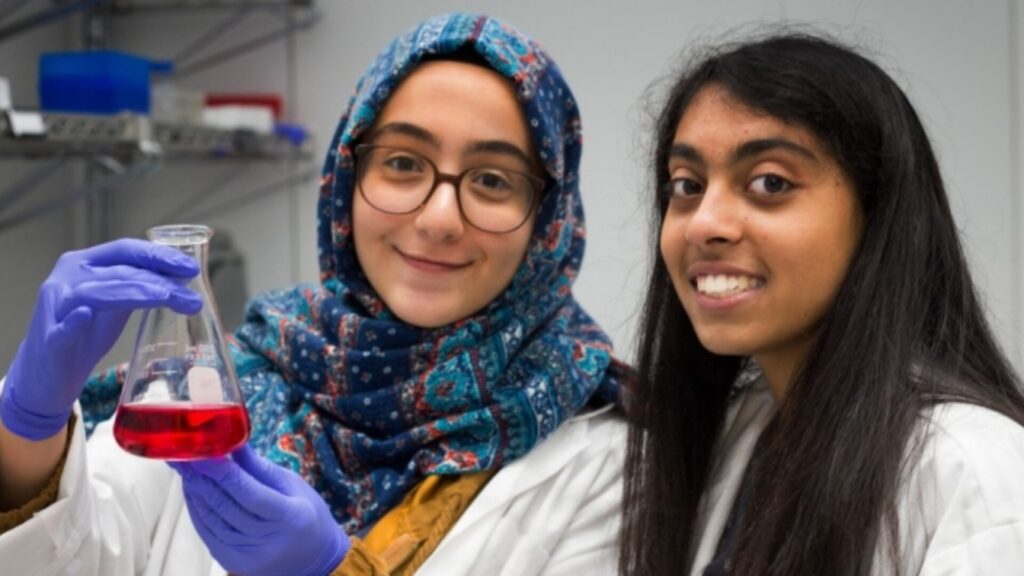
The Stanford Institutes of Medicine Summer Research Program (SIMR) is a free, eight-week commuter internship that fully immerses you in hands-on biotechnology research. You will explore eight core medical disciplines: Immunology, Neurobiology, Cancer Biology, Bioengineering, Stem Cells, Cardiovascular Biology, Bioinformatics, and Genetics.
Under direct one-on-one mentorship, you will conduct ongoing laboratory investigations, attend specialized faculty lectures, design biomedical prototypes, and present your findings at a concluding poster symposium. The program uniquely provides a financial stipend, requires no participation fees, and exclusively accepts high school juniors and seniors. By the end of the summer, you will have developed essential scientific skills, including advanced laboratory techniques, critical thinking, technical communication, and rigorous data analysis.
Why it stands out: Unlike many high school science camps that use simulated teaching exercises, SIMR integrates you directly into a world-class Stanford research team to tackle actual, ongoing biomedical projects.
2. Immerse Education’s Biotechnology Summer School
Source: Immerse Education
Location: University of Cambridge, Cambridge, England
Cost/Stipend: Varies; summer school scholarship available through our bursary programme
Acceptance rate/cohort size: Selective; an average of 7 participants per class
Dates: 2 weeks during the summer
Application Deadline: Multiple summer cohorts; rolling admissions.
Eligibility: Students aged 16-18 from anywhere in the world; open to international students
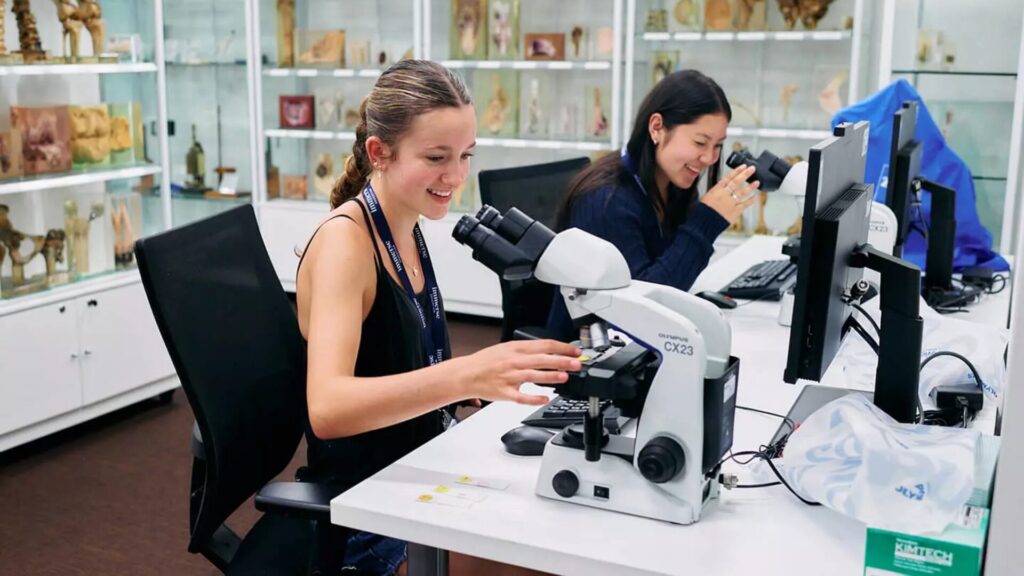
Immerse Education’s Biotechnology Summer School aims to prepare you for careers in today’s rapidly growing biotechnology industry. During the two-week program, you will learn various fundamental concepts in molecular biology, biotechnology, and genetic engineering through hands-on exercises.
Regardless of whether you want to become a biotechnologist working in a lab, an entrepreneur focused on biotech inventions, or take up any role in the field, the program will ensure you gain the skills to approach them with confidence.
Why it stands out: You gain a deeper understanding of where the biotechnology industry is headed in the future, helping you decide how you can contribute to it.
3. Rockefeller University – Summer Science Research Program (SSRP)
Location: New York, New York (Rockefeller University)
Cost/Stipend: No cost / Need-based stipends may be available
Acceptance rate/cohort size: Highly selective; 32 students each summer
Dates: June 22nd – August 6th
Application Deadline: January 2nd
Eligibility: High school juniors and seniors who are at least 16 years old at the program start and can commit to the full seven weeks; open to international students
The Rockefeller University Summer Science Research Program (SSRP) immerses you in a rigorous, seven-week, graduate-level biotechnology research experience. Focusing on core topics like molecular biology, neuroscience, genetics, and immunology, you will dive deep into authentic, hands-on scientific inquiry.
During the program, you will formulate an original research question, learn foundational laboratory techniques, collect and analyze data, and present your final findings at a scientific symposium. You will develop crucial skills, including fundamental experimental methods, advanced data analysis, and professional scientific communication. This program is uniquely structured to place you directly into small research teams led by scientist-mentors, allowing you to operate in a pure PhD-level laboratory environment that is entirely free of undergraduate competition.
Why it stands out: It drops you directly into an elite, graduate-level research culture where you receive personalized mentorship from world-class researchers while earning a stipend to support your full-time laboratory work.
4. University of California, San Francisco – High School Intern Program
Location: San Francisco, California
Stipend: $4,500
Acceptance rate/cohort size: Highly competitive; approximately 25 intern positions
Dates: June 8th – July 31st
Application Deadline: February 8th
Eligibility: Current high school junior progressing to senior year; enrolled at an SFUSD high school or San Francisco public charter school; not open to international students
In this internship, you conduct an original biomedical research project at UCSF under the daily guidance of a scientist mentor. You work 35 hours a week for eight weeks in an active lab, learning bench techniques and foundational science in areas such as stem cell research, molecular biology, immunology, and cancer. You develop science communication skills, present your project at the program’s end, and build a professional network across UCSF.
Each year, 10 interns are funded through the California Institute for Regenerative Medicine’s SPARK program and ten more through the NIH National Institute of Neurological Disorders and Stroke. College counseling runs alongside the lab work, including writing workshops, transcript reviews, a financial-aid evening, and a daylong college tour.
Why it stands out: It selects interns without using grades or GPA, relying instead on essays and interviews that assess science interest, maturity, and motivation.
5. Boston University – RISE Internship
Location: Boston University, Boston, Massachusetts; available as both residential and commuter
Cost: $5,930 tuition + a $485 service fee + $75 nonrefundable application fee; housing and dining of $3,978 (14 meals per week) or $4,320 (19 meals per week); limited need-based financial aid and scholarships are available
Acceptance rate/cohort size: ~7–10%; ~80 students
Dates: Residential: June 28th – August 7th; Commuter: June 29th – August 7th
Application Deadline: February 4th
Eligibility: Current juniors entering senior year in the fall; US citizens or legal permanent residents; not open to international students
The Boston University RISE Internship offers you a six-week immersion into a university laboratory to conduct authentic biotechnology research alongside distinguished faculty. You will dive into complex topics ranging from cellular biology and genetics to computational neuroscience.
Throughout your 40-hour work weeks, your hands-on activities will include conducting wet lab experiments, analyzing data through computational modeling, attending professional development workshops, and presenting your research at a poster symposium. A uniquely defining feature of the program is its mutual matching process, which pairs you one-on-one with a mentor whose expertise matches your specific interests. Ultimately, you will develop indispensable skills like analytical problem-solving, understanding scientific literature, statistical programming, and communicating complex data.
Why it stands out: Unlike observational summer programs, this internship empowers you to actively contribute to ongoing scientific breakthroughs and potentially submit your work to prestigious national competitions like the Regeneron Science Talent Search.
6. University of California, Davis – UC Davis Young Scholars Program — biological or biotechnology-related research placement
Location: Davis, California
Cost: $7,750 + a $45 application fee and a refundable $200 security deposit; need-based fee reductions and application fee waivers available on request
Acceptance rate/cohort size: 10–15%; approximately 40 students
Dates: June 21st – August 1st
Application Deadline: March 1st
Eligibility: Rising juniors or rising seniors in high school; at least 16 by the first program day and not 18 before the last day; permanent US residents currently residing and attending school in the United States; not open to international students
In the UC Davis Young Scholars Program, you spend six weeks working one-on-one with a UC Davis faculty mentor, postdoctoral researcher, or doctoral student on an individual biological, agricultural, environmental, or natural sciences project. Biotechnology-focused placements have involved CRISPR-Cas9 gene editing, Kunkel mutagenesis, protein expression and purification, PCR and gel electrophoresis, western blotting, and kinetic and thermal enzyme assays.
Some scholars combine wet-lab work with computational tools such as Foldit protein modeling and machine-learning datasets like Design2Data. You complete the program by writing a journal-quality research paper and delivering a symposium presentation, and you earn five units of University Group Study credit. You also attend a faculty lecture series, take Saturday science field trips, and live in campus dorms.
Why it stands out: It pairs you with an active UC Davis research group in a state-of-the-art laboratory.
7. Imperial College London – Year 12 Work Experience Programme
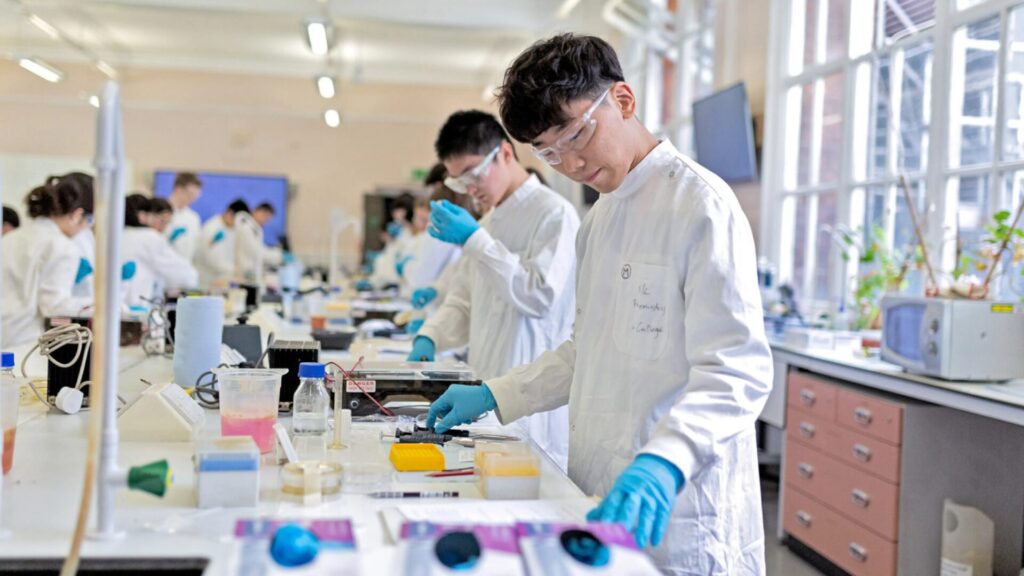
Source: Imperial College London
Location: Virtual
Cost/Stipend: None
Acceptance rate/cohort size: Highly selective; approximately 20:1 applicant-to-place ratio
Dates: June 29th – July 3rd
Application Deadline: March 5th
Eligibility: Year 12 students attending UK state schools; must plan to study a STEM subject at university, have at least eight GCSEs with five grades at 7–9 (including mathematics and science subjects), a minimum grade 5 in GCSE English Language, and be studying A-level Biology plus one of Mathematics, Chemistry, or Physics (or equivalent) for the Biomedical Research stream; not open to international students
In this program, you explore topics in areas such as infectious disease, immunology, brain sciences, and metabolism while learning how research is conducted in university settings. You examine research methods through demonstrations, case studies, and group learning activities that reflect current biomedical investigations.
Throughout the programme, you work in small teams to prepare a presentation summarizing what you have learned and present it in a conference-style session at the end of the week. Additional sessions cover university applications, interview preparation, and academic writing, helping students understand expectations in higher education. The programme introduces the skills and approaches used in biomedical research while connecting classroom science to university study and future STEM pathways.
Why it stands out: Its conference-style group presentation and focus on research methods help students develop analytical and communication skills relevant to future study in biology and related STEM disciplines.
8. Simons Summer Research Program
Location: Stony Brook University, Stony Brook, NY
Cost/Stipend: Optional residential costs / Stipend paid, amount not disclosed
Acceptance rate: Less than 5% acceptance rate; approximately 30–40 students per summer
Dates: June 29th – August 7th
Application deadline: February 5th
Eligibility: High school juniors (16+) who are U.S. citizens/permanent residents; not open to international students
The Simons Summer Research Program immerses you in authentic biotechnology and STEM research by placing you directly into active Stony Brook University laboratories. Beyond molecular biology and biomedical research, you can explore chemistry, computer science, engineering, geosciences, mathematics, physics, and psychology. Over seven weeks, your core activities include conducting daily hands-on experiments, analyzing complex data, and drafting a formal research abstract.
You will also present a final poster at a concluding symposium, helping you master advanced laboratory techniques, independent inquiry, and scientific communication. This tuition-free program is highly unique because it requires a formal school nomination and maintains an extremely selective five percent acceptance rate.
Why it stands out: It completely bypasses simulated camp environments, instead integrating you directly into university-level research where your real-world lab contributions often lead to national science competition entries.
9. GSK – Research & Development Work Experience Programme
Location: Stevenage, UK (GSK Medicines Research Centre)
Cost/Stipend: None
Acceptance rate/cohort size: Selective; cohort size not disclosed
Dates: Typically a 4-day placement from late July to early August
Application Deadline: Mid-to-late May
Eligibility: Year 12 students in the current UK academic year; studying Biology, Chemistry or Computer Science at A level or an equivalent qualification related to the chosen placement; not open to international students
This programme gives you an immersive look at the biopharmaceutical pipeline, revealing how novel medicines and vaccines are created. Throughout your time, you will explore vital biotechnology topics like immunology, cell therapy, clinical trials, and data analytics.
To gain practical insight, you will shadow industry-leading scientists, conduct guided laboratory experiments, analyze real biological data, and tackle team-based scientific challenges. The program’s most unique feature is your direct access to GSK’s flagship R&D facilities and personalized mentorship from world-class researchers. By the end, you will develop highly sought-after skills, including analytical reasoning, scientific communication, and fundamental laboratory proficiency.
Why it stands out: It bridges the gap between classroom theory and real-world clinical application by allowing you to learn directly from a global healthcare company actively getting ahead of disease.
10. University of Iowa – Secondary Student Training Program
Location: Iowa City, Iowa
Cost: $7,500 + a $95 non-refundable application fee; financial aid and merit and need-based scholarships are available
Acceptance rate/cohort size: Highly competitive; cohort size not stated
Dates: June 17th – July 24th
Application Deadline: February 16th
Eligibility: Advanced high school students in grades 10–11; open to international students
In this program, you spend five and a half weeks inside a University of Iowa faculty research group in departments such as Anatomy & Cell Biology, Biology, Biomedical Engineering, or Chemical & Biochemical Engineering. You work with that group from 9 a.m. to 4 p.m., Monday through Friday, on an ongoing project.
Weekly seminars cover communicating research and mindfulness, and you write a research abstract and build an academic poster. You present that poster at the closing SSTP Research Fair. You are registered as a University of Iowa student and earn three semester hours of undergraduate credit for successful completion. Program staff control mentor matching, so your essays on research interests shape your laboratory placement.
Why it stands out: It embeds grade 10–11 students in working University of Iowa research labs for five and a half weeks and awards three semester hours of university credit on completion.
11. Institute for Bioscience and Biotechnology Research, University of Maryland – High School Internship Program
Location: Rockville, Maryland
Stipend: Paid, amount not specified
Acceptance rate/cohort size: Selective; limited number of internships
Dates: Summer: June 22nd – August 7th
Application Deadline: February 13th
Eligibility: Montgomery County Public Schools students; age 16 or older; rising juniors or seniors; U.S. work authorization; not open to international students
In the IBBR HS Internship Program, you complete an eight-week research placement with an IBBR scientist in a biotechnology field. You contribute to a mentor-guided project, learn relevant laboratory protocols and equipment, and work alongside research personnel in a multidisciplinary environment. You also develop scientific reasoning, time management, teamwork, and professional laboratory habits while connecting your assigned work to broader research goals.
At the end of the internship, you present your project and findings in a required scientific poster presentation. The summer-only option is paid, while a full-year pathway combines the summer placement with an academic-year internship and may provide MCPS course credit.
Why it stands out: It provides sustained, mentor-guided biotechnology research experience culminating in a formal scientific poster presentation.
12. Tufts University – Tufts University Biomedical Engineering Research Scholars (TUBERS)
Location: Medford, Massachusetts
Cost/Stipend: None
Acceptance rate/cohort size: Highly competitive; 15–20 students
Dates: July 6th – August 14th
Application Deadline: April 17th
Eligibility: At least 16 years old; enrolled in or recently graduated from an eligible Massachusetts vocational, Gateway City, low-income public high school, or the METCO program; not open to international students
In the Tufts University Biomedical Engineering Research Scholars (TUBERS) program, you will engage in a six-week immersive experience focused on advanced biotechnology research and laboratory practices. You will learn essential experimental protocols and utilize state-of-the-art lab instruments to investigate complex biomedical questions. Throughout the program, you will develop novel experimental methods to study cells, tissues, and organs under the guidance of expert mentors.
By prioritizing hands-on technical training, the curriculum requires you to apply the scientific method to design experiments, analyze data, and test hypotheses for your own independent biotechnology project. You will conclude the experience by finalizing your research findings and presenting them to your peers and faculty members.
Why it stands out: It provides high-achieving students from underrepresented or low-income Massachusetts districts with fully funded access to university-level biomedical research facilities and expert mentorship.
13. University of Chicago Medicine Comprehensive Cancer Center and university partners – researcHStart
Location: Chicago and Urbana-Champaign, Illinois
Cost/Stipend: No cost / $3,000 taxable stipend
Acceptance rate/cohort size: Highly competitive; no more than 30 participants selected across all sites
Dates: June 15th – August 7th
Application Deadline: Mid-to-late January 22nd
Eligibility: High school juniors or seniors at time of application; resident of Illinois or Lake County, Indiana; at least 16 years of age by June 15; not open to international students
In the researcHStart program, you work full time for eight weeks in the laboratory of an established cancer researcher at a University of Chicago, UIC, Northwestern, Rush, or Illinois Urbana-Champaign site. You can request placement in areas such as cancer engineering and biotechnology, computational cancer biology, or molecular mechanisms of cancer, then present your findings at a closing research symposium.
Depending on placement, work may span bench experiments or computational analysis of genomic data. Career workshops, a cancer faculty lecture series, and faculty and peer mentors build your grounding in biophysics, biochemistry, immunology, and pharmacology.
Why it stands out: It is a decade-old, philanthropically funded multi-institution pathway that places Illinois high schoolers into paid, full-time summer positions in active cancer research laboratories at five universities.
14. University of Bristol – Year 12 Work Experience (Biological Sciences – Nematode Research Project)
Location: University of Bristol Clifton Campus, Bristol, UK
Cost/Stipend: None
Acceptance rate/cohort size: Competitive; 20 students
Program Duration: July 6–10
Application Deadline: February 1st
Eligibility: Year 12 students in the UK, with priority given to applicants from widening participation backgrounds, including students from underrepresented groups, aspiring state schools, first-generation university applicants, and those meeting other access criteria; not open to international students
In this program, you study how scientists investigate biodiversity by examining nematode species and learn the principles behind techniques such as microscopy, DNA extraction, PCR amplification, and DNA sequencing through online demonstrations, guided activities, and research discussions.
You work with authentic scientific datasets, interpret research findings, and develop an understanding of experimental design and data analysis rather than carrying out laboratory procedures themselves. The program concludes with participants communicating their findings and reflecting on how molecular and ecological methods contribute to modern biological sciences. It also introduces students to the expectations and approaches used in university-level biology research.
Why it stands out: Its emphasis on interpreting real scientific data and learning from university researchers provides an early insight into undergraduate biological sciences research.
15. Genomics Research Internship Program for High School Students (GRIPS)
Location: Stanford University
Cost/Stipend: None except a $55 application fee; need-based fee waivers for the application fee are available
Acceptance rate/cohort size: Highly competitive; small cohort sizes
Dates: June 15th – August 6th
Application Deadline: February 28th
Eligibility: High school students (16+) with a minimum GPA of 3.0 from the following counties: Alameda, San Francisco, San Mateo, Santa Clara, or Santa Cruz counties; some prior knowledge of biology, chemistry, or programming; not open to international students
In this internship, you will explore topics like biomedical research, computational science, and precision medicine. Throughout the week, you will conduct hands-on genomics research in an active laboratory, attend weekly cohort workshops, participate in career seminars, and join regular check-in meetings.
A unique feature of this hybrid program is its entry-level design, specifically encouraging applicants who have no prior internship or computer programming experience. By working under the direct supervision of a lab mentor, you will learn practical laboratory techniques, scientific inquiry methods, and foundational data analysis. Ultimately, this experience equips you with valuable professional development skills while building your confidence in modern biomedical research.
Why it stands out: It provides a tuition-free, highly immersive opportunity for local high schoolers to conduct authentic biomedical research at a world-class institution like Stanford without requiring any prior lab experience.
Frequently asked questions: Biotechnology research programs for high school students
Are biotechnology research programs for high school students open to international students?
Almost none of the US-based research programs in this list are open to international students, since programs like Stanford’s SIMR, UC Davis’s Young Scholars Program, and researcHStart all require US citizenship or permanent residency. The Rockefeller University’s SSRP is a notable exception, welcoming international students. Immerse Education’s Biotechnology Summer School is also explicitly open globally to students aged 16 to 18.
Do biotechnology research programs pay a stipend?
Many do, and amounts vary considerably. UCSF’s High School Intern Program pays $4,500, researcHStart pays a $3,000 taxable stipend, and Stanford’s SIMR offers limited need-based stipends. Some programs, like the University of Iowa’s Secondary Student Training Program and UC Davis’s Young Scholars Program, charge tuition instead of paying a stipend, though they award academic credit in exchange. Always check a program’s cost and stipend structure together, since paid and tuition-based models are both common.
How selective are biotechnology research programs for high school students?
Selectivity ranges from extremely competitive to more accessible. The Simons Summer Research Program has an acceptance rate below 5 percent, and Boston University’s RISE Internship admits only 7 to 10 percent of applicants. Others, like Immerse Education’s Biotechnology Summer School, are selective but don’t publish an extremely low acceptance rate. Regardless of selectivity, meeting specific prerequisites, like school nomination for Simons or county residency for the IBBR program, matters as much as application strength.
What is the difference between a wet-lab research program and a computational research program?
Wet-lab programs, like UC Davis’s Young Scholars Program or Tufts’ TUBERS, have you physically working with lab equipment on techniques like CRISPR gene editing, PCR, and protein purification. Computational programs, like aspects of researcHStart’s computational cancer biology track, instead focus on analyzing genomic datasets and building models using programming tools. Several programs, including UC Davis’s Young Scholars Program, blend both approaches by combining wet-lab work with tools like Foldit protein modeling.
Do biotechnology research programs award college credit?
Some do, though most instead provide a stipend and research symposium experience. UC Davis’s Young Scholars Program awards five units of University Group Study credit, and the University of Iowa’s Secondary Student Training Program awards three semester hours of undergraduate credit. Most other programs, including Stanford’s SIMR and the Simons Summer Research Program, don’t offer transferable credit, focusing instead on the research experience itself and a final poster presentation.
Is Immerse Education a good option for exploring biotechnology before college?
Immerse Education’s Biotechnology Summer School is a strong choice if you want structured exposure to molecular biology and genetic engineering without needing US citizenship or a school nomination. The two week program at the University of Cambridge covers fundamental biotechnology concepts through hands-on exercises, with an average of just seven participants per class. You’ll gain a deeper understanding of where the biotechnology industry is heading, giving you a clearer sense of your potential role in the field, regardless of where you live.
What comes after your biotech research program?
Choosing among these biotechnology research programs for high school students gives you a genuine introduction to laboratory research, scientific reasoning, and real experimental work.
Once the program ends, you can turn that hands-on experience into a clearer sense of your academic and career direction.
The technical skills, research exposure, and confidence you built become a strong foundation for stronger university applications ahead.
Keep building on what you started with this program by exploring our University Preparation blogs for guidance on your next steps.



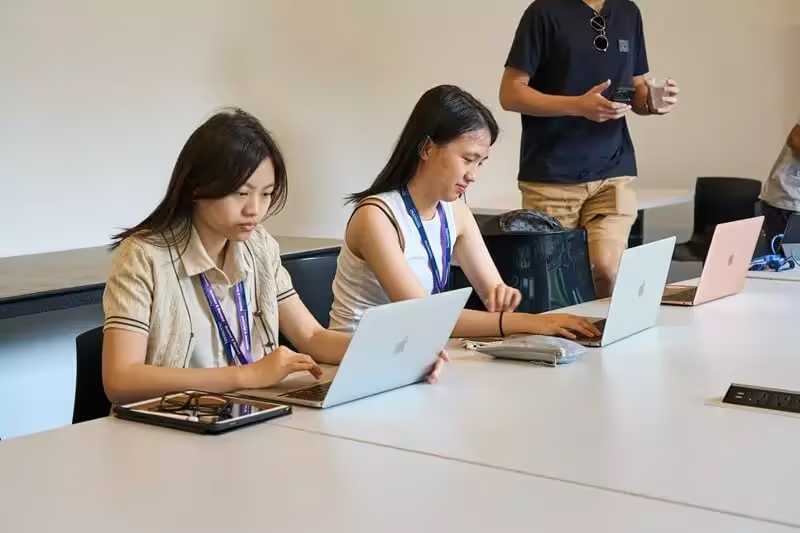
Join the Immerse Education 2027 Essay Competition
Follow the instructions to write and submit your best essay for a chance to be awarded a 100% scholarship.
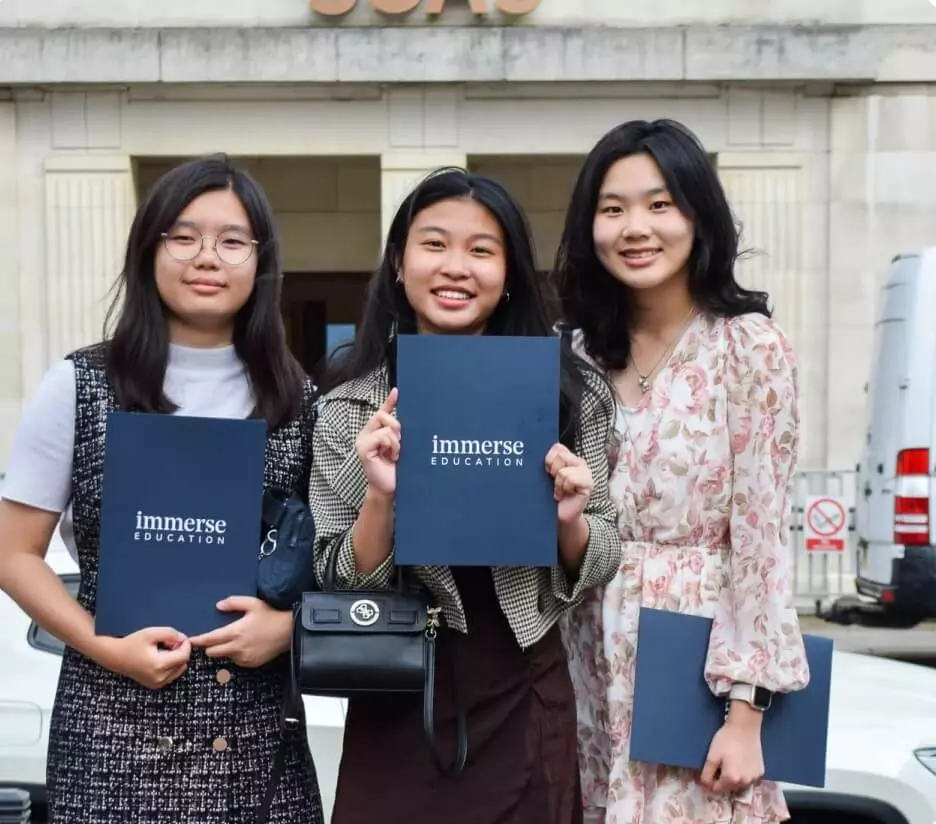
About the author

Amy Cross
BA/MA from the University of Leeds | Student Success Advisor, Immerse Education
Amy Cross is an admissions and student-support specialist with expertise in English Literature and global postcolonial writing. Prior to her work in education, Amy built a strong academic foundation at the University of Leeds, completing both a BA and an MA in English Literature. Her undergraduate research explored anthropomorphism in literature and the ways it can intersect with imperialism in children’s writing, while her master’s degree brought a sharper focus to postcolonial literature from across the globe.
Alongside her studies, Amy volunteered for an online creative writing publication, editing submissions and supporting emerging writers in refining their work. In her role as Student Success Advisor at Immerse Education, Amy helps students identify the programme best suited to their interests and ambitions, and supports them through the preparation process so they can arrive confident and ready to get the most from their academic experience.
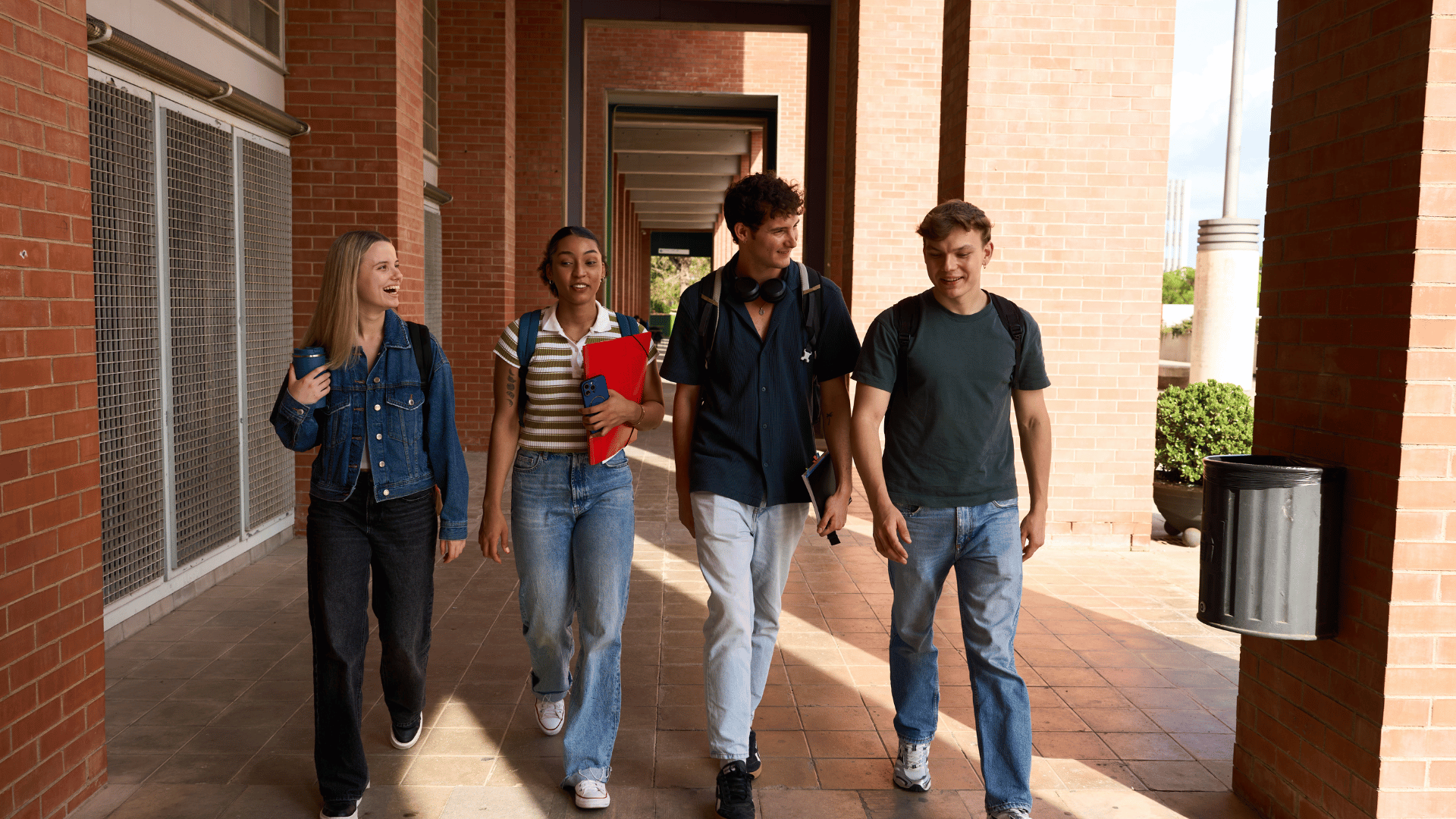




Unlock Inspiring Opportunities with the Immerse Education Newsletter
Join our newsletter to stay ahead with exclusive updates, exciting programme highlights, and expert insights from the world of immersive education.
Learn how Immerse can transform your life
An in-depth overview of our university and career preparation programmes
Get a glimpse into the life of an Immerse participant
Find the right programme for you with sample timetables, location showcases, and more