15 Fall STEM Programs for High School Students

TL;DR
In this list, you'll find 15 fall STEM opportunities for high school students, ranging from paid research internships at national laboratories to university coursework and flexible virtual courses. Costs and structures vary widely, from free options with stipends like the AFRL Scholars Program's $506.80 weekly rate to paid tracks offering college credit. Most programs run between September and December and accept applicants from grade 9 through grade 12, though eligibility varies by host. Immerse Education's Online Research, open to you at ages 13 to 18 worldwide with a bursary option, rounds out the list.
While you are in high school, the fall can be a practical time to explore academic interests beyond regular coursework, and structured programs can help you do that! If you are considering a future in STEM, fall programs offer structured opportunities to explore new topics, engage in research, and learn from university faculty, researchers, or other STEM professionals in lab, classroom, and field settings.
Instead of solely learning from textbooks, you will explore advanced concepts and apply them through hands-on projects, laboratory work, and research-focused activities that mirror how STEM is practiced in universities and professional settings. As a participant, you will also get to work with peers who share your interests, build teamwork and leadership skills, and get valuable insight into future pathways through discussions with mentors. Participating in these opportunities can help you test your interests in a STEM field before you commit to a major.
What kind of fall STEM programs are available for high schoolers?
While summer is often seen as the go-to choice for academic exploration, many universities, research facilities, health centers, and STEM organizations host fall programs to help high schoolers add to their classroom learning during the school year. Depending on the host and scope of the opportunity, you may participate in after-school research, workshops focused on technical skill-building, rigorous internships, lab work, or undergraduate-level classes focused on advanced STEM exploration.
As a participant, you may become familiar with the scientific method, experimental design, data analysis, and the use of laboratory tools and research software, while strengthening your critical thinking and problem-solving skills. You may also work alongside faculty, researchers, and like-minded peers, gaining meaningful insight into university life and practical academic experience that can support future studies and research interests.
For related options, have a look at fall programs for high school students and online STEM programs for high school students.
To help you choose a suitable experience, we have put together a list of 15 fall STEM programs for high school students.
15 Fall STEM Programs for High School Students
1. U.S. Treasury Department Headquarters Student Internship Program
Location: Treasury Department office, Washington, D.C.
Cost/Stipend: None
Acceptance rate/cohort size: Not specified
Dates: September – December (fall) | January – May (spring) | May – August (summer)
Application deadline: June (for fall) | October (for spring) | December (for summer)
Eligibility: Students in high school or college who are U.S. citizens enrolled at or accepted to accredited institutions
The U.S. Department of the Treasury internship gives students the opportunity to support the work of a federal agency during the academic year or summer. Depending on your placement, you may work with divisions focused on areas such as economic policy, tax policy, domestic finance, or international affairs, contributing to projects related to government operations and public policy.
As an intern, your work may include conducting research, analyzing data, preparing briefing materials, assisting with meeting coordination, and observing policy discussions and legislative proceedings. Throughout the internship, you will work with Treasury staff, develop workplace and communication skills, and gain a better understanding of how economic and financial policy is developed within the federal government.
Why it stands out: You will gain first-hand experience supporting policy work within a U.S. cabinet-level government agency.
2. Immerse Education’s Online Research

Location: Remote
Cost: Varies; summer school scholarship available through our bursary programme
Acceptance rate/cohort size: Selective; 1:1 learning
Dates: Flexible; multiple cohorts available in a year.
Application deadline: Rolling admissions; multiple dates throughout the year
Eligibility: Students, ages 13-18, around the world (accredited options require students to be 14+)
The Online Research offers high school students the opportunity to conduct rigorous research alongside tutors from Oxford, Cambridge, and Ivy League universities. You will work with your tutor to explore a subject area of your choice in depth and write an academic research paper.
The program is offered in 1:1 and small-group formats and offers the option to choose from over 20 subjects, including artificial intelligence, chemistry, computer science, psychology, economics, creative writing, philosophy, and more. At the end of the program, you will receive a written evaluation from your tutor, an opportunity to publish your research, and an invitation to present at the Immerse Online Symposium. Through the program, you can choose to earn college credit from universities in the U.S. and the UK. You can find examples of papers that Immerse students have worked on here. You can find more details about the application here.
Why it stands out: You will get access to 1:1 Oxbridge- or Ivy-style research support and guidance in a flexible online format, with the experience culminating in a publishable academic paper.
3. Air Force Research Laboratory (AFRL) Scholars Program
Location: Multiple sites in the U.S.
Cost/Stipend: No cost; typically, a stipend of $506.80/week is available; some sites offer bigger stipends + travel coverage (check details here)
Acceptance rate/cohort size: Not officially disclosed
Dates: Vary by site and internship; typically a minimum of 8 weeks, with most internships running 10-12 weeks in the summer, spring, and fall.
Application deadline: TBA for Fall/Spring | Summer deadline: January 10th
Eligibility: Upper-level high school students, undergraduates, and graduate students who are U.S. citizens
AFRL Scholars Program places high school and college students in Air Force labs to work alongside scientists and engineers on STEM projects. Depending on the placement, you may contribute to research and conduct experiments in areas such as materials science, robotics, engineering, aerospace systems, cybersecurity, or artificial intelligence.
You will spend time connecting with scientists and learning through direct experimentation and data analysis. The program will also help you build professional skills through mentorship and technical presentations.
Why it stands out: You will contribute to real-world STEM research within Air Force laboratories while getting paid for your work.
4. Sandia National Laboratories Internships
Location: Sandia National Laboratories, Albuquerque, NM, and Livermore, CA
Cost/Stipend: Free; competitive hourly pay and benefits available
Acceptance rate/cohort size: Not publicly disclosed
Dates: Year-round and summer internships (10 to 12 weeks) available, including fall opportunities
Application deadline: Varies by opportunity
Eligibility: Students who are 16+ and enrolled full-time at accredited high schools, colleges, or universities; a minimum cumulative GPA of 2.5 for undergraduate and high school students applying for clerical or labor-based positions and 3.0 for undergraduate and high school students applying for R&D, technical, or business positions is required.
Internships at Sandia National Laboratories give you the opportunity to work on research and engineering projects as part of a professional team. Your responsibilities can vary depending on your placement but may include programming, analyzing data, supporting experiments, testing hardware, or contributing to projects in fields such as cybersecurity, energy, software engineering, and physics.
During the internship, you will work with scientists and engineers who guide your project work and introduce you to research methods used in their field. You will also gain experience working with technical tools and software commonly used in scientific and engineering environments, as well as programming languages and computer-aided design platforms. Alongside your project, you can participate in mentoring sessions, professional development activities, and networking opportunities with other interns and laboratory staff.
Why it stands out: It lets you contribute to ongoing research projects while working alongside scientists and engineers in a national laboratory.
5. Alley Pond Environmental Center’s Field Biology Internship
Location: Alley Pond Environmental Center, Douglaston, NY
Cost: $200; financial aid available upon request
Acceptance rate/cohort size: Not officially disclosed
Dates: Fall: September 26th – October 31st (Saturdays) | Summer: June 30th – August 5th (Tuesdays or Wednesdays) | Spring: March 14th – May 2nd (Saturdays)
Application deadline: August 1st (fall) | May 1st (summer) | January 2nd (spring)
Eligibility: Students who are at least 14 years old and currently in high school and are able to participate in outdoor activities for at least two hours; international student eligibility is not specified, but the program is designed for NY students
This fall field biology program gives high school students the opportunity to investigate urban ecosystems through outdoor research conducted in parks across New York City. During the fall session, you will work alongside environmental professionals to explore field research methods, collect ecological data, and understand how scientists study natural habitats in urban settings.
You will participate in activities such as monitoring bird populations, conducting biodiversity assessments, testing water quality, and identifying aquatic macroinvertebrates. You will also collaborate with other student participants, analyze your observations, and present your findings at the end of the program.
Why it stands out: You will gain hands-on fieldwork experience and practice field biology techniques while carrying out ecological research in urban parks.


6. Los Alamos National Laboratory Internship
Location: Los Alamos National Laboratory, Los Alamos, NM
Cost/Stipend: No cost; $16.89/hour stipend available (check updated details here)
Acceptance rate/cohort size: Not specified
Dates: Part-time (10-20 hours/week) during the school year between September and November; summer and spring opportunities also available
Application deadline: September 18th
Eligibility: Students from a New Mexico high school who are seniors when applying, are 16 years old, have a GPA of 2.75+, and pass a pre-employment drug test
The Los Alamos National Laboratory High School Internship Program gives eligible New Mexico high school seniors the opportunity to work on STEM projects in a professional research environment. Depending on your assignment, you may contribute to projects in areas such as engineering, physics, chemistry, bioscience, intelligence, or space science while learning how these fields support ongoing scientific and technical work.
During the internship, you will work with researchers and engineers who provide guidance as you assist with research or engineering projects. You will gain experience using laboratory equipment, technical software, and research methods relevant to your placement, while developing practical skills in data analysis, problem-solving, and scientific collaboration.
Why it stands out: You will work on STEM projects within a national laboratory under the guidance of scientists and engineers.
7. Columbia University’s College Edge: Academic Year
Location: Columbia University Morningside Campus, New York, NY
Cost: $2,672/point + $80 non-refundable application fee
Acceptance rate/cohort size: Not officially disclosed
Dates: September 8th – December 23rd; spring session also available
Application deadline: July deadlines for fall sessions (exact dates TBA for the next cycle)
Eligibility: High school students in grades 11-12 in the U.S.
The College Edge program gives you the opportunity to take undergraduate courses at Columbia University during the fall semester while still in high school. You can enroll in courses in science, mathematics, and statistics, and earn college credit upon completing your coursework. You will attend classes on campus alongside Columbia undergraduates, gaining first-hand experience of the pace and expectations of university academics.
Beyond the coursework, you can attend seminars on the college application process, workshops focused on professional development, and sessions on leadership and self-reflection. Throughout the program, you will build college readiness and access campus resources such as libraries, athletic facilities, and cultural centers.
Why it stands out: You get to enroll in a STEM course, earn college credit, and study alongside undergraduates on campus.
8. Columbia University's Academic Year Weekend Program
Location: Virtual
Acceptance rate/cohort size: Not specified
Cost: $80 application fee + $2,868 tuition/session
Dates: October 9th – November 22nd; spring session is also available.
Application deadline: Early deadline: July 17th; General deadline: September 11th
Eligibility: Students in grades 9-12 from around the world
Columbia University lets high schoolers around the world enroll in college-level courses during the fall through its Academic Year Weekend Program. You will spend seven weekends attending live classes, participating in online clubs, working with peers from diverse backgrounds, and receiving mentorship from a Student Life Intern.
You can choose from around 20 courses, including options in biology, math, neuroscience, research, and medicine. The schedule will include career-focused workshops, leadership seminars, and sessions to help you build college readiness.
Why it stands out: It combines STEM coursework with college readiness, offering you the chance to prepare for post-secondary education through flexible, virtual fall sessions.
9. Stanford University’s Clinical Skills Internship (Fall track)
Location: Virtual
Cost: $75 application fee + $2,480 program fee
Acceptance rate: Not officially specified
Dates: September 9th – November 11th
Application deadline: June 2nd
Eligibility: Rising high school juniors and current/rising seniors, ages 16 and up, and undergraduate pre-med students from around the world
This Stanford program introduces you to clinical concepts through a combination of virtual and on-campus learning experiences. You will explore different areas of medicine through lectures, simulations, and practical sessions led by instructors, while developing an understanding of how medical professionals approach patient care and clinical decision-making.
Throughout the program, you will practice foundational clinical skills such as suturing, administering injections, performing physical examinations, and participating in anatomy dissections. You will also examine patient case studies, learn to develop differential diagnoses and treatment plans, and collaborate with a small group of peers on clinical problem-solving activities. The curriculum will offer exposure to a range of medical specialties and the practical techniques commonly used in healthcare training.
Why it stands out: You will build foundational clinical skills through a mix of hands-on training and case-based medical learning led by Stanford instructors.
10. University of Pennsylvania’s Young Scholars High School Program: Academic Year track
Location: University of Pennsylvania, Philadelphia, PA
Cost: $4,714 for one course unit | $9,428 for two course units + a nonrefundable $100 application fee
Acceptance rate/cohort size: Not officially disclosed
Dates: Fall semester: August 25th – December 17th; spring sessions also available
Application deadline: August 1st (fall)
Eligibility: High school juniors (11th graders) within commuting distance of the University of Pennsylvania; international students can apply if they meet English proficiency requirements.
The University of Pennsylvania Young Scholars Program gives you the opportunity to take undergraduate courses for college credit while continuing your high school education. You can choose from a range of subjects, including STEM fields such as experimental psychology and mathematics, and learn from Penn faculty, staff, and visiting scholars on campus.
Through lectures, discussions, independent coursework, and written assignments, you will experience the expectations of university-level academics and develop skills in critical thinking, analysis, and academic writing. The program will also familiarize you with the structure of college courses, academic policies, and the day-to-day learning environment at a research university.
Why it stands out: You will earn college credit by taking University of Pennsylvania undergraduate courses during the academic year.
11. Wildlife Conservation Society & Fordham University’s Project TRUE(Teens Researching Urban Ecology)
Location: Wildlife Conservation Society and Fordham University, New York, NY
Cost/Stipend: No cost; $350 stipend for fall interns | $750 stipend or $16/hour for summer interns
Acceptance rate/cohort size: Selective; small research teams with undergraduate mentors
Dates: Fall: September – December (Saturdays) + Summer program: Late June – August
Application deadline: Early March
Eligibility: High school sophomores and juniors living in the Bronx with good academic standing
Project TRUE gives Bronx high school sophomores and juniors the opportunity to study urban ecosystems through field research and ecological investigations. During the program, you will explore topics such as wildlife populations, bird communities, water quality, and the impact of invasive species while learning how environmental scientists collect and evaluate ecological data.
Working within small teams, you will carry out field observations, record and analyze findings, and apply the scientific method to investigate research questions. Throughout the program, you will receive guidance from mentors affiliated with Fordham University and the Wildlife Conservation Society. Additionally, you will have opportunities to continue engaging with local STEM mentoring networks after completing the program.
Why it stands out: It lets you conduct field-based urban ecology research under guidance from university and conservation mentors and earn a stipend for your contributions.
Join the Immerse Education 2027 Essay Competition
Follow the instructions to write and submit your best essay for a chance to be awarded a 100% scholarship.
12. The Jackson Laboratory (JAX) Academic Year Fellowships
Location: JAX facilities in Bar Harbor, ME; Farmington, CT; New York, NY
Cost/Stipend: None
Acceptance rate/cohort size: Not specified; a limited number of in-person spots are available
Dates: Fall – late spring
Application deadline: Rolling until August 24th
Eligibility: High school juniors and seniors and undergraduate students who are at least 16 years old, in good standing at their school and committing to the full academic year, or undergraduate students at least 16 years old
The Jackson Laboratory Academic Year Fellowships give you the opportunity to participate in biomedical research during the school year. As a fellow, you will join a research team, learn laboratory methods, and contribute to projects related to the lab’s scientific work.
With support from faculty members, postdoctoral researchers, and graduate students, you will develop an independent research project and gain experience designing experiments, analyzing results, and discussing your findings. Throughout the fellowship, you will attend research meetings, collaborate with scientists, and build skills in scientific communication, organization, and problem-solving. The experience will end with a poster session, where you will share your project with peers and mentors.
Why it stands out: You will gain hands-on biomedical research experience while working with a professional scientific team in a laboratory setting.
13. Aspiring Scholars Directed Research Program (ASDRP)
Location: ASDRP facilities, Fremont, CA
Cost: $1,070; full financial aid available
Acceptance rate/cohort size: Not officially specified
Dates: September 1st – January 15th
Application deadline: July 15th (priority); August 15th (final)
Eligibility: Rising 9th to 12th graders from the Bay Area
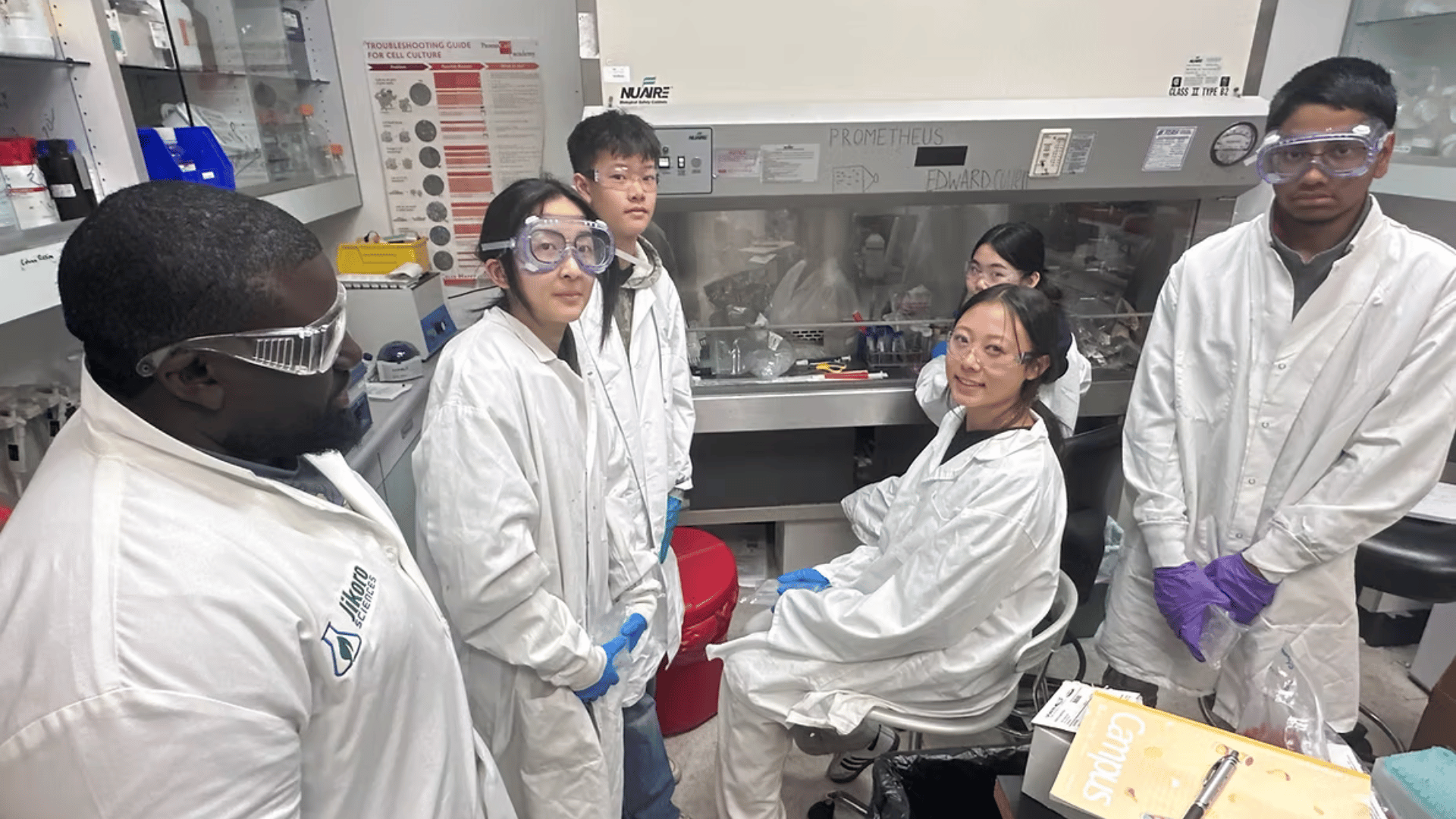
ASDRP is a nonprofit that offers students the opportunity to design and complete an independent research project with support from experienced mentors during the academic year. You will develop your own question in fields such as biology, chemistry, computer science, physics, or engineering and examine it while following a structured research process.
During the program, you will conduct experiments, analyze scientific literature, and document your work through research papers written in an academic format. You will also develop skills in presenting scientific ideas by creating project presentations and sharing your results at a research expo. Depending on your project, you may have opportunities to publish your findings in the ASDRP journal or present your work at external conferences.
Why it stands out: You get to develop your own research project while building scientific writing and presentation skills.
14. Johns Hopkins Center for Talented Youth (CTY) Online Programs
Location: Virtual
Cost: Varies by course; financial aid is available.
Acceptance rate/cohort size: Not specified
Dates: Options available throughout the year, including the fall semester
Application deadline: Rolling admissions
Eligibility: Students in grades 2-12; course-wise requirements may vary
The Johns Hopkins CTY offers online STEM courses designed for students who want to explore topics beyond their regular coursework. Courses are available in multiple formats, including flexible self-paced options and instructor-led sessions with scheduled activities.
You can choose from subjects such as computer science, engineering, space science, and forensic science based on your interests and explore advanced concepts through live and asynchronous sessions, assignments, and discussions. Throughout the program, you will receive feedback from instructors and connect with other students through online discussions, virtual meetings, and collaborative learning opportunities.
Why it stands out: You get to explore advanced STEM subjects through flexible online courses and access instructor support and peer interaction opportunities throughout.
15. Northwestern Center for Talent Development’s (CTD) Online Programs
Location: Virtual
Cost: Varies by program type and course length; financial aid/scholarships are available.
Acceptance rate/cohort size: Not publicly available
Dates: Multiple courses available throughout the year, including fall-specific sessions
Application deadline: Late September/early October for fall courses
Eligibility: Students from pre-K to grade 12; track-wise requirements can vary (check details here)
Northwestern University’s CTD runs online courses that help you explore a specific STEM field or interdisciplinary subjects at an advanced level. You can select from a range of subjects and course types, including enrichment programs, honors-level classes, and Advanced Placement (AP) courses, depending on your academic goals and interests.
Programs will also be offered in a range of formats, from shorter learning experiences to semester-long courses. As you progress through your coursework, you will apply concepts through projects, independent assignments, and activities that connect academic ideas to practical situations. Instructors will provide guidance and feedback throughout the course, helping you develop creative problem-solving skills.
Why it stands out: You can choose from multiple levels of online STEM coursework with flexible formats and instructor support.
Frequently asked questions: Fall STEM Programs for High School Students
What is the difference between a fall STEM program and a summer STEM program for high school students?
Fall programs run during the school year, typically between September and December, and often ask for a smaller weekly time commitment than the eight- to twelve-week summer options. You'll usually see shorter formats, such as weekend labs, after-school internships, or part-time research placements, designed to fit around your class schedule. Fall cohorts also tend to have fewer applicants than summer sessions, which can mean more individual mentorship and closer contact with the scientists or faculty running the program. Several programs on this list, including Sandia National Laboratories and Los Alamos, offer both fall and summer tracks.
Do fall STEM programs for high school students offer college credit?
Some do, though it varies by program. Columbia University's College Edge lets you enroll in undergraduate courses for credit at $2,672 per point, and the University of Pennsylvania's Young Scholars Program awards credit through paid course units. Other options, such as the AFRL Scholars Program or Sandia National Laboratories internships, focus on research experience and stipends rather than academic credit. Before applying, check whether the credit transfers to your future college, since policies differ by institution. Reading each program's eligibility and cost details closely will tell you which route fits your academic goals.
Are fall STEM programs for high school students free?
Many are, particularly government and national laboratory programs. The AFRL Scholars Program and Sandia National Laboratories internships charge no fees and pay a stipend, while the U.S. Treasury Department internship is unpaid but free to join. University-based options, like Columbia's College Edge or Stanford's Clinical Skills Internship, charge tuition or application fees instead. Immerse Education's Online Research is one paid option open to students worldwide aged 13 to 18, with a bursary programme available for students who qualify for financial support. Checking each listing's cost and stipend details will help you budget accordingly.
What grade levels can apply to fall STEM programs for high school students?
Eligibility depends on the individual program, ranging from all high schoolers to specific grade requirements. The Los Alamos National Laboratory internship, for example, accepts only New Mexico seniors, while the University of Pennsylvania's Young Scholars Program is limited to eleventh graders near Philadelphia. Broader options, such as Johns Hopkins CTY and Northwestern's CTD online courses, accept students across a wide grade range, including some middle schoolers. Age minimums also vary, with programs like the AFRL Scholars Program and Stanford's Clinical Skills Internship requiring you to be at least 16. Always confirm grade and age requirements before applying.
Are fall STEM programs for high school students in-person or virtual?
Both formats are common, and the right choice depends on your location and schedule. In-person options like the Sandia National Laboratories internships and Columbia's College Edge require you to be on campus or near a specific facility, while Alley Pond Environmental Center's fieldwork takes place outdoors in New York City parks. Virtual programs, including Johns Hopkins CTY, Northwestern's CTD, and Columbia's Academic Year Weekend Program, let you participate from anywhere with an internet connection. If travel or location is a barrier, filtering for remote programs will open up far more choices.
How do I choose between fall STEM programs for high school students?
Start by matching the program's subject focus and format to your own interests, whether that's lab research, policy work, or coursework for credit. Compare cost and stipend details, since some programs like the AFRL Scholars Program pay you while others, such as Columbia's College Edge, charge tuition. Check eligibility carefully, as many fall programs restrict applicants by state residency, grade level, or minimum age. Application deadlines also vary widely, with some falling as early as January for programs starting the following fall, so plan ahead. Reviewing each program's dates and requirements will narrow your options quickly.
Fall STEM programs as a step toward college
Choosing between research labs, university coursework, and virtual options helps you test different academic paths before senior year decisions arrive next fall.
Working through fall stem programs for high school students shows admissions committees that you pursued STEM outside the classroom on your own initiative.
Each program on this list helps you build a different skill, from lab techniques and policy research to college level coursework worth citing later.
Explore Immerse's University Preparation blogs to keep building the profile, skills, and confidence that will strengthen your college applications in the coming year.






Unlock Inspiring Opportunities with the Immerse Education Newsletter
Join our newsletter to stay ahead with exclusive updates, exciting programme highlights, and expert insights from the world of immersive education.
Learn how Immerse can transform your life
An in-depth overview of our university and career preparation programmes
Get a glimpse into the life of an Immerse participant
Find the right programme for you with sample timetables, location showcases, and more