15 Online Computer Science Programs for High School Students
In high school, computer science can feel both exciting and overwhelming. You might be learning basic coding in class yet wondering how real engineers build apps, train AI models, or design secure systems. Online computer science programs for high school students offer a practical way to move beyond the basics and experience how technology works in the real world.
These programs help you bridge the gap between theory and application. Instead of just memorising syntax, you begin solving real problems, building projects, and thinking like a developer.
Many now offer access to university-level teaching, industry mentors, and global peer communities without the need to travel. From artificial intelligence to cybersecurity and data science, you can explore specialised paths early and gain meaningful technical confidence. With so many options available, the real question becomes which program best fits your goals and ambitions.
But how do you navigate the crowded landscape of computer science summer programs for high school students?
Finding a programme with real academic depth is not always straightforward. Some options are too introductory to stretch you, while others lack meaningful project work or technical challenge. That is why careful curation matters, helping us separate surface-level coding camps from experiences grounded in genuine computer science thinking.
From leading universities to respected tech organisations, institutions now offer programmes covering everything from algorithms and software engineering to artificial intelligence and cybersecurity. You might build full applications, analyse datasets, train machine learning models, or design secure systems. Some experiences reflect the pace and expectations of undergraduate study, while others provide a structured introduction to core computing concepts.
Whichever route you choose, success requires curiosity, persistence, and a willingness to solve complex problems. To help you focus on options that truly add value, we have curated 15 online programmes known for academic quality, strong mentorship, and credible pathways into future study or careers in technology.
Additionally, you could look at in-person computer science programs or explore AI summer programs.




15 Online Computer Science Programs for High School Students
1. Stanford Online High School – Computer Science (Online)
Location: Online
Cost: $6,195
Program Dates: Academic year (varies by courses)
Application Deadline: January 8th
Eligibility: Students enrolled in Stanford Online High School; international students can apply
Stanford Online High School’s Computer Science curriculum provides a structured, academically rigorous pathway through foundational and advanced topics, positioning it among one of the most rigorous online computer science programs for high school students. You progress through courses that emphasize computational thinking, algorithmic problem-solving, and abstract reasoning, mirroring the expectations of university-level CS study.
The program balances theoretical concepts with practical application, helping you understand how core ideas translate into real computational systems. Coursework is designed to build sequentially, allowing you to deepen technical fluency over time rather than through isolated modules. As part of Stanford OHS, you study in a live, discussion-based academic environment alongside motivated peers from around the world.
Why it stands out: It provides an elite, university-level curriculum within a globally recognized online high school environment, allowing students to master complex computational theory and advanced software engineering alongside top-tier peers.
2. Immerse Education’s Computer Science Online Summer School
Location: Fully remote
Cost: Varies; summer school scholarship available through their bursary programme
Application Deadline: Multiple summer cohorts with rolling admissions.
Program Dates: 2 weeks during the summer
Eligibility: Students worldwide aged 13-18 currently enrolled in middle or high school
You will participate in a virtual academic program designed to bridge the gap between high school technology and undergraduate-level computer science. The curriculum is built for students who are passionate about tech but want to move beyond basic coding to understand the mathematical and engineering principles that drive the industry.
You attend intensive, university-style seminars led by expert tutors, many of whom are Oxbridge-trained researchers or industry professionals with experience. The program goes beyond the standard classroom by exploring high-level applications in Blockchain, Machine Learning, and Deep Learning.
Why it stands out: It provides a pre-university academic experience taught by expert tutors from world-leading universities, combining rigorous subject exploration with a focus on preparing students for life at a top-tier institution.
3. Kode With Klossy Summer Camps
Location: Fully online (Global) and select In-Person locations
Cost / Stipend: Free (No cost to attend)
Dates: Two-week sessions in Summer 2026 (Specific dates announced in Spring)
Application Deadline: Spring 2026
Eligibility: Young women and gender-expansive teens globally, ages 13-18
Kode With Klossy offers a transformative, two-week coding intensive designed specifically for students of traditionally underrepresented genders in STEM. This program provides an inclusive and high-energy environment where you can dive into one of four specialized tracks: Web Development, Machine Learning, Mobile App Development, or Data Science. Beyond the technical skills, the program emphasizes the social impact of tech, addressing critical topics like bias in AI and user accessibility.
You will collaborate with a global cohort of curious and community-minded peers, culminating in a final project that showcases your new expertise. Upon completion, you join an “incredible community” of inspiring alumni, providing a lifelong support network for your future career in technology.
Why it stands out: It removes all financial and experience barriers to elite tech education, providing a high-quality, project-based curriculum that empowers underrepresented voices to lead the future of STEM.
4. Girls Who Code – Summer Immersion Program
Location: Virtual and select in-person locations across the U.S.
Cost: Free
Program Dates: Summer (two-week immersive program; exact dates vary by year and format)
Application Deadline: Varies by cohort
Eligibility: Domestic and international high school students in grades 9-12 who identify as girls or non-binary
The Girls Who Code Summer Immersion Program is a two-week intensive designed to introduce high school students to computer science through hands-on, collaborative learning. You’ll gain foundational experience in coding while exploring how technology can be used to address real-world problems and social impact challenges.
The curriculum emphasizes practical skill-building through projects, discussions, and peer collaboration rather than lecture-based instruction. In addition to technical learning, the program focuses on confidence-building, career exploration, and exposure to pathways in technology. The experience is designed to be accessible to students with little or no prior coding background.
Why it stands out: It builds a global “sisterhood” through free, industry-backed programs that pair hands-on technical training in emerging fields like AI and cybersecurity with high-touch mentorship from women leaders at top tech companies.
5. CS50: Introduction to Computer Science (Harvard University)
Location: Online (via edX)
Cost / Stipend: Free to audit (Verified Certificate available for $219)
Dates: Self-paced; typically available year-round
Application Deadline: Rolling enrollment (Available now)
Eligibility: Open to all (Introductory level; suitable for high school students)
Harvard University’s CS50x is a world-renowned introduction to the intellectual enterprises of computer science and the art of programming. Led by Professor David J. Malan, the curriculum covers a robust range of topics, including data structures, encapsulation, resource management, and security. You will gain hands-on experience in multiple languages, including C, Python, SQL, and JavaScript, through problem sets inspired by real-world domains such as forensics, finance, and gaming.
The program emphasizes a “low floor, high ceiling” approach, making it accessible to beginners while remaining rigorous enough to challenge experienced students. To conclude your journey, you will develop and present a final programming project to a global community of peers, solidifying your transition from a student to a software creator.
Why it stands out: As Harvard’s largest and most famous course, it offers a high-production, immersive entry into computer science that teaches students not just how to code, but how to think with the logic and rigor of a Harvard undergraduate.
6. Johns Hopkins Center for Talented Youth (CTY) – Fundamentals of Computer Science (Online)
Location: Online
Cost: Paid (varies by session and student status)
Program Dates: Session-based; offered multiple times per year
Application Deadline: Rolling, varies by session
Eligibility: Students in grades 2–12 who qualify for Johns Hopkins CTY programs
CTY’s Fundamentals of Computer Science is a structured, instructor-led online course designed to introduce students to core computer science concepts in a formal academic setting. The course emphasizes logical thinking, problem-solving, and foundational programming ideas through guided lessons, assignments, and assessments.
Instruction is paced and academically rigorous, requiring consistent participation and independent work. The online format allows students to build technical foundations while demonstrating readiness for advanced STEM coursework. This course is best suited for students seeking a disciplined introduction to computer science rather than a casual or exploratory experience.
Why it stands out: It offers a rigorous, CTY-level deep dive into the foundational logic and algorithms of computer science, preparing students for advanced study through an intensive and collaborative academic environment.
7. NextGen Bootcamp – Computer Science Summer Certificate (Live Online)
Location: Online
Cost: $3095
Program Dates: Self-paced; Live classes also available
Application Deadline: Rolling enrollment
Eligibility: High school students around the world (grades typically 9-12); course-specific prerequisites may apply
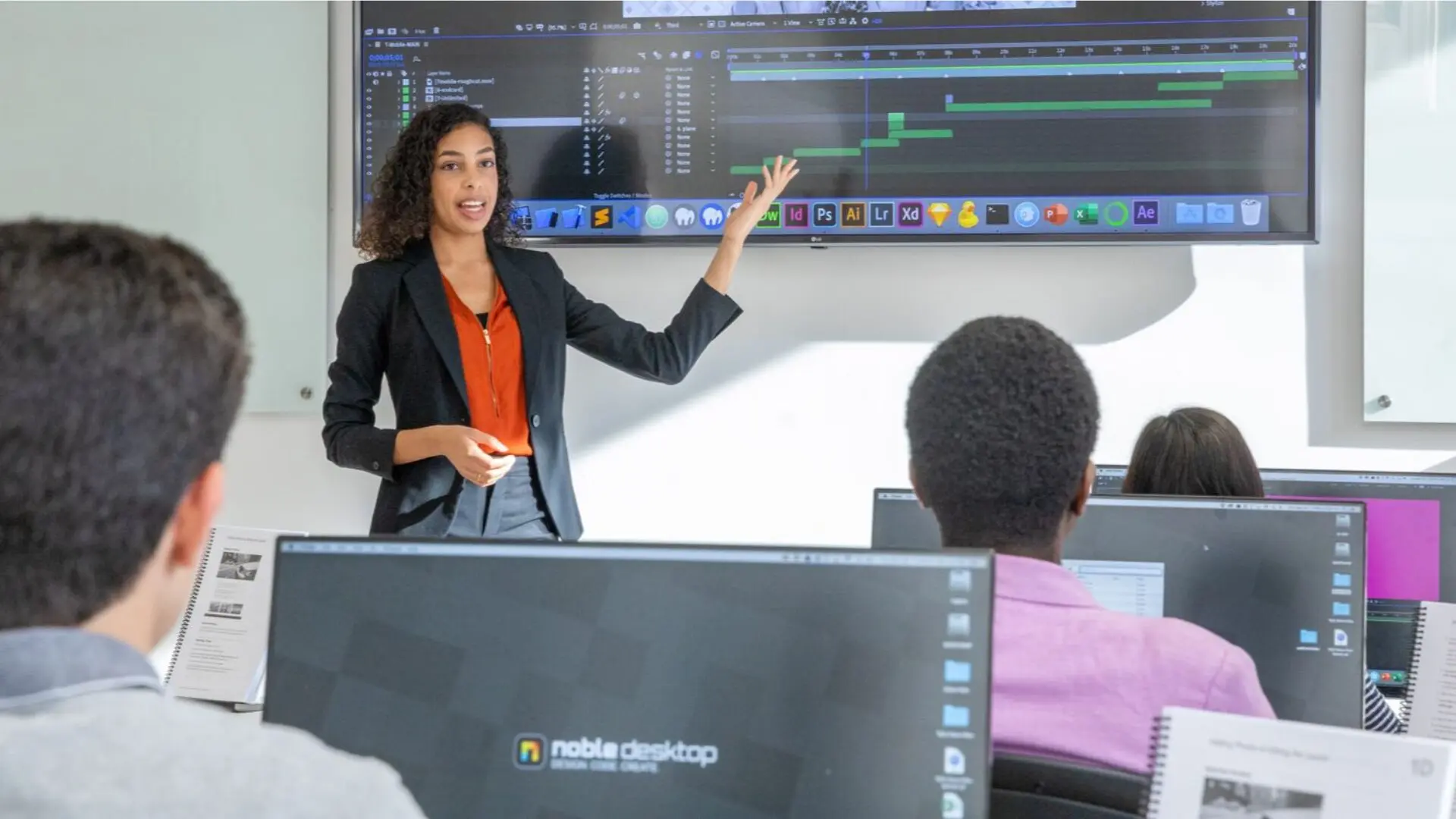
NextGen Bootcamp’s Computer Science Summer Certificate is a live, instructor-led online program designed to introduce high school students to core computer science skills in a structured classroom environment. Courses are taught in real time and focus on practical programming fundamentals, emphasizing hands-on coding rather than self-paced learning.
Students attend scheduled classes, complete guided exercises, and work on applied projects that mirror introductory computer science coursework. The live format encourages interaction, accountability, and consistent engagement across the program duration. This program is well-suited for students seeking a formal, skills-focused introduction to computer science in an online setting.
Why it stands out: It offers intensive, professional-grade bootcamps that equip students with industry-standard skills in coding and design, focusing on career-ready portfolios and expert-led technical mastery.
8. Stanford AI4ALL
Location: Online and Residential (Stanford University Campus)
Cost / Stipend: Tuition required (Financial aid available; specific 2026 rates in prospectus)
Dates: Online: June 15th – June 26, 2026 | Residential: July 19th – July 31, 2026
Application Deadline: Early 2026 (Applications now open)
Eligibility: Current 9th-grade students from around the world
Stanford AI4ALL is a specialized initiative hosted by the Stanford Institute for Human-Centered AI (HAI) and Stanford Pre-Collegiate Studies, designed to demystify the world of Artificial Intelligence for young learners. The program invites you to explore how AI can be leveraged as a tool for social good, moving beyond the technical “how-to” to examine its profound impact on society.
You will engage in a rigorous curriculum that includes live demos with tech companies, career workshops, and hands-on research projects. Under the mentorship of Stanford AI Lab practitioners and industry professionals, you will dive into cutting-edge fields such as Natural Language Processing, Computer Vision, and Robotics.
Why it stands out: It uniquely combines Stanford’s world-leading technical expertise with a focus on “human-centered” AI, empowering a diverse next generation of leaders to ensure that future technology is developed ethically and inclusively.
9. CodeWizardsHQ – Live Online Summer Coding Camps
Location: Online
Cost: $199 – $499
Program Dates: Summer; session dates vary by course
Application Deadline: Rolling enrollment
Eligibility: Students typically in grades 3-12 from any time zone (camp-specific age ranges apply)
CodeWizardsHQ offers live online summer coding camps that introduce students to computer programming through instructor-led lessons and guided projects. You participate in scheduled classes where you learn foundational coding concepts and reinforce them through hands-on exercises, building fluency with languages such as Python, JavaScript, or HTML/CSS.
The live format emphasizes interaction with instructors and classmates, supporting real-time feedback and structured progression through the material. Classes are designed to help you develop logical reasoning and technical confidence through consistent practice and application.
Why it stands out: It offers intensive, project-based weekly sessions led by live instructors that allow students to master specific languages or tools like Python, Java, and Roblox in a highly social and collaborative environment.
10. CMU CS Academy
Location: Online (Self-paced/Classroom-based)
Cost / Stipend: Free (Entirely free for all users)
Dates: Year-round / Flexible (Camps and full-year options available)
Application Deadline: Rolling enrollment
Eligibility: Students across 70+ countries in middle school, 8th/9th grade, and high school (varies by course)
Carnegie Mellon University’s CS Academy provides an online, graphics-based computer science curriculum designed to make learning Python interactive and visually engaging, making it one of the most accessible online computer science programs for high school students aiming to build strong foundations. The program offers a tiered approach to learning: “Exploring Programming” serves as a lightweight introduction for middle schoolers or camp settings, while the flagship “CS1” course provides a robust 12-unit foundation for 8th and 9th graders.
For advanced high school students, the “15-111” course offers a rigorous, honors-level experience that mirrors university coursework and provides the opportunity to earn four college credits upon completion of an exam. By combining a world-class curriculum with a “sandbox” environment for independent creation, CMU CS Academy empowers you to transition from basic logic to sophisticated software development.
Why it stands out: It bridges the gap between high school and higher education by offering a Carnegie Mellon-designed path that allows top-performing students to earn genuine university credit for free.
11. CS@SC Coding Camps (University of Southern California)
Location: Online
Cost / Stipend: Varies by course (Financial aid/scholarships typically available)
Dates: Summer 2026 (Multiple weekly sessions in June and July)
Application Deadline: Closed for the year
Eligibility: All K-12 students (Specific tracks for Middle and High School)
The CS@SC Coding Camps at the University of Southern California offer an intensive gateway into the world of tech, focusing on specialized topics that go far beyond the standard high school classroom. You are invited to deep-dive into high-demand fields like Cybersecurity, Java, and Python, or explore the creative side of technology through Game Design and Web Development. The program is heavily project-based, giving you the chance to work with hardware and physical computing through Robotics, Arduino, and even Drone programming.
By shifting the focus from passive learning to active creation, the camp helps you develop the technical fluency and problem-solving skills essential for a future in engineering. You’ll be part of a vibrant community of young innovators, learning from USC faculty and students in an environment that bridges the gap between hobbyist coding and professional computer science.
Why it stands out: It leverages USC’s elite engineering resources to offer a massive variety of niche technical tracks, allowing students to specialize in everything from Arduino robotics to advanced cybersecurity in a collegiate setting.
12. AI, Data Science, and Machine Learning (Brown University)
Location: Online – Blended
Cost / Stipend: Unavailable
Dates: June 22nd – July 17, 2026
Application Deadline: Unavailable (Status: Open for Registration)
Eligibility: High school students all over the world with a basic foundation in Python or R and intermediate-level knowledge of statistics and probabilities.
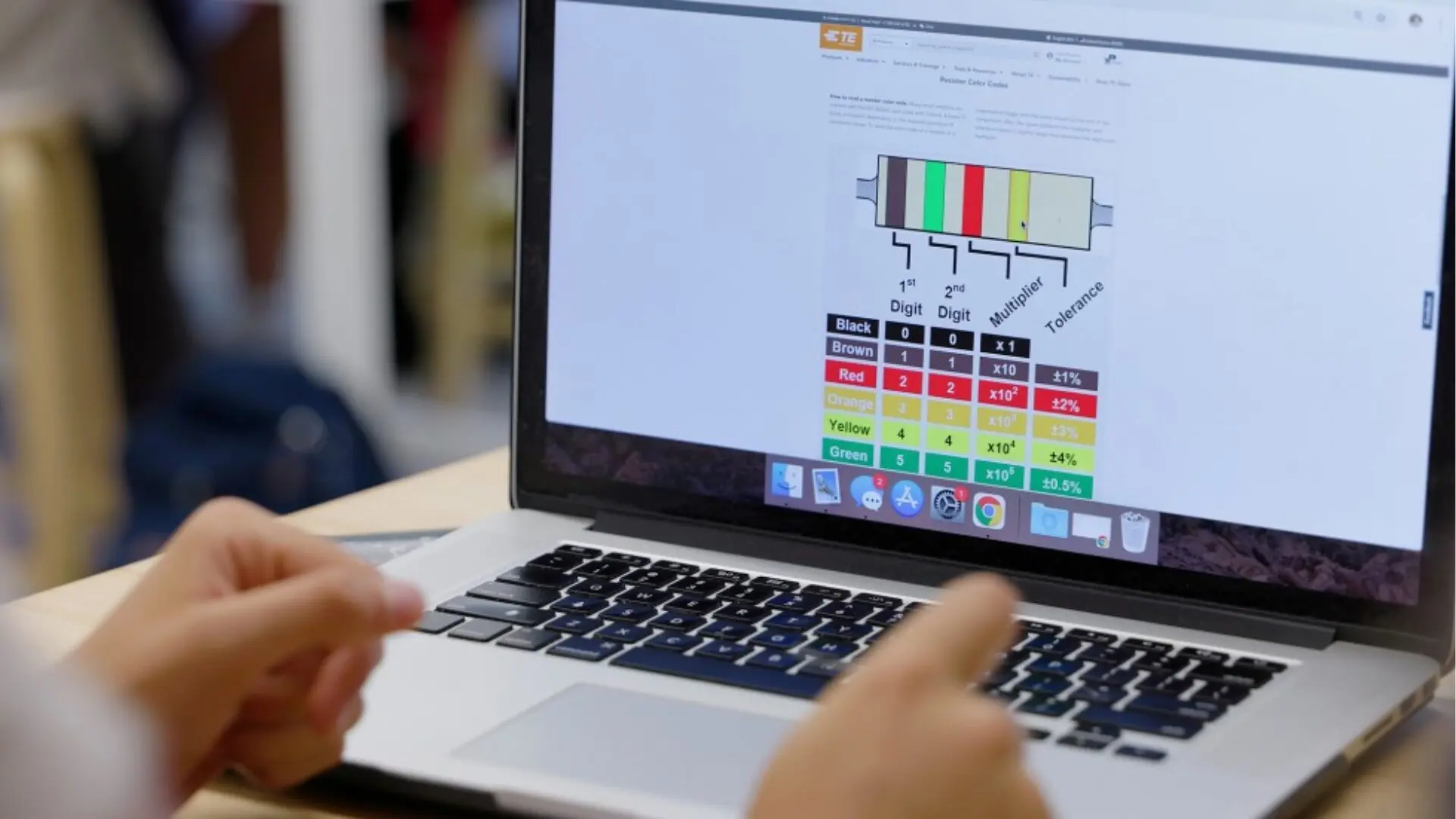
Brown University’s AI, Data Science, and Machine Learning course offers an immersive online experience that transitions you from a student to an industry-ready practitioner. Over four weeks, you will explore the full machine learning process, learning to formulate and present detailed data architectures while mastering tools for predictive modeling and text analytics.
Through a blend of live sessions and independent work, you will collaborate with expert instructors and global peers to refine your analytical and programming skills. This course serves as a rigorous academic bridge, inspiring intellectual growth and providing the technical toolkit necessary to navigate the complex landscape of modern artificial intelligence.
Why it stands out: It bridges the gap between theoretical statistics and industry application, focusing heavily on the “machine learning process” and the ethical architecture of data to prepare students for professional careers in data science.
13. IBM SkillsBuild – Programs for Students (Online)
Location: Online
Cost: Free
Program Dates: Self-paced; available year-round
Application Deadline: Rolling enrollment
Eligibility: Domestic and international high school students and adult learners; no prior technical experience required
IBM SkillsBuild is a free online learning platform designed to help students develop foundational and career-ready skills in technology and professional domains. You explore topics such as computer science fundamentals, data, artificial intelligence, cybersecurity, and workplace skills using structured modules and real-world scenarios. The platform combines short lessons, hands-on activities, and assessments that allow you to progress at your own pace while building practical understanding.
The program is built to support early exploration of technical fields while remaining accessible to students with limited prior exposure. IBM SkillsBuild functions well as a flexible entry point for high school students interested in technology, computing, and applied problem-solving.
Why it stands out: It provides free access to industry-recognized credentials and professional skill-building in high-growth tech fields, directly connecting academic learning to real-world career readiness.
14. Georgetown Pre-College Online – Cybersecurity
Location: Online
Cost: $1,895 (Enrichment course)
Program Dates: 1 week, 2 weeks, and 4 weeks sessions available
Application Deadline: Based on courses; Upcoming in February
Eligibility: High school students worldwide (grades 10-12 or equivalent; check program site for specifics)
Georgetown Pre-College Online’s Cybersecurity program offers structured virtual instruction in the core concepts and practices of cybersecurity, placing it among one of the more specialised online computer science programs for high school students interested in digital defence and risk management. You study topics such as network security, risk management, and defensive strategies through a curriculum that blends conceptual learning with practical applications.
The online format combines scheduled instruction with guided assignments and assessments, helping you build a disciplined approach to technical study. As part of Georgetown’s pre-college offerings, the course exposes you to college-style expectations for academic engagement, discussion, and project work.
Why it stands out: It provides an immersive look into the high-stakes world of digital defense, combining technical skill-building in ethics and strategy with direct insights into the diverse career pathways available within the global cybersecurity landscape.
15. Stanford SHTEM – Summer Internships for High Schoolers
Location: Stanford University, Stanford, CA (virtual participation with optional on-campus aspects)
Cost: Free (application fee applies; fee waivers available)
Program Dates: June 22nd – August 14th (8-week summer internship)
Application Deadline: February 1, 2026
Eligibility: High school juniors and seniors (must be at least 14 by June 21; U.S. citizens or permanent residents)
Stanford’s SHTEM (Summer Internships for High Schoolers) program provides high school juniors and seniors with an immersive eight-week research experience in STEM and humanities-adjacent fields. You work on multifaceted research projects that span areas such as engineering, computer science, technology, linguistics, psychology, biology, and design, guided by mentors from the Stanford Compression Forum and affiliated faculty.
The internship emphasizes early exposure to real academic research in a university-associated environment. Projects are structured to allow collaboration with peers and mentorship across Stanford’s research community, often requiring sustained weekly effort over the program duration.
Why it stands out: It offers a unique “SHTEM” approach that integrates the humanities into high-level Stanford research, allowing interns to explore the human element of technology through multidisciplinary projects and expert mentorship.
Join the Immerse Education 2027 Essay Competition
Follow the instructions to write and submit your best essay for a chance to be awarded a 100% scholarship.
Preparing For a Future in Tech
Technology is evolving fast, and starting early gives you an advantage. The right online programme helps you build real skills through projects, mentors, and focused study.
Whether you are drawn to AI, cybersecurity, or software engineering, strong options develop more than technical ability. They strengthen problem-solving, resilience, and confidence with complex challenges.
The online computer science programs for high school students mentioned in this article are designed to help you explore genuine academic depth. Choosing well can shape what you study next and how you stand out.
Want fresh ideas you can use straight away? Visit our Educational Innovation blogs for edtech insights, emerging trends, and practical guidance that keeps you ahead.






Unlock Inspiring Opportunities with the Immerse Education Newsletter
Join our newsletter to stay ahead with exclusive updates, exciting programme highlights, and expert insights from the world of immersive education.
Learn how Immerse can transform your life
An in-depth overview of our university and career preparation programmes
Get a glimpse into the life of an Immerse participant
Find the right programme for you with sample timetables, location showcases, and more