
15 Best Overnight Summer Camps in Canada for High School Students

TL;DR
This list covers 15 residential summer programs across Canada, ranging from university-affiliated academic courses to outdoor wilderness expeditions, and you'll find costs spanning from free to over CAD $5,500, with bursaries available at several. Most options welcome you if you're in grades 9 through 12, and many accept international applicants, though eligibility varies by program. At the University of Waterloo alone, you can choose from five separate residential options, each capped at around 30 students. Immerse Education also runs a two-week residential program for students aged 13 to 18 across locations including Toronto, with its own bursary programme for eligible students.
Summer is often a chance to take a break from school, but it can also be an opportunity to experience university life before you even graduate. Instead of spending a few weeks following your usual routine, you could be living on a university campus, attending lectures and workshops, collaborating with students from around the world, and building practical skills through hands-on projects. Depending on the program, you might conduct scientific research, develop engineering prototypes, analyze business case studies, explore creative disciplines, or strengthen your leadership abilities, all while experiencing the independence of campus living.
Best overnight summer programs in Canada can act as a foundation for your college journey, giving you a taste of what university life is like at a top institution, in person. They offer much more than academic enrichment; they allow you to experience university-style learning, interact with professors, researchers, and mentors, and gain a realistic understanding of campus life. Living in residence, managing your own schedule, and working alongside motivated peers can help you develop confidence, communication, collaboration, and problem-solving skills while exploring subjects that may shape your future college and career decisions. For many students, these programs become a valuable foundation for their college journey by offering an authentic taste of life at a top institution.
Why choose Canada for an overnight summer camp?
Canada is home to globally recognized universities, world-class research institutions, and a strong culture of experiential learning, making it an excellent destination for pre-university summer programs. Its multicultural campuses, welcoming student communities, and emphasis on interdisciplinary education allow you to explore academic interests while connecting with peers from across the globe. Whether you're interested in STEM, business, leadership, medicine, the arts, or the social sciences, Canada's residential summer programs combine rigorous learning with the immersive experience of living and studying on campus.
You can also have a look at summer programs in Toronto and internships in Canada to get more work experience.
To help you find the best fit, below are 15 of the best overnight camps in Canada for high school students.
15 Best Overnight Summer Camps in Canada for High School Students
1. McGill Summer Academy
Location: McGill University, Montreal, Quebec
Cost: CAD $5,500; limited full scholarships are available for eligible Canadian students who identify as Black or Indigenous, or who face financial barriers
Acceptance rate/cohort size: Competitive; roughly 50 students per academic stream for each session
Dates: Session 1: July 5–18; Session 2: July 19th – August 1st
Application Deadline: Mid-March
Eligibility: High school students currently in Grade 10 or 11 (Sec IV or V in Quebec) with a recommended "B" average (approx. 78-80%); open to international students
The McGill Summer Academy is a two-week residential pre-university program that combines university-level coursework with skill-building workshops and experiential learning. You attend academic classes taught by McGill instructors while participating in workshops designed to strengthen study strategies and prepare for university-level learning.
The program also includes organized extracurricular activities, supervised residence life, and opportunities to connect with McGill faculty, current students, and peers from around the world. Your program fee covers campus housing, two meals per day, local transportation, academic programming, and most organized activities. If you're looking for an immersive university experience before applying to college, this program offers a structured introduction to both academic and residential life at one of Canada's leading universities.
Why it stands out: The McGill Summer Academy uniquely combines rigorous, university-level coursework at a top-tier Canadian institution with cultural immersion in the vibrant, bilingual city of Montreal alongside a global cohort of peers.
2. Immerse Education’s Pre-University Summer School
Location: Toronto
Cost: Varies; summer school scholarship available through our bursary programme
Acceptance rate/cohort size: Selective; an average of 7 participants per class
Application Deadline: Multiple summer cohorts; rolling admissions.
Program Dates: 2 weeks during the summer
Eligibility: Students across the globe aged 13-18 currently enrolled in middle or high school; open to international students
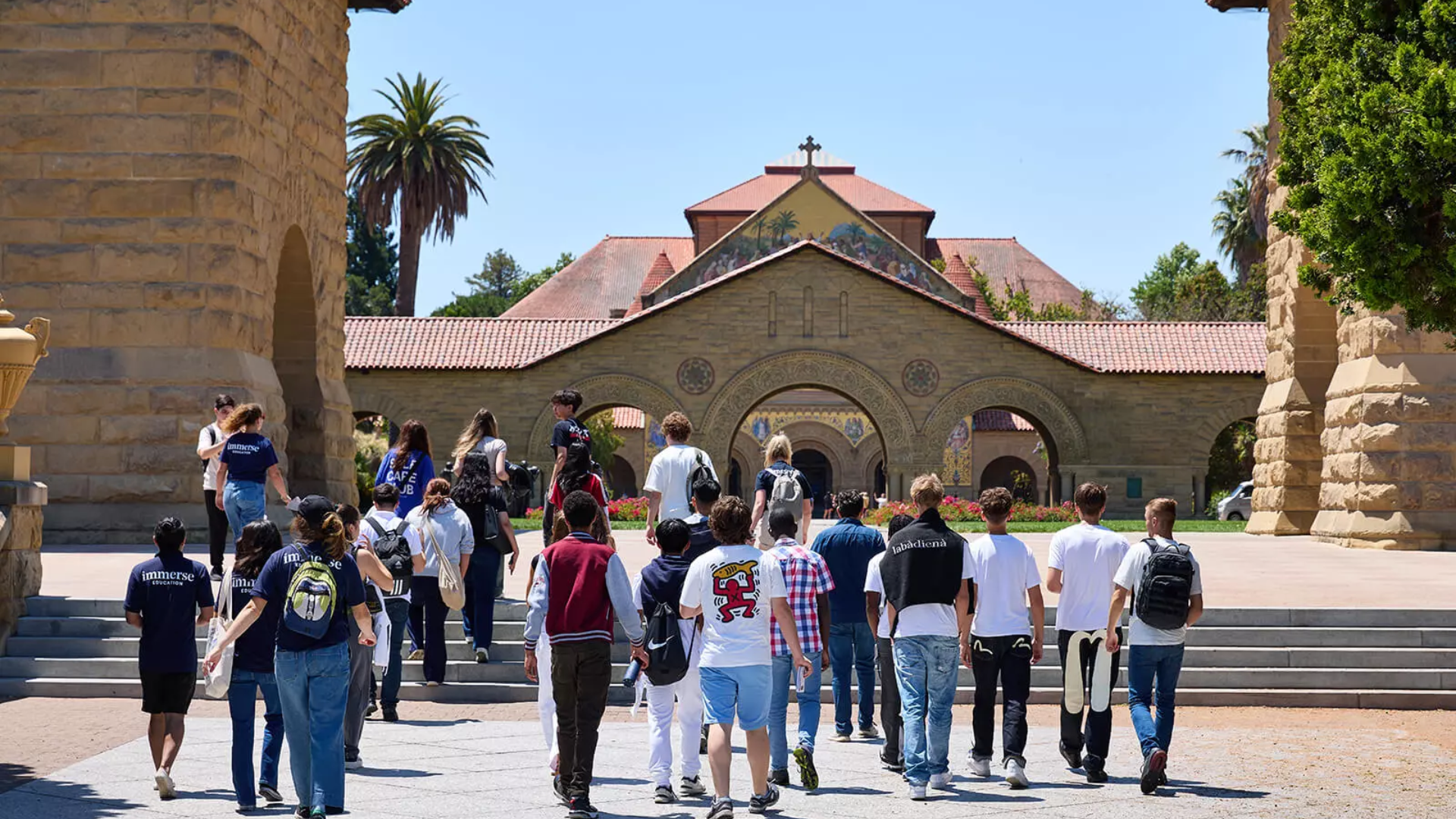
The Pre-University Summer School lets high school students experience university life firsthand. You will live on campus and study in small groups of 7-10, and learn from tutors from eminent top universities like Oxford and Cambridge. You can explore a wide range of subjects, spanning over 20 options, including Architecture, AI, Business Management, Computer Science, Economics, Medicine, Philosophy, and more.
The courses are experiential and focus on hands-on learning. You may find yourself conducting dissections in medicine, designing a robotic arm in engineering, participating in a moot court for law, or building creative writing portfolios and business case studies. By the end of the program, you’ll complete a personal project, receive written feedback, and receive a certificate of completion. You can find more details about the application here.
Why it stands out: You’ll get an early start at university life and academics because the program includes an independent project, discussion-based classes, and living at a college campus.
3. Math Quest - Queen's University
Location: Queen's University, Kingston, Ontario
Cost: CAD $300; additional CAD $796 for the residential option; a limited number of need-based bursaries are available
Acceptance rate/cohort size: Selective; ~30 students
Dates: August 10–14
Application Deadline: Open until capacity is reached
Eligibility: Students entering grade 9 or returning to high school in September; open to international students
Math Quest introduces you to advanced mathematical concepts through problem-solving workshops, hands-on activities, and collaborative learning led by female mathematicians, statisticians, and physicists. If you choose the residential option, you'll spend five nights in a Queen's University residence while participating in evening academic and community-building activities.
The program focuses on developing mathematical reasoning, curiosity, and confidence by exploring unfamiliar ideas. The combination of immersive campus living and mentorship from women in STEM makes it a strong option if you're considering future studies in mathematics, statistics, physics, or related fields.
Why it stands out: It offers an empowering, girls-only summer camp environment where high school students can explore hands-on, creative mathematical concepts far beyond the standard curriculum, guided directly by female mathematicians, statisticians, and physicists.
4. RabbitMath - Queen's University
Location: Queen's University, Kingston, Ontario
Cost/Stipend: Day Camp: CAD $300; Residential: CAD $796; a limited number of need-based bursaries are available
Acceptance rate/cohort size: Selective; the exact cohort size is not published
Dates: August 10–14
Application Deadline: Open until capacity is reached
Eligibility: Students entering grade 9 or returning to high school in September; open to international students
RabbitMath introduces you to advanced mathematical ideas through collaborative, hands-on problem-solving activities led by Queen's University graduate students. You'll explore unfamiliar mathematical concepts by building, experimenting, and discussing ideas. If you choose the residential option, you'll stay on campus for five nights and participate in evening academic and community activities alongside fellow campers.
The program emphasizes mathematical curiosity and creative thinking, making it a good fit if you want to experience university-level mathematics before starting high school. Unlike traditional lecture-based courses, the program uses an active, discovery-driven curriculum that links mathematical theory directly to real-world art, physics, and design.
Why it stands out: It replaces standard textbook memorization with genuine mathematical exploration, allowing you to experience math as a creative, experimental science rather than a set of rigid formulas.
5. GeoX Summer Camp - University of Waterloo
Location: University of Waterloo, Waterloo, Ontario
Cost: CAD $700; need-based bursaries are available
Acceptance rate/cohort size: Highly selective; 30 students
Dates: August 9–15
Application Deadline: April 24th
Eligibility: High school students entering Grades 11 or 12 in September; open to international students
GeoX gives you a week-long residential introduction to Earth and Environmental Sciences through fieldwork and laboratory activities. You'll examine rock outcrops, collect and analyze water and soil samples, tour an active mine, and use the same exploration instruments and laboratory technologies employed by university researchers and industry professionals.
The program also includes campus residence life, an overnight field excursion, and opportunities to interact with University of Waterloo faculty and current science students. If you're considering geology, environmental science, geochemistry, or geophysics, GeoX offers a focused preview of these disciplines in a university setting.
Why it stands out: It immerses high school students in the rapidly growing field of geomatics through hands-on, university-level experience with cutting-edge spatial technologies like GIS, drones, and satellite imagery to tackle real-world environmental challenges.



6. ChemX Summer Camp - University of Waterloo
Location: University of Waterloo, Waterloo, Ontario
Cost/Stipend: CAD $700 + HST; need-based bursaries are available.
Acceptance rate/cohort size: Selective; maximum of 28 students
Dates: August 3–8
Application Deadline: April 24
Eligibility: High school students entering grades 11 or 12 in September; open to international students
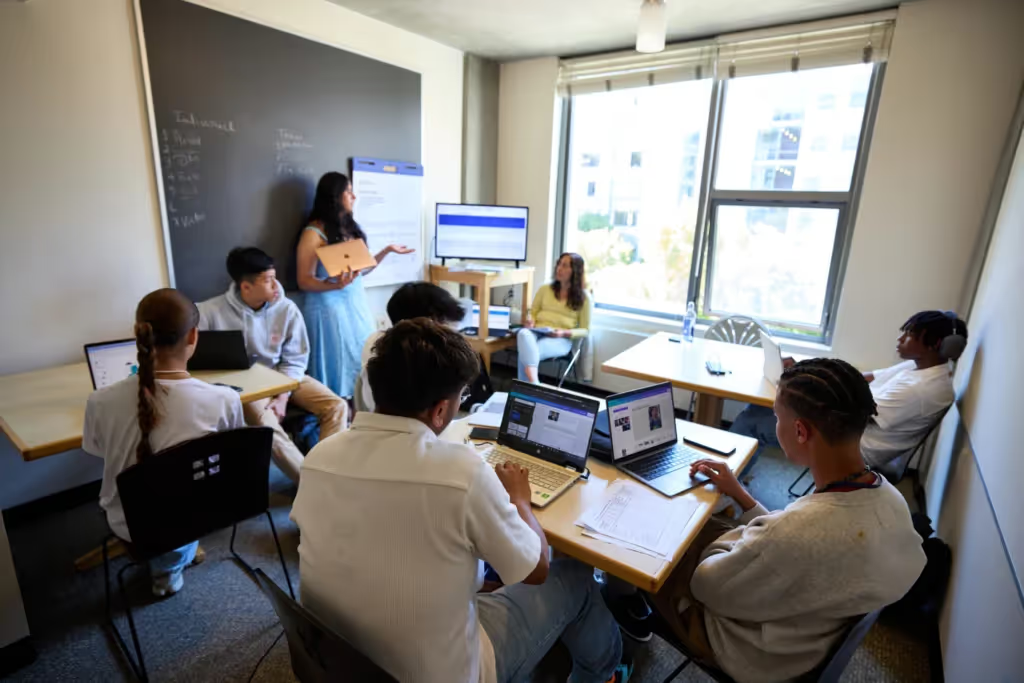
ChemX gives you a residential introduction to university-level chemistry through extensive laboratory work and faculty-led instruction. You'll practice core chemistry techniques, explore pharmaceutical teaching labs, gather and analyze samples, and use laboratory equipment commonly employed in research and industry.
The program also introduces you to interdisciplinary applications of chemistry while highlighting ongoing research at the University of Waterloo. If you're considering chemistry, biochemistry, pharmaceuticals, materials science, or related STEM fields, ChemX provides an immersive preview of university-level study.
Why it stands out: It immerses Grade 11 and 12 students in a genuine university experience by allowing them to stay on campus and conduct hands-on, university-level experiments in Waterloo's teaching labs alongside science faculty and current undergraduates.
7. University of British Columbia (UBC) – Future Global Leaders (On-Campus)
Location: University of British Columbia, Vancouver, British Columbia
Cost/Stipend: Canadian students: CAD $1,940–$2,110 CAD; International students: CAD $2,620–$2,855; Residence add-on: CAD $2,650 CAD; bursaries are available
Acceptance rate/cohort size: Selective; the exact cohort size is not published
Dates: Session 1: July 6–17; Session 2: July 20–31; Session 3: August 3–14
Application Deadline: June 15th (Session 1), June 29th (Session 2), or July 13rd (Session 3)
Eligibility: High school students aged 15–18 who have completed Grade 10 or equivalent; open to international students
UBC Future Global Leaders lets you experience first-year university academics while living on campus for two weeks. You can choose from courses and mini schools spanning engineering, business, health sciences, psychology, law, climate science, creative writing, and more, all taught by UBC professors and affiliated instructors.
Alongside academics, you'll participate in university preparation workshops, social activities, and residence programming that provide a realistic introduction to campus life. If you're looking for a residential pre-university experience that combines academic exploration with student life at one of Canada's leading universities, this is a strong option.
Why it stands out: It offers high school students an authentic preview of university life by allowing them to live on campus and explore first-year-level subjects taught by UBC instructors, all without the pressure of exams.
8. University of Toronto – CREATE: Engineering Design Challenges
Location: University of Toronto, St. George Campus, Toronto, Ontario
Cost: Domestic: CAD $732/week; International: CAD $1,111/week + application fee of CAD $50–$60; optional residence cost is $1875 per week
Acceptance rate/cohort size: Selective; application-based; cohort size dependent on course capacity
Dates: Weekly sessions from July 6th – August 21st; residence options available for Session A: July 5–11 and Session D: July 26th – August 1st
Application Deadline: Rolling applications
Eligibility: Students entering grades 9–12; must have completed at least one year of high school and the required math/science courses for their grade level; open to international students
CREATE introduces you to engineering through week-long, project-based courses that mirror disciplines within the University of Toronto's Faculty of Applied Science & Engineering. You'll complete laboratory activities, engineering design challenges, site visits, and hands-on projects while working with current undergraduate and graduate student mentors.
You can register for multiple one-week courses to explore different engineering fields over the summer. You can choose the optional U of T Engineering Outreach Summer Residence Program to live on campus with supervised residence staff, dine in university housing, and participate in evening recreational activities, making it possible to experience CREATE as an overnight summer program.
Why it stands out: It offers high schoolers an immersive, hands-on opportunity to tackle real-world problems using the Engineering Design Cycle, all while being mentored by current university students and engaging with cutting-edge research.
9. University of Toronto – DEEP Summer Academy
Location: University of Toronto, St. George Campus, Toronto, Ontario
Cost: Domestic students: CAD $732/week; International students: CAD $1,111/week + application fee of $50–%60; optional on-campus Summer Residence: CAD $1,875/week
Acceptance rate/cohort size: Selective; application-based; cohort size is not publicly disclosed
Dates: July 6th – August 14th; residence options available for Session A: July 5–11 and Session D: July 26th – August 1st
Application Deadline: Round 1: March 23rd; Round 2: April 13th
Eligibility: Students in grades 9–12; grades 9/10: completed grade 9 math and science courses by June; grades 11/12: completed grade 11 math and science courses by June; open to international students
DEEP (Da Vinci Engineering Enrichment Program) is an application-based summer program for high school students interested in engineering research and advanced STEM topics. You can choose from multiple week-long courses taught by current master's, PhD, and undergraduate students, covering engineering, technology, and applied science concepts that extend beyond a typical high school curriculum.
The coursework combines lectures with problem-solving activities to introduce university-level engineering research and emerging technologies. This makes DEEP one of the few university-hosted Canadian engineering programs where you can combine rigorous academics with a residential campus experience.
Why it stands out: It provides highly motivated high school students with the rare opportunity to explore cutting-edge, graduate-level engineering and science concepts taught directly by current Master's and PhD researchers.
10. Renison University College, University of Waterloo – Future Ready - Summer Experience for High School Students (15 - 17 years)
Location: Waterloo, Ontario
Cost: CAD $4,150 international, CAD $3,500 domestic; CAD $35 application fee
Acceptance rate/cohort size: Selective; historical 2025 inaugural cohort: 20 students
Dates: July 6–17
Application Deadline: March 8th
Eligibility: High school students ages 15–17 at program delivery; minimum B2 CEFR English; open to international students
In this program, you explore major global challenges through interdisciplinary study while experiencing university life at Waterloo. You analyze issues linked to the Sustainable Development Goals, use design thinking to develop possible solutions, conduct academic research, and collaborate on a capstone project.
You also join lectures, simulations, workshops, labs, and tours spanning entrepreneurship, engineering, international relations, science, and sustainability. The program combines 50 hours of classroom programming with on-campus residence, cultural activities, and off-campus excursions. You build critical thinking, communication, teamwork, leadership, research, and presentation skills. You finish by delivering a capstone presentation and receive a personalized evaluation and certificate of completion.
Why it stands out: It combines interdisciplinary problem-solving across Waterloo’s academic ecosystem with a supervised residential university experience for Canadian and international high school students.
11. University of King's College – Humanities for Young People (HYP)
Location: Halifax, Nova Scotia
Cost: $1,650; financial aid is available
Acceptance rate/cohort size: Selective; 40 students
Dates: July 4–12
Application Deadline: Rolling basis until all program seats are filled
Eligibility: Secondary school students ages 15 to 17; open to international students
In this program, you experience a residential immersion into Canada's pre-eminent great books curriculum. You grapple directly with primary texts ranging from ancient epics and religious writings to foundational works in philosophy, literature, and politics. During morning sessions, you attend challenging lectures led by university experts who unravel the complexities of human creation and thought.
In the afternoons and evenings, you participate in small group tutorials, co-curricular workshops, and cultural field trips around Halifax to deepen your understanding. You live entirely on campus with a small cohort of passionate peers, building a comprehensive cultural map by tracing historical developments in art, music, architecture, and science.
Why it stands out: It provides high school students with an authentic preview of the university's Foundation Year Program, combining rigorous primary-text analysis with a highly engaged residential learning community.
Join the Immerse Education 2027 Essay Competition
Follow the instructions to write and submit your best essay for a chance to be awarded a 100% scholarship.
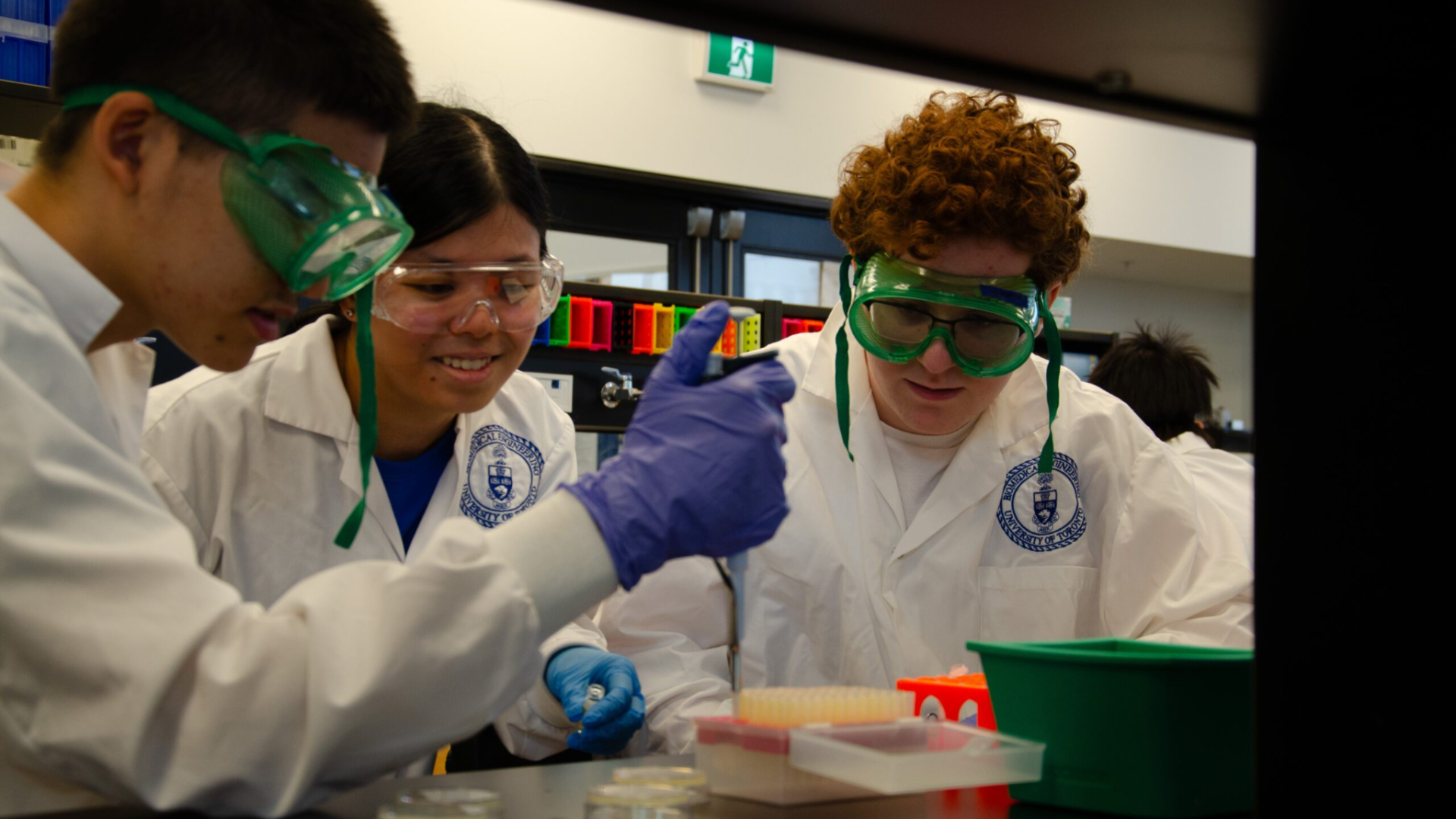
12. University of Toronto Faculty of Applied Science & Engineering / Engineering Outreach – Blueprint
Location: Toronto, Ontario
Cost: None; optional residence CAD $1,875/week
Acceptance rate/cohort size: Highly competitive; limited cohort size
Dates: July 6–31
Application Deadline: April 12th
Eligibility: Canadian citizens or permanent residents; self-identify as Black; Grades 10–11; not open to international students
In this program, you explore engineering through four weeks of in-person study focused on design, innovation, and real-world problem solving. You take two engineering-focused courses, participate in labs and hands-on activities, and engage with current research discussions. You learn the Engineering Design Process and apply it to developing solutions for practical challenges.
Courses are taught by master's and doctoral students, with undergraduate engineering students serving as mentors. You also join excursions and community-building activities, with an optional supervised summer residence available on campus for an additional fee. After summer, you continue through Prepare or MAPS sessions focused on leadership, soft skills, university preparation, and post-secondary planning.
Why it stands out: It combines a free four-week engineering experience for Black Canadian high school students with graduate-led instruction, undergraduate mentorship, and year-long follow-up.
13. Conrad Grebel University College, University of Waterloo – Ontario Mennonite Music Camp (OMMC)
Location: Waterloo, Ontario
Cost: CAD $1,700 regular; CAD $1,500 early bird; case-by-case financial assistance available
Acceptance rate/cohort size: Selective; approximately 40 campers
Dates: August 16–28
Application Deadline: August 1st
Eligibility: Students who have finished grades 6–12; all musical experience levels accepted; no faith background required; open to international students
In this camp, you develop your musicianship through an intensive two-week residential camp combining music instruction with traditional camp life. You participate in daily choir rehearsals, instrument-based master classes, individual practice, and musical-theatre rehearsals. You can strengthen ensemble performance, four-part harmony, improvisation, composition, and other musical skills appropriate to your experience level.
You prepare music for a local church service and a final concert that includes group and individual performances and a full musical developed during camp. Professional musicians also perform for campers throughout the program. You live in campus residence while joining recreation, campfires, chapel activities, workshops, and community-building events.
Why it stands out: It combines focused music training and public performance opportunities with a two-week residential university-campus experience.
14. University of Calgary Active Living – Backpacking Expeditions - Teens
Location: Kananaskis, Alberta
Cost: CAD $425
Acceptance rate/cohort size: Open admission; cohort size not stated
Dates: July 21–23; August 11–13
Application Deadline: Rolling/Until filled
Eligibility: Students entering grades 9–12; required pre-trip meeting with a caregiver; open to international students
In this program, you take part in a multi-day backcountry camping and hiking expedition in Kananaskis. You learn route-finding and navigation while moving through mountain terrain with experienced hiking guides. You also practice backcountry cooking, campsite management, and animal-safety skills as part of daily expedition life.
Before departure, you attend a required pre-trip meeting with a caregiver to review equipment requirements and plan meals, with food not included. The experience develops practical outdoor judgment, self-reliance, teamwork, and confidence in backcountry settings. The camp is designed for teens in Grades 9–12 and offers both beginner and intermediate expedition options.
Why it stands out: It gives high school students a genuine multi-day overnight backcountry experience while teaching practical navigation, camping, cooking, and wilderness-safety skills.
15. University of Calgary Active Living – Teen Canoe Expedition
Location: Alberta, Canada
Cost: CAD $500
Acceptance rate/cohort size: Non-competitive; 10–15 students per trip
Dates: July 14–16; July 21–23
Application Deadline: First-come, first-served until all places are filled
Eligibility: Students in grades 9–12; open to international students
In this program, you immerse yourself in an outdoor adventure designed to build fundamental water navigation and wilderness travel skills. Operating within Alberta's pristine lakes and rivers, you work directly under the guidance of seasoned canoe instructors. Throughout the journey, you practice essential on-water techniques while developing a deeper appreciation for the province's natural landscapes.
Under the supervision of experienced guides, you learn specific paddle strokes, water safety rules, and proper equipment packing methods for a multi-day trip. You actively apply these concepts in real-time by securing your own gear and navigating various aquatic conditions. This immersive expedition environment fosters peer collaboration and resilience, ensuring you create lasting memories while mastering backcountry fundamentals.
Why it stands out: It provides high school students with a structured multi-day wilderness experience that directly teaches practical paddle mechanics and backcountry packing techniques in natural Alberta environments.
Frequently asked questions: Overnight Summer Camps in Canada for High School Students
What is the difference between an overnight camp and a day camp in Canada?
An overnight camp means you live on site for the duration of the program, sleeping in residence halls, cabins, or dorms, rather than going home each evening. This gives you a fuller experience of independence, community living, and evening or weekend programming that day camps do not offer. Many Canadian overnight options for high schoolers are based on university campuses, so you also get a preview of dorm life. Session lengths vary from a few days to several weeks depending on the program you choose.
How much do overnight summer camps in Canada cost?
Cost depends mainly on program length, location, and whether the camp is university affiliated or independently run. Week long options tend to sit in the low hundreds of Canadian dollars, while multi week academic or research focused programs can run into the thousands. Many providers offer a residential add on as a separate fee from the core tuition. Need based bursaries or scholarships are common, so it is worth checking eligibility before assuming a program is out of reach.
What age do you need to be to attend an overnight summer camp in Canada?
Most overnight programs for high schoolers accept students roughly aged 14 to 18, though some open enrollment as young as grade 9 or as broadly as grade 6 through 12 depending on the camp. You should always confirm the exact grade or age cutoff for your chosen program, since requirements differ by institution. Immerse Education's Pre-University Summer School, for example, accepts students aged 13 to 18 currently enrolled in middle or high school. Checking eligibility early avoids disappointment during the application process.
Can international students attend overnight summer camps in Canada?
Yes, the majority of overnight summer camps in Canada welcome international applicants alongside domestic students. Some programs list a higher tuition rate for international students to reflect visa and logistics costs, so check the fee structure carefully. You may also need to budget for flights, travel insurance, and any required English proficiency level, since a few camps set a minimum language threshold. Confirming visa requirements well ahead of your travel dates is worth doing early in the process.
Are financial aid or scholarships available for overnight summer camps in Canada?
Yes, many Canadian overnight camps offer need based bursaries, early bird discounts, or limited full scholarships, though availability and eligibility criteria vary widely by program. Some awards are restricted to Canadian citizens or specific equity groups, while others are open to international applicants too. Immerse Education runs a bursary programme for eligible students applying to its Pre-University Summer School. It is worth applying early, since scholarship spots are usually limited and awarded on a rolling or competitive basis.
What should you pack for an overnight summer camp in Canada?
Pack according to the specific program's activities, since an academic campus stay and a wilderness expedition camp need very different kits. Most programs send a packing list covering bedding or a sleeping bag, weather appropriate clothing, toiletries, and any subject specific gear once you're accepted. Outdoor or backcountry camps often require sturdy footwear and layered clothing for changing conditions, while campus based academic programs may only need casual and semi formal outfits. Always check your specific camp's list rather than assuming one packing approach fits every program.
Building your study abroad path one summer at a time
Spending two weeks at one of the best overnight summer camps in Canada gives you a genuine early taste of independent living before university begins.
You'll navigate unfamiliar campus routines, share meals and labs with peers from other countries, and discover how quickly independence starts to feel genuinely natural.
That comfort matters, because living away from home is exactly what studying abroad later on will ask of you again, just on a larger scale.
When you're ready to plan further ahead, explore Immerse's Study Abroad blogs for detailed guidance on choosing programmes, destinations, and practical next steps.







Unlock Inspiring Opportunities with the Immerse Education Newsletter
Join our newsletter to stay ahead with exclusive updates, exciting programme highlights, and expert insights from the world of immersive education.
Learn how Immerse can transform your life
An in-depth overview of our university and career preparation programmes
Get a glimpse into the life of an Immerse participant
Find the right programme for you with sample timetables, location showcases, and more