15 Engineering Work Experience Opportunities for Year 12 Students

TL;DR
On this page, you’ll find 15 engineering placements and research programmes for Year 12 students, from UK schemes at Imperial and British Airways to US labs at Johns Hopkins APL and MIT. Most UK options are funded outreach schemes for state school students, while many US programmes require US citizenship or local residency. RSI, one of the most selective, takes 100 students at MIT and is adding 50 places at Stanford in 2027. Immerse Education’s Career Insights pathway in Engineering also runs for two weeks in London and Tokyo for ages 15 to 18.
If you’re in Year 12 and thinking about engineering, you might already wonder what engineers actually do between the equations, whether that’s testing a prototype, analysing data, or keeping an aircraft safe to fly. Engineering work experience lets you find out before you commit to a degree or apprenticeship. Depending on the programme, you could join a research project at Johns Hopkins APL, spend two weeks on a live research question with a UK host organisation, or explore engineering at British Airways’ Heathrow base.
Many of these programmes are run by universities, national laboratories, and engineering employers, so you’ll often work alongside researchers, engineers, and current students. Time with people already working in engineering can give you an honest sense of the skills, qualifications, and day-to-day problems the career involves.
How do you choose the right engineering work experience opportunities for Year 12 students?
Start with eligibility, since it rules out more programmes than anything else. Many US research internships, including APL’s ASPIRE and Princeton’s Laboratory Learning Program, require US citizenship and local residency, while UK schemes like Imperial’s Year 12 programme are built for students at UK state schools. Check these rules first, so you spend your time on applications you can actually submit.
Then think about the kind of experience you want. Some programmes put you in a lab on a live research question, others give you a few days inside an engineering employer, and a few combine university-level courses with project work. MITES Summer runs for six weeks and Princeton’s program for five to six, while many UK placements last five days to two weeks. For more options across industries, compare these work experience opportunities in the UK for high school students.
15 Engineering Work Experience Opportunities for Year 12 Students
1. ASPIRE Internship at the Johns Hopkins Applied Physics Laboratory (APL)
Location: Johns Hopkins Applied Physics Laboratory, Laurel, Maryland (on-site)
Cost/Stipend: Unpaid internship; no program fee listed
Acceptance rate/cohort size: Highly selective; APL reports an acceptance rate of less than 10% for new students
Dates: All summer, with 30-40 hours a week on-site (2027 dates not yet posted)
Application Deadline: The 2026 application has closed | 2027 dates not yet posted
Eligibility: High school juniors or seniors during the program (rising juniors and seniors can apply), at least 15 by 1st June, with a minimum 2.8 GPA, US citizenship (green card holders are not eligible), and permanent residence in specific Maryland counties, northern Virginia jurisdictions, or Washington, D.C. | Not open to international students
ASPIRE pairs you with APL staff mentors to complete projects, solve problems, and apply technical and interpersonal skills in a professional research environment. The program is an intensive, unpaid internship that requires you to be on-site 30 to 40 hours a week all summer, so it feels much closer to a job than a summer course.
APL looks for hardworking innovators, creative thinkers, and persistent scholars rather than simply the highest GPA or the longest résumé. You’ll need to work independently, communicate with your mentor and other staff, and keep going when a problem doesn’t have an obvious answer. Reliable transport is essential, since APL isn’t accessible by public transit.
Why it stands out: You spend a full summer inside a working research lab, and APL reports that fewer than 10% of new applicants are accepted.
2. Immerse Education's Engineering Summer School
Location: London and Tokyo
Cost: Varies; summer school scholarship available through our bursary programme
Acceptance rate/cohort size: Selective; an average of 7 participants per class
Application Deadline: Multiple cohorts with rolling admissions
Program Dates: 2 weeks during the summer
Eligibility: Students around the world aged 15-18; open to international students
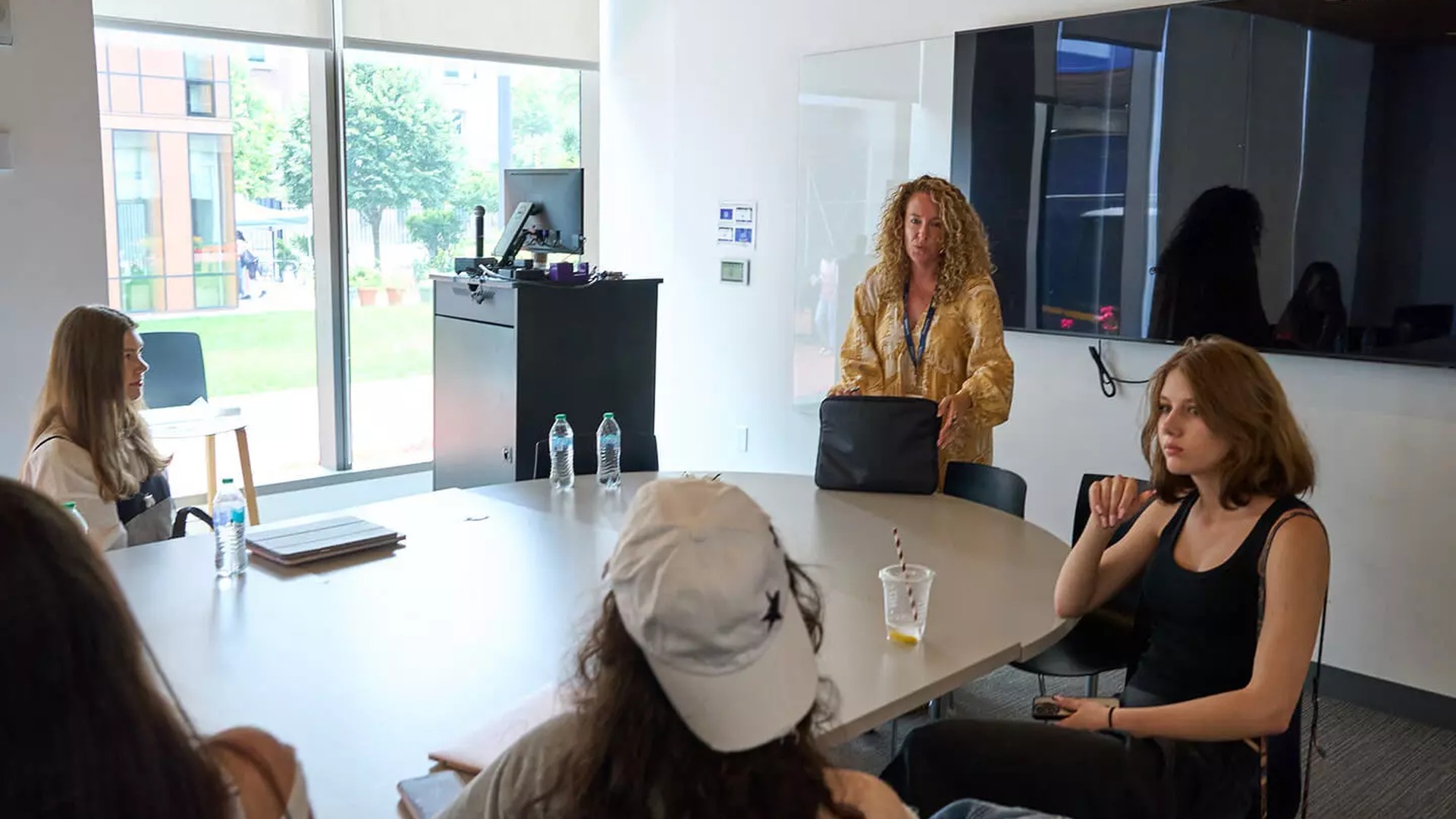
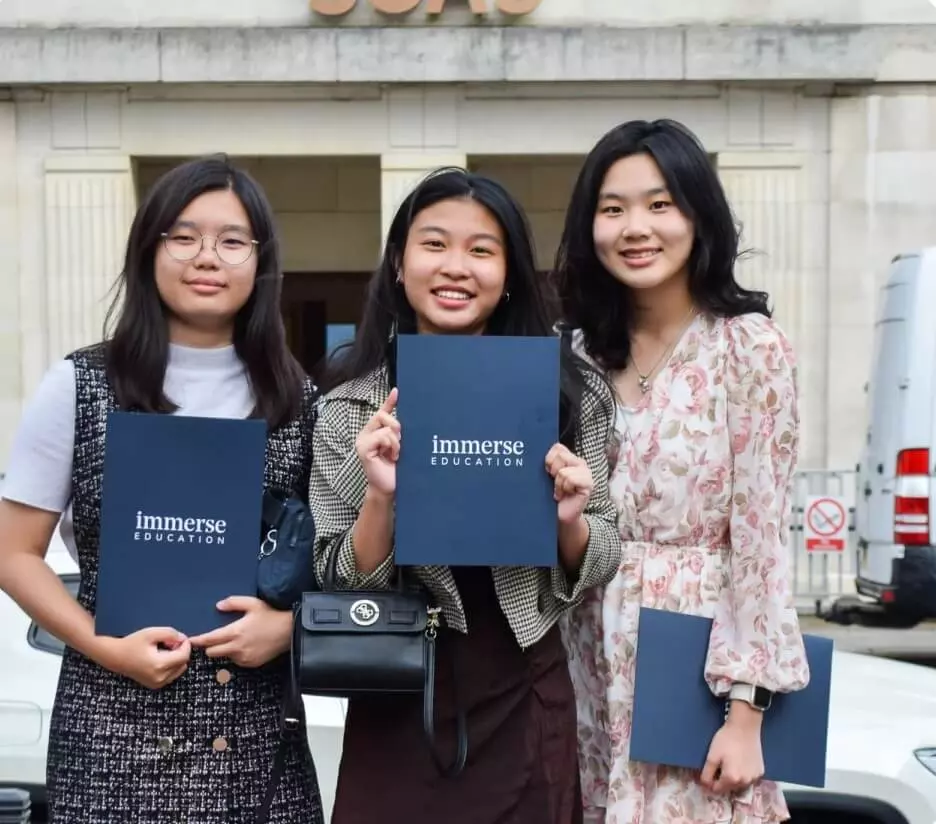
Immerse Education's Career Insights pathway in Engineering gives high school students a two-week look at how engineering works in industry, in London or Tokyo. You're taught by working engineers and industry experts who show how classroom theory translates into real projects. Industry visits put you in front of people working in the field; past London cohorts toured an additive manufacturing bureau at 3D Print UK, watching machines in operation and assembling printed components.
Career Skills sessions cover networking, personal branding, and persuasive communication, and you finish with a career reflection session and a certificate of completion. You'll come away with a clearer sense of whether engineering is the right career for you and what it takes to get there.
Why it stands out: Industry visits and expert-led sessions let you see engineering in a real working environment, not just a classroom.
3. Ladder Internship Program
Location: Remote! You can work from anywhere in the world.
Cost: $3,190, with full and partial financial aid available.
Acceptance rate/cohort size: Selective
Dates: Multiple cohorts throughout the year, including Spring, Summer, Fall, and Winter.
Application Deadline: Ladder runs about six cohorts a year, with start dates in the fall, winter, spring and summer. Applications close about three weeks before each cohort begins. See current deadlines and start dates.
Eligibility: High school students from any country. College and gap year students can apply to Ladder’s University Internship Program.
Ladder Internships is a selective program that places high school students in remote internships with startups. Host companies span industries from AI and machine learning, technology and software to healthcare and biotech, finance and fintech, engineering, environmental science and consulting (explore the options). Interns work closely with a coach at their host company on a real project and present the final work to the company at the end of the program. Apply here.
Why it stands out: You work one-on-one with a manager at a high-growth start-up and present your finished project to the company, all remotely and in just eight weeks.
4. Princeton University Laboratory Learning Program
Location: Princeton University, Princeton, New Jersey (in person; non-residential)
Cost/Stipend: Free; no participation fee | Housing and transport are not provided
Acceptance rate/cohort size: Highly selective; more than 3,000 applications a year in recent years
Dates: Typically 5-6 weeks during summer office hours, with schedules set by each research group
Application Deadline: 2027 applications open 15th February 2027 (2026 applications closed 15th March 2026)
Eligibility: US citizens aged 16 or older by 15th June who attend a local New Jersey high school (green cards and permanent residency are not accepted) | Not open to international students
The Laboratory Learning Program places local New Jersey high school students in ongoing science and engineering research at Princeton, closely supervised by faculty and research staff. Projects change each year depending on which faculty sign up, and you can indicate up to two research opportunities of interest in a single application.
All projects are in person during normal business hours, with no evening or weekend activities and no virtual options. You’ll complete safety training before starting lab work and submit a two-page research summary covering your question, methods, data, and conclusions by 21st August. The program isn’t a summer camp, so it suits you if you want a focused lab placement close to home.
Why it stands out: You join an active Princeton research group for five to six weeks and write up your own research summary at the end.
5. Research Science Institute (RSI)
Location: Massachusetts Institute of Technology, Cambridge, Massachusetts | A second site at Stanford University is being added in 2027
Cost/Stipend: Free
Acceptance rate/cohort size: Highly selective; 100 students at MIT each summer, with 50 additional places at Stanford in 2027
Dates: Summer 2027 (exact dates not yet posted)
Application Deadline: 11th December 2026, 11:59 p.m.
Eligibility: Students about to enter their final year of high school, typically applying midway through junior year (seniors are not eligible) | US citizens and permanent residents apply directly to CEE, while international students apply through their own country’s selection process if their country participates
The Research Science Institute is a cost-free summer science and engineering program that combines on-campus coursework with off-campus research. You start with a week of intensive STEM classes with accomplished professors, then spend five weeks on an individual research project under the guidance of experienced scientists and researchers.
You’ll read current literature in your field and carry out a detailed research plan, experiencing the full research cycle from start to finish. In the final week, you’ll prepare conference-style written and oral presentations on your findings. Applications include essays, two teacher recommendations, a transcript, and standardised test scores, with CEE recommending strong PSAT or ACT maths and verbal scores.
Why it stands out: You experience the full research cycle at MIT, from reading the literature to presenting conference-style findings, and international students can apply through their own country.



6. AEOP High School Internships
Location: Army research labs and partner university labs across the US
Cost/Stipend: Free to participate; all interns earn an educational stipend, with the amount varying by location and program length
Acceptance rate/cohort size: Highly competitive; cohort size varies by site
Dates: Summer; dates vary by site
Application Deadline: Varies by site
Eligibility: Current high school students who are US citizens or permanent legal residents; some sites set extra age, grade, or coursework requirements, and some internships are designed for priority populations | Internships are designed for commuters, so housing, meals, and transport aren’t provided | Not open to international students
AEOP High School Internships let you work with Army research labs and partner labs at universities on research in fields such as cybersecurity, energetics, biology, and materials science. You’ll conduct research alongside a qualified mentor in a professional facility while building technical and professional skills.
To apply, you create an AEOP account, upload your résumé and/or transcript, and choose locations you could realistically commute to. Each site sets its own requirements, so it’s worth checking age, grade, and prerequisite coursework carefully before you select a lab. Completing an internship also makes you part of AEOP’s wider alumni network.
Why it stands out: You’re paid an educational stipend to work on Army-sponsored research with a mentor, at labs spread across the country.
7. University of Toronto’s Blueprint Engineering Program
Location: University of Toronto, St. George Campus, Toronto, Ontario, Canada
Cost/Stipend: Free; program costs are covered by U of T Engineering | Travel and accommodation aren’t included, though modest travel bursaries are available for those who qualify
Acceptance rate/cohort size: Not specified
Dates: 5-30 July 2027, Monday to Friday, followed by biweekly events from October 2027 to February 2028 and graduation in March 2028
Application Deadline: Applications opened 2nd November 2026 and close 29th March 2027
Eligibility: Canadian citizens or permanent residents who self-identify as Black and are currently in Grades 10 or 11 | Not open to international students
Blueprint is a year-long engineering program for Black high school students, starting with four weeks of in-person summer programming at U of T. You’ll take two engineering-focused courses taught by Master’s and Doctoral students, with undergraduate engineering students as mentors, and use the Engineering Design Process to develop solutions to practical problems.
Past courses have included Robotics and Mechatronics, where students designed, built, programmed, and tested robots, and Engineering and Human Health. After the summer, Grade 11 students join Prepare for leadership and skills development, while Grade 12 students join MAPS for guidance on university applications. You’ll receive a certificate of completion at the end of the year-long program.
Why it stands out: You get four weeks of engineering courses in Toronto, then stay connected through the school year with sessions on leadership and university applications.
8. Texas Tech University’s Anson L. Clark Scholars Program
Location: Texas Tech University, Lubbock, Texas
Cost/Stipend: No program fee; on-campus room, board, and meals are provided | $25 application fee | $750 stipend after you complete a successful research project report
Acceptance rate/cohort size: Highly selective; 12 scholars each summer
Dates: 20th June - 5th August 2027
Application Deadline: 2027 deadline not yet posted
Eligibility: Rising high school seniors and recent high school graduates who are at least 17 by the program start date | US citizens or permanent residents | Not open to international students
The Clark Scholars Program is an intensive seven-week summer research program for 12 highly qualified students at Texas Tech University. You’ll work on a research project with an experienced faculty mentor, with research areas listed on the program site each year.
Weekly seminars and social activities, including weekend programming, run alongside your project. You’ll finish by submitting a research project report, which earns you the $750 stipend. Living on campus for seven weeks also gives you a realistic feel for university life while you manage an extended project.
Why it stands out: With only 12 places, you get seven weeks of faculty-mentored research, with room and board covered.
9. Ontario Tech University: Connected Engineering: Innovate and Accelerate
Location: Ontario Tech University, Oshawa, Ontario, Canada
Cost/Stipend: Free; registration required
Acceptance rate/cohort size: Not specified
Dates: 29th June - 3rd July 2026 (four days, with 1st July off), 9 a.m. to 4 p.m. | 2027 dates not yet posted
Application Deadline: Registration-based; 2027 details not yet posted
Eligibility: Girls aged 14-17 in high school | International eligibility not specified
Connected Engineering is a four-day, in-person program for high school girls that explores electrical, software, and mechanical engineering through interactive challenges. With a theme inspired by high-performance racing, you’ll design systems, program sensors and lights, create custom parts with 3D modelling tools, and work on team projects.
Along the way, you’ll practise using the Engineering Design Process to solve complex problems, building skills in programming, 3D modelling, and prototyping. The program also highlights why women are essential in engineering, including in traditionally male-dominated fields like Formula 1.
Why it stands out: In four free days, you’ll try electrical, software, and mechanical engineering through a racing-themed team project.
10. STEM Learning Research Placements and Experiences (formerly Nuffield Research Placements)
Location: UK host organisations, including universities, research centres, and companies
Cost/Stipend: Free; placements are funded by STEM Learning’s partners
Acceptance rate/cohort size: Over 1,000 students were matched to a placement in 2021
Dates: July and/or August after Year 12 | Research Placements last two weeks; Experience Placements last five days
Application Deadline: Varies by region; check STEM Learning’s student page
Eligibility: Year 12 (or equivalent) students in the UK, with all participants from low-income backgrounds or the first in their family to attend university | International eligibility not specified
Formerly known as Nuffield Research Placements, this programme places Year 12 students at the heart of a UK host organisation for a structured workplace experience. On a two-week Research Placement, you’ll work with a STEM expert on a live research question or area of development and produce a scientific or technical report and poster.
If you’d prefer something shorter, a five-day Experience Placement lets you explore the skills needed for STEM careers with industry experts while completing a workbook and reflective report. Both formats give you concrete examples to use in university and job applications, along with a clearer picture of possible career pathways. STEM Learning now runs the scheme that the Nuffield Foundation funded for more than two decades.
Why it stands out: You contribute to a host organisation’s live work and leave with your own report and poster, at no cost.
11. Imperial College London Y12 Work Experience Programme

Location: Imperial College London, South Kensington, London, UK (non-residential)
Cost/Stipend: Free; the outreach programme is funded by Imperial College London
Acceptance rate/cohort size: Highly competitive; about 20 applications per place in 2025
Dates: 29th June - 3rd July 2026 (2027 dates not yet posted)
Application Deadline: 2026 applications ran from 12th January to 5th March 2026 | 2027 dates not yet posted
Eligibility: Year 12 students at UK state schools, with priority for students from backgrounds under-represented at university and at Imperial | Not open to international students
Imperial’s Year 12 Work Experience Programme gives you an insight into the world of research at one of the UK’s leading STEM universities. Over five days, you’ll join a stream hosted by a department or team, with past streams including Chemical Engineering, biomedical research, and climate and environmental science at the Grantham Institute.
You’ll see how researchers work day to day and get a feel for what studying a STEM subject at university involves. With around 20 applications for every place in 2025, it’s one of the most competitive free programmes on this list.
Why it stands out: You spend a week inside an Imperial research department, with streams ranging from chemical engineering to climate science.
Join the Immerse Education 2027 Essay Competition
Follow the instructions to write and submit your best essay for a chance to be awarded a 100% scholarship.
12. British Airways Work Experience Placements
Location: British Airways, Heathrow, London, UK
Cost/Stipend: No fee or stipend listed
Acceptance rate/cohort size: Not specified
Dates: Placements usually last three to five days and run throughout the school year
Application Deadline: Applications open three times a year, in September, January, and April
Eligibility: Students in Year 10/S4 and above, usually after attending a British Airways Insight Day | You must hold a valid UK passport and be able to travel to Heathrow, so placements are not open to international students
British Airways Work Experience Placements let you go behind the scenes in one area of the airline, with Engineering one of three options alongside Business and Airport Operations. Before applying, you’ll complete the “Introduction to” project for engineering on British Airways’ student platform, Speedbird-Z, and upload it with your application.
Placements include activities, tours, employability sessions, and project work, and you can only apply for one programme. Insight Days, which come first for most students, can include a visit to the engineering hangar to see how teams keep aircraft safe. After your placement, you can also apply for the Inspire Student Ambassador Programme.
Why it stands out: You see aircraft engineering up close at a major airline and complete a pre-application engineering project to earn your place.
13. SPARK Summer Mentorship Program
Location: Greater Seattle area, Washington
Cost/Stipend: The application asks for a payment receipt; the amount isn’t listed on the homepage
Acceptance rate/cohort size: Not specified; mentors make the final selection
Dates: Summer; time commitments are set by each mentor
Application Deadline: Projects are announced in March, applications are due in April, and selections are made in May - June
Eligibility: High school students in grades 9-12 who are US citizens or permanent residents (students on H4 or F1 visas aren’t currently accepted) | Not open to international students
SPARK is a volunteer-run program that has connected high school students in the Greater Seattle area with mentors for more than 10 years. Mentors from startups, established companies, and academia define each project’s scope, qualifications, and time commitment, and you can apply to more than one project.
Your application includes a student profile, transcripts, essays, and a signed consent form, and mentors interview candidates before choosing their mentees. Past students have worked on projects involving machine learning and new technologies, and one mentor reported a student’s summer work being accepted at an IEEE conference.
Why it stands out: You can apply for several mentor-designed projects across industry and academia, with some past work reaching an IEEE conference.
14. MIT Introduction to Technology, Engineering & Science (MITES) Summer
Location: Massachusetts Institute of Technology, Cambridge, Massachusetts (residential)
Cost/Stipend: Free; all program costs, including room and board, are covered | You pay only for travel to and from MIT
Acceptance rate/cohort size: Selective; cohort size not specified
Dates: Six weeks, from late June to early August
Application Deadline: You apply online during the fall of your junior year; check the MITES site for the current deadline
Eligibility: High school juniors who are US citizens or permanent residents | Not open to international students
MITES Summer is a six-week, on-campus program at MIT where you take five courses: math, life sciences, physics, a humanities course, and a project-based elective. Past electives have included Engineering Design, Electronics, Machine Learning, Architecture, and Genomics.
You’ll also tour MIT labs and local companies that employ MITES alumni, join seminars with STEM professionals, and get college admissions counselling. At the end, each instructor writes you an evaluation of your strengths and contributions, which many students submit with their college applications. Expect a demanding schedule, with classes from 9 a.m. to 5 p.m. on weekdays plus homework, midterms, finals, and final projects.
Why it stands out: You get a semester’s worth of MIT coursework in six weeks, plus lab tours and a written instructor evaluation, at no cost.
15. UChicago DSI Summer Lab
Location: University of Chicago, Chicago, Illinois
Cost/Stipend: Paid summer research program; pay rate not listed on the main program page
Acceptance rate/cohort size: Not specified
Dates: Eight weeks; 15th June - 7th August 2026 (2027 dates not yet posted)
Application Deadline: The 2027 application is expected this fall
Eligibility: Chicago-area high school students who live in the Chicago area year-round (the program is also open to undergraduates); no prior research experience required | Not open to students outside the Chicago area
The DSI Summer Lab is an immersive eight-week paid research program where you’re paired with a data science mentor at the University of Chicago. Mentors work in fields including computer science, climate and energy policy, public policy, materials science, and biomedical research, so your project could look very different depending on your match.
You’ll build your skills in research methods and teamwork as part of a cohort that also includes undergraduates. No prior research experience is required, which makes it a strong option if you’re new to research but want a paid summer project.
Why it stands out: You’re paid to work on an eight-week data science research project with a UChicago mentor, with no prior research experience needed.
Frequently asked questions: Engineering Work Experience Opportunities for Year 12 Students
How do you get engineering work experience in Year 12?
In the UK, the most reliable route is a structured scheme with a set application window, such as STEM Learning’s Research Placements and Experiences or Imperial College London’s Year 12 Work Experience Programme. Both are aimed at state school students, and STEM Learning’s placements are for students from low-income backgrounds or who would be the first in their family to attend university. Employers like British Airways also run engineering placements, usually after you attend an Insight Day. For more options, browse these engineering internships in the UK for high school students.
When should you apply for engineering work experience in Year 12?
You should start looking in the autumn of Year 12, since several deadlines fall early in the school year. RSI’s deadline is 11th December 2026, and U of T’s Blueprint opened on 2nd November 2026 with a deadline of 29th March 2027. Princeton’s Laboratory Learning Program opens on 15th February 2027, and Imperial’s 2026 window ran from January to early March. British Airways opens placement applications in September, January, and April, so you have several chances across the year.
Can international students do engineering work experience?
Most programmes on this list are limited to domestic students, since they require US citizenship, UK state school attendance, or local residency. Johns Hopkins APL and Princeton accept US citizens only, while Imperial’s programme is for students at UK state schools. RSI is a notable exception, with international students applying through their own country’s selection process. Immerse Education’s Career Insights pathway in Engineering in London and Tokyo is also open to students aged 15 to 18 from around the world, with a bursary programme to help with costs.
Are engineering work experience programmes paid?
Some are, but many are free and unpaid. AEOP interns earn an educational stipend that varies by site, the DSI Summer Lab is a paid eight-week research program, and Clark Scholars receive $750 after completing a successful research report. APL’s ASPIRE is unpaid despite requiring 30 to 40 hours a week on-site. Most UK schemes, including Imperial and STEM Learning’s placements, are free to attend, so check what’s covered before you budget for travel.
What’s the difference between a research placement and engineering work experience?
A research placement usually centres on a single research question, while work experience shows you how an organisation operates day to day. STEM Learning’s two-week Research Placements ask you to tackle a live research question and produce a report and poster, while its five-day Experience Placements focus on the skills employers need. At British Airways, you’ll see engineering inside a working airline instead. If research appeals most, compare these engineering research opportunities for high school students.
Can you do engineering work experience online?
A few options are online, but most engineering placements happen in person, since labs, workshops, and hangars are hard to recreate remotely. Princeton’s Laboratory Learning Program has no virtual projects, and APL requires you to be on-site. Ladder’s 8-week internships with startups, including in engineering, are fully remote. Immerse Education’s Online Research pathway is another route, pairing students aged 13 to 18 one-to-one with a tutor from Oxford, Cambridge, or an Ivy League institution to complete a research paper.
Using Year 12 to explore engineering careers
A few weeks in a lab, workshop, or hangar can show you which kind of engineering problems you’d happily solve every day.
The best engineering work experience opportunities for Year 12 students match your eligibility, so check citizenship, school type, and residency rules before you apply.
Several deadlines fall between December and March, so shortlist programmes now and ask your teachers for references well before applications close.
To see where an interest in engineering could take you after school, explore our Career Exploration blogs on roles, routes, and industries.






Unlock Inspiring Opportunities with the Immerse Education Newsletter
Join our newsletter to stay ahead with exclusive updates, exciting programme highlights, and expert insights from the world of immersive education.
Learn how Immerse can transform your life
An in-depth overview of our university and career preparation programmes
Get a glimpse into the life of an Immerse participant
Find the right programme for you with sample timetables, location showcases, and more