15 High School Pre-Med Research Opportunities
TL;DR
This list rounds up research programs where you can work alongside university faculty and medical professionals on projects in fields like cancer biology and neuroscience. Some are fully funded with stipends up to $4,400, while others charge tuition, and eligibility ranges from state residency rules to open international applications. Most are built for juniors and seniors aged 16 and up, and competition can be fierce: MIT's Research Science Institute accepts fewer than 2.5% of applicants. Immerse Education's Medicine Summer School appears on the list as a two-week option for students aged 13 to 18, with bursary support available.
If you are a high school student thinking about a career in medicine or a related degree, your regular classes might not feel like enough to prepare you. That is a very normal way to feel at this stage in your education. High school biology teaches you the basics, but a pre-med research opportunity is a smart option to consider if you want to advance further than what your high school classes teach you.
Imagine yourself sitting down with a group of people who have worked in this field for the last ten years and learning directly from them. You will spend your time reading old papers and picking up the skills of a researcher as you collect data and see how answers are given. You’ll have a better idea of what research actually involves before you get to college.
Why should I join a pre-med research opportunity?
Getting involved early helps you pull ahead of a normal student because you get to see how actual research is done from start to finish. You figure out how to find scientific papers and read more while you plan experiments, analyze data, and interpret results yourself. You’ll use these skills again in college, whether you continue with research or not.
Having this kind of background gives you a solid edge when it comes time to submit your college applications. You will be able to speak about something substantial that you accomplished rather than just showing your grades to prove you care about medicine. If you’re interested in medicine, you should think about what a career in medicine or adjacent fields looks like.
If you are ready for that, we have put together a list of 15 high school pre-med research opportunities to check out!
15 High School Pre-Med Research Opportunities
1. MIT’s Research Science Institute (RSI)
Location: Massachusetts Institute of Technology, Cambridge, MA
Cost: Free except for an application fee of $75 (fee waiver available)
Acceptance rate/cohort size: Highly selective (< 2.5%)
Dates: 6 weeks, specific dates to be announced
Application Deadline: Typically in mid-December
Eligibility: High school juniors who are at least 16 years of age, and international students are eligible
The MIT Research Science Institute (RSI) is a highly selective, fully funded summer research program that brings together exceptional high school students to conduct university-level scientific research. Students interested in a variety of STEM fields begin with intensive seminars taught by leading professors before spending five weeks working on an independent research project under the mentorship of experienced scientists and researchers.
Throughout the program, you’ll review current scientific literature, develop a research plan, collect and analyze data, and experience every stage of the research process. You conclude the program by preparing a conference-style research paper and delivering a formal oral presentation to communicate your findings, giving you a first look at what doing research at this level is actually like.
Why it stands out: Offers a fully funded opportunity to complete an independent research project while experiencing the entire scientific research process under expert mentorship.
2. Immerse Education’s Medicine Summer School
Location: Cambridge, London, Oxford, Singapore, Sydney, and Toronto
Cost: Varies; summer school scholarship available through our bursary programme
Acceptance rate/cohort size: Selective; an average of 7 participants per class
Application Deadline: Multiple cohorts with rolling admissions
Program Dates: 2 weeks during the summer
Eligibility: Students worldwide aged 13-18 currently enrolled in middle or high school
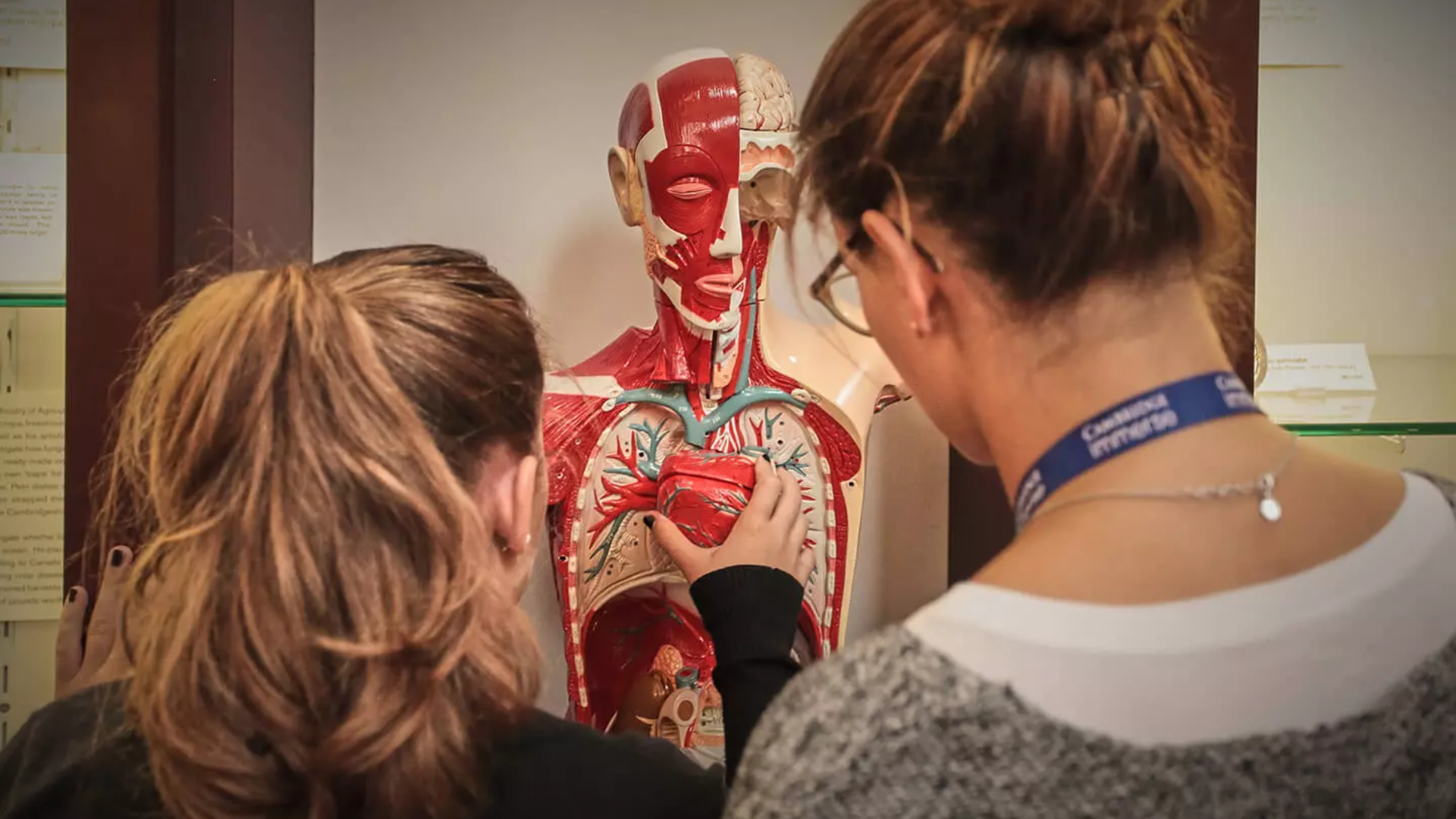
The Immerse Education Medicine Summer School gives high school students an introduction to university-level medicine through academically focused classes and practical learning experiences. You’ll explore the scientific foundations of medicine while developing clinical reasoning, communication, and critical thinking skills through medical simulations, case discussions, and interactive sessions.
Courses are taught by experienced medical practitioners and cover a range of specialties, helping you explore different areas of medicine before applying to medical school. You’ll also receive personalised feedback and guidance to deepen your understanding of the subject and build confidence in your academic abilities. The program is designed to provide an authentic insight into medical education and the expectations of a future medical career.
Why it stands out: Combines university-level medical learning with practical simulations and personalised mentorship from experienced healthcare professionals.
3. Stanford Institutes of Medicine Summer Research Program (SIMR)
Location: Stanford University, Stanford, CA
Cost: $50 application fee, waived for families earning under $80,000. All students receive at least a $500 stipend, with needs-based stipends of $2,500+ available through special grants.
Cohort size: 50 students
Dates: June 8th – July 30th
Deadline: February 21st
Eligibility: High school juniors and seniors who are at least 16 by the start date, currently attend high school in the U.S., and are U.S. citizens or permanent residents.
The Stanford Institutes of Medicine Summer Research Program (SIMR) is an eight-week biomedical research program that gives high school students firsthand experience working in research laboratories at Stanford. You’ll be matched with a laboratory in a research area such as stem cell biology, cancer biology, immunology, neuroscience, bioengineering, or other medically focused disciplines.
Working alongside Stanford faculty, graduate students, and postdoctoral researchers, you’ll learn how research projects are designed, experiments are conducted, data is collected and analyzed, and scientific findings contribute to advances in medicine. The specific laboratory techniques and research activities vary depending on the assigned lab.
Why it stands out: Places students in Stanford research laboratories to work alongside active scientists on real biomedical research projects across multiple medical disciplines.
4. UChicago Medicine’s Research Start Program
Location: Multiple partner institutions in Illinois – primarily the University of Chicago (Chicago), the University of Illinois Urbana-Champaign (Urbana-Champaign), the University of Illinois Chicago, and Northwestern University
Cost: Free
Acceptance rate/cohort size: Selective
Dates: June 15th – August 7th
Application Deadline: January 19th
Eligibility: High school juniors or seniors who are at least 16 years old at the time of application, living in Illinois or Lake County, Indiana
The UChicago Medicine ResearchStart Program is an eight-week summer research internship that places high school students in cancer research laboratories at leading universities across Illinois. Working full-time alongside faculty mentors and research teams, you’ll contribute to projects in areas such as cancer immunology, molecular biology, bioengineering, experimental cancer therapeutics, and cancer disparities while developing practical laboratory and research skills.
Beyond lab work, the program includes workshops on scientific writing, research ethics, pharmacology, career development, and faculty-led seminars covering current advances in cancer research. You’ll also receive ongoing mentorship from researchers and peers throughout the program before presenting your research at a symposium attended by faculty, family, and members of the scientific community.
Why it stands out: Combines full-time cancer research, professional development workshops, and a paid internship with mentorship from leading cancer researchers.
5. Research in the Biological Sciences (RIBS) at the University of Chicago
Location: University of Chicago, Chicago, IL
Cost: $15,200
Acceptance rate/cohort size: Competitive
Dates: June 15th – July 10th
Application Deadline: February 11th (Priority); March 12th (Regular)
Eligibility: Current high school sophomores and juniors. Students must have completed one year of high school biology by the start of the program. International students eligible
The Research in the Biological Sciences (RIBS) program at the University of Chicago is a four-week intensive summer program that immerses high school students in modern biological research. You’ll begin by learning essential laboratory techniques in molecular biology, microbiology, and cell biology before applying these skills to an independent research project in areas such as genetics, developmental biology, or cancer biology.
Most of each day is spent in the laboratory, complemented by lectures, scientific literature discussions, weekly writing assignments, detailed lab notebook maintenance, faculty seminars, and group presentations. Throughout the program, you’ll gain experience in both experimental research and scientific communication, culminating in a formal research forum where you present the results of your independent projects.
Why it stands out: Combines intensive laboratory training with an independent research project and a formal scientific presentation, giving you hands-on experience with how biological research is done.




6. Memorial Sloan Kettering Cancer Center Summer Student Program
Location: Memorial Sloan Kettering Cancer Center, Manhattan, NY
Cost: No cost; $1,200 stipend provided
Acceptance rate/cohort size: Competitive
Dates: June 29th – August 21st
Application Deadline: February 6th
Eligibility: High school students who live in New York, New Jersey, or Connecticut within 25 miles of the Main Campus of Memorial Sloan Kettering Cancer Center on the Upper East Side in Manhattan
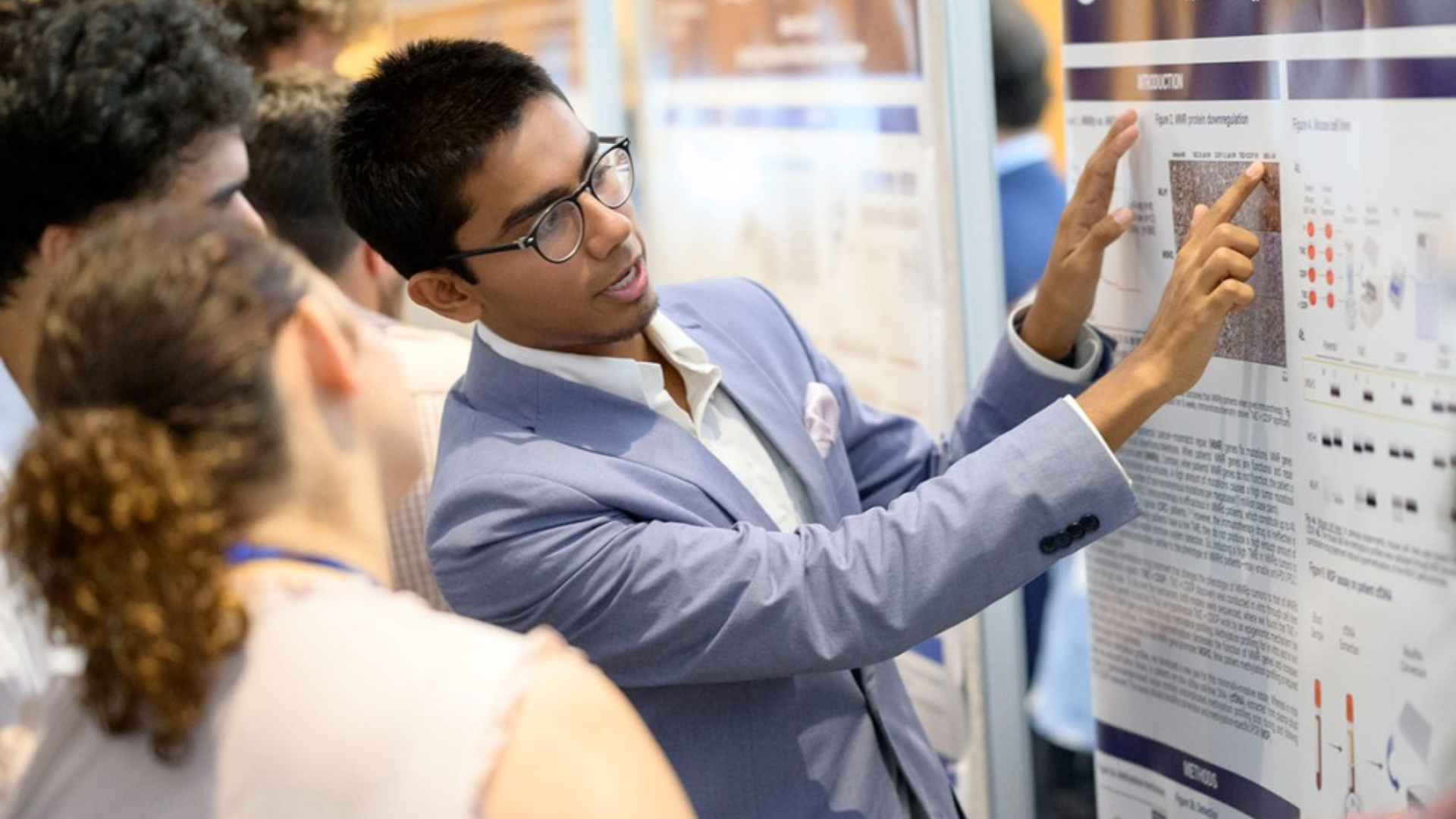
The Memorial Sloan Kettering Cancer Center (MSK) Summer Student Program is an eight-week research internship that allows high school students to work in biomedical or computational research laboratories at one of the world’s leading cancer research institutions. You’ll be paired with a faculty mentor and complete a self-directed research project that contributes to their laboratory’s ongoing work while developing technical research skills through hands-on experimentation and regular laboratory meetings.
You can be placed in research areas including cancer biology, cell and molecular biology, chemistry, computational biology, genomics, engineering, imaging, immunology, pharmacology, drug development, and structural biology. Beyond laboratory research, the program includes professional development sessions, career exploration activities, and seminars that introduce you to translational medicine, clinical research, and the many career paths within biomedical science.
Why it stands out: Combines mentored cancer research with professional development and exposure to a wide range of biomedical and computational research disciplines.
7. Houston Methodist’s High School Emerging Researcher Experience
Location: Houston Methodist Hospital, Texas Medical Center, Houston, TX
Cost: None
Acceptance rate/cohort size: Competitive
Dates: June 8 – July 31st
Application Deadline: January 30th
Eligibility: High school juniors and seniors aged 16 years or older; Minimum 3.5 GPA. U.S Citizens only
The Houston Methodist High School Emerging Researcher Experience is a summer research program that introduces academically strong high school juniors and seniors to translational biomedical research. You’ll work alongside undergraduate research interns in a fast-paced academic environment while receiving mentorship from Houston Methodist faculty.
Each student is assigned a mentor and completes a research project based on the mentor’s area of expertise, learning laboratory techniques and gaining insight into how translational research moves scientific discoveries toward clinical applications. The program also includes career and professional development workshops, seminars, lectures, and networking events that support both academic and personal growth. At the end of the program, you’ll present your research through a formal poster presentation at a research symposium.
Why it stands out: Integrates mentored translational research with undergraduate-level collaboration, professional development, and a symposium showcasing students’ research projects.
8. Child Health Research Internship – Children’s Hospital Colorado
Location: Anschutz Medical Campus, Aurora, CO
Cost: None, $4,400 stipend
Acceptance rate/cohort size: Competitive
Dates: June 1st – July 31st
Application Deadline: February 1st
Eligibility: Colorado resident high school seniors over the age of 18
The Child Health Research Internship at Children’s Hospital Colorado provides high school students with the opportunity to work alongside research teams studying pediatric health. Depending on your assigned project, you’ll contribute to research in areas such as respiratory medicine, developmental science, oncology, and population health while gaining experience with laboratory techniques, data analysis, and scientific literature.
Throughout the internship, you’ll learn how clinical studies involving children and families are designed, observe multidisciplinary research meetings and ethics discussions, and explore how scientific discoveries influence pediatric patient care. The program concludes with a written research summary and an oral, poster, or PowerPoint presentation of each student’s work.
Why it stands out: Offers hands-on exposure to pediatric clinical research while providing opportunities to present research and potentially attend scientific conferences.
9. Magee-Womens Research Institute: High School Summer Internship Program
Location: MWRI or Magee-Womens Hospital, Pittsburgh, PA
Cost: None, $1,800 stipend
Acceptance rate/cohort size: Competitive
Dates: June 15th – July 24th
Application Deadline: Typically closes in February
Eligibility: Current high school sophomores or juniors; over 16 years old by program start; have primary residence in the local southwest Pennsylvania region (Counties: Greene, Fayette, Somerset, Westmoreland, Allegheny, Washington, Beaver, Lawrence, Mercer, Butler, Armstrong, Indiana, and Cambria)
The Magee-Womens Research Institute (MWRI) High School Summer Internship Program introduces high school students to biomedical research focused on women’s health, reproductive biology, fetal development, and infant health. You’ll work on an individual research project under the guidance of MWRI investigators and research staff, gaining experience in basic, translational, or clinical research while learning laboratory techniques, scientific reading, and data interpretation.
Throughout the program, you’ll attend Lunch & Learn sessions where researchers discuss careers in biomedical science and share their professional experiences. The internship concludes with a presentation of your research work to fellow interns, faculty, staff, and guests during the annual High School Internship Presentation Day, helping you develop scientific communication skills alongside research experience.
Why it stands out: Provides mentored research focused on women’s and infant health while combining laboratory experience with career exploration and a formal research presentation.
10. UCSF Summer Student Research Program
Location: University of California, San Francisco, CA (may include remote or hybrid work)
Cost: None; High school students will receive $3,000 as a stipend
Acceptance rate/cohort size: Competitive
Dates: June 15th – July 31st
Application Deadline: Applications are due in February
Eligibility: High school students in grades 10–12 aged 16 years or older; GPA of 3.0 or higher. U.S. citizen or permanent resident. Check more criteria here
The UCSF Summer Student Research Program is an immersive biomedical research internship that places high school students in clinical or basic science research laboratories under the guidance of healthcare providers and researchers. You’ll work one-on-one with a mentor on an active research project while gaining experience in laboratory methods, clinical research, and scientific inquiry.
The program also includes weekly seminars, workshops, journal clubs, mentoring sessions, and enrichment activities that introduce you to biomedical research, clinical practice, and STEM career pathways. Throughout the summer, you’ll develop professional and scientific communication skills before presenting your research through both poster and oral presentations at a formal Research Symposium attended by members of the scientific community.
Why it stands out: Combines one-on-one research mentorship with clinical and laboratory experiences, culminating in a professional research symposium featuring both oral and poster presentations.
11. Max Planck Florida Institute for Neuroscience High School Internship- Neuroscience Track
Location: Max Planck Florida Institute, Jupiter, FL
Cost: No cost; $14/hr stipend
Acceptance rate/cohort size: Competitive
Dates: 6 weeks in summer, typically in June – July
Application Deadline: Typically closes in March
Eligibility: High school juniors and seniors aged 16 years or older from Palm Beach or Martin County
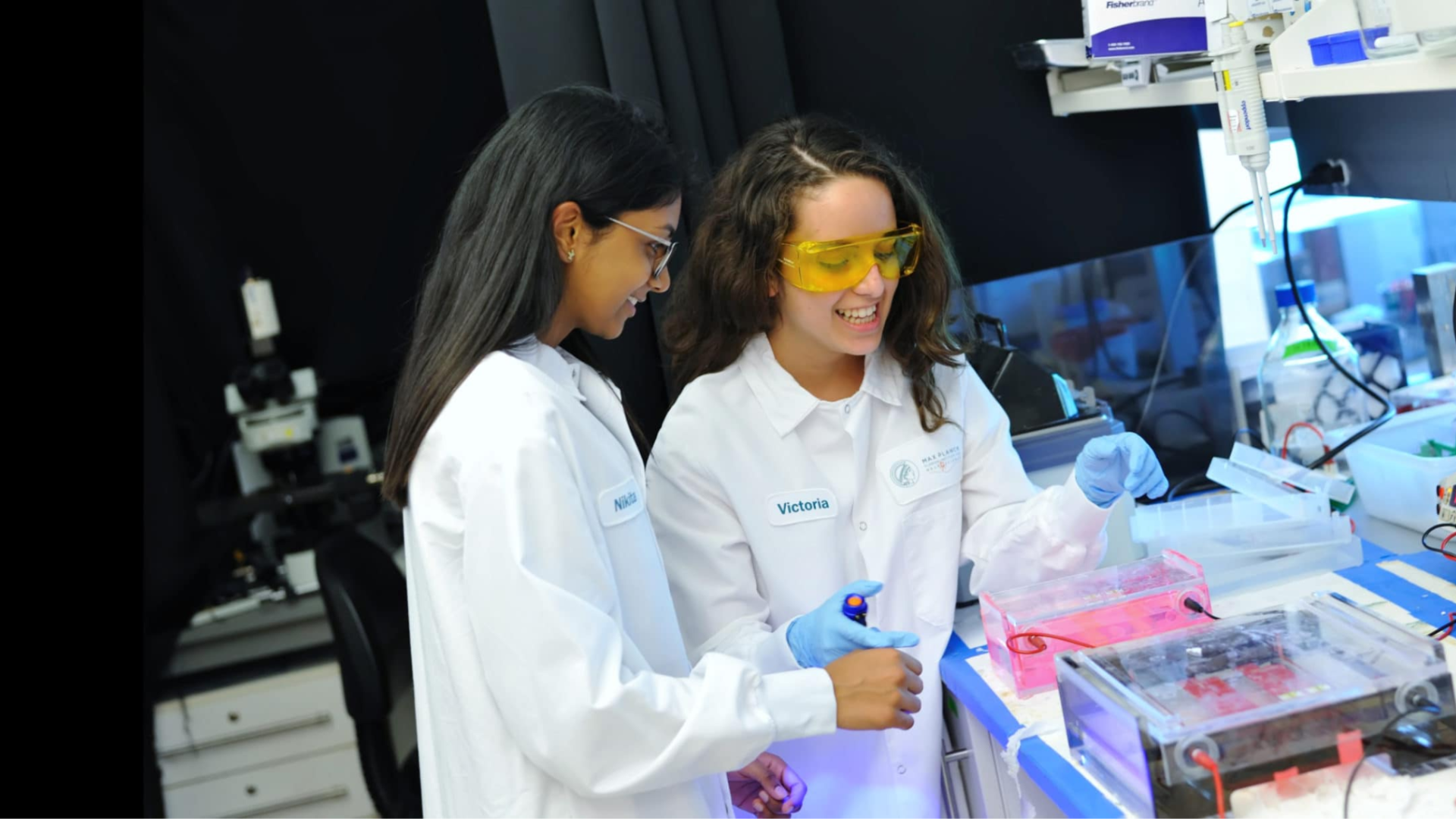
The Max Planck Florida Institute for Neuroscience High School Internship – Neuroscience Track is a six-week summer research internship for high school students interested in neuroscience and brain research. You’ll work alongside Max Planck scientists on laboratory research projects exploring the structure, function, and development of neural circuits while learning advanced research techniques used in modern neuroscience.
The internship provides hands-on experience with laboratory methods such as genetic engineering, microbiology preparation, histological staining, and microscopy, giving you practical insight into how neuroscientists investigate the brain. You will contribute to an active research project, prepare a scientific abstract summarizing your work, and conclude the experience by delivering a presentation on your findings.
For more neuroscience-focused opportunities, have a look at this list of neuroscience research programs.
Why it stands out: Offers immersive neuroscience research experience with hands-on laboratory training and the opportunity to present original research in a professional scientific format.
Join the Immerse Education 2027 Essay Competition
Follow the instructions to write and submit your best essay for a chance to be awarded a 100% scholarship.
12. Biomedical Research Academy – University of Pennsylvania
Location: Penn Arts & Science Campus, Philadelphia, PA
Cost: $10,050 (scholarships available)
Acceptance rate/cohort size: Selective
Dates: July 11th – August 1st
Application Deadline: May 1st
Eligibility: Students in grades 9–11 who have completed at least one year of high school biology. International students welcome
The Biomedical Research Academy at the University of Pennsylvania is a three-week residential program that introduces high school students to how cellular, molecular, and genetic biology are applied to understand and treat diseases. You’ll learn through a combination of university-level lectures, faculty research talks, laboratory experiments, and small-group investigations into current biomedical research topics.
You’ll also participate in journal clubs, where you analyze and present peer-reviewed scientific papers, while gaining hands-on experience with techniques such as PCR, gel electrophoresis, bacterial transformation, ELISA, and CRISPR-related concepts. The program further introduces computational biology through Python-based bioinformatics activities, allowing you to analyze real biological datasets without requiring prior coding experience.
Why it stands out: Combines hands-on wet lab experiments, computational biology, journal clubs, and faculty-led research discussions in one immersive Ivy League program.
13. Stanford STaRS Summer Program
Location: Stanford School of Medicine, Stanford, CA
Cost: None
Acceptance rate/cohort size: 20 students
Dates: June 15th – August 7th
Application Deadline: Not mentioned
Eligibility: High school students aged 16 or older; International students not accepted
The Science, Technology, and Reconstructive Surgery (STaRS) Summer Program at Stanford University is an eight-week, fully funded research internship that introduces high school students to careers in medicine, biomedical science, and academic research. You’ll work alongside clinician-scientists and research teams on projects related to reconstructive surgery, gaining hands-on experience with scientific inquiry, laboratory research, and clinical research methods.
Throughout the program, you’ll receive close mentorship while learning how biomedical discoveries are translated into improvements in patient care. Collaborative activities and discussions help you understand the research process, develop problem-solving skills, and explore different career pathways in healthcare and science.
Why it stands out: Offers fully funded mentored research with direct exposure to clinician-scientists at Stanford.
14. Mayo Clinic’s Science Program for the Advancement of Research Knowledge (SPARK)
Location: Mayo Clinic, Jacksonville, FL
Cost: None
Acceptance rate/cohort size: Highly competitive
Dates: June 2nd – December 3rd
Application Deadline: December 31st of the year preceding the program start
Eligibility: High school juniors and seniors enrolled in Duval or St. Johns counties in Florida with a minimum 3.5 unweighted GPA
The Science Program for the Advancement of Research Knowledge (SPARK) at Mayo Clinic is a summer biomedical research program. You will work one-on-one with research mentors on projects in fields such as cancer biology, neuroscience, immunology, drug development, and regenerative sciences. You’ll gain hands-on experience with laboratory techniques, experimental design, data analysis, and scientific communication while working in Mayo Clinic’s research facilities.
Weekly educational sessions introduce you to biomedical research careers and the connections between laboratory science and clinical practice. Throughout the program, you’ll prepare and present a research poster, developing confidence in communicating scientific findings to others. Many participants also submit their projects to science fairs, where they frequently earn regional and state-level recognition.
Why it stands out: Combines one-on-one research mentorship with structured scientific training in a world-class biomedical research environment.
15. Broad Summer Scholars Program (BSSP)
Location: Broad Institute, Cambridge, MA
Cost: No cost; $3,600 stipend
Acceptance rate/cohort size: Competitive
Dates: June 29th – August 7th
Application Deadline: January 21st
Eligibility: Rising high school seniors attending schools in Massachusetts within commuting distance of the Broad Institute. Have earned a B or better in science and math classes
The Broad Summer Scholars Program (BSSP) is a six-week summer research program where high school students work alongside Broad Institute scientists on original research projects in areas such as cancer biology, computational biology, infectious disease, chemical biology, and genomics. You’ll contribute to computational or experimental biology projects, gaining experience with laboratory techniques, high-throughput data analysis, coding, and research communication under the guidance of experienced mentors.
The program also includes scientific workshops, career exploration sessions, and talks by leading researchers that introduce you to advances in biomedical science and human health. Throughout the experience, you’ll develop a deeper understanding of how large-scale genomics research is conducted and how it contributes to modern medicine. The program concludes with a scientific poster presentation, allowing you to share your research with the Broad Institute community.
Why it stands out: Combines cutting-edge genomics research with mentorship from Broad Institute scientists and exposure to leading biomedical discoveries.
Frequently asked questions: Pre-Med Research Opportunities for High School Students
Do you need research experience to get into medical school?
Research experience is not a formal requirement for medical school admission unless you are applying to an MD-PhD program. It does give you an edge though, since admissions committees see it as evidence of curiosity, maturity, and the ability to handle sustained, independent work. You'll also build relationships with mentors who can later write strong letters of recommendation. If research is not accessible to you right now, shadowing, volunteering, or strengthening your GPA and test scores can carry similar weight on an application.
Are there virtual or online pre-med research opportunities for high school students?
Yes, several programs let you participate without relocating for the summer. Some university programs, including UCSF's Summer Student Research Program, may include remote or hybrid components depending on the lab you're placed in. Fully remote options also exist that pair you one-on-one with a mentor for months rather than weeks, which can suit you if travel or cost is a barrier. Check each program's format carefully, since some blend virtual coursework with an in-person research component.
Can international students apply to pre-med research programs?
It depends entirely on the program, so check eligibility before you invest time in an application. MIT's Research Science Institute and the University of Chicago's RIBS program both accept international students. Stanford's SIMR and STaRS programs, by contrast, require U.S. citizenship or permanent residency. Many hospital-based internships also restrict eligibility to students living within a specific state or county, so read the fine print on residency requirements as closely as you read the subject focus.
How selective are pre-med research programs for high school students?
Selectivity varies widely across programs, and cohort sizes are often a useful signal. Stanford's STaRS program, for example, admits just 20 students each summer, while other university labs place dozens of students across multiple research areas. Programs with stipends or free tuition tend to draw the largest applicant pools and the lowest acceptance rates. Applying to a mix of highly selective and less competitive programs improves your odds of securing a placement.
What skills do you develop in a pre-med research program?
You develop the practical skills of a working researcher, including reading scientific literature, designing experiments, collecting and analyzing data, and presenting findings to an audience. Many programs also teach lab techniques such as PCR or microscopy alongside softer skills like scientific writing and time management. Immerse Education's Medicine Summer School builds these skills through small groups of 7 to 10 students working directly with tutors, and you finish with a certificate documenting your project. These are the same skills you'll rely on in college labs and, eventually, in clinical research.
What age can high school students start pre-med research?
Most competitive university lab programs open to juniors and seniors aged 16 and up, but younger students have options too. The University of Chicago's RIBS program accepts sophomores and juniors who have completed one year of high school biology, and some mentorship-based programs accept any student currently enrolled in high school regardless of grade. Starting earlier gives you more time to build a research portfolio before college applications, but a late start in junior year is still enough to gain meaningful experience.
How pre-med research programs support your university goals
Every program on this list gives you a way to test whether medicine is the right path before you commit years of study to it.
Exploring pre-med research opportunities early also means you arrive at university already comfortable reading scientific papers, collecting data, and asking sharp research questions confidently.
Selective programs like MIT's Research Science Institute or Stanford's SIMR carry real weight, but even a smaller lab placement still builds skills admissions officers notice.
For guidance on turning experiences like these into a stronger university application, explore our University Preparation blogs for ambitious high school students today.






Unlock Inspiring Opportunities with the Immerse Education Newsletter
Join our newsletter to stay ahead with exclusive updates, exciting programme highlights, and expert insights from the world of immersive education.
Learn how Immerse can transform your life
An in-depth overview of our university and career preparation programmes
Get a glimpse into the life of an Immerse participant
Find the right programme for you with sample timetables, location showcases, and more