15 Pre-College Summer Camps

TL;DR
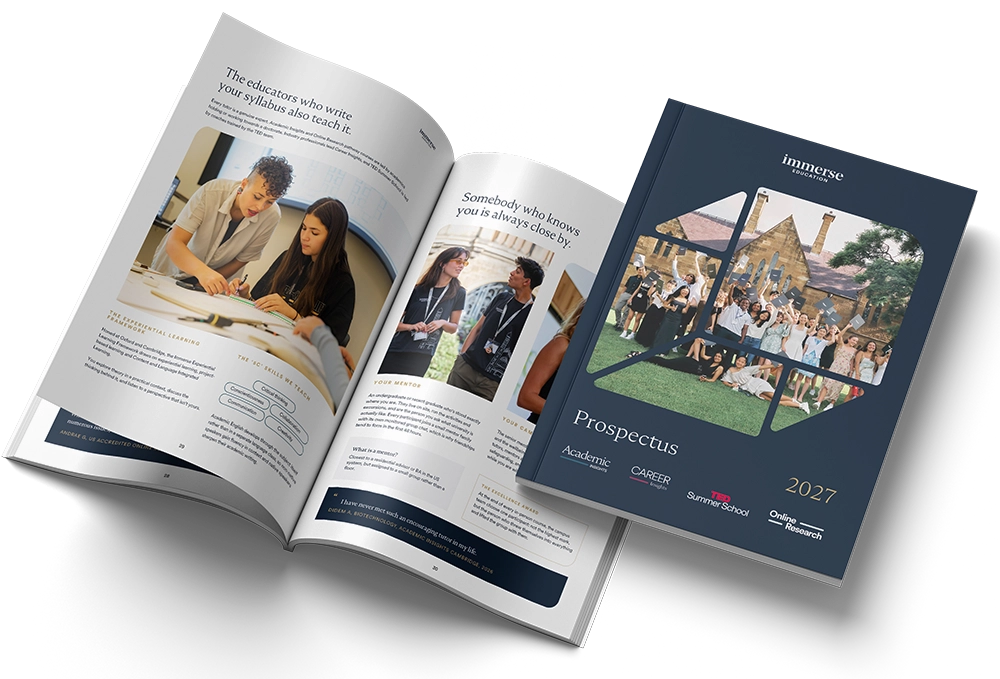
You’ll find 15 pre-college summer camps here, from free programs like SAGE Camp at SLAC and UCLA’s NeuroCamp to residential intensives like Stanford’s SUMaC and Constructor University in Germany. The biggest difference is access, since several free camps only accept local students while others welcome applicants from around the world. Most camps serve rising sophomores to seniors, and subjects range from math modeling and public health to robotics and public policy. Immerse Education’s Academic Insights pathway runs for two weeks in cities including Cambridge, Oxford, London, and Toronto for students aged 13 to 18.
If you’re starting to think about college but haven’t settled on a major, pre-college summer camps let you test a subject before you commit to it. Instead of reading about engineering or public health in a textbook, you build robots, run lab experiments, and pitch ideas to judges on a college campus. You also get a feel for dorm life, faculty expectations, and the pace of university-level work.
These camps range from free week-long outreach programs to selective residential intensives that draw students from around the world. Depending on the camp, you might model disease trends at the University of Minnesota, study outbreaks at CDC headquarters, or present a policy capstone to a judging panel in Singapore. Many also offer financial aid, so cost doesn’t have to rule you out.
What are pre-college summer camps?
Pre-college summer camps are short programs, usually hosted by universities, research labs, or government agencies, where high school students explore a subject at college level through lectures, labs, and projects. Most last between five days and four weeks, and many include campus housing.
They vary widely in cost and focus. Some, like SAGE Camp and NeuroCamp, are free outreach programs, while others, like SUMaC and Tufts, charge several thousand dollars and offer limited aid. Before you apply, check whether the camp is residential, whether it’s open to students outside the local area, and what the application requires. Many popular camps close applications between February and May.
To help you compare your options, we’ve put together a list of 15 pre-college summer camps!
15 Pre-College Summer Camps
1. University of Minnesota: IMA-MathCEP Math Modeling Camp
Location: University of Minnesota, Minneapolis, MN
Cost: Not specified
Acceptance rate/cohort size: Not specified
Dates: Summer 2027, about 9 a.m. - 3:30 p.m. daily (exact dates not yet posted)
Application Deadline: May 31st, 2027 (the camp may fill earlier)
Eligibility: High school students who will have completed a year-long single-variable calculus course by the end of the 2026-27 school year, including graduating seniors | International eligibility not specified; the camp is designed for students in or near the Twin Cities
The IMA-MathCEP Math Modeling Camp shows you how mathematics is used to tackle problems facing the world today. You’ll build models that study questions like traffic on a bridge, trends in population and disease, and the climate’s impact on natural resources.
Past projects have included analyzing food deserts and potential routes for a light rail system. To apply, you fill out the form yourself and ask a math teacher to send a short recommendation letter. The camp is non-residential, so you’ll travel to campus each day from home.
Why it stands out: You apply calculus to messy, open-ended problems the way applied mathematicians do.
2. Immerse Education’s Pre-University Summer School

Location: Cambridge, London, Oxford, Singapore, Sydney, and Toronto
Cost: Varies; summer school scholarship available through our bursary programme
Acceptance rate/cohort size: Selective; an average of 7 participants per class
Dates: 2 weeks during the summer
Application Deadline: Multiple cohorts with rolling admissions
Eligibility: Students aged 13 to 18; open to international students from around the world
Immerse Education’s Academic Insights pathway gives you two weeks of undergraduate-level study in one subject, chosen from more than 20 options such as medicine, law, engineering, economics, and architecture. You learn in tutor-led seminars averaging seven students, with two one-to-one tutorials, masterclasses, and guest speakers along the way. You can choose to live on campus or commute, depending on the location.
Throughout the course, you develop a personal project with your tutor’s guidance and present it on the final Friday. You finish with a Certificate of Achievement, and from age 14 you can opt into an accredited route worth 8 UCAS points or 3 US college credits. You can find more details about the application here.
Why it stands out: You study one subject in real depth, in small groups, in some of the world’s best-known university cities.
3. Lumiere Research Scholar Program
Location: Remote, you can participate in this program from anywhere in the world!
Cost: Varies depending on program type. Full financial aid available.
Program Dates: Varies by cohort: summer, fall, winter, or spring. Options range from 12 weeks to 1 year.
Application Deadline: Varies by cohort.
Eligibility: You must be currently enrolled in high school and demonstrate a high level of academic achievement.
The Lumiere Research Scholar Program is a rigorous research program tailored for high school students. The program offers extensive 1-on-1 research opportunities for high school students across a broad range of subject areas. The program pairs high school students with Ph.D. mentors to work 1-on-1 on an independent research project. At the end of the 12-week program, you’ll have developed an independent research paper!
You can choose research topics from subjects such as psychology, physics, economics, data science, computer science, engineering, chemistry, international relations, and more. You can find more details about the application here, and check out students’ reviews of the program here and here.
Why it stands out: You get 1-1 mentorship with a Ph.D. mentor and produce an independent research project by the end.
4. University of Michigan: Summer Engineering Exploration Camp (SEE Camp)
Location: University of Michigan, Ann Arbor, MI
Cost: $750 (2026), including room and board | Need-based aid for camp fees and flights
Acceptance rate/cohort size: Over 600 applicants and 40 students accepted in 2023
Dates: July 5-11, 2026 (2027 dates not yet posted)
Application Deadline: February 19th, 2026 (2027 deadline not yet posted)
Eligibility: Students entering grades 10-11, especially those with limited access to engineering resources | Open to international students; US citizenship not required
SEE Camp is a one-week residential camp run by the Society of Women Engineers at the University of Michigan, open to students of all genders. Throughout the week, small teams use the engineering design process to solve a design challenge. Hands-on activities introduce you to different engineering disciplines and industries.
You’ll also tour campus and the Big House and hear from current students and Michigan’s Office of Admissions. Team-building activities like the Adventure Leadership Challenge, kayaking, and tie-dye round out the week.
Why it stands out: You get a week of engineering at a top public university for $750, with aid that can even cover international flights.
5. Stanford University Mathematics Camp (SUMaC)
Location: Stanford University, Stanford, CA | Online sessions available
Cost: Listed on the SUMaC website
Acceptance rate/cohort size: Not specified
Dates: Residential: June 21st - July 17th, 2026 | Online: June 15th - July 3rd or July 6-24, 2026 (2027 dates not yet posted)
Application Deadline: February 2nd, 2026 (2027 deadline not yet posted)
Eligibility: Rising high school juniors and seniors (grades 10-11) | Open to students from around the world
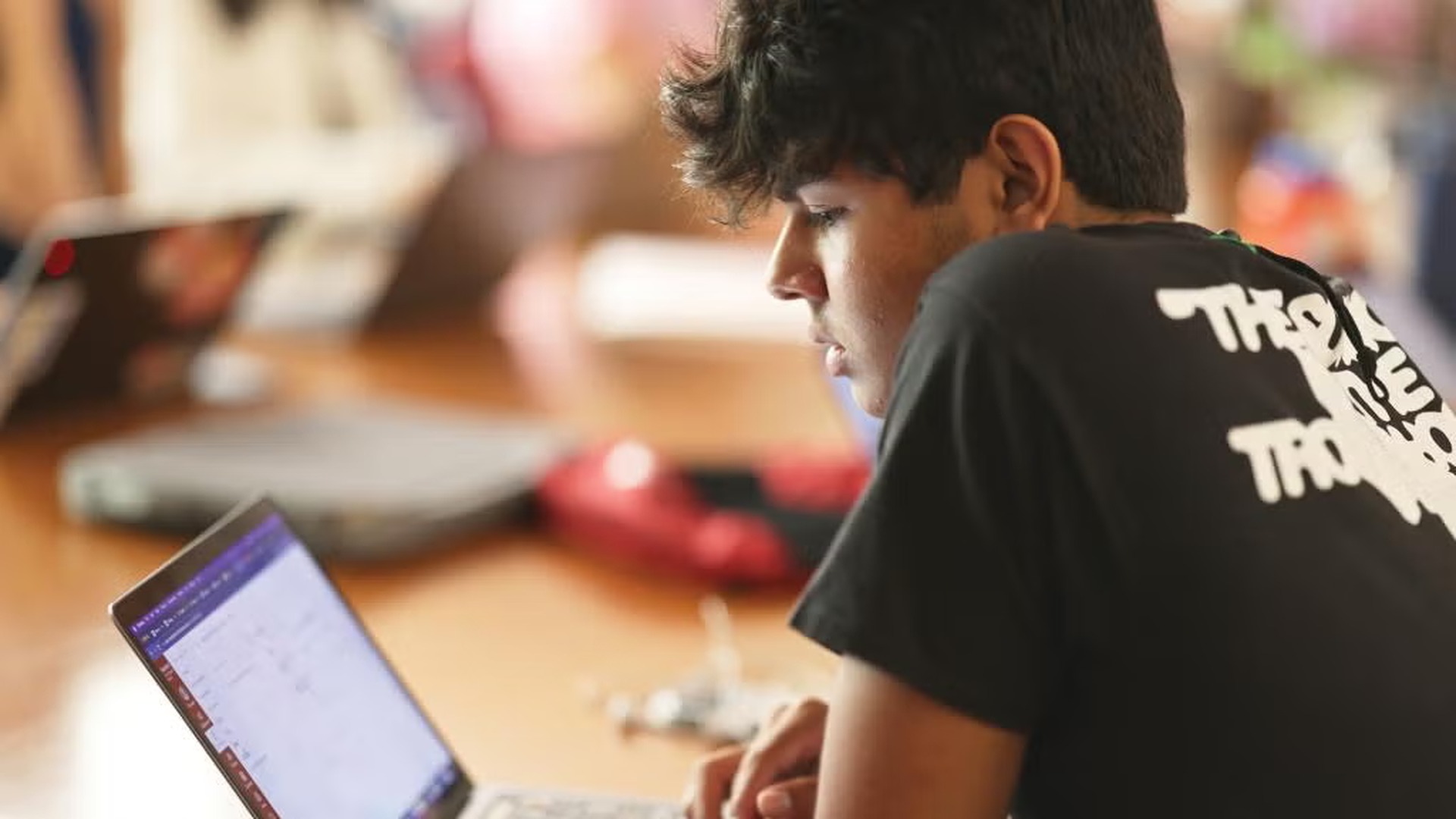
SUMaC brings together a select group of students from around the world for intensive study in advanced mathematics. You’ll learn through lectures, guided research, and group problem solving in an environment built entirely around math.
The program explores current lines of mathematical research, the historical development of key areas of math, and applications across scientific disciplines. You can attend the four-week residential session at Stanford or one of two online sessions. SUMaC is a non-credit enrichment program.
Why it stands out: You study advanced mathematics alongside some of the strongest young mathematicians in the world.



6. NUS Young Leaders and Changemakers Summer Camp

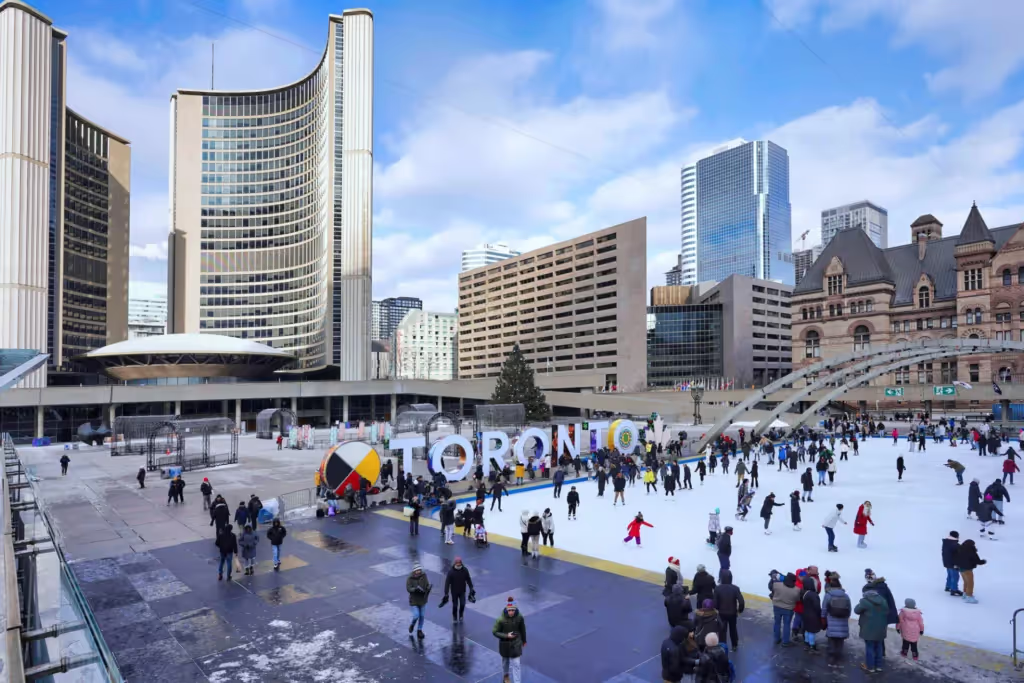
Location: Lee Kuan Yew School of Public Policy, National University of Singapore, Singapore
Cost: SGD 3,625 (early bird SGD 2,900 until May 4th, 2026), including campus accommodation, lunches, and local transport
Acceptance rate/cohort size: Not specified
Dates: June 29th - July 3rd, 2026 (2027 dates not yet posted)
Application Deadline: June 1st, 2026 (2027 deadline not yet posted)
Eligibility: Students aged 16+; regional and global high school and university students | Open to international students
The Young Leaders and Changemakers Summer Camp is a five-day program in public policy, governance, and social innovation. You’ll take sessions on topics like public policy in Singapore, communicating policies, and AI and public policy, alongside a panel with young leaders from Singapore and beyond.
Three site visits show you policy in action across the city. Throughout the week, you design, prototype, and test a Capstone Project, then present it to a judging panel on the final day. You’ll stay at NUS’s Prince George’s Park Residence for the full program.
Why it stands out: You tackle a real policy challenge at Asia’s top-ranked public policy school.
7. SAGE Camp at SLAC
Location: SLAC National Accelerator Laboratory, Menlo Park, CA, and Stanford University, Palo Alto, CA
Cost: Free
Acceptance rate/cohort size: Not specified
Dates: June 21-27, 2026 (2027 dates not yet posted)
Application Deadline: 2026 applications ran February 24th - March 17th
Eligibility: High school students from all backgrounds | International eligibility not specified
SAGE Camp at SLAC is a free, one-week residential camp held across the SLAC and Stanford campuses. You’ll meet STEM professionals at national laboratories at different stages of their careers and explore careers that make a difference in communities around the world.
The camp also shows how interests like art, music, athletics, creative writing, and travel can strengthen a STEM career. After camp, you join the SAGE community, which supports you through post-camp events and programs. SAGE Camp at SLAC is one of seven SAGE Camps at national labs across the country.
Why it stands out: You get a free week living at Stanford and learning from scientists at a national laboratory.
8. UCLA NeuroCamp Summer High School Program
Location: UCLA Brain Research Institute, Los Angeles, CA
Cost: Free; no application fee
Acceptance rate/cohort size: 30 students
Dates: June 16-18 and June 22-26, 2026, 8 a.m. - 4 p.m. (attendance at both weeks required)
Application Deadline: April 19th, 2026 (2027 deadline not yet posted)
Eligibility: High school students residing in Los Angeles County | Not open to international students
NeuroCamp is a free outreach program that introduces 30 motivated high schoolers to neuroscience. You’ll learn the fundamentals of molecular neurobiology, neurophysiology, and neuroanatomy, along with basic lab techniques.
Past campers have dissected a sheep’s brain and a cow’s spinal cord and run experiments inspired by current UCLA research. The program aims to spark your interest in college and an educational path toward a career in science. To apply, you submit a resume, a statement of interest, and one letter of recommendation.
Why it stands out: You get real neuroscience lab experience at UCLA at no cost.
9. CDC Museum Disease Detective Camp
Location: CDC headquarters, Atlanta, GA
Cost: Listed in the camp FAQ
Acceptance rate/cohort size: Not specified
Dates: Summer day camp (2027 dates to be posted in January 2027)
Application Deadline: 2026 applications have closed; 2027 information arrives in January 2027
Eligibility: Students in the summer before junior or senior year who are at least 16 on the first day of camp | International eligibility not specified
Disease Detective Camp is an academic day camp organized by the CDC Museum and held at CDC headquarters. Topics vary by year but may include epidemiology, outbreaks, disease surveillance, global health, environmental health, emergency preparedness, and public health law.
You’ll work as part of a team of disease detectives in a fast-paced, academically demanding program. Sessions also cover data analysis, surveys, scientific communication, and laboratory technology. If you can’t travel to Atlanta, the CDC Museum also runs an online summer course.
Why it stands out: You learn public health inside the headquarters of the agency that leads it.
10. WNE-MHC Golden Bear Summer Camp
Location: Western New England University, Springfield, MA
Cost: Free
Acceptance rate/cohort size: First 35 students to register
Dates: June 28th - July 2nd, 2027, 8:30 a.m. - 4:30 p.m.
Application Deadline: Registration opens in January 2027; first come, first served
Eligibility: High school students aged 13-18 | International eligibility not specified
The WNE-MHC Golden Bear Summer Camp is a free week-long camp run by WNE’s College of Pharmacy and Health Sciences. You’ll explore careers in pharmacy, pharmaceutical sciences, occupational therapy, and neuroscience through hands-on activities, labs, and demonstrations.
Sessions cover community and hospital pharmacy, compounding, DNA extraction, and how psychology, biology, and chemistry come together in neuroscience. A General Education and Admissions session also shows you how to stand out on college applications. In 2027, campers can attend a Small Business and Community Fair and a Healthcare and Biotech Career Exploration Event.
Why it stands out: You sample several healthcare careers in one free week.
11. Penn State Architecture and Landscape Architecture Summer Camp
Location: Penn State University Park, PA
Cost: $1,100, including instruction, materials, housing, meals, and tours | Need-based financial aid and scholarships available
Acceptance rate/cohort size: Not specified
Dates: July 12-16 or July 19-23, 2026 (2027 dates not yet posted)
Application Deadline: June 15th, 2026, including participant forms
Eligibility: High school students | International eligibility not specified
Penn State’s summer camp immerses you in the activities of a university’s professional design programs in architecture and landscape architecture. You’ll investigate the life of a design student with access to Penn State’s facilities, faculty knowledge, and technical skills.
The one-week residential camp covers your instruction, materials, housing, meals, and tours in a single fee. It’s a good fit if you’re fascinated by architecture, design, or the built environment and want to see what studying it feels like. Payment reserves your spot, and need-based financial aid is available.
Why it stands out: You explore two design majors in one residential week at a major research university.
Join the Immerse Education 2027 Essay Competition
Follow the instructions to write and submit your best essay for a chance to be awarded a 100% scholarship.
12. Tufts University: Entrepreneurship & Innovation Bootcamp
Location: Tufts University, Medford/Somerville Campus, MA
Cost: $4,225 (commuter) | $5,750 (residential) | Limited need-based scholarships for US students
Acceptance rate/cohort size: Not specified
Dates: Two weeks in summer 2027 (dates coming soon)
Application Deadline: December 14th, 2026 - May 1st, 2027
Eligibility: Students entering grades 10-12 or 2027 high school graduates | Open to international students, though Tufts cannot sponsor visas
The Entrepreneurship & Innovation Bootcamp is a two-week program run with Tufts’ Derby Entrepreneurship Center. You’ll form a team, pick a venture idea, and spend two weeks building a business case and go-to-market strategy.
Mentors from Tufts’ student and alumni community share their journeys and connect you with entrepreneurship resources on campus. The bootcamp ends with a Demo Day-style pitching event where your team presents to a panel of judges. No experience is required, and the program is not for credit.
Why it stands out: You take a startup idea from concept to pitch in two weeks, guided by an experienced founder.
13. Constructor University Summer Camp
Location: Constructor University, Bremen, Germany
Cost: €5,100, including tuition, accommodation, meals, excursions, and local transport | €500 early bird discount until December 31st, 2026
Acceptance rate/cohort size: Not specified
Dates: July 9-20, 2027
Application Deadline: 2027 applications are open
Eligibility: High school students aged 16-18 with at least B2-level English | Open to students from around the world
Constructor University’s Summer Camp is a 12-day international program taught in English on its Bremen campus. You choose two of 10 courses, including AI & Robotics, Neuroscience & Psychology, Innovation & Entrepreneurship, and Probability & Data Science.
Classes run each morning, followed by study support, sports, and art in the afternoon. Excursions take you to Bremen and Hamburg, and past cohorts have included students from more than 40 nationalities. You’ll live on campus in a private bedroom with a shared bathroom.
Why it stands out: You sample university life in Germany alongside peers from dozens of countries.
14. USF High School Robotics
Location: USF College of Engineering, Tampa, FL
Cost: To be confirmed | Optional Rocky’s Residents residential add-on (cost to be confirmed)
Acceptance rate/cohort size: 30 students per session
Dates: Summer 2027 (dates not yet posted), 9 a.m. - 4 p.m.
Application Deadline: Registration opens February 1st, 2027
Eligibility: Students entering grades 9-12 | International eligibility not specified
USF High School Robotics lets you design, build, and program your own Autonomous Mobile Robot using Raspberry Pi, 3D printing, and Python. You’ll start with robotics theory and circuit design, then program your robot to sense its environment and compete in tasks.
The camp also covers industrial robotics, with hands-on time using ABB RobotStudio and real industrial robots in USF labs. You take your robot, completed projects, and programming files home at the end. If you’d like to live on campus, the Rocky’s Residents add-on offers six days of supervised housing, meals, and evening activities.
Why it stands out: You build a robot you can keep and get hands-on time with industrial robots.
15. UIC IMPACT Engineering Experience
Location: University of Illinois Chicago, Chicago, IL
Cost: $500 per session (2026), including lunch and project materials | 10% discount for children of University of Illinois employees
Acceptance rate/cohort size: Not specified
Dates: July 27-31 or August 3-7, 2026 (2027 dates not yet posted)
Application Deadline: Registration until sessions fill
Eligibility: Students entering grades 10-12 | International eligibility not specified
IMPACT is a focused introduction to mechanical and industrial engineering, working in UIC’s Engineering Design Lab, Fluid Dynamics Lab, and CAD design studio. You’ll rotate through modules in design engineering, automotive engineering, applied AI, fluid dynamics, and smart manufacturing.
Projects include building a handheld electric fan from salvaged parts, engineering a remote-operated rover, and designing an automated optical candy sorter. You’ll also tour active research labs and the UIC Makerspace. The week ends with a closing ceremony where you receive a certificate of completion.
Why it stands out: You complete five real engineering builds in one affordable week.
Frequently asked questions: Pre-College Summer Camps for High School Students
Are pre-college summer camps worth it?
Pre-college summer camps are worth it if you want to test a subject before choosing a major or see what college-level work feels like. NeuroCamp, for example, gives you neuroscience lab experience that many high schools can’t offer, and SUMaC introduces you to current mathematical research. The value comes from what you do, not the name on the program, so look for camps with real projects and close contact with faculty.
Are there free pre-college summer camps?
Yes, several pre-college camps are free. SAGE Camp at SLAC is a free residential week at Stanford, UCLA’s NeuroCamp is free for Los Angeles County students, and WNE’s Golden Bear Summer Camp is free for the first 35 registrants. SEE Camp costs $750 but offers need-based aid that can cover flights. For more options, browse these free summer camps for high school students.
Do pre-college summer camps help with college admissions?
Pre-college camps can strengthen your application by showing genuine interest and giving you projects to write about. Tufts notes that attending its programs doesn’t guarantee admission, so treat camps as a chance to explore, not a shortcut. SEE Camp includes a session with Michigan’s Office of Admissions, and WNE covers how to stand out on applications. Immerse Education’s Academic Insights pathway ends with a personal project you present to your cohort, and from age 14 you can earn 8 UCAS points.
Can international students attend pre-college summer camps?
Yes, many pre-college camps accept international students. SEE Camp doesn’t require US citizenship, Tufts welcomes international applicants but can’t sponsor visas, and Constructor University asks for B2-level English and a Schengen visa if needed. Some free camps, like NeuroCamp, only accept local students. Immerse Education’s Academic Insights pathway welcomes students from around the world, and you can compare more pre-college study abroad summer programs.
When should you apply for pre-college summer camps?
You should start applying in winter, since many deadlines fall between February and May. In the 2026 cycle, SUMaC closed on February 2nd, SEE Camp on February 19th, SAGE Camp on March 17th, and NeuroCamp on April 19th. Tufts opens applications on December 14th, 2026, and USF and WNE open registration in early 2027. First-come, first-served camps can fill quickly, so mark these dates now.
What subjects can you study at a pre-college summer camp?
You can study almost any subject at a pre-college camp, from math and engineering to neuroscience, public health, and public policy. This list includes math modeling at Minnesota, robotics at USF, pharmacy and occupational therapy at WNE, and entrepreneurship at Tufts. If you already know your interest, you can narrow your search with these pre-college math programs or neuroscience summer programs.
From summer campus to college applications
Spending a week or two on a college campus can show you which subjects excite you and what university-level work really demands of you.
When comparing pre-college summer camps, weigh cost, eligibility, and housing, since several free programs only accept students within commuting distance.
Deadlines for camps like SUMaC and SEE Camp fall in February, so start drafting your essays and asking teachers for recommendations this winter.
To turn what you learn this summer into a stronger college application, explore our University Preparation blogs for practical guidance on admissions, essays, and interviews.





Unlock Inspiring Opportunities with the Immerse Education Newsletter
Join our newsletter to stay ahead with exclusive updates, exciting programme highlights, and expert insights from the world of immersive education.
Learn how Immerse can transform your life
An in-depth overview of our university and career preparation programmes
Get a glimpse into the life of an Immerse participant
Find the right programme for you with sample timetables, location showcases, and more