15 Work Experience Opportunities for 16 Year Olds

Summary
You’ll find 15 work experience opportunities here, from paid research internships at cancer centres and a neuroscience institute to courthouse placements, hospital volunteering, and museum internships. The biggest divide is location: many US placements only accept students living or studying nearby, while online and fee-based programmes are open more widely. Most suit you if you’re 16 and entering your junior or senior year. Memorial Sloan Kettering’s programme, for example, accepts 20 students from more than 1,000 applicants. Immerse Education’s Career Insights pathway also runs two-week programmes with industry visits in London, New York, and Tokyo.
At 16, you may be starting to make decisions about university subjects and future careers, but it is difficult to understand a profession without seeing how it works in practice. Work experience lets you step beyond the classroom and explore how research, communication, teamwork, problem-solving, organisation, and technical skills are applied in professional environments.
You might contribute to a project, shadow professionals, respond to an industry brief, attend practical workshops, or receive guidance from a mentor. These experiences can help you build workplace skills while exploring careers across areas such as medicine, engineering, technology, business, law, research, and the creative industries. They can also give you a clearer idea of which academic and career pathways suit your interests.
How do you choose the right work experience for a 16 year old?
Work experience programs can act as a foundation for your academic journey, giving you a direct feel for what a particular field looks like at the professional level in a structured setting.
To help you choose, we’ve put together a list of 15 work experience opportunities for 16 year olds, focusing on programs that offer practical projects, mentorship, skills development, and meaningful industry exposure.
15 Work Experience Opportunities for 16 Year Olds
1. Max Planck Florida Institute (MPFI) High School Internship
Location: Max Planck Florida Institute for Neuroscience, Jupiter, FL
Cost/Stipend: Free to participate; paid internship (check MPFI’s page for the current hourly rate)
Acceptance rate/cohort size: Highly selective; cohorts are small, and the institute does not publish a fixed annual cohort size
Dates: Six-week, full-time summer internship
Application Deadline: Announced annually on MPFI’s internship page
Eligibility: Students entering junior or senior year at a high school in Palm Beach or Martin County who live in one of those counties and are 16 or older by the program start date; applicants must be legally authorized to work in the U.S. | Not open to international students without U.S. work authorization
The Max Planck Florida Institute’s High School Internship gives you six weeks of full-time experience working alongside scientists at a neuroscience research institute. MPFI is part of Germany’s Max Planck Society, and interns join ongoing projects on how the brain is structured and how it functions.
You also prepare a final presentation on your work, giving you experience with both conducting and communicating research. The 40-hour-per-week schedule makes this closer to a professional research placement than a short STEM camp.
Why it stands out: You receive paid, full-time experience at a specialist neuroscience institute that belongs to one of the world’s leading research organisations.
2. Immerse Education’s Career Insights Summer School
Location: London, New York, and Tokyo
Cost: Varies; summer school scholarship available through our bursary programme
Acceptance rate/cohort size: Selective; an average of 7 participants per class
Dates: 2 weeks during the summer
Application Deadline: Multiple cohorts with rolling admissions
Eligibility: Students aged 15 to 18 | Open to international students from around the world
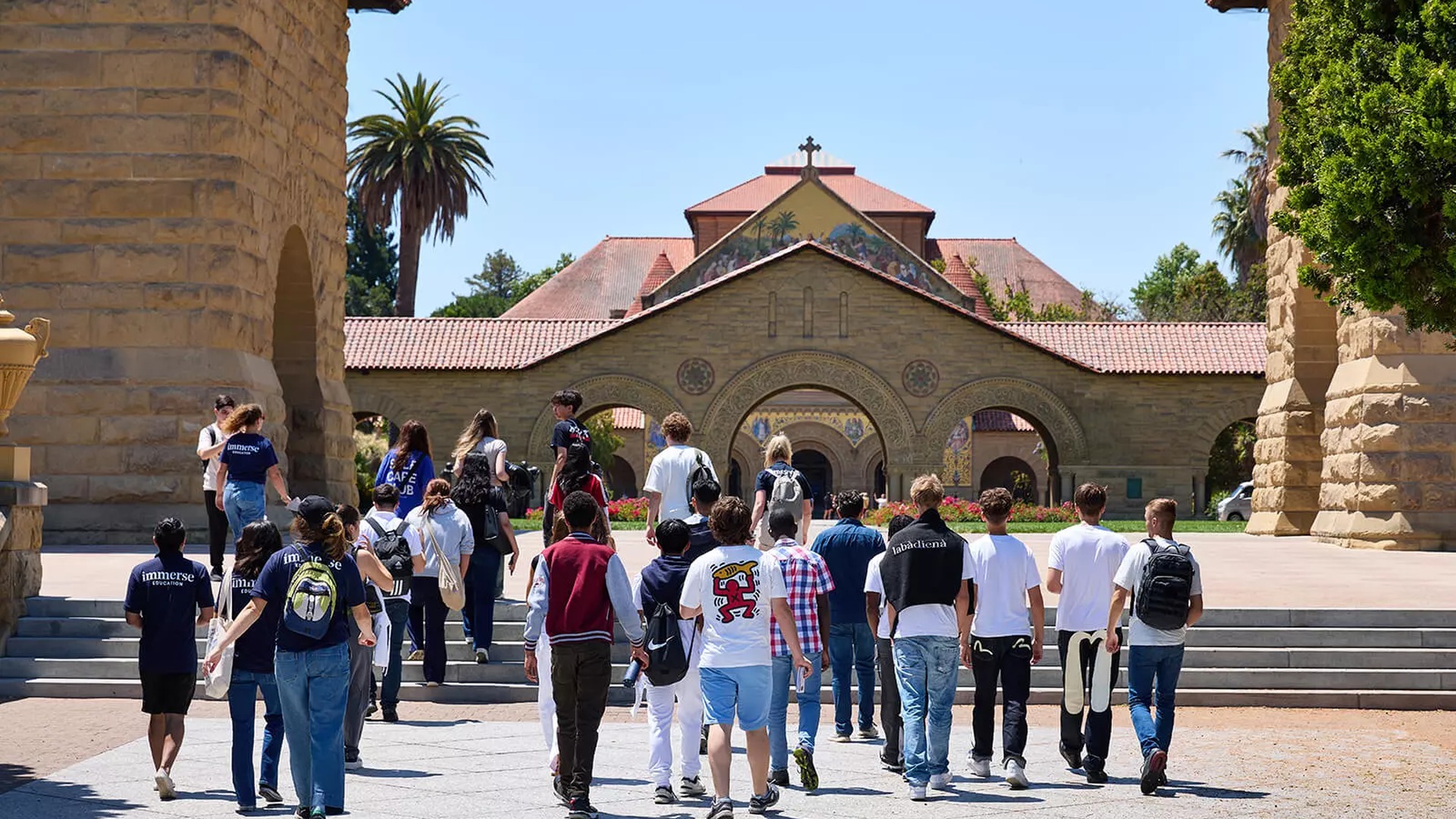
Immerse Education’s Career Insights pathway gives you two weeks exploring a career from the inside, taught by an industry expert in London, New York, or Tokyo. You’ll combine classroom sessions with off-campus industry visits, so you can see how your chosen field operates day to day. Subjects across the three cities include architecture, artificial intelligence, banking and finance, business management, engineering, film, law, marketing, and medicine.
Career Skills sessions cover networking, personal branding, and persuasive communication to prepare you for the modern workplace. You can choose a residential or commuter option. You can find more details about the application here.
Why it stands out: You see a career in action through industry visits while building the workplace skills employers look for.
3. Ladder Internship Program
Location: Remote! You can work from anywhere in the world.
Cost: $3,190, with full and partial financial aid available.
Acceptance rate/cohort size: Selective
Dates: Multiple cohorts throughout the year, including Spring, Summer, Fall, and Winter.
Application Deadline: Ladder runs about six cohorts a year, with start dates in the fall, winter, spring and summer. Applications close about three weeks before each cohort begins. See current deadlines and start dates.
Eligibility: High school students from any country. College and gap year students can apply to Ladder’s University Internship Program.
Ladder Internships is a selective program that places high school students in remote internships with startups. Host companies span industries from AI and machine learning, technology and software to healthcare and biotech, finance and fintech, engineering, environmental science and consulting (explore the options). Interns work closely with a coach at their host company on a real project and present the final work to the company at the end of the program. Apply here.
Why it stands out: You work one-on-one with a manager at a high-growth start-up and present your finished project to the company, all remotely and in just eight weeks.
4. National University of Singapore (NUS) Youth Programmes
Location: National University of Singapore, Singapore (on-campus and online options)
Cost/Stipend: Varies by programme; fees are set individually for each course
Acceptance rate/cohort size: Varies by programme; more than 4,000 students take part each year
Dates: Typically June to August and December to February; on-campus programmes run for 1-2 weeks
Application Deadline: Varies by programme and intake
Eligibility: High school and pre-university students who are at least 15 years old at the start of the programme | Open to international students
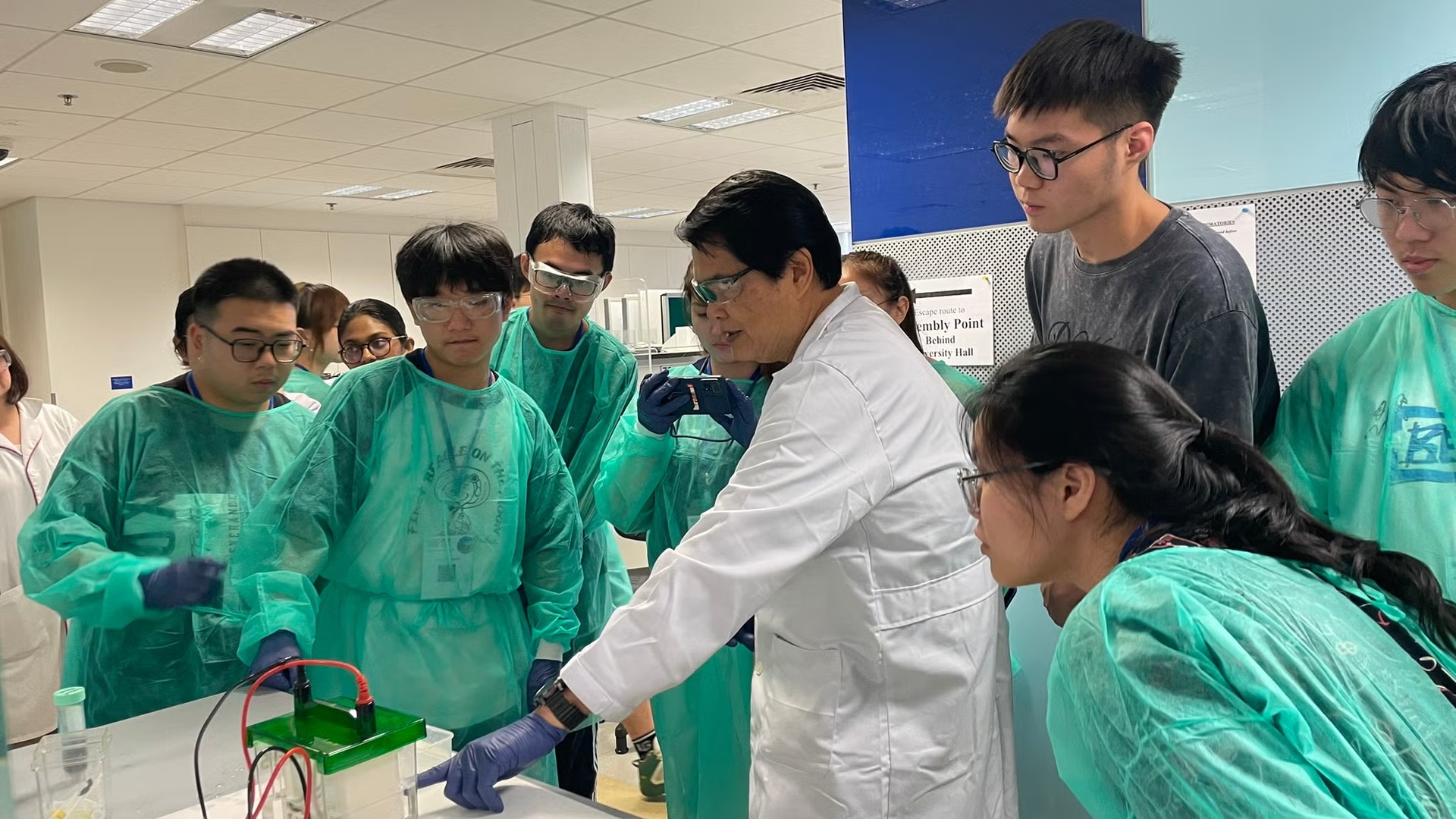
NUS Youth Programmes, run by the NUS School of Continuing and Lifelong Education, let you experience university-style learning in short courses. Options for high school students include International Economics and Finance, Media Communication and Marketing, Negotiation in a Global World, and Artificial Intelligence and Machine Learning Fundamentals.
On-campus programmes include at least 15 hours of classroom engagement over one to two weeks, while online programmes run for three to six weeks. You also build skills such as leadership, teamwork, and public speaking alongside participants from 25 countries and regions. Students who complete the programme receive a verifiable NUS e-certificate of completion.
Why it stands out: It gives you short, career-focused courses at a major Asian research university, with participants from around the world.
5. Mayo Clinic’s Science Program for the Advancement of Research Knowledge (SPARK)
Location: Mayo Clinic, Jacksonville, FL
Cost/Stipend: Free to participate; the official page does not advertise a student stipend
Acceptance rate/cohort size: Highly competitive; cohort size is not published
Dates: June 3rd - December 4th, with a mandatory orientation on June 3rd
Application Deadline: Applications are open October 15th - December 4th
Eligibility: Rising juniors and seniors at high schools in Duval or St. Johns County, Florida | Open only to students in Duval or St. Johns County
Mayo Clinic’s SPARK Research Mentorship Program gives you sustained experience carrying out biomedical research in laboratories at the Jacksonville campus. You can indicate an interest in areas including biochemistry and molecular biology, drug development, epidemiology, immunology, cancer biology, artificial intelligence, neuroscience, and regenerative sciences.
During the summer, you spend at least 40 hours a week in a mentor’s laboratory, then continue your project during the school year. SPARK scholars enter their projects in science fairs, and many have won regional and state awards. The extended structure can help you decide whether biomedical research or medicine-related science fits your future academic plans.
Why it stands out: Unlike a short summer placement, SPARK supports you through a mentored research project that continues into the school year and can lead to science-fair entries.



6. Houston Methodist Summer High School Research Internship
Location: Houston Methodist Hospital, Texas Medical Center, Houston, TX
Cost/Stipend: Free to participate; stipend details are not listed on the high school page
Acceptance rate/cohort size: Highly selective; a limited number of spaces are reserved for high school students
Dates: June 1st - August 6th (10 weeks); later start dates can be arranged if your school year ends after June 1st
Application Deadline: Applications open December 4th and close January 29th
Eligibility: High school juniors or seniors who are 16 years old, with a minimum 3.5 GPA | International eligibility not specified
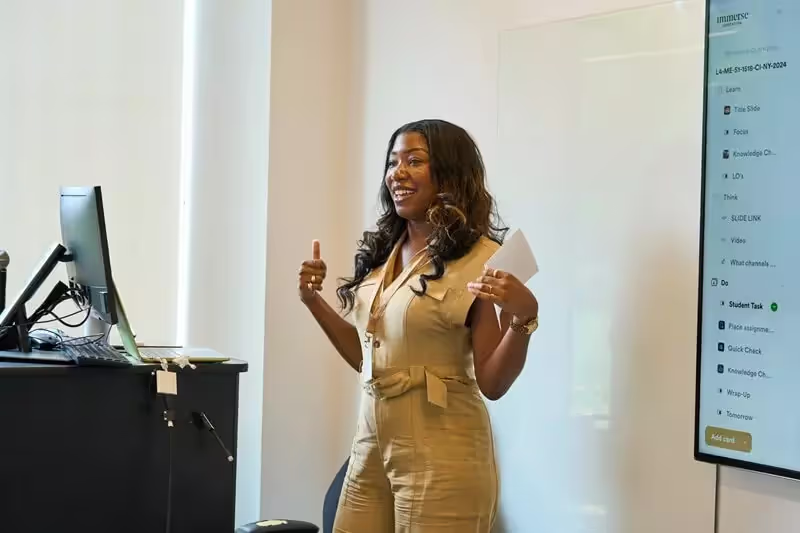
Houston Methodist’s Summer High School Research Internship places you alongside undergraduate research interns within a major academic medical centre. Your mentor selects a summer project based on their area of expertise and teaches you the laboratory techniques you need to complete it.
The internship requires a full-time commitment, with an eight-hour workday for the full 10 weeks. You’ll also follow a career and professional development curriculum designed to help with college applications, alongside seminars and lectures. The programme ends with a research symposium where you present a poster of your work.
Why it stands out: You complete a mentored research project inside a major hospital and present your findings at a research symposium.
7. Judicial Youth Corps Program
Location: Boston, Worcester, and Springfield, MA
Cost/Stipend: Paid summer internship, plus paid educational sessions on Fridays
Acceptance rate/cohort size: Selective; students are chosen through applications, teacher recommendations, and interviews with court staff
Dates: Six-week summer internship from July through August
Application Deadline: Announced annually; the most recent application period has closed
Eligibility: In Boston, applicants must live in Boston and attend a Boston Public School; in Worcester and Springfield, applicants must attend a high school in that city | Open only to students in Boston, Worcester, or Springfield
The Massachusetts Judicial Youth Corps combines paid work experience with a structured introduction to the court system and the rule of law. You’re taught and mentored by judges, lawyers, clerks, probation officers, and other court staff, who also supervise your internship at a local courthouse. Activities include a mock trial, field trips, group discussions, shadowing, and teamwork exercises.
The programme can help you assess whether law, criminal justice, government, or public administration matches your future academic interests. Its six-week format gives you more sustained exposure than a one-day court visit or legal workshop.
Why it stands out: You combine paid courthouse experience with direct access to judges and legal professionals while learning how the Massachusetts courts operate in practice.
8. Sakura Science High School Program (Japan Science and Technology Agency)
Location: Universities, research institutes, schools, and science facilities across Japan
Cost/Stipend: Invitation programme coordinated by the Japan Science and Technology Agency (JST)
Acceptance rate/cohort size: Highly selective; between 2014 and 2024, 6,841 students took part across 67 courses
Dates: About one week per programme
Application Deadline: No public individual deadline; selection is coordinated through national contacts in participating countries
Eligibility: Outstanding high school students from overseas countries and regions, mainly in Asia, selected through national contacts | Open only to students from participating countries
The Sakura Science High School Program is a JST-run exchange that invites selected students and their supervisors to Japan for a week of science and technology activities. You may attend special classes taught by leading scientists, including Nobel laureates, and visit prominent Japanese universities and research institutes.
Past programmes have included organisations such as RIKEN, JAXA, and the National Institute for Materials Science. Social activities with Japanese high school students, embassy visits, and cultural experiences are also included. This is useful if you are considering STEM and want to see how science and technology research is organised in Japan.
Why it stands out: It is a government-run exchange that gives selected international students access to leading Japanese scientists, universities, and national research facilities.
9. Richmond County District Attorney’s Office High School Internship
Location: Richmond County District Attorney’s Office and community sites across Staten Island, NY
Cost/Stipend: Not specified
Acceptance rate/cohort size: Not publicly specified
Dates: July 6th - August 5th; interns work one shift per week (Tuesday, Wednesday, or Thursday) from 10 a.m. to 4 p.m.
Application Deadline: Not specified; submit the application form and your resume to the RCDA internships email
Eligibility: Current high school students entering grades 10-12 | International eligibility not specified
The Richmond County District Attorney’s High School Summer Internship Program introduces Staten Island students to law, government, public service, and law enforcement through community-based work. Hosted by the RCDA Community Partnership Unit, the programme involves community cleanups, graffiti paint-overs, and other neighbourhood projects across Staten Island.
You’ll also help at outreach events and share information about RCDA programmes with residents. Lunch & Learn sessions, field trips, and networking let you speak with professionals from the District Attorney’s Office and partner agencies. The application includes a 500-word essay on why you want to intern at the office.
Why it stands out: You see how a prosecutor’s office works with its community through public-service projects and conversations with professionals.
10. Fred Hutch Summer High School Internship Program
Location: Fred Hutch Cancer Center, South Lake Union, Seattle, WA
Cost/Stipend: Free to participate; interns receive a financial award on completion and a free ORCA transit card
Acceptance rate/cohort size: Highly competitive; cohort size is not publicly specified
Dates: Eight weeks, full-time, in the summer; dates for next summer have not been posted
Application Deadline: Applications open January 11th and close March 8th at 11:59 p.m. Pacific time
Eligibility: High school students entering senior year who are 16 or older by the start of the program and live in Greater Seattle or surrounding areas | Not open to out-of-state or international students
Fred Hutch’s Summer High School Internship Program is an eight-week, full-time paid internship designed for students without extensive research experience. You begin with two weeks of training in skills such as pipetting, sterile technique, DNA isolation, PCR, and gel electrophoresis. For the remaining six weeks, you’re paired with another intern in a Fred Hutch research group under a host mentor.
You also attend weekly sessions on topics including ethics, health disparities research, and biostatistics, as well as college-essay workshops. The programme concludes with a presentation to the Fred Hutch community, teachers, and families.
Why it stands out: You receive structured laboratory training before spending six weeks embedded in a Fred Hutch research group.
11. Boston Medical Center - Junior Summer Volunteer Program
Location: Boston Medical Center, Boston, MA
Cost/Stipend: Free; this is an unpaid volunteer programme
Acceptance rate/cohort size: Selective; 70 students were accepted in the most recent cycle
Dates: The most recent programme ran June 29th - August 21st
Application Deadline: In the most recent cycle, applications opened January 21st for Boston Public Schools students and March 6th for all students, then closed on March 9th after reaching 100 applications
Eligibility: Students entering junior or senior year of high school who can commit to all eight weeks; preference is given to Boston residents | International eligibility not specified
Boston Medical Center’s Junior Summer Volunteer Program gives you eight weeks of exposure to a working hospital through volunteer service and career-focused learning. You complete a recurring three-hour volunteer shift each week in outpatient areas such as the ambassador programme, food pantry, or pediatric outpatient clinic.
You also attend a weekly one-hour lecture from professionals; past speakers have included surgeons, physicians, nurses, social workers, and healthcare administrators. These sessions help you understand how different roles contribute to patient care beyond the work of doctors alone. You receive credit for your hours and a certificate when you complete the programme.
Why it stands out: You combine weekly hospital volunteering with career talks from BMC healthcare professionals over a full eight-week programme.
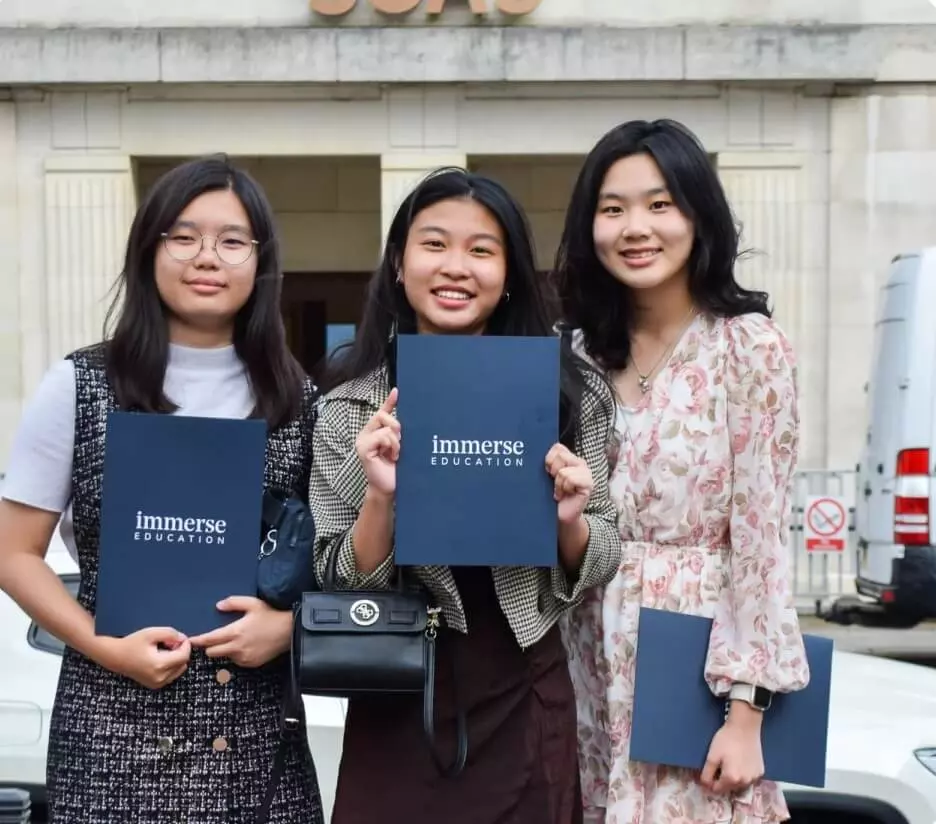
Join the Immerse Education 2027 Essay Competition
Follow the instructions to write and submit your best essay for a chance to be awarded a 100% scholarship.
12. Memorial Sloan Kettering Cancer Center - Summer Student Program
Location: Memorial Sloan Kettering Cancer Center, Upper East Side, New York, NY
Cost/Stipend: Free; students receive a $1,200 stipend. Housing and transportation are not provided.
Acceptance rate/cohort size: Highly selective; 20 interns are enrolled from 1,000+ applications, an acceptance rate of about 2%
Dates: June 29th - August 20th
Application Deadline: Applications open December 1st and close February 5th at 8:00 a.m. EST
Eligibility: Current high school juniors aged 16 or older by June who live in New York, New Jersey, or Connecticut within 25 miles of MSK’s Manhattan campus, have a 3.5 GPA in science subjects, and are legally authorized to work in the U.S. | Not open to international students without U.S. work authorization
MSK’s Summer Student Program gives you eight weeks of mentored biomedical or computational research inside an MSK research laboratory. You are paired with a mentor who helps you develop the technical skills needed to complete a self-directed project that supports the laboratory’s wider research objectives.
Depending on your placement, you may work in areas such as cancer biology, immunology, computational biology, chemistry, engineering, imaging, or structural biology. You also attend lab meetings and professional development events that introduce you to translational medicine and research careers. The full-time schedule of 40 hours a week gives you sustained experience of professional biomedical research.
Why it stands out: Only 20 students are selected each year, and each intern completes an independent project within an active MSK research laboratory while receiving a stipend.
13. Rockefeller University Summer Science Research Program (SSRP)
Location: Rockefeller University, New York, NY
Cost/Stipend: See the SSRP FAQ page for costs and any available support
Acceptance rate/cohort size: Highly selective; 32-40 students, divided into four research teams of 8-10 scholars
Dates: June 21st - August 5th
Application Deadline: January 4th at 5:00 p.m. ET, including the letter of recommendation
Eligibility: Current high school juniors or seniors who are at least 16 years old at the start of the programme | International eligibility not specified on the main page; see the SSRP FAQ
Rockefeller University’s Summer Science Research Program is a seven-week, team-based research experience in which your own interests shape the scientific question. You join one of four teams led by scientific trainees from Rockefeller University, Memorial Sloan Kettering, and Weill Cornell Medicine, with at least three mentors supporting each group.
After a week learning the team topic and techniques, you choose a research question and spend several weeks investigating it. Elective courses, guest lectures, workshops, and networking sessions supplement the roughly 35 hours of weekly research. You finish by analysing your data and presenting a poster at the end-of-programme symposium.
Why it stands out: You choose your own research question within a mentored laboratory team and finish by presenting your data at Rockefeller’s final symposium.
14. High School Summer Live - Fashion Institute of Technology (FIT)
Location: Fashion Institute of Technology, New York, NY
Cost/Stipend: See FIT’s precollege page for current course fees
Acceptance rate/cohort size: Class sizes vary by course
Dates: 10-day classes on consecutive dates in July
Application Deadline: See FIT’s precollege page for registration dates
Eligibility: Students in grades 9-12 | International eligibility not specified
FIT’s High School Summer Live lets you explore a creative or business-related subject through an intensive 10-day precollege course in Manhattan. You can choose from courses in fashion design, business, animation, illustration, marketing, styling, film, photography, forecasting, painting, product development, toy design, and more.
The programme is particularly useful if you want to test a creative career or build early portfolio material before deciding whether to pursue art, design, media, or fashion-related study. You also get direct experience of FIT’s New York campus and the industries connected to its specialist programmes.
Why it stands out: You complete a focused creative or business course at one of New York’s specialist fashion and design colleges.
15. Summer High School Internship Program - The Metropolitan Museum of Art
Location: The Metropolitan Museum of Art, New York, NY
Cost/Stipend: Paid; students receive a $1,100 stipend on completion
Acceptance rate/cohort size: Selective; cohort size is not publicly specified
Dates: In the most recent cycle, a bootcamp on July 1st was followed by departmental placements from July 7th to August 7th and a final celebration on August 7th
Application Deadline: March 13th at 5 p.m. ET in the most recent cycle
Eligibility: Students in grades 10 or 11, or working toward a High School Equivalency, who live in and attend school or homeschool in New York, New Jersey, or Connecticut; applicants must provide work papers and either an SSN or ITIN | Not open to international students
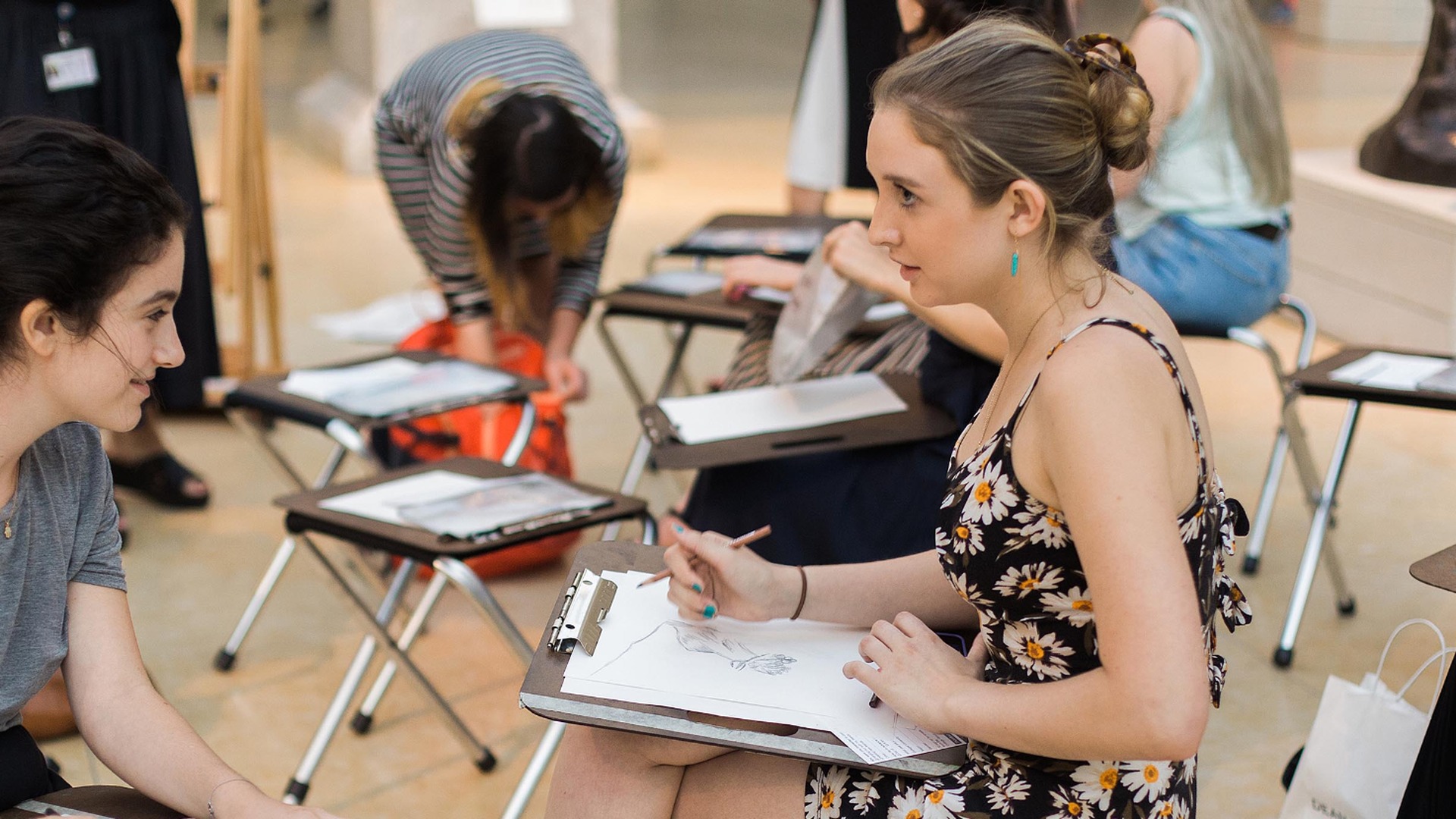
The Met’s Summer High School Internship Program gives you paid workplace experience while introducing you to the many professions that operate within a major museum. You may be placed in areas such as curatorial work, social media, education, imaging, or design, depending on staffing and project availability.
Your departmental placement totals 40 hours, alongside biweekly cohort check-ins, career-readiness sessions, and Teen Fridays. You don’t need any prior knowledge of art or art history, making the programme useful if you want to explore how interests in art, design, media, education, or communications can lead to a career.
Why it stands out: You receive a paid departmental placement inside The Met while connecting one-on-one with museum professionals across creative, educational, and technical careers.
Frequently asked questions: Work Experience Opportunities for 16 Year Olds
Can a 16 year old do work experience?
Yes, many work experience programmes accept students from age 16, and some start younger. Houston Methodist, Rockefeller University, and Memorial Sloan Kettering all require you to be 16 by the start of their programmes. The Met’s internship is open to students in grades 10 or 11, and the Richmond County District Attorney’s Office accepts students entering grades 10-12. Always check whether a programme sets its minimum by age, grade, or both.
Are work experience programmes for 16 year olds paid?
Some are paid, but many offer a stipend rather than an hourly wage, and others are unpaid. Memorial Sloan Kettering gives a $1,200 stipend, The Met pays $1,100 on completion, and the Judicial Youth Corps offers paid courthouse internships. Boston Medical Center’s programme is unpaid volunteering, but you receive a certificate and documented hours. If cost is your main concern, browse these free summer internships for high school students.
When should you apply for summer work experience?
You should start looking in the autumn, since many competitive programmes close in winter. Mayo Clinic’s SPARK application closes December 4th, Rockefeller’s SSRP closes January 4th, and Houston Methodist’s closes January 29th. Memorial Sloan Kettering’s deadline is February 5th, and Fred Hutch closes on March 8th. Most programmes also ask for recommendation letters, so give your referees at least a few weeks’ notice.
Can international students do work experience at 16?
Yes, though many US placements are limited to local students or require US work authorization. Programmes like Memorial Sloan Kettering and Fred Hutch only accept students who live nearby, and The Met requires an SSN or ITIN. NUS Youth Programmes welcome participants from around the world, and Ladder’s internships are fully remote. Immerse Education’s Career Insights pathway accepts students aged 15 to 18 from any country, with two-week programmes in London, New York, and Tokyo. If you’re based in the UK, explore these work experience opportunities in the UK for high school students.
What do you do on a research internship at 16?
You usually learn core laboratory skills first, then contribute to a mentor’s ongoing project. At Fred Hutch, interns spend two weeks training in skills such as pipetting, DNA isolation, and PCR before joining a research group. Rockefeller’s SSRP lets you choose your own research question within a team, and Memorial Sloan Kettering interns complete a self-directed project. Most programmes end with a poster or presentation. For more options, browse these summer research internships for high school students.
How does work experience help your college or university applications?
It gives you specific experiences to write about, which can make your interest in a field more convincing. Many programmes provide documentation you can use, such as Boston Medical Center’s certificate and record of volunteer hours. Research internships often end with a presentation or poster, which shows you can communicate your work. Immerse Education’s Career Insights pathway also includes Career Skills sessions on networking, personal branding, and persuasive communication. Reflect on what you learned and enjoyed, since admissions readers value insight more than a list of activities.
Making the most of work experience at 16
Exploring work experience opportunities for 16 year olds early gives you time to compare research, healthcare, legal, and creative placements before deadlines pass.
Once you start, ask questions, keep notes on the tasks you enjoy, and pay attention to how professionals in different roles spend their day.
Those reflections will help you explain your interests clearly, whether you’re writing a college essay, a personal statement, or your next application.
If you’re still deciding which path suits you best, our Career Exploration blogs can help you compare options and plan your next step.






Unlock Inspiring Opportunities with the Immerse Education Newsletter
Join our newsletter to stay ahead with exclusive updates, exciting programme highlights, and expert insights from the world of immersive education.
Learn how Immerse can transform your life
An in-depth overview of our university and career preparation programmes
Get a glimpse into the life of an Immerse participant
Find the right programme for you with sample timetables, location showcases, and more