15 Science Summer Programs in Singapore for High School Students

TL;DR
This guide rounds up science summer programs in Singapore, from short university taster camps to research stints at agencies like ASTAR and DSTA. Costs span free government-run camps to paid university courses above S$3,500, across biology, chemistry, physics, AI, and cybersecurity. If you're in grades 10 through 12, or a secondary or junior college student in Singapore, you can get lab time and mentorship from working scientists. The NUS Science Research Programme lets you choose between an examinable and non-examinable track. Immerse Education's own Singapore Summer School makes the list, open to students aged 16 to 18 with bursary support.
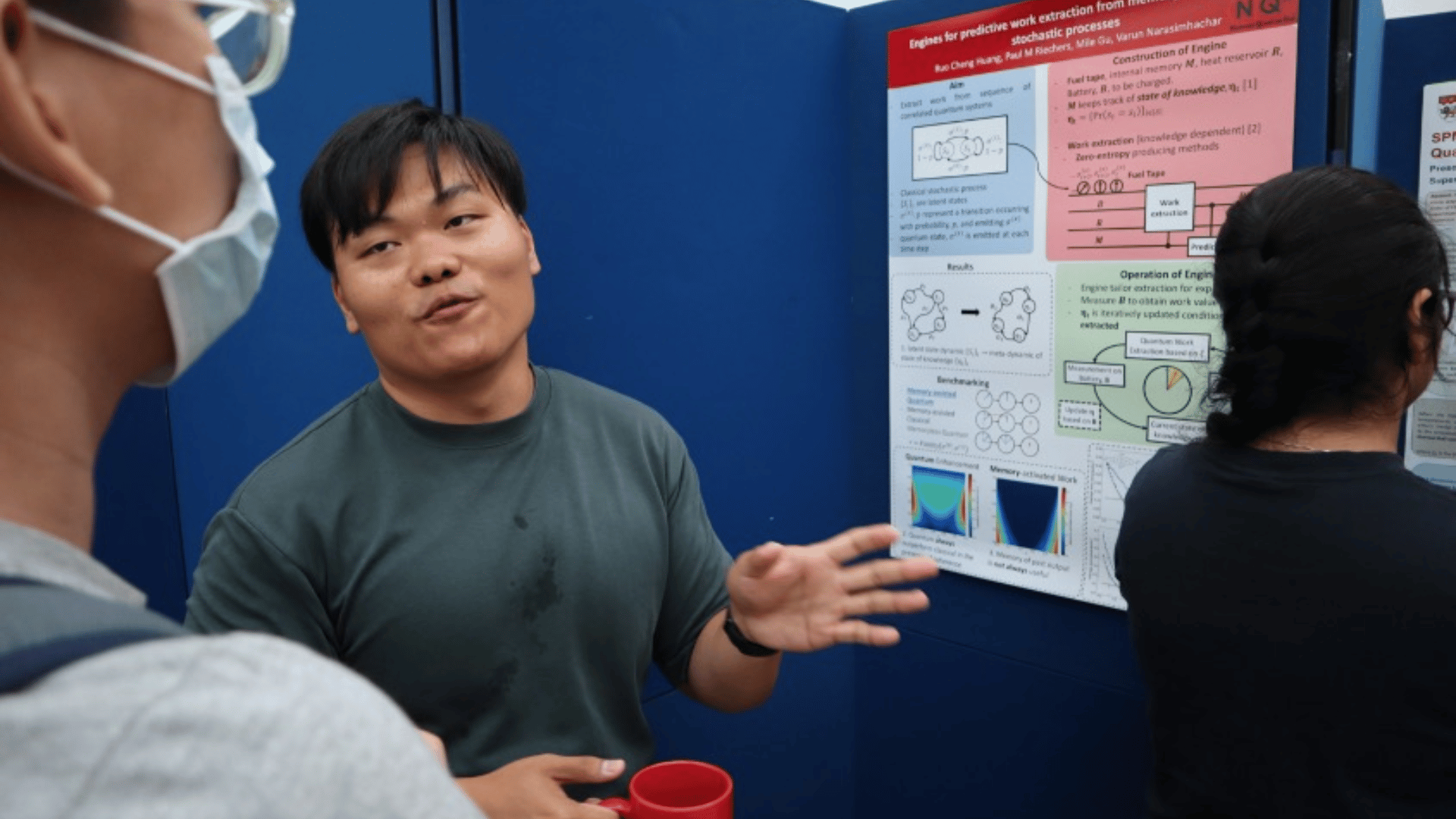
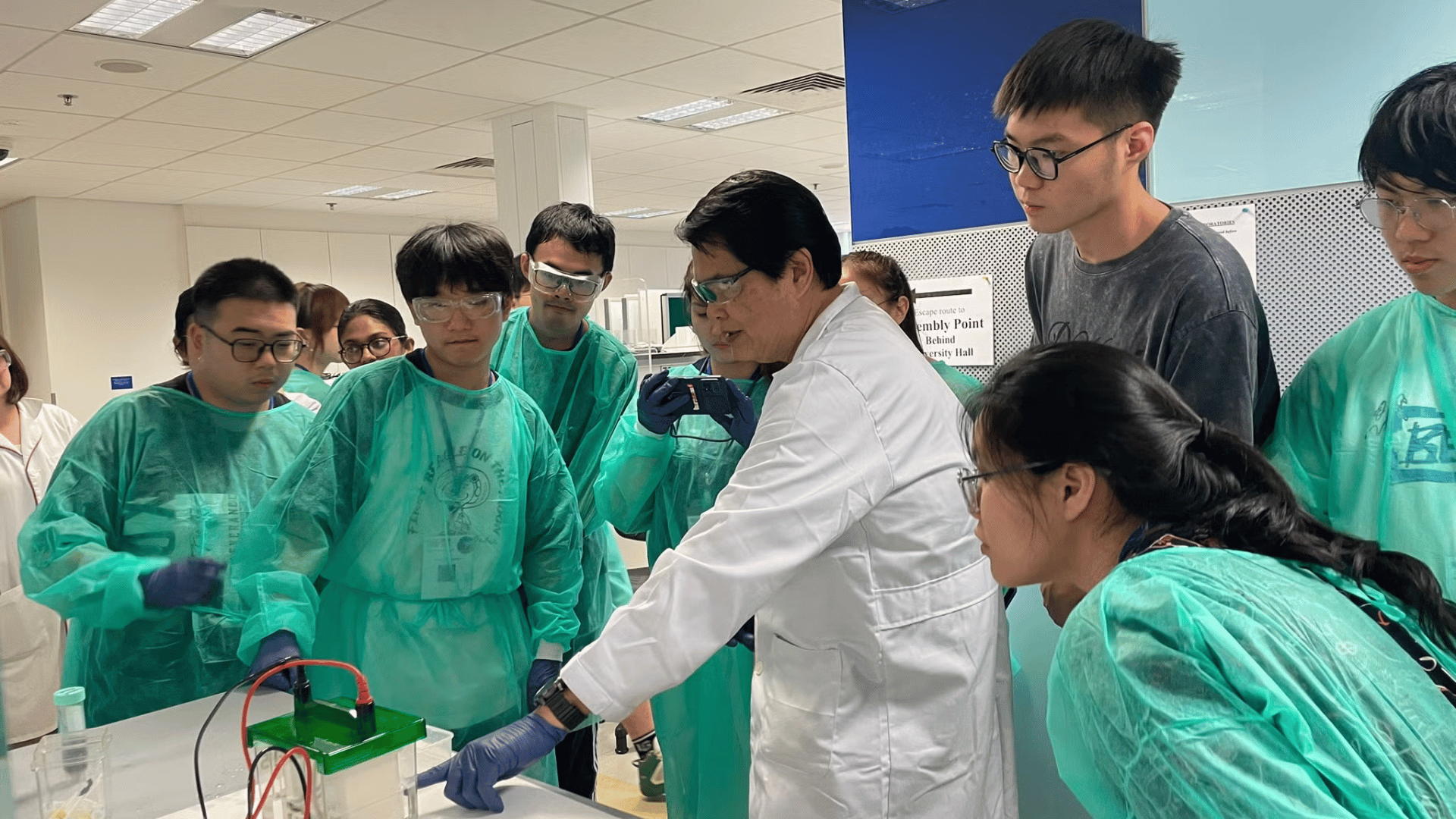
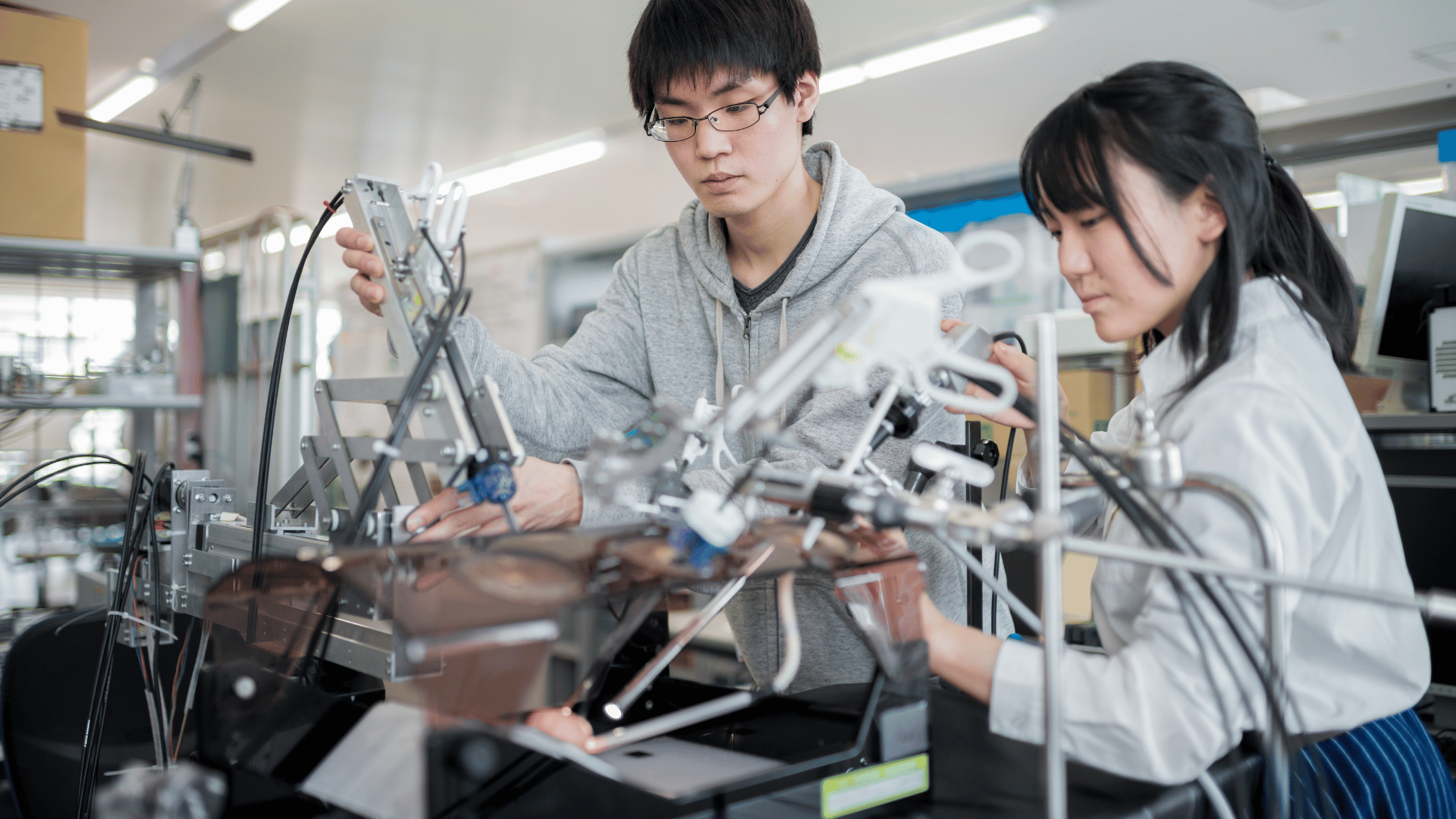
While you are in high school, exploring your interests in science through a structured program can give you an early look at college STEM education! These programs go beyond textbook science. You will get real lab time, running titrations, exploring microscopy, handling equipment you won't find in a high school classroom, and picking up skills like data analysis, research design, and scientific writing in the process. Depending on the program, you might work in biology, chemistry, physics, environmental science, or data science, often side by side with university professors and researchers who are actively publishing in these fields. Some programs end with a poster session or project pitch, giving you real practice presenting your work to an audience.
For your college applications, this kind of experience translates into concrete material: a certificate of completion, a research project you can discuss in your essays, and firsthand exposure to a subject area you are considering for your future major. These programs can act as a foundation for your college journey, giving you a glimpse of what university life is like at a top institution, in person.
What kinds of science summer programs are available in Singapore for high schoolers?
Singapore is home to universities and organizations that offer students around the world hands-on science exploration and research opportunities. For instance, the National University of Singapore and Nanyang Technological University are consistently ranked among the top universities in Asia, and both have dedicated science and engineering faculties running active labs in biomedical research, materials science, and environmental science.
For related options, consider STEM summer programs in Singapore.
To help you with your search, we have shortlisted 15 science summer programs in Singapore for high school students. We have focused on factors like academic rigor, availability of real research exposure, and the credibility of the host institution.
15 Science Summer Programs in Singapore for High School Students
1. National University of Singapore (NUS) Science Summer Camp
Location: NUS Kent Ridge Campus, Singapore
Cost: S$2,950
Dates: June 29th - July 3rd
Application deadline: Rolling
Eligibility: Students in grades 10-12, ages 15 and up, with a strong interest in science and mathematics and proficiency in English; open to international students
At the NUS Science Summer Camp, you will spend five days on NUS's campus attending lectures led by university professors and learning through demonstrations designed to make abstract science concepts click. You will use microscopy to examine sub-atomic and molecular structures up close, run hands-on chemistry and biology activities grounded in everyday applications, and get an introduction to machine learning along with some of the technical skills behind it.
Outside of class, you will stay at NUS's residential colleges, join guided field trips and a city tour around Singapore, and meet students from across Asia and beyond. At the end, you will earn a certificate of completion if you have attended at least 85% of the camp, completed a short science quiz with a passing grade, and submitted a post-programme evaluation.
Why it stands out: You will explore core science concepts while learning directly from NUS professors on a working research campus, while also picking up technical skills with the machine learning component.
2. Immerse Education’s Singapore Summer School

Location: Singapore
Cost: Varies; summer school scholarship available through our bursary programme
Acceptance rate/cohort size: Selective; an average of 7 participants per class
Dates: 2 weeks during the summer
Application deadline: Multiple cohorts with rolling admissions
Eligibility: Students around the world aged 16-18 currently enrolled in high school; open to international students
The Pre-University Summer School in Singapore lets high school students experience university life firsthand. You will live on campus and study in small groups with an average of 7 participants per class, and learn from tutors from eminent top universities like Oxford and Cambridge. You can choose from six subjects: Artificial Intelligence, Business Management, Economics, Engineering, Medicine, and Psychology.
The courses are experiential, letting you practice what you learn. So, you may find yourself conducting dissections in medicine, designing a robotic arm in engineering, or building business case studies. By the end of the program, you will complete a personal project, receive written feedback, and earn a certificate of completion. You can find more details about the application here.
Why it stands out: It offers an early start to university life and academics through discussion-based classes and a residential component, as well as the opportunity to work on an independent project.
3. Nanyang Technological University GenAI Bootcamp: AI Skills for the Digital Future
Location: Nanyang Technological University (NTU), Singapore
Cost: S$3,106.50 (standard) | S$2,943 (group registration)
Dates: June 29th - July 3rd | August 3-7
Application deadline: June/July session: May 18th | August session: June 29th
Eligibility: High school students, ages 16 and up, and college students from around the world; English fluency required
The GenAI Bootcamp is a five-day summer immersion designed to introduce you to the real-world applications of AI and modern science. Through sessions led by NTU professors from the College of Computing and Data Science, you will learn about generative AI, copilot tools, and agentic AI. You will also engage in group challenges where you will assess and present AI-driven solutions.
You will explore advanced research environments such as the Robotics Research Centre and NTU’s innovation labs, and participate in an industry site visit. The schedule will include college admissions guidance and cultural exploration through visits to Gardens by the Bay and Chinatown. The week-long experience can be an introductory opportunity to build skills in emerging tech and prepare for advanced STEM coursework.
Why it stands out: You will learn directly from NTU faculty, gain research lab exposure, and receive industry insights while engaging in hands-on AI problem-solving over five days.
4. NUS Science Research Programme (SRP)
Location: NUS Faculty of Science, Singapore
Cost/Stipend: Not specified
Dates: Varying schedules (exact dates not specified); project assigned by May 31st
Application deadline: PUC form submission deadline: June 8th; you can apply through your junior college or IP school.
Eligibility: 17- and 18-year-old students at junior colleges and Integrated Programme schools in Singapore; not open to international students
NUS's Faculty of Science, in collaboration with the Ministry of Education's Gifted Education Branch, offers academically strong students the opportunity to work on real research. The program will pair you with an academic or scientist mentor to work through a genuine research project under their supervision.
You can choose between the H3 track, which is examinable and can count toward your academic record, or the enrichment track, which is non-examinable if you would rather focus purely on the research experience itself. You can choose from research tracks in biology, food science, environmental science, biomedicine, physical science, chemical science, material science, or pharmaceutical science.
Why it stands out: It is one of the few hands-on research experiences that let you choose between an examinable and non-examinable track based on the level of rigor you want to attach to the work.
5. DSTA Young Defence Scientists Programme (YDSP)
Location: Defence Science and Technology Agency, Singapore
Cost/Stipend: Varies by individual programs
Dates: Varying dates based on track; summer tracks available
Application deadline: Varies by program
Eligibility: Secondary school and junior college (or Integrated Programme) students in Singapore; track-wise criteria can vary.; not open to international students
YDSP is DSTA's outreach initiative for those who want to see what science and technology work looks like inside Singapore's defence sector. The broader program offers several tracks: the YDSP Science & Technology Camp, YDSP World of Science, Research@YDSP, a scholarship program, and an annual YDSP Congress.
The format here ranges from short camps to longer research attachments depending on the track you join. Across all of them, you will learn directly from DSTA's engineers and developers and work on problems tied to real defence technology. Certain tracks also let you explore a scientific discipline in detail through focused sessions.
Why it stands out: You will get exposure to applied science and technology work inside a government defence agency, under the mentorship of working engineers rather than instructors.



6. Science Centre Singapore: Youth STEM Empowerment Programme (YSEP)
Location: Science Centre Singapore, Singapore
Cost: Fully funded to the value of the program cost of S$1,000
Dates: Main summer program June 2-28; Incubation: November 24-28
Application deadline: April 1st
Eligibility: Students 13-16 years old in Singapore; not open to international students
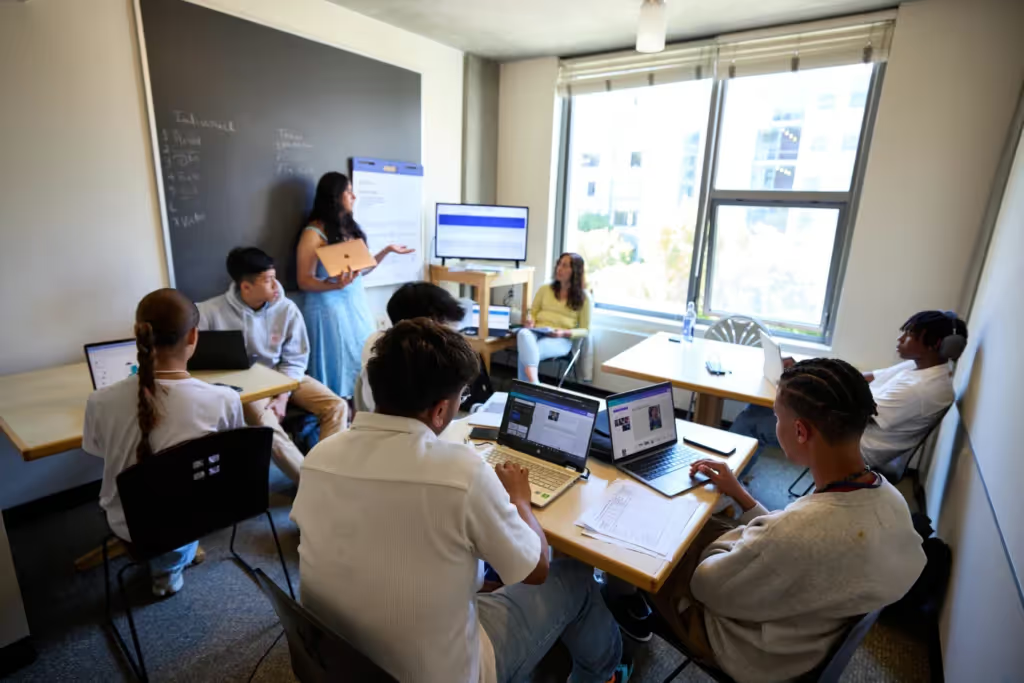
YSEP is a mentorship program designed for secondary school students interested in exploring real-life scientific problem-solving. You will be in a team and guided through the full design process, learning about a real problem, ideating solutions, and building a prototype to address one of the UN Sustainable Development Goals.
Past cohorts have worked on issues like elderly care in underserved communities and water sustainability. In the process, you will pick up design thinking and communication skills and gain experience in working on STEM challenges. You will also learn how to present your work at an end-of-program showcase.
Why it stands out: You will work on a STEM project directly tied to real community problems and UN SDGs and get to present a tangible solution that you helped design.
7. Inspiring NTU: Future Exploration Programme
Location: Nanyang Technological University campus, Singapore
Cost: June program: S$3,542.50 | July program: S$3,106.50; discounts available for group registration
Dates: June 22-26 | July 20-24
Application deadline: March 25th for the June session | May 25th for the July sessions (extensions may be available)
Eligibility: High school students, ages 16 and up, from around the world; English fluency required
This week-long program is designed for high school students who want a broad look at where science and technology are heading. You will attend seminars led by NTU faculty on topics like AI, FinTech, and sustainable technologies, and then explore NTU's labs and research centres, learning how scientific work is carried out in professional settings.
The schedule will include campus tours led by NTU student ambassadors and an admissions session to help you explore university pathways. Additionally, you will gain exposure to the Singaporean culture through visits to landmarks such as Chinatown and Merlion Park. Over the week, you will learn what it is like to study in Singapore.
Why it stands out: You will explore life on campus and learn about AI, FinTech, and sustainability over a week-long academic, cultural, and educational experience at NTU.
8. NUS College Summer School
Location: National University of Singapore’s Kent Ridge Campus, Singapore
Cost: S$2,725 for Singaporean/PR students | S$3,978.50 for ASEAN students | S$ 5,450 for international students
Dates: June 21-27
Application deadline: Not specified; typically, the program is open until full.
Eligibility: Pre-university students, ages 16-18, who are fluent in English; international students are eligible.
NUS College Summer School is a week-long experience designed to help you explore your interests across a range of subjects. You will sit in on faculty-led taster seminars, work on hands-on team projects, and engage in themed fieldwork tours, all designed to build skills like analytical thinking and future-readiness rather than just cover content. The seminars cover interdisciplinary fields, including topics in science and tech.
You will live in a residential college on NUS's Kent Ridge campus for the week. The program will wrap up with a talk on career/academic prep and a final project pitch where you and your team will present your project work. A Night Tour will be a part of the schedule to help you explore Singapore.
Why it stands out: It offers you a real residential-college experience along with university taster sessions to help you get a better sense of what studying at a top university actually feels like.
9. NUS College of Design and Engineering Summer School
Location: NUS Campus, Singapore
Cost: TBA; the past sessions had a $20 registration fee + optional hostel stay fees.
Dates: June 3-5
Application deadline: TBA for the next cycle; you can sign up for the CDE newsletter to be notified of the next edition.
Eligibility: Pre-university students in Singapore; not open to international students
CDE Summer School is a short program designed to introduce you to university-level design and engineering. The program focuses on a different theme each year, with the most recent edition centered on Robotics and Sustainability. Over three days, you will engage in faculty-led workshops covering 3D modeling, visual communication, introductory robotics, and electrolysis for sustainable mobility.
You will then apply what you learned to a Cleaning Robot Challenge, where you will work with peers in a simulated hawker centre to design and build a robotic system that can sort waste. This can be a hands-on opportunity to see what studying STEM at NUS actually looks like.
Why it stands out: It lets you explore STEM topics on a university campus through a concrete, team-built project tied to a real sustainability problem.
10. HTX Internship Programme
Location: Home Team Science and Technology Agency, Singapore
Cost/Stipend: Not specified
Dates: Vary by cycle; June internships available with a commitment of at least one month required for high schoolers
Application deadline: Two annual cycles: January/February for summer internships; August for internships starting from December
Eligibility: Students pursuing or planning to pursue a STEM-related qualification; IP Year 4-5 and JC1 students can apply; international student eligibility not specified
HTX lets you explore applied science work across areas like Robotics, Automation & Unmanned Systems, Digital & Information Forensics, Biometrics & Profiling, Cybersecurity, and Chemical, Biological, Radiological, Nuclear & Explosives (CBRNE). As an intern, you will spend a month or more working alongside HTX's engineers and scientists on problems tied to public safety.
In the past, interns have helped build tele-operated robots for handling suspicious packages and malware analysis sandboxes. You can apply directly to a specific division based on your interests. The experience can introduce you to workplace expectations and help you build skills like collaboration, time management, and problem-solving.
Why it stands out: It lets you take on real STEM work focused on public safety, offering hands-on workplace experience and the chance to explore a field of choice in professional settings.
11. NUS Chemistry Camp
Location: NUS Department of Chemistry, Singapore
Cost: S$100 + GST (Programme A) | S$ 120 + GST (Programme B)
Dates: June 2-3 (Programme A) | June 3-5 (Programme B
Application deadline: March 29th, or until the programme is full, whichever is earlier
Eligibility: Programme A for upper secondary (Year 3 or Year 4) students and Programme B for ITE/Polytechnic/Junior College students; each school can register up to five students per programme; not open to international students
NUS’s Chemistry Camp is a short experience split into two tracks to help you explore topics in the field aligned with your education level. You will engage in curated workshops, guided discussions, and hands-on experiments designed to reinforce core chemistry concepts and show you how they apply outside a textbook, all conducted in a real NUS teaching lab. Over two or three days, you may learn about acid-base chemistry, plant extraction, perfume chemistry, drug design and synthesis, or column chromatography, depending on the assigned track.
Beyond instructional learning, you will engage in lab tours and fireside chats with NUS chemists and senior students to get a look at where chemistry research is headed, and a chance to picture where you might fit into it. Each track will include a quiz component, where you will test your understanding of chemistry and compete for prizes.
Why it stands out: You will explore chemical science through hands-on work in labs and interactions with NUS faculty and students, all within two or three days.
Join the Immerse Education 2027 Essay Competition
Follow the instructions to write and submit your best essay for a chance to be awarded a 100% scholarship.
12. National University of Singapore SCALE Youth Programme: Introduction to Artificial Intelligence and Generative AI in Healthcare
Location: National University of Singapore, Singapore
Cost: TBA for next cycle
Dates: June - August (total of 5 three-hour sessions); dates vary by year
Application deadline: Rolling
Eligibility: Students in grades 10-12 who are at least 15 years old; open to international applicants
Part of the NUS SCALE Youth Programme, the AI and Generative AI in Healthcare is a short course designed to introduce you to the role of artificial intelligence in medicine and public health. During faculty-led sessions, you will learn about large language models, machine learning, neural networks, and generative AI, while exploring their applications in healthcare.
The schedule will combine technical learning sessions with discussions on digital health innovation, ethics, and societal responsibility. You will also work with peers in teams to come up with AI-based solutions and present them in a final project. The experience can introduce you to life on campus and to university-level STEM coursework.
Why it stands out: It offers interdisciplinary exposure focused on AI and its healthcare applications, offering early exposure to a fast-growing scientific field.
13. National University of Singapore SCALE Youth Programme: Community Youth Leadership in a Sustainable World
Location: NUS campus, Singapore
Cost: TBA for the next cycle
Dates: Summer program; dates TBA for the next cycle
Application deadline: TBA; you can inquire through NUS SCALE's individual or group booking forms.
Eligibility: Students in grades 10-12, from any field of study; international students able to read, write, and communicate in English can apply.
This program focuses on the United Nations' 17 Sustainable Development Goals (SDGs), letting you explore the policy, societal, and individual factors that shape progress toward these objectives. You will take part in four interactive workshops covering specific SDG-related themes, using case studies, breakout discussions, and group exercises to build your understanding of regional sustainability challenges. The program is co-taught by instructors with backgrounds in environmental policy, urban planning, and sustainable development, giving you exposure to both academic and applied science perspectives on the material.
The experience can help you build analytical, critical thinking, problem-solving, and communication skills as you work to formulate your own responses to climate change and sustainability challenges. The program will conclude with a group presentation, and successful participants receive an e-Certificate of Completion along with an Assessment Report; the top-scoring project team also receives a commendation letter.
Why it stands out: You will learn from instructors with experience in public policy, gaining insights into how science is applied in real-world settings to tackle global issues.
14. Physics Engagement Camp (PEC) @ National University of Singapore
Location: NUS Faculty of Science campus, Singapore
Cost: Not specified
Dates: June 2-4
Application deadline: Not specified
Eligibility: Secondary school students; additional research lab tours limited to senior students from junior colleges and polytechnics; international student eligibility not specified
PEC is a physics-focused camp designed to help you explore your interest in the subject through a mix of hands-on activities and academic exposure. You will take part in experiments exploring concepts like hydraulics, the Marangoni effect, sound visualization, and structural engineering with raw materials.
You will also attend lectures on topics such as quantum cryptography, nanoscience, the history of quantum mechanics, string theory, and nuclear energy and safety. If you are a senior-level secondary student, you will engage in lab tours of NUS research facilities like the Centre for Quantum Technologies, the Centre for Ion Beam Applications, and the Singapore Nuclear Research and Safety Initiative. A panel discussion with physics alumni and dinner conversations with current NUS physics undergraduates will round out the experience, giving you a chance to hear firsthand about university life and where a physics degree can lead.
Why it stands out: It pairs hands-on physics activities with direct access to active NUS research facilities and alumni, giving you exposure to both the experimental process and real career pathways in physics rather than just lectures.
15. Cyber Security Agency of Singapore Youth Cyber Exploration Programme (YCEP)
Location: Various sites in Singapore
Cost: Free
Dates: June 13-19 (multiple camps within this window; dates can vary by site)
Application deadline: Rolling
Eligibility: Secondary school, junior college, and ITE students in Singapore; not open to international students
The Cyber Security Agency of Singapore’s YCEP is a pre-university cybersecurity bootcamp that introduces students to the fundamentals of cybersecurity and digital defence. Run by Singapore’s local polytechnics in partnership with Cyber Youth Singapore, YCEP blends theoretical learning with practical assignments, competitions, and Capture-the-Flag (CTF) challenges focused on cybersecurity.
You will study core cybersecurity concepts, practice ethical hacking, and engage in problem-solving in a hands-on environment. If you are among the high-performing participants, you may advance to the Central CTF Competition, where you will test your cybersecurity skills.
Why it stands out: It offers government-backed cybersecurity training and competitive hands-on experience, providing direct exposure to Singapore’s cyber ecosystem.
Frequently asked questions: Science Summer Programs in Singapore for High School Students
Are there any free science summer programs in Singapore for high school students?
Yes, several options on this list don't charge tuition. The Cyber Security Agency's Youth Cyber Exploration Programme is free to attend, and the Science Centre Singapore's Youth STEM Empowerment Programme is fully funded up to the cost of the program, around S$1,000. The DSTA Young Defence Scientists Programme and HTX Internship Programme don't specify a cost either, though HTX is unpaid work experience rather than a stipend. If budget is the main barrier, these government-run and agency-led options are worth prioritizing over the paid university camps on this list.
Can international students apply to science summer programs in Singapore?
Yes, most programs on this list welcome international applicants, including the NUS Science Summer Camp, the NTU GenAI Bootcamp, and Immerse Education's Singapore Summer School, which draws students from around the world aged 16 to 18. A few options are restricted to students already based in Singapore, such as the NUS Science Research Programme, which only accepts junior college and Integrated Programme students enrolled locally. Before applying, check each program's eligibility section closely, since English fluency requirements and age minimums vary from one program to the next.
What age do you need to be for a science summer program in Singapore?
Age requirements vary widely depending on the program. Some, like the Science Centre Singapore's Youth STEM Empowerment Programme, accept students as young as 13, while others, including the NTU GenAI Bootcamp and Inspiring NTU Future Exploration Programme, require you to be at least 16. Programs run through local junior colleges, such as the NUS Science Research Programme, are generally reserved for 17 and 18 year olds already enrolled in a Singapore school. Check each program's eligibility details before applying, since a few only accept students within a specific grade band.
Do science summer programs in Singapore give you a certificate or credential?
Several programs on this list award a certificate of completion, including the NUS Science Summer Camp, which requires 85% attendance, a passing quiz, and a post-programme evaluation. The NUS SCALE sustainability programme issues an e-Certificate and an Assessment Report, with top teams also receiving a commendation letter. Research options like the NUS Science Research Programme go further, since its H3 track is examinable and can count toward your official academic record. Check each program's completion requirements before you commit if a formal credential matters for your application.
How selective are science research programs in Singapore for high school students?
Selectivity varies a lot by program. Mentorship-based research opportunities like the NUS Science Research Programme work through your junior college or Integrated Programme school, so you need a school nomination rather than applying directly. The DSTA Young Defence Scientists Programme and HTX Internship Programme are similarly competitive, pairing a small number of students with working engineers and scientists on live projects. Shorter camps and workshops, by contrast, are generally open enrollment with no nomination required, making them a more accessible starting point if you want research exposure without the competitive application process.
What subjects can you explore in a Singapore science summer program?
You can explore biology, chemistry, physics, environmental science, AI, and cybersecurity, depending on which program you choose. NUS and NTU programs tend to focus on core sciences and engineering, while HTX and the Cyber Security Agency of Singapore run specialised tracks in cybersecurity, digital forensics, and defence technology. If you're set on one subject in particular, Immerse Education's Singapore Summer School lets you choose from six subjects, including AI, medicine, and engineering. Reviewing each program's track list before applying will help you match your specific interests.
Explore science further from home in Singapore
Singapore gives you lab time, mentorship, and research exposure that a typical high school science classroom back home simply can't offer.
Picking the right fit among so many science summer programs in Singapore for high school students comes down to your budget, age, and interest area.
Whichever program you choose, you'll come home with a certificate, a project, and a clearer sense of where science might take you.
If studying abroad as a high schooler appeals to you, our Study Abroad blogs can help you plan the rest of your trip.




Unlock Inspiring Opportunities with the Immerse Education Newsletter
Join our newsletter to stay ahead with exclusive updates, exciting programme highlights, and expert insights from the world of immersive education.
Learn how Immerse can transform your life
An in-depth overview of our university and career preparation programmes
Get a glimpse into the life of an Immerse participant
Find the right programme for you with sample timetables, location showcases, and more