15 Summer Schools for Year 13 Students
TL;DR
You’ll find 15 summer schools here, from fully funded research programmes at MIT and Stanford to free UK access schemes like UNIQ. The main split is between free programmes that limit eligibility by citizenship or school type and paid courses open to international students. Most suit you if you’re finishing Year 12 or 13 and want university-level work before your degree. RSI, for example, adds a 50-student Stanford cohort from 2027 alongside its MIT programme. Immerse Education also runs two-week courses for ages 13 to 18 in cities including Cambridge, Oxford, and London, with bursaries available.
As a Year 13 student, you may already have a shortlist of degrees in mind, whether that is medicine, engineering, economics, law, or the humanities. Yet A-level or IB classes can only show you part of what studying a subject at university involves. You may want to see how your subject works in a lab, a seminar room, or a research group before you commit three or four years to it. One of the best ways to test that choice is by joining a summer school.
Imagine spending your summer running experiments in a university lab, debating ideas with students from different countries, or writing a research paper with feedback from academics who know the field. A summer school can give you university-level experience, help you build an advanced skillset, and give you something concrete to discuss in your personal statement or interviews.
How do you choose the right summer school for Year 13 students?
Finding the right program can be tricky when options differ so much in subject, length, cost, and eligibility. You need to think about what you want to study, whether the program matches your year group and nationality, and how much independent work it asks of you.
Universities, research institutes, and education charities run summer schools across science, engineering, medicine, the humanities, and the social sciences. You may learn through lab research, seminars, lectures, group projects, and one-to-one mentoring. Some programs are fully funded or pay a stipend, while others charge tuition but welcome students from around the world.
15 Summer Schools for Year 13 Students
1. Research Science Institute (RSI)
Location: Massachusetts Institute of Technology, Cambridge, Massachusetts, with a new Stanford location added from 2027.
Cost/Stipend: Free. RSI is described as cost-free to students.
Acceptance rate/cohort size: About 100 students at MIT each summer, plus 50 at Stanford from 2027.
Dates: Roughly six weeks over the summer, with a week of classes, a five-week research internship, and a final presentation week.
Application Deadline: December 11th, 2026.
Eligibility: High school juniors only (seniors are not eligible); open to US and international students.
RSI combines a week of intensive STEM classes with a five-week research internship, ending in written and oral presentations of your work. It is run by the Center for Excellence in Education and hosted at MIT, with a new Stanford cohort of 50 students from 2027.
Admission is limited to high school juniors, and the program is free for every student selected. Competition is heavy, since roughly 100 students join the MIT cohort each year, so it helps to compare it with other free research programs for high school students as you plan.
Why it stands out: RSI is one of the few fully funded programs that pairs each student with a mentor on an original project at a major research university.
2. Immerse Education’s Pre-University Summer School
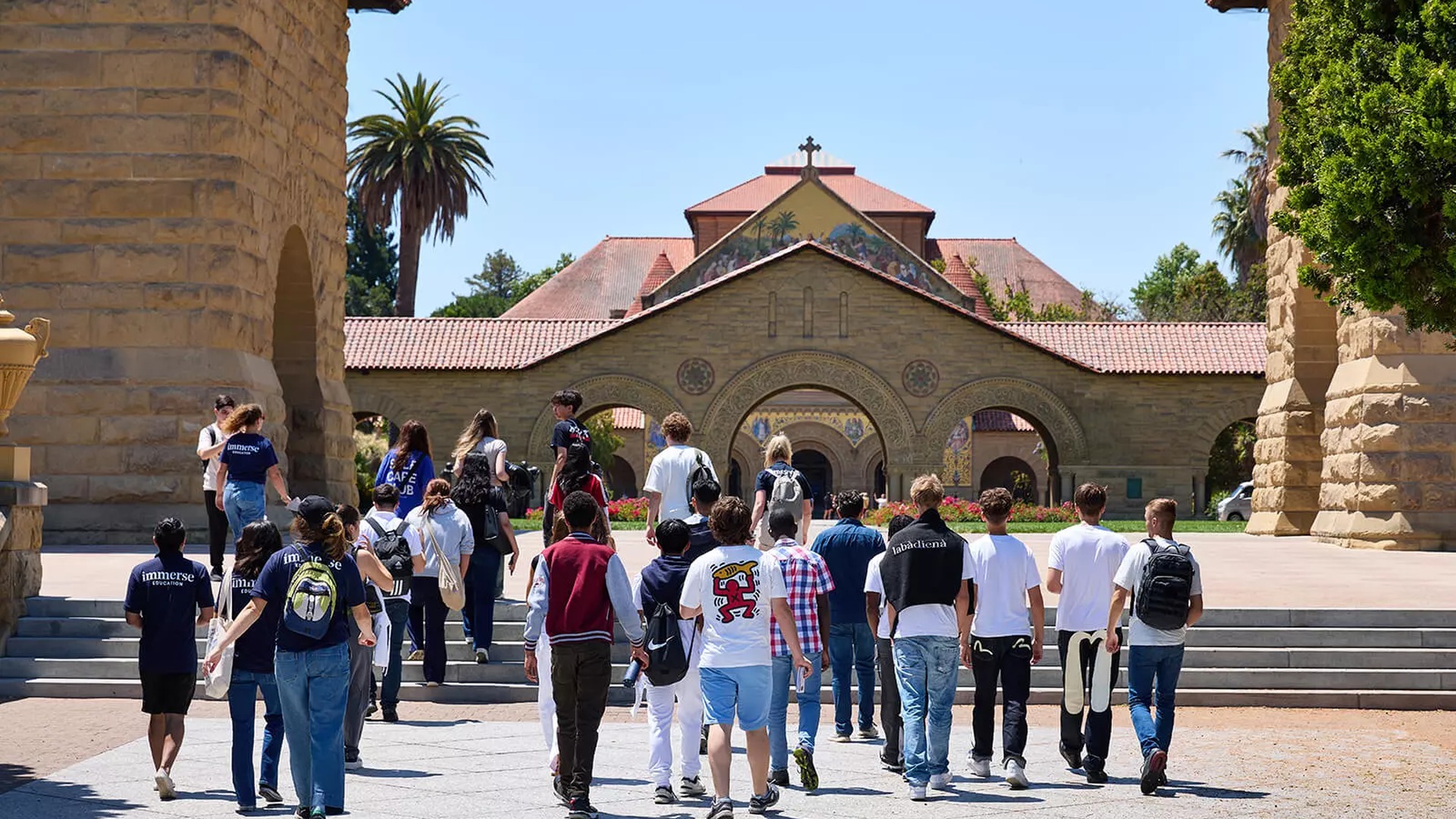
Location: Cambridge, London, Oxford, Singapore, Sydney, and Toronto
Cost/Stipend: Varies; summer school scholarship available through our bursary programme
Acceptance rate/cohort size: Selective; an average of 7 participants per class
Dates: 2 weeks during the summer
Application Deadline: Multiple cohorts with rolling admissions
Eligibility: Students aged 13-18; open to international students from around the world
Immerse Education's Academic Insights pathway lets you experience university life firsthand through two weeks of undergraduate-level study in one subject. You learn in tutor-led seminars that average 7 students, with two 1:1 tutorials, masterclasses, and guest speakers built into the programme. You can choose from more than 20 subjects, including Architecture, AI, Business Management, Computer Science, Economics, Law, Medicine, and Philosophy, with residential and commuter options in each city. By the end, you present a personal project on the final Friday and receive a certificate, and accredited options let you earn 8 UCAS points or 3 US college credits from age 14.
Why it stands out: You study under expert tutors in small groups, complete a project you can show in future applications, and experience university life in some of the world’s best-known university cities.
3. Lumiere Research Scholar Program
Location: Remote, you can participate in this program from anywhere in the world!
Cost: Varies depending on program type. Full financial aid available.
Program Dates: Varies by cohort: summer, fall, winter, or spring. Options range from 12 weeks to 1 year.
Application Deadline: Varies by cohort.
Eligibility: You must be currently enrolled in high school and demonstrate a high level of academic achievement.
The Lumiere Research Scholar Program is a rigorous research program tailored for high school students. The program offers extensive 1-on-1 research opportunities for high school students across a broad range of subject areas. The program pairs high school students with Ph.D. mentors to work 1-on-1 on an independent research project.
At the end of the 12-week program, you’ll have developed an independent research paper! You can choose research topics from subjects such as psychology, physics, economics, data science, computer science, engineering, chemistry, international relations, and more. You can find more details about the application here, and check out students’ reviews of the program here and here.
Why it stands out: You get 1-1 mentorship with a Ph.D. mentor and produce an independent research project by the end.
4. MITES Summer
Location: On campus at MIT, Cambridge, Massachusetts. Residential.
Cost/Stipend: Free.
Acceptance rate/cohort size: Not officially published.
Dates: Six weeks on campus, typically from mid-June to late July or early August; 2027 dates not yet posted.
Application Deadline: February 1st, 2027, at 11:59 pm PST; teacher recommendations due February 15th.
Eligibility: 11th graders who are US citizens or permanent residents.
MITES Summer is a six-week residential program on the MIT campus for students set on careers in science and engineering. Selected students study advanced math and science, work on project-based courses, and live in the dorms alongside their cohort.
One application covers both MITES Summer and the online MITES Semester, so you can be considered for either. It is open to 11th graders who are US citizens or permanent residents, which lines up with the summer before the final year of school.
Why it stands out: MITES removes the price barrier entirely, so cost is not a reason to opt out.
5. Stanford Institutes of Medicine Summer Research Program (SIMR)
Location: Stanford University School of Medicine, California.
Cost/Stipend: No cost to take part. Limited need-based stipends are available.
Acceptance rate/cohort size: Not officially published.
Dates: Eight weeks, from June 7th to July 29th, 2027 (tentative).
Application Deadline: Applications open December 18th, 2026, and close in late February 2027.
Eligibility: High school juniors or seniors (classes of 2027 or 2028), at least 16 by the start, US citizens or permanent residents. Strong preference for students in the local Bay Area.
SIMR places you in a research laboratory within the Stanford Institutes of Medicine for an eight-week summer project in an area of biomedical science. There is no cost to take part, though housing is the family’s responsibility.
Applicants must be juniors or seniors, at least 16 by the start, and US citizens or permanent residents, with a strong preference for students in the local Bay Area. Need-based stipends are limited, so check the program information before you apply.
Why it stands out: SIMR gives high school students direct lab time at a leading medical school, which is rare at this level.



6. Simons Summer Research Program
Location: Stony Brook University, New York.
Cost/Stipend: Not listed on the program’s about page; see the program FAQ for housing details.
Acceptance rate/cohort size: Fewer than 5% of applicants admitted.
Dates: About six weeks, from June 28th to August 6th, 2027.
Application Deadline: February 5th, 2027; school nominations due January 29th and teacher recommendations due February 12th. The application opens November 15th, 2026.
Eligibility: Current 11th graders, at least 16 by the start, US citizens or permanent residents.
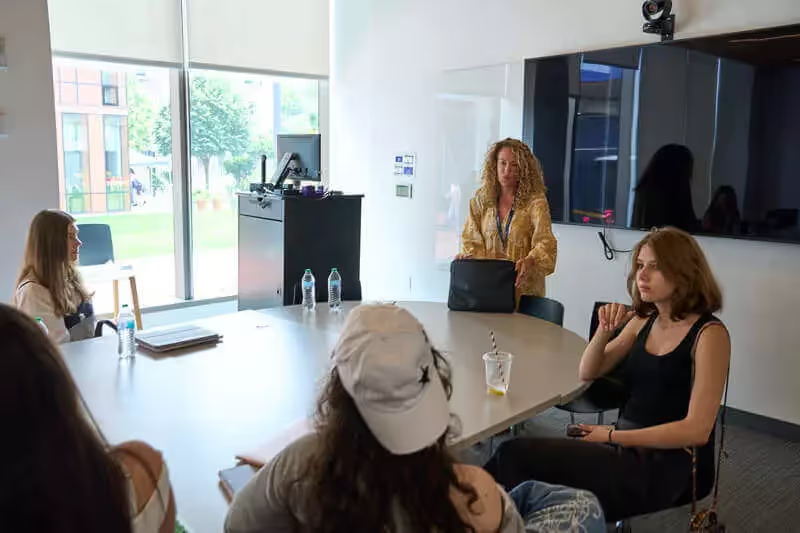
The Simons Summer Research Program lets you work as part of a Stony Brook University research group for about six weeks, taking on a project of your own under a faculty mentor. Fellows are matched with faculty in chemistry, computer science, geosciences, marine science, neurobiology, and more than a dozen other departments.
You finish by writing a research abstract and presenting a poster to the University community. It is open to current 11th graders who are at least 16 by the start and are US citizens or permanent residents, and you can explore similar options among these STEM research programs for high school students.
Why it stands out: Simons treats high school students like junior members of a working lab, from the first project meeting to the final poster.
7. Anson L. Clark Scholars Program
Location: Texas Tech University, Lubbock, Texas.
Cost/Stipend: Free, with a $750 stipend on completing a successful research project report. Room and board are included.
Acceptance rate/cohort size: 12 scholars.
Dates: Seven weeks, from June 20th to August 5th, 2027.
Application Deadline: February 15th, 2027 (applications open January 2nd, 2027).
Eligibility: Rising seniors and recent high school graduates, at least 17 by the start, US citizens or permanent residents.
The Anson L. Clark Scholars Program brings twelve students to Texas Tech University for a seven-week research experience across the sciences, humanities, and other fields. Scholars receive a $750 stipend on completing a successful project report, and room and board are included. Applicants must be at least 17 by the start and be US citizens or permanent residents. The small cohort means close contact with faculty mentors throughout the program.
Why it stands out: With only twelve places, Clark is one of the smallest and most selective funded research programs in the US.
8. Garcia Summer Scholar Research Program
Location: Stony Brook University, New York.
Cost/Stipend: $4,000 laboratory usage fee and a $66 student health services fee (2026 rates), plus a non-refundable registration fee. Housing and meals cost extra.
Acceptance rate/cohort size: Not officially published.
Dates: About seven weeks over the summer; 2027 dates not yet posted.
Application Deadline: 2027 deadline not yet posted.
Eligibility: At least 16 by the early-July cutoff, with a 3.8 unweighted GPA (95 out of 100) and test scores at the 60th percentile or above. International students may apply, but the program cannot support visa applications.
The Garcia Summer Scholar Research Program at Stony Brook University focuses on polymer and materials science, with students joining faculty-led research for about seven weeks. It carries a $4,000 laboratory usage fee, and housing and meals are billed separately.
Applicants must be at least 16 by early July, hold a 3.8 unweighted GPA, and have standardized test scores at the 60th percentile or above. International students may apply, but the program cannot support visa applications.
Why it stands out: Garcia is one of the few high school programs built entirely around practical materials-science research.
9. Boston University RISE (Research in Science & Engineering)
Location: Boston University, Boston, Massachusetts.
Cost/Stipend: 2027 tuition not yet posted. Limited need-based financial aid is available.
Acceptance rate/cohort size: Not officially published.
Dates: Six weeks over the summer (the 2026 session ran June 28th to August 7th); 2027 dates not yet posted.
Application Deadline: February 3rd, 2027, at 11:59 pm Eastern, for applications and recommendations.
Eligibility: Students entering their senior year of high school; international eligibility not specified.
Boston University RISE offers two tracks over six weeks in Boston. On the Internship track, you’re matched with a faculty mentor and work on a research project in a university laboratory, while the Practicum track runs group computational research in neurobiology or data science. Internship admission depends on a mentor match, so the odds vary by field. Financial aid is limited and based on need, so request it in your application if you need support.
Why it stands out: RISE gives rising seniors a structured route into a Boston University research group, with a choice between independent and team-based work.
10. Beaver Works Summer Institute (BWSI)
Location: Massachusetts Institute of Technology, Cambridge, Massachusetts, with some courses offered virtually.
Cost/Stipend: Not officially published on the program page.
Acceptance rate/cohort size: Not officially published.
Dates: A four-week program in the summer, following online prerequisite coursework.
Application Deadline: Not officially published on the program page; the summer application follows the online prerequisite course.
Eligibility: Students entering their senior year of high school; open to US citizens, permanent residents, and international students currently attending a US high school.
The Beaver Works Summer Institute is a four-week STEM program hosted by MIT Lincoln Laboratory and MIT’s School of Engineering, built around project-based courses in areas such as autonomous racing robots, machine learning, CubeSats, and computer security.
Admission is a multistep process that starts with free online prerequisite coursework, so your performance there matters. The program is known for rigorous, team-driven technical projects that end in a final demonstration. Specific costs and application deadlines are not published on the program page, so check directly before applying.
Why it stands out: Beaver Works centers on applied engineering challenges that mirror how technical teams work.
11. Summer Science Program (SSP)
Location: Residential on partner university campuses across the United States.
Cost/Stipend: Fees are scaled to what each family can afford; families with typical expenses and an income of about $140,000 or less will often qualify for full aid or a partial discount. It’s free to apply, and travel aid can be requested.
Acceptance rate/cohort size: Around 700 participants were admitted in 2026.
Dates: Programs begin in mid-to-late June. Dates vary by campus.
Application Deadline: 2027 applications open in December 2026; the deadline is not yet posted.
Eligibility: Students graduating high school in 2028 (current juniors) who have completed the required coursework; international applicants can apply and request financial aid.
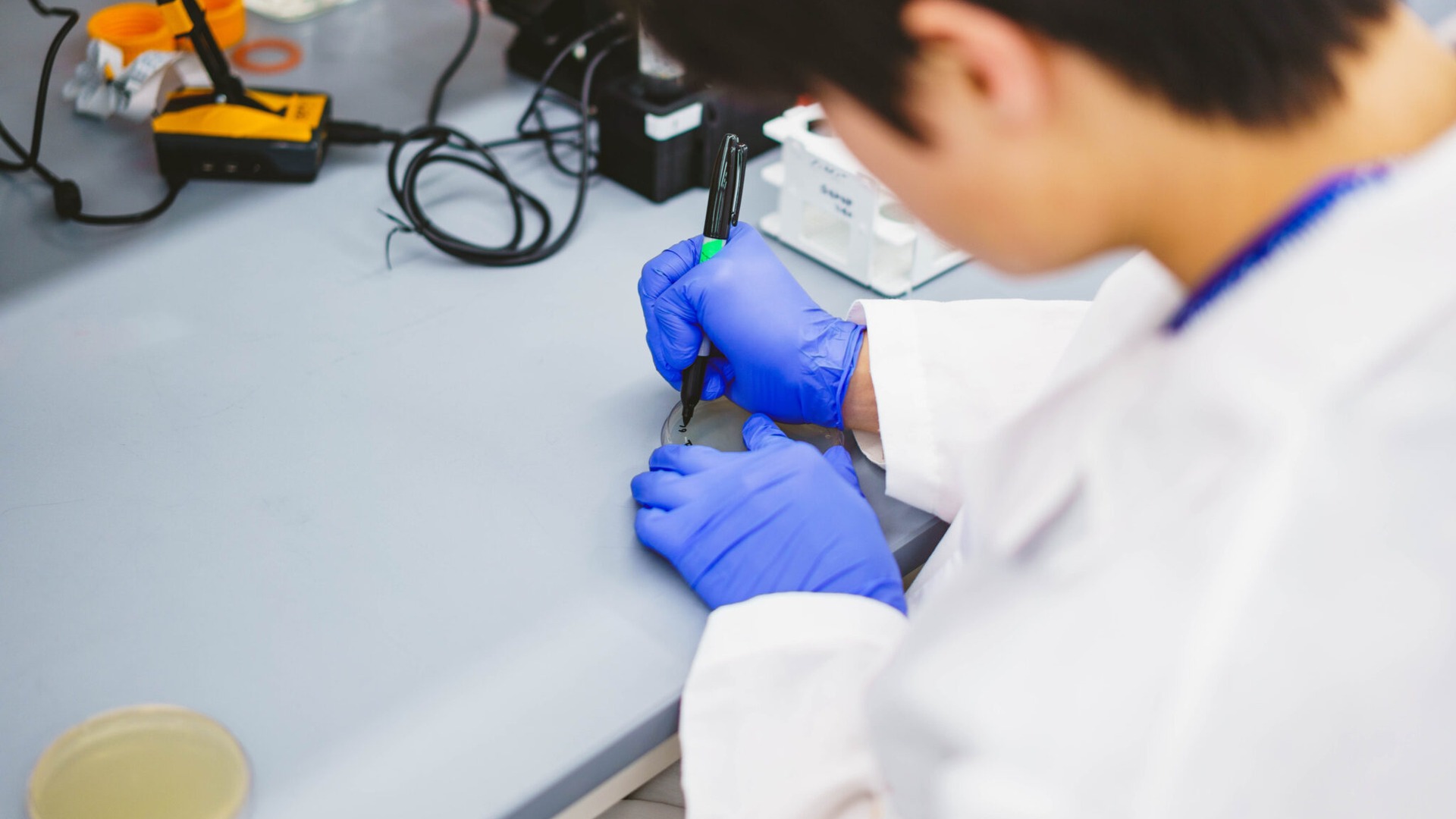
The Summer Science Program is a residential research program held on partner university campuses across the US, where small teams work through a research problem in astrophysics, biochemistry, genomics, or synthetic chemistry.
Over 50% of participants received some form of aid in 2026, so the full fee of roughly $14,600 per participant is rarely what families pay. Students must be current high school juniors who have finished the required coursework. Programs begin in mid-to-late June, and dates vary by campus.
Why it stands out: SSP hands students a research problem from the start, with data they collect and analyze themselves.
Join the Immerse Education 2027 Essay Competition
Follow the instructions to write and submit your best essay for a chance to be awarded a 100% scholarship.
12. Yale Young Global Scholars (YYGS)
Location: Yale University, New Haven, Connecticut. Residential.
Cost/Stipend: $7,500 for one two-week residential session, covering housing, meals, and materials but not travel. Need-based aid can cover up to the full cost of tuition for domestic and international students.
Acceptance rate/cohort size: Not officially published; students from over 150 countries take part each summer.
Dates: Three two-week sessions across June and July 2027.
Application Deadline: Regular Decision on January 6th, 2027; the Early Action deadline has passed.
Eligibility: High school students ages 16 to 18 from around the world.
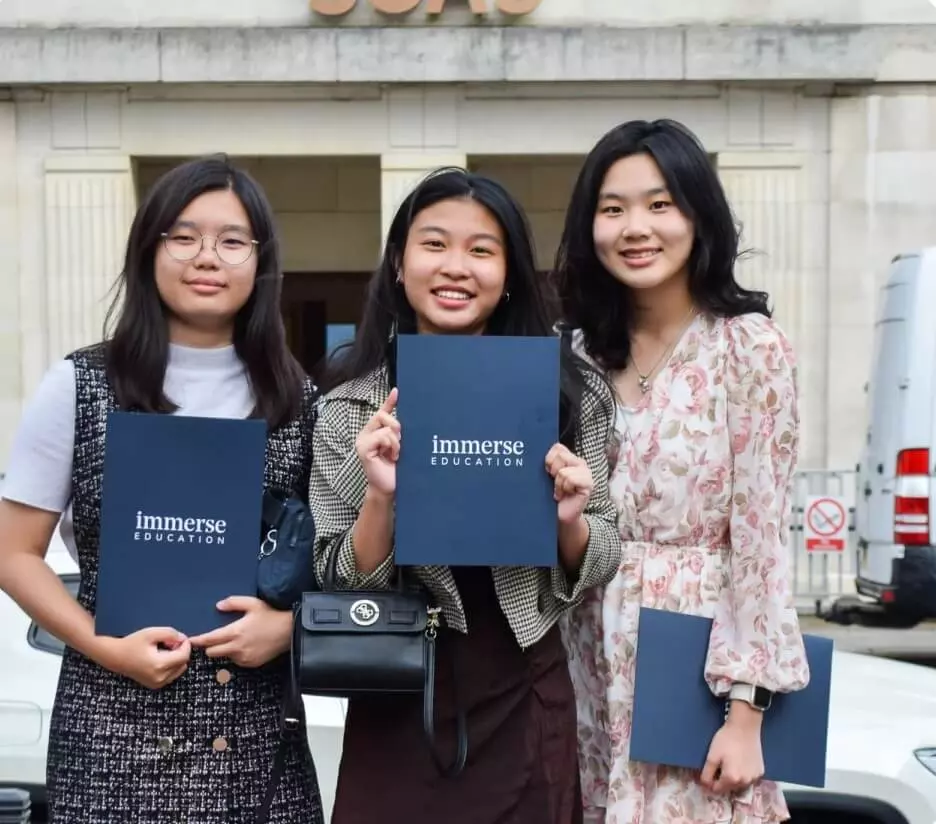
Yale Young Global Scholars brings students from around the world to Yale for two-week summer sessions on interdisciplinary themes, across three tracks: Innovations in Science & Technology, Politics of Law & Economics, and Solving Global Challenges.
Tuition is $7,500 per session, and need-based aid can cover the full amount for both domestic and international students. Your time combines Yale faculty lectures, small-group seminars, and a collaborative capstone project. The program is open to students ages 16 to 18.
Why it stands out: YYGS offers a short, intensive taste of a residential university environment with an international cohort.
13. UNIQ (University of Oxford)
Location: University of Oxford, England. Residential.
Cost/Stipend: Free. UNIQ is a completely free residential and support program.
Acceptance rate/cohort size: Not officially published.
Dates: One week in the summer; 2027 dates not yet published.
Application Deadline: Applications open December 15th, 2026, and close January 19th, 2027, at 13:00.
Eligibility: UK state school students in Year 12 in England and Wales, with equivalent year groups in Northern Ireland and Scotland, who have good grades and meet widening-participation criteria.
UNIQ is the University of Oxford’s free summer program for UK state school students, built to support strong applicants from backgrounds that are underrepresented at Oxford. It combines subject-based academic sessions with guidance on the Oxford application, and the residential and support elements cost nothing.
Support continues after the residential week, with guidance through Year 13 as you apply. If Oxford or Cambridge is on your list, you can compare more options among these Oxbridge summer programs for high school students.
Why it stands out: UNIQ is run by Oxford itself and built specifically to widen access, so places are free and targeted at students who would benefit most.
14. Sutton Trust UK Summer Schools
Location: Leading partner universities across the UK.
Cost/Stipend: Free. Travel, accommodation, and food are covered by the Sutton Trust and its partner universities.
Acceptance rate/cohort size: Not officially published; there can be up to seven applications for each place.
Dates: One week over the summer. Dates vary by university (Sheffield’s 2027 school, for example, runs July 20th to 23rd, 2027).
Application Deadline: 2027 deadline not yet published; the 2026 cycle ran from January 12th to March 5th, 2026.
Eligibility: Students who have always attended UK state schools and are in Year 12 in England and Wales, S5 in Scotland, or Year 13 in Northern Ireland. Students in Year 13 in England and Wales cannot apply.
The Sutton Trust UK Summer Schools give state school students a free, one-week stay at a leading partner university, with subject taster sessions and university application support. Some universities give preference or reduced offers to students who have attended, though this isn’t the case everywhere.
You must have always attended a state-funded school, including primary school, and priority goes to students who meet widening-participation criteria. The program is free to attend.
Why it stands out: It opens the doors of selective UK universities to students who might not otherwise get a close look at campus life, at no cost.
15. Telluride Association Summer Seminar (TASS)
Location: University campuses that vary by year; recent programs have included Cornell University.
Cost/Stipend: Free. Telluride Association covers all program costs, including tuition, books, room and board, field trips, and facilities fees.
Acceptance rate/cohort size: Not officially published. Described as highly selective.
Dates: Five weeks between June and July 2027.
Application Deadline: Applications for 2027 are due in winter 2026 (the 2026 cycle closed on December 3rd, 2025).
Eligibility: High school sophomores and juniors; international eligibility not specified on the program page.
The Telluride Association Summer Seminar is a free, five-week program that studies how power and privilege shape social structures through courses in the humanities and social sciences. You apply to one of two areas of study, then take part in a college-level seminar built around critical reading, writing, discussion, and debate.
Telluride Association covers all program costs for every student. It is open to current sophomores and juniors, and decisions are released in March after an interview period in February.
Why it stands out: TASS is one of very few fully funded humanities programs that treats discussion and writing as serious intellectual work.
Frequently asked questions: Summer Schools for Year 13 Students
Can you go to a summer school in Year 13?
Yes, though eligibility depends on how each programme counts your year group. US programmes usually treat Year 13 as senior year, so options like BU RISE and Beaver Works, which target students entering their senior year, line up with the summer after Year 12. UK access schemes such as UNIQ and the Sutton Trust are for Year 12 students in England and Wales, so you need to apply a year earlier. Immerse Education’s courses are open to students aged 13 to 18 from around the world, so you can still join one after Year 13.
Are there free summer schools for Year 13 students?
Yes, several of the most selective programmes on this list are free. RSI, MITES Summer, and the Telluride Association Summer Seminar cover their programme costs, and the Anson L. Clark Scholars Program adds a $750 stipend plus room and board. In the UK, UNIQ and the Sutton Trust Summer Schools are free, with the Sutton Trust covering travel, accommodation, and food. Most free options limit eligibility by citizenship, school type, or year group, so check the rules before you start an application.
When should you apply for 2027 summer programmes?
You should start in the autumn, as the earliest deadlines fall before Christmas. RSI closes on December 11th, 2026, and UNIQ opens on December 15th and closes on January 19th, 2027. Yale Young Global Scholars’ regular deadline is January 6th, followed by MITES on February 1st, BU RISE on February 3rd, Simons on February 5th, and the Anson L. Clark Scholars Program on February 15th. Building a simple deadline calendar now stops you from missing a programme you’re eligible for.
Do summer schools help with university applications?
A summer school can strengthen your application by giving you specific academic experiences to discuss, rather than a line on a list. Writing a research abstract at Simons, presenting a poster, or completing a personal project shows admissions tutors how you engage with your subject. Some UK universities also give preference or reduced offers to Sutton Trust participants, though this varies by university. Immerse Education’s courses include two 1:1 tutorials and seminars averaging 7 students, which gives you detailed feedback to reflect on in your personal statement.
Can international students apply to US summer research programmes?
Some can, but many funded US programmes are limited to citizens and permanent residents. MITES, Simons, SIMR, and the Anson L. Clark Scholars Program all require US citizenship or permanent residency. RSI accepts international students, Yale Young Global Scholars offers need-based aid to applicants from all countries, and SSP lets international applicants request financial aid. Beaver Works accepts international students only if they currently attend a US high school, and Garcia cannot support visa applications.
How long do summer schools for Year 13 students last?
Most run between one and eight weeks. UK access programmes like the Sutton Trust Summer Schools last one week, while Yale Young Global Scholars runs for two. Research-heavy programmes take longer: Beaver Works runs for four weeks, TASS for five, RSI, MITES, Simons, and BU RISE for about six, the Anson L. Clark Scholars Program for seven, and SIMR for eight. Longer programmes usually mean a deeper research project, but they also take up more of your summer.
Making the jump from Year 13
Moving from Year 13 to university is a big step, and a summer of focused study can make that leap feel far more manageable.
Many summer schools for Year 13 students let you run a research project, join seminars, or present your work to academics in your field.
Look closely at year-group rules and citizenship requirements first, then plan around the deadlines that usually fall between December and February.
Whenever you want more support with the move to higher education, explore our University Preparation blogs on applications, interviews, and choosing a course.






Unlock Inspiring Opportunities with the Immerse Education Newsletter
Join our newsletter to stay ahead with exclusive updates, exciting programme highlights, and expert insights from the world of immersive education.
Learn how Immerse can transform your life
An in-depth overview of our university and career preparation programmes
Get a glimpse into the life of an Immerse participant
Find the right programme for you with sample timetables, location showcases, and more