
 Русский (RU)
 Українська (UK)
 Türkçe (TR)
 Italiano (IT)
 Français (FR)
 Português (PT)
 中文 (中国) (ZH)
 Español (ES)
 日本語 (JA)
 ไทย (TH)
 Deutsch (DE)
 Ελληνικά (EL)
 Polski (PL)
 Bahasa Indonesia (ID)
 Nederlands (NL)
 العربية (AR)
 한국어 (KO)

If you’re a high school student curious about research, you may already enjoy asking questions, exploring ideas, or diving deeper into subjects that interest you. But beyond school assignments, you might still wonder what real academic research actually looks like. Free research programs for high school students offer a structured way to experience investigation, experimentation, and discovery before university.
Imagine working on a research project, analysing data, reading academic papers, and presenting your findings. You might collaborate with mentors and students from around the world while exploring science, social sciences, technology, or the humanities, gaining valuable academic exposure without financial barriers.
How do you choose the right free research programs for high school students?
With many options available, it’s important to look for programs that offer structured mentorship, hands-on projects, and meaningful outcomes rather than passive learning. The best programs often include guidance from researchers or professors, helping you understand how to frame questions, conduct analysis, and communicate results effectively.
These programs often include literature reviews, data collection, analysis, and final presentations or papers. You might conduct experiments, explore datasets, or develop theoretical research, mirroring how research is done at the university level.
You’ll learn from experienced mentors, collaborate with peers, and develop essential skills such as analytical thinking, problem-solving, and academic communication. Along the way, you’ll build confidence, strengthen your college applications, and gain a clearer understanding of what pursuing research in the future might involve.
To help you get started, we’ve curated a list of 15 Free Research Programs for High School Students. They’ve been selected for their accessibility, academic rigor, and ability to provide meaningful early exposure to the world of research.
For online opportunities, have a look at the online research program.
15 Free Research Programs for High School Students
1. Carl B. and Florence E. King Foundation High School Summer Program in Biomedical Sciences
Location: University of Texas MD Anderson Cancer Center
Cost/Stipend: Students will get a US$ 7200 stipend by the end of the 10-week program, or US$ 6480 if participating for only 9 weeks out of 10 weeks
Acceptance rate/cohort size: 6 students
Dates: June 1st – August 7th
Application Deadline: January 14th
Eligibility: Students enrolled as senior-level high school students in Texas during the Spring semester prior to the start of the program, aged at least 18 years old by the start of the program, US citizens/permanent residents, or work-eligible visa holders. International students are not allowed
The Carl B. and Florence E. King Biomedical Sciences program offers you the chance to step directly into a real research setting if you’re interested in Allied Health. It is highly selective, admitting only six participants each year. Throughout the program, you will spend five days a week working in MD Anderson laboratories, gaining first-hand exposure to biomedical research.
Most of your time will be dedicated to hands-on lab work that helps you better understand potential career paths in biomedical sciences, while the rest includes faculty-led seminars and activities such as poster development and elevator pitch competitions. By the end, you will feel more confident and prepared when approaching your college applications. The experience wraps up with a formal research presentation followed by a closing luncheon.
Why it stands out: It places you in cancer research labs at a leading NCI-designated center, helping you build real-world biomedical research skills.Source: Immerse Education
2. Immerse Education’s Pre-University Summer School
Location: Cambridge, London, Oxford, Singapore, Sydney, Tokyo, and Toronto
Cost/Stipend: Varies by format; summer school scholarship available through our bursary programme
Acceptance rate/cohort size: Multiple summer cohorts
Dates: 2 weeks during the summer
Application Deadline: Rolling admissions
Eligibility: Students aged 13-18 currently enrolled in middle or high school, application open for worldwide students
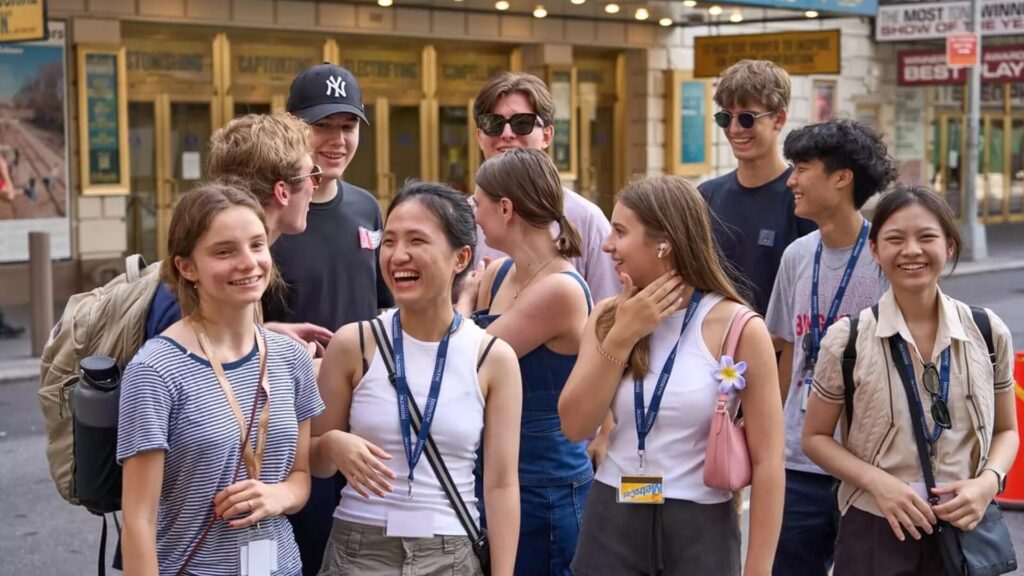
The Academic Insights Program allows you to experience university life in an immersive and practical way. You will live on campus and study in small groups of 7 to 10 students, guided by tutors from leading institutions such as Oxford and Cambridge. With over 20 subjects available, including Architecture, AI, Business Management, Computer Science, Economics, Medicine, and Philosophy, you can explore a wide range of interests.
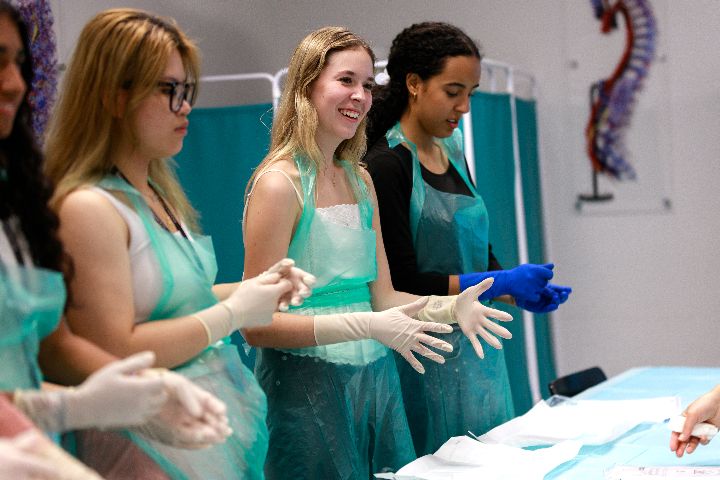
The learning approach is highly experiential; you might perform dissections in medicine, design robotic systems in engineering, take part in mock trials for law, or develop creative portfolios and business case studies. By the end of the program, you will complete an individual project, receive personalised feedback, and earn a certificate of completion.
Why it stands out: You’ll study under expert academics, be guided daily by a university student mentor, complete a project you can show in future applications, and experience genuine university college life — with other campuses worldwide as alternatives.
3. High School Bioinformatics Summer Camp
Location: Virtual
Cost/Stipend: Free
Acceptance rate/cohort size: Not disclosed
Dates: July 6th – August 1st
Application Deadline: Rolling admission until March 31st
Eligibility: High school students with a GPA above 3.0, at least one high school biology credit, and a strong internet connection. Eligible for high school students worldwide
For students interested in biology and life sciences, the High School Bioinformatics Summer Camp is one of the more accessible free research programs for high school students, as it takes place virtually through the RNA Institute at the University of Albany. The programme trains you to analyse RNA sequencing data through daily live lectures and an independent research project centred on neurodegenerative diseases.
The program is free for high school students who have completed a biology course and maintain a GPA above 3.0. At the end of the virtual experience, you will be invited to attend an in-person closing event called RNA Day, where you will present your project as a research poster. Upon successfully completing both the coursework and the presentation, you will receive a Certificate of Completion along with a digital badge in Introduction to Bioinformatics Skills.
Why it stands out: It introduces you to computational biology and data analysis helping you understand how biology and technology intersect in research.
4. Summer Physics Camp (Los Alamos National Laboratory)
Location: Los Alamos, NM
Cost/Stipend: No cost / $350 stipend
Acceptance rate/cohort size: Selective; 20-40 students
Dates: June 8-19
Application Deadline: April 1st
Eligibility: High school students living in New Mexico or the East Hawaii tribal community must have completed Algebra I or high-level Math in school; not open to international students
In this two-week program, you will explore a range of topics such as quantum mechanics, cybersecurity, and solar energy systems. You will take part in hands-on activities like building remotely operated robotic hands, coding electronics using Arduino, and visiting the particle accelerator at Los Alamos National Laboratory. One of the most distinctive aspects of this program is that it is completely free and even provides a stipend upon completion.
Throughout the experience, you will build technical skills in areas like Python programming and soldering, while also learning how to write professional resumes and prepare for interviews. This program gives you a rare opportunity to collaborate directly with lab scientists on real-world engineering challenges.
Why it stands out: You’ll experience how physics research translates into real-world projects, which can be valuable for future studies.
5. NeuroCamp by UCLA
Location: Los Angeles, CA
Cost/Stipend: None
Acceptance rate/cohort size: Highly selective; 15-20 students
Dates: June 16-18; June 23-24; June 26-27
Application Deadline: April 27th
Eligibility: High school students (grades 9-12); U.S. citizens and permanent residents; not open to international students
At NeuroCamp by UCLA, you will explore brain science through topics such as molecular neurobiology, neurophysiology, and neuroanatomy. You will gain hands-on experience by dissecting specimens, conducting lab experiments, and observing how the nervous system functions. You will also collaborate with researchers to understand how scientific questions are approached in professional settings.
The program keeps its cohort small, typically around 20 students, and is completely free to attend. While working alongside motivated peers, you will develop practical lab skills and learn to think more like a scientist. It is an excellent starting point if you want to explore neuroscience in depth.
Why it stands out: It offers an elite introduction to a world-class research environment where you perform advanced laboratory techniques like sheep brain dissections and molecular neurobiology experiments under the personal mentorship of UCLA Brain Research Institute scientists.
6. Applied Research Innovations in Science and Engineering (ARISE)
Location: Brooklyn, NY
Cost/Stipend: No cost / $2,000 stipend
Acceptance rate/cohort size: Highly selective; ~60 students
Dates: Remote Workshops: June 1-25; In-person lab sessions: July 6th – August 14th
Application Deadline: February 27th
Eligibility: Rising high school juniors and seniors for the upcoming school year, only for full-time NYC residents attending NYC schools; not open to international students
In the ARISE program, you will conduct real research across fields such as anthropology, biology, computer science, and engineering disciplines like biomedical, civil, and aerospace engineering. During the summer, you will engage in hands-on experiments, attend ethics seminars, and receive training in public speaking.
The program is fully funded and also provides a stipend upon completion. Throughout the experience, you will work closely with mentors to analyse complex data and develop technical skills in lab safety and instrumentation. The program concludes with a formal academic colloquium where you present your research findings. This experience helps you build both confidence and a strong scientific mindset.
Why it stands out: You’ll get access to NYU’s alumni network with jobs, internships, and research opportunities.
7. Imperial Schools Outreach – Year 12 Work Experience
Location: London, UK
Cost/Stipend: None
Acceptance rate/cohort size: Highly Competitive; small cohort sizes
Dates: June 29th – July 3rd
Application Deadline: March 5th
Eligibility: High school students at a UK state-funded (non-fee paying) school; must have at least 8 GCSEs; must meet specific A-Level subject requirements for the chosen stream (e.g., Maths/Physics for Engineering); not open to international students
In this program, you will spend a week immersed in a specific research stream, such as bioengineering, climate science, or chemical engineering, at a leading university. During your placement, you will conduct hands-on experiments, shadow professional researchers, and attend workshops focused on university interviews and personal statements.
What makes this program distinctive is its focus on simulating real working life, requiring you to manage your own schedule and commute independently. You will develop technical research skills, practise teamwork, and build confidence through a final group presentation. Overall, the experience bridges the gap between school learning and advanced scientific research.
Why it stands out: It places you in functioning labs, divides you into research groups, and prepares you for presenting at a formal academic conference, mirroring how academia works.
8. Columbia University BRAINYAC
Location: Columbia University, New York, NY
Cost/Stipend: No cost; stipends may be available
Acceptance rate/cohort size: Not specified
Dates: Winter/Spring training + 7-10 weeks of summer research
Application deadline: TBA; applications will open in October
Eligibility: High school students in grades 10 and 11 residing in New York City and enrolled in partner programs; preference is given to students in Upper Manhattan and the South Bronx
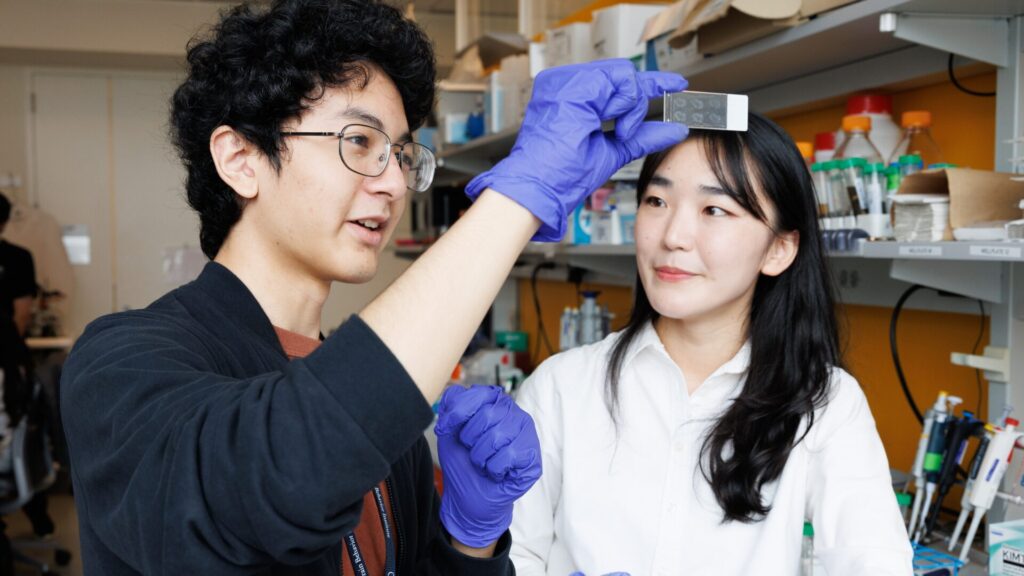
BRAINYAC (Brain Research Apprenticeships in New York at Columbia) places you in a neuroscience lab where you work one-on-one with a scientist mentor on an ongoing research project. The program begins with training sessions covering lab safety, experimental design, and research ethics to prepare you for the summer experience. Once in the lab, you will conduct experiments, analyse data, and participate in meetings that reflect real research environments.
You will also attend workshops on scientific writing and communication while connecting with peers who share your interest in neuroscience. The program concludes with presentations where you share your research progress and findings.
Why it stands out: It offers one-on-one mentorship from a Columbia neuroscientist, providing a true apprenticeship-like experience with lab exposure rather than a typical classroom-based summer program.
9. Duke University Neuroscience Experience (DUNE)
Location: Duke University, Durham, NC
Cost/Stipend: No cost; stipends available
Acceptance rate/cohort size: Not specified
Dates: June 15th – August 7th
Application deadline: February 8th
Eligibility: Current high school sophomores and juniors (grades 10 and 11) who attend a public or charter high school in Durham, NC, are at least 16 years old by June 15, and are U.S. citizens, nationals, permanent residents, or legal residents; international students are not eligible
DUNE is an eight-week summer research program at Duke University, where you will work full-time in a neuroscience lab. You will be matched with a lab based on your interests and complete a research project under the guidance of professional scientists.
In addition to lab work, you will attend workshops that build your science communication skills and introduce you to careers in medicine, academia, and industry. The program also includes college application guidance. At the end of the summer, you will present your research to an audience and receive a stipend.
Why it stands out: It allows you to spend eight weeks in a real lab, engaging in a neuroscience-focused experience that mirrors the full arc of an authentic scientific research cycle.
10. Keller BLOOM Program
Location: East Boothbay, Maine
Cost/Stipend: Free
Acceptance rate/cohort size: Not disclosed
Dates: May 17-22
Application Deadline: April 17th
Eligibility: Home-schooled, public, or private high school students in Maine. Not available for international students
The Bigelow Laboratory for Ocean Sciences runs BLOOM (Bigelow Laboratory Orders of Magnitude), a five-day summer program for high school students in Maine. The program begins with an introduction to data sampling, followed by a research cruise in a local estuary where you apply these skills. Over the next three days, you will work closely with scientists using advanced laboratory equipment.
On the final day, you will present your research to fellow participants and families. In addition to the academic experience, you can attend Marine Science Career Night to network with professionals and explore future pathways in marine biology.
Why it stands out: It immerses you in ocean science and biotech research helping you build practical lab skills while studying marine systems.
11. Rockefeller University Summer Science Research Program
Location: Rockefeller University
Cost/Stipend: Free
Acceptance rate/cohort size: 32 students, divided into 4 research teams
Dates: June 22nd – August 6th
Application Deadline: January 2nd
Eligibility: Current high school juniors or seniors, and at least 16 years old at the start of the program. Not sure if it’s for international students
The Summer Science Research Program (SSRP) is a team-based lab research experience where you work under the mentorship of trainees from Rockefeller, MSK, and WCMC. Each group is assigned its own workspace in the RockEDU teaching laboratories. The program follows a structured timeline, starting with introductions in week one, selecting a research question in week two, conducting research from weeks three to five, and preparing presentations in the final weeks.
You will present your findings as a research poster at the end of the program. Alongside lab work, you will also engage in electives, guest lectures, workshops, and social events to connect with peers.
Why it stands out: It focuses on independent research, mentorship from eminent researchers, and a final poster presentation, providing you with valuable experience for STEM applications.
12. Stanford SIMR
Location: Stanford University
Cost/Stipend: Free
Acceptance rate/cohort size: Approximately 50 students
Dates: June 8th – July 30th
Application Deadline: January 21st
Eligibility: High school students in junior or senior year, must be 16 years old or older at the start date of the program, must attend high school in the USA
Among the most specialised free research programs for high school students interested in medicine, Stanford SIMR offers an eight-week introduction to advanced biological and biomedical research. You can choose from eight areas, including Immunology, Neurobiology, Cancer Biology, Bioengineering, Stem Cell and Regenerative Medicine, Cardiovascular Biology, Bioinformatics, and Genetics and Genomics.
Regardless of your chosen track, you will engage in hands-on research, attend lectures, and work closely with a mentor. The program is free for eligible juniors and seniors, although places are limited. It concludes with a presentation session where you share your research with the Stanford community.
Why it stands out: Its deep connections to Silicon Valley make it easier to transition to interdisciplinary courses such as biomedical entrepreneurship or AI-driven health research.
13. Summer Academy for Math and Science (SAMS)
Location: Pittsburgh, PA
Cost/Stipend: No cost / Stipend paid, amount not specified
Acceptance rate/cohort size: Highly selective; approximately 75-80 students
Dates: Virtual Jumpstart: June 15-16; Main program: June 20th – August 1st
Application Deadline: February 1st
Eligibility: High school juniors in 11th grade at the time of application submissions, are 16 years old by the program start date, are U.S. citizens or permanent residents
The Summer Academy for Math and Science (SAMS) at Carnegie Mellon University is designed for students from underrepresented communities with a strong interest in STEM. Over six weeks, you will deepen your understanding of STEM subjects through seminars, hands-on projects, and mentoring sessions.
The program begins with a Virtual Jumpstart phase that prepares you with foundational skills, followed by the in-person residential experience. After the summer, continued support is provided through both online and in-person resources to guide your college preparation journey.
Why it stands out: It provides a fully funded, rigorous collegiate experience at Carnegie Mellon University that combines advanced STEM coursework with a collaborative research project and dedicated mentorship for students from underrepresented backgrounds.
14. Stanford SHTEM (Summer Internships for High Schoolers)
Location: Stanford, CA
Cost/Stipend: None
Acceptance rate/cohort size: Highly selective; ~50-65 students
Dates: June 22nd – August 14th
Application Deadline: February 1st
Eligibility: High school juniors or seniors; at least 14 years old, must be U.S. citizens or permanent residents; not open to international students
In this summer internship, you will explore the intersection of technology and the humanities, covering topics such as information theory, communication, engineering, arts, linguistics, psychology, biology, neuroscience, computer science, mathematics, philosophy, and design. Over eight weeks, you will collaborate on a research project involving literature reviews, data analysis, and group discussions with Stanford mentors.
The program’s “SHTEM” approach encourages you to approach technical challenges with a human-centred perspective. Throughout the experience, you will develop skills in research, data analysis, communication, and teamwork.
Why it stands out: It treats the humanities and arts as essential partners to scientific innovation rather than separate fields of study.
15. High School Initiative in Remote Sensing of the Earth Systems Engineering and Sciences (HIRES)
Location: The City College of New York, New York City, NY
Stipend: $1,000
Acceptance rate/cohort size: Competitive; around 25 students
Dates: June 29th – August 13th
Application Deadline: March 15th
Eligibility: Current NYC Public/Charter High School student entering grades 10–12; GPA 80+ and Math average 80+; requires enrollment in or completion of Algebra 2/Trigonometry or higher; not open to international students
In the HIRES program, you will spend seven weeks studying Earth systems, including climate change, urban heat islands, air quality, water resources, and environmental justice. Your time is divided between technical workshops and hands-on research, where you analyse real satellite data and participate in fieldwork.
Working with university mentors, you will design a research project and present your findings at a professional symposium. The program offers both a stipend and three college credits. Along the way, you will gain experience using tools like Python and GIS mapping while strengthening your public speaking skills.
Why it stands out: It treats you like a professional researcher by providing both a financial stipend and college credit for conducting high-level science on a university campus.
Turn Research Experience Into University Readiness
Research becomes more meaningful when you have tested ideas yourself, whether through lab work, data analysis, poster presentations, or mentor-led projects before university begins.
Free research programs for high school students give you evidence of curiosity, discipline, and subject commitment that can support future university preparation with real examples.
Experiences like coding with Python, presenting findings, reviewing academic papers, or working in a research group help your academic story feel specific and memorable.
Not sure how to use your research experience in applications? Our University Preparation blogs guide you through personal statements, interviews, entry requirements, and academic writing.