15 Top Coding Summer Camps for Teens in 2026

TL;DR
This page covers coding summer camps for teens, from university-run academies to free nonprofit and community camps. Some run in person across the US and Canada while others meet online, with costs from free three-day camps up to $5,197 for Berkeley’s two-week academy. Most suit high school students, though a few start at age 12 or 13, and several need no prior coding experience. Immerse Education’s Academic Insights pathway in Computer Science welcomes students aged 13 to 18 from around the world, with two-week courses in Cambridge and Oxford.
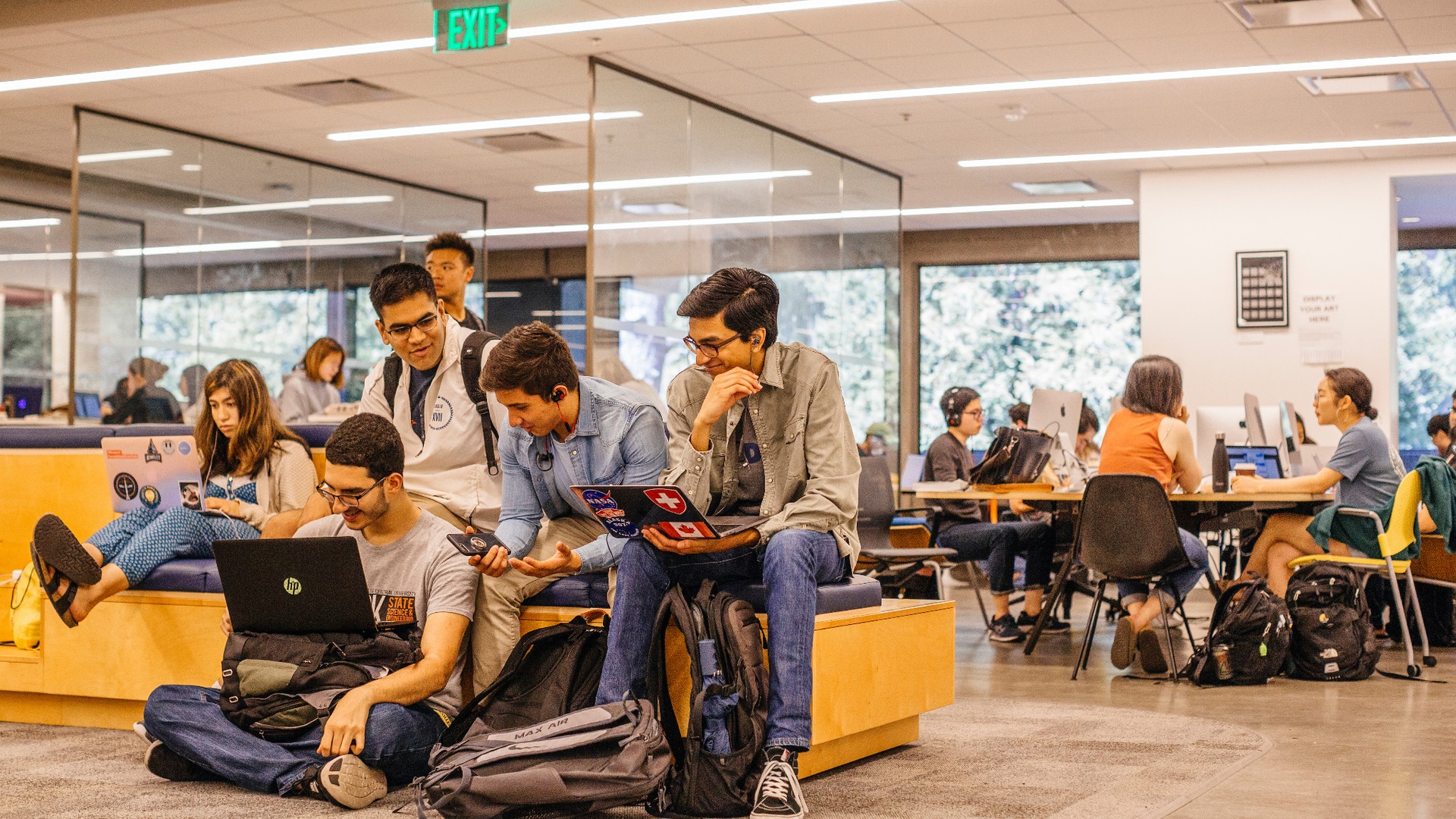
As a high school student in 2026, immersing yourself in a coding summer camp can be a transformative experience that blends education with adventure. Envision yourself on the lush campus of a top university, immersed in an atmosphere buzzing with energy and innovation. Here, you will delve into programming languages such as Python, Java, and C++, gain practical experience in algorithm design, and navigate the complexities of software development using the same tools employed by industry professionals.
Collaborating with fellow aspiring coders from diverse backgrounds, you’ll work on projects that not only challenge your intellect but also ignite your creativity, allowing you to build functioning apps or create engaging video games. This environment not only enhances your technical prowess but also introduces you to the vibrant culture of university life, where you can explore new ideas and form lasting friendships with peers who share your thirst for knowledge.
How do you choose the right coding summer camps for high school students?
Selecting among a plethora of coding camps can feel overwhelming, especially when each promises unique experiences and skills. It’s essential to identify which programs align with your specific interests and long-term aspirations to truly maximize the benefits of your summer experience. Consider what you hope to achieve: do you want to master the basics of coding, or are you ready to tackle advanced topics like machine learning or web development?
The coding summer programs available in 2026 encompass a vast range of topics, catering to various skill levels, from beginners to advanced students wanting to specialize in areas like artificial intelligence or cybersecurity. Many camps are hosted by renowned universities and tech organizations in technology hubs, providing not just academic instruction but also a glimpse into cutting-edge research and practical applications. These programs prioritize project-based learning, which fosters critical thinking and innovation while cultivating a strong foundation in programming essentials and teamwork.
To help you choose, here is a list of 15 top coding summer camps for teens.
15 Top Coding Summer Camps for Teens in 2026
1. Berkeley Summer Computer Science Academy
Location: University of California, Berkeley, Berkeley, California, USA
Cost/Stipend: $5,197 program fee, covering tuition, housing, meals, and activities, plus a $25 application fee; an NSHSS scholarship covers tuition and room and board for selected students (2026)
Program Dates: June 21st to July 3rd (2026 dates; 2027 dates not yet posted)
Deadline: March 17th (2026)
Eligibility: Students who have completed 10th or 11th grade, hold a B average, and are 16 by the program start; open to international students who meet the English language requirements
The Berkeley Summer Computer Science Academy is a two-week program focused on computer science and artificial intelligence for students with little to no experience in coding. You will work through daily coding challenges and collaborative projects in Snap!, a blocks-based language, using the Beauty and Joy of Computing curriculum that Berkeley undergraduates take. This immersive learning environment fosters creativity and teamwork, allowing you to apply theoretical knowledge in practical situations.
Throughout the program, participants will not only learn foundational computer science concepts but also complete a personal coding project to showcase their newfound skills. The 2026 curriculum also added an introduction to supervised machine learning, reinforcement learning, generative AI, and the ethics of AI. By the end of the program, you’ll develop problem-solving abilities, teamwork skills, and project management expertise.
Why it stands out: The program culminates in a Code Celebration where students present their individual or group coding projects to UC Berkeley Computer Science faculty, providing.
2. Immerse Education's Computer Science Summer School
Location: Cambridge and Oxford
Cost: Varies; summer school scholarship available through our bursary programme
Acceptance rate/cohort size: Selective; an average of 7 participants per class
Application Deadline: Multiple cohorts with rolling admissions
Program Dates: 2 weeks during the summer
Eligibility: Students worldwide aged 13-18 currently enrolled in middle or high school; open to international students
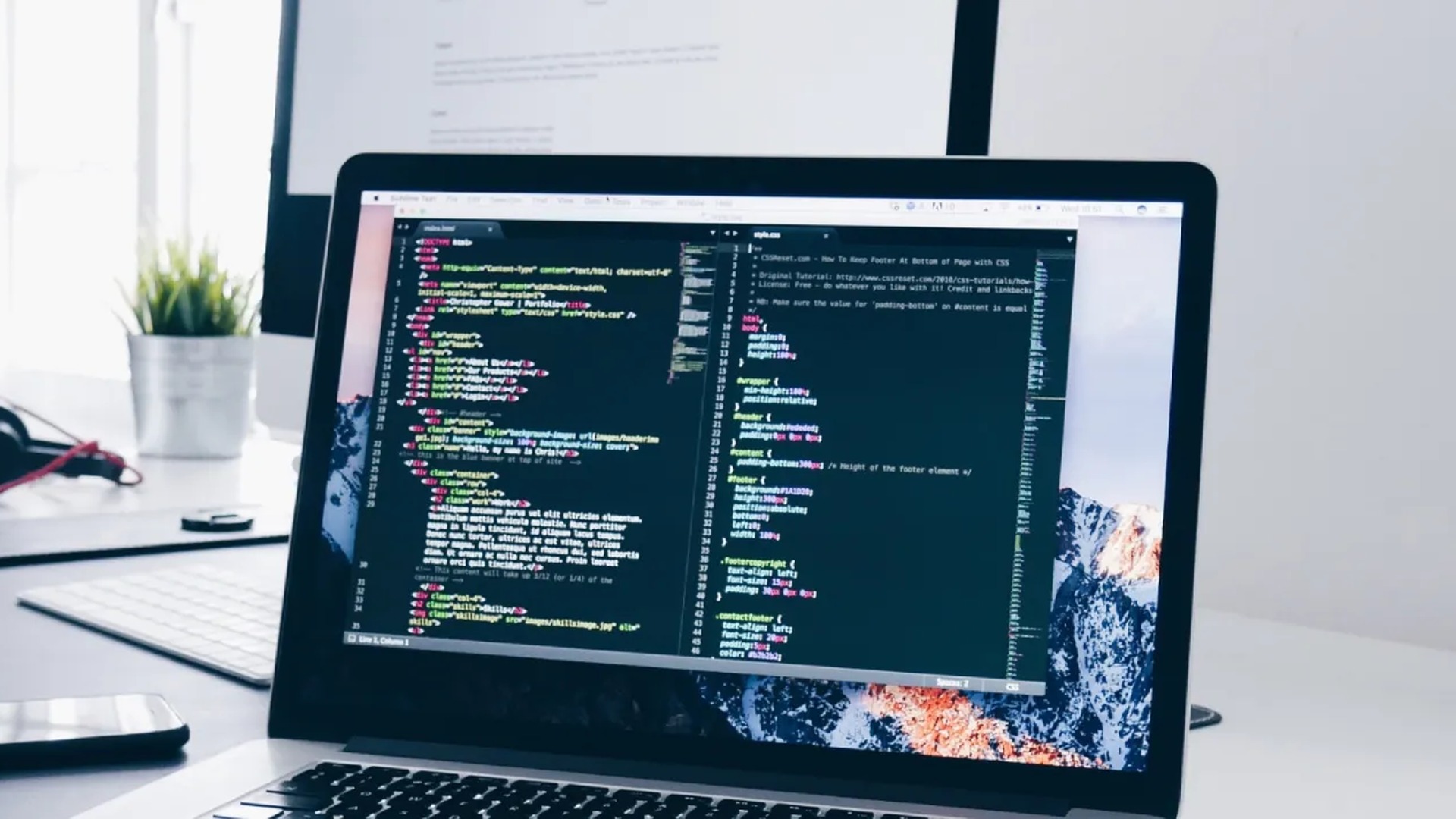
Immerse Education's Academic Insights pathway in Computer Science places you in an academically structured environment where you study foundational and advanced computing concepts with expert tutors from leading universities. You cover important topics like algorithms, data structures, programming languages, and software engineering principles, as well as applications like machine learning and artificial intelligence.
Small classes let you get personalized feedback and talk to tutors and classmates from all over the world on a regular basis. When you go to a place like Cambridge or Oxford in person, you also get to experience campus life and structured activities that are similar to how you would study at a university. By completing this summer school, you gain clearer insight into how computer science is studied at the tertiary level and develop technical skills that support future academic and career decisions in computing fields. You can find more details about the application here.
Why it stands out: You'll be taught by top faculty, work on an independent project, and live on campus, giving you a complete experience of future university life.
3. Veritas AI
Location: Virtual
Cost: Varies depending on program type. Full financial aid available.
Application deadline: Rolling. Spring (January), Summer (May), Fall (September), and Winter (November). You can apply to the program here.
Program dates: Multiple 12-15-week cohorts throughout the year, including spring, summer, fall, and winter.
Eligibility: High school students. AI Fellowship applicants should either have completed the AI Scholars program or exhibit experience with AI concepts or Python.
Veritas AI, founded and run by Harvard graduate students, offers programs for high school students who are passionate about artificial intelligence. Students who are looking to get started with AI, ML, and data science would benefit from the AI Scholars program. Through this 10-session boot camp, students are introduced to the fundamentals of AI & data science and get a chance to work on real-world projects.
Another option for more advanced students is the AI Fellowship with Publication & Showcase. Through this program, students get a chance to work 1:1 with mentors from top universities on a unique, individual project. A bonus of this program is that students have access to the in-house publication team to help them secure publications in high school research journals. You can also check out some examples of past projects here and read about a student’s experience in the program here.
Why it stands out: You get 1-1 mentorship with a Ph.D. mentor and produce an independent research project by the end.
4. Kode With Klossy Summer Coding Camp
Location: Online, plus in-person camps at locations announced each year
Cost/Stipend: Free
Program Dates: Two-week camps each summer (2027 dates not yet posted)
Deadline: Applications for summer 2026 have closed
Eligibility: Young women and gender expansive teens aged 13 to 18; no prior coding experience required; virtual camps are open to students globally
Engage in a two-week coding camp designed specifically for young women and gender expansive teens, where you will learn one of four curricula: web development, machine learning, mobile apps, or data science. Depending on your track, you might build dynamic websites with JavaScript, HTML, and CSS, train a chatbot in Python, or create an iOS app in Swift using Xcode.
You will connect with peers and hear from inspiring mentors in the tech field, fostering a supportive community around coding and technology. This program aims to build both your coding proficiency and a network of like-minded individuals. Through this immersive experience, you’ll gain confidence in your coding abilities and the skills to work collaboratively. By the end of the program, you’ll develop technical skills, networking abilities, and resilience.
Why it stands out: The program specifically targets young women and gender expansive teens, providing an inclusive space for learning that encourages participation without requiring any prior coding experience.
5. ROAR Academy
Location: UC Berkeley campus, Berkeley, California, USA (day program, not overnight)
Cost/Stipend: $2,200 tuition, including daily lunch and snacks, plus a $50 non-refundable application fee (2026)
Program Dates: July 6th to July 17th, 9 a.m. to 3 p.m. (2026 dates; 2027 dates not yet posted)
Deadline: March 27th early deadline, with rolling review afterward (2026)
Eligibility: Students entering grades 10 to 12 with prior Python experience; the 2026 session was for California residents, with out-of-state and international students considered when space allows
Located at UC Berkeley, the ROAR Academy offers an intensive two-week program that immerses you in Python programming, autonomous driving algorithms, machine learning, and large language models. You will move from Python refreshers into gradient descent, neural networks, reinforcement learning, and GPT, with daily coding exercises that let you apply each concept right away.
Engaging in simulation racing competitions enhances your problem-solving skills and teamwork. This collaborative environment not only fosters learning but also allows you to build a network with peers who share similar interests. Working closely with faculty and researchers shows you how these technologies are used in active research. By the end of the program, you’ll develop critical thinking, coding proficiency, and collaborative working skills.
Why it stands out: Participants at the ROAR Academy work directly with UC Berkeley faculty, researchers, and scientists, giving them a unique opportunity to gain firsthand experience in advanced technological topics.



6. Gardner-Webb University Computer Science Camp
Location: Gardner-Webb University, Boiling Springs, North Carolina, USA (day camp)
Cost: $25 per participant, as the $200 camp is subsidized by the Stonecutter Foundation; covers materials, a T-shirt, daily lunch, and field trips
Program Dates: July 27th to 31st (2026 dates; 2027 dates not yet posted)
Deadline: Registration closed; the 2026 camp is full
Eligibility: Students entering grades 7 to 12; no prior computer science experience required; international eligibility not specified
You’ll build a foundation in computer science before exploring areas such as artificial intelligence, cloud computing, social networking, mobile networking, and big data. The program combines daily topic sessions with programming in Alice, a 3D programming environment used to create animations, interactive games, and web-ready videos. You’ll spend time in a computer lab learning programming fundamentals and then apply those skills through an independent Alice project.
Depending on the schedule, you may also take part in field trips connected to computer science. The program is designed for students with no previous experience, making it an introduction to both computational concepts and practical programming. You’ll also investigate how different areas of computer science are used to solve everyday problems while developing your ability to create and present your own digital projects.
Why it stands out: You combine introductory computer science concepts with programming practice, an independent project, and exposure to emerging fields such as AI, cloud computing, and big data.
7. The Apple Swift Experience: Summer Coding Fun (Ages 14 to 17) (Miami Dade College)
Location: Miami Dade College, West Campus, Miami, Florida, USA
Cost/Stipend: Not confirmed on the public listing; check the MDC Continuing Education course page for current fees
Program Dates: Summer; check the course listing for the current session
Deadline: Not listed; you register through MDC Continuing Education
Eligibility: Ages 14 to 17; international eligibility not specified
The Apple Swift Experience invites you to learn the fundamentals of iOS development while gaining essential Swift coding skills in a dynamic and collaborative setting. Miami Dade College’s Swift summer camp for high school students uses Apple’s Swift Playgrounds and Everyone Can Create guide to help you explore app development creatively.
Throughout the program, you will collaborate with peers, fostering teamwork and creativity. The environment encourages experimentation and innovation as you test your ideas in code. By the end of the program, you’ll develop problem-solving abilities, technical skills, and creativity.
Why it stands out: The camp is part of MDC’s Miami Codes partnership with Apple, which brings Swift coding courses to learners from high school through adulthood.
8. Code-it Hacks Kids STEM Summer Camps
Location: Swansea Town Hall, Bloor West Village, Toronto, Ontario, Canada (day camp)
Cost/Stipend: Not listed on the camp page; early booking, multi-camp, and sibling discounts plus payment plans available
Program Dates: Weekly sessions from June 29th to September 4th (2026)
Deadline: Enrollment by session while spots last
Eligibility: Teen camps for ages 13 to 17; international eligibility not specified
Engage in coding, AI, and robotics activities with Code-it Hacks Kids, where teen camps range from Python game development and Unity virtual reality to machine learning, Arduino rovers, and gesture-controlled drones. The learning format emphasizes workshops and collaborative projects that foster teamwork and creativity.
You’ll work with peers to solve problems with technology while building coding skills, then on Fridays visit a tech company, go on a field trip, or show your projects at an expo. Each activity is designed to encourage exploration and experimentation, creating an enriching environment for learning. With limited spots available for each camp session, the experience remains intimate and personalized. By the end of the program, you’ll develop programming, problem-solving, and teamwork skills.
Why it stands out: Each week brings a different technology, so you can try Python, VR game design, robotics, and AI across a single summer.
9. McLean County 4-H Coding Camp
Location: McLean County Extension Office, 1615 Commerce Parkway, Bloomington, Illinois, USA
Cost/Stipend: $15 for 4-H members and $20 for youth not currently enrolled in 4-H; financial assistance available on request
Program Dates: July 13th to July 16th, 10 a.m. to 12 p.m. (2026)
Deadline: July 9th (2026)
Eligibility: Ages 12 to 14; international eligibility not specified
The McLean County 4-H Coding Camp offers students ages 12 to 14 an immersive introduction to web development, focusing on the fundamentals of HTML and CSS. Participants engage in a fun and beginner-friendly atmosphere that encourages creative exploration and collaboration with peers. Throughout the camp, you’ll design and build your own unique website, applying the concepts learned in a practical setting.
The activities foster teamwork and promote critical thinking as you tackle design challenges alongside fellow campers. You’ll bring your own laptop, though the Extension Office can lend one if you need it. By the end of the program, you’ll develop technical skills in coding and project management, along with enhanced creativity.
Why it stands out: The McLean County 4-H Coding Camp uniquely offers a beginner-friendly environment specifically tailored for youth ages 12-14, where participants can design their own websites using HTML and CSS.
10. Earsketch Music & Coding Camp (High School Students)
Location: Washington State School for the Blind Campus, Vancouver, Washington, USA (residential)
Cost/Stipend: Free, plus a stipend for participating
Program Dates: June 21st to 26th (2026)
Deadline: Not listed; you register through the WSSB camp page
Eligibility: High school students interested in music, technology, or coding who can independently navigate a web browser using accessibility skills; international eligibility not specified
Earsketch Music & Coding Camp invites high school students to explore the intersection of music composition and coding skills during a week-long residential camp, offered in partnership with Georgia Tech’s School of Music. Participants use the accessible Earsketch platform to create original music tracks while being introduced to essential programming concepts.
You will collaborate with peers who share similar interests and take part in research that advances accessible music and computer science education. In addition to music and coding activities, participants enjoy recreation such as swimming, tandem cycling, rock climbing, and bowling. The supportive setting encourages individual expression through technology and art. By the end of the program, you’ll develop coding proficiency, teamwork skills, and enhanced creativity in music production.
Why it stands out: What makes the Earsketch Music & Coding Camp truly exceptional is that participants not only gain valuable skills in music creation and coding, but they also receive a stipend for their involvement.
11. University of Ottawa Summer Camps for Teens
Location: University of Ottawa, 800 King Edward Avenue (SITE building), Ottawa, Ontario, Canada
Cost: $365 per week; $295 for four-day weeks
Program Dates: June 29th to August 21st, with weekly sessions (2026)
Deadline: Not listed on the camp page
Eligibility: Students who have completed Grade 7, 8, or 9 by summer 2026; international eligibility not specified
You’ll explore science, technology, engineering, and mathematics through practical projects at the University of Ottawa’s Faculty of Engineering. You can choose between TeenSci and TeenTech, with sessions covering different projects across the summer. TeenSci introduces you to university laboratory work through activities such as dissections, 3D printing, circuit design, and chemistry experiments.
TeenTech focuses on electronics, technology development, 3D modeling, laser cutting, coding, and programming. Across both tracks, you’ll work with practical tools and technologies while developing problem-solving and technical skills. Each camp runs from 9 a.m. to 4 p.m. and is taught primarily in English, with bilingual French support available. The numbered sessions use different projects, so you can attend multiple sessions within the same track without repeating the same activities.
Why it stands out: You get direct exposure to university-level STEM facilities while choosing between laboratory-based science projects and practical technology, coding, and engineering activities.
Join the Immerse Education 2027 Essay Competition
Follow the instructions to write and submit your best essay for a chance to be awarded a 100% scholarship.
12. While She is True Summer Coding Camps
Location: Calgary, Alberta, Canada, and online
Cost/Stipend: Free
Program Dates: Summer camps, plus fall classes running October to December 2026
Deadline: Fall 2026 class registration is open now; seats are limited
Eligibility: Girls ages 8 to 15, depending on the class or camp; international eligibility not specified
While She is True runs free coding programs for girls, covering everything from visual block coding in Scratch to building with Python. Each program centers on collaborative projects designed to replace intimidation with coding confidence.
You can browse the organization’s project gallery to see the games and interactive builds that past students created. Alongside its summer camps, While She is True runs free online classes and an in-person coding club in Calgary each fall. By the end of the program, you’ll develop problem-solving, communication, and project management skills.
Why it stands out: Every program is free, and you can keep learning after summer through the online classes and Calgary coding club that run each fall.
13. CodeAdventure Summer Coding Camp for Girls
Location: nCino HQ, Lehi, Utah, USA
Cost/Stipend: Free; lunch, snacks, laptops, and swag included
Program Dates: June 24th to 26th, 9 a.m. to 3 p.m. (2026)
Deadline: First-come registration until spots fill
Eligibility: Girls ages 13 to 18; no prior coding experience needed; international eligibility not specified
The CodeAdventure Summer Coding Camp for Girls is designed to teach young women coding fundamentals through three days of practice across six tracks. You’ll spot security threats and analyze a live dataset on day one, design and code an app interface on day two, then team up on a mystery project that you present on stage. Working tech mentors lead the camp, with about one mentor for every seven students.
This camp encourages collaboration and creativity, allowing you to build projects that showcase your skills. Hosted at nCino HQ in Lehi, Utah, you will immerse yourself in a tech-centric environment that promotes learning and exploration. By the end of the program, you’ll develop problem-solving skills, teamwork abilities, and a foundational understanding of technology careers.
Why it stands out: This free coding camp specifically targets girls ages 13-18, creating an inclusive atmosphere that empowers participants while being hosted at a major tech company headquarters.
14. Data Science - The AI Journey (Berkeley Coding Academy)
Location: Online, with live classes over Zoom
Cost/Stipend: Varies; see the Berkeley Coding Academy registration page
Program Dates: July 6th to July 31st (2026)
Deadline: Not listed; you register through the Berkeley Coding Academy site
Eligibility: Ages 12 to 14 and 15 to 18, in separate cohorts; international eligibility not specified
Data Science - The AI Journey offers an immersive experience in data science and artificial intelligence for teens. You will master Python programming while exploring big data, creating data visualizations, and building machine learning models. The program emphasizes collaboration as you work on project development in small cohorts averaging six students of a similar age and coding background.
Alongside skill development, you will have the opportunity to conduct original research during cohort time. Participants will leave the program with a portfolio project, coding notebooks, and a certificate verifying their accomplishments. By the end of the program, you’ll develop problem-solving, analytical thinking, and data presentation skills.
Why it stands out: Students create their own coding notebooks and gain access to annotated lecture notebooks that are permanently stored in their Google Drives, ensuring ongoing reference and learning.
15. Cryptography & Cybersecurity, Boston Leadership Institute
Location: Regis College, Weston, Massachusetts, USA
Cost/Stipend: $699 tuition, plus an optional $699 residential fee
Program Dates: July 13th to July 17th (2026)
Deadline: Not listed; you register through BLI’s registration page
Eligibility: High school students; international eligibility not specified
Explore the fundamentals of cryptography and cybersecurity at the Boston Leadership Institute. You will examine the principles behind secure communications and how to protect sensitive information from cyber threats. Through codebreaking activities, you will trace cryptography from ancient Rome to modern encryption and apply coding practices in simulated security scenarios.
The collaborative environment encourages teamwork, allowing you to problem-solve alongside peers. Additionally, you will gain insights into how cryptographers and cybersecurity specialists protect financial data and national security secrets. By the end of the program, you’ll develop analytical thinking, technical proficiency, and teamwork skills.
Why it stands out: The program is recognized as one of the ‘Best Summer Programs for Computer Science’ by College Transitions, highlighting its quality and relevance in the field.
Frequently asked questions: Coding Summer Camps for Teens
Are there free coding summer camps for teens?
Yes, several coding summer camps for teens cost nothing to attend. Kode With Klossy runs free two-week camps for young women and gender expansive teens aged 13 to 18, and CodeAdventure offers a free three-day camp in Lehi, Utah, with lunch and laptops included. The Earsketch Music & Coding Camp is free and even pays participants a stipend. Gardner-Webb University’s camp charges just $25 thanks to a foundation donation, though it filled up in 2026.
Do you need coding experience to join a coding summer camp?
No, many coding camps are designed for complete beginners. Berkeley’s Summer Computer Science Academy targets students with little to no coding experience, and Kode With Klossy, CodeAdventure, and Gardner-Webb require none at all. More advanced programs set prerequisites, and ROAR Academy expects you to know Python before you start. Berkeley Coding Academy splits students into beginning and advanced cohorts, so you can join at the level that fits you.
What programming languages do you learn at coding camps?
You usually learn Python, web languages, or a beginner-friendly visual tool, depending on the camp. ROAR Academy and Berkeley Coding Academy focus on Python, while Kode With Klossy’s tracks cover JavaScript, HTML, CSS, Python, SQL, and Swift. Beginner camps often start with visual tools, such as Snap! at Berkeley or the 3D Alice environment at Gardner-Webb. If you’re unsure where to start, this guide to the best coding language to learn compares the pros and cons of each.
Do coding summer camps help with college applications?
A coding camp can strengthen your application when it leaves you with a project you can show and talk about. Berkeley’s academy ends with a Code Celebration where you present your project to computer science faculty, and Berkeley Coding Academy gives you a portfolio project and a certificate. Immerse Education’s Academic Insights pathway in Computer Science ends with a personal project you present on the final Friday, and from age 14 you can opt in to earn 8 UCAS points or 3 US college credits. You can also research top universities for computer science to plan where you might apply next.
Can international students attend coding summer camps?
Yes, but eligibility varies widely, so check each program before you apply. Berkeley’s Summer Computer Science Academy accepts international students who meet its English language requirements, though it does not issue student visas. Kode With Klossy’s virtual camps are open to students globally, while ROAR Academy prioritized California residents in 2026. Many local day camps don’t state a policy at all, so contact the organizer directly if you live outside the country.
Can you do a coding summer camp online?
Yes, several strong coding camps run fully online, so you can join from anywhere. Berkeley Coding Academy teaches Data Science - The AI Journey live over Zoom, with small cohorts averaging six students. Kode With Klossy also holds virtual camps for students around the world, and both programs welcome beginners. If you want more flexible options beyond summer camps, explore these online coding courses for high school students.
Find your coding path before college applications
A coding summer camp lets you test whether programming truly excites you before you commit to a computer science degree or another related university major.
Since coding summer camps for teens range from free three-day sessions to two-week university academies, you can easily match one to your budget and goals.
Keep the projects you build, from apps to data visualizations, because they give you concrete examples to discuss in your future university applications and interviews.
When you’re ready to plan your next step, our University Preparation blogs walk you through choosing courses, writing strong applications, and preparing confidently for interviews.





Unlock Inspiring Opportunities with the Immerse Education Newsletter
Join our newsletter to stay ahead with exclusive updates, exciting programme highlights, and expert insights from the world of immersive education.
Learn how Immerse can transform your life
An in-depth overview of our university and career preparation programmes
Get a glimpse into the life of an Immerse participant
Find the right programme for you with sample timetables, location showcases, and more