15 Exchange Programs in Europe for High School Students

TL;DR
This list covers exchange programs that place you with a host family in Europe, ranging from fully funded government programs lasting a full year to short summer homestays of three to five weeks. Programs differ mainly in funding and length, with options like the Congress-Bundestag Youth Exchange covering a nine to ten month stay at no cost. Most are built for U.S. high schoolers aged 15 to 18, though eligibility stretches from 14 to 19 across programs. Among these options, Immerse Education's two-week Academic Insights pathway, held in Cambridge, London, and Oxford, is open to students aged 13 to 18, with a bursary programme available.
If you're considering a future that involves studying, working, or simply living outside your home country one day, gaining early exposure to a different culture and academic system can put you well ahead of where most students start. Exchange programs let you actually live abroad, experiencing firsthand how classrooms, communities, and everyday routines work somewhere completely unfamiliar.
By the time you return home, you notice you have changed in subtle ways. You become more comfortable talking to new people, figuring things out on your own, and adjusting to unfamiliar places. For many students, it becomes one of the most memorable parts of high school.
Why Europe?
Europe gives students access to dozens of cultures, languages, and traditions without travelling halfway across the world every few days. Every country offers something different, from Nordic education systems and Mediterranean lifestyles to historic university towns and modern global cities.
Exchange programs place you in local schools with host families. Others introduce you to university life through seminars, research projects, and courses for subjects of interest. You might spend mornings discussing European politics in Paris, building an engineering prototype in London, or practicing German with friends after school ends. Every day brings something different, both inside and outside the classroom.
For related options, consider study abroad programs for high school students. If you’re hesitant, go through our guide on the benefits of studying abroad in high school.
To help you find a program worth your time, we've put together a list of 15 exchange programs in Europe, all hosted by universities or government organizations.
15 Exchange Programs in Europe for High School Students
1. Congress-Bundestag Youth Exchange (CBYX)
Location: Germany
Cost: Fully funded
Dates: Full U.S. academic year
Application Deadline: November 3rd
Eligibility: U.S. citizens, ages 15 to 18.5 on August 1st of the program departure year, minimum 2.5 GPA on a 4.0 scale; not open to international students
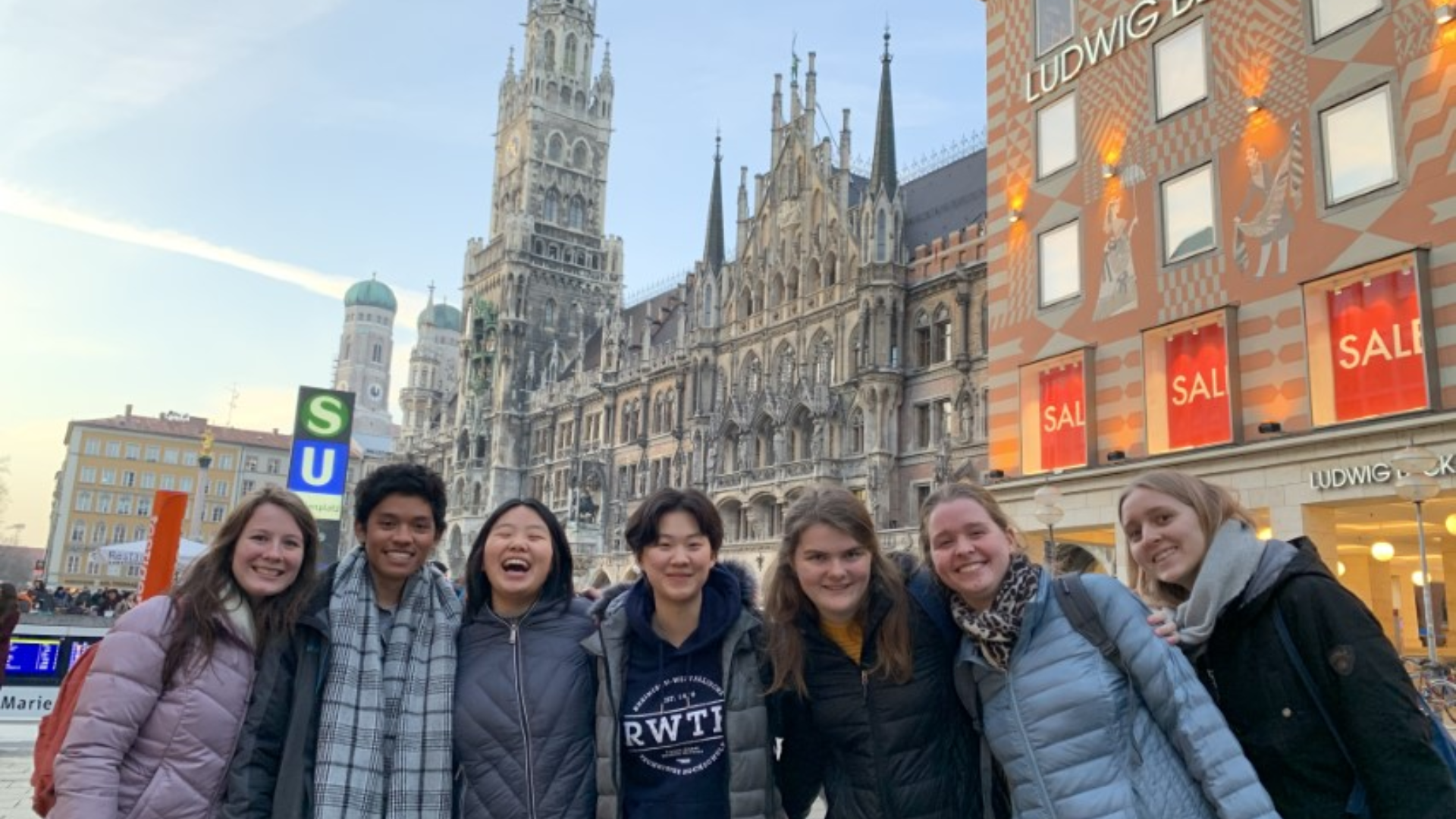
The Congress-Bundestag Youth Exchange (CBYX) is a fully funded academic exchange sponsored by the U.S. Congress and the German Bundestag. For one school year, you'll live with a carefully selected host family, attend a local German high school, and experience everyday life as part of the community.
You don't need to speak German before applying. Throughout the year, partner organizations provide orientation, local support, and regular check-ins, making the transition to a new country much easier. By the time you return home, you'll have experienced Germany far beyond what a short visit could offer.
Why it stands out: CBYX is one of the few fully funded exchanges backed by two national governments, giving students the chance to spend an entire academic year studying and living in Germany at no cost.
2. Immerse Education’s Pre-University Summer School
Location: Oxford, Cambridge, London
Cost: Varies; summer school scholarship available through our bursary programme
Acceptance rate/cohort size: Selective; an average of 7 participants per class
Application Deadline: Multiple cohorts with rolling admissions
Program Dates: 2 weeks during the summer
Eligibility: Students across the globe aged 13-18 currently enrolled in middle or high school; open to international students
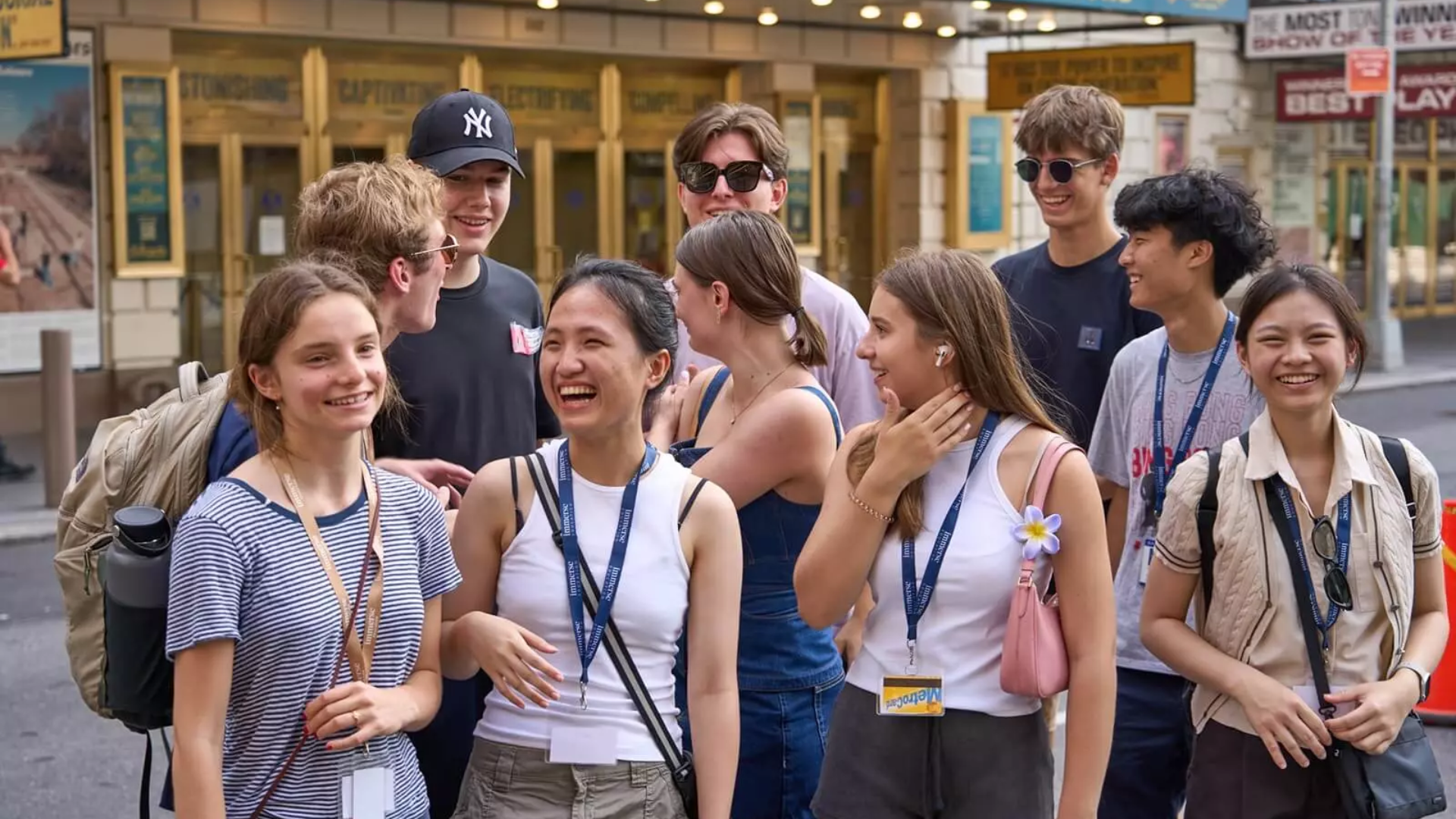
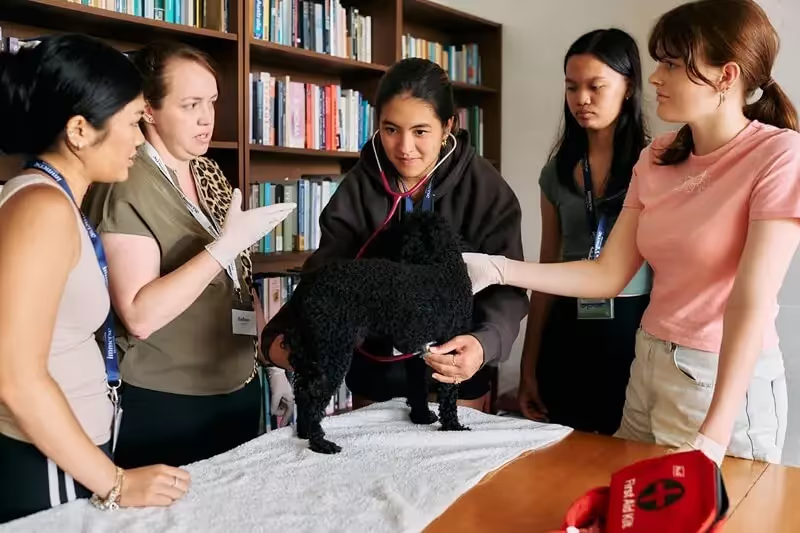
Immerse Education’s Academic Insights pathway lets high school students experience university life firsthand. You will live on campus and study in small groups with an average of 7 participants per class, and learn from tutors from eminent top universities like Oxford and Cambridge. You can explore a wide range of subjects, spanning over 20 options, including Architecture, AI, Business Management, Computer Science, Economics, Medicine, Philosophy, and more.
The courses are experiential and focus on hands-on learning. You may find yourself conducting dissections in medicine, designing a robotic arm in engineering, participating in a moot court for law, or building creative writing portfolios and business case studies. By the end of the program, you’ll complete a personal project, receive written feedback, and receive a certificate of completion. You can find more details about the application here.
Why it stands out: You’ll get an early start at university life and academics because the program includes an independent project, discussion-based classes, and living at a college campus.
3. Future Leaders Exchange (FLEX) Abroad
Location: Georgia, Kazakhstan, Poland, or Romania
Cost: Fully funded, merit-based U.S. government scholarship
Dates: Full U.S. academic year (9-10 months)
Application Deadline: Applications open annually in the fall
Eligibility: U.S. citizens, ages 15-18.5 at program start, currently enrolled in high school, and must not be a current or former ECA long-term program participant; not open to international students
FLEX Abroad is a fully funded exchange sponsored by the U.S. Department of State. You will spend an academic year living with a host family and attending a local high school while representing the United States as youth ambassadors.
Placements are made by the program, so participants cannot choose their destination country. If you're placed in Poland or Romania, you'll spend the year experiencing local school life, learning the language, and becoming part of your host community through everyday interactions.
Why it stands out: The program selects a relatively small group of students each year, creating a close-knit cohort while offering the support and credibility of a U.S. government-funded exchange.
4. AFS-USA Year & Semester Abroad
Location: Across Europe, including France, Germany, Italy, Spain, Belgium, Denmark, Iceland, Norway, and more
Cost/Stipend: Varies by country
Dates: Year, semester, trimester, or short-term summer sessions (1 to 8 weeks)
Application Deadline: Check here
Eligibility: High school students at the time of application (age requirements vary by country); not open to international students
AFS, formerly the American Field Service, is the oldest and largest high school exchange organization. You'll live with a volunteer host family and attend a local high school, with instruction in the language of your host country, so you're learning both in and out of the classroom.
An orientation and intensive language workshop precede your placement, and trained AFS volunteers provide support throughout the exchange. With European destinations ranging from France and Italy to the Nordic countries, you can pick a country whose language or culture you most want to learn. AFS also offers substantial scholarships, which makes a year abroad more accessible.
Why it stands out: It's the oldest and largest high school exchange network in the world, with an unusually wide choice of European countries and significant scholarship funding.
5. Youth For Understanding (YFU)
Location: Across Europe, including Germany, France, Spain, Italy, and the Nordic countries
Cost: Varies by country
Acceptance rate/cohort size: Selective; rolling, competitive admissions
Dates: Summer, semester, or full academic year
Application Deadline: Rolling; early application recommended as programs can fill
Eligibility: U.S. students ages 15-18, typically a minimum 3.0 GPA; not open to international students
Youth For Understanding has run exchanges for over 70 years and is backed in part by the U.S. State Department. Living with a volunteer host family is at the heart of the experience: you’ll join a local school and community and take part in everyday life.
Before you go, you and your family complete pre-departure orientations, and each participant has a local YFU contact person and professional support throughout the program. Students on exchange in Europe can also take part in YFU's end-of-year Youth Empowerment Seminar.
Why it stands out: With over 70 years of experience and a strong support structure, YFU offers well-established European placements plus around 200 scholarships each year.



6. Rotary Youth Exchange
Location: Across Europe, through local Rotary clubs and districts
Cost: Among the most affordable long-term options; room, board, and school fees provided
Acceptance rate/cohort size: Varies by local club and district
Dates: Long-term (full academic year) or short-term (days to three months)
Application Deadline: More information available here
Eligibility: Ages 15-19; students who are active leaders in their schools and communities; open to international students
Rotary Youth Exchange is run through the global network of Rotary clubs, which makes it one of the more affordable long-term exchange options. On a long-term exchange, you’ll attend a local school and typically live with more than one host family over the course of the year, giving you several windows into local life.
Room, board, and school fees are provided, and you serve as a youth ambassador, sharing your own culture while adapting to your host country's. Because placements are arranged through local clubs, you'll have a built-in community of Rotary volunteers supporting you. It's a strong fit if you're an active student leader looking for an affordable route to a year abroad.
Why it stands out: Funded through local Rotary clubs rather than a central fee, it's one of the most affordable ways to spend a full academic year at a European high school.
7. School Year Abroad (SYA)
Location: France, Italy, or Spain
Cost: Tuition-based; need- and merit-based financial aid available
Acceptance rate/cohort size: Selective; a tight-knit cohort of U.S. students per campus
Dates: Full academic year or semester (fall or spring)
Application Deadline: February 11th
Eligibility: High school sophomores, juniors, and seniors (seniors eligible for fall or full-year only); two years of Spanish required for Spain, one year of French for France, and any foreign language for Italy; not open to international students
School Year Abroad is a nonprofit that runs its own accredited campuses in France, Italy, and Spain. You'll live with a carefully matched host family while attending SYA's American-accredited school, which lets you earn U.S. high school credits and stay on track for selective colleges.
Core subjects like math and English are taught in English, while select courses are taught in the host country's language, which deepens as your proficiency grows. Educational travel and field study are built into the program, so you’ll learn directly from the culture around you.
Why it stands out: It's the only exchange that combines a year with a European host family and an American-accredited curriculum, so you earn U.S. credits while fully immersed.
8. EF High School Exchange Year
Location: Austria, France, Germany, Italy, Netherlands, Norway, Poland, Spain, Sweden, or Switzerland
Cost: Program fee applies; scholarships and payment plans available
Acceptance rate/cohort size: Selective; students screened for maturity and adaptability
Dates: Academic semester or full year
Application Deadline: More information available here
Eligibility: High school students screened for maturity, language ability, adaptability, and academic motivation; open to international students; not open to international students
EF High School Exchange Year places you with a host family and enrolls you in a local high school for a semester or full year. Applicants are interviewed and screened for maturity, language ability, and academic motivation, and prepared through pre-departure materials and orientations.
Once abroad, you're supported by a network of more than 1,000 trained local International Exchange Coordinators who run orientations and check in monthly. With ten European destinations to choose from, you can match the program to the language or culture you most want to experience. The combination of local coordinators and structured orientations makes the transition smoother.
Why it stands out: Its network of over 1,000 local coordinators offers monthly check-ins and strong on-the-ground support across ten European host countries.
9. The Experiment in International Living
Location: Various European countries
Cost: Program fee; need- and merit-based scholarships available
Acceptance rate/cohort size: Small group programs
Dates: Three to five weeks during the summer
Application Deadline: More information available here
Eligibility: High school students (specific ages vary by program); open to international students
The Experiment in International Living is one of the longest-running summer homestay programs and the flagship program of the nonprofit World Learning. Rather than a full academic year, it offers focused summer experiences built around homestays with trusted families, combined with language learning, community service, or cultural exploration.
You'll live as part of a host family and travel with a small group of peers, guided by experienced group leaders. Because programs are theme-based, you can choose one centered on language, the arts, ecological adventure, or regional culture.
Why it stands out: With roots going back to 1932, it offers themed summer homestays, so you get real family immersion without needing a full year away from your home school.
10. Greenheart Travel High School Abroad
Location: Across Europe, including Spain, France, Germany, Italy, and the UK
Cost: Program fee; $500 discount for students whose families also host
Acceptance rate/cohort size: Varies by country
Dates: Trimester, semester, or full academic year
Application Deadline: More information available here
Eligibility: High school students (age and language requirements vary by country); not open to international students
Greenheart Travel is a nonprofit that runs full cultural and language immersion programs where you’ll live with a local host family and attend a local high school. You can choose a trimester, semester, or full academic year, and Greenheart matches you with a host family based on shared interests.
Through the Greenheart Club, you can also connect with volunteer and service-learning projects in your host community, which can help meet graduation requirements. Some European destinations require prior language study, while others are open to beginners. Because placement is interest-based, students often build strong bonds with their host families.
Why it stands out: Its interest-based host family matching and built-in service-learning projects help you integrate quickly and meet volunteer requirements while abroad.
11. SSE International Student Exchange
Location: Across Europe, including Scandinavia, Germany, France, Italy, and Spain
Cost: Program fee; a limited number of scholarships available
Acceptance rate/cohort size: Selective; students screened on academics and character
Dates: Academic year, semester, or summer homestay
Application Deadline: More information available here
Eligibility: Ages 15-18, typically a minimum 2.5 GPA / B average; not open to international students
ASSE International Student Exchange grew out of an organization founded by the Swedish Ministry of Education and now runs exchanges across more than 30 destinations. On a full-year program, you'll take part in a language camp and orientation on arrival, then live with a volunteer host family and attend a local high school.
The summer homestay option is a shorter alternative, where you’ll share in a host family's daily summer life and activities. ASSE screens applicants on academics and character, and provides support throughout the program.
Why it stands out: Rooted in a program founded by Sweden's Ministry of Education, it's an especially strong route into Scandinavian host families and schools.
Join the Immerse Education 2027 Essay Competition
Follow the instructions to write and submit your best essay for a chance to be awarded a 100% scholarship.
12. Ayusa Study Abroad in Germany
Location: Germany
Cost: Not specified
Acceptance rate/cohort size: Selective
Dates: Semester or full academic year (5-10 months)
Application Deadline: More information available here
Eligibility: U.S. high school students, typically ages 15-18; not open to international students
Ayusa is a U.S. Department of State-designated nonprofit exchange organization that runs an outbound academic program in Germany. You'll live with a German host family and attend a local high school, spending mornings in class and afternoons free to take part in the everyday life of a German student.
German host families come from a wide range of backgrounds and family structures, and a trained community representative supports you and your host family throughout. The program is built around cultural immersion rather than a set academic curriculum, so you’ll learn the language by living it.
Why it stands out: As a State Department-designated sponsor with dedicated local representatives, it offers a well-supported, immersion-focused route into a German host family and school.
13. PAX - Program of Academic Exchange
Location: European countries through PAX's partner network
Cost: Offered at cost to keep fees as affordable as possible
Acceptance rate/cohort size: Varies by destination
Dates: Semester or full academic year
Application Deadline: More information available here
Eligibility: U.S. high school students (age requirements vary by country); not open to international students
PAX, the Program of Academic Exchange, is a nonprofit and U.S. Department of State-designated J-1 exchange sponsor with decades of experience. Its PAX Abroad programs place you with a host family and enroll you in a local high school so you experience daily life as a member of the community.
With a partner network spanning around 70 countries, PAX can match you with a European destination suited to your interests. Its long track record as an exchange sponsor means well-established support structures on both ends.
Why it stands out: Because PAX runs its outbound programs at cost, it's one of the more affordable nonprofit routes into a European host family and local school.
14. Aspect Foundation Student Exchange
Location: European countries through Aspect's partner network
Cost: Not specified
Acceptance rate/cohort size: Varies by destination
Dates: Semester or full academic year
Application Deadline: More information available here
Eligibility: High school students (age requirements vary by country); not open to international students
Aspect Foundation is a nonprofit founded to offer affordable study-abroad opportunities and cultural exchange. On an Aspect exchange, you’ll live with a screened volunteer host family and attend a local high school, experiencing the rhythm of daily life in your host country.
The foundation places a strong emphasis on cultural understanding and provides support to both students and host families throughout the program. Because Aspect works within a broader network of established exchange organizations, it can arrange placements across a range of European destinations.
Why it stands out: As a nonprofit built specifically around affordable exchange, it offers a supported, budget-conscious path into a European host family and local school.
15. Educatius High School Abroad
Location: Across Europe, including England, Scotland, Ireland, France, Germany, Italy, Austria, Spain, and the Nordic countries
Cost: Program fee; varies by country and program type
Acceptance rate/cohort size: Varies by destination and school
Dates: Trimester, semester, academic year, or longer
Application Deadline: More information available here
Eligibility: Students aged 14-18; open to international students
Educatius places students in high schools abroad, with partner schools across 15 destinations, many of them in Europe. Depending on the program you choose, you'll either pick your own school and location (the Select option) or let Educatius match you with a host family and nearby school based on your profile (the Classic option).
Either way, you’ll live with a carefully selected volunteer host family and attend a local high school, with support from local coordinators throughout your stay. European destinations span English-speaking countries like Ireland and Scotland as well as language-immersion options in France, Germany, Italy, Spain, and Scandinavia.
Why it stands out: Its Select option lets you choose your own school and city, giving you more control over your placement than most traditional exchange programs.
Frequently asked questions: High School Exchange Programs in Europe for High School Students
Which country is the best for exchange students?
There's no single best country, since your ideal destination depends on what you want from the experience: language immersion, affordability, or program structure. Germany offers government-backed options like CBYX, which cover a full year at no cost if you're a U.S. citizen with a strong academic record. If budget is your priority, Rotary Youth Exchange and PAX run some of the more affordable programs across multiple European countries rather than being tied to one location. Your best fit comes down to matching a country's language and culture to what you actually want to get out of the year.
Can you do foreign exchange in high school?
Yes, most of the programs on this list are specifically designed for current high school students, typically with a minimum age around 15. You'll usually need to still be enrolled at the time of departure, since you'll be attending a partner high school abroad rather than taking a gap year. Some programs, like School Year Abroad, limit eligibility to sophomores, juniors, and seniors rather than accepting freshmen. Check each programme's exact grade and age requirements before applying, since they vary more than the general "high school student" label suggests.
Do any European schools let Americans study for free?
Yes, a few government-backed exchange programs cover tuition and living costs entirely, rather than charging you a program fee. The Congress-Bundestag Youth Exchange, for example, is fully funded by the U.S. Congress and the German Bundestag for a full academic year in Germany. Future Leaders Exchange (FLEX) Abroad works similarly, placing students in countries like Poland or Romania at no cost through U.S. government funding. Most other European exchanges still charge a program fee, though many offer scholarships or need-based aid to offset the cost.
Can a 13 year old be a foreign exchange student?
Most traditional foreign exchange organizations set a minimum age of 14 or 15, so a 13 year old typically won't qualify for a full academic year exchange. Immerse Education's Academic Insights pathway is a notable exception, accepting students from age 13 for its two-week residential programme rather than a year-long homestay. If you're 13 and set on a longer cultural exchange specifically, you may need to wait a year or two before most organizations will consider your application. A shorter summer programme can be a good way to build experience in the meantime.
How much does a high school exchange program in Europe cost?
Cost varies enormously, from completely free government-backed programs to privately run exchanges with a standard program fee. Fully funded options like CBYX and FLEX Abroad cover your placement entirely if you qualify for their competitive, merit-based selection process. Fee-based programs, such as those run by AFS, YFU, or Greenheart Travel, typically offer scholarships or need-based financial aid to help offset the cost. For more details, read our guide on how much studying abroad costs.
Do you need to already speak the local language to go on an exchange program?
No, most programs accept beginners and build language learning into the experience itself through immersion with a host family. CBYX, for example, doesn't require German before you apply, and programs like AFS include an intensive language workshop as part of your pre-departure orientation. Some destination-specific programs do set language prerequisites, such as School Year Abroad's requirement of prior Spanish or French study depending on the country. If a specific country or school matters to you, check its language requirement early, since it varies more than general "no experience needed" marketing suggests.
From exchange program to study abroad success
Choosing well among exchange programs in Europe for high school students gives you a trial run before committing to studying abroad long-term.
You'll come back from a year with a host family knowing exactly how you handle unfamiliar routines, language gaps, and homesickness.
That self-knowledge ends up mattering more than any credential once you're applying to universities and programs an ocean away from home.
If longer-term study abroad is already on your mind, our Study Abroad blogs can help you plan your next step.






Unlock Inspiring Opportunities with the Immerse Education Newsletter
Join our newsletter to stay ahead with exclusive updates, exciting programme highlights, and expert insights from the world of immersive education.
Learn how Immerse can transform your life
An in-depth overview of our university and career preparation programmes
Get a glimpse into the life of an Immerse participant
Find the right programme for you with sample timetables, location showcases, and more