15 Free Fall Programs for High School Students
TL;DR
This list rounds up no-cost fall opportunities you can pursue as a high schooler, spanning paid research internships at national laboratories, community art workshops, and dual enrollment college courses. The biggest difference between them is cost and commitment, with some paying stipends, like $2,500 through Columbia's seminar, and others asking for a full academic year of coursework. Most are open if you're in grades 9 through 12, though several dual enrollment options are limited to local residents. Immerse Education's Online Research also appears on the list, a fully remote option for students aged 13 to 18 worldwide with bursary support available.
Fall is an ideal time to explore subjects beyond your regular school curriculum while experiencing university-level learning in a more focused setting. Free fall programs allow you to work on research projects, attend university lectures, participate in workshops, and collaborate with faculty and peers without the financial barriers of many pre-college programs. Depending on the program, you may develop skills in research, coding, engineering design, scientific inquiry, academic writing, leadership, public speaking, or problem-solving while working on practical projects and real-world challenges. Many also provide mentorship from university students and researchers, helping you better understand both the academic and professional pathways within your field of interest.
How do you choose the right free fall program for high school students?
Choosing the right free Fall enrichment program for high school students, such as a tuition-free autumn research internship, a virtual STEM boot camp, or a policy fellowship, starts by honestly assessing your current academic workload to ensure the extra extracurricular commitment won't lead to burnout. Because these programs offer a chance to explore specialized topics much more deeply than standard coursework allows, you should align the opportunity with your curiosities rather than just chasing what might look impressive on a college application.
It is also crucial to evaluate the logistics of the program, weighing whether you need the flexibility of remote, self-guided projects or if you would thrive better under the direct, in-person mentorship of educators and industry professionals. Ultimately, the ideal fit is one that sparks your enthusiasm, fits realistically into an already busy autumn schedule, and provides meaningful guidance without putting any financial strain on you.
For related options, you can have a look at a full list of fall programs for high school students and winter research prgograms for high schoolers.
To help you get started, we’ve compiled a list of 15 free fall programs for high school students that offer valuable learning opportunities across a range of disciplines.
15 Free Fall Programs for High School Students
1. Internships at Sandia National Laboratories
Location: Various Sandia National Laboratories locations across the United States
Stipend: Paid, amount not disclosed
Acceptance rate/cohort size: Highly selective; cohort size varies by department
Dates: Fall internships operate under the "Year-Round Internship" program, running concurrently with the academic school year
Application Deadline: at least three months before the desired start date
Eligibility: U.S. high school students at least 16 years old and enrolled full-time in an accredited high school. Requires a minimum cumulative 3.0/4.0 GPA for R&D, Technical, or Business positions (2.5/4.0 GPA for clerical or laborer positions); not open to international students
Sandia National Laboratories offers paid internships that allow you to work alongside scientists, engineers, and technical professionals on real research and engineering projects. Depending on your placement, you may contribute to areas such as cybersecurity, software development, data science, engineering, or computational research while learning professional tools and workflows.
You'll gain experience applying classroom knowledge to practical challenges while developing technical, analytical, and collaborative problem-solving skills in a national laboratory environment. Many internships also include mentoring and professional development opportunities that introduce you to careers in STEM and national security. It is a strong option if you're considering engineering, computer science, physics, mathematics, or cybersecurity at university.
Why it stands out: It provides paid, hands-on research experience at one of the United States' leading national laboratories.
2. Immerse Education’s Online Research

Location: Fully remote
Cost: Varies; summer school scholarship available through our bursary programme
Acceptance rate/cohort size: Selective; 1:1 learning
Application Deadline: Rolling admissions; multiple dates throughout the year
Program Dates: Flexible; multiple cohorts in a year.
Eligibility: Students around the world aged 13-18 (accredited options require age 14+)
The Online Research offers high school students the opportunity to conduct rigorous research with tutors from Oxford, Cambridge, and Ivy League universities. You will work with your tutor to explore a subject of your choice in depth and write an academic research paper. The program is offered in 1:1 and small group formats, and you can choose to receive college credit from universities in the US and the UK.
The virtual research program is offered in over 20 subjects, including artificial intelligence, chemistry, psychology, economics, computer science, creative writing, philosophy, and more. At the end of the program, you’ll receive a written evaluation from your tutor, an opportunity to publish your research, and an invitation to present at the Immerse Online Symposium. You can find examples of papers Immerse students have worked on here. You can find more details about the application here.
Why it stands out: You’ll get access to 1:1 Oxbridge- or Ivy-style research supervision culminating in a publishable academic paper.
3. Columbia University, Center for American Studies – Freedom and Citizenship
Location: New York, NY
Stipend: $2,500
Acceptance rate/cohort size: Selective; small group of rising seniors
Dates: September 3rd – May 3rd
Application Deadline: March 30th
Eligibility: New York City residents; current high school juniors entering senior year; full-year commitment required; mandatory MMR vaccinations; not open to international students
In this program, you engage in a rigorous college-level exploration of humanities and political philosophy. You live on Columbia's campus for a four-week summer seminar, analyzing classical and modern texts by thinkers like Plato, Hobbes, and Rousseau. Following the summer session, you dedicate your senior year to a collaborative civic leadership project, researching contemporary political issues across New York City.
Working closely with undergraduate teaching assistants, you develop evidence-based advocacy initiatives and improve your analytical reading and writing skills. Additionally, you receive intensive college application guidance and personalized mentoring from Columbia undergraduates to prepare for higher education.
Why it stands out: It provides a unique blend of Ivy League academic immersion in classical philosophy with actionable, year-long civic leadership development for local public school students.
4. New York University, Steinhardt – Visionary Studio: Saturday Art Workshop
Location: New York, NY
Cost/Stipend: None
Acceptance rate/cohort size: Open admission; cohort size not stated
Dates: October 17th – December 19th
Application Deadline: Typically, late summer or early fall
Eligibility: High school students in the New York City area; not open to international students
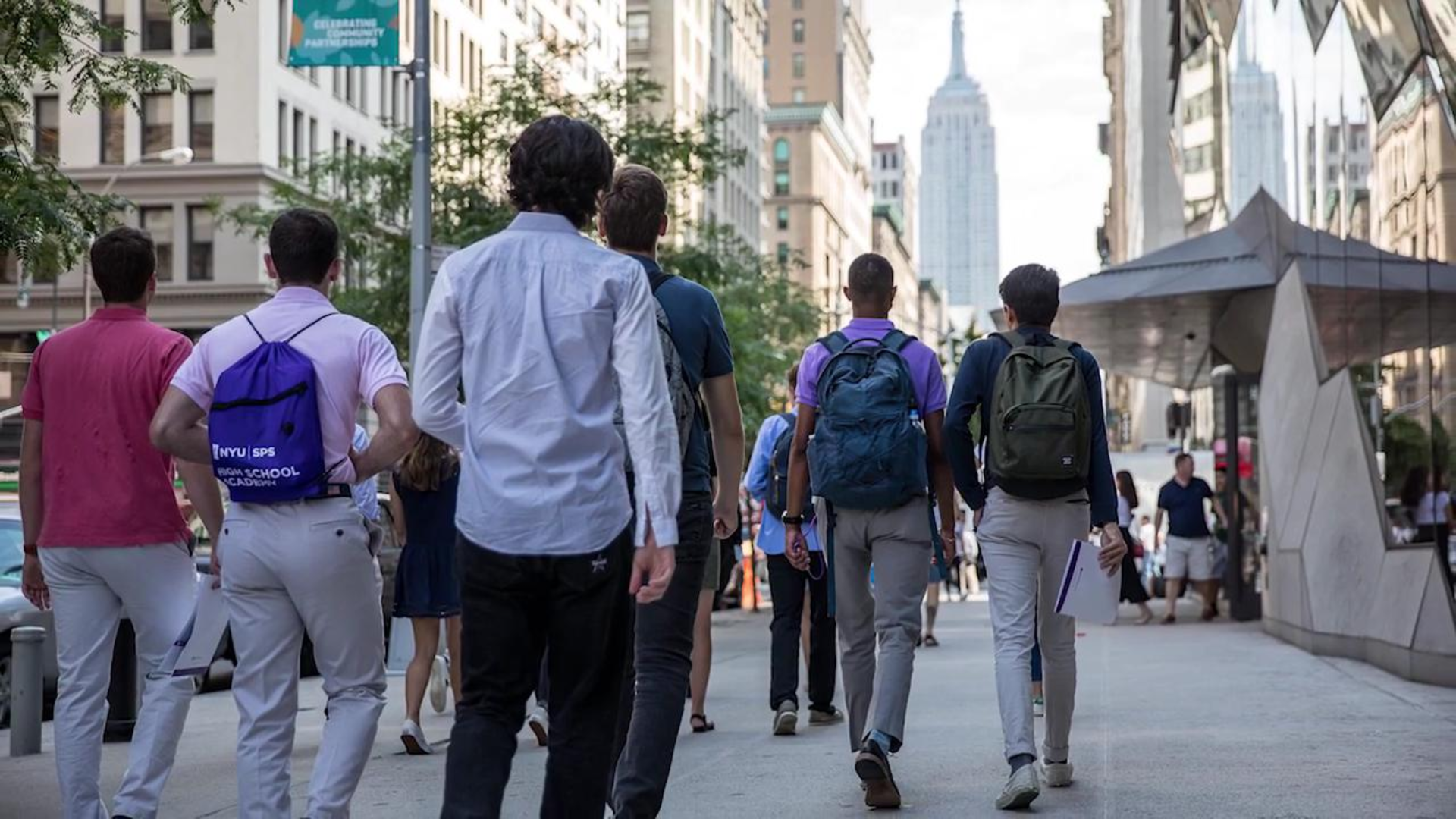
In this program, you will explore the powerful intersection of contemporary social justice issues and dynamic art-making practices. You will investigate timely societal challenges, such as climate change, gender identity, and medical apartheid, by critically examining the work of contemporary visual artists.
Guided by teams of university art education students, you will experiment with diverse multidisciplinary techniques, including drawing, painting, printmaking, photography, and 3D installation. Through these hands-on creative processes, you will develop the technical skills necessary to visually communicate your perspectives on complex political and social topics. The experience culminates in a final exhibition where you will showcase your original artwork to peers, parents, and university faculty.
Why it stands out: It uniquely empowers students of all experience levels to blend social justice activism with multimedia art creation under the mentorship of university art education students.
5. Academy of Art University – Pre-College Art & Design Experience (PCADE)
Location: San Francisco, California; online
Cost/Stipend: None
Acceptance rate/cohort size: Open admission; cohort size not stated
Dates: September 2nd – October 13th (online); October 10–24 (onsite)
Application Deadline: Rolling admissions
Eligibility: Current high school students; open to international students
In this program, you explore a wide array of creative disciplines with a strong emphasis on digital media, animation, and game design. You immerse yourself in hands-on projects, such as coding for game programming, exploring 3D creature and character modeling, and mastering industry-standard software like Maya.
You work alongside expert faculty to build a robust portfolio while engaging in practical workflows across visual development and interactive music production. This completely tuition-free, open-admission experience provides rigorous college-level instruction that helps you develop foundational artistic and technical skills. You conclude the intensive program by showcasing your digital and physical creations in a final student exhibition.
Why it stands out: It provides high school students with a completely tuition-free opportunity to take hands-on, college-level art and design courses while building a professional portfolio.


6. U.S. Department of the Treasury Student Internship
Location: Washington, D.C., USA
Stipend: Paid, amount not disclosed
Acceptance rate/cohort size: Highly selective; cohort size not specified
Dates: September – December (approximately 16 weeks)
Application Deadline: May/June
Eligibility: Must be a U.S. citizen; currently enrolled at least half-time in an accredited high school; maintain a minimum 2.0 GPA on a 4.0 scale; be in good academic standing; commit to at least 20 hours per week; and complete a background investigation; not open to international students
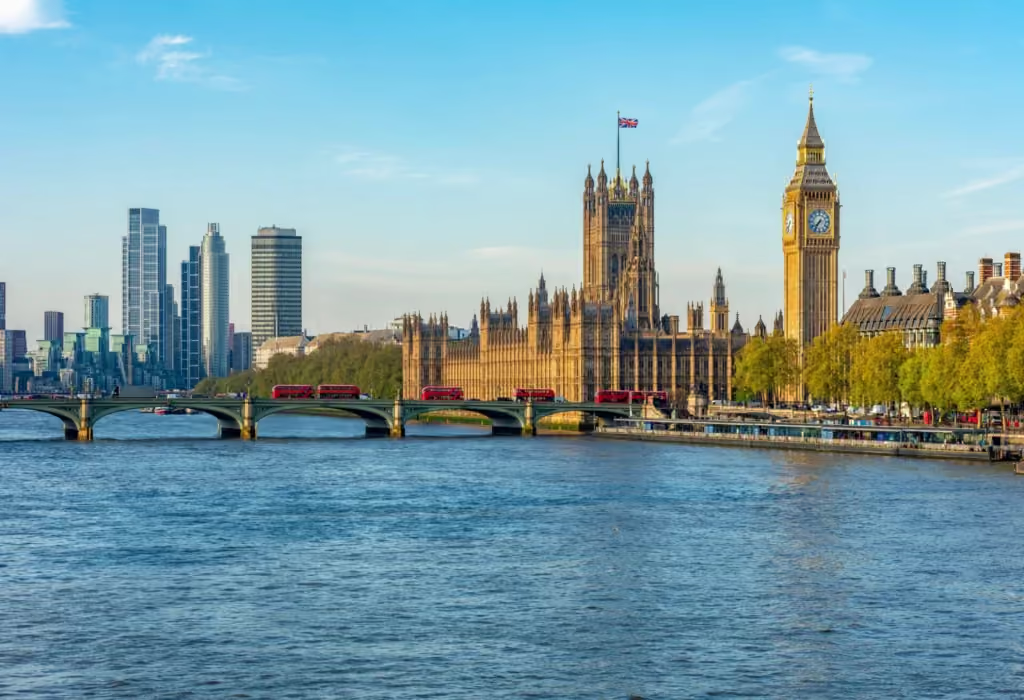
The U.S. Department of the Treasury Student Internship Program allows you to work alongside professionals in one of the federal government's principal economic agencies. Depending on your placement, you'll assist with research, data analysis, reports, briefing materials, and administrative projects related to economics, finance, public policy, or government operations.
You'll gain practical experience working in a professional office while developing research, analytical, communication, and organisational skills through day-to-day responsibilities. The internship also provides insight into how economic policy and financial regulation are developed and implemented within the U.S. government. It is particularly valuable if you're interested in economics, finance, public policy, law, or public administration.
Why it stands out: It provides paid experience inside the U.S. Department of the Treasury while introducing students to careers in public finance and government.
7. Roanoke College – Explore@RC
Location: Salem, Virginia
Cost/Stipend: None
Acceptance rate/cohort size: Moderately competitive; cohort size not stated
Dates: Late August – Mid-December
Application Deadline: Rolling or lottery basis
Eligibility: High school students in grades 10–12 residing in Virginia; not open to international students
In the Explore@RC program, you participate in a dual-enrollment lab school experience at Roanoke College, taking up to 12 free college-level courses while remaining active at your home high school. You spend half of your day on the college campus engaging with professors in pathways like STEM, health care, and civic engagement.
You immerse yourself in hands-on coursework, building the critical thinking and practical workflows necessary for success in in-demand careers. The program includes access to essential campus resources such as peer mentorship, student success coaches, and tutoring to support your academic transition. Upon successfully passing your first-semester midterms, you become officially admitted into a structured course plan designed to accelerate your college trajectory.
Why it stands out: It allows you to earn an Associate of Arts in College Foundations concurrently with your high school diploma by completing courses gradually across three years.
8. University of Arkansas at Monticello – UAM Collegiate Academy
Location: Monticello, Arkansas
Cost/Stipend: None
Acceptance rate/cohort size: Selective; cohort size not stated
Dates: Fall semester
Application Deadline: Not specified
Eligibility: High school students enrolled at Drew Central High School; not open to international students
In this program, you engage directly in rigorous higher education coursework while still completing your high school diploma. You participate in college-level classes, manage academic schedules, and navigate digital learning management systems used by university students. You build essential academic skills, such as independent research, time management, and critical thinking, as you work towards earning an associate degree across one of seven available pathways.
You receive dual support from high school teachers and university professors, ensuring a secure transition into independent undergraduate life. As you complete up to 60 hours of college credit, you learn to utilize campus databases and academic resources, effectively accelerating your preparation for a bachelor’s degree program.
Why it stands out: It provides a transformative, fully funded pathway for students to earn an associate degree and up to 60 college credits across seven different academic tracks prior to high school graduation.
9. Fermilab – Saturday Morning Physics
Location: Batavia, Illinois
Cost/Stipend: None
Acceptance rate/cohort size: Selective; cohort size not stated
Dates: Historical: September 12th – November 21st
Application Deadline: Early August
Eligibility: High school students in grades 9 through 12; not open to international students
In this program, you engage with cutting-edge concepts in particle physics, cosmology, and accelerator technology directly from Fermilab scientists. You attend a series of comprehensive lectures that break down complex topics such as quantum mechanics, neutrinos, and dark matter. You participate in exclusive, behind-the-scenes tours of Fermilab’s active experimental facilities, including accelerator rings and advanced detector spaces.
Additionally, you have the opportunity to interact directly with leading physicists during dedicated Q&A sessions, allowing you to discuss modern scientific challenges. You develop a practical understanding of how large-scale international physics collaborations operate and analyze vast datasets. Ultimately, you build a strong foundation in modern physics principles while experiencing the daily operations of a premier national laboratory.
Why it stands out: It provides high school students with unparalleled, direct access to the scientists, experimental facilities, and active research environment of one of the world's leading particle physics laboratories.
10. West Valley College – Dual Enrollment Program
Location: Saratoga, California
Cost/Stipend: None
Acceptance rate/cohort size: Open admission; cohort size depends on course section availability and the number of participating students
Dates: August 31st – December 18th
Application Deadline: Not specified; registration typically opens in mid-May for Fall terms
Eligibility: Students in grades 9–12 in the Campbell Union and Los Gatos–Saratoga Union High School Districts; open to international students
In this dual enrollment program, you earn concurrent high school and college credit through college-level courses managed by West Valley College. You engage in practical academic pathways, taking specialized online or in-person classes tailored for high schoolers. Activities include developing coding skills in technical courses like machine learning with Python, learning medical terminology, or building foundational communication strategies.
You manage a real college workload, navigating the exact digital learning platforms and computational workflows expected of university students. This early exposure empowers you to build a permanent college transcript and develop critical career-technical skills before graduating high school.
Why it stands out: It allows high school students to earn highly transferable college credits and gain hands-on technical skills completely free of charge, with all tuition and textbook costs seamlessly covered by the college and partner districts.
11. NYC Mayor’s Office Internship Program
Location: New York City, New York, USA
Stipend: $17/hour
Acceptance rate/cohort size: Selective; thousands of internships are offered annually through participating employers
Dates: October 19th – April 9th
Application Deadline: August 23rd
Eligibility: New York City students; at least 16 years old; have current working papers at the time of application; open to international students who have U.S. work authorization
Ladders for Leaders places you in paid internships with government agencies, nonprofit organisations, and private companies across a wide range of industries. Before beginning your placement, you'll complete professional development training covering workplace communication, leadership, and career readiness.
During your internship, you'll apply these skills while working on real projects and gaining practical experience in a professional environment. The programme helps you explore different career pathways while developing workplace confidence and transferable professional skills. It is a strong option if you're looking for structured career experience during high school.
Why it stands out: It combines paid professional work experience with career-readiness training through a New York City government initiative.
Join the Immerse Education 2027 Essay Competition
Follow the instructions to write and submit your best essay for a chance to be awarded a 100% scholarship.
12. University of Iowa Labor Center – Quality Pre-Apprenticeship Program
Location: Iowa City, Iowa
Cost/Stipend: None
Acceptance rate/cohort size: Selective; cohort size not stated
Dates: September 10th – October 15th
Application Deadline: Rolling basis
Eligibility: High school seniors and adults (ages 17+); current Iowa City residents; possess basic math skills; have a driver's license or reliable transportation; and have the ability and willingness to do physical work; not open to international students
In this program, you will explore various career pathways within the skilled building and construction trades. You will engage in hands-on workshops that introduce you to core techniques in electrical work, plumbing, welding, and carpentry. Throughout the program, you will complete essential industry safety training, earning certifications like the OSHA 10-hour credential.
You will interact directly with experienced journey workers and instructors while touring active union training centers across the region. Along the way, you will develop practical skills in blueprint reading, tool handling, and workplace safety protocols. Ultimately, you will gain a clear roadmap for transitioning from high school directly into a registered apprenticeship program.
Why it stands out: It bridges the gap between classroom education and high-demand trades by providing direct networking opportunities with local trade unions and actionable pathways into registered apprenticeships.
13. Careers in Science (CiS) Intern Program
Location: California Academy of Sciences, San Francisco, USA
Stipend: Above SF minimum wage
Dates: Available year-round
Application Deadline: April 1st
Eligibility: Currently enrolled full-time as a 9th or 10th grade student in an SFUSD school, maintain a GPA of 2.5 and a grade of C or higher in science and math, able to obtain a valid work permit, commit to all attendance requirements for 2 or 3 years, able to commute to the Academy; not open to international students
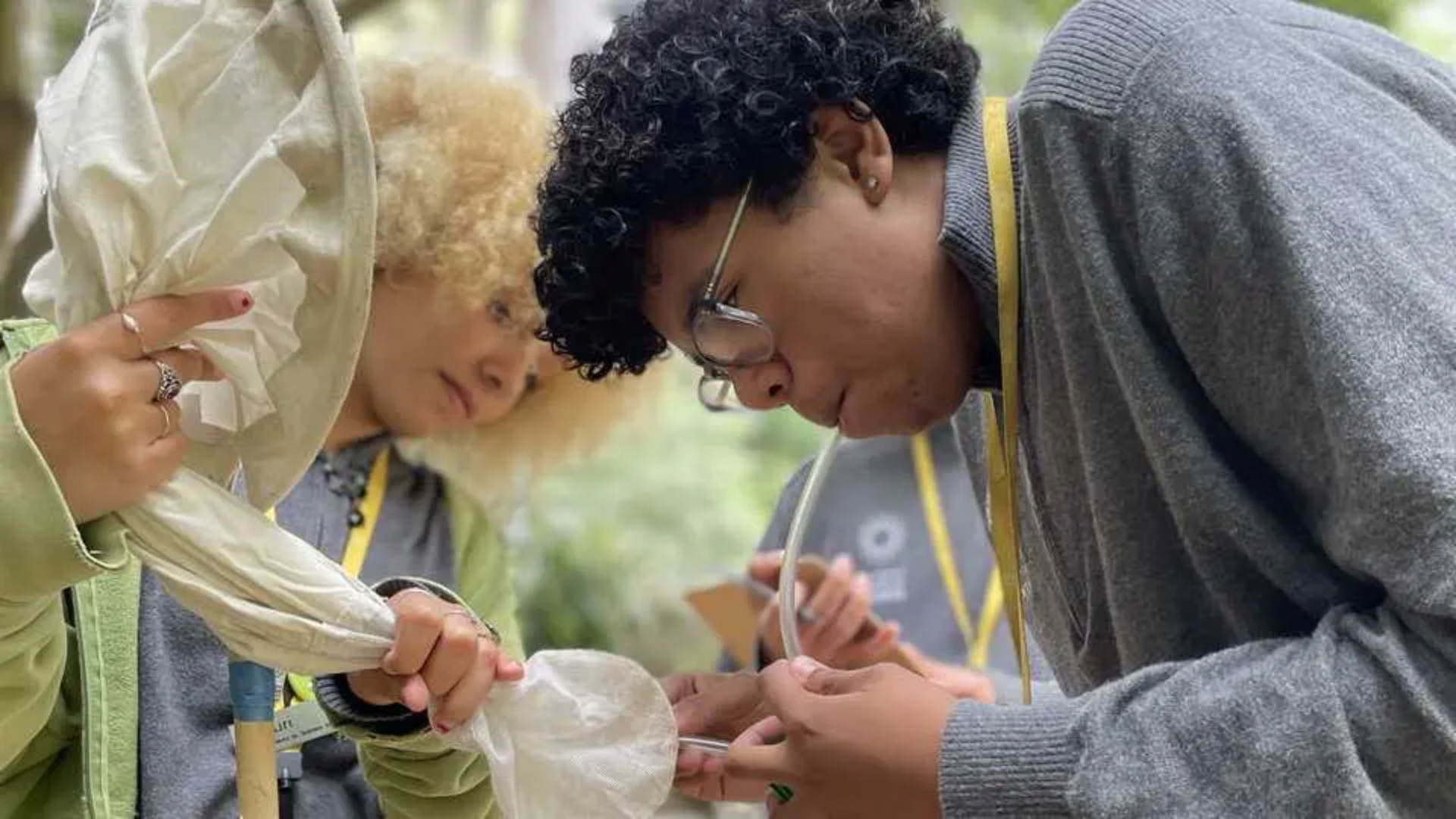
This program offers you a unique opportunity to engage with science while gaining practical experience. Interns will actively learn and teach science through hands-on outdoor fieldwork, leading educational experiences for visitors, and collaborating on various scientific projects. Throughout the program, you will attend workshops focused on developing essential skills like STEM communication and teamwork.
The supportive environment fosters growth and encourages interns to connect with Academy experts, enhancing their critical thinking and research capabilities. By the end of the program, you'll develop strong communication skills, effective teamwork, and robust research competencies to prepare for future educational and career paths.
Why it stands out: It integrates hands-on outdoor fieldwork and collaborative scientific projects, enabling high school students to acquire practical skills and engage directly with renowned researchers.
14. Fullerton College – BOUSD Dual Enrollment
Location: Fullerton, California
Cost/Stipend: None
Acceptance rate/cohort size: Non-competitive; cohort size not stated
Dates: August 24th – December 12th
Application Deadline: First-come, first-served basis
Eligibility: Grades 9–12 students enrolled in the Brea-Olinda Unified School District with counselor and parent or guardian approval; not open to international students
In this dual enrollment program, you experience college-level academics while completing high school requirements through a partnership with Fullerton College. You navigate real college curricula, manage asynchronous or in-person coursework, and collaborate with college faculty to develop foundational academic skills.
The program involves utilizing collegiate digital learning platforms, analyzing advanced subject matter, and completing general education coursework that transfers to California State University and University of California systems. You take on the responsibilities of a college student, developing critical thinking and independent time management. By eliminating tuition and textbook fees, the program provides a completely free pathway to accelerate your degree progress and explore career interests before graduating high school.
Why it stands out: It guarantees Cal-GETC-approved college credits that seamlessly transfer to CSU and UC schools without any financial burden for tuition or materials.
15. John Jay College of Criminal Justice, CUNY – John Jay College Now
Location: New York, New York
Cost/Stipend: None
Acceptance rate/cohort size: Competitive; cohort size not stated
Dates: Orientation is Saturday, September 26th on Zoom; classes then run across the fall semester, weekdays 4:30 PM–6:45 PM online or Saturdays 10:00 AM–2:30 PM
Application Deadline: September 24th
Eligibility: 11th and 12th grade New York City public high school students (10th graders eligible for select courses) English Regents score of 55–74 or a GPA of 70 or above; for the 3-credit courses (Criminal Justice BS 101, English 101, Psychology 101, Sociology 101), junior or senior standing plus one of ACT English 20+, ELA Regents 75+, SAT Reading and Writing 480+, or PSAT Reading and Writing 480+, sophomores who hit those scores also qualify; not open to international students
In this program, you will transition into higher education by taking credit-bearing college courses during the fall semester while still in high school. You can engage deeply with the criminal justice system through introductory classes that analyze substantive and procedural criminal law, policing, courts, and corrections.
You will develop critical college-level research and inquiry-based writing skills by composing academic papers and analyzing complex texts. You might also explore career development pathways or study the scientific foundations of psychology and behavior. The program allows you to earn free college credits and gain firsthand exposure to specialized disciplines at a premier criminal justice institution.
Why it stands out: It provides New York City high school students with a tuition-free pathway to earn college credits during the academic year and explore distinct disciplines like criminal justice and psychology before graduation.
Frequently asked questions: Free Fall Programs for High School Students
Are fall programs for high school students really free?
Most are free of the tuition costs you'd expect from a summer program, but not always free overall. Several programs on this list, like the NYC Mayor's Office Internship, actually pay you a stipend of $17 an hour, while Columbia's Freedom and Citizenship program offers a $2,500 stipend. A handful, including the University of Iowa's Pre-Apprenticeship Program, are genuinely cost free with no stipend attached. You can also consider fully-funded summer programs running at different points across the year.
What grade level do you need to be in for these programs?
Eligibility varies widely by program. Some, like Fermilab's Saturday Morning Physics, accept any student in grades 9 through 12, while others such as Columbia's Freedom and Citizenship program only accept rising seniors, and John Jay College Now is limited to 11th and 12th graders. A few, including the UAM Collegiate Academy, are restricted to a single partner high school district. Before applying, check each program's eligibility section carefully, since a mismatch in grade level is the most common reason applications get rejected.
Do free fall programs help with college applications?
Yes, most of these programs are designed to strengthen your academic profile alongside your coursework. The Columbia Freedom and Citizenship initiative pairs a summer seminar with a full year of civic leadership work, giving you a sustained project to discuss in essays and interviews. Research-based options, such as Immerse Education's Online Research, culminate in a written evaluation and a publishable paper, which admissions officers can verify. Choose a program that matches a genuine interest rather than one you think looks impressive, since authentic engagement reads more convincingly than a padded resume.
Can international students apply to free fall programs for high school students?
Only a few of these programs accept applicants from outside the United States. West Valley College's dual enrollment program and the Academy of Art University's Pre-College Experience are both open to international students, as is the NYC Mayor's Office internship if you hold U.S. work authorization. If eligibility is a barrier, Immerse Education's Online Research is open to students worldwide aged 13 to 18, with no residency restriction since it runs fully remote. Most of the government-run programs on this list, like the Treasury internship, remain restricted to U.S. citizens.
What's the difference between fall and summer programs for high school students?
Fall programs are built to run alongside your regular school year, so they typically meet on evenings, weekends, or through remote sessions rather than requiring you to be away from home for weeks at a time. Fermilab's Saturday Morning Physics meets only once a week for a few hours, while dual enrollment options such as Fullerton College's BOUSD program span the full fall semester. This lighter time commitment makes fall programs a good option if your summer is already booked or if you want an ongoing project instead of a short, intensive one.
How competitive are free fall programs for high school students?
Selectivity ranges widely across this list. Sandia National Laboratories and the U.S. Department of the Treasury both describe their internships as highly selective, with limited spots and multi-step applications. Several others, including the Academy of Art University's Pre-College Experience and Fullerton College's BOUSD Dual Enrollment, use open or non-competitive admission, so meeting the eligibility criteria is usually enough to secure a place. If you're aiming for a highly selective option, apply early and treat the deadline as a soft target, since some programs review applications on a rolling basis.
Your Fall Program Is Just the Beginning
Stepping into a program this fall, whether paid, free, or somewhere in between, signals that you're ready to explore beyond your regular coursework.
Free fall programs for high school students often ask for less money but just as much curiosity, discipline, and follow-through as their paid counterparts.
What you build in these weeks, whether a research paper, a portfolio piece, or a stronger grasp of a subject, carries forward into your applications.
For more guidance on turning this fall's work into a stronger application, explore Immerse's University Preparation resources built for ambitious students like you.





Unlock Inspiring Opportunities with the Immerse Education Newsletter
Join our newsletter to stay ahead with exclusive updates, exciting programme highlights, and expert insights from the world of immersive education.
Learn how Immerse can transform your life
An in-depth overview of our university and career preparation programmes
Get a glimpse into the life of an Immerse participant
Find the right programme for you with sample timetables, location showcases, and more