15 Free Online Courses in the UK for 16 Year Olds

Summary
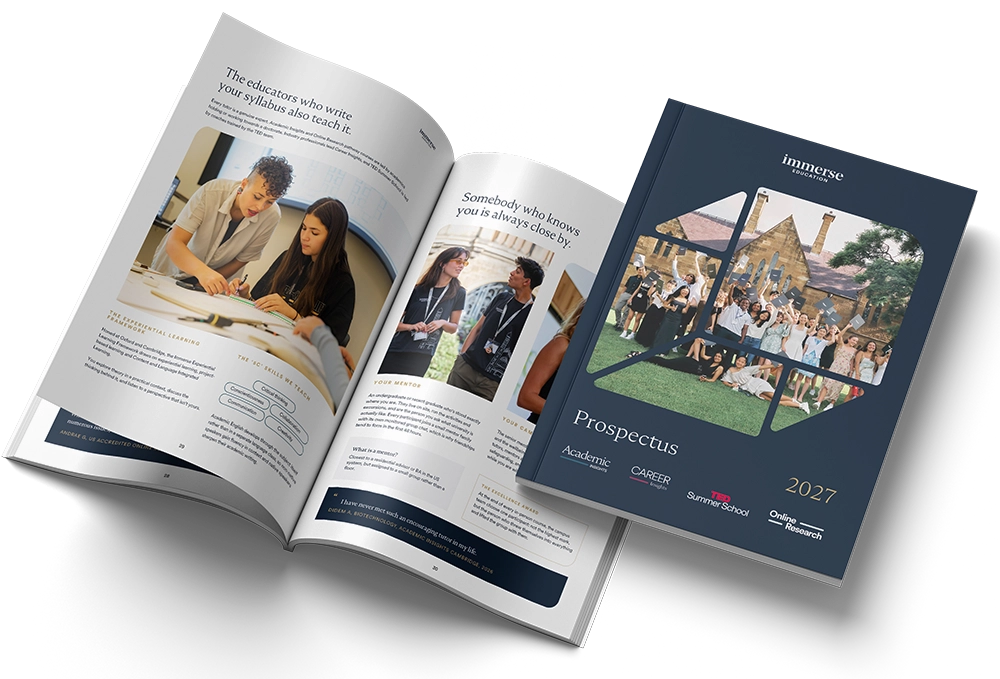
You’ll find 15 online courses you can start free at 16, from Harvard’s CS50 to Open University courses on money and cyber security. The key difference is whether a course is fully free or only free to start, with certificates or full access costing extra. Most suit any beginner, and Preparing For Your Future is built for 14 to 16 year olds. The Open University’s cyber security course, for example, takes about 24 hours and earns 24 CPD points. Immerse Education’s Online Research pathway pairs you with a 1:1 tutor if you’re 13 to 18, with bursaries available.
At 16, you’re at an exciting stage where you can begin exploring subjects beyond your school curriculum and discover interests that could shape your future. Whether you’re curious about artificial intelligence, computer science, personal finance, cyber security, creative writing, or career development, free online courses give you the opportunity to learn new skills without any financial commitment.
Whether you’re exploring possible university subjects, building skills for your CV, or simply learning something new outside the classroom, there’s a free online course that matches your interests and schedule.
What are free online courses for 16-year-olds in UK?
Free online courses are structured learning programs that allow you to study new subjects through video lessons, readings, quizzes, practical exercises, and interactive activities. Depending on the course, you may also complete projects, participate in discussion forums, earn certificates or digital badges, or learn directly from university professors and industry professionals.
Many courses are offered by universities, government organizations, and established online learning platforms, making it possible to experience university-level learning while you’re still in school. Some programs are designed specifically for teenagers, while others are open to learners of all ages and provide beginner-friendly introductions to subjects such as coding, business, psychology, finance, cyber security, and personal development.
15 Free Online Courses in the UK for 16 Year Olds
1. AI For Everyone
Location: Online (Coursera, offered by DeepLearning.AI)
Cost: Free to enroll, with a free trial and financial aid available; full access to graded work and the certificate requires payment
Dates: Self-paced (about 7 hours)
Application Deadline: No fixed deadline
Acceptance Rate: Open enrollment
Eligibility: Beginner level; no prior experience required | Open to learners worldwide
AI For Everyone introduces the fundamentals of artificial intelligence without requiring any technical background. You’ll learn the meaning behind terms like neural networks, machine learning, deep learning, and data science, and what AI realistically can and cannot do.
The course walks you through how machine learning and data science projects are built and how organizations spot opportunities to use AI. Its final module covers AI and society, including bias, adverse uses of AI, and AI’s impact on jobs. The course is taught by Andrew Ng of DeepLearning.AI and is split into four modules, each with a quiz.
Why it stands out: It explains AI concepts in clear, non-technical language while helping you understand how AI is used in business and everyday decision-making.
2. Immerse Education's Online Research

Location: Fully remote
Cost: Varies; summer school scholarship available through our bursary programme
Acceptance rate/cohort size: Selective; 1:1 learning
Application Deadline: Rolling admissions; multiple dates throughout the year
Program Dates: Start any time; 10-15 hours of 1:1 tutorials over 2-3 weeks
Eligibility: Students around the world aged 13-18 (accredited options require age 14+); open to international students
The Online Research pathway offers high school students the opportunity to conduct rigorous research with tutors from Oxford, Cambridge, and Ivy League universities. You will work with your tutor to explore a subject of your choice in depth and write an academic research paper. The programme is taught 1:1, and on the Accredited option (ages 14+) you can earn 8 UCAS points or 3 US college credits.
The virtual research program is offered in over 20 subjects, including artificial intelligence, chemistry, psychology, economics, computer science, creative writing, philosophy, and more. At the end of the program, you'll receive a written evaluation from your tutor and an opportunity to publish your research, with guaranteed submission to a high-school research journal on the Publication option (acceptance is at the journal's discretion) and, on the Accredited and Publication options, an invitation to present at the Immerse Online Symposium. You can find examples of papers Immerse students have worked on here. You can find more details about the application here.
Why it stands out: You'll get access to 1:1 Oxbridge- or Ivy-style research supervision culminating in a publishable academic paper.
3. Python for Everybody
Location: Online (py4e.com, by Dr. Charles Severance of the University of Michigan)
Cost: Free on py4e.com; the Coursera version charges for full access and its certificate
Dates: Self-paced (Coursera estimates about 2 months at 10 hours per week)
Application Deadline: No fixed deadline
Acceptance Rate: Open enrollment
Eligibility: Beginner level; no prior programming experience required | Open to learners worldwide
Python for Everybody teaches programming through free materials, lectures, a free textbook, and assignments built by Dr. Charles Severance. You start with Python fundamentals before moving into data structures, web data, databases, and data visualization. When you log in to py4e.com, you join a free global course with a gradebook, autograded assignments, discussion forums, and badges you can earn.
The same course is also offered as a five-course specialization on Coursera, ending in a capstone project. The pace of the early material is aimed at learners with no programming experience at all.
Why it stands out: You can work through a full university-designed Python course for free and earn badges along the way.
4. Learn HTML
Location: Online (Codecademy)
Cost: Free course; practice projects, assessments, and the certificate of completion come with paid Plus or Pro plans
Dates: Self-paced (about 7 hours)
Application Deadline: No fixed deadline
Acceptance Rate: Open enrollment
Eligibility: Beginner level; no prerequisites | Open to learners worldwide
Learn HTML introduces the building blocks of websites through interactive lessons completed directly in your browser. You’ll learn how to structure web pages, present data in tables, build forms, and write cleaner semantic HTML across six lessons.
The course includes four projects, such as building a fashion blog and a festival schedule, along with five quizzes. An AI learning assistant gives you guided coding help as you work. Some features, including practice projects, assessments, and the certificate, require a paid plan.
Why it stands out: It lets you write and test HTML in your browser from the first lesson, with no setup needed.
5. CS50’s Introduction to Computer Science (CS50x)
Location: Online (edX and cs50.harvard.edu, offered by HarvardX)
Cost: Free, including a free CS50 Certificate; an edX verified certificate is available for a fee
Dates: Self-paced; to earn the 2026 free certificate, claim it by June 30th, 2027
Application Deadline: No fixed deadline; edX registration is required
Acceptance Rate: Open enrollment
Eligibility: No prior programming experience required | Open to learners worldwide
CS50x is Harvard University’s introduction to computer science and programming, taught by David J. Malan. You learn languages including C, Python, SQL, and JavaScript, plus CSS and HTML, through problem sets inspired by biology, cryptography, finance, forensics, and gaming.
To complete the course, you submit ten problem sets and a final project for automated feedback. Finishing the work earns you a free CS50 Certificate, separate from the paid edX verified certificate. The free certificate is for self-education and isn’t an accredited Harvard qualification.
Why it stands out: You can complete a full Harvard computer science course, including a certificate, without paying anything.


6. Managing My Money
Location: Online (FutureLearn, offered by The Open University)
Cost: Free to join; check FutureLearn for any upgrade fees for extended access or a certificate
Dates: 8 weeks
Application Deadline: No fixed deadline; check FutureLearn for the next run
Acceptance Rate: Open enrollment
Eligibility: Anyone who wants to take charge of their finances, regardless of age or confidence | Open to learners worldwide
Managing My Money is an eight-week practical guide to personal finance, led by Martin Upton, director of The Open University’s True Potential Centre for the Public Understanding of Finance. You’ll build the basic blocks of financial planning using real facts and figures, from planning a pension to taking out a loan.
The course uses videos, audio, quizzes, discussions, and online tools to help you assess your own financial position. It also covers the bad habits behind poor money management and how to avoid them. By the end, you should feel more confident dealing with firms that offer products from credit cards to pensions.
Why it stands out: It provides a broad introduction to personal finance through practical examples developed by The Open University.
7. MSE’s Academy of Money

Location: Online (OpenLearn, The Open University)
Cost: Free, including a Statement of Participation and digital badge
Dates: Self-paced (about 12 hours across six sessions)
Application Deadline: No fixed deadline
Acceptance Rate: Open enrollment
Eligibility: Introductory level; open to all learners | Open to learners worldwide
MSE’s Academy of Money was written by The Open University with support from MoneySavingExpert. Across six two-hour sessions, you cover smart spending, budgeting and tax, borrowing, mortgages, saving and investing, and planning for retirement. Each session mixes videos, audio, quizzes, and activities, including a budgeting grid you can use for your own money.
You can start without signing up, but creating an account lets you track progress and earn a free Statement of Participation. Passing the quizzes earns you an Open University digital badge, and the course carries 12 CPD points.
Why it stands out: It blends practical money management with interactive learning and offers both a digital badge and CPD recognition at no cost.
8. Learning How to Learn: Powerful Mental Tools to Help You Master Tough Subjects
Location: Online (Coursera, offered by Deep Teaching Solutions)
Cost: Free full version available; paid certificate optional
Dates: Self-paced
Application Deadline: No fixed deadline
Acceptance Rate: Open enrollment
Eligibility: Beginner friendly; no prior experience required | Open to learners worldwide
Learning How to Learn explores research-backed strategies that can help you study more effectively across a wide range of subjects. You’ll discover techniques for improving memory, beating procrastination, and building productive study habits.
The course explains how the brain takes in information and offers methods for improving focus and long-term understanding. Co-creator Barbara Oakley has shared a free full version of the course, so you can work through it without paying. You can still upgrade if you’d like a certificate.
Why it stands out: It focuses on the science of learning itself, helping you build study habits you can apply to almost any subject.
9. Young Professional Training
Location: Online (Youth Employment UK)
Cost: Free with a free account
Dates: Self-paced
Application Deadline: No fixed deadline
Acceptance Rate: Open enrollment
Eligibility: Young people preparing for work, education, or employment | International eligibility not specified
Young Professional Training is Youth Employment UK’s free youth membership, which unlocks its library of online skills and careers courses. You complete short courses on topics such as communication, teamwork, confidence, and career readiness. The courses are designed to fit around your schedule, so you can build workplace skills at your own pace.
After registering for a free account, you can choose the courses most relevant to your goals. Completed courses come with certificates you can add to your CV.
Why it stands out: It focuses specifically on employability skills and offers free certificates for your CV.
10. Succeed in the Workplace
Location: Online (OpenLearn, The Open University)
Cost: Free, including a Statement of Participation and digital badge
Dates: Self-paced (about 24 hours)
Application Deadline: No fixed deadline
Acceptance Rate: Open enrollment
Eligibility: Introductory level; open to all learners | Open to learners worldwide
Succeed in the Workplace is for anyone starting in the job market, changing jobs, or returning after a break. You’ll explore career opportunities, then learn to write strong CVs and application forms and handle different types of interviews.
The course ends with an action plan tailored to your own goals. Completing it earns you a free Statement of Participation and an Open University digital badge. You can work through the material at your own pace and revisit sections whenever you need.
Why it stands out: It combines career planning, applications, and interview preparation in one free course with an Open University badge.
11. Writing and Reading Short Stories, MIT OpenCourseWare
Location: Online (MIT OpenCourseWare)
Cost: Free
Dates: Self-paced
Application Deadline: No fixed deadline
Acceptance Rate: Open access; no enrollment needed
Eligibility: Undergraduate-level materials; open to all learners | Open to learners worldwide
Writing and Reading Short Stories shares the materials from MIT course 21W.755, taught by Shariann Lewitt in spring 2012. You can work through lecture notes on craft topics, a reading list of great short stories, and the course’s writing assignments, which include writing three short stories.
The course pairs reading published stories with writing exercises and workshop-style reflection. Since it’s an archived course, there’s no instructor feedback or certificate, but all materials are free to use and download. The main required text is an anthology you’d need to find separately.
Why it stands out: It gives you free access to an MIT creative writing curriculum, with no tuition fees or application.
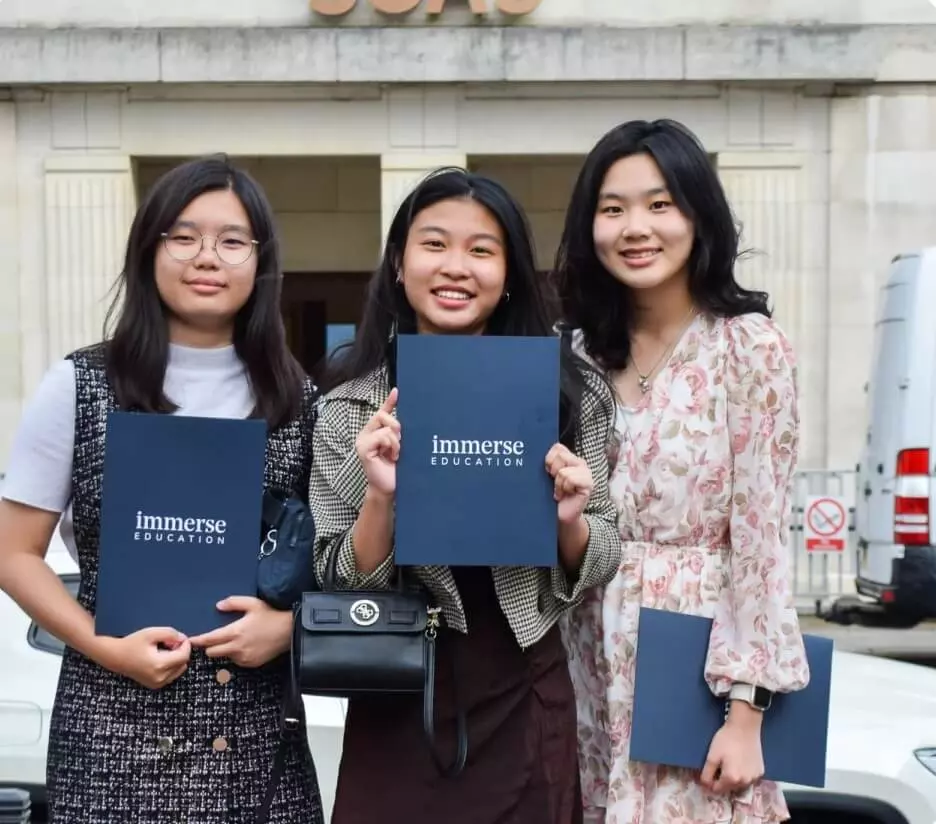
Join the Immerse Education 2027 Essay Competition
Follow the instructions to write and submit your best essay for a chance to be awarded a 100% scholarship.
12. The Science of Well-Being
Location: Online (Coursera, offered by Yale University)
Cost: Free to enroll; a certificate and full access to graded work require payment, with financial aid available
Dates: Self-paced
Application Deadline: No fixed deadline
Acceptance Rate: Open enrollment
Eligibility: Beginner friendly; open to all learners | Open to learners worldwide
The Science of Well-Being explores the psychology behind happiness and how to build healthier habits. You’ll examine common misconceptions about what makes people happy and why our minds often lead us astray.
The course combines research with practical exercises you can apply in daily life. Taught by Yale professor Laurie Santos, it’s one of Coursera’s most popular courses, and a separate teen version is also available. You can complete it at your own pace.
Why it stands out: It brings together psychology research and habit-building exercises from one of Yale’s best-known online courses.
13. Introduction to Cyber Security: Stay Safe Online
Location: Online (OpenLearn, The Open University)
Cost: Free, including a Statement of Participation and digital badge
Dates: Self-paced (about 24 hours)
Application Deadline: No fixed deadline
Acceptance Rate: Open enrollment
Eligibility: Introductory level; no prior security knowledge needed | Open to learners worldwide
Introduction to Cyber Security: Stay Safe Online helps you understand online security and protect your digital life. You’ll learn to recognize threats such as malware, viruses, trojans, and phishing, and the steps you can take to reduce your risk. The course also introduces network security, cryptography, identity theft, and risk management.
Passing the quizzes earns you an Open University digital badge, a free Statement of Participation, and 24 CPD points. The Open University developed it with support from the UK Government’s National Cyber Security Programme.
Why it stands out: It combines practical online safety skills with a free Open University badge and CPD recognition.
14. Preparing For Your Future
Location: Online (Youth Employment UK)
Cost: Free
Dates: Self-paced (five modules)
Application Deadline: No fixed deadline
Acceptance Rate: Open enrollment
Eligibility: Designed for ages 14-16, but anyone can complete it | International eligibility not specified
Preparing For Your Future is a free online course to help you understand your strengths, build useful skills, and explore what you could do next. Its five modules cover understanding yourself, life skills, education and training, work experience, and career plans.
You can access it from your phone, tablet, or computer and learn at your own pace. You receive a digital certificate when you complete the course. You start with the “All About YOU” module after creating a free account.
Why it stands out: It is designed specifically for 14 to 16 year olds and combines career exploration with practical life skills.
15. The Open University - Sustainable Chemistry

Location: Online
Cost: None
Dates: Self-paced; no fixed start or end dates
Application Deadline: No application required; course available to start at any time
Eligibility: No minimum age for course access; OpenLearn account creation requires age 13+; open to international students
In this course, you explore how chemistry can support a sustainable future through greener industrial processes and resource use. You examine circular economies, plastic recycling, the UN Sustainable Development Goals, and the Haber - Bosch process for ammonia production. You calculate atom economy and study the 12 principles of green chemistry to assess waste, hazards, and energy efficiency in chemical manufacturing.
Using mobile phones as a case study, you investigate elements at risk of future shortage and the growing importance of recycling and urban mining. The course is introductory and designed for about four hours of self-paced study. With an OpenLearn account, you can access quizzes and activities, track progress, and earn a free Statement of Participation.
Why it stands out: It condenses material adapted from The Open University’s S218 Concepts in Chemistry into a free, four-hour introductory course.
Frequently asked questions: Free Online Courses in the UK for 16 Year Olds
Are free online courses in the UK actually free?
Some are completely free, while others are only free to start. OpenLearn courses, Youth Employment UK courses, CS50x, and Python for Everybody on py4e.com cost nothing, including their badges or certificates. Coursera courses usually charge for full access and certificates, though free trials and financial aid are available. Codecademy’s Learn HTML is free, but its certificate needs a paid plan.
Can you get a certificate from a free online course at 16?
Yes, several free courses on this list give you recognition at no cost. OpenLearn awards a free Statement of Participation, and many courses also offer an Open University digital badge. CS50x gives you a free CS50 Certificate, and Youth Employment UK issues a digital certificate when you finish Preparing For Your Future. Coursera and Codecademy certificates usually require payment.
Do free online courses help with university applications?
They can help you show genuine interest in a subject, especially if you mention what you learned in your personal statement. A course like CS50x or The Science of Well-Being can support an application in computer science or psychology. If you want something more formal, Immerse’s accredited Online Research option lets you earn UCAS points through a 1:1 research project with a specialist tutor. It’s a paid option, with bursaries available.
How long do free online courses take to complete?
Most take between a few hours and a few months. AI For Everyone takes about 7 hours, and MSE’s Academy of Money takes about 12 hours across six sessions. The Open University’s cyber security and workplace courses each take about 24 hours. Longer options include CS50x, with ten problem sets and a final project, and Python for Everybody, which Coursera estimates at about 2 months.
Which free online courses are best for exploring university subjects?
CS50x and Python for Everybody are strong choices if you’re considering computer science. The Science of Well-Being gives you a taste of psychology, and MIT’s Writing and Reading Short Stories offers undergraduate-level creative writing materials. If you want to go deeper with a research project, browse these free online research programs for high school students.
Are there free online courses that build career skills at 16?
Yes, several focus on employability. Youth Employment UK’s Preparing For Your Future helps 14 to 16 year olds explore careers and next steps, while Young Professional Training covers workplace skills. The Open University’s Succeed in the Workplace teaches you to write CVs and handle interviews. If you’d like to try learning in person too, explore these summer camps in the UK for 16 year olds.
What free courses at 16 can teach you
A few hours of free coding, finance, or psychology lessons can show you which subjects hold your attention beyond the usual school timetable.
As you compare free online courses in the UK for 16 year olds, check what’s truly free and what a verified certificate will actually cost.
Keep notes on the topics you enjoy most, since they can guide your A-level choices and the degree subjects you decide to research next.
When you’re ready to turn that curiosity into a plan, explore our University Preparation blogs for advice on choosing and applying to university courses.







Unlock Inspiring Opportunities with the Immerse Education Newsletter
Join our newsletter to stay ahead with exclusive updates, exciting programme highlights, and expert insights from the world of immersive education.
Learn how Immerse can transform your life
An in-depth overview of our university and career preparation programmes
Get a glimpse into the life of an Immerse participant
Find the right programme for you with sample timetables, location showcases, and more