15 Overnight Writing Summer Camps for Teens

TL;DR
This guide covers 15 residential writing programs where you can workshop fiction, poetry, or screenwriting with published authors and university faculty. You'll find costs ranging from fully free, scholarship-funded options to selective programs costing over $9,000. Most programs accept you in grades 8 through 12, though a few restrict admission by state residency or gender. You could land a spot in one highly selective option that admits 30 students annually, chosen by writing sample alone. Immerse Education's Creative Writing Summer School gives you a two-week option in Oxford and Sydney for students aged 13 to 18, with bursary funding available.
You may not plan to become a writer, but you will still have to write after high school. College brings essays, research papers, personal statements, lab reports, emails, presentations, and applications. Later, most careers require some form of written communication too. Being able to take a complicated idea and explain it clearly is one of those skills that keeps paying off. An overnight writing summer camp is one of the smartest choices to make.
Imagine waking up on a university campus, having breakfast with other students, and spending part of your day working on a story, poem, article, or screenplay. You might sit in a workshop and read your work aloud, listen to other students pick apart a paragraph, then go back to your room and rewrite it. That cycle of writing, feedback, and revision is where a lot of the real learning happens.
Why should I enroll in an overnight writing summer camp?
Writing improves when you practise the parts that are easy to ignore: outlining, drafting, cutting unnecessary sentences, checking facts, restructuring paragraphs, and rewriting after someone tells you what is not working. A summer camp gives you several weeks to work on those skills with people who can actually read your work and give you useful feedback.
It can also give your college applications more substance. You could leave with a short story, portfolio, article, poetry collection, or other finished project that shows how you think and communicate. If writing is already an important part of your academic interests, having a body of work can make that interest much easier.
For related opportunities, consider writing competitions for high school students.
To help you find the right fit, we have narrowed down 15 overnight writing summer camps for teens, based on student outcomes and mentorship opportunities.
15 Overnight Writing Summer Camps for Teens
1. Iowa Young Writers' Studio
Location: The University of Iowa, Iowa City, IA
Cost: $2,500 per two-week session, covering room, board, and instruction; a $10 reading fee applies and can be waived; need-based financial aid available
Acceptance rate/cohort size: Highly selective
Dates: June 14–27 or July 12–25 (tentative based on previous cohort/year)
Application Deadline: Application window mid-January to early February (tentative based on previous cohort/year)
Eligibility: Students currently in grades 10, 11, or 12; open to international students
Run by the university behind the famous Iowa Writers' Workshop, this two-week program places you in a single core course for the length of the session. You can focus on fiction, poetry, creative writing, playwriting, or TV writing, with each course taught by graduates of Iowa's writing programs.
Days mix workshop time with readings by published writers, craft discussions, and collaborative projects. You share your work with teachers and peers every day, so you get steady feedback rather than a single end-of-course critique. Evenings bring open mics, talent shows, and the social side of living among other young writers.
Why it stands out: You'll build one focused body of work across the session rather than sampling scattered exercises, which is unusual among summer writing camps.
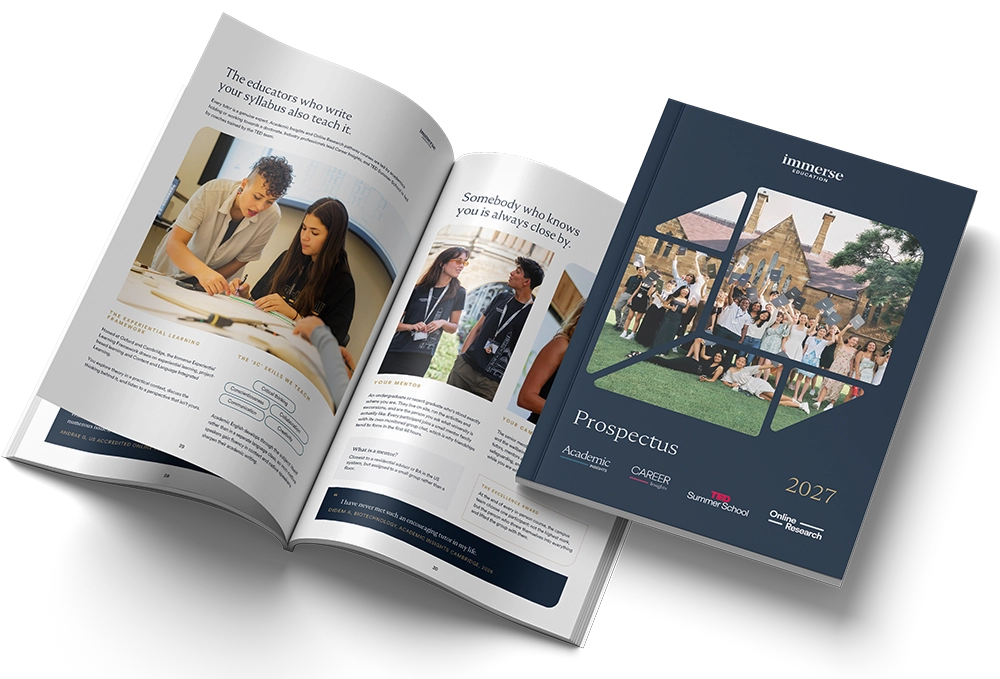
2. Immerse Education’s Creative Writing Summer School

Location: Oxford, Sydney
Cost: Varies; summer school scholarship available through our bursary programme
Acceptance rate/cohort size: Selective; an average of 7 participants per class
Application Deadline: Multiple summer cohorts with rolling admissions
Program Dates: 2 weeks during the summer
Eligibility: Students worldwide aged 13-18 currently enrolled in middle or high school; open to international students
Immerse Education’s Creative Writing Summer School will offer you the opportunity to explore the art of creative writing by building skills in poetry, narratives, and fiction. You’ll participate in workshops, literary analysis, and collaborative projects. You’ll receive personalized guidance from experienced writers and explore different genres and writing styles as you find your unique voice as a writer.
Along with becoming a better writer, the program also gives you the experience of university life through thought-provoking discussions and a chance to make like-minded friendships. If you’re a high school student looking for a writing program that can help you master creative writing, build self-confidence, and earn a recognized certificate, then this one is a good option to consider.
Why it stands out: It immerses you in narrative craft, genre exploration, and editorial feedback, helping you develop stronger storytelling skills and a more compelling creative voice.
3. Medill-Northwestern Journalism Institute (Cherubs)
Location: Northwestern University, Evanston, IL
Cost: $5,000, including tuition, room, and board; up to $100,000 in aid and named scholarships available
Acceptance rate/cohort size: Highly selective
Dates: June 28th – July 24th (tentative based on previous cohort/year)
Application Deadline: Early March (tentative based on previous cohort/year)
Eligibility: Current high school juniors (rising seniors)
The Medill-Northwestern Journalism Institute (Medill Cherubs) is a four-week summer program for rising high school seniors interested in professional journalism. You will work on reporting, writing, and editing assignments across print, video, audio, photojournalism, and digital storytelling. The program also allows you to learn coding and build work in different forms of journalism.
You will be paired with a mentor who critiques your assignments and meets with you each week. Classes are taught by professional journalists, educators, and Medill graduates, with visits to major sites around Chicago. By the end of the program, you will have written news stories, features, and opinion pieces while building a portfolio of practical journalism work.
Why it stands out: You'll report and file stories on deadline, then see them published, mirroring how a working newsroom operates day to day.
4. Kenyon Review Young Writers Workshop
Location: Kenyon College, Gambier, OH
Cost: $2,575, covering tuition, accommodations, meals, and activities; need-based financial aid available
Acceptance rate/cohort size: Highly selective; workshop groups of 12 to 14
Dates: June 21st – July 4th or July 12–25 (tentative based on previous cohort/year)
Application Deadline: Early March (tentative based on previous cohort/year)
Eligibility: Ages 16 to 18, rising juniors and seniors or recent graduates; open to international students
The Kenyon Review Young Writers Workshops are intensive creative-writing programs for high school students who want to work seriously on their writing. You will write across genres including short stories, poetry, and essays while experimenting with prompts, assignments, and different approaches to craft.
Workshop sessions also involve reading and discussing other students’ work, so you will practise giving and receiving detailed feedback on writing. Instructors meet with students individually to discuss their work and possible revisions. The residential program also includes smaller genre sessions focused on a particular form or element of craft.
Why it stands out: You'll add a focused genre session partway through, giving you a second instructor and group for a specific craft element.
5. University of Chicago Summer Immersion: Creative Writing
Location: University of Chicago, Chicago, IL
Cost: $9,300 residential program fee; need-based financial aid available
Acceptance rate/cohort size: Selective; small, capped class
Dates: July 7–23, with arrival on July 5th (tentative based on previous cohort/year)
Application Deadline: Priority mid-February, regular mid-March (tentative based on previous cohort/year)
Eligibility: Current 9th, 10th, or 11th graders, at least 14 years old; open to international students
This three-week immersion course treats creative writing as daily, disciplined practice. You write every day, both from directed prompts and self-driven projects, while categories like fiction, poetry, and memoir overlap and intermingle. Reading is heavy, and you conference one-on-one with your instructor and edit your peers' work.
By the end, you compose longer pieces that go through the same peer-edit process a college workshop uses. Among overnight writing summer camps for teens, it sits at the more academically demanding end.
Why it stands out: You'll work at an undergraduate pace, with the reading load and one-on-one conferences of a college seminar rather than a summer class.



6. University of Pennsylvania Kelly Writers House Summer Workshop
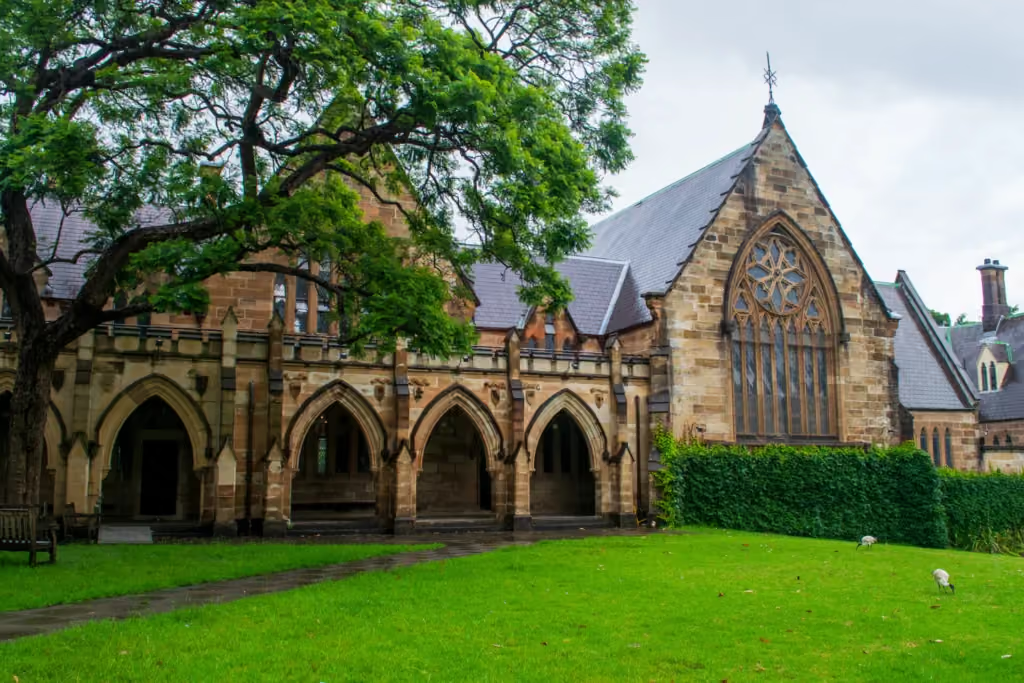
Location: University of Pennsylvania, Philadelphia, PA
Cost: $3,000; financial assistance available, and travel covered for some participants
Acceptance rate/cohort size: Selective
Dates: July 5–15 (tentative based on previous cohort/year)
Application Deadline: Early March (tentative based on previous cohort/year)
Eligibility: Rising high school juniors and seniors
Based at Penn's Kelly Writers House, this ten-day workshop brings a small group of writers to campus for full days of writing. Each morning you work in a personal essay workshop led by a Penn creative writing instructor, reading and critiquing one another's drafts.
Afternoons bring craft sessions in genres like poetry, fiction, screenwriting, and comics, plus time at the letterpress studio and digital recording studio. Admission does not depend on your ability to pay, and the program actively recruits students who have not had similar chances before. Evenings and one full day are set aside to explore Penn and Philadelphia.
Why it stands out: You'll center the workshop on personal essay, the same reflective form that often anchors a strong college application.
7. Georgetown Creative Writing Academy

Location: Georgetown University, Washington, DC
Cost: $3,725 residential, covering tuition and meals; $3,095 commuter
Acceptance rate/cohort size: Selective
Dates: July 12–18 (tentative based on previous cohort/year)
Application Deadline: Rolling admissions until sections fill
Eligibility: High school students; international students welcome
Over one week in Washington, DC, this academy blends craft lectures, workshops, and writing excursions across the city. You move among poetry, fiction, and personal prose while studying structure, character, dialogue, and description.
The program also looks at the business side of writing, including publishing markets, writing careers, and college and graduate paths. Off-site sessions send you to write at the National Gallery of Art and other spots around the capital. Graduate-student instructors run the workshops and give feedback on the pieces you generate.
Why it stands out: You'll draft and revise toward a capstone project, so the week ends with a finished piece to show for it.
8. UMass Amherst Juniper Institute for Young Writers
Location: University of Massachusetts Amherst, Amherst, MA
Cost: $5,200 residential tuition; $2,330 commuter; scholarships available
Acceptance rate/cohort size: Selective
Dates: July 12–25 or July 26th – August 8th (tentative based on previous cohort/year)
Application Deadline: Mid-March (tentative based on previous cohort/year)
Eligibility: Rising 10th, 11th, and 12th graders
The Juniper Institute for Young Writers at UMass Amherst is a two-week residential creative writing program where you will work closely with other young writers and professional instructors. Writing Labs let you experiment with forms, subjects, styles, and prompts while producing new poems, stories, or novel chapters. Craft Sessions go deeper into specific elements of writing and give you exercises to put those techniques into practice.
You will also share your work in workshops and receive feedback from peers and instructors, including one-on-one guidance on a genre-focused project. The program includes participant readings, Writer’s Life talks, write-ins, and field trips to places such as the Emily Dickinson Museum and W.E.B. Du Bois Center.
Why it stands out: You'll take part in participant readings, giving you practice performing your own work aloud for an audience.
9. Sewanee Young Writers' Conference
Location: The University of the South, Sewanee, TN
Cost: $2,600, covering tuition, room, and board; a $175 refundable deposit applies; need-based aid available
Acceptance rate/cohort size: Selective
Dates: June 28th – July 11th (tentative based on previous cohort/year)
Application Deadline: Opens December, closes early March (tentative based on previous cohort/year)
Eligibility: Students in grades 9, 10, or 11 at the time of applying
This two-week conference gathers a small group of high school writers on Sewanee's mountaintop campus. Mornings center on a workshop that runs from about 9:30 to 12:30, where you share your writing and respond to your peers'.
You can work in fiction, poetry, creative nonfiction, or playwriting, with afternoons open for craft classes, author Q&As, and writing time. Because the conference stays small, your teachers get to know you and your work closely. Evenings bring readings by faculty and visiting writers, plus the social life of a shared dorm.
Why it stands out: You'll choose from afternoon craft classes on forms ranging from sonnets to zines, tailoring the week to your own interests.
10. California State Summer School for the Arts: Writing
Location: California State Summer School for the Arts, Cal Poly Pomona, Pomona, CA
Cost: $5,174 for California residents; $10,475 for out-of-state and international students; financial aid available for California residents
Acceptance rate/cohort size: Selective
Dates: July 4th – August 1st (tentative based on previous cohort/year)
Application Deadline: Late February (tentative based on previous cohort/year)
Eligibility: Students in grades 8 to 12 (entering grades 9 to 12) and spring graduates; open to out-of-state and international students
Run by the state of California, this four-week residential program is one of the most intensive writing experiences on this list. A core class introduces prose fiction, poetry, and dramatic writing, and by the end you will have worked in every genre.
Focus classes let you go deep in one form, while guest writers, editors, and agents visit for workshops and discussions. You write and workshop more in these four weeks than in almost any comparable stretch of a school year. A Saturday colloquium gives your work an audience beyond your own classroom.
Why it stands out: You'll contribute to the program's literary anthology, leaving with published work you can point to later.
11. Smith College Precollege Creative Writing Workshop
Location: Smith College, Northampton, MA
Cost: $4,985 tuition; $1,246 deposit; $50 application fee
Acceptance rate/cohort size: Selective
Dates: July 4–17
Application Deadline: Rolling admissions until courses fill
Eligibility: Students entering grades 9 to 12; open to international students
Among overnight writing summer camps for teens, Smith's is one of the most writing-focused, with a morning class and an afternoon class each day. You pick from a wide slate of courses, including fiction, poetry, screenwriting, playwriting, journalism, novel writing, and speculative genres.
Instead of chasing a perfect draft, the program teaches a multi-draft process meant to loosen writer's block and open up your creativity. Pairing one morning course with one afternoon course lets you combine two very different forms in the same two weeks. Evenings add open mics and sessions on publishing and finding an agent.
Why it stands out: You'll leave with the start of an online writing portfolio and a set of contacts in the literary world.
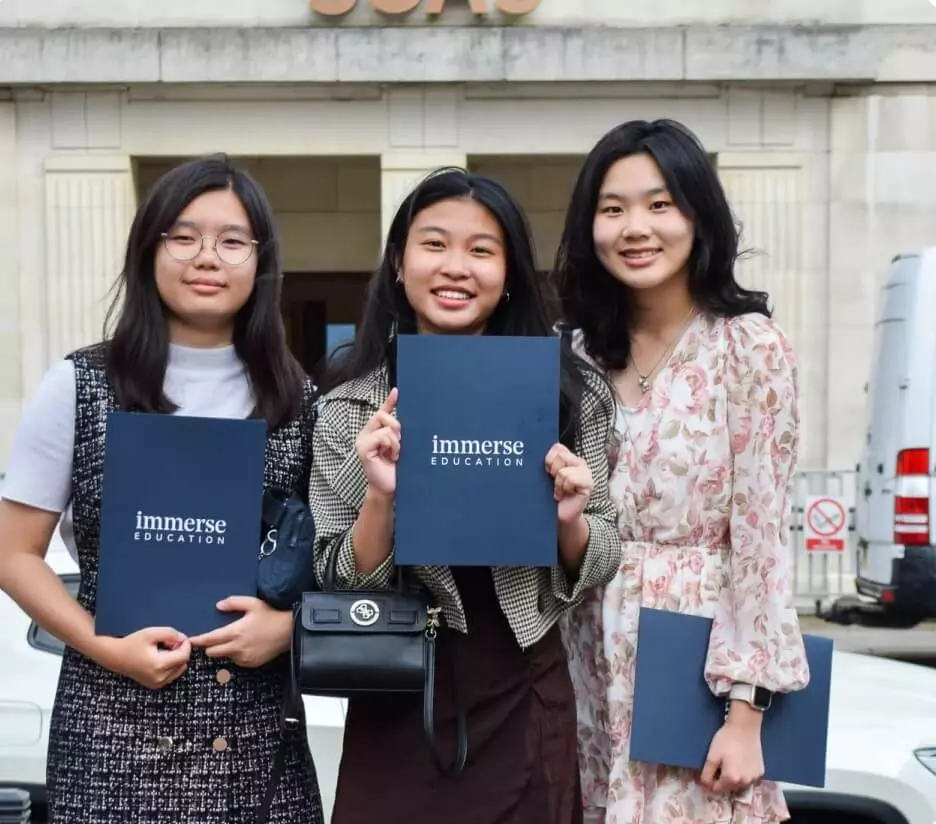
Join the Immerse Education 2027 Essay Competition
Follow the instructions to write and submit your best essay for a chance to be awarded a 100% scholarship.
12. Ohio State University Young Writers Workshop
Location: The Ohio State University, Columbus, OH
Cost: Free; every admitted student receives a full scholarship
Acceptance rate/cohort size: 30 students each year
Dates: July 12–17 (tentative based on previous cohort/year)
Application Deadline: Late May (tentative based on previous cohort/year)
Eligibility: High school students in Ohio only
The Ohio State Young Writers Workshop is a week-long residential program where high school students work closely with creative-writing faculty, MFA students, and program alumni. You will attend daily workshops in fiction, creative nonfiction, and poetry, with a major focus on one of those genres.
The program also includes readings, sessions with visiting writers, and an open mic where you can share your own work. You will have dedicated writing time each day, so the workshop is built around producing and discussing actual creative work. The program ends with a capstone event celebrating the participants and their writing.
Why it stands out: You'll be judged purely on a writing sample and a short statement, so a strong voice matters more than a strong transcript.
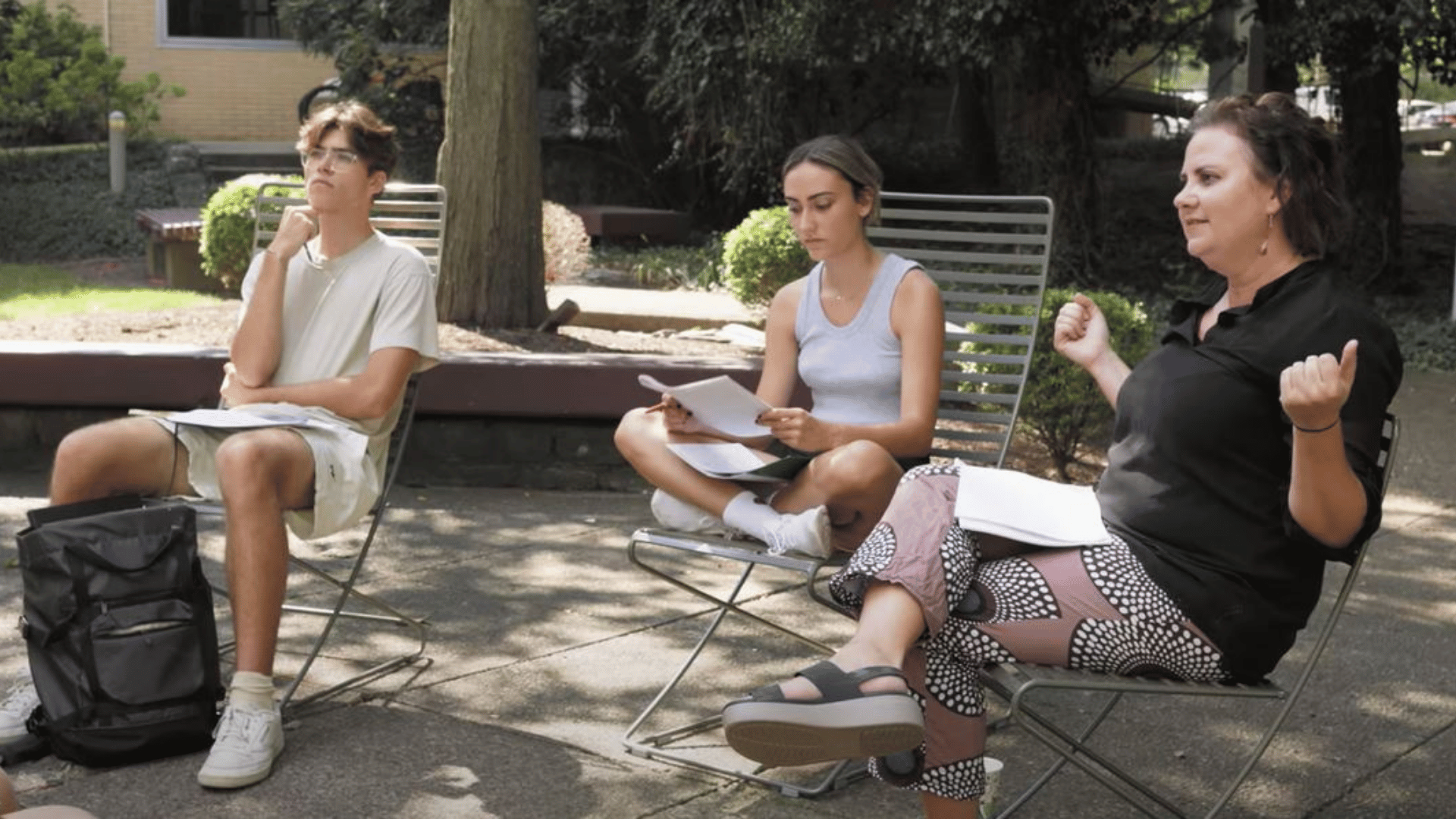
13. Carnegie Mellon Pre-College Writing and Culture Program
Location: Carnegie Mellon University, Pittsburgh, PA
Cost: Residential: $9,636; Commuter: $7,284
Dates: June 20–July 18
Application Deadline: February 1st (early); March 1st (final)
Eligibility: High school sophomores and juniors, age 16+; international student eligibility not specified
Carnegie Mellon's Writing and Culture Program explores the intersection of storytelling, media, film, and contemporary culture through a four-week academic experience. You'll examine how narratives are created across different formats while participating in projects involving digital poetics, short-form writing, and film development.
You will learn to analyze and create stories from both traditional and modern perspectives, gaining exposure to multiple forms of communication and artistic expression. Faculty members guide discussions on cultural interpretation, visual literacy, and creative production while providing individualized feedback on student work. The curriculum encourages experimentation across media and genres.
Why it stands out: Rather than focusing solely on creative writing, the program examines storytelling across writing, film, and digital media through an interdisciplinary university-level curriculum.
14. Susquehanna University Summer Writers Workshop
Location: Susquehanna University, Selinsgrove, PA
Cost: $1,075 comprehensive fee, covering instruction, room, meals, and materials; need-based scholarships available
Acceptance rate/cohort size: Selective
Dates: July 19–25 (tentative based on previous cohort/year)
Application Deadline: Register by early July (tentative based on previous cohort/year)
Eligibility: Students entering grades 10 to 12
Now in its fourth decade, this week-long workshop is one of the more affordable residential options on this list. You attend daily seminars taught by Susquehanna's creative writing faculty and focus on craft in fiction, poetry, or creative nonfiction.
Over the week, you write between 10 and 30 new pages, workshop your drafts, and meet one-on-one with your professor. A public reading closes the week, and your new work appears in the program anthology mailed to your home. Housing is in single rooms, with time built in for a field trip and campus activities.
Why it stands out: You'll apply with a short portfolio rather than grades, so your writing is what earns your place.
15. Hollinsummer Creative Writing Retreat
Location: Hollins University, Roanoke, VA
Cost: $1,150 residential; $550 day option; 10% early-registration discount
Acceptance rate/cohort size: Selective
Dates: July 11–17
Application Deadline: Register by June 1st, or by early March for the early discount (tentative based on previous cohort/year)
Eligibility: Rising 9th to 12th grade women
The Reflect and Create Writing Retreat gives you a week on the campus of a university long known for creative writing. You strengthen your voice across fiction, poetry, and personal narrative through daily writers' workshops and small-group feedback.
Special events bring visiting authors to campus to talk about craft and the writing life. You live in first-year residence halls and share meals in the dining hall, so the week doubles as a preview of college. Evenings fill with recreation, from swimming to games and crafts, alongside other students who love to write.
Why it stands out: You'll work in small feedback groups built around personal narrative, a form that helps you write about your own experience with more control.
Frequently asked questions: Overnight Writing Summer Camps for High School Students
What genres can you study at an overnight writing camp for teens?
Most overnight writing camps let you work in fiction, poetry, creative nonfiction, screenwriting, journalism, or playwriting, and many programs let you sample several genres before settling into one. Iowa Young Writers' Studio has you choose a single genre for the full two weeks, while Smith College pairs a morning course with a different afternoon course so you can combine two forms. The University of Chicago's Summer Immersion blends fiction, poetry, and memoir into one track rather than keeping them separate. If you already know which genre interests you most, look for a program with a dedicated track in that area.
Do you need previous writing experience to get into a writing summer camp?
Some programs are highly selective and expect a strong writing sample, while others accept any student who wants to write. Iowa Young Writers' Studio and the University of Chicago's Summer Immersion are both described as highly selective with capped enrollment. Ohio State's Young Writers Workshop, by contrast, admits students purely on a writing sample and short statement rather than grades, and Denison's Reynolds Workshop and Susquehanna's Summer Writers Workshop welcome a broader range of applicants. If you're newer to writing, look for programs that emphasize craft-building over prior publication history.
Can international students attend overnight writing camps in the US?
Yes, many US-based overnight writing camps for teens accept international applicants alongside domestic students. Iowa Young Writers' Studio, the Kenyon Review Young Writers Workshop, Georgetown's Creative Writing Academy, the Juniper Institute at UMass Amherst, and Smith College's Precollege Workshop all explicitly welcome students from outside the US. Requirements and visa logistics vary by program, so check each camp's admissions page for specific international student guidance before you apply. Some camps, like Ohio State's, restrict admission to students within a single state, so confirm eligibility early in your search.
What's the difference between residential and day options at these writing camps?
A residential option means you live on campus for the full program, sharing meals, dorms, and evening activities with other writers, while a day option has you attend sessions and go home afterward. Georgetown's Creative Writing Academy and Hollinsummer both offer a residential track alongside a lower-cost day or commuter option. UMass Amherst's Juniper Institute similarly prices residential and commuter tracks separately. Choosing residential usually adds cost but gives you the full campus immersion, workshop bonding, and evening programming that day options skip.
Will you leave a writing camp with a finished piece or portfolio?
Most overnight writing camps have you produce a tangible piece of work by the end of the program, whether that's a short story, portfolio, or published anthology entry. California State Summer School for the Arts publishes a literary anthology featuring student work, and Susquehanna's workshop mails you a copy of the program anthology after you go home. Smith College sends you off with the start of an online writing portfolio, useful for future submissions or college applications. Ask a program directly what format your finished work will take.
Are there overnight writing camps outside the United States?
Yes, though most programs on a typical list are US-based, some overnight writing camps run on international campuses. Immerse Education's Creative Writing Summer School runs at Oxford and Sydney locations for students worldwide aged 13 to 18, with scholarship funding available through its bursary programme. If a US campus isn't practical for your family, an international location can offer similar workshop structure and mentorship while adding a study-abroad element to the experience. Check each program's eligibility requirements, since some international options set different age or grade cutoffs than their US counterparts.
Strengthen your college applications through summer writing
A few weeks spent workshopping fiction, poetry, or personal essays alongside published writers can sharpen the voice colleges want to read in your application.
Among overnight writing summer camps for teens, the strongest options pair daily workshop time with individual feedback from working writers and instructors.
You'll typically leave a residential program with a finished portfolio, whether that means a short story, an essay collection, or published anthology work.
Explore more University Preparation blogs to keep building the skills, portfolio, and materials that make your applications stand out this year.







Unlock Inspiring Opportunities with the Immerse Education Newsletter
Join our newsletter to stay ahead with exclusive updates, exciting programme highlights, and expert insights from the world of immersive education.
Learn how Immerse can transform your life
An in-depth overview of our university and career preparation programmes
Get a glimpse into the life of an Immerse participant
Find the right programme for you with sample timetables, location showcases, and more