15 Summer Credit Courses for High School Students
.png)
TL;DR
You'll find 15 programs here that let you earn transferable college credit over the summer, from short one-week intensives to seven-week immersions at schools like Harvard, Yale, and Brown. Costs range from fully free options to over $20,000 for residential art courses, and eligibility runs from rising sophomores through graduating seniors. Subjects span STEM, business, the humanities, and studio art, so you can test a specific major or explore something entirely new. George Mason's ASSIP stands out with roughly a 10% acceptance rate, placing accepted students directly into faculty-mentored research. Immerse Education's Pre-University Summer School is among the internationally accessible picks, a two-week residential program across six global locations for students aged 13 to 18.
Summer credit courses let you test-drive college before college actually starts. You could spend your summer coding, conducting research, analyzing economic trends, building an art portfolio, debating political ideas, or working through university-level math, all while earning academic credit. The real draw is the challenge: you move beyond standard high school coursework and start using the tools, methods, and ways of thinking that undergraduates rely on.
For students who attend in person, the experience can also mean learning in university classrooms, using campus facilities, meeting professors, and getting a feel for the rhythm of college life. Whether you want to explore a potential major, strengthen a specific academic skill, or simply find out how ready you are for college-level work, summer credit courses can give you meaningful experience before you graduate high school..
What summer credit courses are available for high school students?
High school students looking to accelerate their academic journeys can take advantage of various summer credit opportunities offered by both universities and government organizations. University-based summer programs, such as the Harvard Secondary School Program and similar college-credit tracks at institutions like NYU, USC, and Stanford, allow ambitious high schoolers to enroll in official undergraduate courses.
On the public sector side, government-backed initiatives largely consist of state-sponsored dual enrollment programs that enable students to take credit-bearing classes at local public universities or community colleges, often for free or at a heavily subsidized cost.
For adjacent opportunities, consider pre-college programs and college research programs for high schoolers.
To help you find an option that matches your interests and goals, we’ve put together a list of 15 summer credit courses for high school students across STEM, business, the humanities, art, research, and more.
15 Summer Credit Courses for High School Students
1. Syracuse University, Office of Pre-College Programs – Summer College – On Campus
Location: Syracuse, New York
Cost/Stipend: $3,195 – 7,995 residential or $2,709 – $6,052 commuter for 3-credit courses, plus $65 application fee; merit scholarships and qualifying need-based aid up to 25%
Acceptance rate/cohort size: Selective; cohort size not stated
Dates: 1-week: July 5–10 or July 19–24; 2-week: July 5–17 or July 19–31; 3-week: July 5–24; 4-week: July 5–31
Application Deadline: May 1st
Eligibility: Age 15+ by move-in; rising high school junior or senior, or graduate not matriculating at Syracuse in fall; minimum 3.0 cumulative GPA; open to international students with English-proficiency evidence
In this program, you take a Syracuse University college-level course while experiencing daily campus life. For credit study, you choose three-credit offerings in fields including architecture, economics, data science, government, sociology, geography, communication, and law. You typically spend three to four hours in class four or five days each week, then complete assignments, group projects, and independent study.
Credit-bearing courses award Syracuse University credit, which may be considered for transfer by your future college or university. Residential students live in a residence hall, eat on campus, and can join field trips and social activities. The experience lets you test a possible major, practice college-level academic work, and build independence before undergraduate study.
Why it stands out: It lets high school students earn Syracuse University credit in short, intensive on-campus courses while experiencing college academics and campus life.
2. Immerse Education’s Pre-University Summer School
Location: Cambridge, London, Oxford, Singapore, Sydney, and Toronto
Cost: Varies; summer school scholarship available through our bursary programme
Acceptance rate/cohort size: Selective; an average of 7 participants per class
Application Deadline: Multiple cohorts with rolling admissions
Program Dates: 2 weeks during the summer
Eligibility: Students across the globe aged 13-18 currently enrolled in middle or high school; open to international students
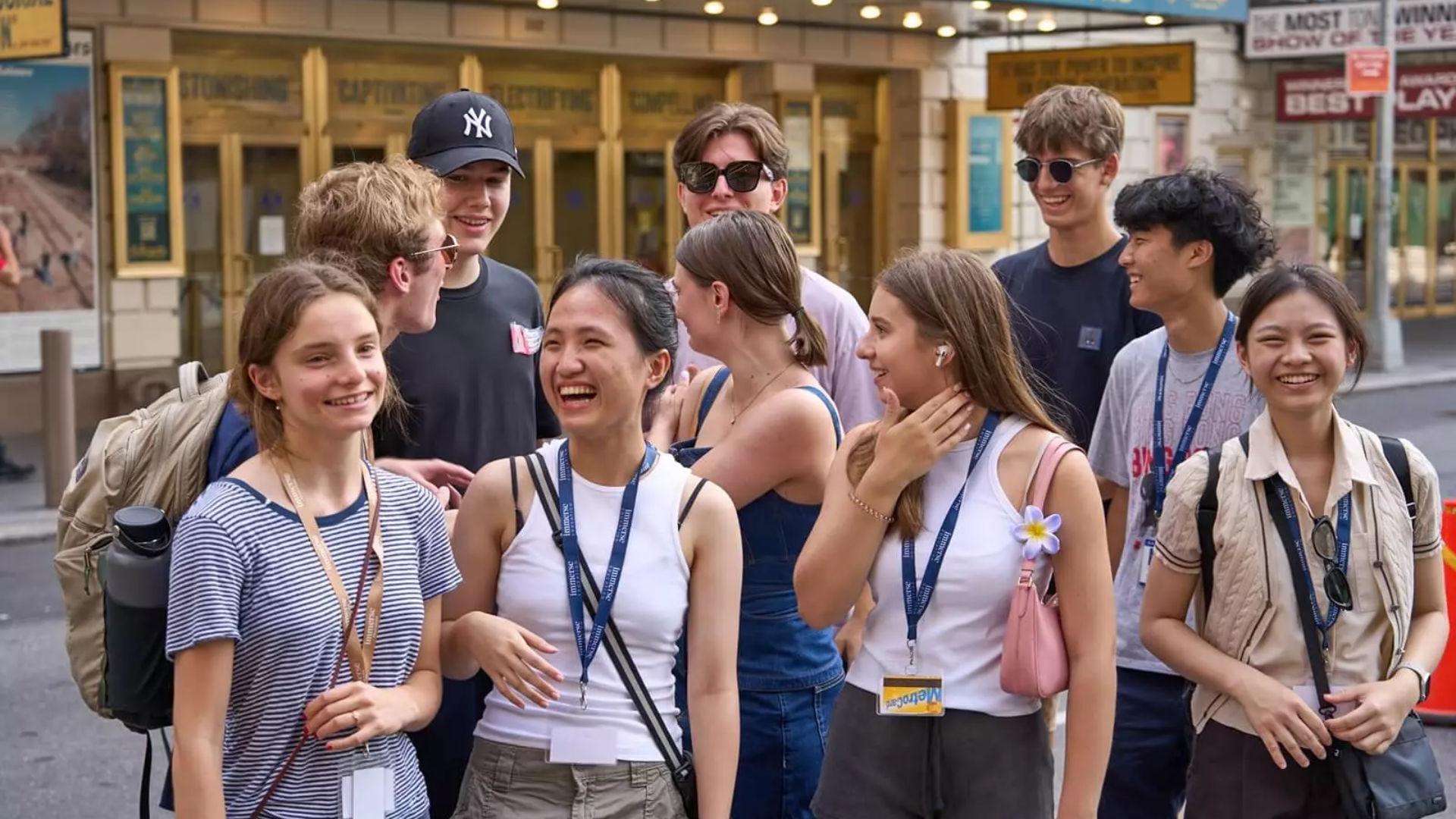
The Pre-University Summer School lets high school students experience university life firsthand. You will live on campus and study in small groups of 7-10, and learn from tutors from eminent top universities like Oxford and Cambridge. You can explore a wide range of subjects, spanning over 20 options, including Architecture, AI, Business Management, Computer Science, Economics, Medicine, Philosophy, and more.
The courses are experiential and focus on hands-on learning. You may find yourself conducting dissections in medicine, designing a robotic arm in engineering, participating in a moot court for law, or building creative writing portfolios and business case studies. By the end of the program, you’ll complete a personal project, receive written feedback, and receive a certificate of completion. You can find more details about the application here.
Why it stands out: You’ll get an early start at university life and academics because the program includes an independent project, discussion-based classes, and living at a college campus.
3. Spelman College – Art History and Curatorial Studies Early College Program
Location: Spelman College, the Atlanta University Center, and the High Museum of Art, Atlanta, GA
Cost/Stipend: None
Acceptance rate/cohort size: Selective; cohort size not specified
Dates: June 20th – July 17th
Application Deadline: April 1st
Eligibility: Rising high school juniors and seniors; not open to international students
Spelman College’s Early College Program introduces you to art history, museum studies, and curatorial practice through undergraduate-level coursework and project-based learning. You will examine African American and Western art while learning how historians and curators research, interpret, preserve, and present works to the public.
Classes are supplemented by workshops, museum visits, archival resources, and discussions about representation and diversity within cultural institutions. Exhibition-focused assignments require you to analyze collections and communicate your ideas through written and oral work. Successful completion allows you to earn undergraduate credit while gaining early exposure to potential college majors and careers in art history and curatorial studies.
Why it stands out: It specifically addresses the historical lack of diversity in the museum industry by offering high school girls of color an intensive, fully funded pathway into art history and curatorial careers through hands-on museum experience and college credit.
4. Harvard Secondary School Program
Location: Virtual or on-campus at Harvard University, Cambridge, MA
Cost: $4,180 – $15,735 + $75 application fee; financial aid available
Acceptance rate/cohort size: Competitive; over 2,800 high school students globally across all program formats
Dates: 4-Week: July 12th – August 8th; 7-Week: June 20th – August 8th
Application Deadline: April 1st
Eligibility: High school freshmen, sophomores, and juniors who graduate high school in the program year or next two years; ages 16–18; open to international students
As one of the more academically demanding summer credit courses for high school students, this program requires you to manage university-style readings, assignments, discussions, and assessments with considerable independence. You can select coursework based on an existing academic interest or use the experience to explore a field you may eventually pursue in college.
Classes are taught by Harvard or visiting faculty and maintain the expectations associated with undergraduate summer study. Beyond earning credit, you gain direct experience balancing rigorous academics with the independence required in a college environment. Depending on your chosen format, you may also participate in extracurricular programming and interact with students from a wide range of backgrounds.
For a deeper dive, read our guide on Harvard’s pre-college program.
Why it stands out: It provides high school students the rare opportunity to earn actual college credit by taking the same rigorous undergraduate courses alongside current Harvard college students and distinguished faculty.
5. Yale Summer Session
Location: Yale University, New Haven, CT or online
Cost: Varies; financial assistance is available
Acceptance rate/cohort size: Competitive; no distinct pre-college cohort size
Dates: Session A: May 25th – June 26th; Session B: June 29th – July 31st
Application Deadline: Session A Rolling: April 3rd (In-person) / May 1st (Online); Session B Rolling: May 8th (In-person) / June 5th (Online)
Eligibility: Current high school juniors or seniors who are 16 years of age or older by the program start date; open to international students
Yale Summer Session allows academically prepared high school students to enroll directly in undergraduate courses. You may study subjects ranging from creative writing and political anthropology to environmental policy, economics, mathematics, and engineering. You share courses with college students, so you are expected to keep pace with the same readings, assignments, discussions, and assessments.
The compressed academic format can also help you develop stronger time-management and independent learning habits. What makes the experience distinctive is that you get to participate as a regular student in a genuine Yale undergraduate classroom, giving you a realistic sense of both the intellectual depth and workload you may encounter at a highly selective university.
Why it stands out: It gives high school students the rare opportunity to earn actual college credit by taking the same rigorous courses alongside current Yale undergraduates.



6. Brown University Pre-Baccalaureate Program
Location: Online
Cost: One course: $8,973; Two courses: $17,935; additional housing and meal plan costs applicable if residing on campus; need-based financial aid is available
Acceptance rate/cohort size: Highly selective; cohort size varies by course
Dates: June 15th – July 31st
Application Deadline: May 8th
Eligibility: Rising or recently graduated high school seniors who will be at least 17 years old by June 14; open to international students
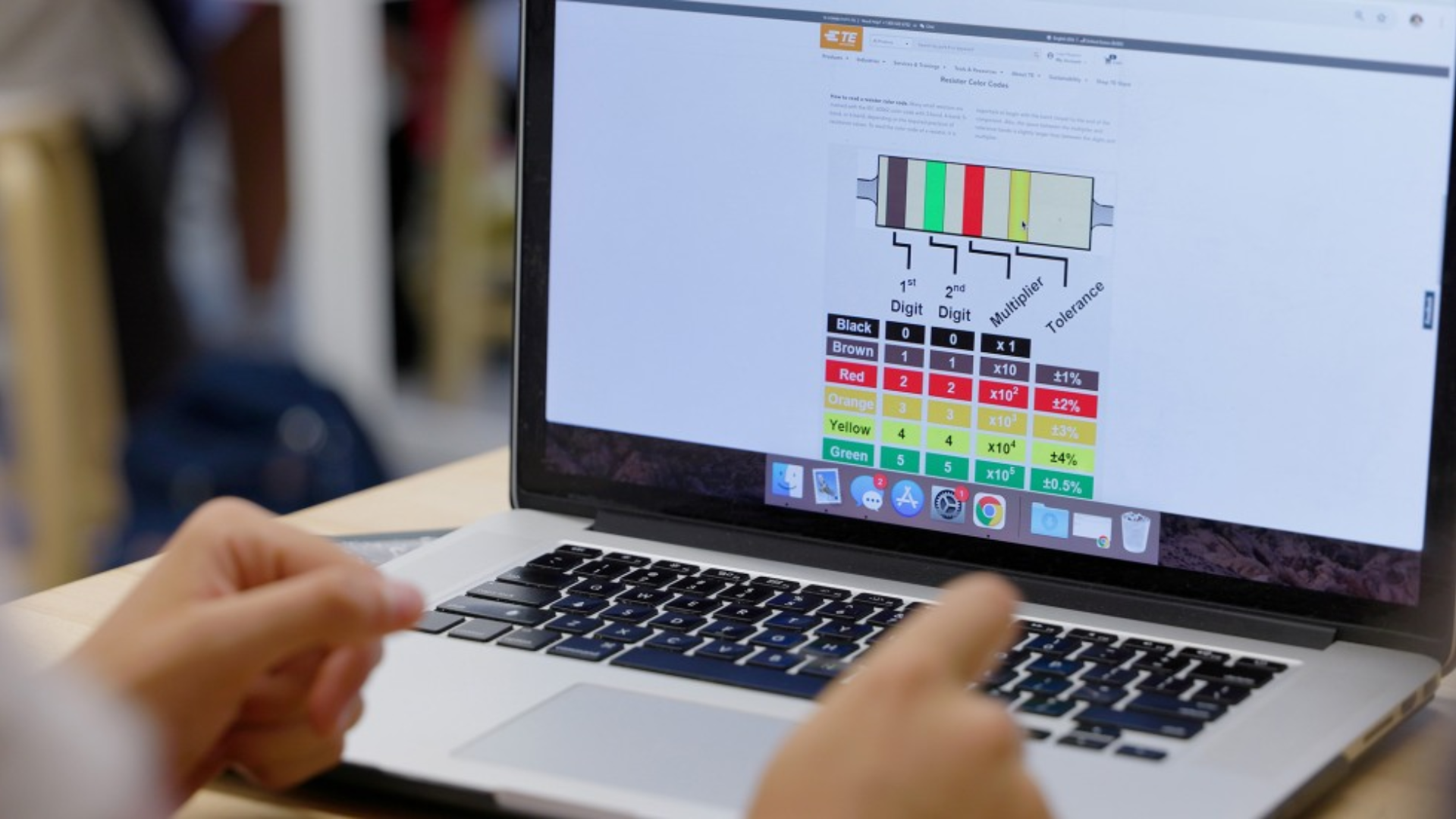
Brown’s Pre-Baccalaureate Program allows you to take undergraduate Summer Session courses alongside Brown students in subjects across mathematics, science, social science, and the humanities. This summer credit course for high school students is geared toward those comfortable with substantial independent study and a fast-paced academic schedule.
Courses follow Brown’s undergraduate expectations, with your work evaluated through assignments, projects, papers, examinations, or other graded components. Much of the coursework is delivered online, giving you flexibility while still requiring a significant weekly academic commitment. You earn transcripted Brown University credit while experiencing the demands of an actual undergraduate course.
Why it stands out: It gives highly motivated high school students the rare opportunity to experience Brown's signature Open Curriculum by earning Ivy League college credit in rigorous courses taken alongside actual undergraduate students.
7. Kentucky State University’s Summer STEM Momentum
Location: Kentucky State University, Frankfort, KY or virtual
Cost/Stipend: None
Acceptance rate/cohort size: Competitive; 70 residential spots and 70 virtual spots
Dates: Residential: June 7th – July 3rd; Virtual: A Term: May 11th – August 14th; B Term: May 11th – July 3rd; Summer Term: June 6th – July 31st; C Term: June 22nd - August 14th Application Deadline: March 16th
Eligibility: Rising 10th, 11th, and 12th grade students; minimum unweighted GPA of 2.5; ACT Scores required for mathematics; open to international students
Kentucky State University’s Summer STEM Momentum allows you to complete college-level coursework in areas connected to science, mathematics, technology, and related disciplines. Depending on your interests, you may explore subjects such as precalculus, college algebra, computer hardware, aquatic science, plant science, psychology, or problem-solving and design.
Courses allow you to strengthen foundational academic skills while becoming familiar with the expectations of undergraduate classes. Students who choose the residential experience can also gain practical exposure to campus routines, faculty interaction, and peer-based learning.
Why it stands out: This fully-funded residential program allows high-achieving high school students to experience campus life while earning up to two college-level STEM credits completely free of charge.
8. UCLA Summer Intensives
Location: UCLA campus, Los Angeles, CA
Cost: Varies by unit value and number of units taken; financial aid is available
Acceptance rate/cohort size: Selective; 70–150 students per session
Dates: June 22nd – July 10th; July 13–31
Application Deadline: Session A3: June 12th; Session B: July 3rd
Eligibility: Students in 9th-12th grade in Spring; must be at least 15 years of age by the first day of the program; hold a minimum unweighted GPA of 3.0; open to international students
UCLA Summer Intensives compresses university coursework into accelerated sessions that allow you to focus closely on one academic subject at a time. Course options may include public speaking, academic writing, languages, and media-related topics, giving you several ways to explore potential college interests.
As one of the faster-paced summer credit courses for high school students, the program expects you to cover material normally taught over a much longer academic term within a condensed schedule. This format requires consistent preparation, strong time management, and the ability to keep up with frequent coursework. You also experience instruction shaped by the university’s broader curriculum and academic standards.
Why it stands out: UCLA Summer Intensives offer high school students a unique opportunity to immerse themselves in college-level academics, earn UC credit, and experience campus life at a world-renowned university before they even graduate.
9. UCLA Summer Precollege Focus Series
Location: UCLA campus, Los Angeles, CA
Cost: Varies by unit value and number of units taken; financial aid is available
Acceptance rate/cohort size: Selective; cohort size varies depending on the specific program or focus area
Dates: Session A: June 22nd – July 10th; Session B: July 13–31
Application Deadline: Session A: June 12th; Session B: July 3rd
Eligibility: Students in 9th-12th grade in Spring; must be at least 15 years of age by the first day of the program; minimum 3.0 cumulative unweighted GPA from 9th grade to the present; open to international students
UCLA’s Summer Precollege Focus Series combines college-credit coursework with projects and activities that extend learning beyond lectures. You can choose focused subjects such as economics, political science, engineering design, architecture, investments, mathematics, or Python for economics and finance.
Based on your chosen track, your work may involve data analysis, design challenges, writing, group problem-solving, or portfolio development. Field visits, guest speakers, performances, and other co-curricular elements can provide additional context for how academic concepts are applied outside the classroom. The experience also gives you an early look at how college courses combine independent study, collaborative learning, and applied assignments.
Why it stands out: UCLA Summer Intensives offer high school students a unique opportunity to immerse themselves in college-level academics, earn UC credit, and experience campus life at a world-renowned university before they even graduate.
10. Wharton’s Pre-baccalaureate Program
Location: The Wharton School, Philadelphia, PA or online
Cost: $4,230 per course + $84 online service fee, an optional $76 course materials fee, and a $100 non-refundable application fee; scholarships are available
Acceptance rate/cohort size: Highly competitive; small cohort sizes
Dates: Summer 1: May 26th – July 1st; Summer 2: July 2nd – August 7th
Application Deadline: Summer 1: March 25th; Summer 2: May 6th
Eligibility: High school students enrolled in grades 11–12 who will not be graduating from high school before the intended program entry term, with a minimum 3.5 unweighted GPA or equivalent
Wharton’s Pre-Baccalaureate Program allows you to study undergraduate-level business subjects through courses taught by Wharton faculty. Options may cover behavioral economics, statistics and data science, entrepreneurship, artificial intelligence, technology, and other areas within the business curriculum. Live classes are combined with independent work such as readings, recorded lectures, assignments, case studies, simulations, and group projects.
Your performance is assessed through the same types of participation, coursework, and examinations you would encounter in a structured college class. The program gives high school students transcripted University of Pennsylvania coursework specifically focused on business and quantitative decision-making. You also receive academic advising that can help you navigate course expectations and university resources throughout the experience.
Why it stands out: It provides ambitious high school students with the rare opportunity to earn actual Ivy League college credit by tackling rigorous, undergraduate-level business courses taught directly by Wharton faculty.
11. George Mason University Aspiring Scientists Summer Internship Program (ASSIP)
Location: George Mason University, George Mason, VA or online
Cost: $25 application fee + $1,299 tuition for three course credits; fee waivers are available
Acceptance rate/cohort size: Highly competitive (~10% acceptance rate); approximately 290 interns
Dates: June 18th – August 12th
Application Deadline: February 15th
Eligibility: Current high school and undergraduate students (must not have graduated from college); minimum age 15 for remote/computer labs, or age 16 for in-person wet labs by the start date; open to international students
ASSIP places you within an active research environment where you can work with faculty mentors on projects across scientific and technical disciplines. As a participant, you might contribute to research involving data science, neuroscience, astronomy, engineering, environmental science, or other specialized fields.
Your work may include analyzing data, using research technologies, conducting experiments, running simulations, or contributing to ongoing investigations. Mentorship helps you strengthen scientific writing, research communication, and your ability to approach open-ended questions independently. You also present your findings, giving you practice explaining technical work to an academic audience while completing credit-bearing components of the program.
Why it stands out: The program provides high school students with the rare opportunity to conduct cutting-edge, hypothesis-driven research one-on-one with university faculty, earn college credit, and potentially publish their findings in scientific journals.
Join the Immerse Education 2027 Essay Competition
Follow the instructions to write and submit your best essay for a chance to be awarded a 100% scholarship.
12. Xavier University of Louisiana’s SOAR X
Location: Xavier University of Louisiana, New Orleans, LA
Cost: Credit-bearing: $2,900; need-based financial assistance is available
Acceptance rate/cohort size: Selective; cohort size not specified
Dates: June 27th – July 25th
Application Deadline: April 27th
Eligibility: Rising high school juniors and seniors who are at least 16 years of age; open to international students
SOAR X is built around advanced academic work that requires you to read closely, discuss complex ideas, and communicate your conclusions through papers, presentations, and projects. Courses are focused on student participation, allowing you to investigate topics that connect with your own academic interests while working collaboratively with classmates.
Depending on your chosen pathway, you may complete credit-bearing coursework or pursue preparation for an examination that can lead to college credit. The learning environment is designed to strengthen analytical reasoning, academic writing, and your confidence contributing to college-level discussions. Campus programming and mentorship also provide a broader introduction to the academic and social experience of college.
Why it stands out: It provides high school juniors and seniors with a customizable, four-week residential experience that features rigorous STEM or humanities tracks, hands-on career exploration, and opportunities to earn early college credit.
13. Boston University High School Honors
Location: Boston University campus, Boston, MA
Cost: $6,760 + $75 application fee; housing and dining separate; limited need- and merit-based aid available for domestic students taking at least two courses
Acceptance rate/cohort size: Selective; ~130 students
Dates: June 28th – August 7th
Application Deadline: Regular Deadline: May 29th; International Student Deadline: March 14th
Eligibility: Students entering junior or senior year of high school in the fall; qualified juniors must be in Honors and/or AP courses; open to international students
Boston University’s High School Honors program gives you access to undergraduate courses across fields such as computer science, neuroscience, astronomy, sociology, creative writing, art history, and music. It is one of the summer credit courses for high school students that most closely resembles regular university study, since you enroll in BU coursework and complete the associated academic requirements.
You can use the experience to deepen an existing subject interest or explore an unfamiliar discipline before choosing a college major. Classes require you to adapt to faster pacing, independent preparation, and the expectations of undergraduate instructors. By completing real university courses for credit, you gain firsthand evidence of how you handle college-level academic demands.
Why it stands out: It offers motivated high school students an authentic college experience by allowing them to study alongside actual undergraduates and earn up to eight transferable credits from over 80 rigorous courses.
14. Cornell’s Art Summer Program for High School Students
Location: Cornell University, Ithaca, NY or online
Cost: Residential: $5,820 – $22,282 (depending on the session length and format); Online: $1,940 per credit; financial aid is available
Acceptance rate/cohort size: Highly selective; 10–18 students per section
Dates: Varies by course and format (typically, June to August); check details here
Application Deadline: Varies as per course and format
Eligibility: Online: Students, ages 15–19 | Residential: Students, ages 16–18 years | Commuter: Students, ages 16–19; must have completed their sophomore year of high school
Cornell’s art summer offerings let you explore creative practice through intensive studio courses in areas such as photography, sculpture, drawing, printmaking, and transmedia. You develop original work while participating in critiques, readings, faculty discussions, and repeated cycles of revision.
Certain courses introduce digital photography, video, audio tools, software, and physical computing, allowing you to examine how technology can expand artistic practice. Close faculty feedback helps you become more deliberate about your creative decisions and more confident explaining the ideas behind your work. The credit-bearing studio format is especially useful if you want to build a stronger portfolio while experiencing the pace and critique culture of college-level art education.
Why it stands out: It immerses motivated students in rigorous, college-level studio courses, allowing them to build a competitive application portfolio and earn transferable Ivy League credit under the direct mentorship of Cornell faculty.
15. Maryland Institute College of Art (MICA): Pre-College Program
Location: Maryland Institute College of Art, Baltimore
Stipend: Residential: 2-week Session ($3,850), 4-week Session ($7,700); Commuter: 2-week Session ($2,725), 4-week Session ($5,450); need-based financial assistance offered
Acceptance rate/cohort size: Selective; cohort size not specified
Dates: Session 1: July 12-25 (Residential) / July 13-24 (Commuter); Session 2: July 26th – August 8th (Residential) / July 27th – August 7th (Commuter); 4-Week Combined: July 12th – August 8th (Residential) / July 13th – August 7th (Commuter)
Application Deadline: January 5th (early); May 15th (extended)
Eligibility: High school students aged 15–17; open to international students
MICA’s Pre-College Program gives you an intensive introduction to college-level studio art through coursework in areas such as animation, graphic design, illustration, photography, game development, ceramics, and product design. You select a focused area of study and spend substantial time developing technical skills through faculty instruction, workshops, independent studio work, and critique.
Courses follow college-level expectations, meaning you are responsible for completing the full curriculum and consistently developing your projects outside formal class sessions. Faculty and undergraduate staff provide regular feedback, helping you refine both individual pieces and your broader portfolio. Successful completion also allows you to earn college credit while becoming more familiar with the workload and feedback process of an undergraduate art school.
Why it stands out: It immerses high school students in a rigorous, college-level studio environment where they can earn college credits, receive one-on-one portfolio reviews from admissions counselors, and build competitive portfolios at one of the nation's top art and design colleges.
Frequently asked questions: Summer Credit Courses for High School Students
Can high school students really earn college credit over the summer?
Yes, several universities let you enroll directly in undergraduate courses and earn transcripted credit before you graduate high school. Programs like Yale Summer Session and Boston University High School Honors place you in the same classes as current undergraduates, with the same assignments and grading. Credit earned this way is often eligible for transfer, though acceptance depends on your future college's policies. Syracuse University's Summer College, for example, explicitly notes its credit "may be considered for transfer" rather than guaranteeing it. Always confirm transfer policies with your intended university before assuming credit will count.
Which universities offer summer credit courses for high school students?
Options span highly selective Ivy League schools and large public universities alike. Harvard, Yale, Brown, and Wharton all offer credit-bearing summer programs, typically requiring strong grades and a competitive application. UCLA offers two separate credit tracks, its Summer Intensives and Precollege Focus Series, both open to students as young as 15. Smaller or specialized options exist too, including Cornell's studio art courses and Spelman College's curatorial studies program. Your choice largely depends on whether you want a broad academic subject or something specialized like art or STEM research.
How much do summer credit courses typically cost?
Costs vary enormously depending on the institution, course length, and format. Kentucky State University's Summer STEM Momentum and Spelman's Early College Program are both fully free, while Cornell's residential art courses can run as high as $22,282 depending on session length. Mid-range options include Syracuse's Summer College, priced between roughly $2,700 and $8,000 depending on residential or commuter status. For more information, read our guide on how much summer schools cost.
What GPA or grade level do you need to qualify?
Requirements vary by program, but most expect strong academic standing. Many programs set a minimum GPA around 3.0, including UCLA's Summer Intensives and Xavier University's SOAR X, though Kentucky State's Summer STEM Momentum accepts a lower 2.5 unweighted GPA. Grade level requirements typically target rising juniors and seniors, though some programs like George Mason's ASSIP accept students as young as 15 for certain formats. Always check both your current GPA and grade level against each program's specific published requirements before applying.
Are summer credit courses open to international students?
Most are, though a few set earlier deadlines or additional requirements for applicants outside the US. Harvard's Secondary School Program, Yale Summer Session, and UCLA's programs are all explicitly open internationally. Boston University High School Honors sets a separate, earlier deadline specifically for international applicants. If a credit-bearing summer course isn't the right fit, Immerse Education's Pre-University Summer School offers a globally accessible alternative, welcoming students aged 13 to 18 to residential sessions across six international locations.
How selective are summer credit courses for high school students?
Selectivity ranges from open enrollment to extremely competitive. George Mason's ASSIP accepts only around 10% of applicants into roughly 290 spots, making it one of the most competitive options on this list. Boston University High School Honors and Cornell's art programs are similarly selective, with Cornell capping some sections at just 10 to 18 students. Less competitive options exist too, including Kentucky State's Summer STEM Momentum, which offers a more accessible path into college-level coursework without the same acceptance pressure.
Build college readiness with real academic credit
Sitting in an actual undergraduate classroom tells you more about your college readiness than any practice test or campus tour ever could.
Across these summer credit courses for high school students, you can earn transcripted credit while testing whether a specific major truly fits you.
Handling real coursework, deadlines, and grading standards early gives you concrete proof of how you'll manage the pace once university actually begins.
To keep building that readiness, explore more University Preparation blogs and start shaping an application that reflects genuine academic experience.







Unlock Inspiring Opportunities with the Immerse Education Newsletter
Join our newsletter to stay ahead with exclusive updates, exciting programme highlights, and expert insights from the world of immersive education.
Learn how Immerse can transform your life
An in-depth overview of our university and career preparation programmes
Get a glimpse into the life of an Immerse participant
Find the right programme for you with sample timetables, location showcases, and more