15 Winter Break Programs for High School Students

TL;DR
Here you'll find 15 ways to spend winter break productively, from free hospital volunteering and research projects to paid university-level courses. Options span entirely free choices, like the Wolfram Science Winter School, to credit-bearing courses such as Georgetown's at $1,895, with formats covering online, in-person, and hybrid delivery. Most opportunities welcome you starting around age 13, and Cornell's Winter Session runs for just over two weeks in January. Immerse Education's Online Research also appears here, open to students aged 13 to 18 worldwide with bursary support available.
Winter break is usually the part of the school year when you finally have some breathing room. There are no regular classes to rush to, fewer assignments to worry about, and a little more time to think about the things you actually want to learn. If you want to use those weeks to explore an academic interest, build a skill, or get a head start on something you're considering for college, a winter break program can be a good option.
Winter break programs are a good way to build substantial skills in a short window of time. You might spend your break exploring a STEM subject, taking part in debates, learning about business, developing a startup idea, or working on a research project. These programs give you focused time with instructors, researchers, or other students who are interested in the same subject, without the usual pressure of keeping up with every subject on your school timetable.
How do you choose the right winter break program for high school students?
Start with what you actually want to learn. If you're considering STEM, look for a program that gives you time to work through a specific area instead of trying to cover every possible topic. If you're interested in debate, business, entrepreneurship, writing, or another field, check whether the program includes actual practice, discussions, projects, or competitions.
You should also look at who is teaching the program and where it takes place. University-based programs can give you an early look at college-level teaching, while programs led by researchers, founders, or experienced professionals can give you a closer look at how a subject is used outside school.
Finally, think about what you'll have when the program ends. A research project, presentation, debate experience, business idea, written piece, or technical project gives you something concrete to take away from the experience.
For adjacent opportunities, consider winter college programs and winter research programs for high school students.
To help you make the most of your break, I've put together a list of 15 winter break programs for high school students!
15 Winter Break Programs for High School Students
1. Penn State College of Medicine High School Research Internship
Location: Pennsylvania, USA
Cost: No cost; a stipend is paid
Acceptance rate/cohort size: Not specified
Deadline: No fixed deadline; applications reviewed approximately one week after submission
Dates: Flexible (short-term 1–2 days or extended weeks to months)
Eligibility: High school students who are at least 16 years old and living in the United States; students must be sponsored and supervised by a Penn State College of Medicine faculty member; not open to international students
The Penn State College of Medicine High School Research Internship or Shadowing Program allows you to spend time in a biomedical research environment under the supervision of a faculty mentor. Based on your placement, you may shadow researchers as they conduct experiments or contribute to appropriate research activities that align with your experience and training.
During the program, you learn about research protocols, laboratory safety practices, and the ethical standards that guide biomedical research. You also observe how research projects are planned, carried out, and discussed within a collaborative academic setting. Through this experience, you develop a clearer understanding of laboratory workflows, research responsibilities, and the day-to-day operations of a university research lab.
Why it stands out: The program provides structured exposure to biomedical research within an academic medical center while matching responsibilities to your training and experience level.
2. Immerse Education’s Online Research

Location: Fully remote
Cost: Varies; summer school scholarship available through our bursary programme
Acceptance rate/cohort size: Selective; 1:1 learning
Application Deadline: Rolling admissions; multiple dates throughout the year
Program Dates: Flexible; multiple cohorts in a year.
Eligibility: Students around the world aged 13-18 (accredited options require age 14+)
The Online Research offers high school students the opportunity to conduct rigorous research with tutors from Oxford, Cambridge, and Ivy League universities. You will work with your tutor to explore a subject of your choice in depth and write an academic research paper. The program is offered in 1:1 and small group formats, and you can choose to receive college credit from universities in the US and the UK.
The virtual research program is offered in over 20 subjects, including artificial intelligence, chemistry, psychology, economics, computer science, creative writing, philosophy, and more. At the end of the program, you’ll receive a written evaluation from your tutor, an opportunity to publish your research, and an invitation to present at the Immerse Online Symposium. You can find examples of papers Immerse students have worked on here. You can find more details about the application here.
Why it stands out: You’ll get access to 1:1 Oxbridge- or Ivy-style research supervision culminating in a publishable academic paper.
3. Rosetta Institute Molecular Medicine Workshops
Location: Various universities, including UC Berkeley, UC San Diego, Columbia University, and University College London; additional workshops are offered in Alameda, CA, and online
Cost: Varies based on program
Acceptance rate/cohort size: Not specified
Deadline: Applications processed on a rolling basis
Dates: Vary by workshop, with summer and winter sessions available; winter workshops are typically held December 26–31
Eligibility: High school students; open to international students
The Rosetta Institute’s Molecular Medicine Program introduces you to the scientific principles that connect biology with human health and disease. Through lectures and laboratory sessions, you explore topics such as molecular biology, genetics, cell biology, and the biological basis of disease. You also gain experience with laboratory methods commonly used to investigate genetic and cellular processes.
As you progress through the program, you examine how researchers design experiments, interpret scientific data, and investigate questions related to molecular medicine. You complete an independent research project on a topic of your choice, allowing you to apply what you have learned and communicate your findings. Alongside this, you strengthen your ability to present research and understand how molecular medicine is applied across biomedical research, healthcare, and drug development.
Why it stands out: The program combines laboratory instruction with an independent research project focused on molecular medicine.
4. Cornell Winter Session (Precollege Online)
Location: Online (Cornell University, USA)
Cost: $1,940/credit
Acceptance rate/cohort size: Not specified
Deadline: December 1st
Dates: January 2-17
Eligibility: High school students who have completed sophomore year (Grade 10) and are ages 15–19 when the course begins; students must also meet any course-specific prerequisites; open to international students
The Cornell Winter Session Pre-College Program allows you to take an undergraduate-level course during your winter break while you are still in high school. You select a course from a range of disciplines and complete it in a fully online format that follows the pace and expectations of a university class. Throughout the session, you engage with course materials, complete graded assignments, and participate in discussions and other learning activities.
As you work through the curriculum, you become familiar with the structure of college coursework, including independent study, academic deadlines, and faculty-led instruction. The program is delivered through Cornell’s online learning system, where you access lectures, readings, assessments, and course resources. If you successfully complete the course, you earn Cornell academic credit that is recorded on an official university transcript, subject to the credit transfer policies of other institutions.
Why it stands out: The program enables you to earn Cornell university credit through an undergraduate course completed during your winter break.
5. Wolfram Science Winter School
Location: Online
Cost: Free
Acceptance rate/cohort size: Not specified
Deadline: Opens in the Fall
Dates: January 5-16
Eligibility: Students and researchers with an interest in computational and foundational science; open to international students
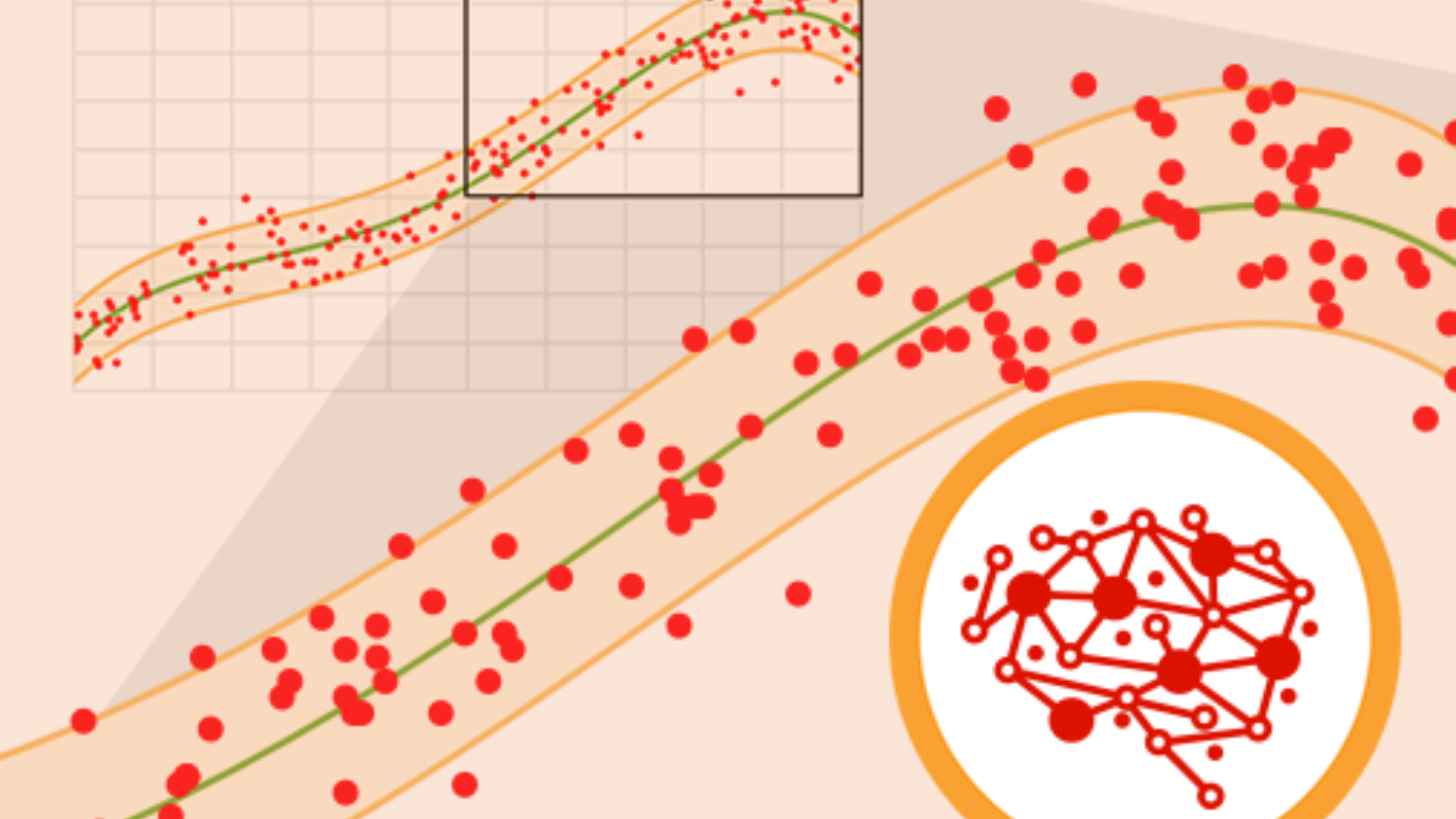
The Wolfram Science Winter School introduces you to computational approaches for exploring questions in mathematics, physics, computer science, and related fields. Through lectures, discussions, and guided activities, you examine topics such as computational models, algorithmic systems, artificial intelligence, and the principles underlying Wolfram Science. The program is designed to help you understand how computation can be used as a framework for investigating scientific ideas.
During the program, you work with the Wolfram Language to analyze a research question of your choice and develop a computational essay that presents your methods and conclusions. Along the way, you learn how to organize computational investigations, interpret results, and communicate technical ideas in a structured format. While prior experience with the Wolfram Language can be helpful, the program provides the instruction needed to begin using it effectively.
Why it stands out: The program centers on a computational essay that allows you to investigate a scientific question using the Wolfram Language.



6. Ithaca College Winter Session
Location: Ithaca College, Ithaca, NY
Cost: $700 per credit
Acceptance rate/cohort size: Not specified
Deadline: Typically early December
Dates: December 18th – January 16th
Eligibility: High school students; international student eligibility not specified
Ithaca College’s Winter Session allows you to enroll in college-level courses during your winter break. You can select from offerings across multiple disciplines, including the humanities, social sciences, natural sciences, arts, writing, and interdisciplinary studies. Each course follows the academic standards of the college and is completed within an accelerated winter term.
Throughout the session, you complete readings, assignments, discussions, and other coursework while managing the pace of a condensed college schedule. The program helps you become familiar with undergraduate learning expectations, including independent study and instructor-led coursework. Depending on your enrollment status and course policies, you may also earn college credit upon successful completion.
Why it stands out: The program lets you complete an undergraduate course in an accelerated winter term across a broad selection of academic subjects.
7. UC San Diego Bioengineering Winter Programs
Location: Online and hybrid, depending on the course
Cost: Varies by course and level
Acceptance rate/cohort size: Not specified
Deadline: Varies by course; applications are accepted on a rolling basis and may close once enrollment capacity is reached
Dates: Vary by course and quarter, with Winter, Spring, Summer, and Fall sessions available
Eligibility: High school students; prerequisites vary by course level; open to international students
The UC San Diego Bioengineering Winter Programs introduce you to bioengineering through a series of courses that accommodate different levels of experience. You begin by studying fundamental concepts in areas such as biology, engineering, and biomedical science while learning the methods and approaches commonly used in the field. The introductory stage focuses on building a foundation before moving on to more applied work. As you advance through the program sequence, you participate in collaborative research activities and engineering design projects that help you apply what you have learned.
At the highest level, you develop an independent research project with guidance from university-affiliated mentors, working through the stages of project planning, investigation, data analysis, and presentation. You gain experience with how bioengineering research is organized and how scientific and engineering principles are used to address real-world problems.
Why it stands out: The program offers a progression from introductory coursework to mentor-guided independent bioengineering research.
8. American Psychological Association (APA) Internal Internship Program
Location: Remote (U.S.-based; specific state restrictions apply)
Cost: No cost (paid and unpaid academic credit options available)
Acceptance rate/cohort size: Not specified
Deadline: Rolling basis
Dates: Year-round (spring, summer, fall, winter)
Eligibility: Students enrolled at least part-time in an academic institution; must be eligible to work in the U.S. and reside in an approved state; not open to international students
The APA Internal Internship Program introduces you to the work of a professional psychology organization and how psychological concepts are used in a broader organizational setting. During the internship, you work with a designated department and contribute to projects that support the organization’s programs, operations, or initiatives. Your responsibilities may include research, administrative tasks, communication support, or other department-specific activities.
Throughout the experience, you receive guidance from staff members and participate in meetings, training sessions, and workplace discussions. These activities help you understand how psychology connects to areas such as education, advocacy, research, policy, and public outreach.
Why it stands out: The program shows how psychology can be applied in organizational and nonprofit settings through supervised internship experience.
9. Kaiser Permanente Los Angeles Medical Center — Teen Volunteer Program
Location: Los Angeles, CA
Cost: None
Acceptance rate/cohort size: Not specified
Deadline: Year-round; monthly interviews
Dates: Rolling start dates. Students must complete 100 hours throughout the year, and can volunteer over winter break
Eligibility: High school students who can complete 100 hours; international student eligibility not specified
The Kaiser Permanente Los Angeles Medical Center Teen Volunteer Program allows you to gain experience in a hospital environment by supporting staff with non-clinical responsibilities. You will assist with activities that may include welcoming visitors, helping patients navigate the facility, organizing materials, and providing support to hospital units.
Throughout the year-long program, you observe how different departments operate and how healthcare teams coordinate daily tasks. You interact with patients, families, and staff while learning about communication, organization, and professional expectations in a medical setting. If you speak additional languages, you may be able to use those skills when communicating with patients and visitors.
Why it stands out: The program provides year-long exposure to hospital operations through supervised volunteer responsibilities in a medical center setting.
10. Dartmouth Precollege Online Program
Location: Online
Cost: $1,895 per course
Acceptance rate/cohort size: Not specified
Deadline: Rolling basis
Dates: Courses offered year-round, including winter availability
Eligibility: High school students aged 13 and older; open to international students
The Dartmouth Precollege Online Program allows you to complete college-level coursework remotely during the winter term while exploring subjects across different academic areas. Courses are designed around interdisciplinary learning and may cover topics such as biology, entrepreneurship, finance, law, psychology, and regenerative medicine.
Throughout the program, you engage with course materials through online lessons, assignments, and guided activities. You receive support from a mentor who provides feedback, helps clarify course concepts, and assists you throughout the learning process. As part of the program, you complete a final capstone project that allows you to apply course concepts and present your work in a structured format.
Why it stands out: The program combines online college-level courses with mentor guidance and a final project-based assignment.
11. University of Maryland - Baltimore County (UMBC) Winter Program
Location: Online
Cost: Varies by course
Acceptance rate/cohort size: Not specified
Deadline: Registration starts in early October
Dates: January 4 – January 22
Eligibility: Academically strong high school students who are rising juniors or seniors and meet UMBC’s concurrent enrollment requirements; international student eligibility not specified
The University of Maryland, Baltimore County (UMBC) Winter Pre-College Programs allow you to explore university-level subjects through online courses while you are still in high school. Course options may include fields such as computer science, data science, cybersecurity, engineering, public policy, and leadership, with each class based on academic content and methods used in undergraduate study.
During the program, you complete coursework that may involve projects, case studies, assignments, and other activities designed to help you apply course concepts. Depending on the subject, you may work with relevant tools, datasets, or analytical frameworks while participating in discussions with instructors and other students. Through the online format, you gain experience managing college-style coursework, meeting deadlines, and engaging with academic material at a higher level.
Why it stands out: The program combines college-level online coursework with applied projects across technical and interdisciplinary fields.
Join the Immerse Education 2027 Essay Competition
Follow the instructions to write and submit your best essay for a chance to be awarded a 100% scholarship.
12. Georgetown University Pre-College Online Program

Location: Online
Cost: Enrichment Courses: $1,895; College Credit Courses: $3,995
Acceptance rate/cohort size: Not specified
Deadline: Rolling enrollment
Dates: Courses offered year-round
Eligibility: High school students aged 13 and older; open to international students
The Georgetown University Pre-College Online Program allows you to take university-level courses remotely while you are still in high school. You can choose between enrichment courses, which introduce academic topics and skills, and credit-bearing courses that follow a more rigorous structure and may provide college credit after successful completion. Course options cover a variety of fields, including science, technology, business, social sciences, humanities, law, and healthcare.
Throughout the program, you engage with course materials through online lessons, assignments, discussions, and other activities designed to reflect the expectations of college coursework. You manage your own schedule while completing required work and participating in instructor-led learning experiences.
Why it stands out: The program offers both introductory and credit-bearing online courses across a wide range of academic disciplines.
13. Tufts University College Winter Courses (High School Students)
Location: Medford, Massachusetts, USA (in-person and online options)
Cost: $1,140 per credit
Acceptance rate/cohort size: Not specified
Deadline: Varies by the course
Dates: Winter term (dates vary by course)
Eligibility: High school students entering grades 10–12; open to international students
The Tufts University College Winter Courses program allows you to enroll in university-level courses during the winter term. You can choose from available classes that may be offered for academic credit, audit, or non-credit participation, depending on the course structure and enrollment option. Course formats and requirements vary, with instruction taking place either online or in person.
During the program, you complete coursework that may include assigned readings, written work, discussions, projects, and assessments. Course topics change each term and may cover areas such as social sciences, health, and other academic or professional fields. By participating, you become familiar with the pace, expectations, and learning environment of a university course while exploring a subject of interest.
Why it stands out: The program allows you to experience Tufts coursework through flexible winter-term enrollment options.
14. University of Rochester Pre-College Online Medicine Courses
Location: Online
Cost: $1,595 per course
Acceptance rate/cohort size: Not specified
Deadline: Rolling basis
Dates: Multiple 2- and 4-week sessions offered year-round
Eligibility: High school students aged 13 and older; open to international students
The University of Rochester Pre-College Online Medicine Courses allow you to explore selected areas of medicine and biomedical science through online courses designed for high school students. Depending on the course you choose, you may study topics such as genetics, biomedical engineering, musculoskeletal medicine, or other healthcare-related subjects. Each course is organized around weekly lessons that introduce foundational concepts and their applications in medicine.
Throughout the program, you complete readings, assignments, and other learning activities while receiving guidance from a course mentor who answers questions and provides feedback on your progress. As you work through the curriculum, you also develop a final project that demonstrates your understanding of the course material through a structured presentation, report, or similar academic assignment.
Why it stands out: The program combines online coursework with mentor support and a final project focused on a specialized area of medicine.
15. Hospital of Central Connecticut Teen Volunteer Program
Location: New Britain, CT
Cost: None
Acceptance rate/cohort size: Not specified
Deadline: Rolling
Dates: Year-round, including winter ( at least 40 volunteer hours)
Eligibility: Age 14+ years; international student eligibility not specified
As a hospital volunteer, you support non-clinical activities that help healthcare teams manage day-to-day operations. Depending on your assigned department, you may assist with welcoming visitors, delivering materials, helping patients navigate the facility, or providing administrative support under staff supervision.
Through these responsibilities, you observe how different hospital departments work together and become familiar with the routines of a healthcare setting. Before you begin volunteering, you complete the required application process, which may include an interview, reference checks, health clearances, and orientation. These requirements help prepare you for working within a professional hospital environment and following established policies and procedures.
Why it stands out: The role provides direct exposure to hospital operations through supervised, non-clinical volunteer responsibilities.
Frequently asked questions: Winter Break Programs for High School Students
Do winter break programs help with college applications?
Yes, a structured winter program gives admissions readers something specific to point to, whether that's a research paper, a completed college course, or documented volunteer hours. Programs tied to a university, like Cornell's or Georgetown's, also show you can handle college-level coursework before you even apply. Shorter programs work especially well for juniors and seniors who want a concrete talking point without committing an entire summer. The strongest applications usually pair a winter program with a genuine interest you plan to keep pursuing afterward.
How long do winter break programs for high school students usually last?
Most run somewhere between one week and a full month, fitting neatly inside a typical school winter break. Wolfram's Science Winter School runs January 5 to 16, while UMBC's program spans January 4 to 22. Some, like the Rosetta Institute's molecular medicine workshops, compress into a single week, from December 26 to 31. A few options, including the Kaiser Permanente teen volunteer program, run year round instead, letting you log required hours during winter break rather than on a fixed schedule.
Are there any free winter break programs for high school students?
Yes, several on this list cost nothing to join. The Wolfram Science Winter School is free and fully online, and the Penn State College of Medicine research internship pays a stipend rather than charging tuition. Hospital volunteer programs, like the ones at Kaiser Permanente and the Hospital of Central Connecticut, are also free. Immerse Education's Online Research offers bursary support for students worldwide aged 13 to 18, so cost doesn't have to rule out a research-focused option either.
Can international students join US-based winter break programs?
It depends on the specific program. Tufts University's winter courses are explicitly open to international students, and Immerse Education's Online Research welcomes students worldwide. Others are more restrictive: the APA Internal Internship Program is not open to international students, since it requires US work eligibility and residency in an approved state. Always check the eligibility section closely, since visa or residency requirements can rule out an otherwise appealing program.
Do winter break programs offer college credit?
Several do. Cornell's Winter Session records completed coursework as official Cornell credit, and Georgetown's Pre-College Online Program has a separate credit-bearing track alongside its non-credit enrichment courses. UMBC's winter program uses concurrent enrollment, meaning credits may count toward a future UMBC degree. Immerse Education's Online Research also offers the option to earn college credit from universities in the US and the UK, on top of the 1:1 research supervision itself.
What's the difference between a winter break program and a summer program?
A winter break program is built to fit inside a two to four week break, so it's more compressed and often more focused on a single subject or outcome. Summer programs typically run longer, sometimes two months or more, and can include more electives, campus life, or extended research timelines. If you want a quick, concentrated experience without giving up your entire summer, a winter program is usually the better fit. If you're aiming for a deeper, multi-project experience, a summer program gives you more room to develop it.
Start university prep before summer even arrives
Rather than waiting until summer, you can start building your application story through winter break programs for high school students in just a few weeks.
A short research project, a completed college-level course, or a season of documented volunteer hours all give admissions officers something specific to evaluate.
By the time break ends, you'll have something concrete to describe in essays and interviews alike, not just a list of interests.
For more ways to plan ahead this year, explore Immerse's University Preparation guides packed with practical next steps for ambitious students.







Unlock Inspiring Opportunities with the Immerse Education Newsletter
Join our newsletter to stay ahead with exclusive updates, exciting programme highlights, and expert insights from the world of immersive education.
Learn how Immerse can transform your life
An in-depth overview of our university and career preparation programmes
Get a glimpse into the life of an Immerse participant
Find the right programme for you with sample timetables, location showcases, and more