15 Pre-College Summer Programs for Credit

TL;DR
This list covers 15 credit-bearing pre-college summer programs where you take real university coursework and can earn an official transcript, either on campus or fully online. Most are built for current sophomores, juniors, or rising seniors who want a taste of college-level work before they apply. Costs vary widely, from around $1,044 for a single online course to more than $18,000 for a full residential quarter. Harvard's Secondary School Program alone lets you choose from more than 200 university-level courses to build credit around. Among the options, you'll find Immerse Education's Pre-University Summer School, a two-week course for ages 13 to 18 across six global campuses, with bursary support available.
A pre-college summer program gives you a chance to step into university-style learning before your first semester begins. When the program is credit-bearing, you can complete real coursework and potentially add college credits to your academic record while you are still in high school. You might study in a lecture hall, work through a university syllabus, complete assignments, or take part in labs and research.
The subjects are broad, and the level can be surprisingly technical. A summer course might have you analysing data, writing code, studying psychological theories, working through engineering problems, or examining scientific research. If you’re conflicted, you can go through our guide on how to choose the right pre-college program.
Why should you consider a pre-college summer program for credit?
It can be a useful way to test a subject before committing to it as a major. You get to experience the actual work, not just the title of the subject. If you are considering economics, for example, you might discover that you enjoy analysing models and data. If you try computer science, you may find that you prefer algorithms and problem-solving to the other parts of the field.
There is also the practical side. University requires you to manage your own reading, assignments, deadlines, and study time, and a credit-bearing summer course gives you an early chance to practise those skills. You finish with academic credit and also finish knowing a little more about how you learn and what you want to study.
To help you find the right fit, I’ve compiled 15 pre-college summer programs for credit!
15 Pre-College Summer Programs for Credit
1. Harvard Secondary School Program
Location: Harvard University, Cambridge, MA
Cost: $4,180 to $15,735 depending on format; $75 application fee; need-based financial aid available
Acceptance rate/cohort size: Moderately selective
Dates: Seven-week session June 20th - August 8th; four-week residential session July 12th - August 8th
Application Deadline: Early: January 7th, Regular: February 11th, and Late: April 1st
Eligibility: Students entering college within the next two to three years; at least 16 by the start and under 19 at the end; open to international students
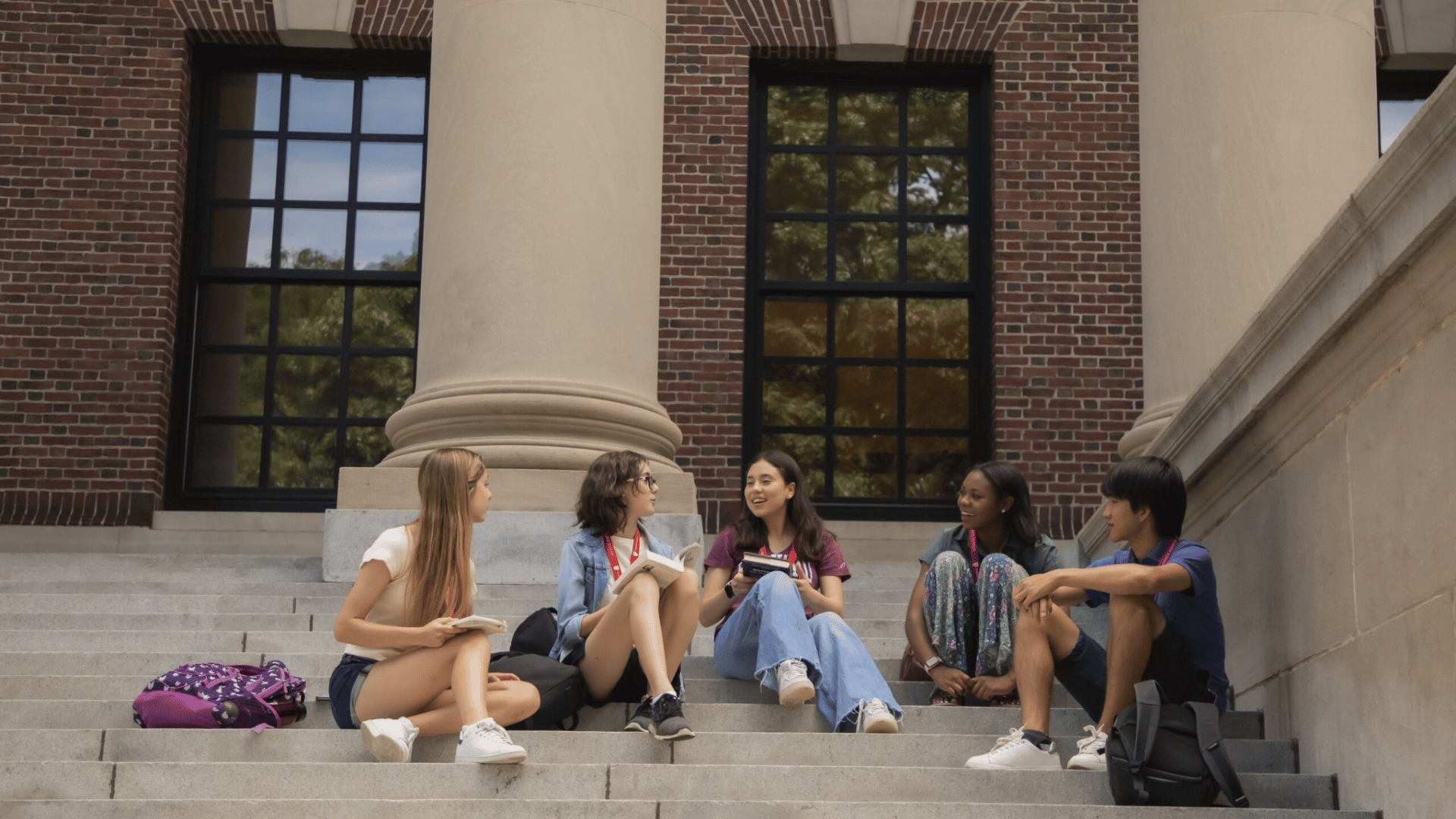
The Secondary School Program is Harvard Summer School's credit-bearing route for high school students, and it puts you in the same classrooms as undergraduates and adult learners. You pick one or two four-credit courses from more than 200 offerings, then carry a full college workload for the length of the session.
Expect 8 to 12 hours of reading and assignments outside class each week for every four-credit course, on top of the class time itself. Finish, and you'll get a letter grade and can request a Harvard transcript listing the courses you took. The tutoring center and the writing center stay open to you throughout, and college fairs put you in front of admissions officers from universities around the country.
Why it stands out: You'll take courses held to the same academic standard as any other Harvard Summer School course, taught by Harvard faculty and visiting faculty.
2. Immerse Education's Pre-University Summer School
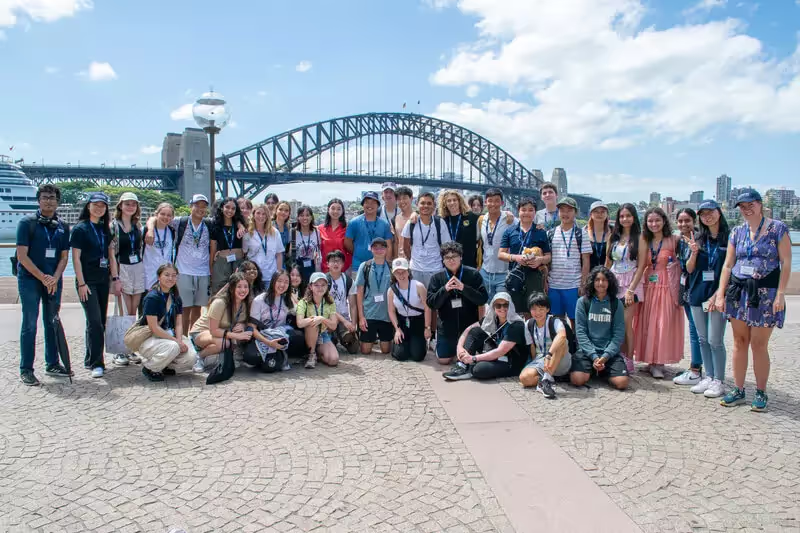
Location: Cambridge, London, Oxford, Singapore, Sydney, and Toronto
Cost: Varies; summer school scholarship available through our bursary programme
Acceptance rate/cohort size: Selective; an average of 7 participants per class
Application Deadline: Multiple cohorts with rolling admissions
Dates: 2 weeks during the summer
Eligibility: Students across the globe aged 13-18 currently enrolled in middle or high school; open to international students
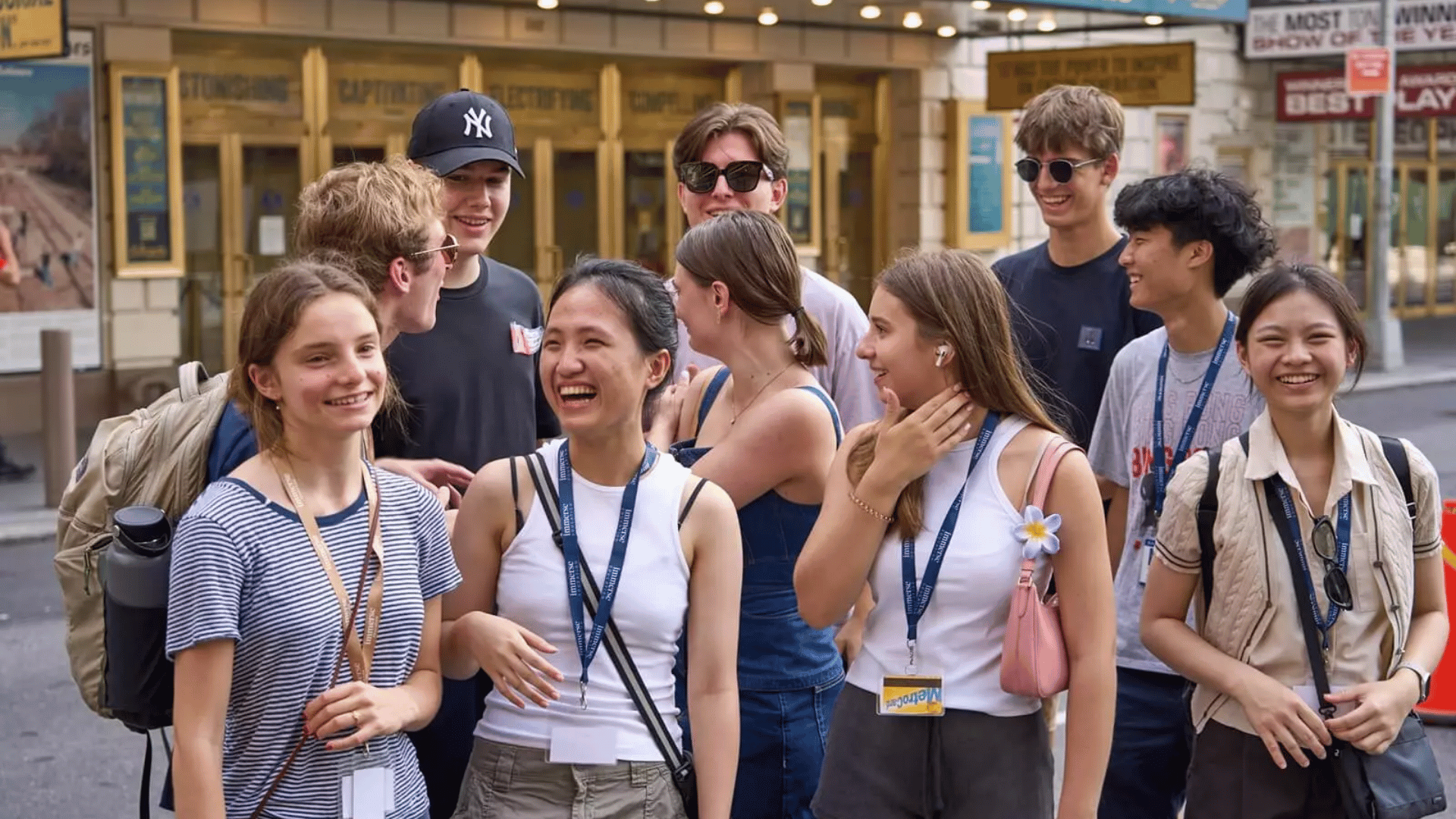
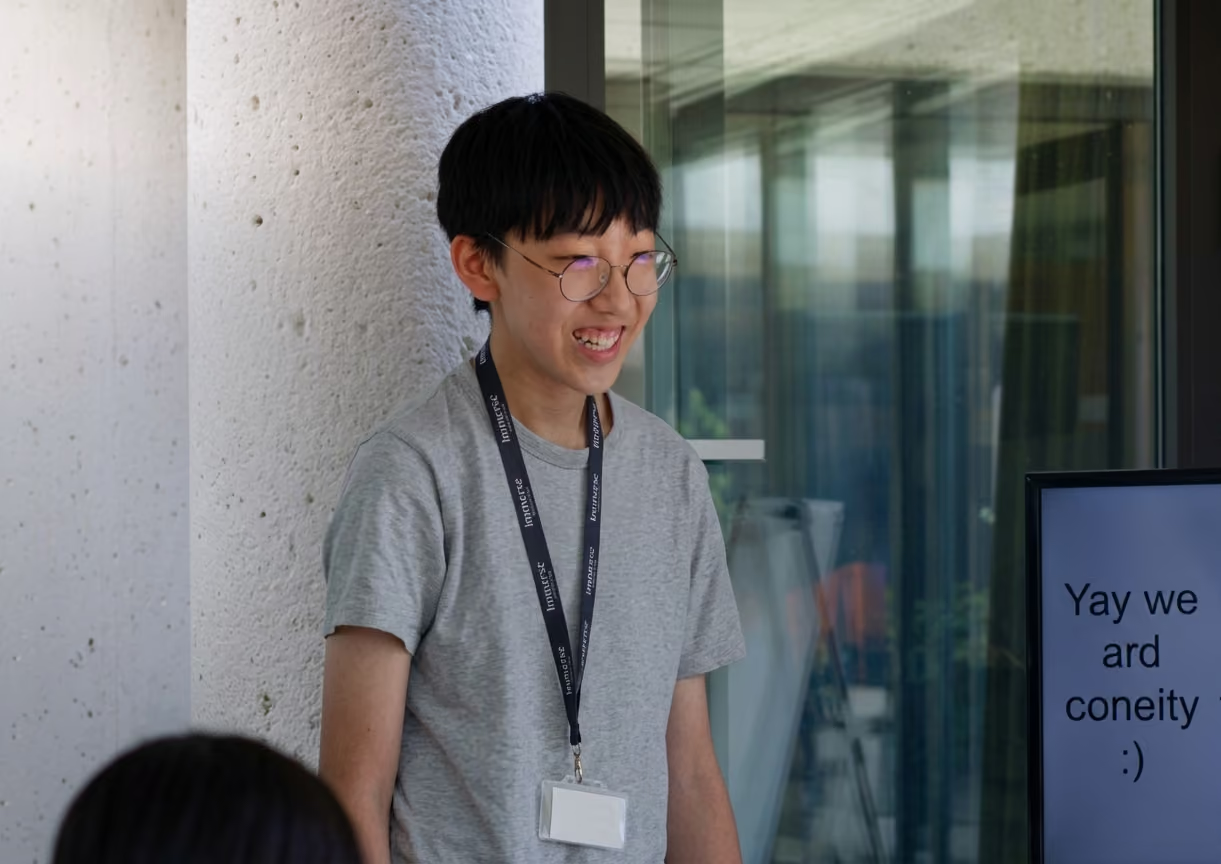
The Pre-University Summer School lets high school students experience university life firsthand. You will live on campus, study in small groups of 7-10, and learn from tutors at eminent universities like Oxford and Cambridge. You can explore a wide range of subjects, spanning over 20 options, including Architecture, AI, Business Management, Computer Science, Economics, Medicine, Philosophy, and more.
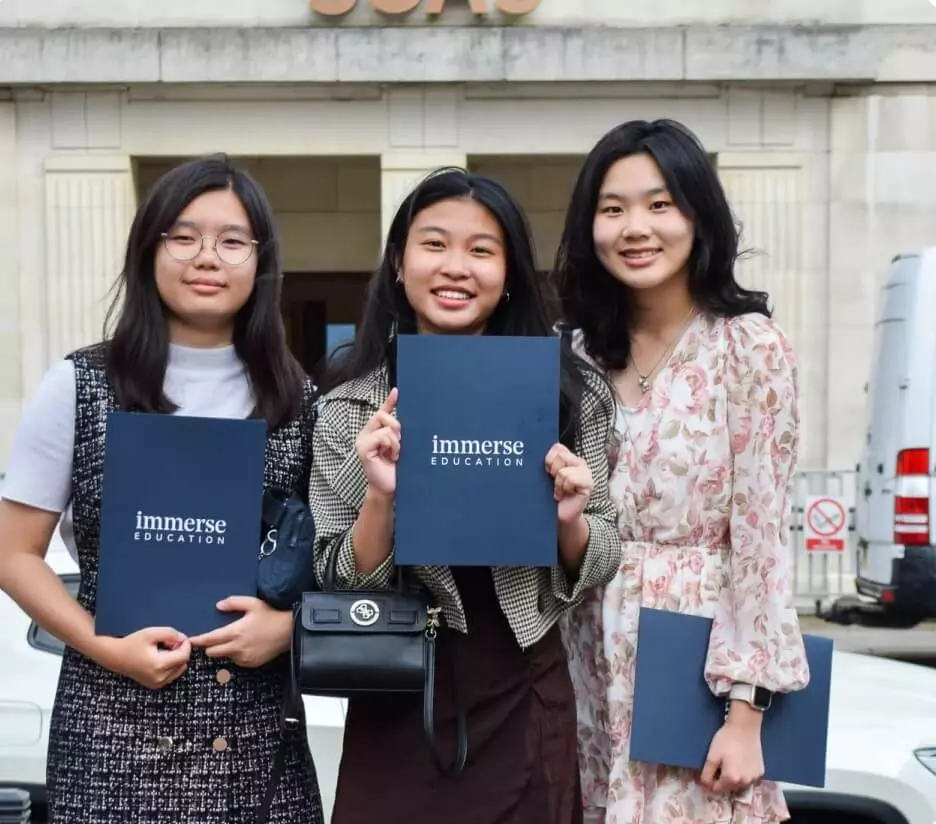
The courses are experiential and focus on hands-on learning. You may find yourself conducting dissections in medicine, designing a robotic arm in engineering, participating in a moot court for law, or building creative writing portfolios and business case studies. By the end of the program, you'll complete a personal project, receive written feedback, and receive a certificate of completion. You can find more details about the application here.
Why it stands out: You'll get an early start at university life and academics because the program includes an independent project, discussion-based classes, and living at a college campus.
3. Stanford Summer Session
Location: Stanford University, Stanford, CA
Cost: Tuition from $8,226 for commuters; from $18,771 living on campus with a meal plan
Acceptance rate/cohort size: Moderately selective
Dates: June 20th - August 16th
Application Deadline: Varies yearly
Eligibility: Current sophomores, juniors, and seniors; at least 16 at the start and no more than 19 on the last day; not matriculating into Stanford as a first-year; open to international students
Stanford Summer Session is the university's summer quarter. You enroll in it alongside undergraduates, in the same courses they take, with more than 130 open to you. The unit minimum sets your pace: 5 units if you commute, 8 if you live on campus. Either way, that is a full-time load for eight weeks.
Outside class, you'll get behind-the-scenes tours and visits to private Stanford labs and research centers, plus access to more than 20 libraries, the sports facilities, and the maker spaces. Complete the quarter, and Stanford records your credit on an official transcript you can send anywhere.
Why it stands out: You'll join a summer cohort drawn from more than 60 countries.
4. Brown Pre-Baccalaureate Program
Location: Brown University, Providence, RI; delivered online
Cost: $8,973 for one course; $17,935 for two courses
Acceptance rate/cohort size: Highly selective
Dates: June 15th to July 31st
Application Deadline: Early May
Eligibility: Rising or recently graduated high school seniors; 17 by the start of the program
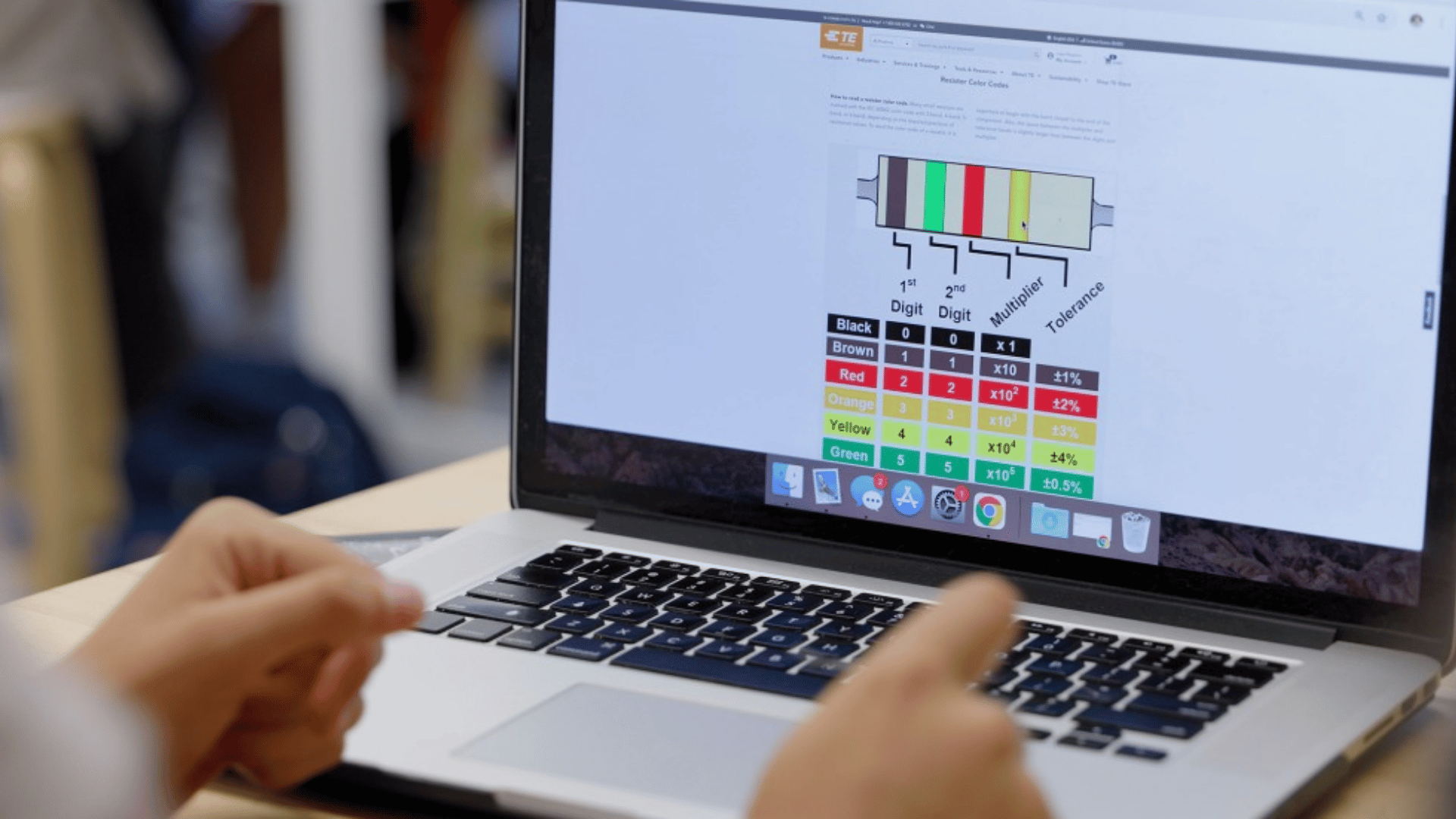
As a Pre-Bacc student, you sit in Brown's Summer Session courses next to Brown undergraduates and visiting students. You choose from courses open to first- and second-year undergraduates, spanning the natural sciences and mathematics, the social sciences and the humanities, and you may take up to two. The seven weeks break down as six weeks of instruction and a final week for papers, projects, or examinations.
Each course requires 25 to 30 hours a week, including reading and study. Most courses are asynchronous, so you work through material on your own schedule, though some add live sessions your instructor arranges with the class. You're graded A, B, C, or no credit, and a few courses let you choose satisfactory or no credit. Outside class, you can join Brown's virtual pre-college student life programming.
Why it stands out: You'll earn credit that can translate into advanced standing once you start your undergraduate degree.
5. Cornell Precollege Studies Online
Location: Cornell University, Ithaca, NY; delivered online
Cost: $1,940 per credit; $5,820 to $7,760 for a three-week session and $11,640 to $15,520 for six weeks; $75 application fee
Acceptance rate/cohort size: Moderately selective
Dates: Three-week sessions June 1 to 18, June 22nd - July 10th, and July 13-31; six-week session June 22nd - July 31st
Application Deadline: April 28th for the first three-week session; May 14th for the second three-week session and the six-week session; June 2nd for the third three-week session
Eligibility: Completed sophomore year; 15 to 19 at the start of class; English language proficiency required
Cornell's online precollege classes are regular undergraduate Cornell courses taught by Cornell instructors, and you sit them alongside degree students. The subject list runs from architecture and the arts to hotel management, international relations and veterinary medicine. You cover roughly 15 weeks of college coursework in three or six weeks, so reading, problem sets, and deadlines start in the first week.
There is no audit option: every precollege class is taken for credit and a letter grade, and that grade goes onto a permanent Cornell transcript. A three-week session lets you carry up to 4 credits and a six-week session up to 8. Courses run through Canvas; some live on a set schedule, and others are pre-recorded for you to work through on your own time.
Why it stands out: You'll earn credits that can be applied toward a Cornell degree or transferred to another university at that institution's discretion.


6. WashU High School Summer Scholars Program
Location: Washington University in St. Louis, St. Louis, MO
Cost: Online $4,075 for one credit course; commuter $4,075 for one and $7,825 for two; residential $8,385 for one and $12,135 for two; $50 application fee; need-based scholarships available
Acceptance rate/cohort size: Moderately selective
Dates: June 7th - July 11th
Application Deadline: March 2nd early; April 1st regular
Eligibility: Current high school juniors; international applicants must document English proficiency
High School Summer Scholars puts you into WashU's own undergraduate courses, taught by WashU instructors and pitched at introductory level across the humanities, social sciences, natural sciences, and mathematics. You take one or two of them for credit, and every fee also covers a noncredit course alongside the academic work. Your grades become part of a permanent WashU record, and you can ask the registrar to send an official transcript to any university you later apply to.
Five weeks is enough for a full course, and the reading and assessment load matches a college class. Alongside the coursework, you’ll join college readiness sessions and academic success workshops built for the program. WashU counts what you earn as pre-matriculation credit, so check how your future university handles that category before you bank on it.
Why it stands out: You'll be housed on the South 40, with basketball and volleyball courts, hammocks, and picnic tables outside your hall.
7. USC Summer Programs
Location: University of Southern California, Los Angeles, CA
Cost: Tuition $7,401; $11,570 estimated total residential and $8,130 commuting; $85 application fee
Acceptance rate/cohort size: Moderately selective
Dates: Four weeks from June 22nd
Application Deadline: May 8th for domestic applicants; March 13th for international applicants
Eligibility: Completed at least ninth grade by the start; domestic and international students; international applicants must demonstrate English proficiency
USC Summer Programs runs one four-week course at a time. You can apply to as many as three and enroll in exactly one, chosen from more than 20 options spanning architecture, engineering, journalism, neuroscience, pre-law, and the theatre conservatory tracks. Class runs from 9 a.m. to 3:30 p.m., which works out to five to six hours of instruction a day, broken up by lunch or an academic field trip across Los Angeles.
Depending on the course, the day includes group work, lab sessions, guest speakers, and a final project you build over four weeks. Finish and USC awards three units of elective credit, charged at its standard undergraduate tuition rate. Evenings and weekends are run by residential advisors, with game nights and movies on the lawn on campus and day trips out to beaches, theme parks, and sports events.
Why it stands out: You'll need the residential route if you're applying from outside the US, since the commuter option is open to domestic participants only.
8. University of Hong Kong Summer Institute
Location: The University of Hong Kong, Pok Fu Lam, Hong Kong
Cost: University Physics HKD 17,800; University Mathematics I HKD 13,900; application fee HKD 400 for the first program and HKD 250 for each additional program
Acceptance rate/cohort size: Moderately selective
Dates: University Physics: July 6-24; University Mathematics I: June 22nd - July 10th
Application Deadline: University Physics: April 3rd; University Mathematics I: February 28th for non-local students, May 31st for local students
Eligibility: S4 to S6, equivalent to Grade 10 to 12; English at IELTS 6.5, TOEFL 93 or equivalent; residential hall from age 15; open to non-local students
Of the dozens of secondary school programs at the HKU Summer Institute, two carry university credit: University Physics and University Mathematics I. Each is worth 6 HKU credits, and you can request a transcript stating those credits once you finish. Every other program in the catalog awards a Certificate of Attendance, so check the credit label on the listing before you apply.
In physics, you’ll work through Newtonian mechanics, thermodynamics, waves, electricity and optics, complete two laboratory sessions, write up your results, and sit a two-hour written examination. The mathematics course takes you through limits, differentiation and integration, and grades you on assignments, two tests and a final. You can take the mathematics course face-to-face or online, and lectures are recorded either way.
Why it stands out: You'll be taught by HKU's Faculty of Science, which publishes the full course outline for both credit courses before you apply.
9. Emory Summer College Program
Location: Emory University, Atlanta, GA
Cost: Three credits $6,485 commuting or $6,493 online; four credits $8,581 commuting or $8,589 online; $70 application fee
Acceptance rate/cohort size: Moderately selective
Dates: Session 1 May 15th - June 26th; Session 2 June 29th - August 7th
Application Deadline: Session 1 April 24th; Session 2 June 5th
Eligibility: Completed sophomore or junior year; nonresidential, so on-campus study requires living in metro Atlanta; international students may take online courses without a visa and need an F-1 visa for on-campus classes
At Emory Summer College, your classmates are current Emory undergraduates, and the courses are theirs. More than 40 are open to you, covering astronomy, biology, chemistry, creative writing, physics, psychology, and full language sequences. Plan on 15 to 20 hours a week for a single course, and expect your instructor to start emailing during Week Zero, the week before teaching officially begins.
Online courses run required live sessions Monday to Friday, with asynchronous material to work through on your own. You're graded A to F on the same scale Emory applies to its degree students. That grade and the credits behind it go onto an official Emory transcript you can send wherever you apply next.
Why it stands out: You'll sit in classes that average 28 students, and 77% of them have fewer than 30 students.
10. University of Rochester Credit Courses
Location: University of Rochester, Rochester, NY
Cost: $2,150 per credit hour; $60 application fee; limited need-based financial assistance
Acceptance rate/cohort size: Moderately selective
Dates: Summer semester; dates vary by term
Application Deadline: Rolling admissions
Eligibility: Rising 11th and 12th graders; courses with no prerequisites only; one course for first-time students; on-campus housing not available
Rochester's credit courses let you sit a full university course beside Rochester undergraduates while you're still in high school. Past subjects have included calculus, principles of economics, introduction to philosophy, preparation for college chemistry, and American Sign Language, and you can choose from courses with no prerequisites. You take one course your first time, working through the same assignments and assessments as a degree student.
The credits transfer to most colleges and universities, with the receiving institution making the final call. Decisions come back 2 to 3 weeks after you submit a complete application, and classes close once they reach capacity. If you live in Monroe County and have exhausted your high school math classes, the mathematics department cuts tuition on a math course by 50%.
Why it stands out: You'll find the same credit courses running in the fall and spring semesters.
11. Tulane Pre-College Credit-Bearing Courses
Location: Tulane University, New Orleans, LA
Cost: Commuter $2,595; residential $6,595; no application fee
Acceptance rate/cohort size: Moderately selective
Dates: Two-week sessions; commuter June 15-26, June 29th - July 10th, and July 13-24
Application Deadline: February 27th priority and international; April 3rd regular; April 24th extended
Eligibility: Rising juniors and seniors for credit-bearing courses; at least 14 by the first day for the residential experience; graduating seniors not eligible; international applicants must submit TOEFL, IELTS, or Duolingo scores
Tulane runs enrichment courses and credit-bearing ones side by side, and only the credit-bearing track puts three hours of general education credit on a Tulane transcript. Those courses sit in science, engineering, and other fields, and Tulane sets the workload to match a regular undergraduate course. Between classes, you'll sit in on lunch-and-learns with guest speakers and tour university facilities, the Tulane Makerspace among them.
Choose the residential experience, and you live in one of the undergraduate residence halls, with scheduled activities on and off campus included in what you've already paid. Classes pause on the federal holidays that fall inside the sessions, so a two-week course does not always mean ten teaching days.
Why it stands out: You'll find Tulane funds 50 residential places in full for Louisiana students through its Louisiana Promise scholarship.
Join the Immerse Education 2027 Essay Competition
Follow the instructions to write and submit your best essay for a chance to be awarded a 100% scholarship.
12. University of Miami Summer Scholars
Location: University of Miami, Coral Gables, FL
Cost: Residential $10,225.20; commuter $8,561.50; $75 application fee
Acceptance rate/cohort size: Moderately selective
Dates: June 27th - July 17th
Application Deadline: December 31st early action; March 1st for scholarship and international applicants; April 1st regular decision
Eligibility: Current sophomores and juniors; GPA of at least 3.0; international applicants require an F-1 visa for this program
Summer Scholars is built around a single academic specialty, and that specialty is two courses totaling six credit hours. Your day runs long: morning class from 8:10 to 11:40, afternoon class from 1:10 to 4:40, Monday through Friday. Pick the engineering specialty, and you're in the machine shop and running tests on an airfoil in the wind tunnel laboratory; pick architecture, and you're using AI tools to generate concept designs and push them against sustainability and urban problems.
Lab work, field trips, guest lecturers, and open discussion carry most of the teaching. Live on campus, and you're in the residential colleges UM undergraduates use during term, on floors where trained residential staff live alongside you. Tuition covers instruction, lab materials, class trips, and textbooks, so budget separately only for travel and spending money.
Why it stands out: You'll need to plan the full cost upfront, since Miami offers neither payment plans nor financial aid for this program, only limited scholarship funding.
13. Syracuse Summer College – On Campus
Location: Syracuse University, Syracuse, NY
Cost: Three-credit courses $3,195 for one week, $5,595 for two, $6,595 for three, and $7,995 for four when residential; $2,709 to $6,052 commuting; $65 application fee
Acceptance rate/cohort size: Moderately selective
Dates: One-week sessions July 5-10 and July 19-24; two-week sessions July 5-17 and July 19-31; three-week session July 5-24; four-week session July 5-31
Application Deadline: May 1st; March 1st for scholarships and financial assistance
Eligibility: Rising juniors and seniors for credit courses; 15 by move-in; minimum 3.0 GPA; graduating seniors eligible if not enrolling at Syracuse in the fall
Credit courses at Summer College come from ten of Syracuse's schools and colleges. The choice spans most of the university. Every credit course is treated as dual enrollment, so the credit sits on a Syracuse record and your high school may count it toward graduation as well, depending on its own policy.
You’ll live in a residence hall, eat in the dining hall, and join field trips and campus tours alongside the coursework. The published rate is all-inclusive: tuition, program fees, room, board, studio and lab fees, and activity fees are included. Sessions run from one to four weeks, and even the shortest still carries the full 3 credits. When you finish, you receive a certificate of completion and can order a credit transcript.
Why it stands out: You'll find around 35% discounts for students from veteran and military families and for Indigenous students from any US or Canadian tribe or nation.
14. AU High School Summer Scholars
Location: American University, Washington, DC
Cost: $1,044 per course; $100 non-refundable deposit
Acceptance rate/cohort size: Moderately selective
Dates: June 22nd - July 17th
Application Deadline: January 26th priority; March 16th regular; May 18th while classes remain open
Eligibility: Rising sophomores, juniors, and seniors; minimum 3.0 GPA
AU Summer Scholars is a one-credit course delivered entirely online and asynchronously, with no live sessions to schedule around. Topics have included international diplomacy and cross-cultural negotiation, criminal justice reform, international business, and psychology and neuroscience.
In the neuroscience course, you perform simulated sheep brain and spinal cord dissections, read primary literature, and design your own experiments on how neurotransmitter levels affect behavior. Teaching comes through pre-recorded lectures, podcasts, documentaries, and faculty-led discussion boards, and instructors hold Zoom office hours if you want to talk something through. The workload is 5 to 10 hours a week, so it can run alongside other commitments. Complete it and the credit lands on an official AU transcript.
Why it stands out: With program permission, you can take more than one course in the same window, since nothing is scheduled live.
15. Pace University High School Bridge Program
Location: Pace University, New York, NY
Cost: $150 per credit hour; special course fees may apply
Acceptance rate/cohort size: Moderately selective
Dates: Early Summer 1 May 18th - June 1st; Summer 1 May 28th - July 11th; Summer 2 July 20th - August 29th; Late Summer 2 August 3rd - August 29th
Application Deadline: Up to the first day of each session
Eligibility: High school juniors and seniors in good academic standing with an 85% or higher GPA; English proficiency required for international students and for permanent residents in the US under 6 years
Pace's High School Bridge Program lets you take a 100-level Pace course for credit while you're still at school, choosing from a published list of approved courses. You take one per semester and can build up to four over time, so it works as a run of courses across your junior and senior years.
Pace also runs an off-site version taught inside your own high school by one of your teachers under Pace faculty oversight, and you sit the same finals as Pace students do. The approved course list is published as a PDF, and a live schedule explorer shows what is actually running. You can see which courses are open, and on which campus, before you commit to one.
Why it stands out: You'll need your school to arrange the off-site route directly with Pace, since it is set up between the institutions and not by students themselves.
Frequently asked questions: Credit-bearing pre-college summer programs for High School Students
Do college credits from a pre-college summer program actually transfer to other universities?
Transfer isn't guaranteed and depends entirely on the policy of the university you eventually attend. WashU's High School Summer Scholars program classifies its credit as pre-matriculation credit, so it advises you to check how your future school handles that category before counting on it. University of Rochester's credit courses transfer to most colleges, but the receiving institution makes the final call. Cornell and Brown both put grades on a permanent transcript, which gives you documentation to send, though acceptance still rests with the school on the receiving end. Always confirm transfer policy with your target university directly.
How selective are pre-college summer programs for credit?
Selectivity ranges widely, and several programs on this list rank as highly or moderately selective rather than open enrollment. Harvard's Secondary School Program and Brown's Pre-Baccalaureate Program are both described as highly selective, while Stanford, Emory, and Syracuse sit at moderately selective. Syracuse, University of Miami, and AU High School Summer Scholars each require a minimum 3.0 GPA on top of the standard application. Tulane's credit-bearing courses charge no application fee at all, which can make them more accessible even where academic requirements stay firm elsewhere. Check each program's stated acceptance rate and GPA requirement before you apply.
What's the difference between a credit-bearing program and one that only offers a certificate?
A credit-bearing program puts your grade and course units on an official university transcript, while a certificate program only confirms that you completed it. Harvard's Secondary School Program and Cornell's Precollege Studies both award a letter grade and academic credit that appears on a permanent transcript. Immerse Education's Pre-University Summer School, by comparison, gives you a certificate of completion and written feedback rather than transferable credit, alongside a two-week experiential curriculum for ages 13 to 18. If earning credit for your transcript is the goal, confirm that a program explicitly awards credit rather than just a certificate before applying.
Is a pre-college summer program for credit worth the cost?
It depends on what you want out of it: worth is more likely if you use the program to test a potential major or strengthen your application, rather than expecting guaranteed admission benefits. A credit-bearing course tends to cost more than a non-credit version of the same program, since you're paying for the grade, the transcript, and the added workload. For more information, go through our guide on how much summer schools cost.
Can you complete a pre-college summer program for credit fully online?
Yes, several programs on this list let you earn credit entirely online, with no campus visit required. Brown's Pre-Baccalaureate Program is delivered online, mostly asynchronous, though some courses add live sessions your instructor schedules. Cornell's Precollege Studies runs through Canvas, mixing set-schedule and pre-recorded courses depending on which you choose, while AU High School Summer Scholars is fully asynchronous with no live sessions to plan around. University of Hong Kong's Summer Institute even lets you take its credit-bearing mathematics course either face-to-face or online, with lectures recorded either way. Check each listing for its specific delivery format before enrolling.
Do you need to already know your intended major to enroll in a pre-college summer program for credit?
No, you don't need to have a major picked out, and many students use these programs specifically to test one out before committing. Falmouth Academy's college advisors note that the most useful programs are ones that let you explore an academic or creative area you're already considering for college. USC Summer Programs lets you apply to as many as three courses across fields like architecture, engineering, and pre-law before enrolling in just one, so you can weigh different subjects against each other. Treat the course choice as a chance to confirm or rule out an interest, not a binding decision.
Turn summer credit into a stronger application
A credit-bearing summer program does more than fill a break, since it lets you test a subject at university level before deciding on a major.
Pre-college summer programs for credit put an official university transcript and a letter grade behind the coursework you complete each week of the program.
Choosing a course that closely matches your intended field turns a single summer commitment into evidence admissions officers can actually evaluate later on.
Once you've picked a credit-bearing program, visit Immerse's University Preparation blogs to help plan the rest of your college application timeline.







Unlock Inspiring Opportunities with the Immerse Education Newsletter
Join our newsletter to stay ahead with exclusive updates, exciting programme highlights, and expert insights from the world of immersive education.
Learn how Immerse can transform your life
An in-depth overview of our university and career preparation programmes
Get a glimpse into the life of an Immerse participant
Find the right programme for you with sample timetables, location showcases, and more