School break is often seen as time to relax, but it can also become an opportunity to work on real scientific problems alongside experts. STEM research programs in Canada for high school students allow you to turn your holidays into a productive experience by engaging in hands-on research that brings science, technology, engineering, and mathematics to life beyond the classroom.
Imagine yourself working in a science centre in Ontario, analysing ultrasound data, or in a laboratory in Alberta, using AI tools to explore health research. You might even contribute to studies focused on cancer treatment, gaining insight into how research impacts real lives.
Canada offers research opportunities across multiple provinces, welcoming both domestic and international students. These experiences go far beyond textbooks, helping you develop practical skills, global perspectives, and an early understanding of university-level research while building meaningful connections in the STEM field.
What are STEM research programs in Canada for high school students?
With programs being hosted across top institutions like the University of Toronto, BC Cancer Research Centre, and the University of Alberta, you have the option to choose research programs across various STEM disciplines that span neuroscience, AI, biotech, robotics, medicine, and more.
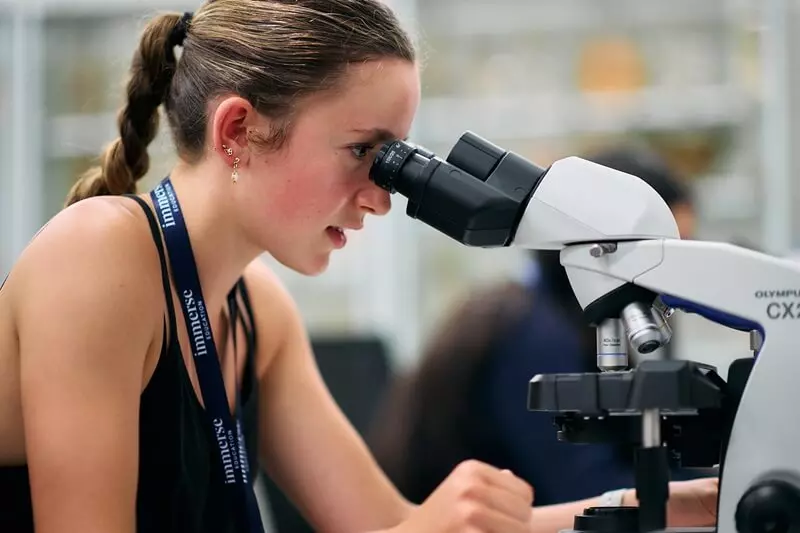
When you enroll in one of these programs, your responsibilities will encompass conducting experiments, reviewing literature, analyzing data, and presenting findings, all under the guidance of an expert in the field. You can also expect to participate in lectures and workshops where you explore a topic in detail or discover new research methodologies.
To make things easier for you, we have curated a list of 15 STEM Research Programs in Canada for High School Students. The programs were selected for their research intensity, mentorship quality, stipends, and accessibility.
15 STEM Research Programs in Canada for High School Students
1. Mini Med School: Exploring Rare Diseases: Discovery to Treatment
Location: Online or BC Children’s Hospital, Vancouver, BC
Cost/Stipend: Free
Acceptance rate/cohort size: Selective; students are selected based on their answers to the application questions rather than their grades.
Dates: October 22nd and 29th, plus November 5th and 12th
Application Deadline: September 15-26
Eligibility: 11th and 12th graders from British Columbia and Yukon
Hosted by the BC Children’s Hospital Research Institute, the Mini Med School Program offers the opportunity to learn about rare diseases through a series of lectures. Its curriculum will teach you various aspects, including how the diseases are diagnosed and treated, and how the patients are cared for throughout and after.
You will also focus on research topics surrounding rare diseases. By the end of the program, you will have a deeper understanding of the different medical tools that are making an impact on medical care and how research will shape the medical industry.
Why it stands out: You will be taught by experts, including doctors, researchers, professors, and more from BC Children’s Hospital, The University of British Columbia, the Canadian Organization for Rare Disorders, and more.
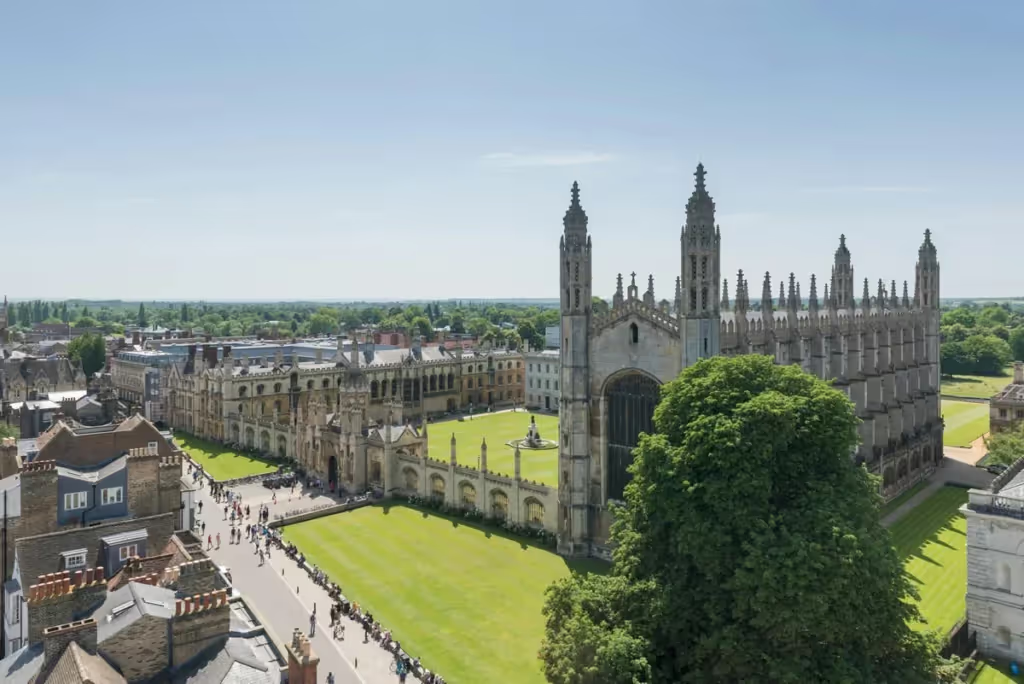
2. Immerse Education: Toronto Summer School

Location: University of Toronto, Toronto, ON
Cost/Stipend: Varies; summer school scholarship available through our bursary programme
Acceptance rate/cohort size: An average of 7 participants per class
Dates: 5th Jul – 18th Jul, 19th Jul – 1st Aug
Application Deadline: Multiple summer cohorts with rolling admissions
Eligibility: High school students all over the world aged 15 to 18
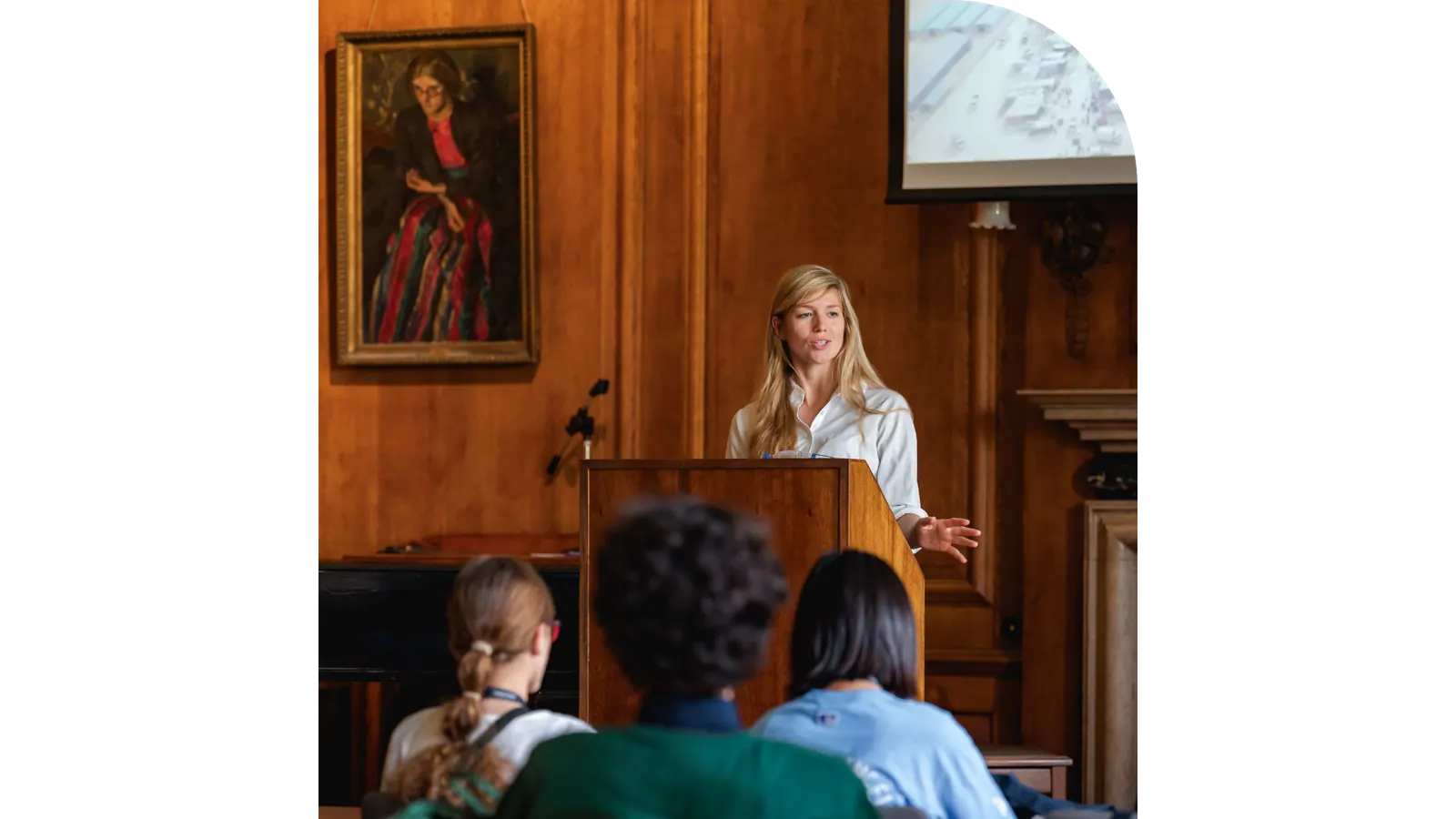
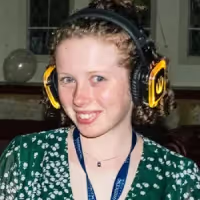
By enrolling in Immerse Education’s two-week summer program, students get to explore different subject areas at an undergraduate level. As someone who is interested in pursuing STEM research in Canada, your options include engineering, software development & AI, psychology, and medicine. Depending on the subject you choose, you will work on your independent research.
A tutor will guide you in identifying the research question and teach you research methodologies used at universities to complete your research paper. Apart from research, your schedule will also include academic lectures, hands-on workshops, and discussions.
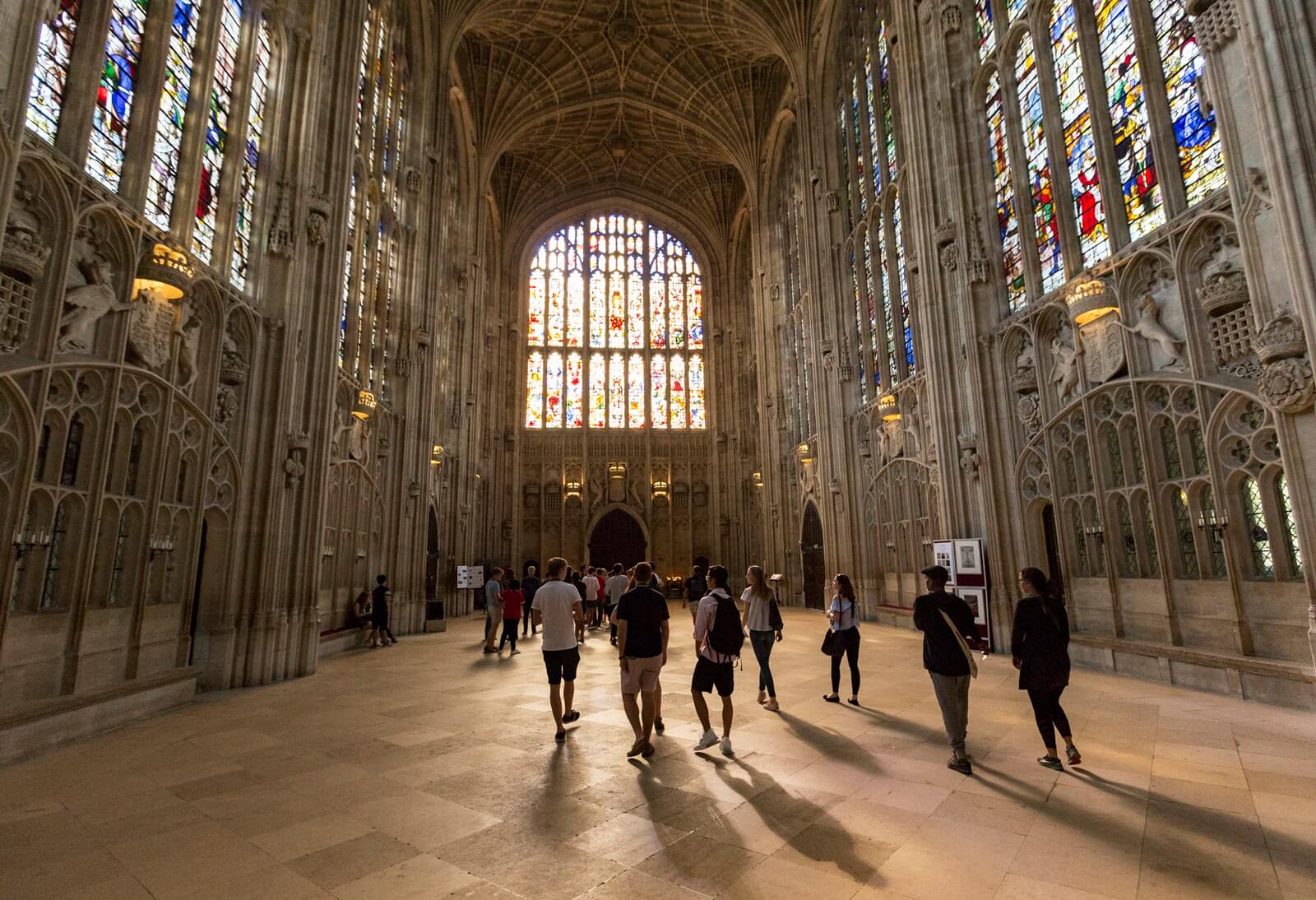
Why it stands out: You’ll get an early start at university life and academics because the program includes an independent project, discussion-based classes, and living at a college campus.
3. Focused Ultrasound High School Summer Research Program
Location: Sunnybrook Health Sciences Centre, Toronto, ON
Cost/Stipend: Stipends provided
Acceptance rate/cohort size: Varies by project
Dates: Starts July 6th and ends in August
Application Deadline: February 13th
Eligibility: High school student who will be 16 years old by July 1 and has the legal authorization to work in Canada
Catered towards students who are planning to choose careers in engineering, medicine, or technology, this is a research internship where you contribute to the Focused Ultrasound Lab’s ongoing projects. These projects focus on ultrasound, and some sample project titles include image-guided ultrasound potentiated therapies, simultaneous ultrasound and magnetic resonance imaging, opening of the blood-brain barrier for molecular imaging, and more.
Through your contributions, you will gain hands-on experience in research while expanding your knowledge across subjects like physics, engineering, biology, and more.
Why it stands out: The program gives you the skills and experience required to confidently choose a career in medical research and device development.
4. Alberta Innovates High School Youth Researcher Summer Program (HYRS)
Location: University of Alberta, Edmonton, AB
Cost/Stipend: 15 CAD per hour
Acceptance rate/cohort size: 25-30 students; the program does not accept more than two students from the same school
Dates: July 3rd – August 14th
Application Deadline: Opens in early February
Eligibility: 11th graders who are enrolled in or have completed Mathematics 20-1 or 20-2, Biology 20, and one other Grade 11 science course, live in or north of Red Deer, and are legally authorized to work in Canada
The HYRS is ideal if you are curious about research in medicine and healthcare, particularly projects that combine health with emerging technologies and data analysis. As one of the more intensive STEM research programs in Canada for high school students, it gives you direct experience working on real medical and digital health research projects.
The six-week paid experience aims to boost your prospects of getting a job in research and innovation in the future. You will also spend your time attending skill development and career exploration workshops while participating in the program.
Why it stands out: You will network and form long-term connections with medical research and innovation professionals from Alberta.
5. University of Toronto’s Aerial Robotics Club (ARC)
Location: Online and University of Toronto, Toronto, ON
Cost/Stipend: Free
Acceptance rate/cohort size: Highly selective
Dates: Weekly meetings are held remotely from June to August, and in-person research sessions are held in August
Application Deadline: May 22nd
Eligibility: 10th to 12th graders, preferably from Canada, the US, or a location where students can attend online sessions conducted in Eastern Standard Time evenings; an In-person program is available for students who live within a commutable distance of Toronto
The University of Toronto’s Institute for Aerospace Studies runs the Aerial Robotics Club, which allows high school students fascinated by science and engineering to participate in research and design. When selected for the ARC program, you will be working on research projects centered around aerial robotics.
You will collaborate with the program lead, Professor Hugh Liu, and university students. The program teaches you different steps in the research process, including reading through scientific literature and coming up with the research goal, the hypothesis, and the design.
Why it stands out: Students gain experience working on research projects that focus on real-world problems in the field of aerial robotics.
6. WISEST Summer Research Program
Location: University of Alberta, Edmonton, AB
Cost/Stipend: Free, but students will need to pay for accommodation if staying on campus (financial aid available); a stipend of 15 CAD per hour
Acceptance rate/cohort size: 40 placements
Dates: July 2nd – August 13th
Application Deadline: March 2nd – April 1st
Eligibility: Rising 12th graders with a Canadian Social Insurance Number
Offering you the chance to do research across science, engineering, and technology, the WISEST Summer Research Program prepares you for careers in the STEM field. The program places you in a lab where you work individually and as part of a research team.
By contributing to your research team, you will familiarize yourself with various research methodologies. You will become skilled in using scientific literature and conducting experiments for research. The research topics vary every year. The program also hosts professional development sessions and allows you to explore different career options, particularly in less traditional fields.
Why it stands out: You get to work with top researchers and innovators in the STEM field.
7. seed2STEM Summer Research Program for Indigenous Youth

Location: Various university labs
Cost/Stipend: A stipend of 2,677+ CAD
Acceptance rate/cohort size: Varies by labs
Dates: July 6th – August 14th
Application Deadline: February 20th
Eligibility: 9th to 12th graders who identify as indigenous and are from Metro Vancouver or Kelowna
Determined to increase the representation of indigenous people across STEM fields, seed2STEM offers internships for indigenous high school students, thus encouraging you to choose STEM-related careers in the future. During the six weeks of the research internship, you will be placed in one of the participating university labs.
The program offers research opportunities across various STEM fields, including neuroscience, engineering, chemistry, biology, math, physics, and more. Besides working, you will also participate in guest lectures and research-focused group activities, and visit scientific and cultural spots. Students are required to attend two pre-program workshops conducted in mid/late-May and late June.
Why it stands out: It pairs you with spinal cord injury research teams and mentors, helping you gain authentic biomedical science experience and insight into real lab workflows.
8. Science Experiential Aerial Research (SEAR) Program
Location: Various locations
Cost/Stipend: Free
Acceptance rate/cohort size: 25 students per iteration of the program
Dates: Varies by hosting location
Application Deadline: Varies by hosting location
Eligibility: Domestic 9th to 12th graders
In the SEAR program, you can work on one of five projects, assigned by location. Your options include the Dutch Elm Disease Project, the Crop Disease Project, the Litter Project, and others. Based on the project you work for, you will be using drone technology and multispectral sensors to conduct research and collect aerial data.
You will then analyze the data on a computer and learn how to write an algorithm to use machine learning to detect specific objects in images. While in the program, you will pick up skills in Geographic Information Systems, metadata, and the science behind remote sensing.
Why it stands out: You make contributions to projects whose goals are to find solutions for sustainable problems that affect your local community.
9. SickKids Summer Research (SSuRe) Program
Location: The Hospital for Sick Children (SickKids), Toronto, ON
Cost/Stipend: Students are paid minimum wage
Acceptance rate/cohort size: Varies by the Research Summer Student position
Dates: May 4th – August 13th
Application Deadline: Varies by the Research Summer Student position
Eligibility: Graduating 12th graders from all over the world
The SickKids Summer Research (SSuRe) Program allows high school seniors and undergraduate and medical students to collaborate on research projects with Research Institute (RI) scientists. The program will post a list of positions available, allowing you to choose your area of interest in research. Some of the options you can expect to see include neurosciences and mental health, translational medicine, cells and systems biology, and more.
Students are also encouraged to directly contact researchers at SickKids Research Institute to discover research projects that might not be advertised on the program page. In addition to conducting research, you will also attend weekly seminars, a career night where you explore your career prospects in medicine, and the symposium day when you present your research.
Why it stands out: Each week, you will listen to seminars conducted by an expert, who may be an RI scientist or hospital staff, during the 15-week program.
10. Research Exploration Opportunity (REO)
Location: Various partnering universities across Canada
Cost/Stipend: Free
Acceptance rate/cohort size: Varies by hosting university
Dates: Typically in March (exact dates vary by hosting university)
Application Deadline: Typically in January (exact date varies by hosting university)
Eligibility: 9th to 12th graders; priority is given to students from communities that are underrepresented in the STEM fields; international students are welcome to apply
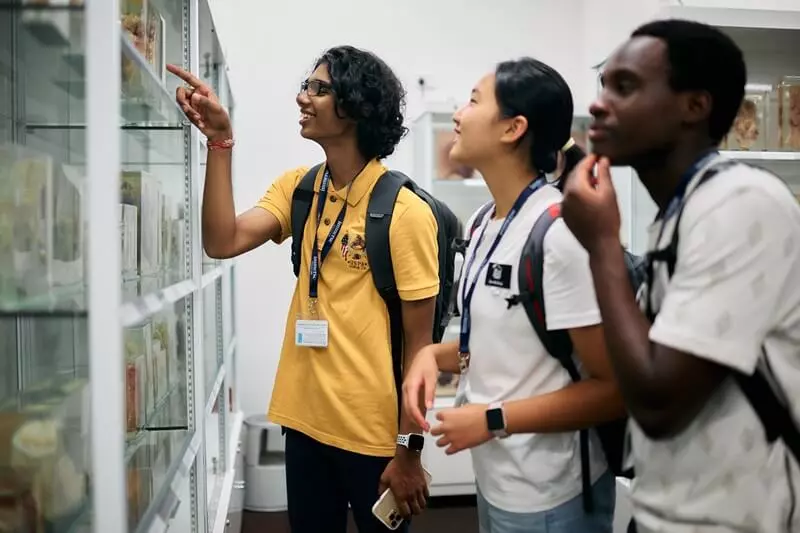
You will dive into the research field and explore the process of scientific inquiry by participating in a research project offered at one of the participating university labs. During your time in the program, you will also visit research facilities and be introduced to the latest scientific equipment.
You will also have the opportunity to observe the work of lab professionals. The program’s schedule will also include lab meetings, seminars, and faculty presentations. Some of the universities where the program takes place are the University of Calgary, McGill University, the University of British Columbia, and more.
Why it stands out: You will receive one-on-one mentorship from graduate students and collaborate with them on their experiments.
11. University of Calgary’s Summer Studentship Program
Location: Cumming School of Medicine, U of C, Calgary, AB
Cost/Stipend: 1,875 CAD per month for post-secondary students, so you can expect lesser or similar rates as a high school student
Acceptance rate/cohort size: Limited students are accepted
Dates: 8-week studentship between May and August for high school students
Application Deadline: December 15th – January 5th
Eligibility: High school, undergraduate, and graduate students worldwide
The Summer Studentship Program trains you in medical research by letting you work on a research project with an academic professional there to guide you. Once you apply, the program will match you with a staff member based on your interested subject or area of research.
You can expect to work on research projects in health services, health informatics, basic data science, and data visualization. The goal of the program is to encourage students interested in various STEM fields and even the arts to consider careers in data science, health informatics, and other related fields.
Why it stands out: The program accepts applications from students across various fields, allowing students from different disciplines to explore a career in health data science.
12. Youreka’s Program

Location: Various university campuses across Canada
Cost/Stipend: 80 CAD
Acceptance rate/cohort size: Varies by the research positions available
Dates: Late January to April
Application Deadline: January 6th
Eligibility: 9th to 12th graders all around the world
This 10-week program matches you with an undergraduate from one of the seven partnered universities to work on a research project. This is a structured program where the undergraduate will mentor you through the various steps in the research process.
This will include studying the design and research pipeline, data exploration, testing hypotheses, and more. Students will be able to present their work at the final symposium and even submit it to regional and national symposiums. Apart from research, you will also attend professional development sessions, which will include workshops, seminars, and challenges.
Why it stands out: You will develop the skill of using R programming to help you with your research process
13. Xavier Pelletier High School Internship Program
Location: Trev and Joyce Deeley Research Centre (BC Cancer), Victoria, BC
Cost/Stipend: A 3,000 CAD bursary will be awarded towards your post-secondary education
Acceptance rate/cohort size: Highly selective
Dates: July – August
Application Deadline: March 3rd
Eligibility: Rising 12th graders who are enrolled in a Vancouver Island secondary school, are at least 16 years old by the start of the program, and have scored at least an 85% projected average in Biology and two of math, chemistry, or physics.
If you are interested in studying and researching cancer, this program would be suitable for you. As an intern in this eight-week summer program, you will work in the Trev and Joyce Deeley Research Centre researching cancer and learning about the latest techniques used in cancer treatment.
You will take responsibility for one research project and work on it throughout the program. Since only two students can apply from one school, you will need to contact your school’s science faculty to know about the internal selection process.
Why it stands out: The program helps you understand the importance and the impact research and its results have on cancer patients.
14. The Verna J. Kirkness (VJKF) Program
Location: Various universities across Canada
Cost/Stipend: Free
Acceptance rate/cohort size: Not publicly available
Dates: May – August; you can choose your five-day session
Application Deadline: December 19th
Eligibility: 11th graders; must be First Nations, Métis, and Inuit high school students
The VJKF is aimed at First Nations, Métis, and Inuit high school students who plan to choose careers in the STEM fields. If selected for the program, you will go to a Canadian university for a week, where you will have the opportunity to collaborate with a professor or a researcher on their work.
During your time in the program, you will gain research experience by joining a university lab’s research team. You will discover various STEM topics and career opportunities. The program also gives you a taste of college life.
Why it stands out: The program gives you personalized mentorship and guidance from scientists, engineers, or graduate students.
15. Women+ In Science
Location: BC Children’s Hospital Research Institute, Vancouver, BC, or Online via Zoom
Cost/Stipend: Free
Acceptance rate/cohort size: Highly competitive
Dates: In-person on February 11th and Online on February 12th
Application Deadline: January 12-18
Eligibility: 11th and 12th graders in British Columbia and the Yukon
Women+ In Science is a one-day event hosted by BC Children’s Hospital and BC Women’s Hospital + Health Centre. You will listen to a lecture where you learn about the developments in health research.
You will be part of small rotating groups of students and a mentor who will lead the discussions on career opportunities. Given that the program receives a large volume of registrations, you are only allowed to apply to either the in-person or virtual event.
Why it stands out: You will have the opportunity to network with industry experts who are making a real impact in health science through their research.
Exploring the Bigger Picture Behind Experiments
Research is not only about results but about learning how questions are formed, tested, and refined through evidence.
These STEM research programs in Canada for high school students place you inside real laboratories, pairing mentorship with experiments that reveal how scientific knowledge is built.
By analysing data, reviewing literature, and presenting findings, you gain confidence, clarity, and an understanding of research beyond classroom instruction.
To keep expanding your perspective, explore our Beyond the Syllabus blogs for deeper insights into advanced topics that connect theory, experimentation, and real-world research across disciplines, methods, and emerging fields shaping future academic choices globally today.