15 Artificial Intelligence Summer Schools for High School Students

As a high school student fascinated by the potential of artificial intelligence, the field can feel both incredibly exciting and somewhat elusive. AI is a multidisciplinary field that blends advanced mathematics, ethical philosophy, and complex problem-solving with core computer science principles. Structured summer programmes bring these elements together in a practical and engaging environment.
Imagine spending your summer on a world-class university campus, collaborating with a diverse, global cohort of peers to design autonomous systems, analyse real healthcare datasets, or debate the ethical implications of emerging technologies alongside leading professors. By immersing yourself in AI, you not only build advanced technical skills but also gain first-hand experience of university life.
What kinds of artificial intelligence summer schools for high school students are there?
Finding the right AI program can be overwhelming. You don’t want to end up in a course that only teaches surface-level coding without real understanding, or one that focuses on theory but gives no hands-on experience. That’s where careful selection matters, because not all AI opportunities offer the same academic depth, mentorship, or practical exposure.
Various universities, research institutes, and technology organizations offer summer schools focused on machine learning, data science, robotics, ethical AI, computer vision, natural language processing, and more. You could deepen an existing interest in programming or explore artificial intelligence for the first time. Many programs include project-based learning, lab sessions, mentorship from AI researchers, industry exposure, and collaboration with ambitious peers from around the world.
No matter which program you choose, you will be challenged to think critically, solve real-world problems, and build meaningful technical skills. To make the search easier, we’ve carefully curated a list of 15 Artificial Intelligence Summer Schools for High School Students. These were selected for their academic rigor, hands-on learning, faculty expertise, and global reputation.
For adjacent opportunities, you can consider online AI programs for high school students.



15 Artificial Intelligence Summer Schools for High School Students
1. Immerse Education’s AI Summer School
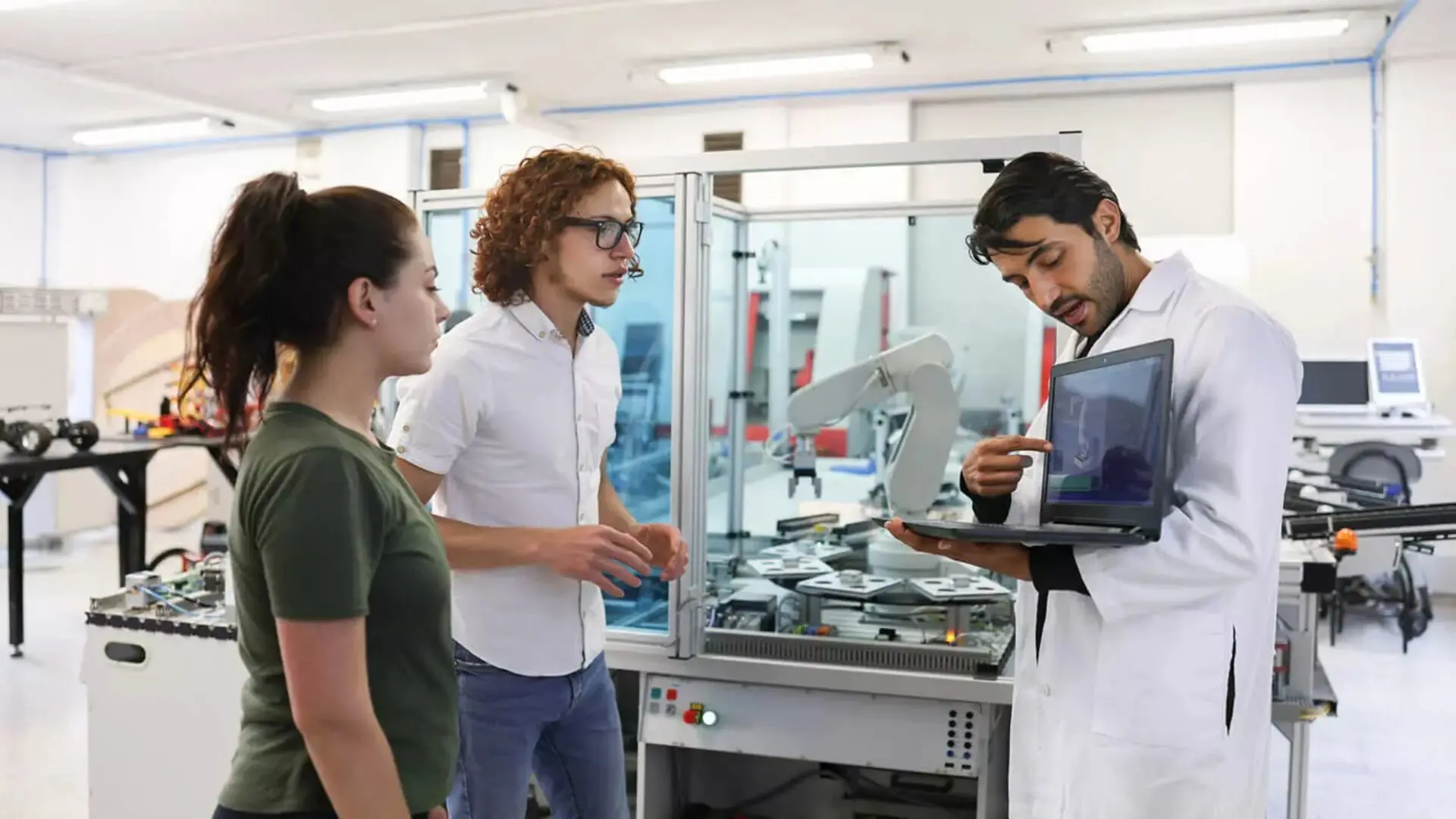
Location: Cambridge, Oxford, Singapore, Sydney, San Francisco, New York, Online
Cost/Stipend: Varies; summer school scholarship available through their bursary programme
Dates: 2 weeks during the summer
Application Deadline: Multiple summer cohorts with rolling admissions
Eligibility: Students worldwide aged 13–18 currently enrolled in middle or high school
The Immerse Education Artificial Intelligence Summer School lets you dive into the world of AI and machine learning while living and studying in small classes at leading global universities. You will learn from expert tutors through interactive workshops, team challenges, and real-world coding projects that introduce core concepts like neural networks, algorithms, and the ethical implications of AI.
You may find yourself collaborating with peers to solve practical problems, exploring how AI is applied in industries today, and sharpening your analytical and creative thinking skills. By the end of the programme, you’ll complete a personal project, receive written feedback from your instructors, and earn a certificate of achievement reflecting your growth and experience. You can find more details about the application here.
Why it stands out: You’ll be taught in small seminar groups by tutors affiliated with leading universities while interacting with global peers. The combination of personalized mentorship and international campus immersion creates a highly engaging academic experience.
2. Stanford AI4ALL
Location: Stanford University, California, USA
Cost/Stipend: Tuition-based (financial aid available; need-based support offered for eligible students)
Dates: July 19th – July 31st (Residential)
Application Deadline: February 6th
Eligibility: Students in Grade 9 at the time of application submission, open to international students
Stanford AI4ALL is a two-week online or residential summer program designed to introduce high school students to the transformative potential of artificial intelligence. Through lectures led by Stanford faculty and AI professionals, students explore how AI is applied in medicine, disaster response, poverty reduction, and other pressing global challenges.
You join small-group research projects guided by graduate students and postdoctoral scholars, gaining hands-on experience in fields such as computer vision, medical AI, natural language processing, and robotics. The immersive format offers early exposure to university-level research while fostering academic growth and mentorship in a collaborative environment. You can find more details about the application: here
Why it stands out: This program is fully funded and hosted at Stanford, one of the world’s leading AI research hubs. It combines rigorous academics with a strong focus on ethics and diversity in technology. Direct mentorship from Stanford researchers makes it exceptionally impactful.
3. MIT Beaver Works Summer Institute – Game development with AI
Location: Online prerequisite (open globally); Summer program (U.S. only)
Cost: Free for families with income under $200,000; $2,400 for families above $200,001 (housing not included)
Program Dates: Online course opens February 3rd; Four-week summer session (July)
Deadline: Nomination priority by March 31st; Application deadlines vary (see official timeline)
Eligibility: US-based high school students with prior experience in Python; not open to international students
This course sits at the intersection of artificial intelligence, systems modeling, and game design. You’ll explore how serious games can simulate complex public health and policy challenges, using a tactical routing problem for self-driving ambulances as the anchor application.
Across four intensive weeks, you’ll build and extend a Python-based game framework while studying ethics in AI, backend development, user interface design, and data analysis. The curriculum blends experimental design, disease propagation modeling, and Agile software practices, preparing you to work in a professional development team.
Why it stands out: BWSI is known for its technical intensity and strong engineering focus. Students gain exposure to MIT-level problem solving and hands-on AI systems. It is ideal for highly motivated students seeking rigorous preparation.
4. Carnegie Mellon AI Scholars
Location: Carnegie Mellon University, Pittsburgh, Pennsylvania, USA
Cost/Stipend: Fully funded (tuition, housing, meals, select field trips covered; limited travel assistance available)
Dates: June 20th – July 18th (4 weeks, residential)
Application Deadline: February 1st (11:59 PM EST)
Eligibility: Rising high school seniors (between 11th and 12th grade); open to international students
AI Scholars is a fully funded, merit-based, four-week residential summer program for rising high school seniors interested in artificial intelligence and computer science, hosted at Carnegie Mellon University. The program offers college-level coursework, faculty-led lectures, hands-on group projects tackling real-world AI challenges, and structured college preparation seminars covering admissions and financial aid.
You live on campus for the full duration, gain mentorship from CMU faculty and researchers, participate in industry experiences, and present their work at a final symposium in an immersive, inclusive academic environment.
Why it stands out: CMU is globally recognized as a leader in AI research. This program provides direct exposure to university-level AI study within a supportive, fully funded environment. Its research-oriented structure makes it highly prestigious.
5. University of Pennsylvania AI4ALL
Location: University of Pennsylvania, Philadelphia, USA
Cost/Stipend: Tuition-free; $400 participation stipend
Dates: 2-week daytime summer program
Application Deadline: Announced annually (see program website for updates)
Eligibility: High school students (focus on diversity in AI); open to international students
AI4ALL@GRASP is a tuition-free, two-week daytime summer program for 9th and 10th-grade students from underrepresented and lower-income backgrounds interested in artificial intelligence, robotics, and the social impact of technology.
The program introduces you to AI fundamentals through lectures, hands-on projects, and mentorship, with no prior coding experience required. Participants commute daily to campus (no housing provided), receive a $400 stipend, and gain continued access to the AI4ALL alumni network for mentorship, research opportunities, and community support
Why it stands out: Hosted at an Ivy League university, this program blends technical AI training with real-world social impact themes. It encourages inclusive participation in computing. The fully funded model increases accessibility.
6. SHAPE: Summer High School Academic Program for Engineers
Location: Columbia University, New York, NY
Cost: Tuition required; financial aid available (see official site)
Program Dates: Session 1: July 6th – July 24th; Session 2: July 27th – August 14th
Deadline: Varies by cycle (check official timeline)
Eligibility: High school students; must meet Columbia University public health requirements; open to international students
SHAPE is a three-week, faculty-taught pre-college engineering program designed to immerse you in college-level coursework without granting college credit. You’ll select one primary engineering course and spend your session working deeply within that discipline, whether in robotics, biomedical engineering, AI, sustainable engineering, chemical engineering, healthcare engineering, or data science.
Beyond your core course, SHAPE includes electives developed with Columbia undergraduates, professional development workshops, and college preparation sessions led by admissions staff. You’ll also gain supervised access to Columbia’s Makerspace, using equipment such as 3D printers and laser cutters to prototype and test designs.
Why it stands out: The program emphasizes applied problem-solving, technical collaboration, and engineering design thinking, giving you structured exposure to how engineers translate theory into working systems.
7. Princeton AI4ALL
Location: Princeton University, New Jersey, USA
Cost/Stipend: Free (fully funded)
Acceptance rate/cohort size: Highly selective; small cohort
Dates: July 9th – July 30th (3 weeks, residential)
Application Deadline: April 9th
Eligibility: High school students (rising juniors and seniors); open to international students
Princeton AI4ALL is a fully funded, three-week residential summer program that introduces high school students to artificial intelligence through research, mentorship, and community engagement. Hosted on Princeton’s campus, the program combines foundational learning in machine learning, natural language processing, and AI for social good with hands-on group research projects led by Princeton faculty and graduate student instructors.
Beyond the classroom, you’ll experience campus life, connect with leaders in technology and policy, and explore how AI governance shapes society. The program emphasizes diversity, equity, and inclusion in computing, encouraging students from underrepresented backgrounds to become future leaders in AI.
Why it stands out: As a fully funded Ivy League residential experience, Princeton AI4ALL removes financial barriers while providing deep exposure to AI research and ethics. Its strong focus on inclusion and AI for social good ensures students develop both advanced technical skills and a meaningful sense of responsibility in shaping the future of technology.
8. Digital Scholars Program (Chicago)
Location: Downtown Chicago, IL
Cost: Free
Program Dates: Six weeks (Summer), Monday–Friday, 9:00 AM – 1:00 PM
Deadline: Varies by year (see official site)
Eligibility: Rising 11th and 12th graders; first-year college students at City Colleges of Chicago and Illinois institutions; not open to non-residential international students
Digital Scholars is a six-week, in-person summer program designed to strengthen computing skills and expand access to tech pathways for Chicago-area students. While students enroll in one focused course, such as Data Science Discovery, Foundations of Computer Science, iOS App Design, or Programming in Swift, the program integrates exposure to artificial intelligence and machine learning through dedicated workshops and industry talks.
In AI-focused sessions, you’ll explore how data science underpins machine learning systems, examine real-world datasets, and discuss how AI tools are applied in business, healthcare, and civic technology. Workshops introduce core AI concepts such as pattern recognition, data modeling, and responsible technology development, helping you understand both technical foundations and societal impact.
Why it stands out: Beyond coursework, you’ll connect daily with Chicago’s tech leaders, entrepreneurs, and engineers, building professional networks and career insight.
9. Harvard Pre-College Program – AI Coursework
Location: Harvard University, Cambridge, MA
Cost: $6,100 (includes tuition, housing, meals, activities, and insurance) + $75 application fee; limited need-based aid available
Program Dates: Two-week sessions (Summer)
Deadlines: Early & Priority Aid: January 7th; Regular & Aid: February 11th; Late: April 1st (or earlier if full)
Eligibility: Rising juniors and seniors; at least 16 by late June; must graduate from high school in 2027 or 2028; open to international students
Harvard’s Pre-College Program is a two-week residential experience designed to give you an authentic preview of college life. You’ll live on campus and enroll in a non-credit, college-level course taught in small classes averaging around 15 students. With nearly 30 courses per session across fields such as STEAM, business, public health, law, literature, and ethics, you can explore a potential major or test a new intellectual interest in a rigorous academic setting.
Classes emphasize discussion, close faculty engagement, and focused immersion in a single subject. Participants engage in collaborative classroom discussions. You can find more details about the application here.
Why it stands out: Students gain direct exposure to Harvard’s academic environment. The program offers strong academic enrichment and networking with global peers. It enhances college readiness significantly.
10. UCLA Computer Science Summer Institute
Location: UCLA (Virtual format; based in Los Angeles, CA)
Cost: Tuition required; limited need-based scholarships (5-10% of students)
Program Dates: Introductory Track: June 21st – July 9th; Intermediate Track: July 12th – July 30th
Deadline: Varies by year (check official site)
Eligibility: High school students (Grades 9-12) and recent graduates; intermediate track requires prior Python and math/statistics background; open to international students
UCLA’s Precollege Summer Institutes provide college-level academic experiences for high school students, including computer science courses that cover programming concepts, Python, data science foundations, and introductions to computing. These immersive courses combine classroom instruction, hands-on coding projects, and co-curricular activities designed to deepen students’ understanding of computing and analytical thinking.
The program emphasizes hands-on coding, computational thinking, and a supervised capstone project that synthesizes techniques learned throughout the course. Weekly seminars introduce research areas such as artificial intelligence and computational social science, giving you broader exposure to the discipline.
Why it stands out: UCLA provides strong technical foundations in a research-driven environment. The West Coast tech ecosystem enhances exposure to innovation. It is ideal for beginners entering AI pathways.
11. Johns Hopkins Engineering Innovation
Location: Johns Hopkins University, Maryland, USA
Cost/Stipend: Tuition-based
Dates: Summer sessions
Application Deadline: Rolling
Eligibility: High school juniors and seniors; open to international students
Johns Hopkins Engineering Innovation’s pre-college programs include engineering and foundational programming courses. You will examine computational methods and machine learning principles relevant to AI systems (e.g., Python and AI foundational topics in regular summer course offerings).
These are rigorous, project-based courses that build analytical and problem-solving skills in STEM subjects. You can find more details about the application here.
Why it stands out: Students earn actual college credit in a prestigious research environment. The rigorous curriculum builds strong STEM foundations. It is ideal preparation for engineering and AI majors.
12. EDIT AI High School Summer Internship Program
Location: Virtual + research collaboration with Dartmouth Health (NH) and Cedars-Sinai Medical Center (CA)
Cost: Free
Program Dates: Summer (onboarding April-June)
Deadline: March 1st (application); interviews February-April
Eligibility: High school students with strong computer science foundations and prior exposure to machine learning concepts, no mention for international students
The EDIT AI program is a national-level biomedical AI internship that immerses high school students in research at the intersection of artificial intelligence and medicine. You’ll work within a Virtual Student Laboratory equipped with high-performance computing resources while engaging in structured mentorship, preparatory workshops, and expert-led seminars.
Research projects focus on computational pathology and clinical data science, including whole slide image analysis, natural language processing of pathology reports, metagenomics, multi-omics integration, and electronic health record analytics.
Why it stands out: The program emphasizes collaborative research, scientific communication, and IRB-supported investigation. By the end of the internship, you’ll present findings to clinical research audiences and contribute to ongoing translational research efforts.
13. NYU Shanghai – Artificial Intelligence Summer Program
Location: NYU Shanghai, China
Cost/Stipend: Tuition CNY 26,800
Dates: July 13th – July 24th (2-week program)
Application Deadline: First Round: March 15, 2026 • Second Round: April 30, 2026
Eligibility: High school students meeting academic requirements; open to international students
The NYU Shanghai Artificial Intelligence Summer Program is a two-week, English-taught pre-college course for high school students that blends global perspectives with hands-on AI learning. You build foundational AI mathematics and programming skills using tools like Python, NumPy, and PyTorch, and explore core machine learning topics from linear regression to neural networks.
You apply theory to practical coding projects, such as predictive models, image recognition systems, and AI agents, and receive academic guidance from NYU Shanghai faculty and industry experts. The experience emphasizes innovation, global networking, and practical exposure to the future of AI technology. You can find more details about the application here.
Why it stands out: This program offers AI education within a globally diverse academic setting. Students gain exposure to international perspectives on technology and innovation. The Shanghai campus adds a unique global dimension.
14. AI4ALL@UW Data Science Workshop
Location: Online (University of Washington, Seattle, WA)
Cost: Free
Program Dates: September 8th – January 26th (4:00–6:00 PM PST)
Deadline: July 31st (10 PM PDT)
Eligibility: Rising high school juniors, seniors, or incoming college freshmen; beginner-friendly; open to students from traditionally underrepresented backgrounds; open to international students
AI4ALL@UW is a 20-week, introductory data science and machine learning workshop hosted by the University of Washington’s Paul G. Allen School and the Taskar Center for Accessible Technology.
Designed for beginners, the program introduces you to data science fundamentals in a small-group, discussion-driven format where you’ll analyze real-world questions about equity, bias, and technology. The curriculum emphasizes geographical information science, accessible technology, and non-ableist data science practices, encouraging you to examine how data systems shape decisions in cities, healthcare, and digital platforms.
Why this stands out: The program is fully remote and prioritizes students from historically underrepresented communities in computing. By the end, you’ll gain foundational data literacy skills and a critical framework for understanding how machine learning systems influence society.
15. Girls Who Code
Location: Nationwide (Virtual and in-person options across the U.S.)
Cost: Free
Program Dates: School-year clubs; Summer sessions; Year-round college & career programming
Deadline: To be posted
Eligibility: Grades 9-12; open to international students
Girls Who Code is a national initiative focused on closing the gender gap in technology by equipping girls and young women with technical skills, community support, and career readiness training. Programs range from beginner-friendly coding clubs for elementary through high school students to advanced summer immersion experiences and structured college-to-career pipelines.
In the Clubs Program, you’ll meet weekly in a supportive environment to build coding projects while developing confidence and problem-solving skills. Summer Programs offer deeper technical exposure through structured, impact-oriented coding experiences designed to prepare you for future STEM study. For college-aged participants,
Why it stands out: With over 760,000 students served and a strong emphasis on diversity, equity, and inclusion, the organization supports participants from historically underrepresented groups in computer science.
Join the Immerse Education 2027 Essay Competition
Follow the instructions to write and submit your best essay for a chance to be awarded a 100% scholarship.
From Emerging Technology to Educational Insight
Exploring AI early can do more than strengthen technical skills, because it helps you think critically, ask better questions, and understand how innovation is shaping the world around you.
Each artificial intelligence summer school in this guide offers a different path into that world, helping you build confidence, deepen knowledge, and connect classroom learning with real-world discovery.
As those interests grow, so does your understanding of how technology is changing not only future careers, but also the way people teach, learn, and solve problems.
Go beyond AI and read our Educational Innovation blogs now to uncover the shifts redefining how the world learns, teaches, and prepares for the future.





Unlock Inspiring Opportunities with the Immerse Education Newsletter
Join our newsletter to stay ahead with exclusive updates, exciting programme highlights, and expert insights from the world of immersive education.
Learn how Immerse can transform your life
An in-depth overview of our university and career preparation programmes
Get a glimpse into the life of an Immerse participant
Find the right programme for you with sample timetables, location showcases, and more