15 Business Summer Camps for High School Students

As a high school student interested in business, entrepreneurship, or economics, the world of business can feel both exciting and overwhelming. You may hear about startups, stock markets, and global companies, yet still wonder what studying business really involves beyond case studies or social media success stories. Business is a broad field that blends strategy, data analysis, leadership, finance, and ethical decision-making. One of the best ways to gain real clarity is by joining a business summer camp.
Picture yourself on a university campus or in a global learning environment, collaborating with motivated peers to build startup ideas, analyze real companies, pitch to industry professionals, or debate business ethics with experienced professors and mentors. By spending your summer immersed in business studies, you’ll develop practical skills and gain first-hand exposure to what business education at the university level truly looks like.
How do you choose the right business summer camps for high school students?
With so many options available, choosing the right program can be challenging. Some camps focus only on basic entrepreneurship activities, while others simulate university-level coursework or real-world consulting projects. That’s why having clear guidance matters; it helps you identify programs that align with your interests.
Today, universities, business schools, and global organizations offer business summer camps that are rigorous, hands-on, and grounded in real-world applications. You may explore entrepreneurship, finance, marketing, management, and business analytics through case studies, simulations, group projects, and mentorship sessions. Programs range from introductory camps to competitive, selective experiences designed to build leadership skills and professional confidence.
No matter where you start, these experiences help you answer important questions: Which business disciplines excite you most? What type of academic and campus environment suits you best? To help you get started, we’ve curated a list of 15 business summer camps for high school students, selected for their academic quality, practical exposure, and strong reputations.


15 Business Summer Camps for High School Students
1. Business Opportunities Summer Session (BOSS)
Cost: $350 registration fee (paid only after acceptance); food, lodging, and program events are covered. Transportation to/from campus is not covered, and students must arrange their own travel.
Dates: June 14th – June 26th
Application deadline: October 20th – March 20th
Location: Penn State University Park campus, State College, PA (residential; participants stay in a campus residence hall).
Eligibility: High school juniors from the U.S. and Puerto Rico who are entering 12th grade and are interested in pursuing business in college.
The Business Opportunities Summer Session (BOSS) is a two-week residential business camp that introduces students to undergraduate-level business study at Penn State’s Smeal College of Business. You take classes in core business areas such as management, marketing, finance, and business communication, taught by Smeal faculty. The curriculum focuses on case discussions, group projects, and structured presentations to show how business ideas are taught and used in college.
Living on the University Park campus allows students to experience residence life, dining halls, and daily academic schedules similar to those of first-year undergraduates. By the end of the program, you will have gained a clear understanding of business school academics and the expectations of studying business at a large research university.
Why it stands out: It immerses you in the business school experience at Penn State’s Smeal College of Business, combining core classes in management, marketing, and finance with leadership training and real-world case studies, giving you an early understanding of what business study at a large university entails.
2. Immerse Education Business Management Summer School
Cost: Varies; summer school scholarship available through their bursary programme
Dates: Two weeks during the summer.
Application Deadline: Rolling admissions across multiple summer cohorts.
Location: Toronto, Oxford, Cambridge, Sydney, Boston, Singapore, San Francisco, New York, Tokyo, and London
Eligibility: Students worldwide aged 13-18 currently enrolled in middle or high school.
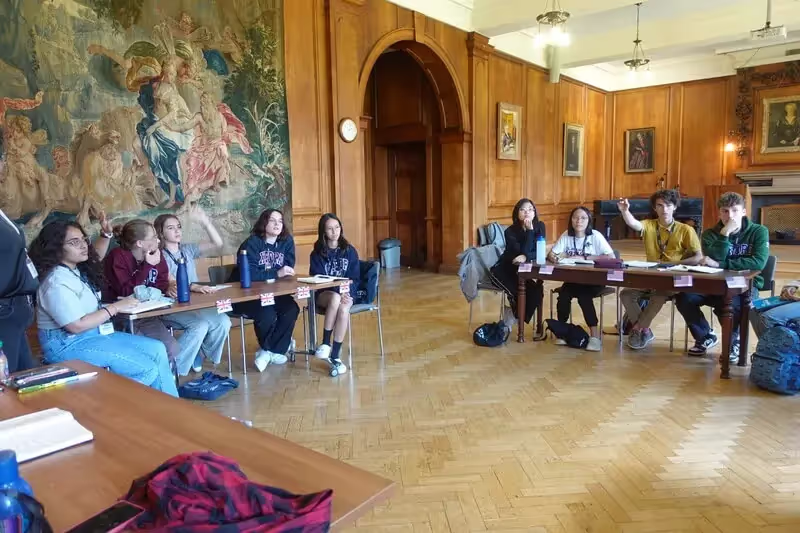
The Immerse Education Business Management Summer School places you in a structured academic environment and stands out among the various business summer camps for high school students for its small-group teaching, combining lectures, case studies, and project-based work to introduce core business and management concepts. While working in small seminar groups, you learn about things like business strategy, how organizations work, the basics of marketing, leadership frameworks, and how to make ethical decisions.
During the two-week session, experienced tutors with academic or professional backgrounds teach the classes. Weekly one-on-one sessions with your tutor are also part of the program to help you reach your personal learning goals and work on your coursework. By the end of the summer school, you gain foundational business knowledge, hands‑on problem‑solving experience, and insight into how business management is taught at the tertiary level. You can find more details about the application here.
Why it stands out: You’ll get an early start at university life and academics because the program includes an independent project, discussion-based classes, and living at a college campus.
3. Berkeley Business Academy for Youth (B-BAY)
Cost: $6,500 (commuter); $8,500 (residential). Limited scholarships may be available.
Dates: Multiple sessions between June and July.
Application Deadline: Rolling admissions until cohorts fill.
Location: University of California, Berkeley campus, Berkeley, CA (commuter and residential options).
Eligibility: High school students worldwide entering grades 9-12 with a strong academic record and an interest in business.
Berkeley Business Academy for Youth (B-BAY) is one of the most academically intensive business summer camps for high school students, modeled on undergraduate coursework at UC Berkeley’s Haas School of Business and designed to reflect real university-level study. You learn about entrepreneurship, finance, marketing, and innovation by going to lectures, doing case studies, and working on group projects. The instruction focuses on how to think critically, make moral choices, and apply business theory in the real world.
You work together on group projects and present your work in a way that is similar to college-level business classes. The program also includes learning about Berkeley’s campus culture and what is expected of students academically. B-BAY is designed to help students determine if a business or economics major is the right fit for them at a research-focused university.
Why it stands out: It offers an immersive, UC Berkeley-style business education, combining lectures, case studies, and group projects that mirror undergraduate business coursework, giving you a real sense of whether pursuing a business or economics major at a top research university is the right fit.
4. McCombs Summer High School Programs – University of Texas at Austin
Cost: Free; all educational, food, and housing costs are covered by program funders.
Dates: May 31st – June 5th (McCombs Future Executive Academy); June 14-18 (Subiendo); June 21-28 (Discover Yourself in Accounting Majors and Careers)
Application Deadline: January 31st for all sessions.
Location: University of Texas at Austin campus, Austin, TX (residential).
Eligibility: Current high school sophomores and juniors; Subiendo (leadership track) is specific to Texas high school juniors.
The McCombs Summer High School Programs are a set of free, week-long residential business and leadership experiences hosted by the McCombs School of Business at the University of Texas at Austin. You learn from McCombs professors, field professionals, and current UT students about fields such as marketing, finance, entrepreneurship, leadership, and accounting.
The curriculum focuses on solving real-world problems, working on group projects, and learning how to communicate professionally in a structured academic setting. You also live on campus and engage in university life through residence halls, dining, and social events. By the end of the program, students learn more about business fields and what is expected of them academically in a competitive public university setting.
Why it stands out: It offers free, week-long residential programs at UT Austin’s McCombs School of Business, where you engage in hands-on workshops, case studies, and faculty-led discussions to explore core business concepts and experience life at a top public university, helping you decide whether a business career is right for you.
5. High School Summer Enrichment: Pre-Business Program – Howard University School of Business
Cost: $2,000 tuition; covers housing, meals, field trips, and instructional materials. Limited tuition waivers and reductions are available based on financial need.
Dates: July 18-24; July 25-31 (multiple one-week sessions covering different business tracks)
Application Deadline: April 3rd.
Location: Howard University campus, Washington, D.C. (residential; students stay in university residence halls under supervision).
Eligibility: High school sophomores and juniors with strong academic potential and an interest in business. Check here for more details
Howard University’s High School Summer Enrichment Pre-Business Program is one of the most focused and discipline-driven business summer camps for high school students, offering early exposure to specialised business pathways. You choose from tracks such as accounting, entrepreneurship, information systems, actuarial science, and finance, each delivered through classroom instruction, case-based activities, and team projects that reflect how business fields differ in practice.
Business professionals and teachers teach the courses, which include hands-on activities like elevator pitching and feasibility analysis to help students enhance their analytical and business skills. By the end of the week, you will have gained a clearer understanding of specific business disciplines and how business concepts are applied in real-world contexts
Why it stands out: It offers a one-week, residential experience at Howard University, where you choose from various business tracks and gain hands-on experience through case studies, team projects, and professional development workshops, providing early exposure to college life and real-world business practices.
6. Entrepreneurship & Innovation Bootcamp – Tufts University
Cost: ~$4,225 (commuter); ~$5,750 (residential), including program activities and housing. Limited need-based financial aid is available.
Dates: July 5-17.
Application Deadline: May 1st (priority deadline).
Location: Tufts University Medford/Somerville Campus, MA (residential and commuter options).
Eligibility: Domestic and international high school students entering grades 10-12 or recent high school graduates.
The Entrepreneurship & Innovation Bootcamp at Tufts University is a two-week program that teaches students to identify problems and develop successful business ideas. You take part in workshops on business case development, market research, and go-to-market strategy. The program ends with a formal pitch to peers and advisors. The lessons focus on practical business thinking, communication, and collaboration on projects.
You can also use campus resources and get help from Tufts students, alumni, and faculty who work at the Gordon Entrepreneurship Center. Experiences on campus, such as living in residence halls, are similar to aspects of college learning and community. You learn the basics of how to plan and pitch a new business by the end of the bootcamp.
Why it stands out: It immerses you in the entrepreneurial process at Tufts University, where you identify real-world problems, develop business ideas, and pitch them in a structured, hands-on environment, gaining practical skills in business thinking, market research, and communication.
7. Business Leadership Program (BLP) – University of Colorado Boulder, Leeds School of Business
Cost: Free – all program components are provided at no cost to participants.
Dates: June 21-27.
Application Deadline: March 13th.
Location: University of Colorado Boulder campus, Boulder, CO (residential experience).
Eligibility: High school juniors and seniors from Colorado, with an emphasis on students from underrepresented or diverse backgrounds.
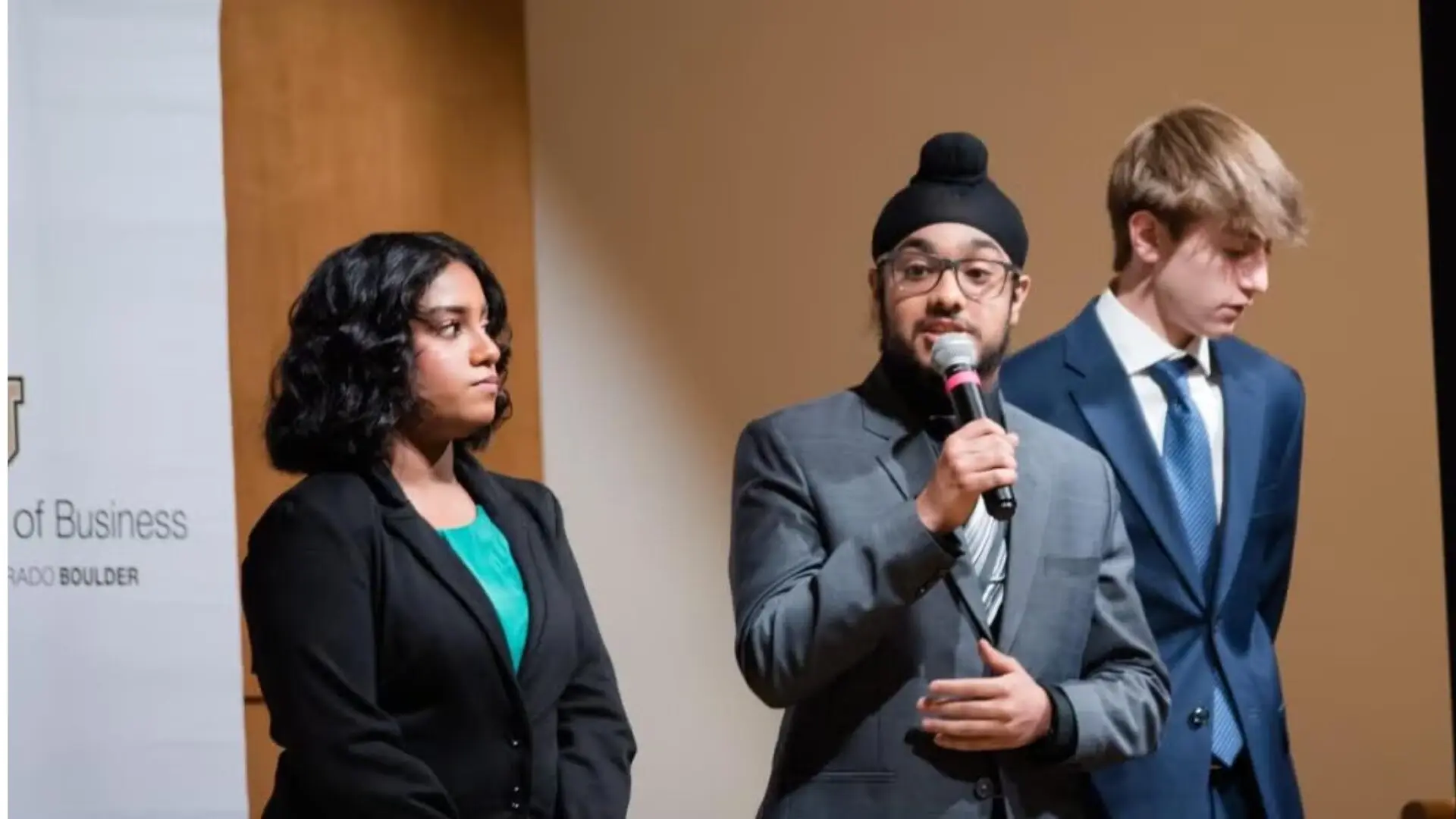
The Business Leadership Program at the Leeds School of Business is a week-long residential camp that centers on teamwork and the solution of real-world business challenges. You participate in case competitions and collaborative exercises designed to develop analytical, leadership, and strategic thinking skills.
Faculty, staff, and corporate partners from Leeds, who are experts in contemporary business practices, provide instruction and mentorship. You also experience campus life and networking opportunities with peers who share an interest in business. By the end of the week, you will have learned about college-level business study and improved your ability to think strategically and work as a team.
Why it stands out: It immerses you in the entrepreneurial process at Tufts University, where you identify real-world problems, develop business ideas, and pitch them in a structured, hands-on environment, gaining practical skills in business thinking, market research, and communication.
8. Accelerated Business Program – University of Georgia, Terry College of Business
Cost: ~$395 (in-person); ~$75 (online, certificate option).
Dates: June 7-10 (in person); July 9-10 (online)
Application Deadline: March 26th (in person); June 14th (online)
Location: University of Georgia campus, Athens, GA (residential) and online.
Eligibility: Current high school sophomores, juniors, and seniors worldwide with strong academic records.
The Accelerated Business Program at UGA’s Terry College of Business is a short, selective summer experience that provides an overview of major business disciplines and career paths. You attend lectures by Terry faculty and guest speakers from big companies like PwC and Google, where you learn about finance, marketing, and strategic planning. The in-person program includes classes, dorm life, campus facilities, and social events typical of college life.
While earning a Certificate of Completion, online participants interact with dynamic speakers and business scenarios in a virtual setting. By the end of the experience, you will have a better understanding of the basics of business and how they relate to college-level academics and jobs.
Why it stands out: It provides a selective, short-term introduction to key business disciplines through lectures by top faculty and guest speakers from major companies, offering you a real college experience and analytical skill development in a condensed, focused format.
9. Camp Business – Drexel University, LeBow College of Business
Cost: ~$2,000 (residential session); ~$950 (commuter session).
Dates: Residential Blue: July 13-17; Commuter: July 20-24; Residential Gold: July 27-31
Application Deadline: Priority deadline in early May.
Location: Drexel University campus, Philadelphia, PA (residential and commuter options).
Eligibility: High school students worldwide entering their sophomore, junior, or senior year.
Drexel’s Camp Business is a one-week summer business camp that introduces participants to key business areas, including accounting, marketing, finance, and management. You learn about both college business education and basic business skills through interactive lectures, team workshops, and strategy games.
There are also classes on leadership, business etiquette, financial documents, and the basics of the stock market. Students in residential sessions live in dorms with structured academic and social schedules. When you finish the program, you get a certificate of completion. By the end of the week, students develop foundational business knowledge and an understanding of how these concepts translate to college and career contexts.
Why it stands out: It offers a one-week, interactive introduction to key business disciplines at Drexel, where you engage in lectures, team workshops, and strategy games, gaining both college-level business insights and hands-on experience in areas like accounting, marketing, and finance.
10. Summer Business Camp (NJ) – Rutgers Business School (NJ)
Cost: $2,600 for one week (includes room & board, meals, and field trips).
Dates: Three one-week sessions: July 5-11; July 12-18; July 19-25
Application Deadline: Registration is open.
Location: Livingston Apartments and Rutgers Business School, Livingston Campus, Piscataway, NJ.
Eligibility: The program is designed for all high school students.
This is a one-week residential business camp that combines faculty-led introductions to core business areas with applied work, such as elevator pitches and a business plan competition. Campers switch between topics such as finance, accounting, management, marketing, and supply chain, then apply what they’ve learned in real-life situations.
The schedule includes visits to businesses and structured sessions that are similar to how college students develop and present business ideas. You live on Rutgers’ Livingston Campus, which is meant to be a shorter version of a college routine.
Why it stands out: It combines faculty-led business education with applied work such as pitch competitions and business plan development, giving you a real taste of the business world through immersive activities and exposure to industry visits, all within a residential college setting.
11. Entrepreneurship Summer Academy – University of Arizona (AZ)
Cost: $500 (includes housing and meals) + $50 registration fee due upon acceptance; scholarships are available.
Dates: June 7-12; To be announced.
Application Deadline: To be announced.
Location: University of Arizona McGuire Center for Entrepreneurship, Tucson, AZ.
Eligibility: Current 9th-12th grade students; no prior business experience required (selection based on interest and motivation). Check here for more details
The Entrepreneurship Summer Academy at the University of Arizona is one of the most hands-on and founder-focused business summer camps for high school students, centred on building and testing an original business idea. Using Intuit’s “Design for Delight” methodology, you work in teams to develop customer-driven solutions and pitch your idea in a competitive, Shark Tank–style final presentation.
University of Arizona undergraduates studying entrepreneurship, along with guest speakers such as entrepreneurs and policymakers, mentor you. The program also includes visits to local businesses and the Arizona State Capitol, connecting classroom concepts to real-world organizations.
Why it stands out: It lets you build a business idea from scratch using customer-focused ideation techniques and pitch it in a “Shark Tank”-style competition, while receiving mentorship from undergraduates and professionals in entrepreneurship, making it an excellent hands-on experience for aspiring business owners.
12. Manhattan College Entrepreneurship Pre-College Camp (NY)
Cost: $1,400 for three weeks + a $50 non-refundable registration fee.
Dates: July 6-23 (Monday – Thursday; no class on Fridays); To be announced.
Application Deadline: To be announced.
Location: Manhattan University campus, Riverdale, NY.
Eligibility: Domestic and international students ages 15-17.
This is a three-week entrepreneurship camp where you take a business idea from idea to MVP and pitch it, with weekly goals to help you stay on track. In the first week, you choose a specific product or service to focus on and create branding elements, including a logo, a definition of your target audience, and a marketing plan.
You look for suppliers, decide on prices, work on your MVP, and write your pitch in week two. You present your business in week three and talk about how to run it after the program. You end with a presentation to both an online and an in-person audience. You will work in groups to finish assignments and make changes between two daily check-ins with your instructor.
Why it stands out: It provides a hands-on, structured approach to entrepreneurship where you take a business idea from concept to pitch, learning to build a brand, create an MVP, and present your business to an audience.
13. FSU Entrepreneurship Summer Camp – Florida State University (FL)
Cost: $100 camp fee (covers field trips, a camp t-shirt, and daily lunches).
Dates: June 8-12; applications open mid-February.
Application Deadline: Applications open mid-February.
Location: Florida State University, Tallahassee, FL.
Eligibility: High school students. Check here for more details
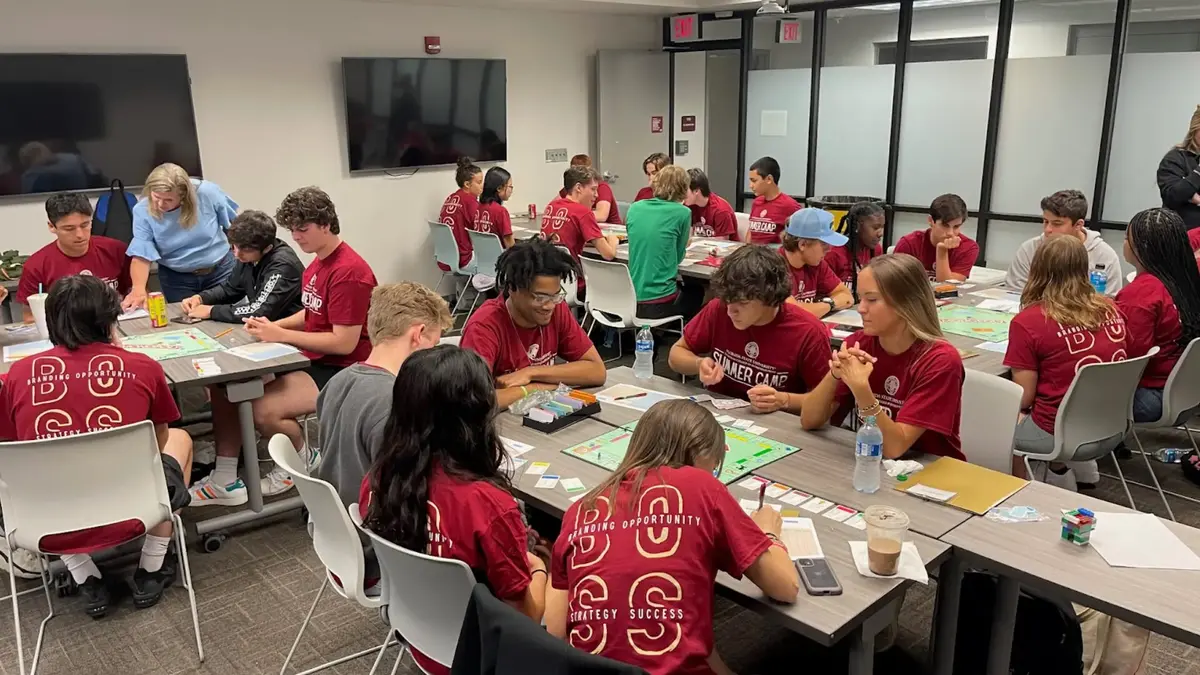
This is a weeklong entrepreneurship camp led by the Jim Moran College of Entrepreneurship, where you work in teams to build a business model and pitch it at the end of the program. The program frames the experience as a “small group” camp, which typically means more guided work time and tighter team collaboration.
You practice assembling and working in a balanced startup-style team while developing an idea into a viable model. The week culminates in teams pitching their businesses to family and friends, creating an audience-facing milestone akin to a demo day.
Why it stands out: It emphasizes small-group collaboration to develop and pitch a business model, allowing you to experience startup-style teamwork and guided mentorship, culminating in a demo-day-style presentation to family and friends.
14. Entrepreneurship Summer Camp – North Carolina Central University (NC)
Cost: $100; meals are included.
Dates: July 7-18 (Monday – Friday), 9 a.m. – 3 p.m.
Application Deadline: Registration is open.
Location: North Carolina Central University, Durham, NC.
Eligibility: Rising 10th-12th graders worldwide.
This is a two-week entrepreneurship camp where you learn the fundamentals of turning an idea into a presentable business concept through hands-on work. The curriculum explicitly includes developing a business idea, creating a brand, managing finances, and building presentation skills. The program also includes speaking with entrepreneurs who share their stories and offer advice.
This helps students connect what they learn in class to real-life paths to becoming a founder. It looks more like an intensive workshop than a residential experience as it runs on a weekday daytime schedule.
Why it stands out: It offers a hands-on workshop-style experience where you create and present a business idea, including branding and financial management, while learning from real entrepreneurs, making it a practical introduction to the fundamentals of entrepreneurship.
15. Young Leaders and Changemakers Summer Camp – Singapore
Cost: S$3,625 + GST (≈ $2,821 + tax) or S$2,900 + GST (≈ $2,257 + tax) with the early bird rate.
Dates: June 29th – July 3rd
Application Deadline: June 1st, with the early bird discount available until May 4th.
Location: Lee Kuan Yew School of Public Policy, National University of Singapore (Singapore).
Eligibility: High school students from around the world.
This is an on-campus leadership camp centered on public policy problem-solving, culminating in a capstone project that integrates themes of governance, leadership, and social impact.
The program structure emphasizes case studies and practical exercises, as well as engaging experts in the field to connect policy ideas to real life. It also offers “learning journeys,” immersive experiences that let you see applications beyond the classroom. It gives you a taste of what international programs can be like.
Why it stands out: It focuses on public policy problem-solving, where you engage in case studies and practical exercises, interact with field experts, and complete a capstone project that integrates governance, leadership, and social impact, offering a unique international learning experience.
Join the Immerse Education 2027 Essay Competition
Follow the instructions to write and submit your best essay for a chance to be awarded a 100% scholarship.
Turning Ideas into Business Decisions
Business decisions are built on evidence, judgement, and accountability, not just ideas, and early exposure helps students understand how strategy becomes action in real organisations.
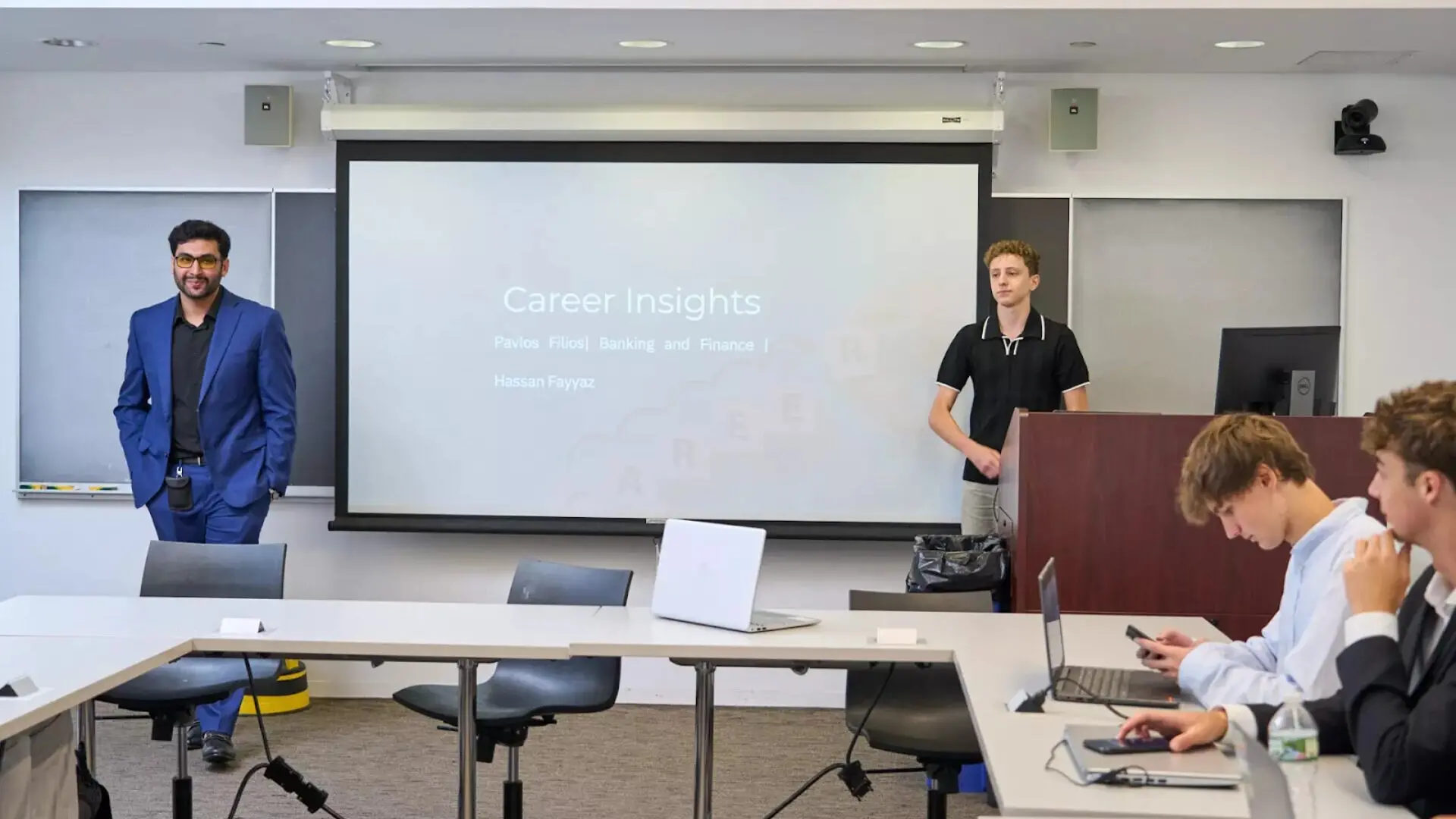
Hands-on programmes encourage analytical thinking, teamwork, and communication, showing how finance, marketing, and operations interact when solving complex, real-world business problems together in professional settings.
Through these business summer camps for high school students, you test assumptions, assess risk, and develop confidence in making structured decisions within competitive academic environments worldwide.
To keep exploring career pathways, skill requirements, and industry expectations, visit our Career Exploration blogs for guidance that supports informed choices and long-term professional growth.







Unlock Inspiring Opportunities with the Immerse Education Newsletter
Join our newsletter to stay ahead with exclusive updates, exciting programme highlights, and expert insights from the world of immersive education.
Learn how Immerse can transform your life
An in-depth overview of our university and career preparation programmes
Get a glimpse into the life of an Immerse participant
Find the right programme for you with sample timetables, location showcases, and more