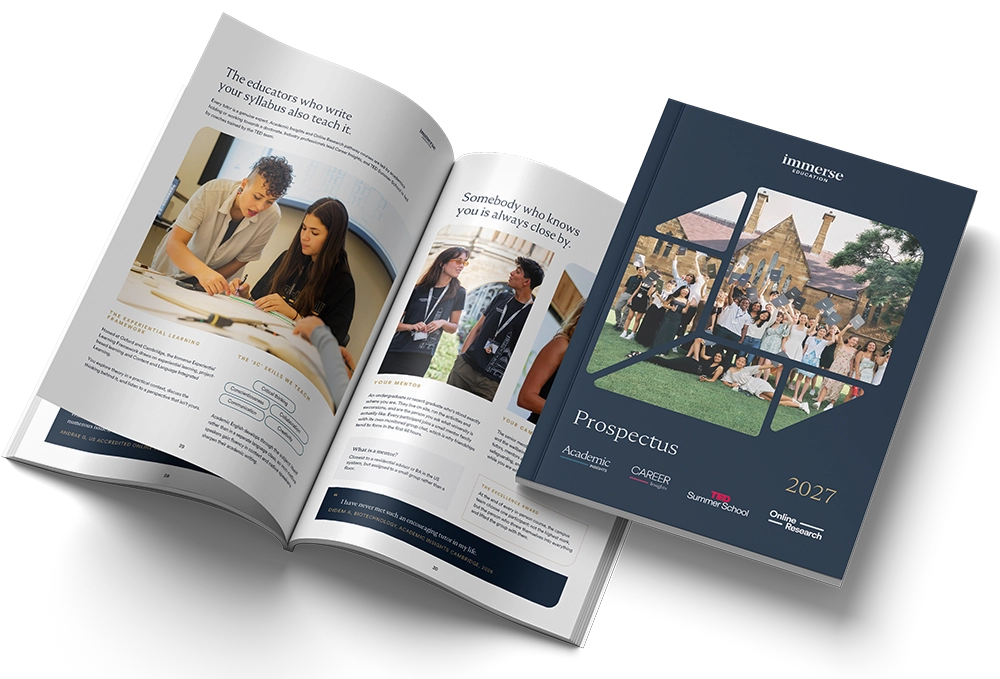
15 Competitive Summer Programs for High School Students

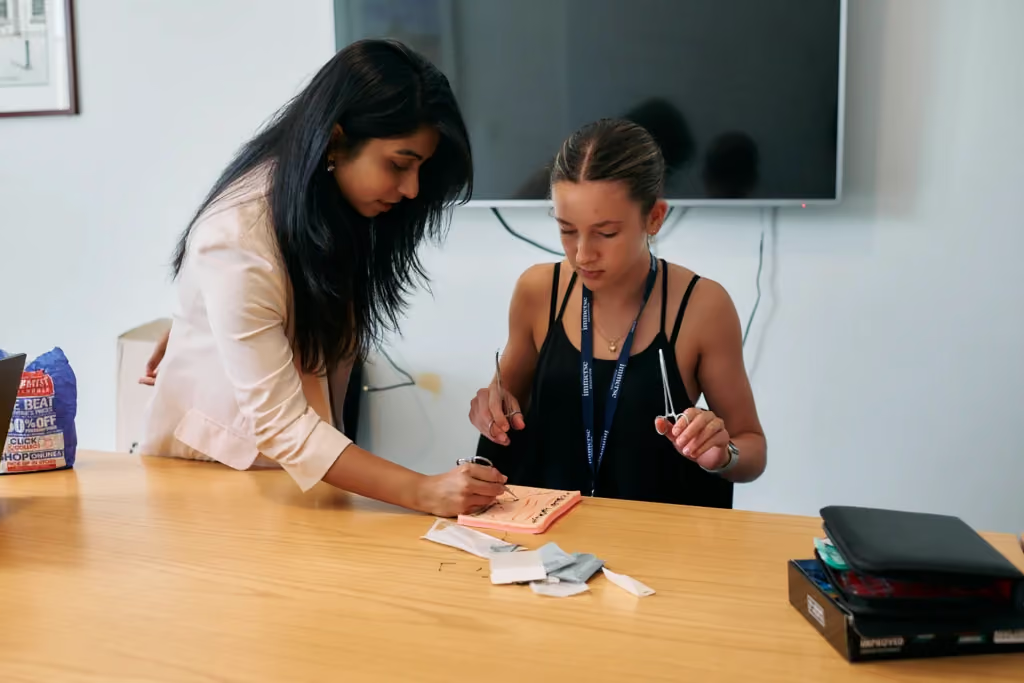
Summer often feels like a break from homework, exams, and the fast pace of schoolwork. But it can also be a chance to challenge yourself in ways your regular classes might not, or step into environments that push you to grow. Competitive summer programs for high school students offer a blend of academic rigor, hands-on experience, and mentorship opportunities.
Picture yourself learning advanced material in a university classroom, conducting research alongside esteemed professors, or collaborating with like-minded, motivated peers. Competitive summer programs are more than just classes: they provide a glimpse into the intensity, independence, and excitement of university academic life.
What are the kinds of competitive summer programs for high school students?
We know that it can be tough to identify useful summer programs. Some programs might not offer adequate academic depth or mentorship, or simply be disconnected from the field you are interested in. That’s where careful research becomes important, so you can determine what programs offer the things you’re looking for.
Across the country and beyond, universities and institutions offer programs in STEM, entrepreneurship, humanities, social sciences, leadership, and college-level coursework. You could participate in hands-on research, pitch a business idea, develop a competitive art portfolio, or strengthen academic writing skills.
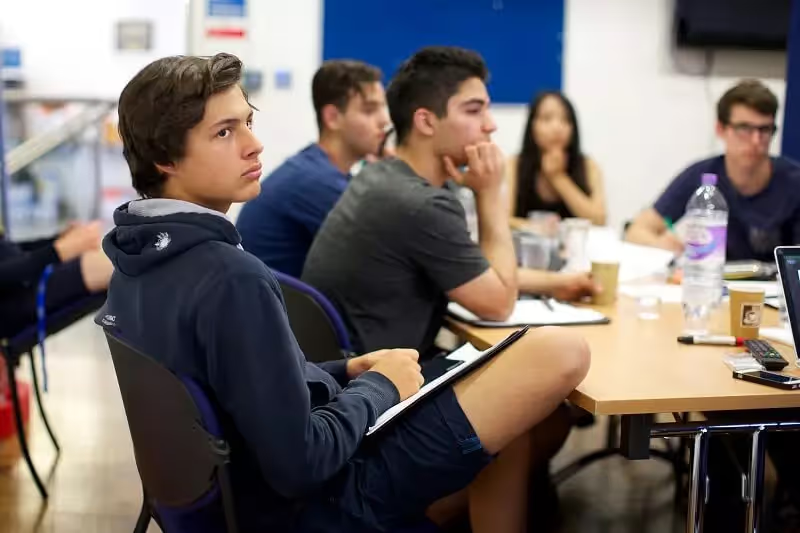
You will be taught by experienced instructors and industry professionals, and collaborate with peers from all over the world. Many of these programs take place at esteemed universities, giving you an idea of what future university life could look like. By the end, you will improve your confidence, independence, and teamwork skills.
Once the program starts, you will have to work hard. However, we’ve saved you some effort for now. To make your decision easier, we’ve created a list of 15 Competitive Summer Programs for High School Students. They’ve been picked for their academic rigor, selectivity, faculty mentorship, and global repute.


15 Competitive Summer Programs for High School Students
1. Research Science Institute (RSI)
Location: Massachusetts Institute of Technology, Cambridge, MA
Cost: Free; fully funded (tuition, housing, meals covered)
Program Dates: Late June – Early August
Application Deadline: December 10th
Eligibility: High school juniors; U.S. and international students
Acceptance rate/cohort size: 100 students; highly selective (2–3%)
The Research Science Institute (RSI) is one of the most competitive summer programs for high school students, offering an intensive blend of advanced coursework and real-world scientific research. Hosted at MIT, the program places you in a university-level environment where you’ll work closely with leading researchers and mentors on independent STEM projects.
You’ll attend lectures, engage in hands-on lab work, and collaborate with peers who share your academic drive. Beyond academics, RSI encourages curiosity, critical thinking, and personal growth through community-building activities and intellectual exploration. If you’re eager to challenge yourself and experience research at a professional level, RSI provides a truly transformative opportunity.
Why it stands out: You’ll work one-on-one with MIT academics to produce a detailed research paper, giving you an accurate picture of how undergraduate STEM research operates.
2. Immerse Education’s Career Insights Summer School
Location: Cambridge, London, New York, San Francisco, Singapore, Sydney, and Tokyo
Cost: Varies; summer school scholarship available through our bursary programme.
Application Deadline: Rolling admissions
Program Dates: 2 weeks during the summer
Eligibility: High school students around the world aged 15–18
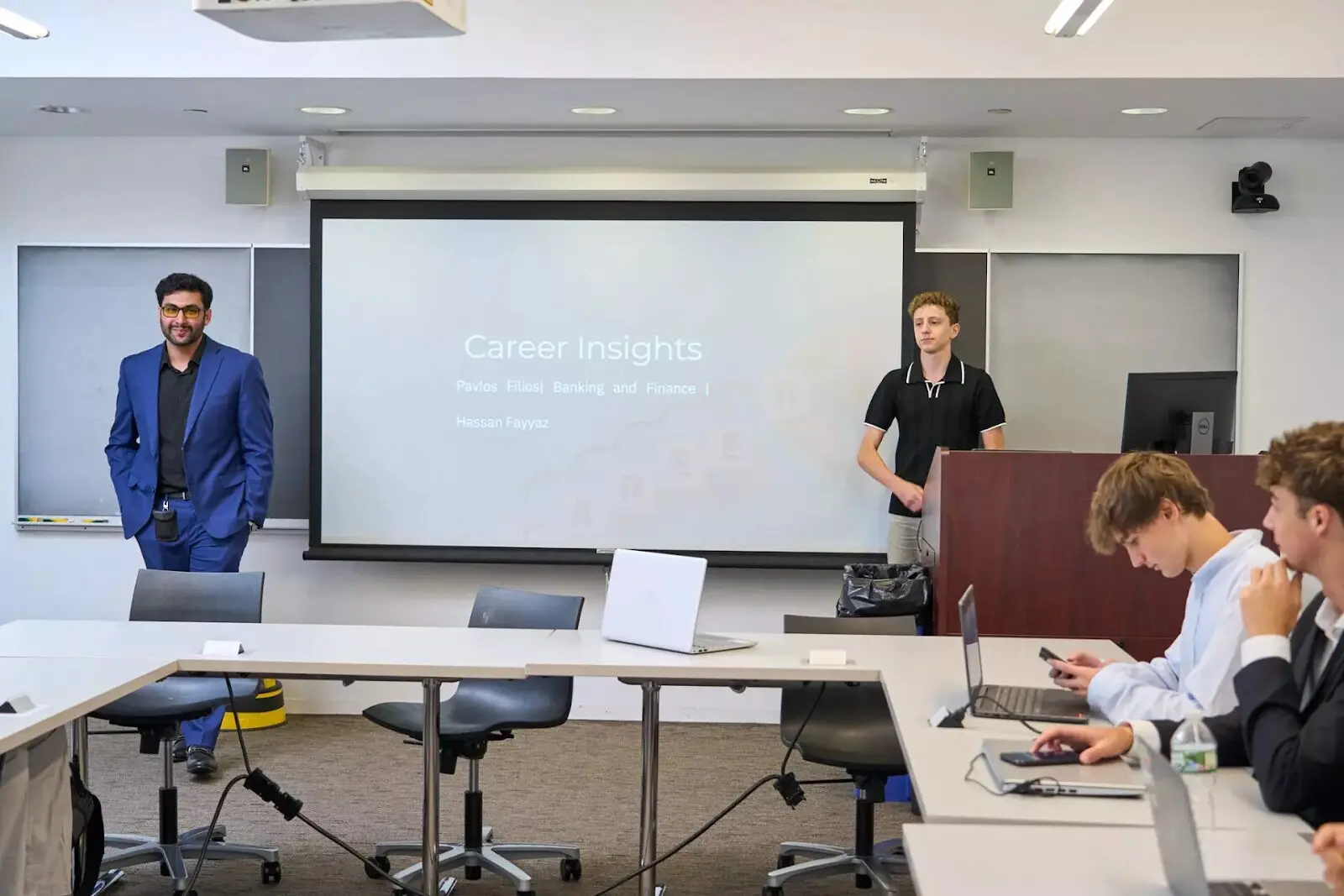
The Career Insights Program lets high school students explore careers in major global industry hubs. It’ll expose you to the region’s innovation ecosystem through site visits, workshops, and project-based learning. You’ll learn from academic instructors and industry professionals, developing practical skills and career awareness. You’ll also engage in interactive sessions focused on teamwork, communication, and problem-solving.
You’ll engage in project-based learning with established companies, attend interactive workshops, and visit offices, factories, and headquarters. The program also includes in-person weekly 1:1 career coaching sessions and sessions where you will receive personalized feedback on your resume and overall profile. You’ll also present your findings to industry experts at the end of the program. You can find more details about the application here!
Why it stands out: You’ll explore university-level concepts in fields ranging from business to psychology, giving you early exposure to the academic pathways behind real careers.
3. MITES Summer Program (MITES Summer)
Location: Massachusetts Institute of Technology, Cambridge, MA
Cost: Free; fully funded (room, board, tuition)
Acceptance rate/cohort size: Highly competitive
Program Dates: 6 weeks during the summer
Application Deadline: February 1st
Eligibility: U.S. citizens/permanent residents; high school juniors
Join MITES Summer for an unforgettable six-week experience that immerses high school juniors in life on the MIT campus and is recognised as one of the most competitive summer programs for high school students in the U.S. You’ll take five rigorous courses in math, science, and humanities, and a hands-on elective, giving you a taste of what college-level STEM learning feels like. On top of academics, you’ll enjoy lab tours, social events, and guidance with college and career planning.
All program costs are covered, so students only need to arrange their own travel to and from MIT. By the end, many scholars emerge not just smarter, but also more confident, inspired, and ready to tackle their future.
Why it stands out: You’ll be joining a strong alumni community (90% in selective universities), which can help you make more informed academic choices and shape your academic future.
4. Carnegie Mellon University – Summer Academy for Math and Science (SAMS)
Location: Carnegie Mellon University, Pittsburgh, PA
Cost: Free; fully funded (Travel is not funded)
Acceptance rate/cohort size: Not specified
Program Dates: June 20th to August 1st
Application Deadline: February 1st
Eligibility: U.S. citizens/permanent residents; high school juniors aged ≥16
For over twenty-five years, the Summer Academy for Math and Science (SAMS) has offered a rigorous, fully funded summer experience to students who are underrepresented in STEM fields. Through a combination of classroom instruction, hands-on projects, and mentoring by faculty and graduate students, SAMS helps you deepen your understanding of mathematics, science, and computational thinking.
You’ll also take a credit-bearing course called “From Student to Scholar,” and join weekly writing workshops aimed at preparing for college applications. At the end of the six-week residential program, you’ll present your research at a culminating symposium. Throughout this journey, participants build close relationships with peers from across the U.S., gaining confidence, inspiration, and a supportive STEM community.
Why it stands out: You’ll be provided long-term mentoring that can help you craft more competitive applications for STEM & math undergraduate programs.
5. Telluride Association Summer Seminar (TASS)
Location: Hosted at U.S. universities such as Cornell, the University of Michigan, and the University of Maryland
Cost: Free; fully funded
Program Dates: June 21st – July 25th
Acceptance Rate: Not specified
Application Deadline: December 3rd
Eligibility: Domestic and international high school sophomores and juniors
The Telluride Association Summer Seminar (TASS) offers a fully free summer learning experience for high-school sophomores and juniors. You’ll engage in college-level seminars on the humanities and social sciences, studying topics like history, literature, art, and social power structures. Alongside rigorous coursework, TASS fosters a democratic, community-living environment where you’ll collaboratively plan activities, manage budgets, and practice transformative justice in your daily lives.
Through writing workshops, public speaking sessions, and discussion-based classes, you’ll sharpen your reading, writing, speaking, and critical-thinking skills. TASS encourages intellectual curiosity, leadership, and a lifelong love of learning, regardless of a student’s financial or social background.
Why it stands out: It offers rigorous intellectual seminars and community living, helping you develop advanced critical thinking and collaborative discussion skills well before college.
6. Stanford Institutes of Medicine Summer Research Program (SIMR)
Location: Stanford University, Stanford, CA
Cost: Free; students receive a stipend of $500 (an application fee of 50$ is applicable)
Program Dates: June 8th to July 30th
Acceptance rate/cohort size: 3–5% acceptance rate
Application Deadline: February 21st
Eligibility: High school juniors and seniors; U.S. citizens/permanent residents
The Stanford Institutes of Medicine Summer Research Program (SIMR) offers high-school students the chance to spend eight weeks conducting hands-on biomedical research at the Stanford School of Medicine. You’ll work in a dedicated lab under the guidance of experienced mentors, exploring fields like cancer biology, bioengineering, neurobiology, and immunology.
Throughout the program, you’ll attend lectures and workshops that deepen your understanding of scientific inquiry and help you connect your research to real-world applications. You’ll also collaborate with peers who share your academic curiosity and passion for discovery. By the end, you’ll present your findings at a formal poster session, gaining confidence, insight, and meaningful research experience.
Why it stands out: Its deep connections to Silicon Valley make it easier to transition to interdisciplinary courses such as biomedical entrepreneurship or AI-driven health research.
7. Simons Summer Research Program
Location: Stony Brook University, Stony Brook, NY
Cost: Free
Program Dates: June 29th to August 7th
Acceptance rate/cohort size: 5% acceptance
Application Deadline: February 5th
Eligibility: U.S. high school juniors aged ≥16
The Simons Summer Research Program at Stony Brook University offers high-achieving high school students the chance to step into real research environments and work closely with faculty mentors. Over the summer, you’ll join an active lab, learn advanced techniques, and contribute to ongoing projects in fields like biology, chemistry, physics, engineering, or mathematics.
The program is designed to help you experience the pace and rigor of university-level research while developing problem-solving and analytical skills. Beyond lab work, you’ll engage with peers who share your curiosity and academic drive. If you’re seeking a challenging, meaningful summer experience, Simons can give you an early start in the world of scientific inquiry.
Why it stands out: Its labs are connected to national research centers, and you’ll contribute to cutting-edge computational and applied math projects.
8. NIH High School Summer Internship Program (HS-SIP)
Location: UC, Santa Cruise
Cost: $68 application fee. Need-based scholarship of 25-100% coverage is available after admission.
Program Dates: June 15th to August 8th
Acceptance rate/cohort size: Not specified
Application Deadline: February 28th
Eligibility: Eligible students are high schoolers from all around the globe, aged 14–17 (at least 16 for some projects) on June 15, 2026, including rising juniors and seniors
The Science Internship Program (SIP) at the University of California, Santa Cruz, gives high school students a chance to spend their summer doing research under UCSC faculty mentorship. You’ll collaborate with active research teams across science, engineering, social sciences, humanities, and the arts.
You’ll get experience in project design, data gathering, analysis, and presentation. SIP promotes access through its Creating Equity in STEAM (CrEST) initiative, providing need-based scholarships for tuition, housing, meals, and transport. This immersive summer experience lets you explore whether a future in scientific or academic research might suit you.
Why it stands out: It places you in real research teams where you contribute to ongoing scientific work, helping you build practical lab experience and professional confidence.
9. Hutton Junior Fisheries Program
Location: Various sites across the U.S., Canada, Mexico, Puerto Rico, and the Pacific Islands
Cost: Fully funded; includes stipend of $3000 and housing/field-station costs
Acceptance rate/cohort size: Not specified
Program Dates: Eight-week summer internship (typically mid-June to late July or early August)
Application Deadline: January 25th
Eligibility: Rising high-school juniors or seniors (age 16+), U.S. (or Canada/Mexico) residents.
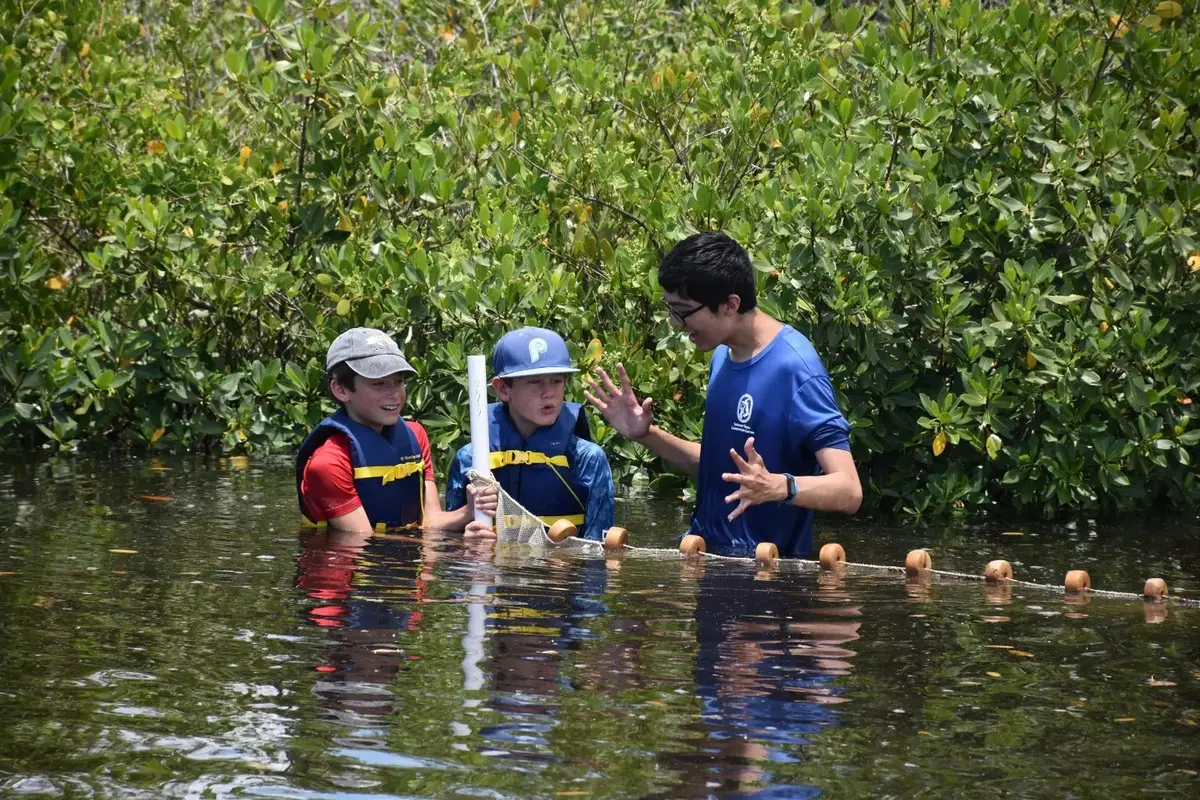
The Hutton Junior Fisheries Biology Program offers motivated high‑school students a unique eight‑week, paid summer internship paired with experienced aquatic‑science professionals. As a Hutton Scholar, you’ll gain hands‑on experience in fieldwork, water‑quality testing, habitat restoration, and species monitoring.
This program is designed to inspire a diverse new generation interested in fisheries, conservation, and environmental science. Alongside practical work, you’ll collaborate with your mentor, complete reporting tasks, and learn what a career in fisheries biology truly involves. With a stipend and mentorship, Hutton gives you more than just summer work: it offers a gateway into real science and conservation.
Why it stands out: It immerses you in fisheries biology and ecological fieldwork, giving real-world exposure to conservation, marine biology, and environmental research.
10. The Anson L. Clark Scholar Program
Location: Texas Tech University, Lubbock, TX
Cost: Free; fully funded with a stipend of $750
Program Dates: June 21st to August 6th
Acceptance Rate/Cohort Size: 12 students
Application Deadline: February 16th
Eligibility: High-achieving U.S. high school juniors and seniors (must be at least 17 by start date)
The Anson L. Clark Scholars Program at Texas Tech University offers a highly selective, immersive seven-week summer research experience. You’ll collaborate closely with experienced faculty across natural sciences and engineering, to humanities and social sciences. The program covers tuition, room, meals, and weekend activities, and even provides a stipend of US $750 upon successful completion.
Beyond research, weekly seminars, field trips, and peer interaction help nurture critical thinking, broaden horizons, and build lifelong networks. For motivated students seeking to deepen their academic engagement and explore future research pathways, the Clark Scholars Program represents a powerful and enriching opportunity.
Why it stands out: It offers one-on-one mentorship with Texas Tech faculty, so you’ll be able to deepen your subject understanding and craft a better research project report.
11. NASA SEES Internship (UT Austin)
Location: University of Texas at Austin + NASA collaboration
Cost: Free; fully funded
Program Dates: June – July
Acceptance Rate/Cohort Size: 10–11%
Application Deadline: February 22nd
Eligibility: Open to U.S. citizen high school sophomores or juniors (rising juniors/seniors) who are 16 by July 5, 2025, with strong STEM interest and ability to complete online requirements
Our Summer Intern Program at the Center for Space Research (CSR), part of NASA’s outreach, is a nationally competitive STEM opportunity for high school students. You’ll learn to interpret NASA satellite data and collaborate with scientists in areas like astronomy, remote sensing, and geodetic techniques to explore Earth systems, climate science, and natural hazards. You’ll complete distance-learning modules before engaging in remote research and an on-site session at The University of Texas at Austin.
Under mentor guidance, you’ll undertake authentic research spanning remote sensing, Earth observation, or mission-design projects and present their findings at a final science symposium. By the end of the program, you’ll walk away with hands-on research experience, stronger STEM skills, and a clearer sense of whether space and Earth science could be the path you want to pursue.
Why it stands out: It gives you hands-on research involvement under faculty guidance, helping you see how scientific inquiry and engineering projects work in professional settings.
12. Jackson Laboratory Summer Student Program
Location: JAX campuses in Bar Harbor, Maine, and Farmington, Connecticut
Cost: Free; housing + board + travel + stipend of $7000 included
Program Dates: May 30th – August 7th
Acceptance Rate/Cohort Size: Highly competitive
Application Deadline: January 26th
Eligibility: U.S. high school students aged ≥16
The Summer Student Program at The Jackson Laboratory offers an exciting opportunity for curious undergraduates and graduating high-school seniors to dive into real-world genetics and genomics research. You will join an active lab, guided by experienced scientific mentors, and contribute to meaningful projects while gaining growing independence over the summer.
You’ll also have a chance to explore diverse career paths through weekly journal clubs and conversations with scientists, attorneys, veterinarians, and science-service experts. By the end of the 10-week program, you’ll present your work to JAX researchers and fellow participants, reflecting on your growth and contributions.
Why it stands out: You’ll be working alongside scientists whose research shapes national standards and fuels international collaborations, and gain hands-on experience with techniques ordinarily reserved for undergraduates.
13. Aspiring Scientists Summer Internship Program (ASSIP)
Location: George Mason University’s College of Science
Cost: $25 nonrefundable application fee and $1299 tuition for accepted interns
Program Dates: June 18th to August 12th
Application Deadline: February 15th
Eligibility: Open to high school and undergraduate students worldwide aged 15+ for remote/computer internships or 16+
Acceptance Rate/Cohort Size: No clear information
The Aspiring Scientists Summer Internship Program (ASSIP) allows motivated high school students to step into real scientific research at George Mason University. Over eight weeks, you’ll work alongside faculty mentors on authentic, inquiry-driven projects in fields like molecular biology, environmental science, neuroscience, and computational modeling.
You’ll gain hands-on experience with advanced lab techniques, contribute to ongoing research, and learn how scientists design experiments and analyze data. Throughout the program, you’ll also attend workshops on research communication, ethics, and STEM careers to broaden your understanding of the field. By the end, you’ll develop stronger technical skills, newfound confidence, and a clearer sense of your future academic interests.
Why it stands out: You’ll contribute to posters, conference presentations, and co-authored publications, which is rare at the high-school level.
14. Princeton Summer Journalism Program (PSJP)
Location: Princeton University, Princeton, NJ
Cost: Free; fully funded
Program Dates: Early July workshops to a 10-day residential stay in late July to early August
Application Deadline: February
Eligibility: U.S. high school juniors from low-income backgrounds
Acceptance Rate/Cohort Size: 11%
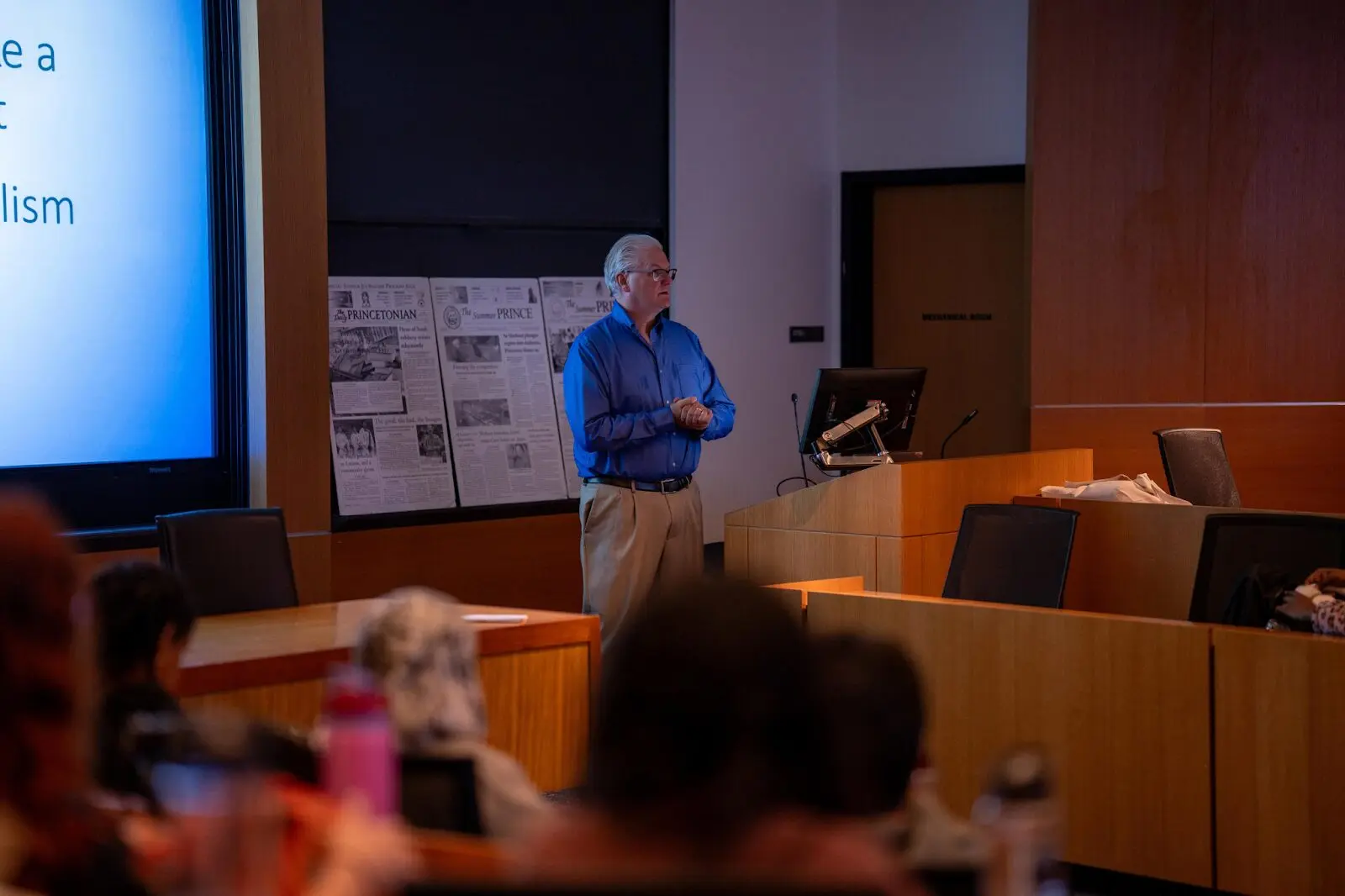
The Princeton Summer Journalism Program (PSJP) is a free, year-long journalism and college-preparation opportunity for high school juniors from limited-income backgrounds. You’ll begin with online workshops exploring current events and world affairs, followed by a 10-day residential intensive on the campus of Princeton University.
You will get to write and publish your own newspaper, receive one-on-one college advising, and build a strong foundation for applications to top universities. Since its founding in 2002, PSJP has helped hundreds of students gain admission to leading colleges and launch early journalism experiences. It’s a unique chance to grow academically, explore reporting, and prepare for college, all without cost to families.
Why it stands out: It gives you hands-on research involvement under faculty guidance, helping you see how scientific inquiry and engineering projects work in professional settings.
15. Yale Young Global Scholars
Location: Yale University, New Haven, CT
Cost: Tuition is $7,000; need-based financial aid is available
Program Dates: June and July
Application Deadline: March 15th
Eligibility: High-achieving students from around the world
Acceptance Rate/Cohort Size: 13.8% to 18%
Yale Global Scholars offers high school students a chance to explore university-level ideas while collaborating with motivated peers from around the world. Over the course of the program, you’ll engage in seminars, discussions, and group projects led by experienced instructors, encouraging you to think critically about global challenges. Beyond academics, you’ll take part in community-building activities that help you form meaningful connections and broaden your worldview.
The program is designed to challenge you, support your curiosity, and expose you to new perspectives. By the end, you’ll gain confidence, clarity about your interests, and a deeper understanding of what college-level learning feels like.
Why it stands out: You’ll interact with peers from 150+ countries and participate in seminar-style lectures mirroring Yale’s undergraduate teaching.
Join the Immerse Education 2027 Essay Competition
Follow the instructions to write and submit your best essay for a chance to be awarded a 100% scholarship.
Where Competitive Summers Can Take You Next
Choosing the right programme is about more than prestige. It’s about discovering how you respond to challenge, independence, and higher academic expectations.
Across universities and research settings, these experiences push you to think critically, collaborate deeply, and take ownership of your learning.
The competitive summer programs for high school students listed here offer a realistic preview of university pace and professional standards, helping you test interests before long-term commitments.
If you’re starting to think about how academic strengths connect to future careers, our Career Exploration blogs offer practical insights into pathways, industries, and next steps worth considering.






Unlock Inspiring Opportunities with the Immerse Education Newsletter
Join our newsletter to stay ahead with exclusive updates, exciting programme highlights, and expert insights from the world of immersive education.
Learn how Immerse can transform your life
An in-depth overview of our university and career preparation programmes
Get a glimpse into the life of an Immerse participant
Find the right programme for you with sample timetables, location showcases, and more