15 in Person Programs for High School Students
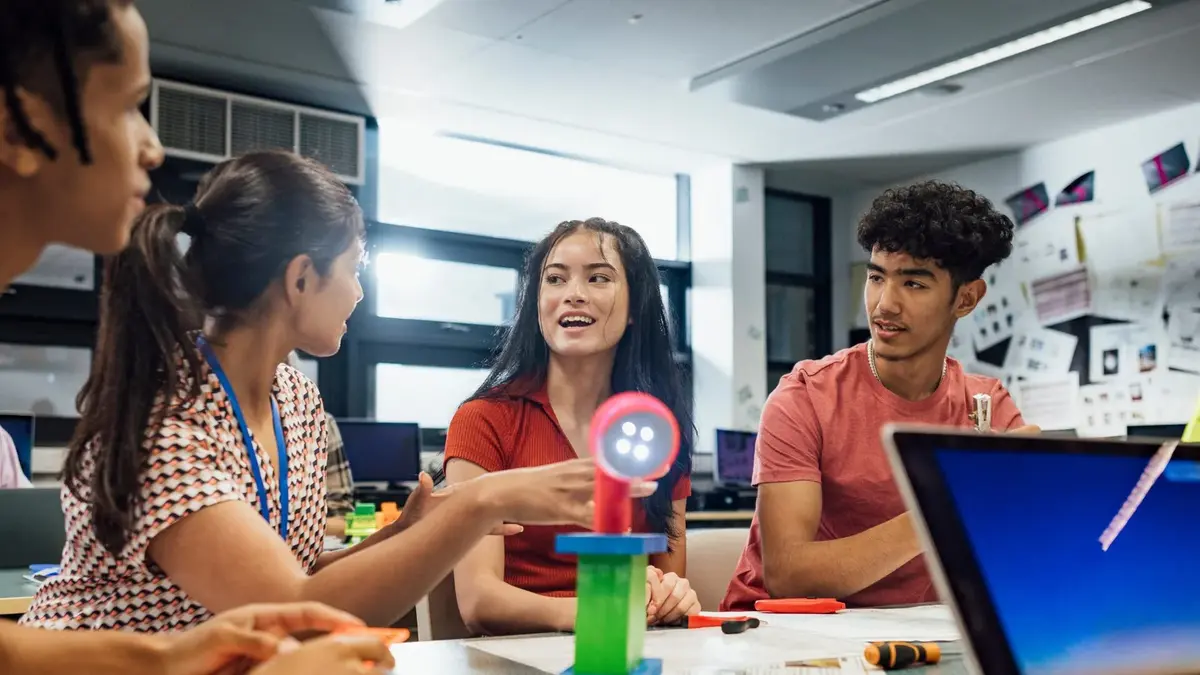
When you’re in high school, it’s easy to think of learning as something that only happens in classrooms. But some of the most meaningful growth can happen when you step outside the routine and engage with the world directly. In-person programs for high school students create those opportunities by offering experiences beyond textbooks and showing you what learning looks like outside of school.
Imagine spending your days on historic university campuses, working alongside experienced mentors. Picture yourself walking through new cities, exploring unfamiliar places with new friends. In-person programs are more than just academics; they’re about immersion.
You’ll learn to manage new environments, manage your time independently, and build confidence in unfamiliar settings. You’ll be challenged to engage more deeply, ask better questions, and take ownership of your learning in ways that regular school schedules don’t always allow.
How to find in-person programs for high school students?
It’s true, some programs can feel like expensive field trips instead of meaningful learning opportunities. You don’t want to end up with a program that’s too costly, too basic, or doesn’t offer enough exposure to what you’re interested in. That’s why careful selection is important, so you can identify the in-person programs best for you.
Across universities, research institutes, and nonprofits offer in-person programs in STEM, medicine, engineering, business, the arts, humanities, and leadership. Some focus on hands-on projects, others on research or discussion-based learning. Regardless, all offer opportunities for academic, professional, and interpersonal growth.
You’ll learn directly from instructors and professionals, work on tangible projects, and build relationships with peers who share your interests. Along the way, you’ll get an insight into what college life in the future would be like.
To help you navigate the options, we’ve curated a list of 15 In-Person Programs for High School Students. They’ve been selected for their structure, depth, and mentorship opportunities.
1. Hutton Junior Fisheries Biology Program
Location: Various locations throughout the U.S.
Cost/Stipend: Free; $3,000 stipend
Acceptance rate/cohort size: Competitive
Dates: Eight weeks during the summer
Application Deadline: January 25th
Eligibility: Rising high school juniors, seniors, and recent graduates, at least 16 years old, living in the U.S., Mexico, or Canada
The Hutton Junior Fisheries Program, sponsored by the American Fisheries Society, offers an eight-week paid summer experience. The program aims to spark an interest in fisheries and aquatic science among the underrepresented groups in this profession. You’ll participate in fish population surveys, water quality testing, examining specimens under a microscope, and more.
You’ll be working outside on boats, in a laboratory setting, and in an office. Some of the fieldwork might also include overnight shifts or week-long trips. You’ll be working 32 hours per week. There are no prerequisites for the program; participants in the past have found courses in ecology, biology, conservation, and geology to be helpful.
Why it stands out: It immerses you in fisheries biology and ecological fieldwork, giving real-world exposure to conservation, marine biology, and environmental research.
2. Immerse Education’s Pre-University Summer School

Location:
- Academic Insights: Boston
- Career Insights: New York
Cost/Stipend: Varies; summer school scholarships available through our bursary programme
Cohort size: Average of 7 participants per class
Dates: 2 weeks during the summer
Application deadline: Multiple summer cohorts with rolling admissions
Eligibility: Students worldwide aged 13–18, currently enrolled in middle or high school
Immerse Education’s US programmes offer two distinct ways to explore medicine, depending on whether you want an academic or career-focused experience.
If you want to experience medicine as a university subject, you can join our Boston Medicine summer school. This pathway mirrors undergraduate study, with discussion-based classes, small-group teaching, and a strong focus on medical science and academic thinking.
If you want to explore medicine as a future profession, choose our Career Insights New York Medicine summer school. This pathway connects medical knowledge to real-world practice, helping you understand healthcare environments, professional pathways, and how medicine operates beyond the lecture hall.
Across both pathways, students learn in small groups with expert tutors, complete an independent personal project, receive written feedback, and earn a certificate of completion.
Why it stands out: You can choose not just where you study medicine, but how – gaining either an academic introduction in Boston or career-focused exposure in New York.
3. MIT’s Research Science Institute (RSI)
Location: Massachusetts Institute of Technology (MIT) in Cambridge, MA
Cost/Stipend: Free
Acceptance rate/cohort size: Very competitive
Dates: June 28th – August 8th
Application Deadline: mid-December
Eligibility: Rising high school juniors; international students accepted for participating countries, more information here
The Research Science Institute (RSI) at the Massachusetts Institute of Technology offers a no-cost summer science and engineering experience to high school students. You’ll be experiencing the complete research cycle from the beginning to the end. You’ll read the most updated literature, work on a comprehensive research plan, and present oral and written reports based on the research findings. During the first week of the program, you’ll attend intensive STEM classes led by renowned professors.
For the next five weeks, you’ll work on research projects while receiving mentorship from experienced researchers and scientists. You’ll gain access to many MIT resources and tools to help you find the present publications, prepare a scientific paper, and model complex systems. Along with the prominent academic research, you’ll also be attending field trips to Boston Area technology facilities and cultural attractions.
Why it stands out: You’ll have the opportunity to complete actual research projects at RSI’s cutting-edge labs that are ordinarily inaccessible to high school students.
4. Carnegie Mellon’s Summer Academy for Math and Science (SAMS)
Location: Carnegie Mellon University, Pittsburgh, PA
Cost/Stipend: Free (financial documentation required)
Acceptance rate/cohort size: Approximately 10%
Dates: June 20th – August 1st
Application Deadline: February 1st
Eligibility: 11th-grade high school students must be U.S. citizens or permanent residents (minimum age- 16 years)
Carnegie Mellon’s Summer Academy for Math and Science offers you to develop an in-depth understanding of STEM. You’ll work on hands-on projects and participate in classroom sessions taught by renowned faculty and skilled staff. The program is led by the Center for Student Diversity and Inclusion and allows you to work with a supportive community of STEM scholars.
The SAMS curriculum is divided into three parts, focusing on academics, skill building, virtual enrichment sessions, and forming connections. The program will help you explore and develop a better understanding of opportunities in STEM. If you’re a high school student wanting to increase your knowledge and confidence to pursue a career in STEM, then this program can be a good option to consider.
Why it stands out: It offers long-term mentoring, helping you better craft competitive applications for selective STEM & math university programs.
5. Stanford Institutes of Medicine Summer Research (SIMR) Program
Location: Stanford University, Stanford, CA.
Cost/Stipend: Free program ($40 application fee); $500 stipend is paid
Acceptance rate/cohort size: 50 students
Dates: June 8th – July 30th
Application Deadline: February 21st
Eligibility: High school juniors or seniors, minimum age of 16 years, must be U.S. citizens or permanent residents attending a U.S. high school
The Stanford Institutes of Medicine Summer Research (SIMR) Program offers an eight-week hands-on research experience to high school students. You’ll receive 1:1 mentorship and also work at a world-class lab at the Stanford Institutes of Medicine and other departments. You’ll get the chance to choose from eight research areas and will be assigned a research institute based on that.
The research areas include immunology, cancer biology, bioengineering, and more. The program aims to increase your interest in medicine and biological sciences and help you develop an in-depth understanding of performing scientific research. You’ll get to perform basic research with Stanford faculty, postdoctoral fellows, students, and researchers.
Why it stands out: Its deep connections to Silicon Valley make it easier to transition to interdisciplinary courses such as biomedical entrepreneurship or AI-driven health research.
6. Young Ambassadors Program at the Smithsonian
Location: Smithsonian Institution, Washington, D.C., plus a four-week practicum at a partner museum
Cost: Free
Acceptance rate/cohort size: Highly competitive
Dates: July 7th – August 1st
Application Deadline: April 11th
Eligibility: High school students authorised to work in the United States
The Young Ambassadors Program (YAP) at the Smithsonian is a nationally recognized college-preparatory and leadership program. You’ll spend a week participating in workshops with scholars and community leaders at the Smithsonian Institution during the Washington Week seminar. You’ll participate in a four-week community practicum in museums and other cultural institutions that will help you gain real-world knowledge, understand the inner workings of museums, and build essential skills.
The program encourages the importance of community-conscious leaders in the arts, science, and humanities. The participants will be selected through a five-point scale focused on excellence in arts, science, and humanities, academic record, leadership experience, commitment to education, service learning, and engagement with the Latino community.
Why it stands out: It amplifies youth voices in cultural heritage and museum leadership, helping you build community engagement and advocacy skills in a prestigious national institution.
7. Texas Tech University’s Anson L. Clark Scholars Program
Location: Texas Tech University, Lubbock, TX
Cost/Stipend: Free program; $750 stipend is paid
Acceptance rate/cohort size: 12 students
Dates: June 21st – August 6th
Application Deadline: February 16th
Eligibility: High school juniors and seniors (minimum age- 17 years), must be U.S. citizens or permanent residents
Texas Tech University’s Anson L. Clark Scholars Program offers an intensive seven-week research experience to 12 talented high school students. You’ll gain hands-on research experience with renowned faculty, attend weekly seminars, and participate in social activities. You can choose from different research areas to work on, including biology, physics, cellular and microbiology, computer science, chemistry, history, mechanical engineering, cancer bioimaging, and cancer biology.
You’ll be offered an atmosphere that will help you develop critical thinking skills. The research experience gained at the Anson L.Clark Scholars Program can be helpful in finding and pursuing a good career path for you.
Why it stands out: It offers one-on-one mentorship with Texas Tech faculty, so you’ll be able to deepen your subject understanding and craft a better research project report.
8. Stanford Medical Youth Science Program
Location: Stanford University, Stanford, CA
Cost: Free
Acceptance rate/cohort size: 24 students
Dates: June 22nd – July 26th
Application Deadline: To Be Announced
Eligibility: High school juniors in Northern California
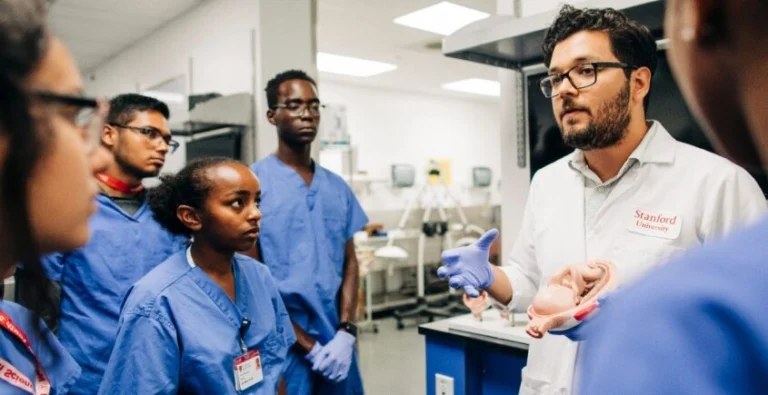
The Stanford Medical Youth Science Program offers an academically immersive experience to high school students from first-generation and low-income households. You’ll attend faculty lectures, participate in professional development workshops, networking events, and work on a public health disparities research project.
You’ll gain exposure to different medical and health professions through hands-on activities, shadowing, and discussion (both formal and informal). You’ll work with other participants in small groups and write a college-level research paper, academic poster, and presentation. You’ll get to form friendships, engage in community building, and attend academic seminars.
Why it stands out: It exposes you to both community health issues and medical research, providing a broader view of how medicine operates beyond the hospital.
9. Science and Engineering Apprenticeship Program (SEAP) by the Department of Navy
Location: Various Department of the Navy laboratories across the country
Stipend: $4,000 (new participants); $4,500 (returning participants)
Acceptance rate/cohort size: 300 students
Dates: 8 weeks during summer (schedule varies by labs)
Application Deadline: November 1st
Eligibility: Grade 10-12 high school students (minimum age- 16 years), U.S. citizens
The Science and Engineering Apprenticeship Program (SEAP) will allow you to participate in real Naval research for eight weeks. The program aims to encourage students to pursue Department of the Navy (DON) science and engineering careers.
You’ll participate in valuable STEM research, receive mentorship from laboratory scientists and engineers, and receive paid bi-weekly stipends. You’ll be exposed to opportunities in DON research, development, science, and technology. Though the program duration is eight weeks, there is a possibility of a two-week program extension.
Why it stands out: It offers hands-on experience in naval and marine engineering/science, helping you get a sense of defense-sector research and applied STEM work.
10. University of Washington Engineering Academy
Location: University of Washington, Seattle, WA
Cost: Free
Acceptance rate/cohort size: Selective
Dates: July 21-25
Application Deadline: Usually April
Eligibility: High school juniors and seniors in the Greater Seattle Area
The University of Washington Engineering Academy introduces Washington State high school students to engineering through a week-long summer camp. You’ll engage in hands-on design challenges, form networks with faculty and engineering students, and tour the University of Washington campus.
You’ll form small teams and work on different projects while applying the concepts of engineering. You’ll participate in lab visits, gain industry experience from UW engineering faculty and students, and understand the impact of different engineering disciplines on our community.
Why it stands out: You’ll take undergraduate-level courses and familiarize yourself with the academic rigor of university studies at a campus connected to industry and innovation.
11. MIT Introduction to Technology, Engineering, and Science (MITES) Summer
Location: Massachusetts Institute of Technology, Cambridge, MA
Cost: Free
Acceptance rate/cohort size:
Dates: Late June – Early August
Application Deadline: February 1st
Eligibility: High school juniors, U.S. citizens or permanent residents,
The MITES Summer offers an immersive, six-week on-campus experience to high school students. You’ll be taking five valuable math, science, and humanities courses, participating in lab tours, and attending social events. You’ll gain insights into the rewarding opportunities associated with careers in STEM. You’ll develop an understanding of the new facets of STEM, build academic, practical, and social life skills, and be a part of a supportive and successful community.
You’ll go on MIT lab tours, attend seminars with STEM professionals, and also form new friendships while exploring the Greater Boston Area. At the conclusion of the program, you’ll receive a written evaluation from your instructor that will highlight your strengths and areas of growth.
Why it stands out: You’ll get to join a robust alumni community (90% in selective universities) and potentially obtain career and academic support.
12. Air Force Research Laboratory (AFRL) Scholars Program
Location: Various locations across the U.S.
Stipend: $501.60/week
Acceptance rate/cohort size: Not available
Dates: Vary by cohorts
Application Deadline: January 9th
Eligibility: High school students with a minimum 3.0 GPA, must be U.S. citizens, Age-16+
The Air Force Research Laboratory Program offers you hands-on experience while working full-time with AFRL scientists and engineers. You’ll experience a research environment that offers technical training, laboratory work, and guidance from experts in the industry.
You’ll explore national defence challenges, gain problem-solving skills, and learn the importance of engineering applications in aerospace innovation. Research topics span AI, atomic physics, molecular physics, data science, machine learning, and computational neuroscience.
Why it stands out: It places you in aerospace research alongside scientists and engineers, helping you engage with high-level STEM projects before college.
13. National Security Agency’s High School Work Study
Location: NSA-Fort Meade, Maryland
Cost/Stipend: Free; wage provided
Dates: Throughout the year
Application Deadline: Rolling admissions
Eligibility: High school juniors from the U.S.
The National Security Agency offers a part-time program to high school students. You’ll participate in a school-sponsored work experience in your senior year while living close to NSA headquarters.
You’ll be offered paid positions which might include jobs in office administration, printing/graphic arts and model shop, facilities/logistics, computer/engineering technology, Chinese language, and intelligence analysis. You’ll also receive several other benefits, including paid time off, holiday, and sick leave.
Why it stands out: It offers rare exposure to national security, cybersecurity, and analytical work, helping you explore cutting-edge technical and policy careers within a major federal agency.
14. Telluride Association Summer Seminar (TASS)
Location: Cornell University and the University of Maryland
Cost/Stipend: Free; Need-based stipends available
Dates: June 21st – July 25th
Application Deadline: December 3rd
Eligibility: High school juniors and sophomores from all around the world; Ages 15-18; More details here
The Telluride Association Summer Seminar (TASS) offers a free, summer educational experience to high school students. You’ll develop critical thinking and leadership skills through transformative educational experiences. You’ll study the importance of power and privilege in forming social structures.
You can choose to apply to either of the two areas, including TASS- CBS and TASS-AOS. TASS-CBS focuses on exploring topics in politics, literature, art, history, and other intellectual and cultural contributions from people of African descent. TASS-AOS focuses on exploring topics in history, art, literature, and other disciplines to investigate how various forms of power shape social structures. You’ll learn and experience community living, transformative justice, and democratic decision-making.
Why it stands out: It offers rigorous intellectual seminars and community living, helping you develop advanced critical thinking and collaborative discussion skills well before college.
15. Fred Hutch Summer High School Internship Program
Location: Fred Hutch campus, Seattle, WA
Stipend: Financial award paid on completion (amount not specified)
Acceptance rate/cohort size: Highly selective
Dates: June 22nd – August 14th
Application Deadline: March 13th
Eligibility: Rising high school seniors residing in Greater Seattle or the surrounding areas
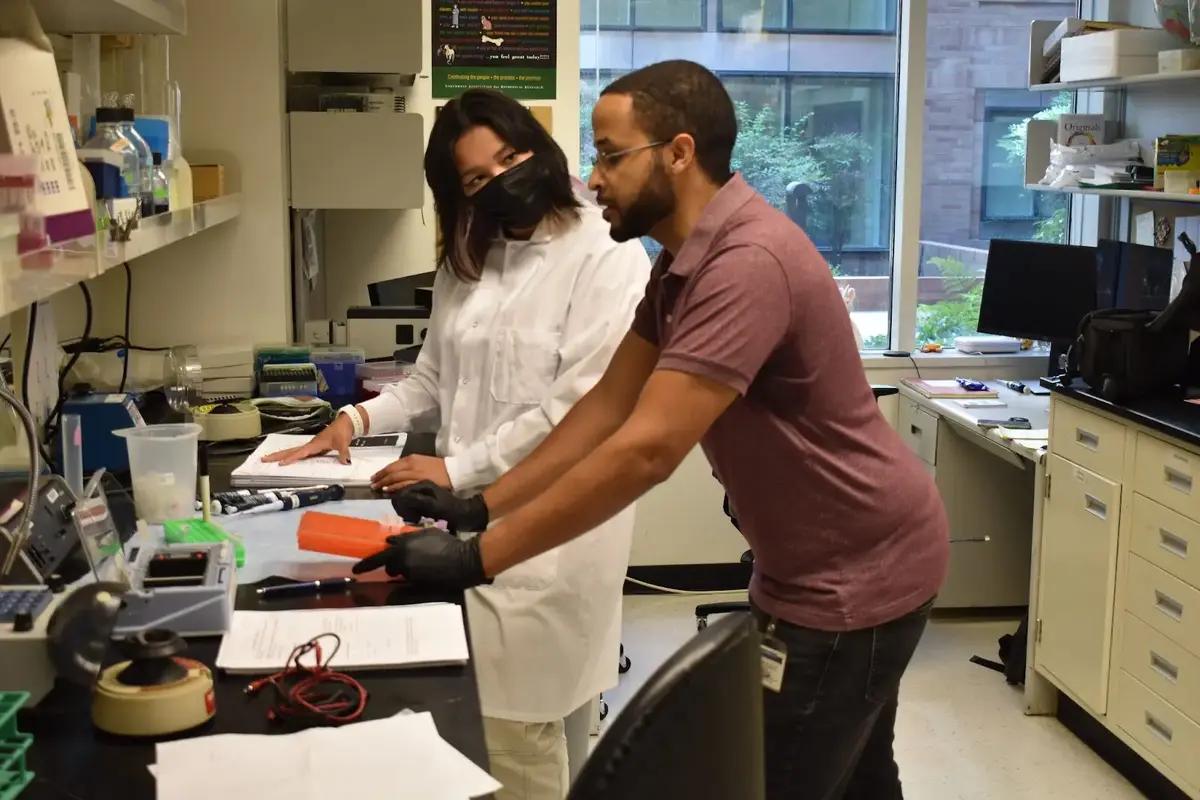
The Fred Hutch Summer High School Internship Program offers an eight-week full-time, paid internship opportunity to high school students. You’ll be introduced to Fred Hutch and spend two weeks engaging in hands-on training in laboratory safety and techniques.
For the next six weeks, you’ll be paired and engaged in mentored activities in a Fred Hutch Research group in Seattle. You’ll participate in research seminars, attend professional development workshops, and engage in social activities. At the conclusion of the program, there will be presentations to the Fred Hutch community, friends, and family.
Why it stands out: It immerses you in cancer and infectious disease research, helping you build technical skills while learning how large research centers operate.
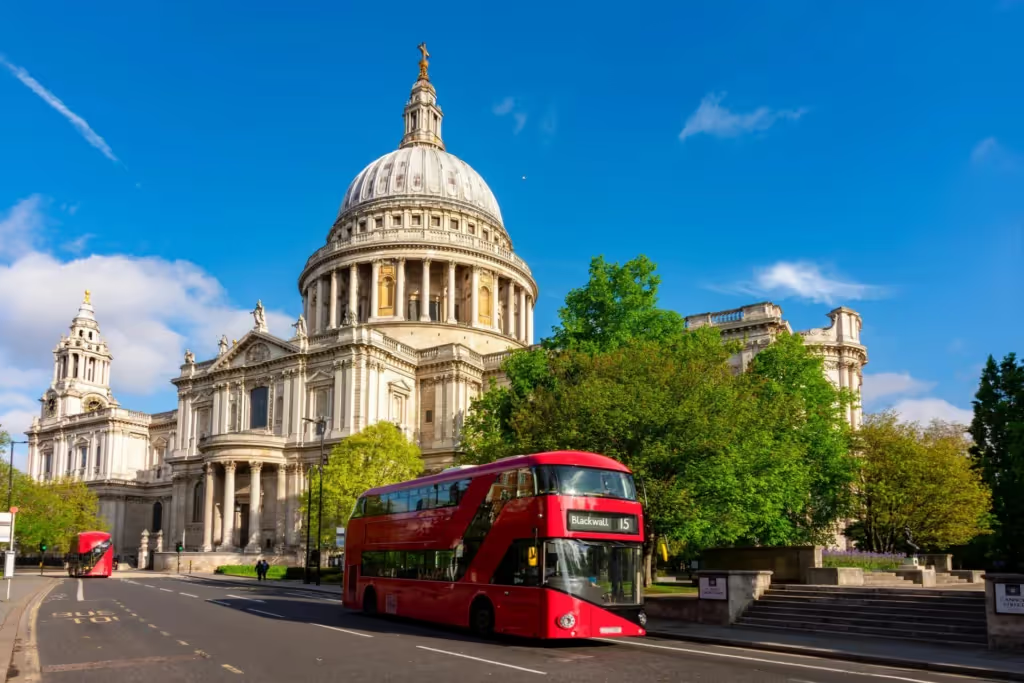



Growing Through Immersive Experiences
Learning feels different when it happens in real places, with real people. New cities, campuses, and routines invite you to step outside what’s familiar and see yourself in a new light.
Through in-person programs for high school students, curiosity turns into action. You learn by doing, adapting, and engaging with ideas beyond the structure of a typical school day.
Moments of challenge often become moments of growth. Navigating new environments builds resilience, independence, and a stronger sense of direction.
To explore how students experience life, culture, and learning beyond the classroom, our Student Life and Cultural Immersion blogs offer perspectives worth discovering.
Join the Immerse Education 2027 Essay Competition
Follow the instructions to write and submit your best essay for a chance to be awarded a 100% scholarship.






Unlock Inspiring Opportunities with the Immerse Education Newsletter
Join our newsletter to stay ahead with exclusive updates, exciting programme highlights, and expert insights from the world of immersive education.
Learn how Immerse can transform your life
An in-depth overview of our university and career preparation programmes
Get a glimpse into the life of an Immerse participant
Find the right programme for you with sample timetables, location showcases, and more