15 Software Development Gaming Summer Schools for High School Students
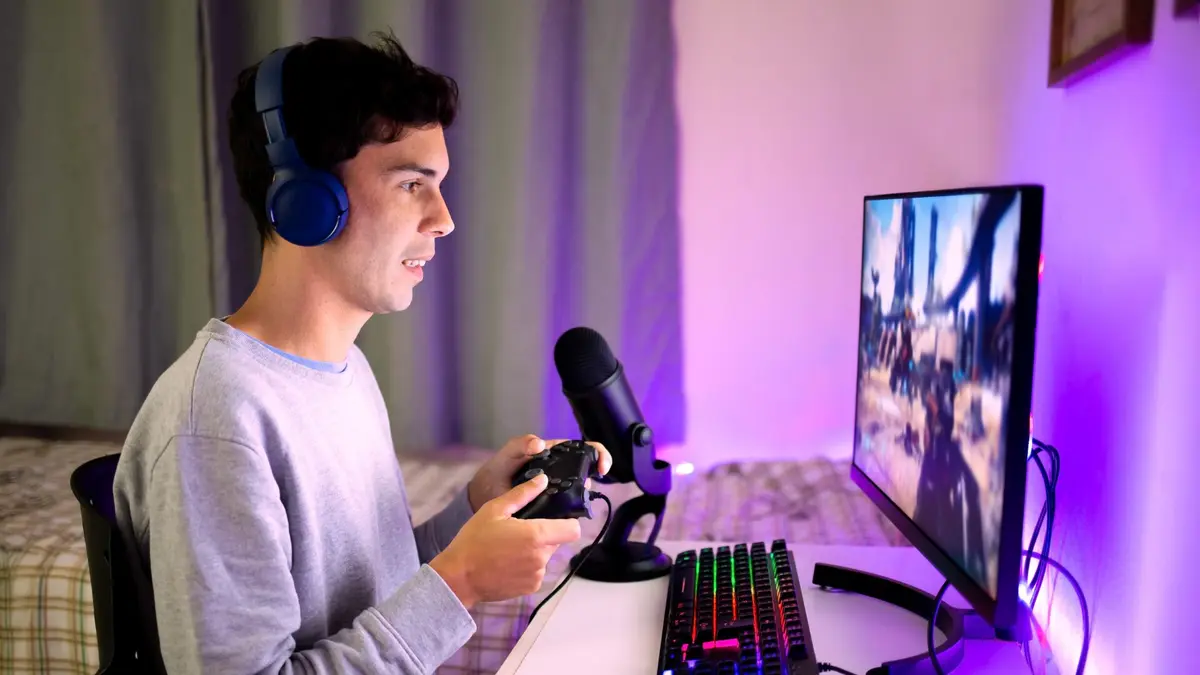
As a high school student, a structured summer school can help you explore academic interests in a focused, time-bound format outside the regular school year. Software development and gaming summer schools, in particular, introduce you to programming logic, computational thinking, and interactive design through guided, hands-on learning. Instead of studying concepts theoretically, you engage with them through practical application.
These programs are typically short but intensive, allowing you to work through coding exercises, design challenges, and collaborative development tasks. You learn how software systems are structured, how games are built from concept to execution, and how problem-solving works in technical environments. This structured exposure helps you understand both the technical and creative sides of computing.
For students considering computer science or game design in the future, summer schools offer an early look at how these subjects are studied at the university level. Programs hosted internationally can also expose you to different academic styles, helping you understand how global institutions approach technology education.
What makes software development and gaming summer schools uniquely valuable?
They offer concentrated exposure to technical skills in a short timeframe, allowing you to build foundational knowledge without a long-term academic commitment. The structured format also helps you experience university-style learning while working on practical, portfolio-oriented projects.
By combining guided instruction with hands-on development, these programs help you build technical confidence and understand how classroom knowledge translates into real-world applications.
To help you get started, we’ve curated a list of 15 Software Development & Gaming Summer Schools for High School Students. They’ve been selected for their academic rigor, structured learning format, and relevance to future study in technology.
If you’re looking for more options, you can also have a look at online coding summer programs for high school students. To test your skills in a professional environment, you can consider pursuing summer tech internships.


15 Software Development & Gaming Summer Schools for High School Students
1. Immerse’s Software Development & Gaming Summer School
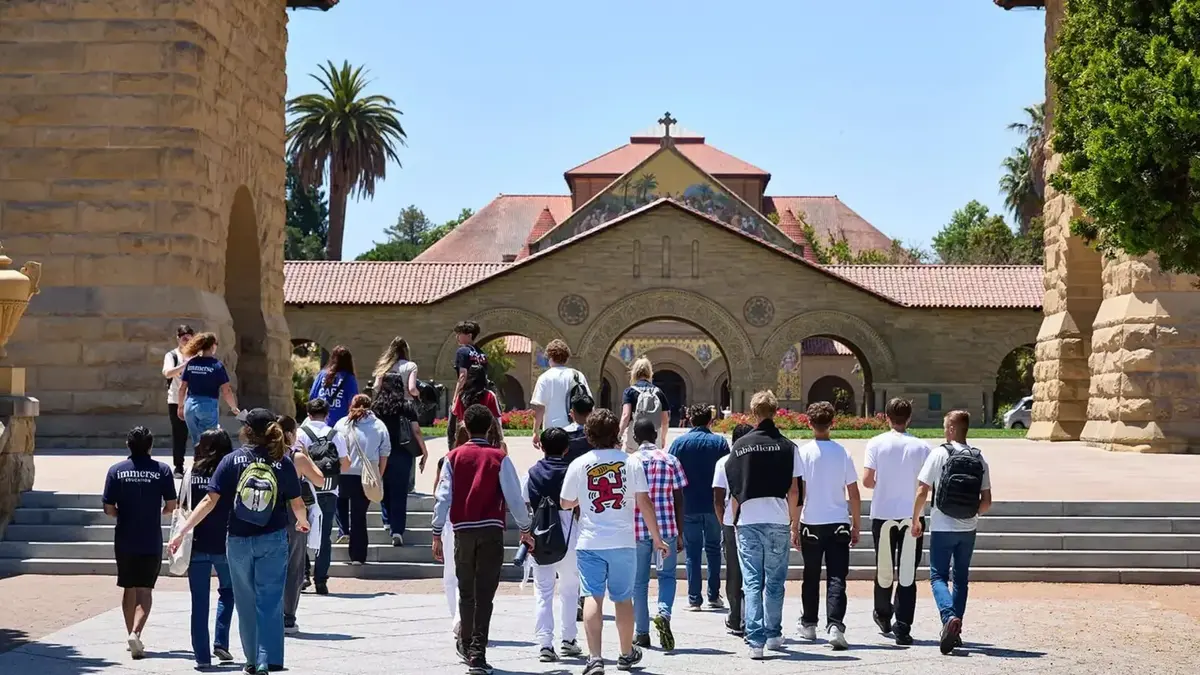
Location: University College London, London, UK
Cost/Stipend: Varies; summer school scholarship available through their bursary programme
Dates: 2 weeks during the summer
Application Deadline: Multiple summer cohorts; rolling admissions.
Eligibility: High school students worldwide aged 15-18
Immerse Education – Software Development & AI Summer School Track is a hands-on program for high school students aged 15–18 to explore software development and artificial intelligence. You will engage in coding exercises, AI projects, and collaborative challenges that strengthen problem-solving, analytical thinking, and creativity. You will learn core programming concepts, develop personal software projects, and gain experience designing, coding, and presenting functional prototypes.
Expert-led instruction and personalized mentorship provide insight into real-world applications of AI and software engineering, preparing students for future academic and career success. By the end of the program, participants earn a Certificate of Achievement that demonstrates their skills and growth in technology.
Why it stands out: Combines coding, AI, and real-world project development in an immersive pre-college program.
2. MIT Beaver Works Summer Institute (BWSI)
Location: Virtual or in-person at the Massachusetts Institute of Technology campus, Cambridge, MA
Cost/Stipend: Free for families earning under $2,00,000; $2,400 tuition for others
Acceptance rate/cohort size: Highly selective
Dates: July 6th – August 1st or 2nd
Application Deadline: March 30th
Eligibility: U.S.-based high school students in grade level no higher than a junior
MIT Beaver Works Summer Institute is a four-week, project-based STEM program for high school students hosted by MIT Lincoln Laboratory in collaboration with the Massachusetts Institute of Technology. You build skills in areas such as artificial intelligence, robotics, cybersecurity, and quantum software through structured coursework and team-based projects.
The curriculum combines technical instruction, coding challenges, and hands-on system design, guided by MIT faculty, engineers, and mentors. You collaborate with peers to develop and present a final project that applies advanced STEM concepts to real-world problems. The program emphasizes computational thinking, problem-solving, and engineering workflows similar to university research environments.
Why it stands out: Selective MIT-led training that immerses you in real engineering projects with direct mentorship from researchers and engineers.
3. NYU Tisch Summer High School Game Design Program
Location: New York University’s Brooklyn campus, NY
Cost/Stipend: Tuition: $12,012 + additional fee for housing, meals, and more. Check complete details here
Acceptance rate/cohort size: Highly selective
Dates: July 5th – August 1st
Application Deadline: To be announced
Eligibility: High school sophomores and juniors; international students are eligible
NYU Tisch School of the Arts Summer High School Game Design Program is a four-week residential intensive where you explore how modern games are created across design, programming, visual art, animation, sound, and narrative.You study core principles of game design, begin with non-digital game concepts, and then build a playable digital game from start to finish using industry tools and engines.
Through workshops, critiques, and collaborative studio work, you develop both creative and technical skills while strengthening game literacy. The program is hosted at New York University and connects you with faculty and practitioners from the NYU Game Center.
Why it stands out: Combines residential campus immersion with full-spectrum game creation, from concept to playable build, guided by a dedicated university game design center.
4. CMU National High School Game Academy
Location: Carnegie Mellon University, Pittsburgh, PA
Cost/Stipend: $13,281 + $50 application fee
Acceptance rate/cohort size: Competitive admissions
Dates: June 20th – August 1st
Application Deadline: March 1st, February 1st for international students
Eligibility: Current sophomore or junior; at least 16 years of age; academic average of B (3.0/4.0) or better
National High School Game Academy is a six-week program where you learn video game development through lectures, discussions, and hands-on team projects modeled on methods from Carnegie Mellon University’s Master of Entertainment Technology.
You begin with intensive coursework and evaluated assignments, then move into collaborative production to build an original game prototype from pitch to playable demo. The curriculum emphasizes multidisciplinary roles, professional workflows, and practical design methodologies. By the end, you contribute to all stages of development while producing a portfolio-ready project.
Why it stands out: Structured progression from assessed fundamentals to team-based production, using graduate-level design frameworks to guide a complete game prototype.
5. Harvard Summer School Computer Science and Engineering
Location: Harvard University campus, Cambridge, MA (residential/commuter) or fully online
Cost/Stipend: $4,180 – $15,735 (based on credit and type)
Acceptance rate/cohort size: Competitive admissions
Dates: June 20th – August 8th
Application Deadline: February 11th
Eligibility: Current high school sophomores, juniors, or seniors; age 16-19 years; international students are eligible
Harvard Summer School Computer Science and Engineering is a 7-week program where you take real college-level courses at Harvard University, focusing on areas such as CS50, Python/AI programming, data structures, and technology-driven applications like game development or robotics. You enroll in up to two courses for transferable credit, allowing you to combine software development with quantitative areas like probability, statistics, or data science.
The curriculum emphasizes algorithmic thinking, structured programming, and hands-on projects that mirror undergraduate coursework. The experience provides direct exposure to university expectations, pacing, and evaluation standards within a structured summer format.
Why it stands out: You complete two Harvard-level CS courses for transferable credit in one summer with a clear pathway into AI, software development, and applied computational mathematics.
6. Clark University Becker School Summer Game Studio
Location: Clark University campus, Worcester, MA
Cost/Stipend: $5,000; no stipend
Acceptance rate/cohort size: Competitive
Dates: July 5-18, July 19th – August 1st (Next level)
Application Deadline: Not mentioned
Eligibility: High school students and recent high school graduates
Clark University Becker School Summer Game Studio is a two-week residential pre-college program where you learn the full game development pipeline through hands-on, team-based production.You work in small development teams to design and build an original playable game while studying core areas such as programming, game design, animation, motion capture, sound, testing, and production workflows.
The curriculum is delivered in Clark’s Center for Media Arts, Computing, and Design, and mirrors college-level studio practice with guided project development. The experience concludes with presenting your finished game and discussing your design and technical decisions with developers and peers.
Why it stands out: You complete a fully playable original game in a residential studio environment with direct exposure to industry workflows and portfolio-ready output.
7. USC SCA Summer Program
Location: University of Southern California School of Cinematic Arts, Los Angeles, CA
Cost/Stipend: Varies based on the number of course units. Check the exact details here
Acceptance rate/cohort size: Competitive
Dates: June 25th – August 7th
Application Deadline: December 15th
Eligibility: Anyone who is at least 16 years old can apply. International students are also eligible. Check the exact details here
USC School of Cinematic Arts Summer Program at the University of Southern California is a rigorous pre-college experience where you study production, editing, animation, screenwriting, interactive media, and film/TV business through credit-bearing courses.
If you choose Foundations of Game Design, you learn core concepts such as design theory, ideation, prototyping, and playtesting through a studio-style workflow taught by industry-active faculty. The curriculum mirrors a college production course with structured classes, assignments, and collaborative project development. The program emphasizes hands-on creation, teamwork, and professional critique within a cinematic storytelling environment.
Why it stands out: You earn transferable credits while producing two portfolio-ready games under industry faculty in a studio-style pre-college setting.
8. Stanford Pre-Collegiate Summer Institutes: Game Design
Location: Online
Cost/Stipend: $3,200 tuition (financial aid available; no stipend)
Acceptance rate/cohort size: Selective
Dates: Session 1: June 15-26, Session 2: July 6-17
Application Deadline: March 13th
Eligibility: Students in grades 8-11 at the time of the application; international students are eligible
Stanford Pre-Collegiate Summer Institutes: Game Design is an online course where you study how computer science, design, and engineering combine to create interactive games. You learn core design philosophies, analyze player behavior, and understand how design choices shape user experience through daily live classes and guided assignments.
The curriculum introduces industry terminology, prototyping and playtesting methods, and the basics of how development teams function in a studio environment. You also explore the history of game development and practice communicating design ideas using professional documentation. The program is delivered by instructors affiliated with Stanford University and emphasizes structured, design-focused learning rather than coding alone.
Why it stands out: Focuses on the analytical side of game creation, player psychology, design logic, and prototyping, within a structured Stanford pre-college format.
9. Carnegie Mellon’s CS Scholar
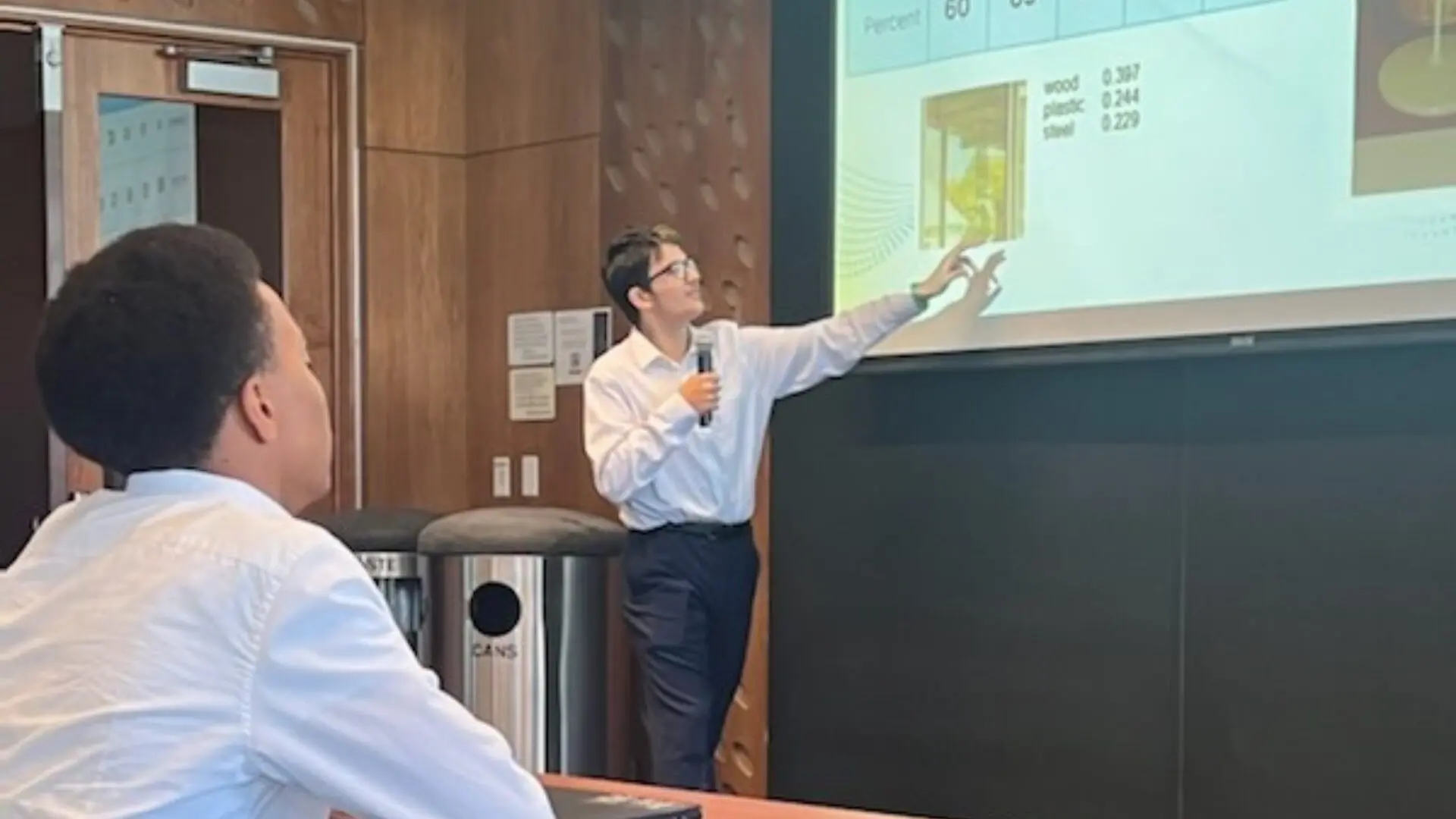
Location: Carnegie Mellon University in Pittsburgh, Pennsylvania
Cost/Stipend: None
Acceptance rate/cohort size: Selective
Dates: June 20th – July 18th
Application Deadline: February 1st
Eligibility: 10th-grade student at the time of application; U.S. citizen or permanent resident with a current U.S. green card; At least 16 years old by the program start date
The Carnegie Mellon CS Scholars Program is a fully funded, four-week summer program for rising high school sophomores that immerses students in college-level computer science. You will learn programming, algorithms, and computational problem-solving in Python while applying these skills to hands-on team projects, many of which involve coding, debugging, and designing software solutions.
The program includes faculty-led workshops, mentorship from CMU researchers, and exposure to real-world computing applications through industry engagement. Scholars who excel may be invited back for CMU’s AI Scholars Program, offering a continued opportunity to expand their computing and software development abilities.
Why it stands out: Offers hands-on coding projects and mentorship, giving students practical software development experience.
10. Champlain Game Academy
Location: Champlain College, Burlington, VT
Cost/Stipend: $4,600; no stipend
Acceptance rate/cohort size: Limited space
Dates: July 20-31
Application Deadline: TBA
Eligibility: Students entering grades 10-12 and recent high school graduates (ages 15-18); International students are eligible
Champlain Game Academy at Champlain College is one of the most immersive software development & gaming summer school experiences for high school students, built around a studio-style, team-based workflow that mirrors how real teams ship games. You rotate through the full pipeline, including game art and animation, design and narrative, programming, production management, business/testing, and sound design, before specialising in the areas that fit your interests.
The program emphasizes how professional development teams operate, from concept to prototype, with feedback built into the process. By the end, you produce a playable prototype suitable for a college application portfolio and gain on-campus experience in a game studio environment.
Why it stands out: Studio-model teamwork across the full dev pipeline with industry tools, culminating in a portfolio-ready playable prototype.
11. Discovery Partners Institute (DPI) Digital Scholars Program
Location: Discovery Partners Institute, Chicago, IL
Cost/Stipend: None
Acceptance rate/cohort size: Selective
Dates: June 23rd – August 1st (based on previous year)
Application Deadline: May 2nd (based on previous year)
Eligibility: Current 10th and 11th-grade students. Intentional about serving Black, Latine, women, gender expansive, and first-generation students throughout the Chicagoland area
The Discovery Partners Institute (DPI) Digital Scholars Program is a summer program for high school and first-year college students focused on college-level computing and professional skills. You can choose tracks in computer science, data science, electrical and computer engineering, or mobile app development, applying their learning to real-world projects under the guidance of university researchers and industry professionals.
Courses include hands-on experiences such as programming in Java, Kotlin, or Swift, data visualization projects, circuits and signal processing, and mobile app design using Xcode. In addition to technical skills, students develop teamwork, communication, and personal branding, preparing them for both college and industry challenges.
Why it stands out: Combines real-world projects with mentorship and exposure to Chicago’s tech industry.
12. Indie Game Studio at Champlain
Location: Champlain College, Burlington, VT
Cost/Stipend: $4,600; no stipend
Acceptance rate/cohort size: Limited space
Dates: July 20-31
Application Deadline: TBA
Eligibility: Students ages 16-19 with prior game development or 3-D modeling experience; International students are eligible
Indie Game Studio at Champlain College is an advanced summer program where you work inside a simulated indie game development studio alongside peers with prior experience in tools like Unity, Unreal, Maya, or Blender. You move through the full indie production cycle, including concept development, rapid prototyping, iterative critique, and collaborative design workflows.
The program emphasizes cross-role teamwork, structured feedback, and practical problem-solving that reflects real studio practices. You contribute to building a playable game prototype while developing skills in pitching, design communication, and production planning. The experience concludes with a professional-style presentation of your team’s game concept and prototype for portfolio use.
Why it stands out: It targets experienced students and replicates a real indie studio pipeline from production to pitch, resulting in a portfolio-ready game prototype.
13. NYU Computer Science for Cyber Security (CS4CS)
Location: NYU Tandon School of Engineering, Brooklyn, NY
Cost/Stipend: None
Acceptance rate/cohort size: Selective
Dates: July 13th – August 7th
Application Deadline: May 15th
Eligibility: 10-11 grade students who are NYC and specific New Jersey and Nassau County residents
NYU Computer Science for Cyber Security (CS4CS) is a four-week, university-hosted summer program for high school students that teaches coding and cybersecurity through hands-on projects and Capture The Flag competitions. You will learn coding fundamentals, scripting, cryptography, digital forensics, network security tools, and data protection, all while building practical software skills.
You will also engage in research projects, mentorship sessions, and portfolio-building opportunities, giving a clear view of cybersecurity and software development pathways. By the end of the program, participants gain both technical expertise and applied experience in coding for real-world security challenges.
Why it stands out: Combines coding fundamentals with real-world cybersecurity applications in a free, highly selective university program.
14. DEEP Summer Academy
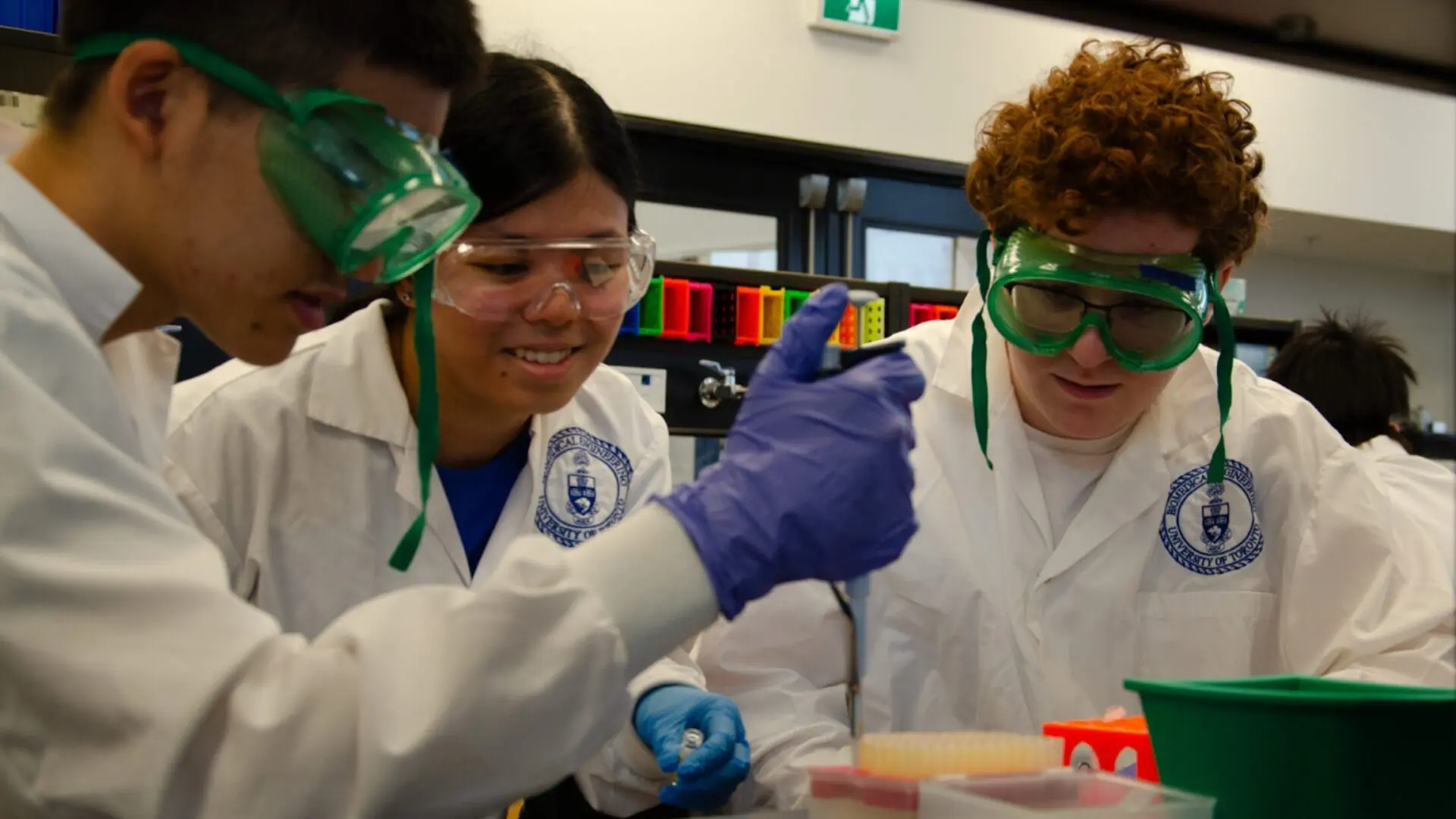
Location: University of Toronto, St. George Campus, Toronto, ON
Cost/Stipend: C$732 (~$525) /week for domestic students; C$1,111 (~797)/week for international students; Financial aid may be available
Acceptance rate/cohort size: Competitive admission
Dates: Multiple one-week sessions in July. Check details here
Application Deadline: Application opens March 3rd
Eligibility: High school students in grades 9-12; Must have strong performance in science and math; International students can apply
DEEP Summer Academy is a hands-on engineering program for high school students offered by the University of Toronto’s Faculty of Applied Science & Engineering. You will explore robotics, data science, biomedical engineering, cybersecurity, and software development through lectures, lab sessions, and group projects.
The program emphasizes real-world problem-solving, rapid prototyping, coding, algorithm design, and analytical reasoning. By the end of the program, students gain early exposure to research-based STEM education and hands-on experience in both engineering and software development.
Why it stands out: Combines engineering, coding, and software development in a real-world, research-focused summer program.
15. University of Rochester Pre-College Video Game Design Program
Location: Virtual
Cost/Stipend: $1,595; no stipend
Acceptance rate/cohort size: Unspecified
Dates: Multiple 2- and 4-week sessions
Application Deadline: Based on the session
Eligibility: Open to all high school students older than 13 by the time the program starts
The University of Rochester Pre-College Video Game Design Program offers a two-week intensive experience where high school students learn the technical and creative skills to design their own video games. You’ll explore the history of digital gaming, game design theory, and storytelling techniques while customizing a 2D platformer using GameMaker Studio 2.
The program emphasizes Meaningful Play, narrative integration, and practical game mechanics, allowing students to turn a pre-built template into an original project. By the end of the course, students will have built a playable game prototype and developed foundational skills in digital storytelling, game mechanics, and design thinking.
Why it stands out: Combines storytelling, practical game design, and hands-on programming in a short, intensive pre-college experience.
Join the Immerse Education 2027 Essay Competition
Follow the instructions to write and submit your best essay for a chance to be awarded a 100% scholarship.
AI, Play, And The Future Of Education
Games aren’t distractions when you build them. They’re systems: rules, feedback, and motivation, the same ingredients great teaching needs in the age of AI too.
A software development & gaming summer school lets you code mechanics, test ideas, and iterate fast, so you see how learners think, fail, and improve.
Those skills transfer straight to edtech: designing fair challenges, using data responsibly, and building tools that reward curiosity rather than shortcuts or hype ever.
Want sharper ideas for what comes next? Visit our Educational Innovation blogs for teaching trends, edtech insights, and career guidance you can act on today.







Unlock Inspiring Opportunities with the Immerse Education Newsletter
Join our newsletter to stay ahead with exclusive updates, exciting programme highlights, and expert insights from the world of immersive education.
Learn how Immerse can transform your life
An in-depth overview of our university and career preparation programmes
Get a glimpse into the life of an Immerse participant
Find the right programme for you with sample timetables, location showcases, and more