15 Summer Camps for High School Students
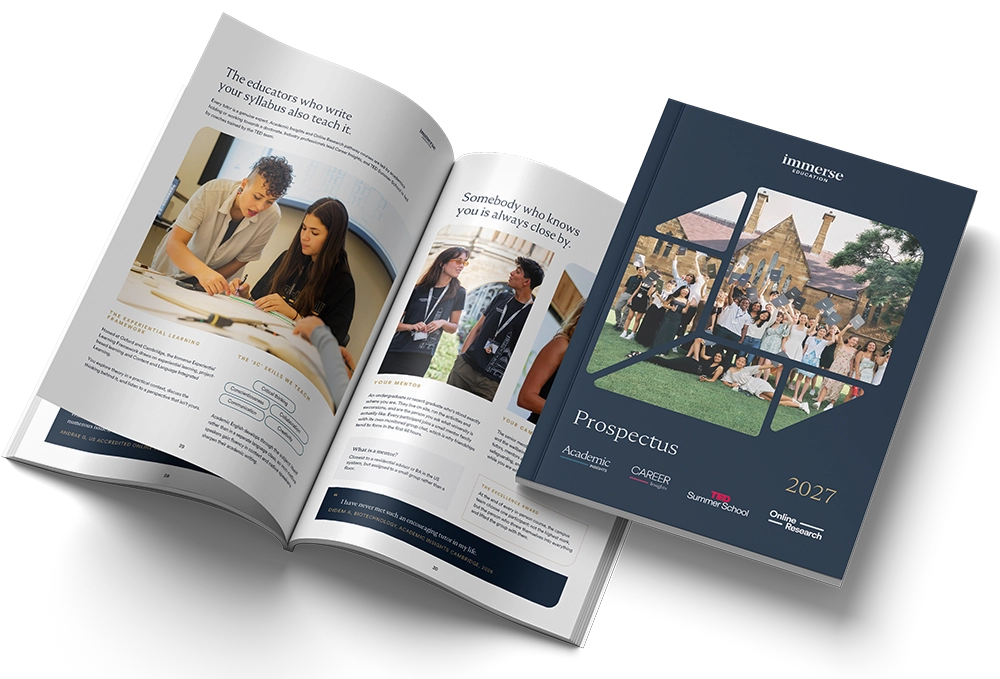
As a high school student, summer could be a time you eagerly look forward to. After all, it’s a welcome break from exams, assignments, and everyday routines. But it can be so much more. At summer camps for high school students, you can explore new interests, push yourself out of your comfort zone, and build confidence in a setting that’s challenging and fun.
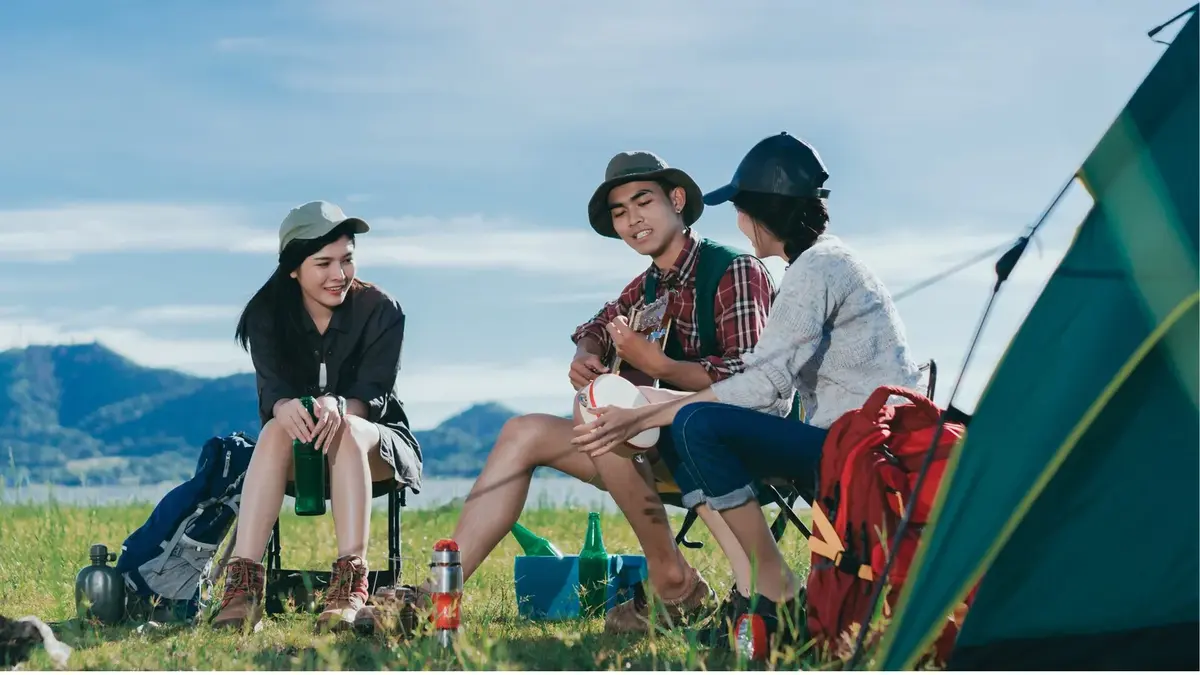
Imagine spending a week hiking with peers who share your love for the outdoors, learning new skills on a college campus, or collaborating on creative projects with aspiring artists. Summer camps are much more than just excursions. They’re about friendships, independence, and personal growth that come from immersing yourself in something you care about.
How to pick the best summer campus for high school students
But how should you decide? We can understand why you might have apprehensions. You don’t want a summer camp that is too basic, too costly, or not aligned with what you’re interested in. That’s why it’s important to get the right information, so you can identify the summer camps that are right for you.
Across the country, various institutions offer camps focused on STEM, leadership, the arts, sports, outdoor adventure, business, technology, and pre-college academic study opportunities. You could experiment in a lab, perform onstage, code your first app, or take a wilderness challenge. At summer programs, you can explore an existing passion or dabble in a newfound interest.
You’ll gain practical skills, expand your creativity, work with experienced instructors, and collaborate with peers who share your interests. When you return from the summer camp, you will have developed confidence, independence, and teamwork skills.
Once the camp starts, you will have to put in a lot of effort. But we’ve made things easier for now. To help you choose, we’ve crafted a list fo 15 Summer Camps for High School Students. They’ve been selected for their supportive environments, enrichment activities, and meaningful opportunities for growth.



15 Summer Camps for High School Students
1. National Youth Science Academy’s National Youth Science Camp (NYSCamp)
Location: Monongahela National Forest, Huttonsville, WV
Cost/Stipend: Free
Acceptance rate/cohort size: 2 delegates are selected from each U.S. state
Dates: July 10th – August 2nd
Application Deadline: February 28th
Eligibility: High-school juniors and seniors; international students also accepted from select nations
At NYSCamp, one of the most selective summer camps for high school students, you’ll spend three weeks in the forests of West Virginia, living alongside a small group of peers selected from across the U.S. and some other countries. Each day brings two lectures from leading STEM professionals, creating an intense but inspiring intellectual rhythm. On top of lectures, you’ll dive into small ‘directed studies’, mini-courses where you will engage deeply with a focused topic with a small group.
You’ll also engage in outdoor adventures (hiking, caving, kayaking, and overnight backpacking), creative and performing arts, and even excursions to Washington, D.C. The aim of this camp isn’t just to boost your resume; it’s to push you out of your comfort zone and make you question and explore ideas that matter to you.
Why it stands out: You’ll join a free-of-cost, residential STEAM camp combining advanced lectures, directed studies, and outdoor adventures, giving you a unique mix of rigorous science exposure and community living.
2. Immerse Education’s Pre-University Summer School
Location: Oxford, Cambridge, London, Singapore, Sydney, Toronto, Boston, and Tokyo
Cost/Stipend: Varies; financial aid available
Acceptance rate/cohort size: Average class size of 7 students
Dates: 2 weeks during the summer
Application Deadline: Multiple summer cohorts with rolling admissions
Eligibility: Students worldwide aged 13-18 currently enrolled in middle or high school
The Academic Insights Program gives school students the chance to experience undergraduate-level study at universities around the world. Participants work closely with academics from institutions such as Oxford, Cambridge, and Harvard in small classes of four to ten students, combining university-style lectures with weekly one-to-one tutor sessions. Alongside academic study, the programme includes hands-on experiences like medical dissections, robotic arm construction in engineering, or moot courts for law. Students choose from over 20 subjects, including architecture, artificial intelligence, business management, computer science, economics, medicine, and philosophy.
For students more interested in ideas, communication, and leadership, Immerse Education also offers the TED Summer School, delivered in partnership with TED. Designed for ages 15 to 18, this two-week programme in London, New York, Singapore, or online focuses on developing original ideas and transforming them into a TED-style talk. With guidance from TED-trained tutors, participants build confidence in storytelling, research, critical thinking, and public speaking, culminating in a professionally recorded final talk. Across both pathways, students complete a personal project, receive written feedback, and earn a formal certificate of completion.
Why it stands out: You’ll get an early start at university life through discussion-based classes and an independent project, with the option to explore ideas and communication further through the TED Summer School.
3. Camp Rising Sun (CRS)
Location: Upstate New York
Cost/Stipend: Free
Acceptance rate/cohort size: ~120 campers total each summer; 60 men and women each
Dates: Varies as per gender specific sessions
Application Deadline: Varies by region
Eligibility: You must be 15–16 years old during the summer of the camp; international students accepted
If you attend Camp Rising Sun, you’ll live on a rural campus in upstate New York for four weeks alongside a globally diverse group of teens, including people from different countries, cultures, and walks of life. Each day is built around community living, collaborative projects, and dialogues that encourage you to question assumptions and broaden your worldview. It’s less about just leadership training and more about cultivating empathy, global awareness, and a sense of social responsibility.
Over the month, you’ll engage in workshops, group activities, and shared living that challenge you to reflect on your values, your identity, and how you relate to others. By the end, you may find that your definition of leadership and perhaps even your view of what “community” means has expanded in unexpected ways.
Why it stands out: It brings together young global leaders to build community and practice compassionate leadership, offering a transformative summer focused on ethics, empathy, and cross-cultural exchange.
4. LYNX National Arts & Media Camps
Location: University of Colorado, Denver
Cost/Stipend: Fee varies by duration and course, and also by residential and commuter format
Acceptance rate/cohort size: ~304 students across all sessions and programs
Dates: Typically in June; varies by course and duration
Application Deadline: May 15th
Eligibility: High school students from around the world
At LYNX Camp, you’ll participate for one or two weeks in a college-arts environment. You’ll be working alongside peers who share your creative obsessions in areas such as animation, filmmaking, music, photography, or visual arts. Over weekdays, you’ll attend engaging workshops, studio sessions, or production labs instead of the traditional passive lectures ecosystem that you’re used to in schools.
The camp doesn’t just improve your technical skills; it gives you a glimpse of what arts-focused college courses actually feel like. You’ll get a chance to collaborate on projects and get feedback from instructors. Overall, this program could be a valuable micro-experience in art, media, and collaboration in your high school years. Here’s the application link.
Why it stands out: It gives you exposure to arts and media studies through summer courses at a university level, helping you explore creative paths with academic depth.
5. Drexel LeBow’s Camp Business
Location: LeBow College of Business, Drexel University, PA
Cost/Stipend: Commuter session is $950; residential session is $2,000
Acceptance rate/cohort size: Not specified
Dates: 1-week sessions in July and August
Application Deadline: Typically around early May
Eligibility: High school students from around the world entering their sophomore, junior, or senior year
When you join Camp Business, one of Drexel’s applied summer camps for high school students, you’ll spend a week on a business-school campus learning the fundamentals of accounting, marketing, finance, and management. You’ll be attending interactive lectures, workshops, and group work that mirror actual college-level business study. You’ll also dive into business essentials like leadership, team strategy, professional communication, and understanding how companies actually operate.
You’ll learn about stock-market basics, analyze financial documents, and work through case studies. The final days often involve working with peers to design a business pitch or project. For a summer camp, it is a compact but concentrated way to see whether the world of business suits you.
Why it stands out: You’ll dive into core business concepts and real-world economics early, helping you build a foundational understanding useful for future commerce or entrepreneurship studies.
6. Exploring Nuclear, Plasma, and Radiological Engineering Camp
Location: University of Illinois Urbana-Champaign, IL
Cost/Stipend:$1,000 (residential); $600 (commuter)
Acceptance rate/cohort size: Typically acceptance rate is 25%-40%
Dates: June 22nd – June 28th
Application Deadline: TBA
Eligibility: Students worldwide in 11-12 grades
At UIUC’s College of Engineering, you’ll spend an immersive week diving into the exciting world of Nuclear, Plasma, and Radiological Engineering (NPRE) through hands-on activities and real industry exposure. You’ll explore cutting-edge topics like nuclear fusion, energy generation, radiation detection and measurement, and how NPRE is applied in fields ranging from medical science to national security.
Guided by a UIUC professor, you’ll learn through interactive lectures, collaborative discussions, and coding-based simulations of nuclear systems. Your experience also includes exclusive tours of thermo-fluid dynamics labs and plasma manufacturing facilities, along with site visits to the Hybrid Illinois Device for Research and Applications and the Constellation Clinton Power Station.
Why it stands out: It introduces you to engineering principles and problem-solving workshops, giving you a taste of college-level STEM thinking and teamwork before university.
7. ASU Underwater Robotics Camp
Location: Arizona State University, Polytechnic Campus
Cost/Stipend: $600
Acceptance rate/cohort size: Not specified
Dates: June 3rd – June 8th
Application Deadline: Varies; usually around April
Eligibility: Rising high-school 11th and 12th-graders residing in Arizona
If you join ASU’s Underwater Robotics Camp, you’ll spend a week working on building and programming underwater-capable robots. Over several days, you’ll collaborate with peers, guided by engineering faculty, applying principles of buoyancy, wiring, autonomy, and design. The program includes lab tours and campus visits, so you get a feel for college-level engineering infrastructure while still in high school.
Even if you’re new to robotics, the camp gives you an engaging and challenging introduction to what robotics design and teamwork look like in practice. If you’re curious about engineering or robotics, it’s a compact, active way to test your interest and see whether this could be a path for you later.
Why it stands out: You’ll get a firsthand look at reactor- and energy-related engineering, helping you explore how advanced physical sciences are applied in real-world contexts.
8. Penn State Architecture and Landscape Architecture Summer Camp
Location: Pennsylvania State University, University Park, PA
Cost/Stipend: $1,100
Acceptance rate/cohort size: Not specified
Dates: July 19th – July 23rd
Application Deadline: June 16th
Eligibility: Students entering grade 9 through just-graduated seniors
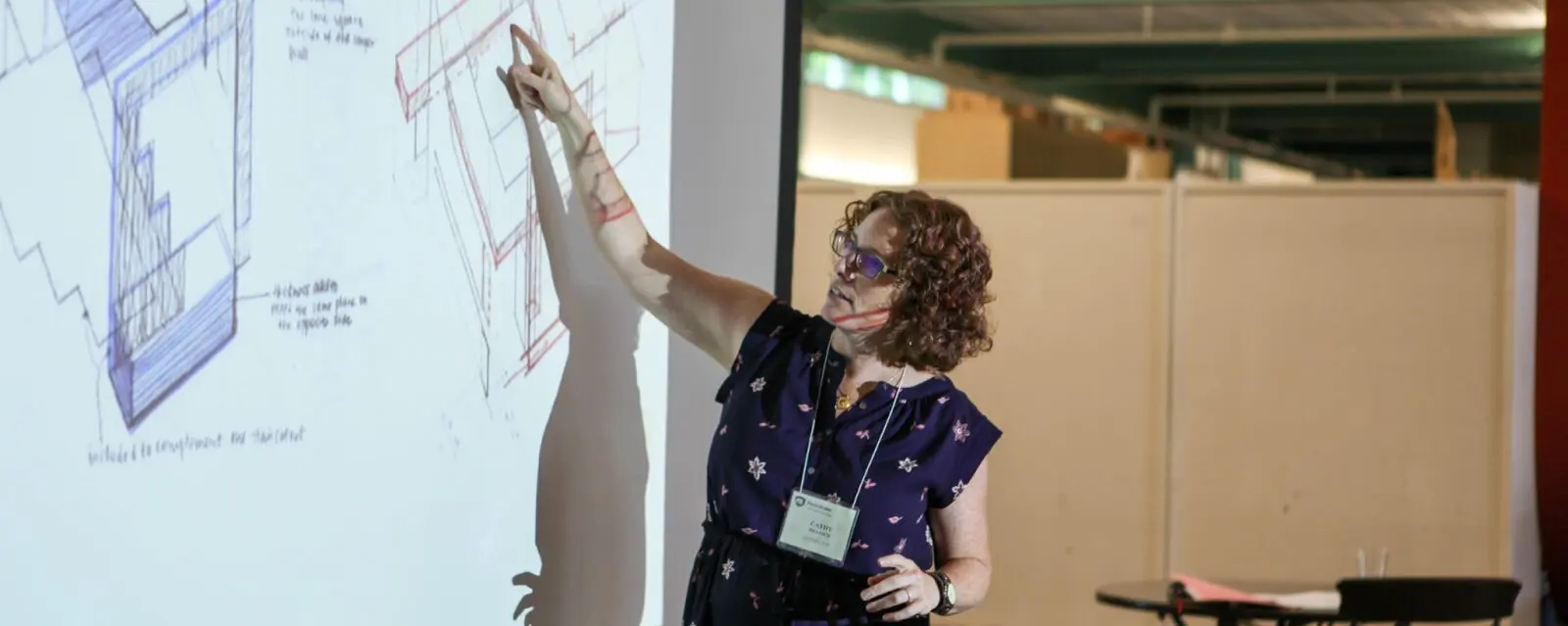
At Penn State’s camp, you’ll spend a week immersed in architecture and landscape-design studio life. You’ll be working in real design studios, producing physical drawings and models, and experiencing the daily rhythm of design school. You’ll gain experience with scale models, site-visit sketches, spatial exercises, and guided studio projects that challenge you to think like a designer.
Along with creative work, you’ll explore computer-aided drafting/modeling tools and visit construction sites or landscape sites. Living on campus gives you a taste of college life; you’ll stay in residence halls, share studio time and downtime with peers who care about space, design, and structure. Overall, this camp gives you a compact but thorough preview of what studying design at the collegiate level might really feel like.
Why it stands out: It offers hands-on design and architectural studio work, giving a preview of the creative and technical skills required for architecture or design education.
9. Concordia Language Villages Youth Overnight Camps
Location: Bemidji / Moorhead, MN
Cost/Stipend: Varies by program and duration
Acceptance rate/cohort size: Varies and depends on the course
Dates: Multiple sessions run each summer (1-week, 2-week, or 4-week tracks)
Application Deadline: Varies
Eligibility: Students aged 7-18
If you attend a Youth Overnight camp at Concordia Language Villages, you’ll be living on a forested lakeside campus where locals treat camp like a miniature version of immersion abroad. You’ll spend your days and evenings using your chosen language in classes, meals, campfires, music, arts, sports, and casual conversations.
It’s not just drills and grammar; you’ll experience the culture tied to the language, from traditions and songs to shared meals and outdoor fun. Over one to four weeks, you’ll mix structured language learning with spontaneous interactions and typical camp life. In this camp, you’ll have the opportunity to approach another language not as homework but as a living, breathing part of daily life.
Why it stands out: You’ll immerse yourself in language and cultural learning in a community setting, helping you build real communication skills and global awareness.
10. Summer Physics Camp (Los Alamos National Laboratory)
Location: New Mexico School for the Arts, Santa Fe, NM
Cost/Stipend: Free; stipend upon completion
Acceptance rate/cohort size: Selective; exact size not specified
Dates: June 2nd – June 13th
Application Deadline: April 1st
Eligibility: Students living in New Mexico (including tribal communities) or East Hawaii Island
If you join the Summer Physics Camp, you’ll spend two weeks learning from researchers and scientists affiliated with major labs like the Los Alamos National Laboratory and the Sandia National Laboratories. The program mixes lectures, participative activities, engineering projects, and real-world experiments. You can explore physics, chemistry, bioengineering, programming, cybersecurity, and energy science.
You’ll tackle topics such as renewable energy, geothermal, or nuclear power and build a deeper sense of how STEM can address real societal challenges. The camp is designed to welcome all kinds of curious students, even if you don’t already think of yourself as a science person. It’s a chance to see whether pursuing STEM feels like more than just schoolwork.
Why it stands out: It lets you engage with advanced physics topics and collaborative scientific thinking early on, helping you prepare for rigorous STEM education.
11. Cornell International Debate Camp
Location: Cornell University, Ithaca, NY
Cost/Stipend: $3,750 for residential option; commuter/day-camp rate $1,000
Acceptance rate/cohort size: Not specified
Dates: Residential: July 25th – August 3rd; Commuter: July 26th – August 2nd
Application Deadline: Rolling basis until camp is full
Eligibility: Middle and high school students aged 12+
At Cornell’s Summer Debate Camp, one of the most intellectually intensive summer camps for high school students, you’ll spend a full week immersed in rigorous debate training on a real Ivy-League campus. Your days will run from morning to evening, with instruction from Cornell faculty, experienced coaches, and top-level college debaters. You’ll be covering techniques, argumentation, and public speaking. You’ll debate contemporary political and social topics, attend lectures on major global issues, and test your skills in actual adjudicated debates.
Living on campus gives you a taste of college life, and you’ll be socially interacting with peers from different countries. Whether you’re a newcomer or you’ve debated before, the camp pushes you to refine your reasoning, expand your worldview, and build confidence in public discourse.
Why it stands out: You’ll strengthen critical thinking and public-speaking skills while engaging in global debate topics, serving as excellent preparation for humanities, law, or social science paths.
12. FSU Entrepreneurship Summer Camp
Location: Florida State University, Tallahassee, FL
Cost/Stipend: $100
Acceptance rate/cohort size: Not specified
Dates: June 8th – June 12th
Application Deadline: Applications open in mid-February
Eligibility: Grades 11-12
If you attend JMC’s Entrepreneurship Summer Camp, one of the most accessible summer camps for high school students interested in startups, you’ll spend a week working alongside peers under the guidance of college-level faculty and local entrepreneurs. Through collaborative group work, you’ll ideate and develop business models, form balanced teams, and ultimately pitch a startup concept at the end of the week.
The camp includes real-world exposure via guest entrepreneurs and field visits, giving you a taste of entrepreneurship beyond textbooks. Daily lunches and workshops, and some fun group activities, round out the experience. If you’re curious whether entrepreneurship could be your path, this camp offers a compact and practical introduction that blends creativity, teamwork, and practical business thinking.
Why it stands out: It offers a mix of academic and extracurricular engagement at the college level, providing flexibility and exploration across different fields before university.
13. Southern Illinois University STEM Research Academy Camp
Location: SIU Carbondale campus, Carbondale, IL
Cost/Stipend: ~$1200
Acceptance rate/cohort size: Not specific
Dates: June 8th – June 21st
Application Deadline: May 23rd
Eligibility: Illinois rising high school students in grades 9-12 grades
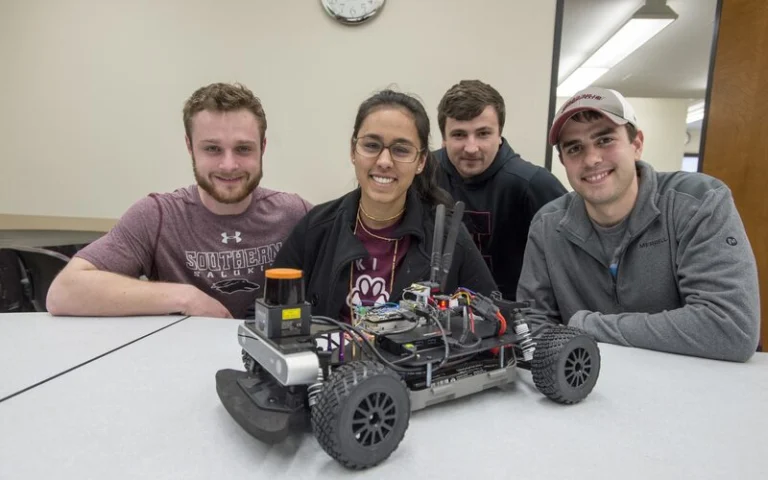
When you take part in the STEM Research Academy, one of the more research-intensive summer camps for high school students, you’ll choose your top research interests from the annual project list and be matched with a professor whose expertise aligns with your skills. The core value of the program is to empower you through participative, high-quality research and mentorship, with a commitment to inclusion, ethical inquiry, creativity, collaboration, and lifelong learning. The program begins with a week of remote work, where you’ll build a strong foundation by reviewing academic literature in your chosen field.
For the following two weeks, you’ll work alongside your faculty mentor on campus, diving into hands-on research through experiments, data gathering, and detailed analysis. In the final phase, you’ll complete your work remotely by creating a professional research poster and receiving mentorship to help you prepare your findings for publication.
Why it stands out: You’ll collaborate on real STEM projects and gain mentoring in scientific disciplines, helping you understand how academic research is structured and conducted.
14. University of Maryland Povich Sports Journalism Summer Camp
Location: University of Maryland, College Park, MD
Cost/Stipend: $125
Acceptance rate/cohort size: Not specified
Dates: July 7th – July 11th
Application Deadline: Registration opens in March
Eligibility: High-school students entering grades 9 through 12
You’ll take part in a one-of-a-kind Sports Journalism camp at the University of Maryland, where you’ll build academic skills, explore career paths, and learn directly from working professionals in the field. Through engaging lectures and workshops, you’ll develop abilities in sports reporting and writing, live game broadcasting, managing social media for athletic teams, and producing eSports content.
You’ll also get guidance on pursuing sports journalism in college by joining a campus tour and an application workshop led by UMD’s undergraduate recruitment coordinator. Throughout the program, you’ll meet industry experts daily, from NFL social media managers to journalists from major publications like The Washington Post and producers from ESPN.
Why it stands out: It combines sports knowledge with journalism training, giving you a unique angle to explore media careers in sports or communication fields.
15. TCNJ Engineering in Health and Medicine Camp
Location: Ewing, NJ
Cost/Stipend: $2,000
Acceptance rate/cohort size: Not specified
Dates: July 19th – July 24th
Application Deadline: Rolling admissions; applications open on February 9th
Eligibility: High school students (top ~30% of class)
You’ll spend a week on campus at TCNJ diving into biomedical engineering and exploring how engineering can solve problems in health and medicine. Through lab work and design projects, you’ll experiment with things like medical imaging, device design, drug delivery systems, and even neural engineering. Every day, you’ll participate in lab or design sessions, work on group projects, and present your findings, getting a real taste of what studying BME in college feels like.
Outside labs, you’ll also meet professionals from the medical-device industry, giving you insight into how engineering concepts apply in real-world healthcare and biotech settings. Living in dorms with fellow campers and current BME undergraduates, you’ll also get a preview of campus life and develop clarity about STEM, college, and career ambitions.
Why it stands out: You’ll get exposure to bioengineering and life-science labs, helping you evaluate if a STEM-oriented bachelor’s degree aligns with your aspirations.
Join the Immerse Education 2027 Essay Competition
Follow the instructions to write and submit your best essay for a chance to be awarded a 100% scholarship.
Building Skills, Perspective, and Purpose This Summer
Summer camps for high school students offer more than a change of scenery. They create space to grow skills, confidence, and independence beyond the school year.
Whether academic, creative, or experiential, these programmes help you test interests, meet like-minded peers, and gain a real-world perspective.
The most valuable camps challenge you to think differently, collaborate meaningfully, and reflect on what truly motivates you.
If you’re interested in developing confidence, self-awareness, and direction beyond summer, our Personal Development blogs explore these themes in more depth and practical ways.






Unlock Inspiring Opportunities with the Immerse Education Newsletter
Join our newsletter to stay ahead with exclusive updates, exciting programme highlights, and expert insights from the world of immersive education.
Learn how Immerse can transform your life
An in-depth overview of our university and career preparation programmes
Get a glimpse into the life of an Immerse participant
Find the right programme for you with sample timetables, location showcases, and more