
 Русский (RU)
 Українська (UK)
 Türkçe (TR)
 Italiano (IT)
 Français (FR)
 Português (PT)
 中文 (中国) (ZH)
 Español (ES)
 日本語 (JA)
 ไทย (TH)
 Deutsch (DE)
 Ελληνικά (EL)
 Polski (PL)
 Bahasa Indonesia (ID)
 Nederlands (NL)
 العربية (AR)
 한국어 (KO)
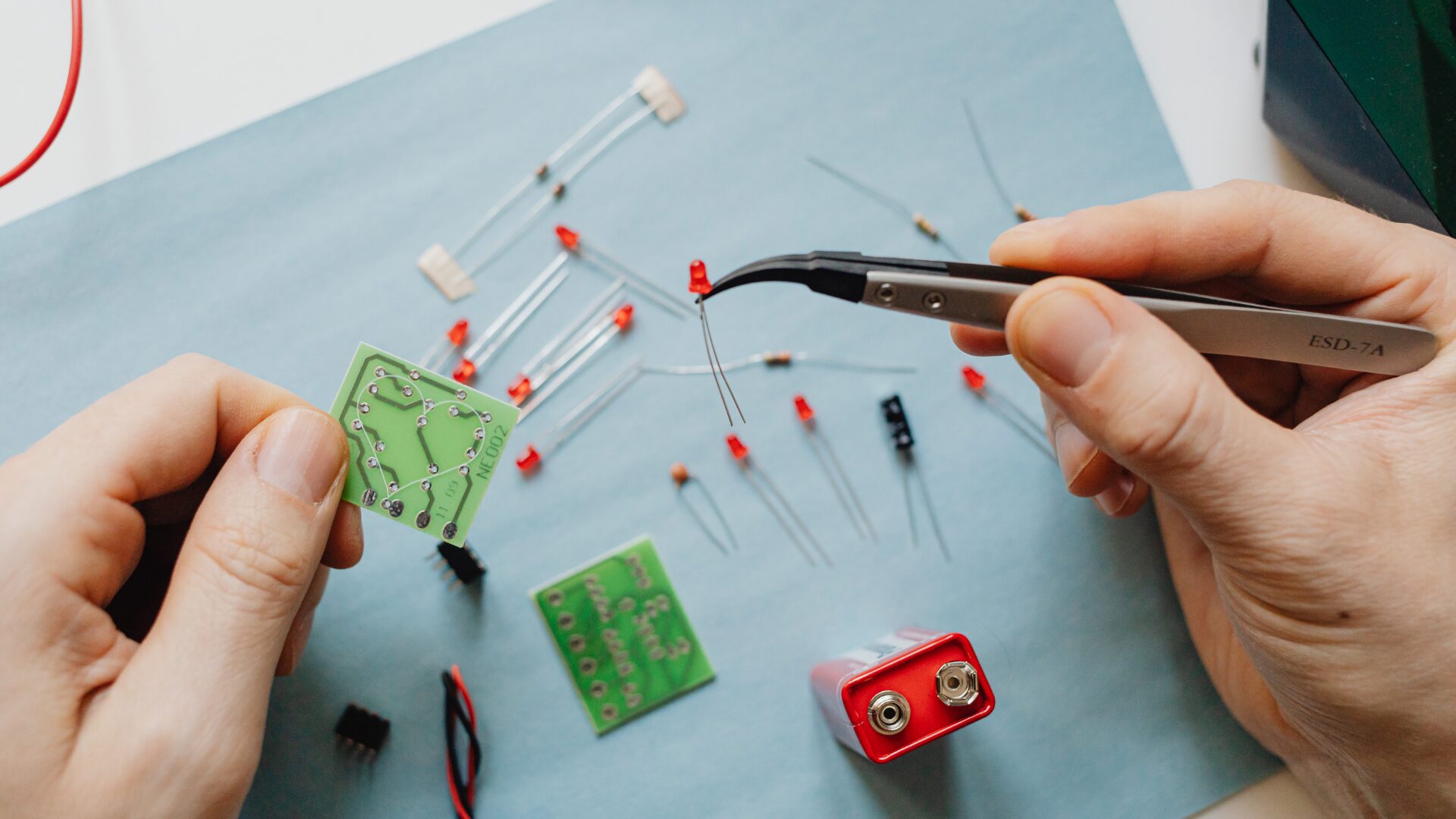
As a high school student interested in engineering, the field can feel both fascinating and intimidating. You may hear about cutting-edge technologies, complex equations, and innovative problem-solving, yet still wonder what engineering actually looks like beyond textbooks and classroom labs. Engineering is a broad discipline that blends math, science, creativity, and real-world impact. One of the best ways to truly understand it is by participating in a summer engineering internship.
Imagine spending your summer working alongside engineers, researchers, or technical mentors on real projects. You might help design prototypes, analyze data, assist in labs, or contribute to engineering solutions that address real challenges. Instead of only learning concepts in theory, you’ll see how ideas turn into applications. These internships offer hands-on exposure and give you an early glimpse into what studying and working in engineering at the university level really feels like.
How do you choose the right summer engineering internships for high school students?
With so many opportunities advertised online, it can be difficult to tell which internships offer meaningful learning. Some programs provide only surface-level exposure, while others immerse students in structured projects, mentorship, and skill-building. That’s why thoughtful guidance is essential, so you can identify internships that align with your interests, challenge you academically, and add real value to your college applications.
Universities, research institutions, startups, and engineering organizations now offer summer internships specifically designed for high school students. You may explore fields like mechanical, electrical, civil, computer, or biomedical engineering through hands-on projects, team-based problem solving, workshops, and mentorship sessions. These internships range from introductory experiences to selective programs that emphasize innovation, technical skills, and professional development.
No matter where you begin, these opportunities help you answer key questions: Which branch of engineering excites you most? What kind of academic or professional environment suits you best? To help you navigate your options, we’ve curated a list of 15 summer engineering internships for high school students.
15 Summer Engineering Internships for High School Students
1. Research Science Institute (RSI) – Massachusetts Institute of Technology (MIT)
Location: Massachusetts Institute of Technology, Cambridge, MA
Cost: Free
Dates: Late June – Early August (6 weeks)
Application Deadline: December 10th
Eligibility: Rising high school juniors worldwide with exceptional academic and research potential in STEM fields; international students are welcome to apply
RSI is a highly selective and intensive summer program that immerses you in advanced mathematics, science, and engineering research. The six-week experience begins with a week of university-level theoretical coursework taught by distinguished MIT faculty members. You then spend five weeks conducting an independent research project under the mentorship of scientists and engineers.
This is one of the most selective free residential programs in the world. It is known for its tough academic program and the chance to write a high-level research paper. You will go to lectures, do homework every day, and give oral and written reports on what you learn. The program is designed to give you an authentic, high-pressure research experience that models graduate-level study.
Why it stands out: You’ll work one-on-one with MIT academics to produce a detailed research paper, giving you an accurate picture of how undergraduate STEM research operates.
2. Immerse’s Pre-University Engineering Summer School

Location: Toronto, Oxford, Cambridge, Sydney, Boston, Tokyo, Singapore, and London
Cost: Varies; summer school scholarship available through their bursary programme
Application Deadline: Multiple cohorts with rolling admissions.
Program Dates: 2 weeks during the summer
Eligibility: Students around the world aged 13-18 who are currently enrolled in middle or high school
The Academic Insights Engineering Summer School is one of the most immersive and academically rigorous summer engineering internships for high school students, offering university-level study guided by professors from institutions such as Oxford and Cambridge. The programme blends theory with hands-on exploration in small classes averaging seven participants. For ages 13 to 15, the focus is on mechanics, forces, materials, and basic electronics, while participants aged 16 to 18 progress to mechanical systems, electrical circuits, sustainability, and applied engineering design through guided workshops and design challenges.
You work on more independent projects and look at real engineering problems, which helps develop the reasoning skills expected of college students. Learning includes university-style lectures, problem-solving sessions, weekly one-on-one tutorials, and a personal engineering project that ends with written feedback and a certificate.
Why it stands out: Age-specific syllabi tailored to students’ academic stages, expert tutors from leading universities, small-group teaching that encourages discussion, and personalised feedback that supports meaningful academic growth and university readiness.
3. NYU Applied Research Innovations in Science and Engineering (ARISE)
Location: NYU Tandon School of Engineering, Brooklyn & Manhattan, NY
Cost: Free; students receive a stipend of approximately $1,000 upon successful completion
Application Deadline: February 21st
Program Dates: June 2nd – August 8th
Eligibility: Rising high school juniors and seniors who are New York City residents and have completed Grade 10 or 11 by the start of the program
High school students participate in faculty-led engineering and applied science research at NYU Tandon during the full-time summer research internship program known as NYU Applied Research Innovations in Science and Engineering (ARISE). The program begins with structured instruction in research methods, lab safety, ethics, and technical communication, followed by assignment to research labs. You then work closely with NYU faculty mentors, graduate students, and research staff on ongoing projects in engineering, computer science, data science, and applied sciences.
Depending on the lab, you contribute to tasks including data analysis, modeling, experimentation, or prototype development. In addition to research work, the program includes professional development sessions and college readiness. Similar to undergraduate and graduate research settings, you present your findings at a formal symposium to wrap up their internship.
Why it stands out: High school students can directly experience the structure, pace, and expectations of university-level engineering research through ARISE, which offers a long-term, mentored research experience inside a prestigious engineering school at no cost.
4. Rensselaer Polytechnic Institute – PREFACE Summer Engineering Design Program
Location: Troy, New York
Cost: $4000
Dates: July 20th – August 2nd
Application Deadline: April 4th
Eligibility: Rising 10th-12th graders; interest in engineering; competitive. Must be a U.S. citizen or permanent resident.
The PREFACE Program introduces high school students to engineering problem-solving at one of the oldest technological universities in the U.S. You work on a team-based engineering design project guided by RPI faculty and current engineering students. The curriculum includes lectures, lab demonstrations, and modeling sessions that teach you how engineers approach real-world systems.
Participants also gain training in CAD software, technical communication, and engineering ethics. Throughout the program, you learn to frame engineering problems and work collaboratively to solve them. This program is designed to give you an early, structured understanding of engineering design at the university level. The experience concludes with a final presentation in which you share your design outcomes with the faculty.
Why it stands out: You’ll get a hands-on engineering design experience and an introduction to university-level academics, which is rarely available for high school students.
5. Johns Hopkins University – Engineering Innovation Pre-College Programs
Location: Baltimore, Maryland; multiple U.S. sites; online options available
Cost: Varies by course; financial aid available
Dates: 2-5 weeks during the summer
Application Deadline: Rolling until filled
Eligibility: High school students worldwide in grades 9-12
Engineering Innovation offers a series of pre-college engineering courses where you learn foundational engineering principles through labs, experiments, and calculations similar to first-year Johns Hopkins engineering classes. Depending on the course, you may take supervised labs in robotics, materials science, or civil engineering. Basic concepts like programming, circuits, and statics are taught by faculty and graduate instructors.
If you meet assessment requirements, you can receive college credit for some courses. Additionally, students design and present engineering solutions in groups. This program is designed to replicate freshman-level engineering coursework in a structured, supportive environment. The experience helps you determine which engineering fields you may want to explore further in college.
Why it stands out: It combines an introduction to freshman-level engineering with substantive lab work, preparing you well for picking future career options in engineering.
6. AFRL Scholars Program
Location: Various AFRL sites (e.g., Kirtland AFB, NM; Wright-Patterson AFB, OH; Eglin AFB, FL)
Cost: Fully funded (stipend provided based on academic level)
Dates: Summer (8-10 weeks, typically starting late May/June)
Application Deadline: January 10th
Eligibility: Students aged 16+ years; U.S. citizens only
The Air Force Research Laboratory (AFRL) Scholars Program puts students right in the middle of a real research setting, where they work with full-time scientists and engineers. You will help with cutting-edge research projects in fields like aerospace systems, materials science, directed energy, and space vehicles.
This is a paid internship where you are expected to deliver technical reports and, depending on the project requirements, present your research findings at the end of the summer. It is a mentorship-driven program that helps you gain specific technical skills and network with Department of Defense professionals. This is a great opportunity if you are seeking rigorous, government-level research experience.
Why it stands out: It gives high school students early exposure to applied engineering and defense-focused scientific research through paid, full-time research placements in U.S. Air Force Research Laboratory teams.
7. Smith College – Summer Science & Engineering Program (SSEP)
Location: Northampton, MA
Cost: $4,985 for a two-week session
Dates: July 4-17; July 19th – August 1st
Application Deadline: March 1st
Eligibility: Students around the world entering grades 9-12
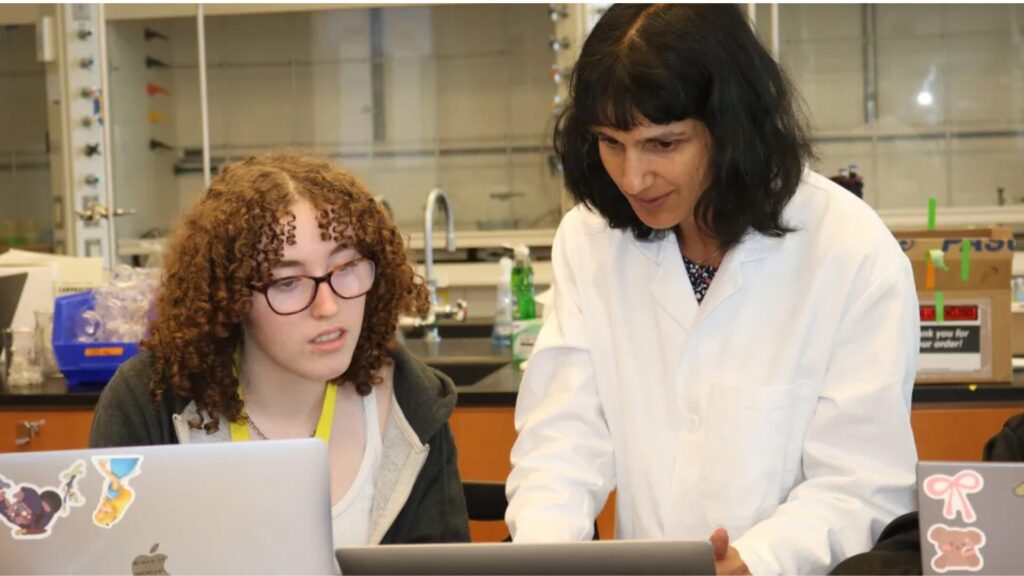
SSEP introduces you to scientific research and engineering through workshops, labs, and hands-on investigation guided by Smith College faculty. You do experiments in areas like physics, engineering design, materials science, and environmental engineering. You learn how to gather data, look at the results, and share scientific findings in lab-based modules. Using modeling software and engineering tools, students work together to solve design-based problems.
The residential experience puts you in a college setting with planned academic and community activities. This program focuses on learning and solving problems through research in a supportive academic setting. By the end, you will have worked on engineering and science projects that involve more than one field.
Why it stands out: You’ll work closely with Smith faculty and participate in directed experiments, giving you a glimpse of what studying STEM at the university entails.
8. Texas Tech University’s Anson L. Clark Scholars Program
Location: Texas Tech University, Lubbock, TX
Cost: $750
Dates: June 21st – August 6th
Application Deadline: February 16th
Eligibility: High school juniors and seniors who are at least 17 by the start date and are U.S. citizens/permanent residents
The Anson L. Clark Scholars Program is a highly selective, faculty-mentored research experience that places you in a university research setting for an extended summer term. You are paired one-on-one with a Texas Tech faculty mentor and conduct original, hands-on research in a chosen field, which may include artificial intelligence, computer science, engineering, or related disciplines. Through an extended lab or project work, the program heavily emphasizes research methodology, academic writing, and independent inquiry.
Besides research, you participate in weekly seminars, discussions, and field trips that help you understand how academic research connects to real-world issues. You live on campus, allowing you to experience the structure, expectations, and pace of residential university life. The program culminates in a formal written research report and presentation of your findings.
Why it stands out: This is one of the few long-duration, low-cost residential programs that offer direct faculty mentorship and a complete introduction to the undergraduate research process.
9. Columbia University – SHAPE (Summer High School Academic Program for Engineers)
Location: Columbia University, New York, NY
Cost: Residential fee – $10,705, commuter fee – $5,880
Dates: Typically late June – Mid-August (Multiple 3-week sessions)
Application Deadline: March 2nd
Eligibility: Rising 10th-12th grade students; U.S. citizens/permanent residents preferred
SHAPE introduces you to engineering through project-based coursework in fields such as computer science, electrical engineering, cybersecurity, and robotics. You attend lectures given by Columbia Engineering faculty and graduate students and do structured labs that put engineering principles into practice. Working on a team project involves designing, programming, and testing prototypes.
The program also offers workshops on solving engineering problems, writing technical papers, and preparing for college. Sessions take place inside Columbia engineering labs, giving you exposure to university-level learning. SHAPE is well-suited for students interested in a short but intensive engineering experience at a top engineering school. By the end of the program, you will have a completed project and a stronger understanding of engineering as a discipline.
Why it stands out: It provides access to Columbia’s engineering labs and renowned Makespace, helping you build a strong foundation for engineering applications.
10. COSMOS (California State Summer School for Mathematics and Science)
Location: UC Davis, UC Irvine, UC San Diego, and UC Santa Cruz (Residential)
Cost: Approximately $5,518, financial aid available
Dates: July 5-31
Application Deadline: February 6th
Eligibility: Current 9th-11th grade students from California; highly motivated students with strong academic records in STEM
COSMOS is a four-week residential program hosted at multiple University of California campuses, each offering specialized cluster topics in mathematics and science, with a strong emphasis on engineering. You are placed in a cohort, or “cluster,” to conduct intensive study and research in a specific interdisciplinary area, such as sustainability, robotics, or engineering design.
Faculty members from the UC system teach the courses, which combine lectures, laboratory work, and field trips. This selective program is designed to introduce you to the university research environment and advanced academic content far beyond the scope of a high school curriculum. Successful completion provides you with a comprehensive understanding of a specialized STEM field and enhances your academic profile.
Why it stands out: It has a cluster-based STEM curriculum that’ll introduce you to cutting-edge topics and university-level labs while still in high school.
11. University of Notre Dame – Introduction to Engineering Program (IEP)
Location: University of Notre Dame, Notre Dame, IN
Cost: Approximately $2,850
Dates: June 28th – July 11th; July 12-25
Application Deadline: April 15th
Eligibility: Current high school juniors (rising seniors) worldwide with a very high GPA and challenging coursework
IEP offers an introduction to multiple engineering disciplines through hands-on labs, lectures, and design challenges led by Notre Dame faculty. Through guided lab rotations, you learn about aerospace, chemical, electrical, mechanical, and civil engineering. Every day, there are lectures, small group discussions, and activities where students work on problems. You’ll work with a group on a design project where you use engineering ideas to make and test a prototype.
The program also offers sessions on college readiness and engineering career pathways. IEP is designed to help you understand the breadth of engineering fields before choosing a major. The residential setting provides additional exposure to life at a major research university.
Why it stands out: It focuses on lab work and provides high-quality equipment, so you’ll better understand various engineering concepts.
12. University of Chicago – Data Science Institute (DSI) Summer Lab
Location: University of Chicago, Hyde Park campus, Chicago, IL
Cost: Free; participants receive a paid stipend of approximately $5,600 for the full 8-week program
Dates: June 15th – August 7th
Application Deadline: January 12th
Eligibility: Current high school students (freshmen–seniors) who reside in the Chicago area; no prior research experience required
The DSI Summer Lab is an immersive eight-week, paid research internship hosted by the University of Chicago’s Data Science Institute that places high school students alongside faculty mentors and research teams working at the intersection of data science, engineering, and applied research. Interns work with mentors in fields like computer science, climate and energy policy, public policy, materials science, biomedical research, and computational social sciences.
You help with important research tasks and learn how data-driven methods are used in real-world investigations. The program starts with orientation and structured professional development activities. Then, you conduct independent research work that focuses on working together to solve problems, being methodologically sound, and communicating scientific ideas. Participants take part in cohort programming, including a weekly speaker series featuring top researchers.
Why it stands out: The DSI Summer Lab pairs high school students with expert mentors and exposes them to interdisciplinary research at one of the world’s most prestigious research universities, giving participants paid, real-world experience in data science and computational research alongside undergraduate researchers.
13. Boston University Research in Science & Engineering (RISE) Internship/Practicum
Location: Boston University, Boston, MA
Cost: $9,785 (residential); $6,185 (commuter)
Dates: June 28th – August 7th
Application Deadline: Typically in February
Eligibility: Rising high school seniors. Must be a U.S. citizen or a legal permanent resident
RISE offers you two distinct, rigorous tracks for engaging with STEM fields: the Practicum or the Internship. In the Internship track, you spend 40 hours per week working in a BU research lab under the mentorship of a faculty member or graduate student, conducting an independent research project in a field like biomedical engineering or material science. In the Practicum track, you conduct group research under a BU instructor while attending daily lectures.
The program gives you real-world research experience with the latest lab equipment and techniques, which is essential for developing a solid technical base. This experience is a poster presentation at the symposium, thereby providing you with an opportunity to formally communicate your scientific and engineering results.
Why it stands out: You’ll study the larger research process, giving you an idea of how research works at universities and in actual life.
14. NIST Summer High School Intern Program (SHIP)
Location: Gaithersburg, MD or Boulder, CO
Cost: Free (unpaid volunteer position)
Dates: June 22nd – August 7th
Application Deadline: January 26th
Eligibility: High school juniors and seniors; U.S. citizens only
The NIST SHIP provides an exceptional opportunity for students to volunteer in one of the nation’s premier federal research laboratories. You will work full-time under the mentorship of a NIST scientist on a relevant research project spanning chemical engineering, materials science, and nanotechnology.
The program, although unpaid, offers extensive professional experience with hands-on mentorship from government researchers. You will be required to commit full-time to participation throughout the course of the internship and will be expected to engage deeply in the scientific research process. This internship is well-suited for students interested in pursuing careers in research or public service in any of the STEM fields.
Why it stands out: It places students inside a national standards laboratory, allowing them to contribute to precision-driven research that underpins measurement science, engineering, and technology development.
15. NYU Tandon School of Engineering – SPARC (Summer Program for Automation, Robotics, and Coding)
Location: Brooklyn, NY
Cost: $3,300
Dates: 2 weeks during the summer
Application Deadline: Rolling until filled
Eligibility: High school students worldwide with an interest in robotics or CS
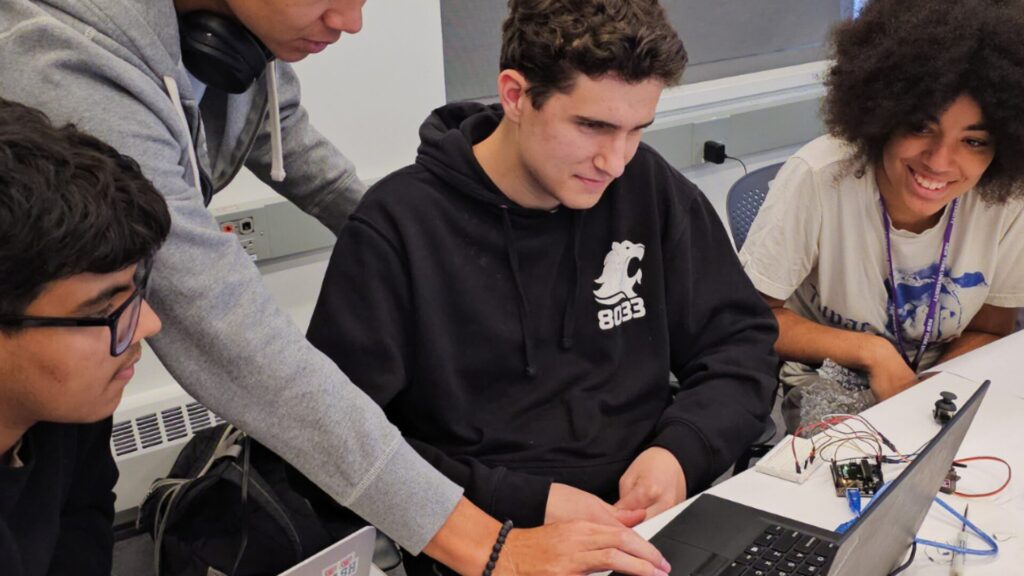
SPARC introduces students to robotics, automation, and programming through hands-on lab sessions and guided instruction by NYU Tandon faculty. You gain knowledge of fundamental ideas in robot navigation, microcontrollers, and sensor integration. You can design, construct, and test robotic systems in the program’s workshops. Basic control algorithms and Python are covered in coding instruction.
To finish a final robotics task, students collaborate in small groups. The curriculum places a strong emphasis on practical engineering skills and project-based learning. By the end, you gain confidence with programming and robotics hardware commonly used in university engineering courses.
Why it stands out: You’ll be placed at a cutting-edge engineering lab and do a final research presentation, giving you an experience of how academic research works.
Building Your Engineering Toolkit Early
Early exposure to engineering reveals how technical decisions are shaped by constraints, standards, and collaboration, giving you context that classroom problems rarely provide.
You observe documentation practices, iterative testing, and cross-disciplinary teamwork, learning how engineers evaluate risk, respond to failure, and refine solutions over time.
Summer engineering internships for high school students allow you to demonstrate informed commitment, practical readiness, and sustained interest, qualities admissions teams associate with long-term success in engineering.
To expand your technical vocabulary and thinking beyond programs, explore our Engineering Top Books Guide for resources that strengthen fundamentals, deepen perspective, and support independent growth and future learning.