
 Русский (RU)
 Українська (UK)
 Türkçe (TR)
 Italiano (IT)
 Français (FR)
 Português (PT)
 中文 (中国) (ZH)
 Español (ES)
 日本語 (JA)
 ไทย (TH)
 Deutsch (DE)
 Ελληνικά (EL)
 Polski (PL)
 Bahasa Indonesia (ID)
 Nederlands (NL)
 العربية (AR)
 한국어 (KO)

In high school, summer often comes as a much-needed pause from assignments, deadlines, and academic routines. But your summer break can be far more than time off. Summer STEM internships for high school students offer opportunities to grow both personally and professionally, explore your interests, and gain experiences that meaningfully support college applications.
These opportunities help you step away from traditional classrooms and learn beyond textbooks. This learning may involve working in laboratories, contributing to engineering or data-driven projects, and exploring how scientific research is used to solve real-world problems. Through this process, you gain insight into how ideas move from theory to application.
If you are already interested in pursuing a STEM-related career, early exposure can be especially valuable. You begin to understand daily professional work, build technical and analytical skills, and learn what is expected in research and industry-based environments.
What kinds of summer STEM internships are available for high school students?
Finding meaningful internships can be a time-consuming and complicated task. You would not want to join something that involves little to no hands-on learning. Knowing which programs give priority to mentorship and skill-development can take a lot of your stress away.
Many renowned Universities, Research institutes, and Organisations offer structured STEM internships during the summer for high school students. These internship programs include a range of fields, including medicine, AI, engineering, space research, environmental science, and many more. They allow you to explore your interests while working on real projects.
You can also get a taste of college-level STEM through STEM research opportunities or online STEM programs for high school students.
To make your search easier, we’ve made a list of 15 summer STEM internships for high school students. They are selected for their high academic value, expert mentorship, and hands-on experience.
15 Summer STEM Internships for High School Students
1. Stanford Institutes of Medicine Summer Research Program (SIMR)
Location: Stanford University, Stanford, CA
Cost/Stipend: $50 application fee; Need-based special grants stipend provided (limited)
Dates: June 8th – July 30th
Application Deadline: February 21st
Eligibility: High school juniors and seniors; minimum age- 16 years; must be U.S. citizens or permanent residents attending school in the U.S.
The Stanford Institutes of Medicine Summer Research Program (SIMR) offers an immersive learning experience to high school students. You’ll work on a medically oriented project and participate in basic research with Stanford faculty, postdoctoral fellows, and students. The program aims to spark your curiosity and interest in biological sciences and medicine, and allow you to understand the process of conducting scientific research.
You’ll have the opportunity to choose from eight research areas, including immunology, cancer biology, stem cell medicine, neurobiology, bioengineering, bioinformatics, genetics, and cardiovascular biology. You’ll receive one-on-one mentorship, engage in hands-on activities, and participate in world-class research. You’ll also have the opportunity to attend social events and go on field trips during this eight-week research program.
Why it stands out: It will let you conduct real medical research with Stanford mentors while exploring advanced fields in biology and medicine.
2. Immerse Education’s Career Insights Summer School

Location: Cambridge, London, New York, San Francisco, Singapore, Sydney, and Tokyo
Cost: Varies; summer school scholarship available through their bursary programme
Dates: 2 weeks during the summer
Application Deadline: Multiple summer cohorts with rolling admissions
Eligibility: High school students aged 15-18; international students welcome
The Career Insights Programme is a STEM-focused, industry-led experience for high school students in global innovation hubs. As a participant, you can expect to work on practical, real-world projects connected to science, technology, engineering, and medicine. The programme connects you with industry professionals through interactive workshops, site visits, and hands-on challenges. You’ll also visit operational environments such as tech offices, research centres, labs, and engineering workplaces.
The programme culminates in a final presentation of your work to industry professionals. You can explore STEM career pathways in areas such as Engineering, Environment & Sustainability, Medicine, Software Development & Gaming, and Software Development & AI. The programme also includes weekly 1:1 career coaching sessions and structured moments where you will receive personalised feedback. You can find more details about the application here!
Why it stands out: You’ll explore real STEM careers through hands-on projects, company visits, and personalised career coaching from industry experts.
3. George Mason University Aspiring Scientists Summer Internship Program (ASSIP)
Location: George Mason University, Fairfax, VA, and Virtual
Cost/Stipend: $25 application fee; Need-based fee waivers available
Dates: June 18th – August 12th
Application Deadline: February 15th
Eligibility: Students who are at least 15 years old; international students welcome
If you join the Aspiring Scientists Summer Internship Program (ASSIP), you’ll have the chance to explore transformative research opportunities. You’ll gain hands-on experience in applying the latest technologies and equipment, develop and practice scientific writing and communication skills, and participate in discussion forums and meetings to explore careers in STEM. You’ll also have the opportunity to get your work published in scientific journals and present it at scientific conferences.
The scientific areas of focus include a range of STEM areas, including chemistry, bioengineering, molecular medicine, physics, biology, drug discovery, biochemistry, STEM education, disease diagnostics, and many more. You’ll develop the creative skills necessary to perform innovative research and also earn three college credits from George Mason University upon completion of the program.
Why it stands out: It will give you hands-on STEM research experience, mentorship from experts, and the chance to publish and present your work while earning college credits.
4. ASPIRE Internship at the Johns Hopkins Applied Physics Laboratory (APL)
Location: Johns Hopkins Applied Physics Laboratory campus, Laurel, MD, and Virtual
Cost: Free
Dates: June 23rd – August 21st
Application Deadline: February 15th
Eligibility: High school juniors or seniors who are U.S. citizens, minimum age: 15 years; minimum 2.8 GPA. More information available here
The ASPIRE program at Applied Physics Laboratory (APL) allows high school students to explore and learn about careers in STEM before choosing a specific area of study in college. You’ll be paired with APL staff mentors, complete projects, participate in problem-solving activities, and learn the application of technical and interpersonal skills in a professional, hands-on environment. You’ll engage in on-site work for 30-40 hours every week during the summer.
The program aims to offer a dynamic educational environment where you’ll learn about STEM careers and develop the ability to think out of the box. If you’re a high school student interested in working independently and interacting with APL staff members and mentors to gain insights about STEM, then this internship can be a good option to consider.
Why it stands out: You’ll explore real STEM careers by working closely with APL mentors on hands-on projects in a professional research environment.
5. MIT Research Science Institute (RSI)
Location: Massachusetts Institute of Technology (Cambridge, MA)
Cost/Stipend: Free, but a $75 application fee; Stipend provided (amount not specified)
Dates: June 28th – August 8th
Application Deadline: December
Eligibility: 11th grade high school students; minimum age: 16 years; international students welcome
Joining the MIT Research Science Institute (RSI) places you in one of the most selective summer STEM internships for high school students, combining advanced scientific coursework with independent research. You’ll participate in the full research cycle, engage with current academic literature, and develop a detailed research plan under the guidance of experienced scientists and researchers.
During the first week of the program, you’ll attend intensive STEM classes taught by experienced professors, attend seminars on research topics in biology, chemistry, engineering, mathematics, physics, and humanities. In the next five weeks, you’ll work on individual research projects under the guidance of experienced scientists and researchers. You’ll prepare written and oral presentations based on your research project during the final week of the program. Along with the intensive academic work, you’ll also have the opportunity to go on field trips and expeditions to science and technology facilities in the Boston Area.
Why it stands out: It lets you complete the full research cycle at MIT, from advanced coursework to independent research and final presentations, at no cost.
6. Princeton University Laboratory Learning Program
Location: Princeton University, Princeton, NJ
Cost: Free
Dates: Five weeks during the summer
Application Deadline: March 15th
Eligibility: High school students; minimum age: 16 years; U.S. citizens or permanent residents attending a local NJ high school
Princeton University Laboratory Learning Program offers a full-time, free research experience to local high school students. During this outreach program, you’ll participate in ongoing research, receive supervision from Princeton faculty and research staff, and develop insights into science and engineering.
The program concludes as you submit a two-page summary report based on your research. The project topics change every year and are based on the faculty participating in the program. LLP is an in-person opportunity and does not offer any virtual or remote options. If you’re a high school student interested in contributing to ongoing research and learning from experienced professionals at Princeton, then this program can be a good option to consider.
Why it stands out: You’ll gain hands-on research experience by contributing to active Princeton projects under expert supervision.
7. SRTI Student Research Internship Program
Location: Scripps Research Translational Institute, La Jolla, CA
Cost: Free
Dates: June 1st – August 7th, or June 15th – August 7th
Application Deadline: March 30th
Eligibility: Students ages 16 and above; international students welcome
Scripps Research Translation Institute (SRTI) aims to personalize healthcare through the genomic, proteomic, and metabolomic correlates of health and disease. One of the programs offered by SRTI is the Student Research Internship Program that allows you to explore current topics in translational science. You’ll learn study design, analysis procedures such as genomic/genetic association studies, and mHealth trials.
You’ll gain knowledge about a range of topics, including the genetic basis of common and complex human diseases, and integration of mobile technologies for monitoring and improving health care. The program will allow you to understand the different steps involved in clinical trials and master the presentation of scientific concepts, including study design, data analysis, research findings, and data interpretation.
Why it stands out: It will introduce you to real-world translational science by teaching you how clinical research is designed, analyzed, and presented.
8. Fred Hutch Cancer Centre’s Summer High School Internship Program
Location: Fred Hutchinson Cancer Centre, Seattle, WA
Cost/Stipend: Free; A stipend is paid
Dates: June 22nd – August 14th
Application Deadline: March 13th
Eligibility: Rising high school seniors ages 16 and above; residents of the Greater Seattle area
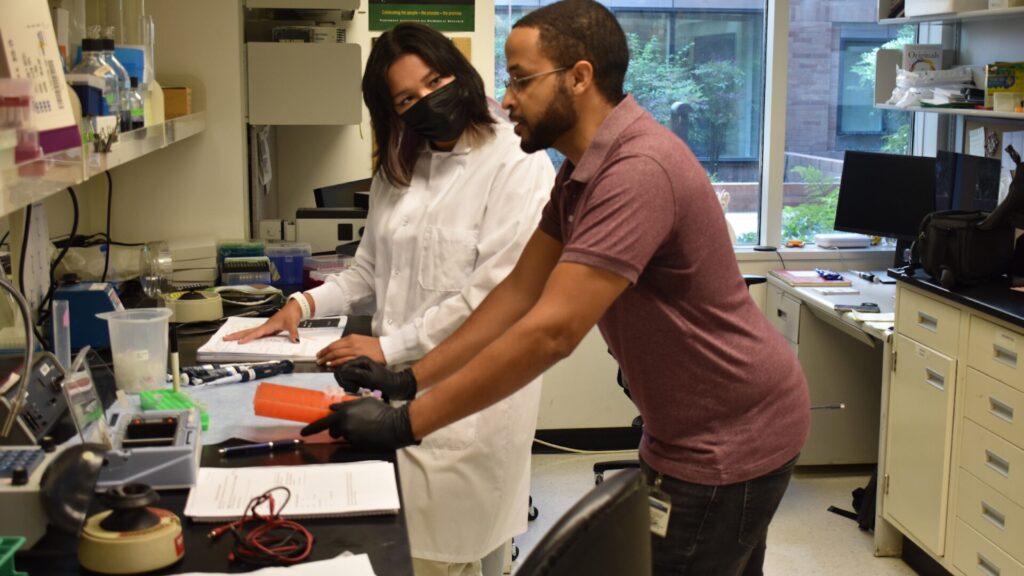
Fred Hutch Cancer Centre’s Summer High School Internship Program offers you an eight-week paid research experience. In the first two weeks of the program, you’ll be introduced to Fred Hutch and receive hands-on training in lab safety and techniques. In the remaining six weeks, you’ll be paired with a mentor and work in a Fred Hutch Research Group in Seattle.
You’ll attend research seminars, participate in professional development workshops, and engage in social activities with your team and peers. The program concludes with a presentation to the Fred Hutch community, family, and friends. If you’re a high school student interested in learning about cancer research through hands-on work, then this program might benefit you.
Why it stands out: You’ll gain paid, hands-on cancer research experience while working closely with mentors in a professional lab setting.
9. Stanford Center for Artificial Intelligence in Medicine and Imaging (AIMI) Summer Research Internship
Location: Virtual
Cost: $2,400+ $45 Application fee
Dates: Session A: June 15-26; Session B: July 6-17
Application Deadline: February 20th
Eligibility: High school students; minimum age: 14 years; must be permanent U.S. residents
AIMI’s Summer Research Internship offers a two-week virtual learning experience to high school students. You’ll participate in introductory and technical lectures on AI, engage in hands-on group working sessions, and receive guidance and mentorship from Stanford student leads and researchers. The program aims to promote health equity and excellence in healthcare.
You’ll also attend “Meet the Expert” sessions with guest speakers from academia, industry, non-profit, and government organizations. You will have the chance to learn while participating in social activities and will also receive a certificate on program completion. If you’re interested in exploring the technical and clinical aspects of AI in healthcare, then this program can be a good option to consider.
Why it stands out: It will introduce you to AI in healthcare through expert-led sessions, hands-on group work, and mentorship from Stanford researchers.
10. Stony Brook University’s Simons Summer Research Program
Location: Stony Brook University, Stony Brook, NY
Cost/Stipend: No tuition fee; A stipend is provided
Dates: June 29th – August 7th
Application Deadline: February 5th
Eligibility: High school juniors; minimum age: 16; must be U.S. citizens or permanent residents
Stony Brook University’s Simons Summer Research Program offers motivated high school students a chance to engage in hands-on research in science, engineering, or math. You’ll be matched with a Stony Brook faculty mentor, join a research group, and work on a research project.
You’ll attend weekly research discussions led by the faculty, participate in special workshops, attend events, and go on tours. You’ll not only learn valuable research techniques but also have the chance to explore university life at Stony Brook. The program will conclude with a poster symposium where you’ll present a written research abstract and a research poster based on your work.
Why it stands out: You’ll work on real research projects with a faculty mentor while gaining hands-on experience and presenting your work at a poster symposium.
11. NASA Johnson Space Center’s Texas High School Aerospace Scholars (HAS)
Location: Combination of virtual learning and an in-person experience at Johnson Space Center, Houston, TX
Cost: Free
Dates: Virtual learning: October – April; In-person: June – July
Application Deadline: September 27th
Eligibility: High school juniors residing in Texas and attending a Texas high school; U.S. citizens
The High School Aerospace Scholars Program allows you to engage with NASA’s missions and become a part of the next generation of explorers. The program involves a year-long commitment and the development of valuable skills in coding, engineering, and computer-aided design. You’ll participate in a five-month online learning experience related to earth science, aeronautics, technology, and space exploration.
If you’re among the highest achieving students in the program, you’ll be invited to a five-day virtual summer experience called Moonshot and receive mentorship from NASA engineers and scientists. The best teams from Monnshot will receive an invitation to participate in an all-expense-paid residential experience at NASA’s Johnson Space Centre.
Why it stands out: You’ll explore NASA missions, build skills in coding and engineering, and gain mentorship from NASA scientists and engineers.
12. Spark Summer Internship Program (Spark SIP)
Location: Greater Seattle Area
Cost/Stipend: $25 Application fee; Stipends vary by projects
Dates: Between June and August
Application Deadline: Typically in April
Eligibility: Grade 9-12 high school students; Must be U.S. citizens or permanent residents
Spark Summer Internship Program offers mentorship opportunities that bridge the gap between high school students and experienced professionals. You’ll be assigned mentors from varying backgrounds, including established companies, business startups, and academia. You’ll engage in hands-on learning experiences, develop necessary skills, explore career paths, and gain valuable insights.
The program will prepare you to work in a professional environment. You’ll learn from experts in different fields, including data science, biotech, AI, and robotics. If you’re a high school student interested in working on STEM projects through guidance from experienced professionals, this program can be a good option to consider.
Why it stands out: It lets you work on real STEM projects while receiving mentorship and guidance from professionals across diverse fields.
13. Genspace’s Biorocket Research Internship
Location: Genspace, Brooklyn, NY
Cost/Stipend: Free; $2,000 stipend
Dates: July 6th – August 14th (tentative)
Application Deadline: To Be Announced; Application open: November 1st
Eligibility: High school students ages 16 and above attending a New York City Public or Charter school
Genspace’s Biorocket Research Internship offers you a six-month opportunity to learn about the latest updates and findings in genetic engineering. You’ll work in labs, learn the application of biology and genetic engineering techniques, receive career guidance, and go on tours to research labs and biotech companies.
The program will allow you to develop science communication skills, work on a summer research project with other teens and scientist mentors, and gain access to a network of more teen research internships. If you’re interested in interacting with real scientists and professionals working in design, science, and technology fields.
Why it stands out: You’ll gain hands-on experience in genetic engineering while working on research projects and learning from professional scientists.
14. Hutton Junior Fisheries Biology Program
Location: Multiple locations across the U.S., Canada, Mexico, Puerto Rico, and the Pacific Islands
Cost/Stipend: Free; a $3,000 stipend is paid
Dates: Eight weeks in the summer; Exact dates are decided by students and mentors
Application Deadline: January 25th
Eligibility: Rising high school seniors and college freshmen; Minimum age: 16 years; Must be a US, Canada, Mexico, or Pacific Island resident
Joining the Hutton Junior Fisheries Biology Program will inspire you to be a part of the next, diverse generation of fisheries professionals. Sponsored by the American Fisheries Society (AFS), the program aims to spark your interest in fisheries and aquatic science. You’ll gain hands-on experience with fisheries professionals, learn to appreciate the natural environment, solve environmental problems, and participate in marine conservation.
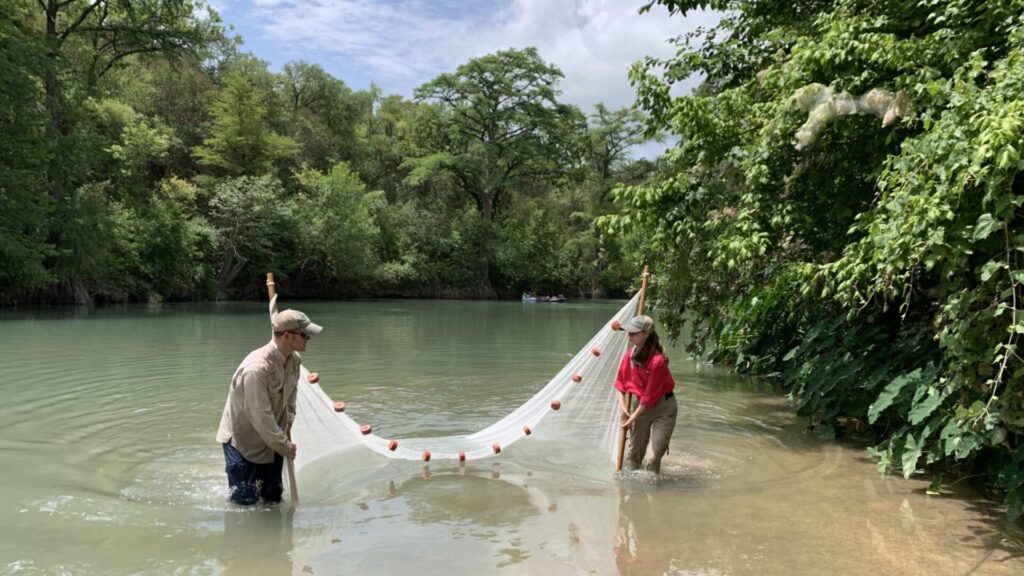
You’ll engage in a range of activities, including fish population surveys, snorkelling, water quality testing, electrofishing, data processing, and more. There are no Prerequisites needed for the program, but courses completed in ecology, biology, conservation, and geology can be helpful.
Why it stands out: It will immerse you in hands-on fisheries and aquatic science work while learning directly from conservation professionals.
15. NASA and UT Austin’s STEM Enhancement in Earth Science (SEES) Summer Intern Program
Location: The University of Texas at Austin, TX, and Virtual
Cost/Stipend:
Dates: On-site: July 5-18; Virtual Project work: June – July 21st; Virtual Science Symposium: July 20-21
Application Deadline: February 22nd
Eligibility: High school juniors and sophomores; 16 years and above; Must be U.S. citizens
STEM Enhancement in Earth Science (SEES) Summer Intern Program offers you the chance to collaborate with NASA, academic, and industry experts. You’ll work with these professionals using mission data across different disciplines, including astronomy, planetary science, microgravity research, aerospace, remote sensing, and space geodetic techniques.
You’ll be a part of mission-based projects and develop technical expertise in different areas, including systems modelling, data analysis, and engineering design. The program will also help you develop and sharpen your communication, teamwork, and professional skills. If you’re interested in contributing to research studies in Earth systems and natural hazards, then this program can be a good option to consider.
Why it stands out: You’ll work on real NASA projects, analysing mission data and building technical and professional skills in Earth science and engineering.
How STEM Experience Strengthens Applications
Spending your summer immersed in STEM helps you move beyond theory and demonstrate how you apply knowledge in practical, demanding contexts. This kind of initiative is highly valued by universities.
The summer STEM internships for high school students mentioned here show how structured research, mentorship, and real projects can strengthen your academic profile and clarify your interests.
These experiences give you concrete examples for personal statements and interviews, helping you explain how you think, solve problems, and grow through challenge.
To build on this foundation, explore our University Preparation blogs for expert guidance on supercurriculars, academic writing, interviews, and entry requirements as you prepare for university.