
 Русский (RU)
 Українська (UK)
 Türkçe (TR)
 Italiano (IT)
 Français (FR)
 Português (PT)
 中文 (中国) (ZH)
 Español (ES)
 日本語 (JA)
 ไทย (TH)
 Deutsch (DE)
 Ελληνικά (EL)
 Polski (PL)
 Bahasa Indonesia (ID)
 Nederlands (NL)
 العربية (AR)
 한국어 (KO)

In high school, summers come like a breath of fresh air and a break from assignments, exams, and busy schedules. But summer can be much more than just a break from studies. It can be an opportunity to explore new interests, learn skills that school doesn’t always cover, and challenge yourself in exciting ways. One of the best ways to make your summer meaningful is by joining an engineering summer school.
Imagine designing a robot, building a bridge model, working in a real laboratory, or solving real-world engineering problems with students from around the world. You’ll attend university-style lectures, participate in workshops, and learn from professors and researchers. Engineering summer schools give you practical experience, exposure to unique ideas, and an understanding of what studying engineering at university is really like.
What kinds of engineering summer schools are available for high school students?
Finding the right program can feel overwhelming. You don’t want to choose something that feels too basic or one that doesn’t give you real hands-on experience. Not all summer schools offer the same level of academic depth, mentorship, or exposure, which is why knowing your options is important.
Universities and organizations around the world offer engineering summer schools focused on areas like robotics, mechanical engineering, civil engineering, computer science, biomedical engineering, data science, and more. Some programs focus on research, others on projects and teamwork, and some even offer fully funded opportunities. You can learn more about an existing interest or explore a new branch of engineering altogether. No matter which path you choose, you’ll be moving outside your comfort zone and learning something valuable.
To make the search easier, we’ve curated a list of 15 Engineering Summer Schools for High School Students. These programs stand out for their academic quality, hands-on learning, mentorship opportunities, and overall reputation.
For more options, you can consider online engineering programs. If you’re looking to engage with engineering work environments, engineering internships for high school students might be a good option.
15 Engineering Summer Schools for High School Students
1. Immerse Education’s Engineering Summer School

Location: Toronto, Oxford, Cambridge, Sydney, Boston, Singapore, Tokyo, New York, and London
Cost/Stipend: Varies; summer school scholarship available through their bursary programme
Dates: 2 weeks during the summer
Application Deadline: Multiple summer cohorts with rolling admissions
Eligibility: Students worldwide aged 13-18 enrolled in middle or high school currently
Immerse Education’s Engineering Summer School offers an immersive learning experience for future engineering studies. You’ll gain knowledge about a range of advanced topics, including electronics, mechanics, and civil engineering. You’ll gain real-world knowledge and develop problem-solving skills. You’ll gain in-depth knowledge about different engineering concepts, including the principles of circuitry, motion, and force.
You’ll understand how efficient, strong, and light materials are designed by engineers. The program allows you to address real-world challenges in engineering, prepare yourself for academic success, and work on a personal research project. You’ll participate in group workshops, attend expert seminars, and receive one-on-one guidance from tutors.
Why it stands out: You’ll solve real-world engineering challenges through hands-on workshops and a personal research project with expert mentors at Immerse Education.
2. King’s College London Pre-University: Science, Technology & Engineering (Session 1)
Location: King’s College London, London, UK
Cost: £3,195 + £65 application fee
Dates: July 6-10
Application Deadline: April 10th
Eligibility: Grade 10-12 high school students ages 16-17; Open to international students
King’s College London Pre-University: Science, Technology and Engineering offers a one-week in-depth learning experience to high school students. You’ll attend lectures, seminars, and workshops and gain exposure to the latest research in engineering. Some of the topics covered in previous years include medical imaging, robotics, computer-aided design, digital logic and microprocessors, nervous system, artificial intelligence, and 3D printing.
The program will equip you with the knowledge to pursue a future academic career in the field of science, technology, and engineering. You’ll work on a group presentation, conduct independent research, and earn a certificate of completion at the conclusion of the program.
Why it stands out: You’ll explore robotics, AI, and medical imaging through university-style learning at King’s College London, and complete research with a final presentation.
3. Research Science Institute (RSI)
Location: Massachusetts Institute of Technology, MA
Cost/Stipend: Free
Dates: Six weeks during the summer.
Application Deadline: February 15th
Eligibility: High school students who have one year remaining before graduation; Open to students worldwide
Research Science Institute (RSI) offers a no-cost summer science and engineering experience to high school students. You’ll participate in the complete research cycle, gain knowledge about the most up-to-date literature reviews in engineering, and attend STEM classes led by experienced professors.
You’ll work on individual projects, receive mentorship and guidance from researchers and scientists, and gain access to MIT’s extensive computing resources. You’ll get to interact with technology entrepreneurs, engage in guided research, and work on papers and oral presentations. Along with the academic immersion, you’ll also enjoy field trips to cultural attractions and science and technology facilities in the Boston Area.
Why it stands out: You’ll conduct independent, fully funded research with expert mentorship and access to Massachusetts Institute of Technology resources through the Research Science Institute.
4. University of Cambridge Sutton Trust Summer Schools- Engineering
Location: University of Cambridge
Cost/Stipend: Free
Dates: August 17-21
Application Deadline: February 12th
Eligibility: Students in Year 12 in England or Wales, Year 13 in Northern Ireland, or S5 in Scotland; Attend, and have always attended, a state-funded, non-fee paying school/college
Sutton Trust Summer Schools- Engineering program offers a highly academic learning experience to high school students. You’ll attend introductory lectures, participate in group study, and work in a laboratory setting. You’ll learn about a range of areas, including electrical, civil, material, and mechanical engineering.
You’ll observe the field of engineering from a real-world perspective, develop creativity and problem-solving skills, and develop an understanding of the engineering discipline at the University level. If you’re a high school student who enjoys studying and exploring subjects like mathematics and physics, then this program could be a good option to consider.
Why it stands out: You’ll experience university-level engineering through lectures, lab work, and real-world problem solving with the Sutton Trust Summer School.
5. Santa Clara Summer Engineering Seminar (SES)
Location: SCU campus in Santa Clara, CA
Cost: Free
Dates: SES Introduction (Year-One): Session One: July 12-16, Session Two: July 19-23 | SES Advanced (Year-Two) Returning Participants: July 26-30
Application Deadline: March 31st
Eligibility: Current Sophomores or Juniors from all over the world
Santa Clara Summer Engineering Seminar offers a free, five-day learning experience to high school students. You’ll attend lectures, participate in introductory workshops led by engineering faculty, and work on individual engineering projects. You’ll attend sessions on a range of topics, including bioengineering, mechanical engineering, sustainability and environmental engineering, computer science, electrical and computer engineering, and more.
You’ll have the opportunity to experience university life. The program also offers a Year-two option for advanced knowledge to returning students interested in a more in-depth understanding of engineering disciplines and real-world challenges.
Why it stands out: You’ll explore different engineering fields through faculty-led workshops and an individual project in a free, five-day university experience.
6. MIT’s MITES Summer Program
Location: MIT Campus, Cambridge, MA
Cost: Free
Dates: Late June through early August
Application Deadline: Typically in February
Eligibility: High school juniors; Must be U.S. citizens or permanent residents
MIT’s MITES Summer Program offers you an immersive six-week learning experience. You’ll enroll in five math, science, and humanities courses, go on laboratory tours, and also participate in social events. You’ll learn about the benefits of pursuing a career in STEM, develop valuable academic and personal skills, and understand the real-world impact of STEM.
Along with gaining academic knowledge, you’ll also prepare for college applications, interact with admission counselors, and visit local companies where MITES alumni work. At the conclusion of the program, you’ll receive a written evaluation of your work and skills from your instructor.
Why it stands out: You’ll take rigorous STEM courses, explore labs, and experience campus life at Massachusetts Institute of Technology, along with college preparation support and a final evaluation.
7. Johns Hopkins Explore Engineering Innovation (EEI)
Location: Nationwide residential or commuter sites; Hybrid and online options available
Cost: Varies by program location and format
Dates: Vary by program types
Application Deadline: Rolling
Eligibility: High school students worldwide ages 15-17 years. More information here
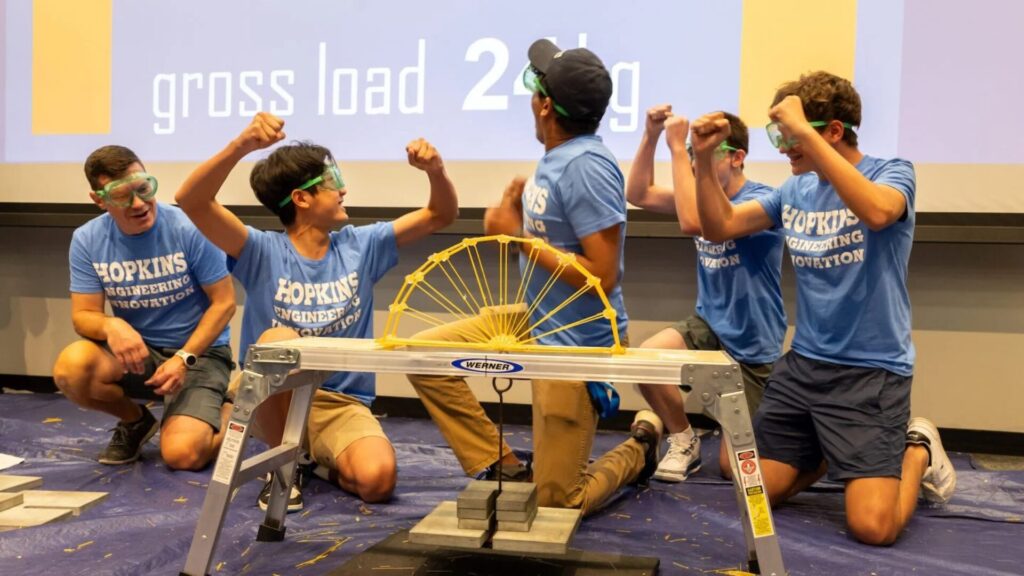
John Hopkins Explore Engineering Innovation (EEI) offers an interactive, college-level learning experience for high school students. You’ll gain knowledge about a range of topics and disciplines, including materials science, computer engineering, civil engineering, mechanical engineering, and chemical engineering. You’ll learn to think and solve problems like an engineer, connect with peers having similar interests, and work together in small teams.
You’ll develop an in-depth understanding of engineering concepts, address real-world engineering challenges, and sharpen your critical thinking and communication skills. Some of the hands-on projects that you’ll work on include the spaghetti bridge project, the electronics project, and the chemical processes lab.
Why it stands out: You’ll think and solve problems like an engineer through hands-on projects, team collaboration, and real-world challenges in a college-level learning environment.
8. Applied Research Innovations in Science and Engineering (ARISE)
Location: NYU Tandon School of Engineering, Brooklyn, NY
Cost/Stipend: Free; a $1,000 stipend is paid
Dates: June 1st – August 14th
Application Deadline: February 20th
Eligibility: Rising juniors and seniors residing and attending school in NYC
Joining the Applied Research Innovations in Science and Engineering (ARISE) will allow you to immerse yourself in a ten-week summer learning experience. You’ll engage in 120 hours of laboratory work, contribute to the latest research, and attend college writing workshops. You’ll participate in research skills development, safety training, and connect with scholars and professionals from the field of engineering.
The program offers opportunities to continue your research and receive mentorship. You’ll get to share your research work with the NYU community at Colloquium. At the conclusion of the program, you’ll have the opportunity to present your work at the American Museum of Natural History (AMNH) Poster Symposium.
Why it stands out: You’ll complete 120 hours of lab research, receive mentorship and college support, and present your work to the academic community in a ten-week immersive experience.
9. Boston Leadership Institute Engineering Research Program
Location: Olin College, Greater Wellesley, MA
Cost: Three-Week Tuition: $2500, Three-Week Residential Fee: $2097
Dates: July 13-31
Application Deadline: To Be Announced
Eligibility: High school students worldwide
Boston Leadership Institute Engineering Research Program offers you a three-week summer learning experience. You’ll engage in hands-on projects, apply skills from different engineering disciplines, including mechanical engineering, electrical engineering, and computer programming. The program offers a competitive research experience.
You’ll attend classes as well as laboratory sessions. Some of the projects include the alligator boat project, 3D printing projects, and sailboat projects. Along with gaining hands-on research experience through projects, you’ll also go on field trips. Some of the examples of field trips in the past years include Boston University EPIC Centre, Liberty Fleet Tall Ship, and MIT Tour.
Why it stands out: You’ll complete hands-on engineering research projects, attend lab sessions, and apply skills across mechanical, electrical, and programming disciplines in a competitive three-week experience.
10. Boston University Research in Science & Engineering (RISE) Internship/Practicum
Location: Boston University, Boston, MA
Cost/Stipend: Varies. More information here
Dates: Residential: June 28th – August 7th; Commuter: June 29th – August 7th
Application Deadline: Typically in February
Eligibility: Rising U.S. high school seniors
Boston University Research in Science & Engineering (RISE) Internship/ Practicum offers a six-week in-person learning experience. In the internship track, you’ll advance your knowledge and skills in STEM, conduct laboratory research, and receive mentorship from expert faculty, postdoctoral fellows, and graduate students.
You’ll have the opportunity to choose from a range of areas for research, including biomedical engineering, computer engineering, mechanical engineering, computer science, and more. On choosing the practicum track, you’ll attend lectures, workshops, and develop academic and professional skills. You’ll also visit local biotech or pharmaceutical companies. In both tracks, you’ll present your research project at the poster symposium.
Why it stands out: You’ll spend six weeks conducting lab research or attending advanced workshops, gain expert mentorship, and present your work at a final poster symposium.
11. University of Toronto Blueprint
Location: University of Toronto, St George Campus, Toronto, ON
Cost: Free; Accommodations or travel expenses not included
Dates: July 6-31
Application Deadline: March 29th
Eligibility: Canadian Black students in Grades 10 & 11
University of Toronto Blueprint offers an immersive learning experience. You’ll engage in real-world problem solving, explore university-level engineering pathways, and build technical skills. The program is designed for Black students with a passion for science and engineering, and allows you to engage in community building with other like-minded peers.
During the summer program, you’ll engage in two engineering-focused courses, attend educational and fun excursions, and participate in community-building events. The program allows you to develop problem-solving skills, receive mentorship opportunities, and form meaningful friendships in a supportive learning environment. The summer program is followed by an Year-long engagement focused on leadership training and post-secondary education preparation.
Why it stands out: You’ll solve real-world engineering problems, build technical skills, and receive mentorship in a supportive community experience that continues beyond the summer.
12. MIT Women’s Technology Program (WTP)
Location: Massachusetts Institute of Technology (MIT), Cambridge, MA
Cost: Free for students with family income below $120,000; scale up to $20,000
Dates: June 27th – July 25th
Application Deadline: December 15th
Eligibility: Rising high school seniors; Permanent U.S. residents. More information here
MIT Women’s Technology Program (WTP) offers a four-week academic experience to high school students. You’ll participate in hands-on classes and work on team-based projects and labs. You’ll explore the world of engineering and understand if it’s suitable for you as a future career.
You’ll receive mentorship from MIT graduate and undergraduate students, participate in active learning activities, and develop a range of skills important in engineering, including critical thinking, teamwork, creative thinking, and problem solving. Along with academic learning, you’ll also engage in workshops, work on a poster project, and go on educational tours.
Why it stands out: You’ll explore engineering through hands-on classes, team labs, and mentorship, while building problem-solving and teamwork skills in a four-week immersive experience.
13. Spark Lab Summer Program
Location: York University, Toronto, ON
Cost: CAD 495.00 (five-day weeks)
Dates: June 29th – July 31st
Application Deadline: Not specified
Eligibility: Students in grades 9-12; Open to international students
Spark Lab Summer Program offers you an immersive and transformative educational experience. You’ll participate in experimental lab work, engage in hands-on exploration of science, including physics, chemistry, and biology, and learn beyond a classroom environment.
You’ll also get to explore future careers in the field of science, learn from expert instructors, and attend interactive lessons. The program also offers mentorship from professors and graduate students and allows you to learn in an engaging, interactive, and supportive environment.
Why it stands out: You’ll explore physics, chemistry, and biology through hands-on lab work, expert mentorship, and interactive learning beyond the classroom.
14. NYU Tandon School of Engineering – SPARC (Summer Program for Automation, Robotics, and Coding)
Location: Brooklyn, NY
Cost: $3,300
Dates: 2 weeks during the summer
Application Deadline: To Be Announced
Eligibility: High school students worldwide; Prerequisites: AP Math, Algebra 2, Trigonometry, Preference for completion of PreCalc and enrollment in AP Stats/Calculus
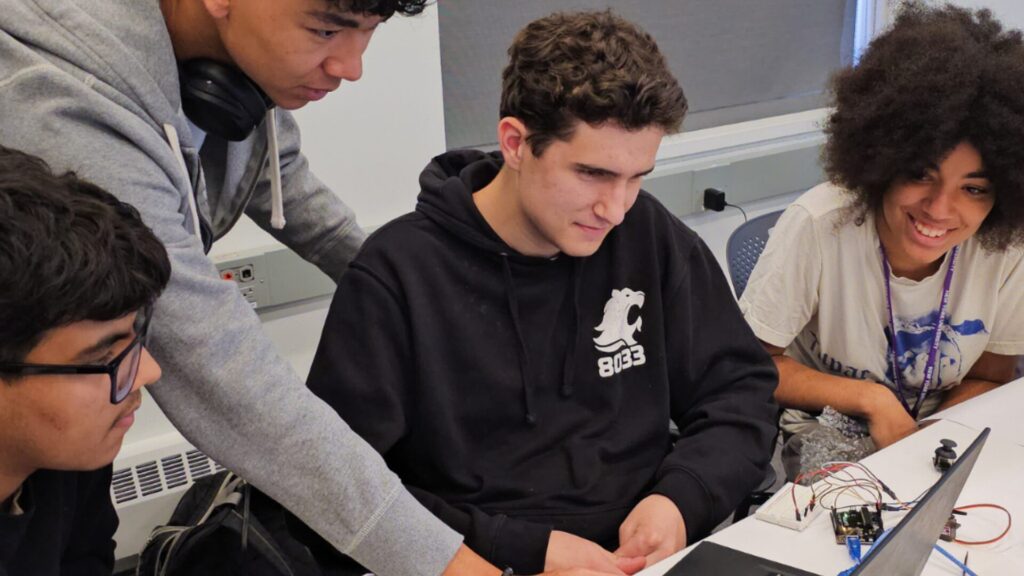
Summer Program for Automation, Robotics and Coding (SPARC) offers a two-week full-day summer learning experience to high school students. You’ll engage in hands-on robotics and engineering and develop interactive robotic devices using sensors, actuators, and microcontrollers.
You’ll develop foundation programming skills that include learning coding constructs, work and gaining experience with electronic components and automation systems. The program also includes robot competitions and challenges where you’ll compete in real-world robotics scenarios. If you’re interested in learning the core concepts related to automation and robotics engineering, then this program could be a good option to consider.
Why it stands out: You’ll build and program robotic devices using sensors and microcontrollers, and compete in real-world robotics challenges in a hands-on two-week experience.
15. University of Chicago – Data Science Institute (DSI) Summer Lab
Location: University of Chicago, Hyde Park campus, Chicago, IL
Cost/Stipend: Free; a $5,600 stipend is paid
Dates: June 15th – August 7th
Application Deadline: January 12th
Eligibility: Current high school students; Residents of the Chicago area
University of Chicago- Data Science Institute (DSI) Summer Lab offers an eight-week paid research opportunity to high school students. You’ll be paired with data science mentors from different domains, including computer science, biomedical research, materials science, and more. You’ll develop research methodology skills, participate on a full-time schedule, and work on a project.
Some of the past years’ projects by students include Children Helping Robots: Exploring the Influence of Helping on Child–Robot Connections, EMS Assisted Language Learning, and many more. If you’re interested in a hands-on paid research learning opportunity, then this program could be a good choice.
Why it stands out: You’ll work full-time on a paid data science research project, receive expert mentorship, and build real research skills in an eight-week immersive experience.
The Books That Sharpen Engineering Thinking
An engineering summer school can turn summer into something concrete, like building a spaghetti bridge, programming a robot, or running supervised lab tests.
You’ll move beyond theory through workshops, teamwork, and university-style problem solving, with tutors guiding you to think like an engineer.
Along the way, you’ll build confidence in maths and physics thinking, improve how you explain your ideas, and learn what excites you most.
Want to keep that momentum going after the programme ends? Open our Engineering Top Books Guide for the titles that sharpen judgement, design thinking, and technical confidence fast.