If journalism is already on your mind, summer can be one of the best times to explore it properly. With fewer academic pressures and more space to focus, journalism summer programs for high school students can help you build real skills, test your interest in the field, and start moving from theory into practical experience.

Imagine working on a story around a political issue, or sitting inside a newsroom where stories are being written, edited, and published in real time. You might be speaking to sources, drafting pieces, or watching how experienced journalists shape raw information into something clear and readable. Some programs focus more on writing and reporting, while others move into editing, multimedia storytelling, or even broadcast work.

Even if you don’t plan to pursue journalism long-term, the skills stay with you. You learn how to communicate clearly, structure ideas, pay attention to detail, and work under deadlines. These are skills that show up everywhere, whether it’s media, marketing, research, or anything that involves handling information carefully.

What kinds of journalism summer programs for high school students are there?

There’s a wide range, and they’re not all built the same way. Some programs focus on core reporting, where you learn how to write news stories, conduct interviews, and cover real events. Others are more newsroom-based, giving you a sense of how editing, pitching, and publishing actually work. So, it’s important to get the correct information to pick the programs that are best for you.

You’ll also find programs that focus on specific formats. Some are centered around investigative journalism, others around digital media, podcasts, or video reporting. A few combine everything and have you produce a final piece by the end. The stronger programs usually include actual assignments, feedback from working journalists, and some level of deadline pressure so you understand how the field actually functions.

To make your search easier, we have curated this list of 15 journalism summer programs for high school students!

For adjacent opportunities, you can check out journalism summer internships.

15 Journalism Summer Programs for High School Students

1. Immerse Education’s Media & Journalism Summer School

15 Journalism Summer Programs for High School Students 1

Location: London, and New York
Cost: Varies; summer school scholarship available through our bursary programme
Dates: 2 weeks during the summer
Application Deadline: Multiple summer cohorts with rolling admissions
Eligibility: High school students worldwide aged 15-18 

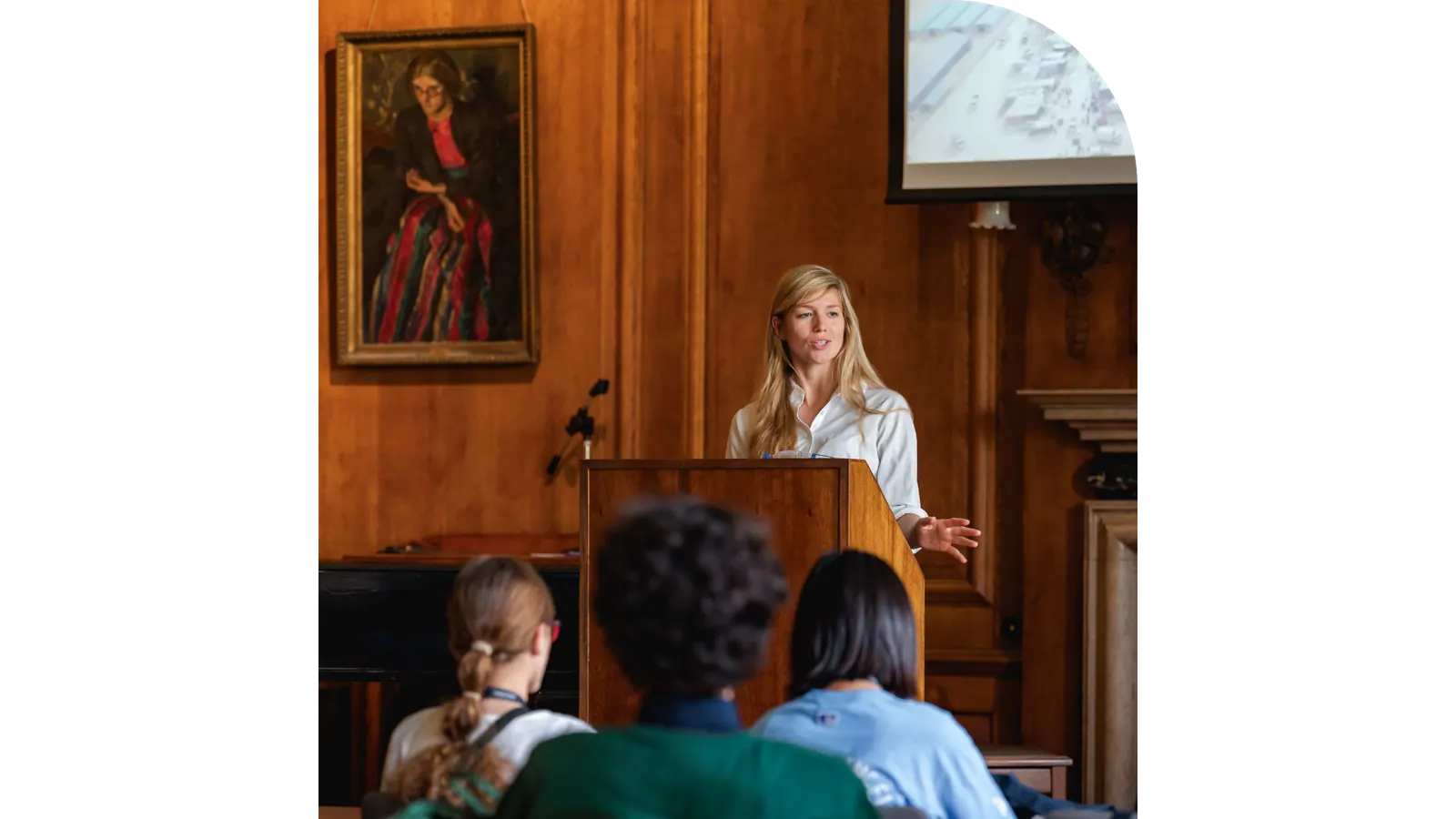
This two-week Media & Journalism programme is designed for students who want to move beyond theory and understand how stories are created, shaped, and distributed in today’s fast-changing media landscape.

You’ll learn the fundamentals- news writing, reporting techniques, and media ethics, while working on practical assignments that mirror real newsroom challenges. From crafting compelling stories to analysing digital media trends, the focus is on building skills you can apply immediately. The programme goes a step further with its Career Insights pathway. 

Why it stands out: You’ll engage with industry professionals, explore how media organisations operate, and work on projects that simulate real-world journalism environments.

2. Princeton Summer Journalism Program (PSJP)

Location: Princeton University, Princeton, NJ
Cost: Free
Dates: July 24th – August 3rd
Application Deadline: Round 1: December – February, Round 2: March – April, Round 3: May
Eligibility: Domestic high school juniors at the time of application; minimum unweighted GPA of 3.5/4.0

The Princeton Summer Journalism Program is one of the most prestigious journalism summer programs for high school students, introducing students to reporting, writing, and multimedia storytelling through structured workshops and newsroom simulations. You’ll work on producing content for The Princeton Summer Journal while learning how professional media organisations operate.

The program includes lectures, field reporting, and visits to major media outlets, giving you exposure to real-world journalism environments. You’ll receive one-on-one mentorship from journalists and editors throughout the program. By the end, you’ll have experience in newsroom workflows and a clearer understanding of journalism as a field of study.

Why it stands out: You combine newsroom experience, mentorship from top journalists, and residential immersion at a university setting.

3. Journalism Jumpstart: Caplin Summer Institute

Location: Florida International University, Biscayne Bay Campus, North Miami, FL
Cost: Free
Dates: June 23rd – July 3rd
Application Deadline: Rolling basis
Eligibility: Middle and high school students in Miami-Dade and Broward counties

The Caplin Summer Institute Journalism Jumpstart program introduces students to reporting, editing, and multimedia storytelling through structured workshops and collaborative media production. You’ll work on articles, graphics, and multimedia content while contributing to the Jumpstart Journal.

The program includes hands-on newsroom activities such as live news production, interviews, and content development alongside college students. By the end, you’ll have produced content across multiple platforms and gained experience in real newsroom processes.

Why it stands out: You produce multimedia content while participating in live news production and working directly with experienced editors.

4. FIRE Free Speech Forum

Location: American University, Washington, DC
Cost: Free
Dates: June 21st – June 27th
Application Deadline: April 10th
Eligibility: Rising U.S. 10th–12th graders interested in free speech

The FIRE Free Speech Forum is a structured academic program that explores free speech, law, and civic engagement through workshops and interactive sessions. You’ll study legal frameworks, debate key issues, and build skills in advocacy and public speaking.

The program includes simulations, group discussions, and mentorship from legal experts and faculty. You’ll also engage with institutions in Washington, D.C., gaining exposure to real policy environments. By the end, you’ll develop a stronger understanding of free expression and its role in society.

Why it stands out: You combine legal education with practical advocacy training while engaging directly with experts and policy environments.

5. Summer Journalism Bootcamp

Location: Online (Remote)
Cost: Free
Dates: August 5th, August 12th, August 19th
Application Deadline: August 1st
Eligibility: High school and college students around the world

The Summer Journalism Bootcamp is a short, remote program that introduces students to core journalism practices through structured workshops and mentorship sessions. You’ll learn reporting, interviewing, writing, and editing while working on a guided project.

The program runs across multiple sessions, allowing you to build your work step by step with feedback from professional journalists. You’ll interact with reporters from major media outlets and gain insight into newsroom processes. By the end, you’ll complete a reporting project that may be published.

Why it stands out: You receive direct mentorship from professional journalists while producing a structured reporting project in a short, focused format.

6. JCamp

Location: Varies (held in different U.S. cities each year)
Cost: Fully funded (includes airfare, lodging, meals)
Dates: Six days (exact dates vary)
Application Deadline: Early mid-January
Eligibility: Current high school sophomores and juniors around the world

JCamp is a fully funded journalism program that brings students together for intensive training in reporting, storytelling, and media ethics. You’ll learn through workshops, lectures, and hands-on reporting assignments across multiple platforms. The program includes content production for JCamp Live, allowing you to publish your work in a real newsroom setting.

You’ll also engage with journalists and media professionals through panels and mentorship sessions. By the end, you’ll have developed storytelling skills and gained exposure to diverse newsroom practices.

Why it stands out: You combine intensive training with real publishing experience while working with journalists in a fully funded setting.

7. Chuck Stone Program

Location: UNC-Chapel Hill, Chapel Hill, NC
Cost: Free
Dates: June 21st – June 24th
Application Deadline: Not specified
Eligibility: All rising high school seniors

The Chuck Stone Program is a short-term journalism workshop that introduces students to reporting, writing, and multimedia storytelling through structured classes and collaborative projects. You’ll work on producing content for The Mix, a multimedia publication developed during the program.

The program includes mentorship from industry professionals and hands-on assignments that simulate newsroom practices. You’ll learn how to research, interview, and apply ethical reporting standards. By the end, you’ll have produced multimedia work and gained experience in collaborative journalism environments.

Why it stands out: You produce a collaborative multimedia project while receiving mentorship that continues beyond the program.

8. Al Neuharth Free Spirit and Journalism Conference

15 Journalism Summer Programs for High School Students 2

Location: Washington, D.C.
Cost: Free (includes airfare, hotel, and meals)
Dates: June 21-26
Application Deadline: March 15, 11:59 p.m.
Eligibility: One high school junior from each U.S. state and D.C.

The Al Neuharth Free Spirit and Journalism Conference is a fully funded program that brings together selected students for training in reporting, multimedia storytelling, and media ethics. You’ll participate in workshops, panel discussions, and newsroom visits led by professional journalists.

The program includes networking opportunities, assignments, and exposure to major media organizations and institutions in Washington, D.C. You’ll also connect with peers and alumni while building a foundation in journalism practices. By the end, you’ll have gained insight into professional media environments and career pathways.

Why it stands out: You gain access to top journalists, national media exposure, and a selective peer network in a fully funded program.

9. L.A. Times High School Insider Internship

Location: Los Angeles, CA
Cost: Paid Internship
Dates: 7 weeks
Application Deadline: To be announced (check the official site for updates)
Eligibility: Current high school students from Southern California 

The L.A. Times High School Insider Internship is a paid newsroom experience that allows students to work directly on reporting, writing, and multimedia projects for a major media platform. You’ll contribute to covering news stories, producing features, and creating digital content.

The program includes mentorship from L.A. Times journalists, who guide your research, writing, and editing process. You’ll work on real assignments and see your content published on the High School Insider platform. By the end, you’ll have built a portfolio of published work and gained experience in a professional newsroom environment.

Why it stands out: You produce and publish work for a major news outlet while gaining paid newsroom experience.

10. UGA Summer Media Academy

Location: University of Georgia, Athens, GA
Cost: Day Camp: $530 | Residential Camp: $1,255
Dates: Weeklong camps in the summer
Application Deadline: Rolling basis, with registrations opening on January 15th
Eligibility: Ages 13-17 at the start of camp; international students are welcome to apply

The UGA Summer Media Academy is a weeklong program that introduces students to media fields such as journalism, advertising, and entertainment through structured coursework and projects. You’ll learn skills in writing, video production, editing, and content development.

The program includes workshops, collaborative assignments, and mentorship from instructors and guest speakers. You’ll apply your learning through project-based work designed to simulate real media production. By the end, you’ll have developed practical skills and a clearer understanding of media careers.

Why it stands out: You combine academic instruction with hands-on media production across multiple disciplines.

11. Medill-Northwestern Journalism Institute

Location: Northwestern University, Evanston, IL
Cost: $5,000
Dates: June 29th – July 25th
Application Deadline: Rolling basis
Eligibility: High school students around the world (specific grades not provided)

The Medill-Northwestern Journalism Institute offers a four-week, in-depth journalism curriculum. You’ll examine writing, reporting, and editing for print, digital, and broadcast formats. You’ll build multimedia skills, including photography, video editing, podcast production, and website creation. The program emphasizes practical, hands-on projects, from field reporting to campus-based assignments, and integrates mentorship from experienced instructors.

You’ll apply journalistic techniques to real-world contexts, covering local events and conducting interviews. By the end of the program, you’ll gain proficiency across multiple media platforms, strengthened editorial judgment, and experience working collaboratively on projects.

Why it stands out: It combines comprehensive academic training with practical, hands-on experience across multiple media formats.

12. Quinnipiac University: Game Changers – Sports Communications and the Fan Experience

Location: Quinnipiac University, Hamden, CT
Cost: Residential (overnight) $1,800 | Commuter $1,500
Dates: Session 1: July 13-17 | Session 2: July 27-31
Application Deadline: June 1st
Eligibility: Current high school students, typically ages 15-18; international students are welcome to apply

This program introduces students to sports journalism and media production through workshops, labs, and hands-on assignments. You’ll learn how to report, write, and produce content related to sports media and communication. The program includes practical work in interviews, photography, video editing, and storytelling, guided by faculty and industry professionals.

You’ll explore different roles within sports media while building technical skills. By the end, you’ll have experience producing content and understanding sports communication workflows.

Why it stands out: You focus specifically on sports media while gaining hands-on experience in production and storytelling.

13. High School Journalism Institute (HSJI) – Indiana University

15 Journalism Summer Programs for High School Students 3

Location: Indiana University, Bloomington, IN
Cost: $1,240
Dates: July 6-10 | July 12-16
Application Deadline: June 15th 
Eligibility: Rising high school freshmen through rising college freshmen; international students are welcome to apply

The High School Journalism Institute is a short-term program that introduces students to multiple areas of journalism, including reporting, filmmaking, photography, and editing. You’ll participate in workshops and lectures while producing your own media content.

The program includes mentorship from professionals and collaborative projects that simulate newsroom environments. You’ll work on stories, videos, and other assignments with guided feedback. By the end, you’ll have developed core journalism skills and hands-on production experience.

Why it stands out: You explore multiple journalism formats while working closely with mentors in a structured workshop setting.

14. NSLC Journalism & Broadcasting (National Student Leadership Conference)

Location: Columbia University, New York, NY
Cost: $4,495 Residential
Dates: July 8-16 | July 20-28
Application Deadline: Rolling basis
Eligibility: High school students around the world

The NSLC Journalism & Broadcasting program offers a nine-day, pre-college immersion in reporting, multimedia production, and broadcasting. You’ll examine methods for researching, interviewing, and fact-checking while learning the foundations of print, digital, and on-air journalism.

You’ll build skills in scriptwriting, content editing, and producing on-air segments through hands-on newsroom simulations. The program emphasizes practical application, with structured workshops, guest speaker sessions, and field trips providing exposure to professional media environments. 

Why it stands out: The program combines immersive, hands-on newsroom simulations with mentorship from industry professionals, guest speaker insights, and field trips, giving students a realistic, pre-college experience in journalism and broadcasting.

15. Multimedia Journalism Workshop (MJW) – University of Alabama

Location: Tuscaloosa, Alabama
Cost: Free (includes housing, meals, and field trips)
Dates: June 7th – June 13th
Application Deadline: April 1st
Eligibility: High school students entering 9th grade through freshman year of college; all backgrounds; U.S. and international students welcome

The Multimedia Journalism Workshop at the University of Alabama is a short-term intensive program that introduces high school students to reporting, writing, editing, and multimedia production through hands-on work. You’ll learn core skills across print, broadcast, and digital media while producing stories for the MJW Journal and website.

The program includes field interviews, collaborative workshops, and mentorship from professional journalists who guide your reporting and editing process. You’ll also study media law, ethics, and newsroom standards through structured sessions. By the end of the program, you’ll have published work and practical experience across multiple media formats.

Why it stands out: You produce and publish real stories while receiving direct mentorship from working journalists in an intensive workshop setting.

From Telling Stories to Exploring Real Careers

Journalism becomes clearer when you practise it directly, because reporting, interviewing, and meeting deadlines reveal what the work actually demands every day.

That is why the 15 journalism summer programs for high school students in this article can be such a useful starting point, turning curiosity into experience through assignments, feedback, and real storytelling practice.

As you research, write, edit, and revise, you begin to understand which parts of media feel most natural, challenging, and exciting to you.

Explore our Career Exploration blogs to discover unexpected roles, industry insight, and practical ideas that can help shape your next step with confidence.