

 Русский (RU)
 Українська (UK)
 Türkçe (TR)
 Italiano (IT)
 Français (FR)
 Português (PT)
 中文 (中国) (ZH)
 Español (ES)
 日本語 (JA)
 ไทย (TH)
 Deutsch (DE)
 Ελληνικά (EL)
 Polski (PL)
 Bahasa Indonesia (ID)
 Nederlands (NL)
 العربية (AR)
 한국어 (KO)
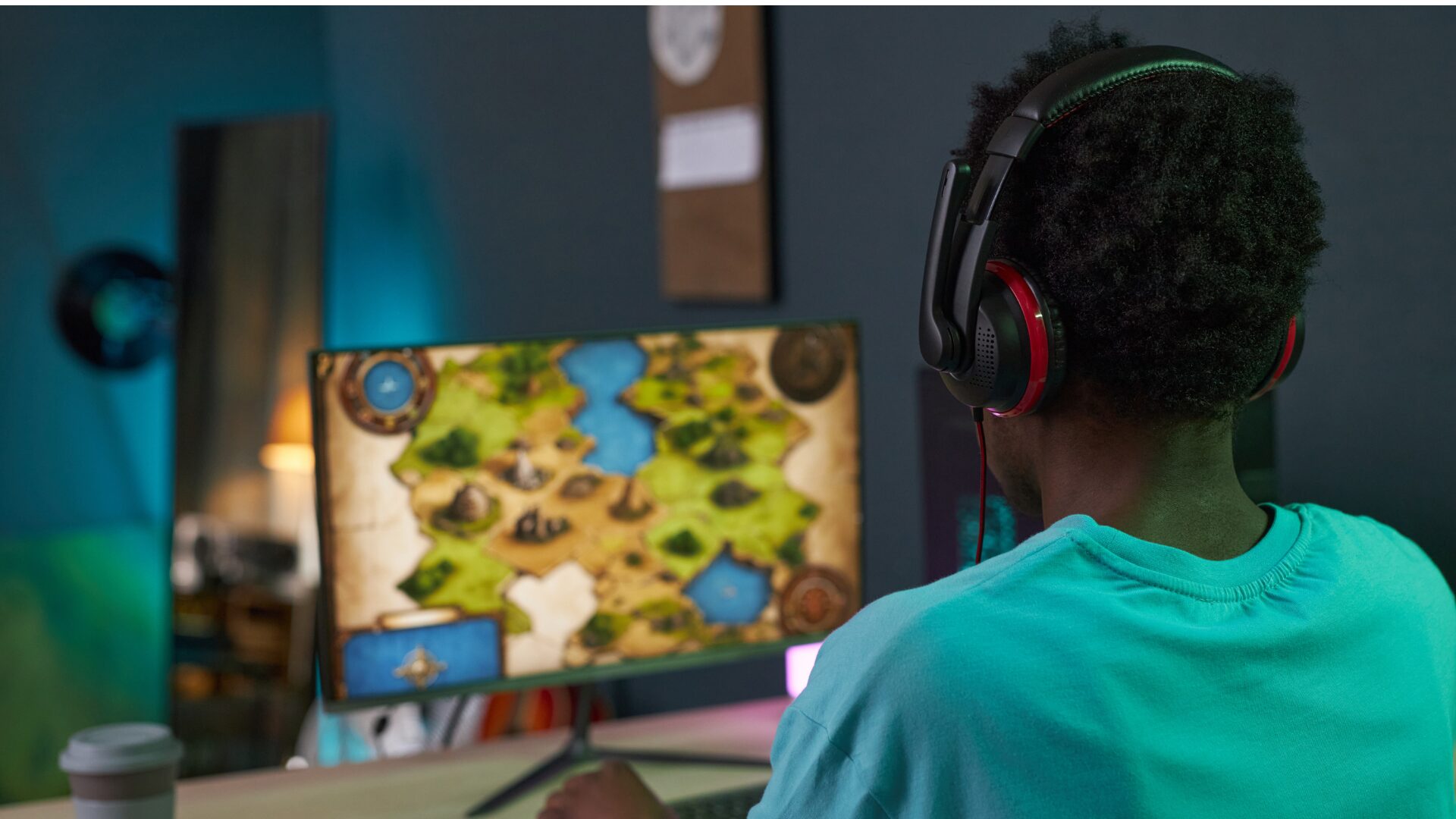
Summer gives you a break from the usual cycle of classes and assignments, but it also gives you time you don’t usually get during the year. Time to focus on something you’re genuinely interested in. If game design is something that has caught your attention, summer programs are a practical way to explore it. Game design summer programs for high school students let you move from just playing games to understanding how they’re built.
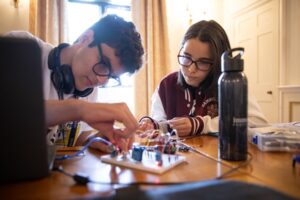
Picture yourself working on a game idea, sketching out characters, testing mechanics, and figuring out what makes something engaging. You might be coding small elements, adjusting designs, or working with a team to bring everything together. It’s a mix of creativity and structure.
These programs also push you to think differently. You’re not just consuming content anymore, you’re creating it. Along the way, you build skills in problem-solving, storytelling, and technical thinking, which apply far beyond game design.
What kinds of game design summer programs for high school students are there?
It can be difficult to identify the right program. Some may be too basic, too lecture-heavy, or not focused enough on actual game development. That’s why it’s important to look for programs that combine structure with hands-on work.
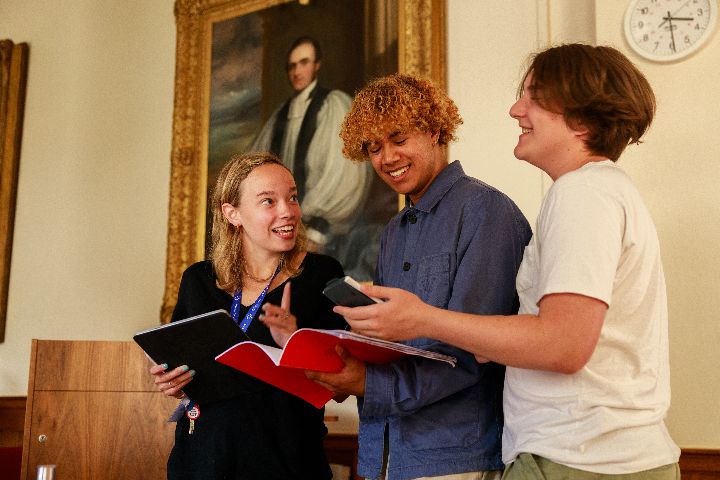
Many universities and specialized institutes offer game design programs designed for high school students. These programs often cover areas like game mechanics, storytelling, coding, and visual design. You’ll learn through project-based work, group collaboration, and guided sessions that introduce industry tools and workflows.
Of course, building a game requires time, effort, and consistent problem-solving. For now, though, we’ve made your search easier. To help you get started, we’ve curated a list of 15 game design summer programs for high school students!
For adjacent opportunities, you can consider software development and gaming summer schools.
15 Game Design Summer Programs for High School Students
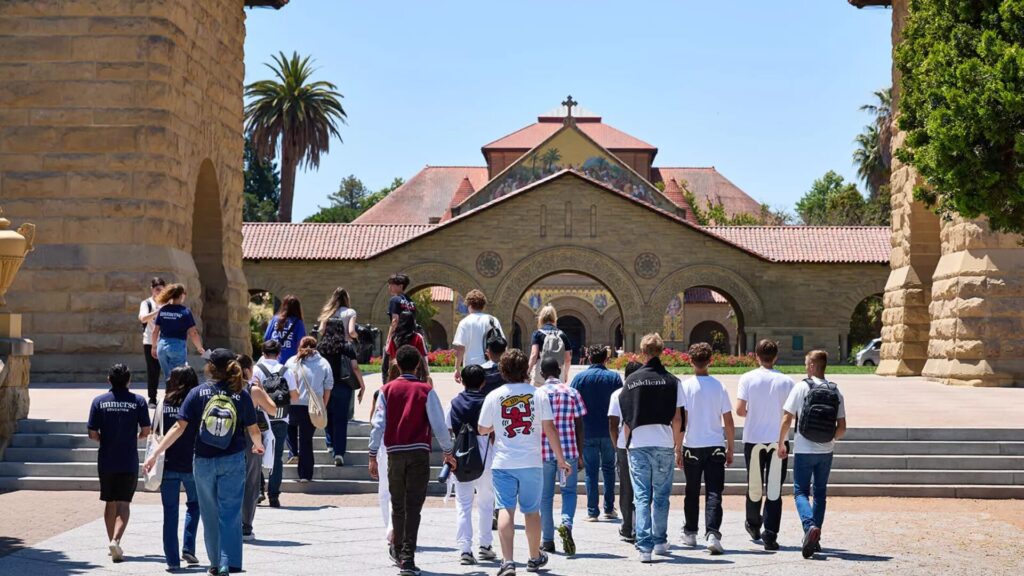
1. Immerse’s Software Development & Gaming Summer School
Location: University College London, London, UK
Cost: Varies; summer school scholarship available through our bursary programme
Dates: 2 weeks during the summer
Application Deadline: Multiple summer cohorts with rolling admissions
Eligibility: High school students worldwide aged 15-18
This two-week Software Development & Gaming programme is designed for students who want to go beyond playing games and start creating them. It focuses on the fundamentals of programming, game design, and problem-solving, taught through hands-on, practical work.
You’ll learn how software is built from the ground up, covering core programming concepts, game mechanics, and user experience design. Through structured projects, you’ll move from idea to execution, developing systems that actually work. The Career Insights pathway gives you exposure to how the industry operates. You can find more details about the application here.
Why it stands out: You’ll learn from practitioners, explore real development workflows, and work on projects that reflect real-world challenges in software and gaming.
2. Game Design & AI Pre-College Summer Program (UNC Asheville)
Location: Asheville, North Carolina, U.S.
Cost: $1,590 (includes lodging, meals, course materials, activities, and excursions)
Dates: June 21st – June 26th
Application Deadline: Open until all spaces are filled
Eligibility: Rising high school sophomores, juniors, and seniors worldwide
UNC Asheville’s Game Design & AI Pre-College Summer Program is a short-term course that introduces students to game design fundamentals alongside AI-based tools and systems. You’ll study mechanics, player experience, and design frameworks while building simple 2D and 3D game prototypes. The program includes guided workshops, team-based design sessions, and iterative playtesting cycles.
You’ll work with low-code tools to develop and refine game ideas while learning how systems like gameplay loops and balance function. By the end of the program, you’ll have built functional prototypes and gained exposure to AI-assisted design workflows.
Why it stands out: You combine game design fundamentals with AI tools, allowing you to experiment with emerging workflows in a short, hands-on format.
3. Champlain Game Academy / Indie Game Studio (Champlain College)
Location: Burlington, Vermont, U.S.
Cost: $4,600
Dates: July 20th – July 31st
Application Deadline: Registration open until spaces are filled
Eligibility: Game Academy: Grades 10-12 and recent graduates (ages 15-18), Indie Game Studio: Ages 16–19 with prior game development experience; international students are welcome to apply
Champlain College’s Game Academy and Indie Game Studio programs introduce students to professional game development through a studio-based learning environment. You’ll explore areas like design, programming, art, and production while working in teams. The program includes building a playable game using tools like Unity, Maya, and C#, with structured studio sessions and collaborative development cycles.
In the advanced track, you’ll refine prototypes and present ideas through critique and pitching. You’ll work daily in a production-style setup guided by faculty with industry experience. By the end, you’ll have a working prototype and a clearer understanding of studio workflows.
Why it stands out: You work in a studio-style environment using industry tools while developing a portfolio-ready game prototype.
4. Summer Game Studio (Clark University)
Location: Worcester, Massachusetts, U.S.
Cost: $4,895
Dates: July 5th – July 18th
Application Deadline: Rolling basis
Eligibility: Domestic and international high school students and recent graduates
Clark University’s Summer Game Studio is a two-week program that introduces students to the full pipeline of game development within a university setting. You’ll explore areas like coding, animation, sound design, and playtesting while working on an original game. The program includes daily labs, team-based roles, and structured development cycles that mirror real production environments.
You’ll collaborate with peers while receiving guidance from faculty and industry professionals. Guest speakers provide additional exposure to careers in game development. By the end, you’ll build a playable game and understand how different roles contribute to development.
Why it stands out: You experience the full game development pipeline while working in teams and interacting with industry professionals.
5. NYU Tisch Summer High School Game Design Program
Location: New York City, New York, U.S.
Cost: Tuition: $12,012; Additional Fees: $200 program fee + $1,308 housing + $824 meals + $504 lab fees
Dates: July 5th – August 1st
Application Deadline: Not specified
Eligibility: High school sophomores and juniors around the world (minimum age 15 for housing)
NYU Tisch’s Summer High School Game Design Program is a residential course that introduces students to game development as both a technical and creative discipline. You’ll study programming, animation, sound, and storytelling through structured coursework. The program includes studio-based classes where you build games through collaborative projects and sustained production work.
You’ll follow a schedule that combines academic sessions with extended project development outside class hours. You’ll work across disciplines while learning how different elements integrate into game creation. By the end, you’ll gain practical experience and a clearer understanding of development workflows.
Why it stands out: You follow an intensive, production-focused schedule that reflects real-world game development workflows.
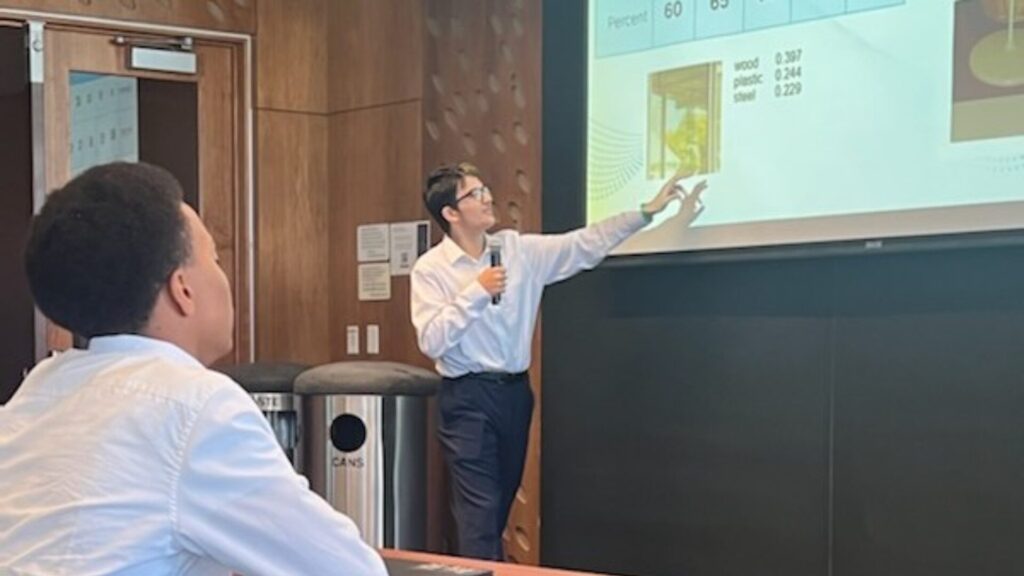
6. Carnegie Mellon Pre-College – National High School Game Academy
Location: Pittsburgh, Pennsylvania, U.S.
Cost: $13,281; Application Fee: $50; Enrollment Deposit: $800
Dates: June 20th – August 1st
Application Deadline: February 1st (Early) / March 1st (Final)
Eligibility: High school students worldwide (Grades 10-11 at time of application); minimum age 16 by June 20th
This program by Carnegie Mellon is a multi-week course that introduces students to interactive design within an academic framework. You’ll study design principles and apply them to building structured game systems. The program includes coursework, guided projects, and problem-solving exercises that develop both technical and conceptual skills.
You’ll work on interactive projects while learning how design decisions affect user experience. The schedule emphasizes sustained academic engagement similar to university-level study. By the end, you’ll gain foundational design experience and preparation for related college programs.
Why it stands out: You follow a structured, university-style curriculum focused on design thinking and interactive systems.
7. Parsons Summer Intensive – Game Design
Location: New York City, New York, U.S.
Cost: $5,610 tuition + $265 university fees; Housing: $2,180 (optional)
Dates: Session 1: June 8-26; Session 2: July 6-24
Application Deadline: Session 1: May 8th (April 1st for international students); Session 2: June 1st (April 1st for international students; May 8th for housing)
Eligibility: Ages 16-18; international students are welcome to apply
Parsons School of Design’s Summer Intensive in Game Design is a short-term academic course focused on design principles and creative development. You’ll explore visual and conceptual frameworks through project-based assignments. The program includes studio work, faculty instruction, and field-based learning through lectures and guided activities.
You’ll work on creative projects while applying design methods relevant to game-related fields. The schedule combines classroom sessions with practical exercises and discussions. By the end, you’ll develop foundational design skills and exposure to academic design pathways.
Why it stands out: You gain a structured, credit-based design experience that blends studio work with academic learning.
8. DigiPen Pre-College Summer – Game Design (Online)
Location: Online
Cost: $2,995-$3,195
Dates: July 6th – July 31st
Application Deadline: Rolling basis
Eligibility: At least 16 years old; entering junior or senior year of high school, or a recent graduate (within 18 months); international students are welcome to apply
DigiPen’s Pre-College Summer Game Design Program is a four-week online course that introduces students to game mechanics, narrative design, and player experience. You’ll work within a structured curriculum that combines theory with hands-on development. The program includes daily project labs where you collaborate with peers to build a complete game.
You’ll attend instructor-led sessions in the morning and apply concepts during development work in the afternoon. The structure emphasizes teamwork across different roles in a development pipeline. By the end, you’ll gain experience building a game within a collaborative environment.
Why it stands out: You work in a team-based development pipeline, simulating real-world collaboration across disciplines.
9. Michigan State University – Making a Game of IT (MGIT)
Location: East Lansing, Michigan, U.S.
Cost: $1,199
Dates: July 19-24
Application Deadline: July 10th
Eligibility: Grades 11-12; open to U.S. and international students, including recent graduates
Michigan State University’s Making a Game of IT program introduces students to game development through programming and design fundamentals. You’ll learn how coding and design combine to create interactive digital experiences. The program includes hands-on sessions where you build a game using Python alongside basic design concepts.
You’ll work under the guidance of faculty and graduate students while developing practical coding skills. The structure focuses on integrating technical learning with creative application. By the end, you’ll have built a simple game and gained exposure to computer science pathways.
Why it stands out: You combine Python programming with game design in a short, focused university-led program.
10. Game Design – Stanford
Location: Online
Cost: $3,200 (tuition) + up to $100 (materials)
Dates: June 15th – June 26th; July 6th – July 17th
Application Deadline: Typically in March
Eligibility: Grades 8-11 (pre-algebra required); international students are welcome to apply
Stanford’s Game Design course introduces students to game design within computer science and engineering frameworks. You’ll study design theory, player behavior, and development processes through structured lessons. The program includes prototyping, playtesting, and design documentation as core activities.
You’ll analyze existing games while developing your own concepts through guided assignments. The curriculum combines theoretical understanding with practical application. By the end, you’ll gain foundational design knowledge and insight into how game development teams operate.
Why it stands out: You focus on analytical game design while applying concepts through structured prototyping and evaluation.
11. DEEP Summer Academy

Location: St. George Campus, University of Toronto
Cost: $732/week (domestic), $1111/week (international) + $50-$60 application fee
Dates: July 6th – August 14th
Application Deadline: April 13th
Eligibility: Grades 9-12; international students are welcome to apply
The University of Toronto’s DEEP Summer Academy is a pre-university program that introduces students to advanced STEM concepts through structured coursework and research exposure. You’ll choose from week-long courses that explore engineering, technology, and applied science topics.
The program includes lectures, hands-on activities, and collaborative problem-solving sessions led by graduate students. You’ll work through real-world challenges while building analytical and technical skills. The flexible structure allows you to take multiple courses across several weeks. By the end, you’ll gain exposure to advanced concepts and a clearer understanding of engineering pathways.
Why it stands out: You explore graduate-level concepts through flexible course options while gaining early exposure to research and engineering fields.
12. USC SCA Summer Program
Location: Los Angeles, California, U.S.
Cost: $9,868 (4-unit course)
Dates: June 25th – August 7th
Application Deadline: April 1st
Eligibility: Age 16+; international students are welcome to apply
USC’s School of Cinematic Arts Summer Program introduces students to storytelling, media production, and game design through an interdisciplinary curriculum. You’ll explore areas like directing, editing, animation, and interactive media. The program includes hands-on projects, studio-based instruction, and collaborative assignments using professional-grade facilities.
You’ll create original content while learning how different media formats connect within production workflows. Industry exposure is provided through seminars and interactions with professionals. By the end, you’ll develop foundational production skills and creative experience.
Why it stands out: You combine game design with film and media production while working in professional facilities with industry exposure.
13. UCLA Game Lab Summer Institute
Location: Los Angeles, California, U.S.
Cost: Virtual: $3,591 total; Residential: $6,541 total (additional $1,025 for international students)
Dates: Virtual: June 22nd – July 9th; Residential: July 12th – July 29th
Application Deadline: June 15th
Eligibility: Domestic and international high school students
UCLA’s Game Lab Summer Institute is a structured program that introduces students to game design as both a creative and technical discipline. You’ll study design principles while exploring games as a form of artistic expression. The program includes multiple courses covering areas like worldbuilding, character design, programming, and interactive storytelling.
You’ll build both digital and analog games through guided projects and iterative development. Instruction is led by Game Lab alumni with experience in experimental design. By the end, you’ll produce original games suitable for a portfolio and gain college-level credit.
Why it stands out: You combine creative expression with technical training while producing portfolio-ready work in a credit-bearing program.
14. NSLC High School Summer Game Design Program
Location: University of California, Los Angeles (UCLA), Los Angeles, California, U.S.
Cost: $4,295 (Residential)
Dates: June 23rd – July 1st; July 5th – July 13th (Summer)
Application Deadline: Rolling basis
Eligibility: High school students worldwide
The NSLC Game Design Summer Program is a 9-day residential experience designed for students who want to understand how games are actually built from idea to playable product. You’ll explore the intersection of storytelling, design, and technology, learning how interactive experiences are created using real industry workflows.
The program is structured around hands-on simulations and project-based learning. You’ll develop original game concepts, experiment with mechanics and environment design, and prototype your ideas using industry-relevant tools. Through iterative testing and feedback, you’ll learn how games are refined to balance creativity, logic, and player experience.
Why it stands out: You’ll live on campus, follow a structured schedule, and experience a pre-college environment that mirrors university life while working closely with peers on collaborative projects
15. Indiana University Bloomington – Game Development Camp
Location: Bloomington, Indiana, U.S.
Cost: Not specified
Dates: Not specified. Verify here
Application Deadline: Rolling basis
Eligibility: High school students from around the world
Indiana University’s Game Development Camp introduces students to the fundamentals of game design and development within a university research environment. You’ll explore how games are built from concept to completion, covering areas like programming logic, game mechanics, and interactive storytelling. The program is run through the Luddy School of Informatics, Computing, and Engineering.
Sessions include hands-on project work where you use game development tools to build a functional game prototype. You’ll work alongside peers in a collaborative environment guided by faculty and graduate students with expertise in computing and design. By the end of the program, you’ll have built a working game and developed a foundational understanding of how interactive systems function.
Why it stands out: You gain exposure to game development within a computing and engineering context at a major research university, connecting creative design with technical problem-solving.
From Building Games to Exploring Future Careers
Making a game teaches more than design alone. It asks you to think creatively, solve problems, test ideas, and keep improving through feedback.
That is why game design summer programs can be such a valuable starting point, helping you explore how coding, storytelling, art, and design come together.
As you build mechanics, shape worlds, and work through challenges, you begin to see which parts of the process feel most exciting and where your strengths naturally grow.
Open our Career Exploration blogs to discover surprising roles, fresh inspiration, and future paths that could turn your interest in games into something much bigger.