
 Русский (RU)
 Українська (UK)
 Türkçe (TR)
 Italiano (IT)
 Français (FR)
 Português (PT)
 中文 (中国) (ZH)
 Español (ES)
 日本語 (JA)
 ไทย (TH)
 Deutsch (DE)
 Ελληνικά (EL)
 Polski (PL)
 Bahasa Indonesia (ID)
 Nederlands (NL)
 العربية (AR)
 한국어 (KO)

Summer programs in Japan for high school students in 2026 can turn a few weeks of vacation into a deeper introduction to advanced learning, university life, and international academic experiences. By stepping into these immersive environments, you may live on a college campus, navigate dining halls, and experience the day-to-day rhythm of independent student living long before your freshman year begins.
You engage directly with cutting-edge tools and concepts, whether that means analysing complex data sets, mastering academic research databases, or learning how to formulate and test your own unique hypotheses. This hands-on approach helps you build practical academic experience by demanding higher-level critical thinking, collaborative problem-solving, and professional communication skills.
Why should I attend a summer program in Japan in 2026?
Japan continues to be a strong destination for high school summer learning because of its mix of globally recognized universities, advanced research institutions, innovation-driven industries, and immersive cultural experiences. Cities like Tokyo, Kyoto, Osaka, and Fukuoka give students access to startup ecosystems, engineering hubs, design schools, language institutes, and research facilities.
Summer programs in Japan allow high school students to experience academics beyond the classroom while living in one of the world’s most technologically advanced and culturally layered countries. Depending on the program, you might study Japanese language through immersive conversation practice, explore robotics and STEM research labs, or participate in university-style seminars with international peers.
Whether you are interested in STEM, business, animation, liberal arts, international relations, or language immersion, Japan offers programs that combine academic exploration with hands-on learning and cultural exchange.
Here is a list of 15 summer programs in Japan for high school students in 2026.
For adjacent opportunities, consider summer programs in Singapore in 2026.
15 Summer Programs in Japan for High School Students in 2026
1. TUJ High School Summer Program
Location: Temple University Japan Campus
Cost/Stipend: JPY 340,000 (~$2,131); early payment discount available for selected applicants
Acceptance rate/cohort size: Selective; limited cohort sizes
Dates: July 29th – August 6th
Application Deadline: April 1st (students requiring visas); May 1st (students not requiring visas)
Eligibility: High school students entering grades 9-12; international students are eligible
Studying in central Tokyo, this option gives summer programs in Japan for high school students in 2026 a university-style pathway through Japanese language classes and undergraduate-style electives at Temple University Japan. Coursework emphasizes participation, group discussions, and collaborative learning, giving you exposure to academic expectations at an international university campus.
Outside class, the program includes guided cultural activities and excursions around Tokyo, along with an overnight trip to Nikko. Living and learning in a new environment also helps you develop independence and adaptability. The program can help you explore whether international study or Japanese language learning aligns with your future academic interests. Participants receive a certificate upon completion.
Why it stands out: It combines cultural immersion in Japan with coursework delivered through a U.S.-accredited university campus.
2. Immerse Education’s Pre-University Summer School
Location: Tokyo, Japan
Cost/Stipend: Varies; summer school scholarship available through our bursary programme
Acceptance rate/cohort size: Selective; around 7 participants per class
Dates: Multiple 2-week cohorts during the summer
Application Deadline: Rolling admissions
Eligibility: Students aged 13-18 enrolled in middle or high school; open to international students
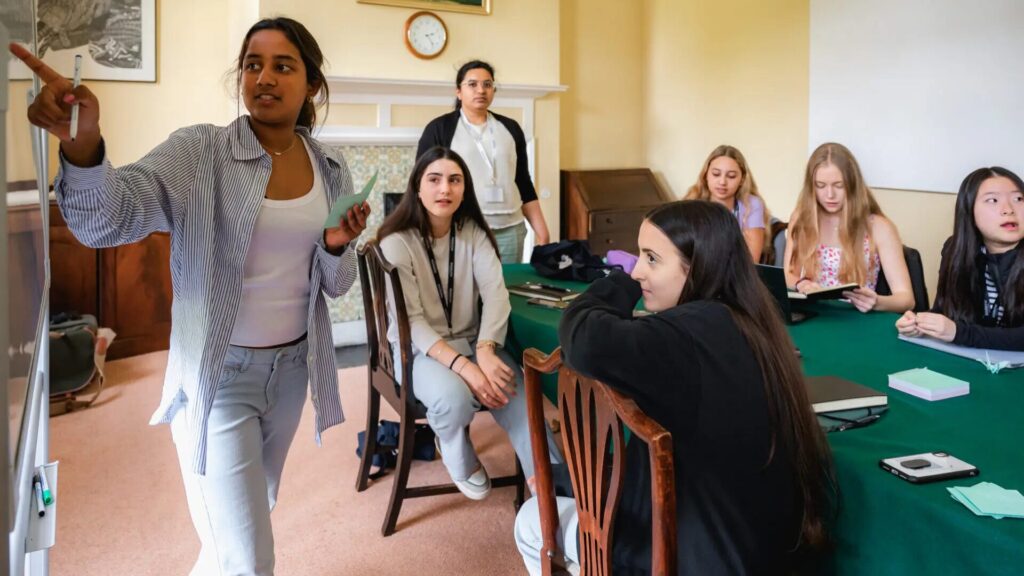
Immerse Education’s Academic Insights Programme is one of the more academically focused summer programs in Japan for high school students in 2026, giving you a structured introduction to university-style learning while living on campus in an international setting. You study subjects such as AI, medicine, engineering, business management, philosophy, or law in small-group seminars led by tutors affiliated with institutions like the University of Oxford and the University of Cambridge.
Sessions emphasize applied learning, so depending on your subject, you may work on case studies, experiments, design projects, or simulations. Alongside academics, you receive mentorship from university students who can offer perspective on campus life, majors, and admissions pathways. The programme concludes with a personal project and written feedback that you can include in future academic portfolios. You also build connections with peers from different countries while experiencing residential student life.
Why it stands out: The programme combines university-style teaching, mentorship, and residential learning to help you explore potential majors and academic pathways before college.
3. JASSO Osaka Japanese Language Education Center Summer Course
Location: Osaka Japanese Language Education Center, Tennoji-ku, Osaka City, Japan
Cost: JPY65,000 (~$407)
Acceptance rate/cohort size: Selective; up to 12 students per cohort
Dates: July 22nd – August 8th
Application Deadline: July 2nd; may close early if full
Eligibility: Students aged 15 and above; under-18 students require parental consent; open to international students
The JASSO Osaka Japanese Language Education Center Summer Course is a three-week program designed to intensively improve your Japanese conversational skills. You cover practical topics ranging from basic greetings and daily discussions to expressing feelings and explaining reasons. During your stay, you participate in intensive face-to-face language classes, engage in daily speaking exercises, complete simple errands at local stores to apply your learning, and join cultural experiences.
The program features small classes capped at twelve students, ensuring personalized attention and a strict focus on real-world communication. Ultimately, you develop conversational fluency, listening comprehension, cross-cultural communication, and practical adaptability.
Why it stands out: It provides highly focused, small-group language immersion in the heart of Osaka, prioritizing immediate real-world communication over traditional textbook study.
4. SAKURA Science High School Program
Location: Various universities and research institutes across Japan
Cost/Stipend: None
Acceptance rate/cohort size: Highly selective; 20-100 students per session
Dates: One-week sessions throughout the year
Application Deadline: April 21st, July 4th, and October 6th
Eligibility: High school students (Grades 10, 11, or 12) who are at least 15 years old; have a strong academic record in science/math; are first-time visitors to Japan; are open to international students
The SAKURA Science Program adds a research-focused route to summer programs in Japan for high school students in 2026, introducing you to Japan’s scientific research environment through lectures, laboratory visits, and collaborative exchange activities. Hosted by universities and research institutions, the programme includes exposure to advanced STEM topics, with some sessions led by prominent researchers and Nobel laureates.
You visit laboratories and research campuses while participating in discussions with Japanese students and international peers. Cultural activities are integrated into the schedule to help participants better understand Japanese society alongside its scientific ecosystem. Because the programme is fully funded, selected students can access academic experiences that might otherwise be financially difficult to pursue. The short format also makes it manageable alongside school commitments.
Why it stands out: It provides funded access to Japan’s research institutions and STEM networks through an intensive academic exchange experience.
5. Kyoto University ELCAS Program
Location: Kyoto University (Yoshida and Katsura Campuses), Kyoto, Japan (or online via Zoom)
Cost: Free (Participants pay for their own transportation, meals, and accommodation)
Acceptance rate/cohort size: Selective
Dates: 2 days in late July for online lectures, or 3 days in mid-August for in-person sessions
Application Deadline: Usually Mid-June
Eligibility: High school students residing in Japan; international students living outside the country are not eligible since the university requires participants to attend domestic Japanese high schools and comprehend Japanese instruction
Kyoto University runs an intensive summer program to teach teenagers advanced research skills across various academic fields. Applicants choose between participating in a 2-day online lecture series or completing a 3-day in-person laboratory practicum. Professional researchers guide you through specific academic projects, answering your direct questions about the scientific process.
You collect raw data using professional academic machinery and analyze the results with your assigned group members. The entire curriculum provides a realistic preview of university-level academics to help you decide your future career path. Application form filling will begin in May.
Why it stands out: High schoolers engage directly with top Kyoto University professors to run actual experiments inside advanced research facilities.
6. Genki Japanese & Culture School Summer Courses
Location: Kyoto or Fukuoka, Japan
Cost/Stipend: Varies by session and accommodation type
Acceptance rate/cohort size: Selective; Fukuoka: 60 students/Kyoto: maximum 8 students per class
Dates: Fukuoka: July 6-24; Kyoto: Flexible starts on July 6th, July 20th, August 3rd, and August 17th
Application Deadline: March 6th or until capacity is reached
Eligibility: Students aged 14-17 (Fukuoka) and 14-19 (Kyoto); open to international students
At Genki Japanese & Culture School, you combine structured language instruction with cultural immersion designed specifically for teenagers. Classes focus on practical Japanese communication skills and are kept intentionally small to encourage participation and individual support. Outside the classroom, the programme includes activities such as manga workshops, tea ceremonies, taiko drumming, and weekend trips around Kyoto or Fukuoka.
You may stay with a host family or in supervised student accommodation, allowing you to experience daily life in Japan beyond the classroom. The immersive structure can help you build confidence speaking Japanese while adapting to a different cultural environment. Participants also interact with peers from multiple countries during activities and excursions.
Why it stands out: The programme emphasizes small-group instruction and personalized language learning alongside structured cultural immersion.
7. LanguBridge Japan Summer Programs
Location: Tokyo, Japan
Cost: Approximately $3,235-$6,795 depending on session length
Acceptance rate/cohort size: Non-selective;
Dates: July 4th – August 22nd
Application Deadline: Varies by stream; Culture Discovery B closes May 1, 2026; other sessions close earlier or on a rolling basis
Eligibility: Ages 14-18 for Youth Immersion (Tokyo E); minimum age 16 for Culture Discovery streams (Tokyo A, B & C); open to international students
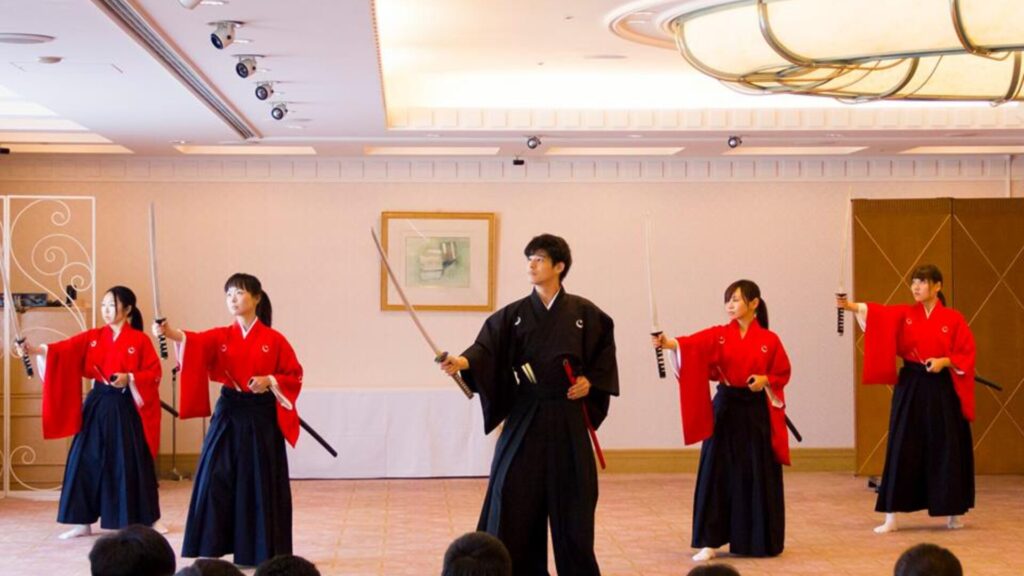
LanguBridge offers two separate summer pathways in Tokyo: the Youth Immersion programme (Tokyo E) and the Culture Discovery programme (Tokyo A, B & C). Both options combine Japanese language instruction with cultural activities and guided excursions. You attend classes taught by experienced local instructors and are grouped by language proficiency.
Cultural activities across both streams include tea ceremony, calligraphy, and trips to sites such as Asakusa and Harajuku; Culture Discovery additionally offers an overnight trip to Mt. Fuji or Kyoto. The Youth Immersion track places greater emphasis on homestays, structured daily supervision, and comprehensive transportation support including airport pickup and drop-off and a daily commuting pass.
Why it stands out: You can choose between a highly immersive homestay-focused experience or a more independent cultural exploration model.
8. Intraxjp-Ayusa Summer Camp in Japan
Location: Tokyo, Japan
Cost/Stipend: Approximately $4,300 excluding airfare and most meals
Acceptance rate/cohort size: Not publicly specified
Dates: June 20th – July 11th
Application Deadline: April 1st
Eligibility: Students aged 14-19; open to international students
This three-week summer programme combines Japanese language learning with volunteer work and cultural exchange activities across Tokyo. Daily classes with certified instructors focus on conversational communication and practical language development. You also volunteer at local elementary schools and interact with Japanese high school students through exchange activities and workshops.
Cultural excursions include visits to neighborhoods such as Akihabara, Harajuku, and Asakusa, alongside trips near Mt. Fuji. A short homestay component introduces you to everyday family life in Japan while helping you adapt to different social customs. The programme encourages both language development and community engagement within an international context.
Why it stands out: It integrates volunteering and local school engagement into a broader language immersion experience.
9. Keio University Institute for Advanced Biosciences (IAB) – High School Student Intern
Location: Tsuruoka Town Campus (Tsuruoka City, Yamagata Prefecture, Japan)
Stipend: Paid, amount not disclosed
Acceptance rate/cohort size: Selective; approximately 40 students per year
Dates: Year-round (typically starts in May and runs through the academic year, including the summer break)
Application Deadline: Typically late March to early April (for a May start)
Eligibility: High school and technical college students (typically grades 10-12); not open to international students
In this program, you will conduct practical biological experiments, perform advanced computer data analysis, collaborate directly with top researchers, and formally present your findings at the national Bio-Summit. As a student intern, you receive full institutional support to pursue your own original research questions using world-class laboratory equipment.
Through these hands-on activities, you master specialized laboratory techniques, computational biology, critical scientific reasoning, and effective public communication skills. Ultimately, this unique environment empowers you to take your first genuine steps toward becoming a pioneering future scientist.
Why it stands out: It trusts you to drive your own independent research project while utilizing the exact same state-of-the-art facilities as elite doctoral researchers.
10. HLAB Summer School
Location: Tokyo, Shinshu (Nagano), and Onagawa (Miyagi), Japan
Cost: JPY110,000 – JPY132,000 (~$750 – $900); need-based scholarships are available
Acceptance rate/cohort size: Selective; roughly 60-80 students are placed at each regional site
Dates: August 14-21
Application Deadline: March-April
Eligibility: High school students aged 15-18; open to international students
HLAB Summer School brings a residential liberal arts option to summer programs in Japan for high school students in 2026, where you learn through seminars, workshops, and mentor-led discussions with students from universities around the world. Rather than focusing on one academic subject, the curriculum encourages interdisciplinary exploration across fields such as social sciences, arts, innovation, and global issues.
You live in small residential groups alongside mentors, creating opportunities for discussion beyond formal classroom sessions. Each location offers a distinct theme, from urban innovation in Tokyo to regional revitalization in Onagawa. Reflection sessions and collaborative projects are integrated throughout the programme to encourage critical thinking and dialogue. The experience can help you better understand liberal arts education and residential university culture.
Why it stands out: The mentor-based residential model closely mirrors discussion-driven liberal arts learning at international universities.
11. Okinawa Institute of Science and Technology (OIST) – SEED Program
Location: OIST Campus, Onna-son, Okinawa, Japan
Cost: None
Acceptance rate/cohort size: Selective; ~20 to 80 students per session
Dates: Year-round (Flexible; scheduled based on school requests)
Application Deadline: At least 3 months prior to the desired visit date
Eligibility: Students from Super Science High Schools (SSH) and science-oriented schools in Japan; not open to international students
The OIST STEM Experience, Exploration, and Discovery (SEED) Program offers you a customized science curriculum tailored directly to your high school’s unique needs. Depending on your visit, you will explore diverse STEM topics ranging from cell biology and geology to quantum optics and fluid dynamics. During the program, you will deliver research presentations in English for expert feedback, attend inspiring career talks, conduct hands-on experiments, and explore cutting-edge laboratories.
By working with global researchers, you actively build valuable skills in scientific communication, analytical observation, and practical lab techniques. This completely tailored approach provides with you an authentic introduction to interdisciplinary scientific research.
Why it stands out: It provides a highly customizable, interdisciplinary experience where you interact directly with international researchers in a university that operates entirely without traditional academic boundaries.
12. The University of Tokyo (UTokyo) – Global Science Campus (GSC)
Location: The University of Tokyo, Komaba Campus (Meguro-ku, Tokyo)
Cost/Stipend: None
Acceptance rate/cohort size: Highly selective; Stage 2 “Growth Course:” 70 students; Stage 3 “Development Course:” roughly 15-20 students
Dates: Year-round; intensive workshops and research activities in August
Application Deadline: May 15th
Eligibility: Students in their 1st or 2nd year of high school (Grades 10-11), 4th or 5th year of secondary education, or 1st or 2nd year of technical college (Kosen) as of April; not open to international students
The University of Tokyo Global Science Campus (UTokyoGSC) is a highly competitive STEAM program designed to transform you into a next-generation global scientist. During the program, you will explore interdisciplinary topics spanning Science, Technology, Engineering, Arts, and Mathematics. You will actively engage in hands-on activities like attending advanced academic workshops, drafting an original research plan, conducting experiments in UTokyo laboratories, and presenting your findings at scientific conferences.
Through these experiences, you develop essential skills in complex problem-solving, scientific inquiry, specialized laboratory techniques, and academic communication. A unique feature of this initiative is its rigorous two-stage structure, where only students with outstanding research proposals advance to conduct independent, mentored lab work.
Why it stands out: It systematically bridges the gap between secondary education and cutting-edge university science by empowering you to test your own original hypotheses alongside world-class researchers in authentic, state-of-the-art laboratories.
13. Hands On Tokyo Teen Volunteer Program
Location: Tokyo, Japan (Minato-ku and various project sites)
Cost/Stipend: None
Acceptance rate/cohort size: Selective; 10-20 (Teen Advisory Board); 30-50 (Youth Summit participants)
Dates: Year-round (Projects occur in July and August)
Application Deadline: Rolling basis
Eligibility: High school students (typically ages 15-18); open to international students
In the Hands On Tokyo Teen Volunteer Program, you engage directly with local social issues, special needs support, and environmental conservation. As a volunteer, you will facilitate customer interactions at the LIVES Food Truck alongside disabled workers, participate in coastal beach cleanups, and organize activities for senior citizens or children in orphanages.
The program’s most unique feature is its bilingual environment and its focus on youth empowerment, letting you eventually design and launch your own local service project. By actively working on the ground and leading these initiatives, you naturally build empathy for diverse groups. Furthermore, you will develop practical leadership, cross-cultural communication, and project management skills.
Why it stands out: It provides a rare bilingual platform in Japan where high schoolers can graduate from simple volunteering to managing their own community-driven projects.
14. NUCB International College – Summer School at Nisshin Campus
Location: Nagoya University of Commerce & Business (NUCB), Nisshin-shi, Aichi Prefecture
Cost/Stipend: 140,000 JPY
Acceptance rate/cohort size: 25 max
Dates: Around July
Application Deadline: Not explicitly listed
Eligibility: Students worldwide enrolled in Grades 10-13
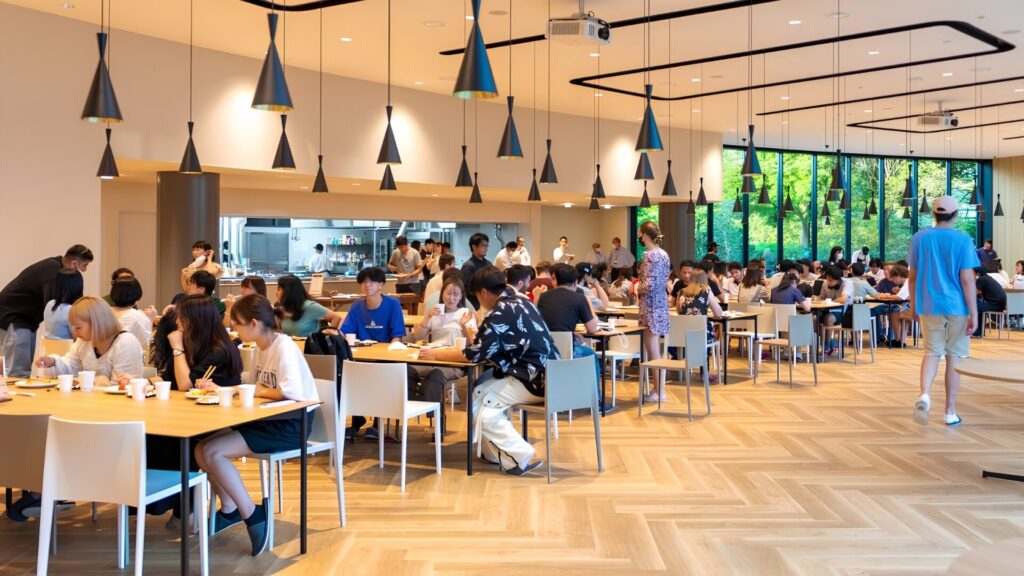
NUCB International College’s Summer School at its Nisshin campus offers a distinctive blend of academic challenge and cultural immersion. You’ll participate in Harvard-style case method workshops, Japanese language classes, team-based problem-solving tasks, and stay in boarding-style accommodation on a full university campus.
With only 25 spots available, the cohort remains small, ensuring personalised attention and meaningful interaction with peers from around the world. The inclusive, English-medium environment allows you to build leadership, communication, and critical-thinking skills, all while exploring Japanese culture through excursions and on-campus living. Click here to apply.
Why it stands out: It’s hosted at a global, reputable business university, so you’ll have access to experienced faculty and a university-style experience.
15. Tsukuba University GFEST Program
Location: Tsukuba University and local research institutions, Ibaraki, Japan (with online components)
Cost: Free (Participants pay for their own transportation, meals, and overnight accommodation if required)
Acceptance rate/cohort size: Selective
Dates: July to March (9 months)
Application Deadline: Mid-June
Eligibility: High school students and highly motivated 9th graders residing in Japan; international students living outside the country are ineligible because the program requires regular physical attendance at facilities in Tsukuba City and operates entirely in Japanese
Tsukuba University mentors teenagers to cultivate advanced science and technology skills through an intensive 9-month curriculum. You select between 2 distinct tracks based on their academic goals: conducting independent research or deeply exploring specific scientific fields. You attend interactive lectures and collaborative group work sessions focusing on entrepreneurship, societal problem-solving, and cross-cultural communication.
You visit respected research institutions around Tsukuba City to observe professional scientific operations directly. You conclude the experience by presenting their accumulated research data during a formal presentation session. Applications will start from May this year.
Why it stands out: Teenagers interact with international college students and run personalized science experiments under the direct supervision of university professors.
From Tokyo Campuses to International Pathways
Japan can make academic exploration feel immediate: a train ride to class, a lab visit, a language exchange, or a seminar with peers from different countries.
With these 15 summer programs in Japan for high school students in 2026, you can test subjects, routines, cultures, and learning styles before committing to a future university path.
That short experience can reveal whether you want a global campus, a research-driven environment, language immersion, or a degree connected to Asia’s innovation hubs.
Where could this first step lead? Explore our Study Abroad blogs for destination guidance, application advice, subject choices, and university planning.