



 Русский (RU)
 Українська (UK)
 Türkçe (TR)
 Italiano (IT)
 Français (FR)
 Português (PT)
 中文 (中国) (ZH)
 Español (ES)
 日本語 (JA)
 ไทย (TH)
 Deutsch (DE)
 Ελληνικά (EL)
 Polski (PL)
 Bahasa Indonesia (ID)
 Nederlands (NL)
 العربية (AR)
 한국어 (KO)

If you are a high schooler considering a future in engineering, engineering work opportunities in Japan for high school students can give you a practical next step beyond classroom learning. Internships, work-and-learn experiences, research placements, and hands-on programs offer real exposure to the field, helping you see how textbook concepts translate into genuine engineering applications.
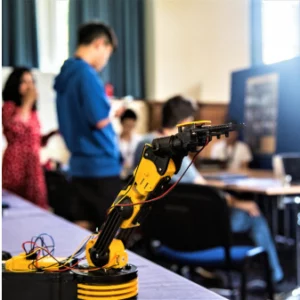
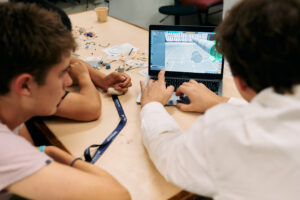
Whether you are programming robot cars, experimenting with microcontrollers, working inside bioscience laboratories, or learning how digital media systems operate inside major tech companies, these programs expose you to the practical side of engineering far earlier than most traditional school settings. In the process, you may develop advanced technical skills in areas like Python, CAD design, robotics, prototyping, data analysis, electronics, biotechnology, and design thinking while learning how engineers approach real-world problem-solving.
Why should I consider engineering work opportunities in Japan?
Japan sits at the intersection of advanced technology, research innovation, and precision manufacturing. Japan gives students direct exposure to environments shaping the future of robotics, artificial intelligence, renewable energy, transportation systems, and biotechnology. Work-focused programs in Japan can give you a realistic sense of what life at a post-secondary academic or professional institution feels like through laboratory work, research mentorship, campus experiences, and in-person project-based learning.
Many of these opportunities also introduce you to collaborative research, technical presentations, and university-style academic work, helping you build practical experience before college even begins.
To help you in your search, we have put together a list of 15 engineering work opportunities in Japan for high school students.
For adjacent opportunities, consider the online engineering program and summer programs in Japan.
15 Engineering Work Opportunities in Japan for High School Students
1. Keio University Institute for Advanced Biosciences High School Assistantship and Internship
Location: Institute for Advanced Biosciences at Keio University, Yamagata Prefecture, Japan
Cost/Stipend: Not specified
Acceptance rate/cohort size: ~40 selected annually
Dates: Year-round, including summer term
Application deadline: Late March – early April
Eligibility: Japanese high school and technical college learners
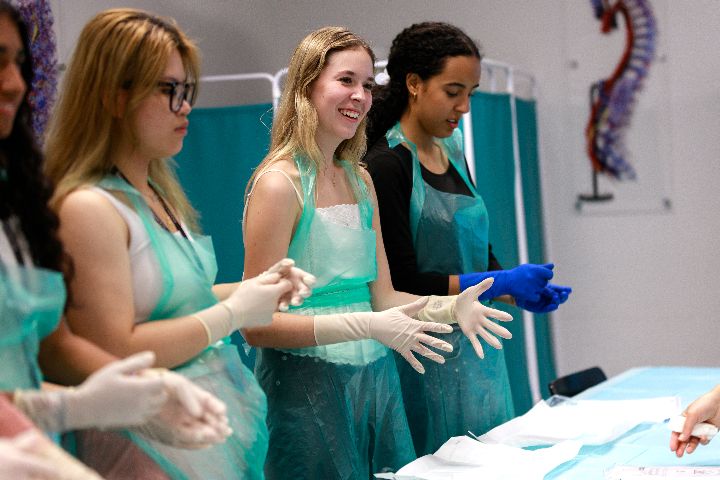
This research internship places you in a professional bioscience laboratory, where you will work with advanced scientific tools and data systems commonly used in university and industry research. You explore the role of engineering in biology, engaging with disciplines like bioinformatics, biotechnology, metabolomics, and computational biology while conducting real experiments under the supervision of scientists.
The internship may also introduce you to laboratory software, data analysis methods, and technical presentation skills through ongoing research activities. Because the work environment mirrors graduate-level scientific research, you will develop a stronger understanding of how engineering and biology intersect in modern healthcare and biotechnology industries. Throughout the program, you will contribute to authentic research work.
Why it stands out: You will work directly with professional-grade laboratory technology and scientific datasets inside a bioscience research institute in Japan.
2. Immerse Education’s Tokyo Engineering Summer School

Location: Tokyo
Cost: Varies; summer school scholarship available through our bursary programme
Acceptance rate/cohort size: Selective; an average of 7 participants per class
Dates: Two weeks during the summer
Application deadline: Multiple summer cohorts with rolling admissions
Eligibility: High school students worldwide, ages 15-18
Immerse Education’s summer school is one of the more academically focused engineering work opportunities in Japan for high school students, offering an immersive learning experience for future engineering studies. You’ll gain knowledge about a range of advanced topics, including electronics, mechanics, and civil engineering. You’ll gain real-world knowledge and develop problem-solving skills. You’ll gain in-depth knowledge about different engineering concepts, including the principles of circuitry, motion, and force.
You’ll understand how efficient, strong, and light materials are designed by engineers. The program allows you to address real-world challenges in engineering, prepare yourself for academic success, and work on a personal research project. You’ll participate in group workshops, attend expert seminars, and receive one-on-one guidance from tutors.
Why it stands out: You will explore real engineering workplaces, gain experience working on projects, and connect with professionals in Tokyo to get a head start in planning for your career.
3. Okinawa Institute of Science and Technology HiSci Lab
Location: Okinawa Institute of Science and Technology (OIST), Onna-son, Okinawa, Japan
Cost: Free (accommodation and meals included; travel expenses covered for remote island participants)
Acceptance rate/cohort size: 18 participants
Dates: February 21-22
Application deadline: January 12th
Eligibility: Female high school students living in Okinawa Prefecture
HiSci Lab is a two-day, one-night science workshop held at OIST for female high school students in Okinawa. Each year focuses on a different theme; past topics have included marine science, longevity, and the science of everyday life, with the most recent edition centering on sound. During the program, you will attend career talks led by OIST faculty members and Ph.D. students, take a campus and lab tour, and take part in hands-on workshops led by researchers.
You also have the chance to interact with female scientists who share what inspired them to pursue science, their university experiences, and their lives as researchers. While not a typical work opportunity, this free program offers internship-like career-focused experiences, letting you explore STEM paths through hands-on activities and networking.
Why it stands out: It lets you explore a future in STEM through networking, hands-on engagement, and professional lab tours.
4. Sakura Science High School Program
Location: Multiple sites across Japan, including Tokyo, Tsukuba, and Aichi
Cost: Fully funded
Acceptance rate/cohort size: Not specified
Dates: Typically one week in summer; dates vary by hosting institution
Application deadline: Varies by partner institution nomination window
Eligibility: High-performing high school students nominated by schools or select science organizations from partner countries (typically in Asia)
This work-and-learn program offers you short-term access to Japanese universities, laboratories, and advanced research centers through a fully funded academic exchange experience. During the program, you will attend STEM lectures, visit engineering and research facilities, and interact with scientists working in fields ranging from robotics to materials science. Sessions also include presentations by leading researchers and Nobel laureates, offering you exposure to high-level scientific thinking at an early stage.
Beyond the technical side, the exchange format encourages cross-cultural collaboration with peers from multiple countries, helping you develop communication and networking skills within international STEM environments. The program is designed to offer a concentrated introduction to Japan’s research ecosystem.
Why it stands out: You will work with professionals and explore Japanese research institutions and laboratories—experiences that are usually inaccessible to high school learners!
5. Natsu-Gaku Summer School
Location: National Institution for Youth Education (NIYE), Tokyo, Japan
Cost: JPY 10,000; transportation subsidies and fee waivers available
Acceptance rate/cohort size: Not specified
Dates: August 8-10
Application deadline: June 13th
Eligibility: Female students in junior high school, high school, or technical college programs; international students can apply
This residential STEM camp introduces you to engineering and scientific research through experiments, workshops, and mentorship sessions led by researchers and university faculty. During the program, you will participate in hands-on activities connected to technology, engineering design, and applied science while learning about technical professions. Conversations with professional engineers and scientists will help you learn about pathways into university research and industry-based STEM work.
The camp also encourages collaborative discussion and long-term academic planning, making it especially useful if you are beginning to explore engineering as a future field of study. While not a traditional work-focused opportunity, the program offers hands-on exposure to STEM and chances to learn from active researchers and engineers.
Why it stands out: You will connect directly with engineers, researchers, and scientific organizations across Japan while exploring technical careers in a highly supportive environment.
6. Natsu Camp
Location: Tokyo, Japan
Cost: JPY 348,000; scholarships available
Acceptance rate/cohort size: Limited spots; small class sizes
Dates: August 1-7
Application deadline: March 1st
Eligibility: High school and university students worldwide, ages 15-21
Natsu Camp adds an innovation-focused route to engineering work opportunities in Japan for high school students, letting you explore engineering through interdisciplinary problem-solving, technology, entrepreneurship, sustainability, and design thinking. You will work alongside mentors affiliated with institutions such as Stanford, Keio University, and the University of Tokyo while developing solutions in autonomous systems, urban innovation, and environmental technology.
Instead of focusing only on technical theory, the program emphasizes research strategy, leadership, communication, and engineering ethics within real-world contexts. Workshops and discussions will expose you to startup culture and emerging technologies shaping Japan’s future industries. As projects are team-based, you will gain experience pitching ideas, refining prototypes, and working through iterative design challenges under mentor feedback.
Why it stands out: It blends engineering with entrepreneurship and social innovation, helping you approach technical problems from both research and real-world industry perspectives.
7. OIST SEED Program
Location: Okinawa Institute of Science and Technology (OIST), Okinawa, Japan
Cost: JPY 8,000/student/day
Acceptance rate/cohort size: ~20-80 students/session
Dates: Weekdays; no fixed dates, as programs can be set up on a rolling basis throughout the year, in single-day, half-day, and multi-day formats.
Application deadline: Applications must be submitted at least 3 months before the desired date; reservations can be made up to one year in advance.
Eligibility: Super Science High Schools (SSH) and high schools with science-oriented curricula in Japan; applications need to be completed by schools as organisations.
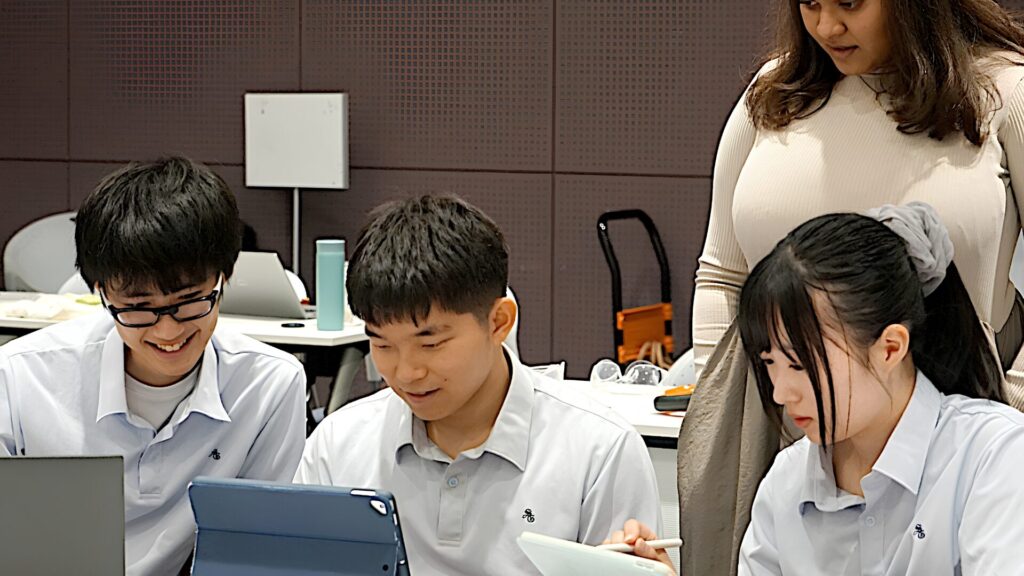
The OIST SEED Program introduces you to advanced scientific and engineering research through laboratory visits, experimental workshops, and interactions with international researchers. During the experience, you will participate in practical STEM activities such as DNA separation experiments while also learning how large-scale research institutions operate. You will gain experience in global scientific communication and collaborative academic culture alongside technical learning.
Research presentations and feedback sessions will further help you strengthen analytical thinking and scientific explanation skills. The program is particularly useful if you want to understand how engineering and scientific research function in international university settings.
Why it stands out: You will experience the atmosphere of a globally connected research university while working inside active laboratories alongside international scientists.
8. University of Tokyo Global Science Campus (UTokyoGSC)
Location: University of Tokyo’s Komaba Campus, Meguro City, Tokyo
Cost: ~JPY 6,000 for select phases; some phases are entirely free
Acceptance rate/cohort size: Highly selective; advanced stage limited to ~15-20 students
Dates: Year-round with summer workshops
Application deadline: May 18th
Eligibility: Japanese high school and technical college learners in grades 10-11 or equivalent
UTokyoGSC is a rigorous long-term STEAM research initiative that allows you to move beyond standard secondary-school coursework and engage directly with university-level engineering and scientific inquiry. Early phases focus on interdisciplinary workshops and research planning, while advanced stages place you inside real University of Tokyo laboratories conducting hands-on investigations.
Throughout the program, you will gain exposure to research methodologies, technical writing, presentation skills, and analytical problem-solving through sustained mentorship from university faculty. Engineering themes often intersect with data science, technology innovation, and applied scientific research, making the curriculum especially valuable if you are interested in research-heavy STEM careers. Academic presentations and conferences further prepare you for future university-level work.
Why it stands out: You will conduct real university research under elite faculty mentorship while developing advanced academic and engineering research skills usually introduced much later in college.
9. CyberAgent High School Visit Program
Location: CyberAgent, Inc. office, Tokyo, Japan (online or in-person)
Cost: None
Acceptance rate/cohort size: Up to 20 students/session
Dates: Flexible; year-round availability
Application deadline: Applications accepted from two weeks to three months prior to the desired date via a school or group; school-based applications are accepted
Eligibility: Junior high and high school students across Japan
This program allows you to explore CyberAgent’s workplace, either online or in person at its Tokyo office. You will learn about CyberAgent’s business and how the company operates through presentations and discussions with its employees. Rather than learning through simulations, you will observe real production spaces and active technology teams inside a functioning corporate environment.
Engineers and digital professionals will explain how products are designed, developed, and maintained at scale, giving you a clearer understanding of technology careers. The experience can additionally help you build awareness of workplace culture within Japan’s fast-moving tech sector.
Why it stands out: You will gain behind-the-scenes access to a Japanese tech company and see how large-scale digital systems operate in real time.
10. Google Japan’s Mind the Gap
Location: Virtual or Google Stream 5F, Tokyo
Cost/Stipend: None
Acceptance rate/cohort size: 20-50 students in the in-person session; no limit specified for the online session
Dates: Summer and year-round sessions
Application deadline: Rolling admissions
Eligibility: High school girls and young women; international student eligibility not specified
Mind the Gap stands out among engineering work opportunities in Japan for high school students for introducing you to software engineering and computer science through workshops, office experiences, and discussions with female engineers at Google Japan.
You will explore topics connected to programming, problem-solving, and emerging technologies while participating in practical technical sessions designed for beginners and intermediate learners alike.
Office tours and engineer panels help you understand how large technology companies approach collaboration, product design, and innovation at scale. The program also emphasizes confidence-building and career exploration within STEM fields where gender gaps remain significant. As sessions include direct interaction with industry professionals, you will gain practical insight into what engineering work looks like inside a global technology company.
Why it stands out: You will learn directly from software engineers inside Google’s Tokyo offices while exploring real-world technology careers in an immersive setting.
11. George Mason University Aspiring Scientists Summer Internship Program (ASSIP)
Location: Virtual opportunities available for international students
Cost: $25 application fee + $1,299 tuition for three course credits (fees in USD); fee waivers available
Acceptance rate/cohort size: Not specified
Dates: June 18th – August 12th
Application deadline: February 15th
Eligibility: Students who are at least 15 years old; international students are eligible
Every summer, ASSIP offers virtual research internships to high school and college students, with placements spanning various STEM fields, including engineering. You can choose a mentor offering a remote research format to engage in engineering research, gaining experience in conducting experiments, collecting and assessing data, and documenting your work.
During the program, you will learn about career paths while connecting with professors, researchers, or STEM professionals. The program ends with a symposium, where you will learn about the research conducted at ASSIP over the summer.
Why it stands out: It lets you spend eight weeks engaging in real engineering research with an experienced faculty mentor, connecting with STEM professionals and researchers, and building scientific communication skills.
12. United Planet Virtual Internships
Location: Virtual
Cost: Starts at $800/month; you can check details here. Scholarships are available
Acceptance rate/cohort size: Not specified
Dates: One to six months (commitment of 5-40 hours per week)
Application deadline: Rolling admissions
Eligibility: Anyone who is at least 16 years old
United Planet is an international nonprofit that offers remote internships to high school students around the world, providing the opportunity to contribute to global initiatives in public health, education, community development, and sustainability. You may work with partner organizations in various countries, including Japan. As an intern, you can choose from focus areas like Global Health, Children and Education, Community Development, or Environmental Sustainability.
The internship offers access to cultural activities, language lessons, training sessions, and support to help you with internship tasks. Past interns have contributed to STEM and environmental research, worked on awareness campaigns, assisted in classrooms, and supported health outreach efforts. You will gain experience working across time zones and managing project timelines.
Why it stands out: It allows you to contribute to meaningful global projects remotely while developing professional collaboration and communication skills.
13. EnergyMag Internships
Location: Virtual
Cost/Stipend: None
Acceptance rate/cohort size: Not specified
Dates: Quarter-time (1 to 9 months) internships in the school year | Half-time (two to eight weeks) internships in the summer; flexible dates
Application deadline: Open year-round
Eligibility: High school sophomores through seniors, domestic and international, who have taken at least one honors science or honors English class and maintain a GPA of 3.25 or higher; college students are also eligible
EnergyMag offers flexible research-focused internships to high school students interested in sustainability, clean energy, and energy storage technologies. During the internship, you will investigate and analyze a given technology, organization, market, or activity under the guidance of a mentor to gain insights into energy use and storage.
While working on the assigned project, you will compile and assess the data you collect from various sources, and draft an analysis report, which may be published on the EnergyMag website. This experience can help you develop on-the-job skills, including research and communication, without traveling or commuting.
Why it stands out: You will engage in mentored research on advanced energy technologies tied closely to Japan’s global leadership in sustainability and battery innovation.
14. OIST’s SCORE! (Science in Okinawa: Research and Entrepreneurship)
Location: Okinawa Institute of Science and Technology, Onna-son, Okinawa, Japan
Cost: Not specified
Acceptance rate/cohort size: Not specified
Dates: Vary by year; typically, at the end of the year
Application deadline: TBA
Eligibility: High school students from Okinawa; international students are not eligible
SCORE! is an annual innovation competition for high school students that combines hands-on science, entrepreneurship, and English language skills. You will present your own research project to judges, explaining how you came up with your topic, how you tested it, and what you found, practicing how to communicate scientific ideas clearly. You will work within a team of peers and compete against other high school students from across Okinawa. You will be judged on the quality of your research and your ability to communicate it to an international audience.
Winners will receive prizes such as OIST internship opportunities and a study trip abroad. While not a typical work opportunity, the event lets you work on engineering research, connect with peers and professionals, build professional skills like communication, teamwork, and problem-solving, and stand a chance to secure an internship at OIST.
Why it stands out: It combines scientific research with entrepreneurship and English-language presentation, giving you a chance to learn how to present your ideas and win an international study trip or an OIST internship.
15. RIKEN Center for Biosystems Dynamics Research Programs
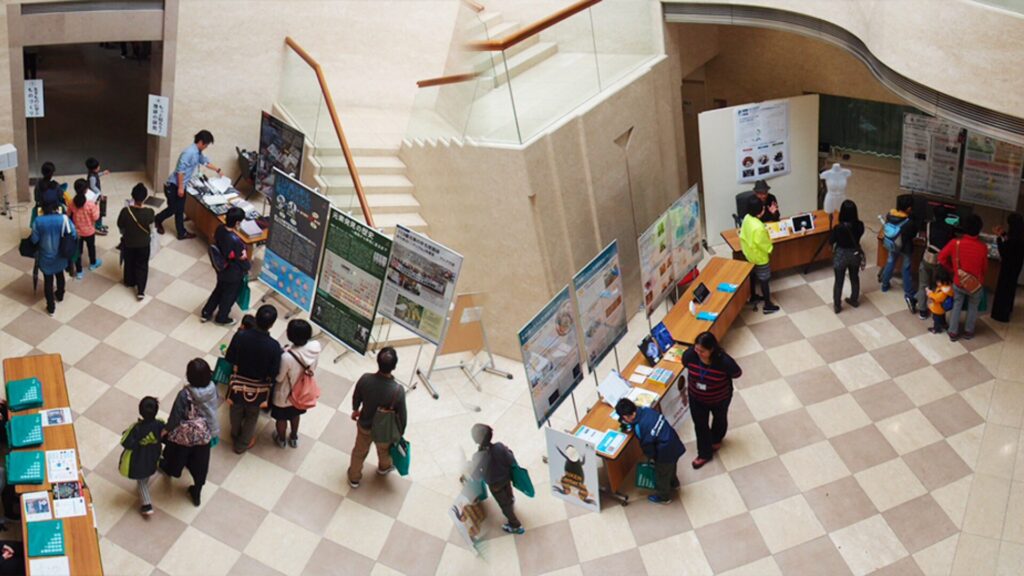
Location: RIKEN Center for Biosystems Dynamics Research, Kobe, Japan
Cost: Typically free events; details vary by event
Acceptance rate/cohort size: Not specified
Dates: One-day event; dates vary
Application deadline: Not specified
Eligibility: High school students residing in Japan with Japanese fluency
RIKEN Center for Biosystems Dynamics Research holds various public events, including lab experiences and workshops, that introduce you to biotechnology, biological engineering, and genetic analysis. During these one-day sessions, you may engage in lab work like extracting and analyzing DNA samples while learning how scientists use lab instruments.
Researchers will guide you through practical experimentation, giving you direct exposure to real research workflows. Discussions with scientists throughout the day will help you better understand university pathways and research careers connected to biotechnology and biomedical engineering.
Why it stands out: You will take on real lab work inside an official research laboratory, working with the same tools employed in professional bioscience research.
From Tokyo Labs to Global Engineering Pathways
A lab visit, coding task, prototype, or research presentation can show you what engineering looks like when it leaves the textbook.
The 15 engineering work opportunities in Japan for high school students featured here offer early exposure to bioscience, robotics, software, sustainability, entrepreneurship, and advanced research settings.
That experience can help you picture where engineering might take you next: a university lab, a global tech company, a startup, or an international degree.
Where could your engineering path begin? Explore our Study Abroad blogs for destination guides, application advice, subject choices, and global university planning.