
 Русский (RU)
 Українська (UK)
 Türkçe (TR)
 Italiano (IT)
 Français (FR)
 Português (PT)
 中文 (中国) (ZH)
 Español (ES)
 日本語 (JA)
 ไทย (TH)
 Deutsch (DE)
 Ελληνικά (EL)
 Polski (PL)
 Bahasa Indonesia (ID)
 Nederlands (NL)
 العربية (AR)
 한국어 (KO)

Academic summer programs for teens let you use your summer break time well, stepping into subjects your school might only touch on for a few weeks. Whether you’re drawn to medicine, economics, engineering, history, psychology, or creative writing, these programs give you a taste of university-level learning while you’re still in high school.
You could spend your summer sitting in on tutorials with university instructors, running experiments, writing research papers, working through business cases, doing studio work in architecture, or debating literature with students from other countries. None of that just deepens your knowledge of a subject. It shows you what learning actually looks like once you’re past the walls of a normal classroom.
For a lot of teens, academic summer programs end up being an important step before college. They make your academic decisions more informed, get you used to what the university expects, and often shape the research, extracurriculars, and applications that come after.
What should you consider before choosing an academic summer program?
Picking a program isn’t about chasing the biggest name or the hardest one to get into. The right choice usually fits your interests, how you learn, and where you’re headed long term. Some programs work best for students who already know what they want to study. Others are better suited to students still figuring that out.
Look closely at the curriculum, how much project work is involved, how much access you’ll have to faculty, and how the program is structured overall. A good academic summer program should leave you with a clear sense of whether the subject is something you want to keep studying once summer’s over.
To help you find the right fit, we’ve put together a list of 15 academic summer programs for teens!
For adjacent opportunities, you can look at the career insights program and online research options.
Key takeaways
- MITES Summer at MIT is entirely free and extremely selective, admitting only 80 to 100 students annually, but restricted to US citizens and permanent residents in grade 11.
- Immerse Education’s Academic Insights Pathway spans six locations, including Oxford, Cambridge, and Harvard-affiliated faculty, with classes of four to 10 students open to students aged 13 to 18.
- The Research Science Institute at MIT is free, covering tuition, housing, meals, and travel, and is open to both US and international students through a highly competitive application process.
- Harvard’s Pre-College Program costs $6,100 plus a $75 application fee and is open to international students who meet admission and visa requirements.
- NYU Tandon’s ARISE program provides a $2,000 stipend upon successful completion, but is restricted to New York City residents currently in 10th or 11th grade.
- The Sutton Trust Summer School at Cambridge is completely free, including travel costs, but restricted to Year 12 or S5 students at UK state-funded schools.
- Telluride Association Summer Seminar admits approximately 70 students annually and is open regardless of citizenship or immigration status, as long as the student attends school within the United States.
- Program costs for academic summer programs for teens range from fully funded options like MITES Summer and the Research Science Institute to over $8,250 for Stanford’s residential Pre-Collegiate Summer Institutes.
15 Academic Summer Programs for Teens
1. MITES Summer – Massachusetts Institute of Technology (MIT)
Location: Massachusetts Institute of Technology, Cambridge, MA, USA
Cost: Free (tuition, housing, and meals covered; travel scholarships available based on need)
Acceptance rate/cohort size: Extremely selective; approximately 80-100 students admitted annually
Dates: Late June – Early August (6 weeks)
Application Deadline: Early February (typically February 1st)
Eligibility: U.S. citizens and permanent residents in Grade 11 (high school juniors); not open to international students
MITES Summer allows you to experience six weeks of rigorous, college-level STEM coursework while living on MIT’s campus. You’ll take classes in mathematics, science, humanities, and electives such as machine learning, genomics, or architecture, alongside collaborative projects, recitations, and laboratory activities. The program mirrors MIT’s academic environment, helping you develop advanced problem-solving skills while experiencing the pace and expectations of university life.
You’ll also receive college admissions guidance, faculty feedback, and mentorship throughout the program. Since the program is fully funded, it eliminates financial barriers and offers one of the most competitive pre-college STEM experiences in the United States.
Why it stands out: You’ll experience MIT’s demanding academic culture firsthand through a fully funded residential program while joining a highly selective community of aspiring STEM students.
2. Immerse Education’s Pre-University Summer School

Location: Cambridge, London, Oxford, Singapore, Sydney, Tokyo, and Toronto
Cost: Varies; summer school scholarship available through our bursary programme
Application Deadline: Multiple summer cohorts; rolling admissions.
Program Dates: 2 weeks during the summer
Eligibility: Students across the globe aged 13-18 who are currently enrolled in middle or high school; open to international students
The Academic Insights Program lets high school students experience university life firsthand. You will live on campus and study in small groups of 7-10, and learn from tutors from eminent top universities like Oxford and Cambridge. You can explore a wide range of subjects, spanning over 20 options, including Architecture, AI, Business Management, Computer Science, Economics, Medicine, Philosophy, and more.
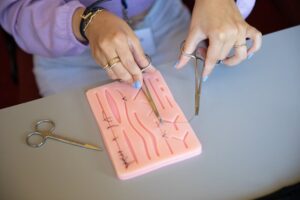
The courses are experiential and focus on hands-on learning. You may find yourself conducting dissections in medicine, designing a robotic arm in engineering, participating in a moot court for law, or building creative writing portfolios and business case studies. By the end of the program, you’ll complete a personal project, receive written feedback, and receive a certificate of completion. You can find more details about the application here.
Why it stands out: You’ll get an early start at university life and academics because the program includes an independent project, discussion-based classes, and living at a college campus.
3. Research Science Institute (RSI) – Massachusetts Institute of Technology (MIT)
Location: Massachusetts Institute of Technology, Cambridge, MA, USA
Cost: Free (tuition, housing, meals, and travel covered)
Acceptance rate/cohort size: Extremely selective; approximately 100 students annually
Dates: Late June – Early August (6 weeks)
Application Deadline: Early December
Eligibility: High school juniors; open to both U.S. and international students through a highly competitive application process
The Research Science Institute (RSI) allows you to conduct original scientific research under the guidance of MIT faculty and leading researchers. You’ll begin with a week of intensive STEM lectures before spending five weeks working on an individual research project in a university laboratory or research group. Throughout the program, you’ll analyze data, meet regularly with your research mentor, and develop a formal scientific paper.
You’ll also attend writing workshops, seminars, and research discussions that mirror the expectations of undergraduate research. The program concludes with a conference-style presentation where you share your findings with peers, faculty, and researchers.
Why it stands out: You experience the complete university research process—from developing a research question to presenting your findings—while working alongside some of the world’s leading scientists.
4. Harvard Pre-College Program – Harvard University
Location: Harvard University, Cambridge, MA, USA
Cost: $6,100 program fee (includes tuition, housing, meals, activities, and insurance) + $75 non-refundable application fee; limited need-based scholarships available
Acceptance rate/cohort size: Selective; small classes with limited enrollment
Dates: Three 2-week sessions during late June and July
Application Deadline: Early Action and Regular Decision rounds (typically January – March)
Eligibility: High school students aged 16-19 who have not yet graduated from high school; open to international students who meet the admission and visa requirements
Harvard’s academic summer program for teens lets you experience residential university life while studying a non-credit, college-level course taught by Harvard instructors. You’ll attend daily classes, complete assignments, and participate in discussions that reflect the pace and expectations of a Harvard classroom. Outside class, you’ll take part in academic workshops, college readiness sessions, faculty talks, and co-curricular activities designed to introduce you to university life.
You’ll live on campus with students from around the world while being supported by residential staff throughout the program. Although you won’t earn college credit, you’ll receive a written evaluation from your instructor upon successful completion, giving you valuable academic feedback for your future studies.
Why it stands out: You’ll experience Harvard’s residential academic environment while exploring a subject in depth, building college-ready skills, and connecting with a global cohort of motivated high school students.
5. Stanford University – Pre-Collegiate Summer Institutes
Location: Online (live, synchronous classes hosted by Stanford Pre-Collegiate Studies)
Cost: $3,080 – $3,200 tuition (plus up to $100 in materials) + $65 application fee; need-based financial aid available
Acceptance rate/cohort size: Selective; class sizes vary by course and are kept small for discussion-based learning
Dates: Two 2-week sessions during June and July
Application Deadline: March 13th
Eligibility: Students aged 13-19 who are currently in Grades 8-11; open to international students
Stanford Pre-Collegiate Summer Institutes lets you explore a single advanced subject through an intensive, university-level course taught in a live online classroom. You can choose from subjects across STEM, humanities, social sciences, business, engineering, and creative writing, depending on the annual course catalogue. You’ll participate in interactive discussions, collaborative activities, and project-based learning while studying alongside academically motivated students from around the world.
Although the courses do not award college credit, they are designed to challenge you beyond the standard high school curriculum and encourage deeper intellectual inquiry. Upon successful completion, you’ll receive a certificate of completion and gain experience with the pace and expectations of advanced academic study.
Why it stands out: You’ll study one subject in depth through Stanford’s rigorous discussion-based teaching model while learning with a global cohort of high-achieving students.
6. Sutton Trust Summer School – University of Cambridge
Location: University of Cambridge, Cambridge, England, UK
Cost: Free (tuition, accommodation, meals, and travel costs covered)
Acceptance rate/cohort size: Highly selective; approximately 400 students across 25 subject streams
Dates: Mid-August (5-day residential program)
Application Deadline: Early February (Cambridge applications close before other Sutton Trust partner universities)
Eligibility: Students in Year 12 (England and Wales), S5 (Scotland), or Year 13 (Northern Ireland) attending state-funded schools who meet the Sutton Trust’s widening participation criteria; not open to international students
The Sutton Trust Summer School at Cambridge gives you a residential introduction to university life through subject-specific academic teaching led by Cambridge faculty and departments. You’ll attend lectures, seminars, practical sessions, and small-group discussions while exploring a subject you may wish to study at university. Alongside the academic program, you’ll stay in a Cambridge college, meet current undergraduates, and learn about the admissions process through dedicated application guidance.
The experience is designed to help you understand the pace, teaching style, and expectations of studying at Cambridge before applying through UCAS. By the end of the program, you’ll have a clearer understanding of your chosen subject and what life at one of the UK’s leading universities is like.
Why it stands out: You’ll experience authentic Cambridge college life while receiving subject-specific teaching and admissions guidance through one of the UK’s most established university access programs.
7. Stanford Institutes of Medicine Summer Research (SIMR) Program
Location: Stanford School of Medicine, Stanford, CA
Cost: All students receive a minimum stipend of $500; students from underrepresented groups will receive at least $1,500
Acceptance rate/cohort size: Highly selective
Dates: June 8th – July 30th
Application Deadline: February 21st
Eligibility: High school juniors and seniors at least 16 years old, who are U.S. citizens or permanent residents; not open to international students
SIMR allows you to conduct full-time biomedical research under the mentorship of Stanford faculty, postdoctoral fellows, and graduate researchers. You’ll spend most of the eight-week program working in a research laboratory within one of several fields, including cancer biology, neurobiology, immunology, bioengineering, stem cell research, genetics, and bioinformatics. Alongside your laboratory work, you’ll attend faculty lectures, research seminars, and professional development sessions that introduce you to careers in medicine and scientific research.
The program concludes with a research poster presentation where you share your findings with the Stanford community. Because SIMR is a commuter program, you’ll need to arrange your own housing, and the selection process strongly favors students from the San Francisco Bay Area.
Why it stands out: Its deep connections to Silicon Valley make it easier to transition to interdisciplinary courses such as biomedical entrepreneurship or AI-driven health research.
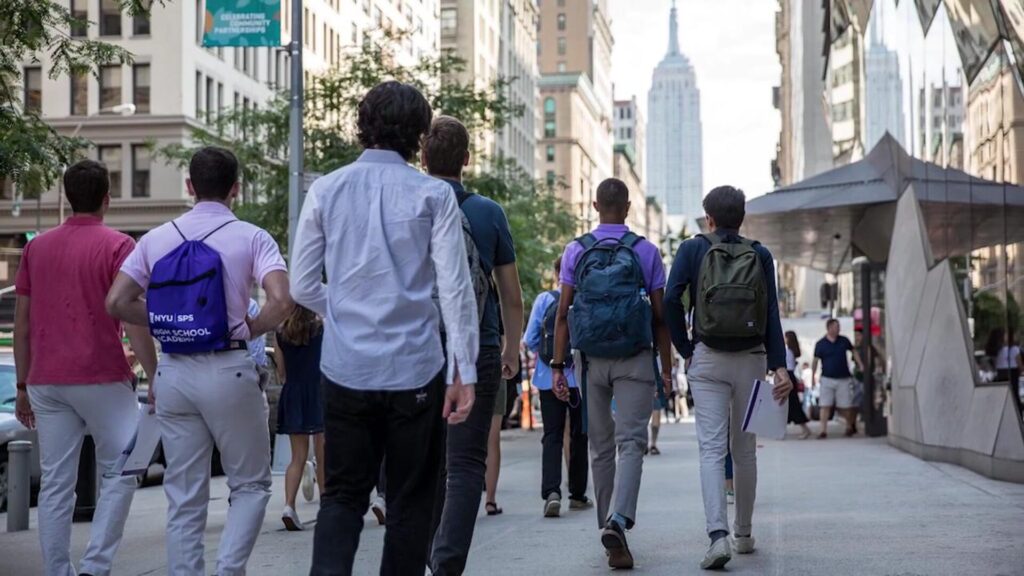
8. NYU Tandon Applied Research Innovations in Science & Engineering (ARISE)
Location: NYU Tandon School of Engineering, Brooklyn, NY
Cost: Free; all participants receive a $2,000 stipend upon successful completion
Acceptance rate/cohort size: Highly selective
Dates: June 1st – August 14th
Application Deadline: February 21st
Eligibility: Current 10th and 11th-grade students residing in New York City who are high-achieving and have demonstrated interest in STEM; not open to international students
ARISE allows you to work on an original research project in an NYU laboratory after completing a four-week training program in scientific methods and laboratory techniques. You’ll spend the first phase learning research fundamentals, data analysis, coding, ethics, and scientific communication before moving into a six-week faculty-mentored research placement. Research areas include engineering, computer science, robotics, artificial intelligence, biomedical engineering, and other STEM fields, depending on your lab assignment.
You’ll collaborate with faculty, graduate students, and fellow participants while gaining firsthand experience of university research. The program concludes with a scientific poster symposium where you present your research to the NYU community, giving you experience communicating your work in a professional academic setting.
Why it stands out: You’ll be placed at a cutting-edge engineering lab and do a final research presentation, giving you an experience of how academic research works.
9. Rockefeller University Summer Science Research Program (SSRP)
Location: Rockefeller University, New York, NY
Cost: Free
Acceptance rate/cohort size: Highly selective
Dates: June 22nd – August 6th
Application Deadline: January 2nd
Eligibility: High school students who are 16 years of age by the start of the program, entering their senior year in the fall, and living within commuting distance of the campus
SSRP allows you to conduct full-time biomedical research in a Rockefeller University laboratory under the mentorship of leading scientists. You’ll work on an independent research project in fields such as neuroscience, genetics, immunology, cell biology, or molecular biology while learning the techniques and methods used in professional research laboratories. Throughout the program, you’ll attend scientific lectures, career development sessions, and workshops that introduce you to biomedical research and scientific communication.
You’ll also collaborate with fellow participants and present your work during a research symposium at the end of the program. By working in an active research environment, you’ll gain firsthand experience of how scientific discoveries are developed and communicated at a world-renowned research institution.
Why it stands out: It emphasizes original research, mentorship from leading scientists, and a final poster presentation, so you’ll have a renowned credential for STEM applications.
10. New York University – Pre-College
Location: New York University, New York, NY
Cost: $4,004 for two credits (tuition only, plus housing and fees)
Acceptance rate/cohort size: Selective
Dates: July 1st – August 12th (tentatively)
Application Deadline: June 15th (tentatively)
Eligibility: High school students entering 11th or 12th grade; not open to international students
The NYU Precollege Program allows you to enroll in undergraduate courses for college credit while studying alongside current NYU students. You can choose from a wide range of subjects across the arts, business, engineering, humanities, social sciences, and STEM, depending on course availability. You’ll complete the same coursework, assignments, and assessments as degree-seeking undergraduates, giving you an authentic experience of university academics.
Outside the classroom, you’ll have access to academic advising, campus resources, and student activities that introduce you to life at a large research university. If you complete your courses, you’ll earn transferable college credits and receive an official NYU transcript.
Why it stands out: You’ll be taking classes alongside NYU undergraduates, so you’ll have the opportunity to build a useful network.
11. Business Opportunities Summer Session (BOSS) – Penn State Smeal College of Business
Location: Penn State University Park, State College, PA
Cost: $50 (Registration fee only; tuition, food, and housing are fully covered)
Acceptance rate/cohort size: Highly selective
Dates: June 14-26
Application Deadline: March 20th
Eligibility: High school juniors (11th grade) from the U.S. and Puerto Rico
BOSS allows you to explore business education through college-level workshops, team projects, and interactive sessions led by Penn State faculty and industry professionals. You’ll learn about fields such as accounting, finance, marketing, management, and supply chain while developing leadership, communication, and problem-solving skills. The residential program also includes admissions workshops, campus tours, and opportunities to connect with current Penn State students and business leaders.
By living on campus, you’ll gain firsthand experience of university life while collaborating with peers who share an interest in business. The program is designed to help you understand different business majors and prepare for future college and career decisions.
Why it stands out: This program is designed to help you understand what a business major entails and whether a business school environment is the right fit for your academic goals.
12. UC Berkeley – Pre-College Scholars Summer Residential Track
Location: University of California, Berkeley, Berkeley, CA, USA
Cost: Varies by track and course; residential housing and tuition are charged separately. Limited scholarships available.
Acceptance rate/cohort size: Selective; cohort size varies by track
Dates: Multiple summer sessions from June to August (2-8 weeks, depending on courses)
Application Deadline: March – June (varies by track)
Eligibility: Students aged 16-17 who have completed Grade 10 or 11 with a minimum 3.0 GPA; open to international students who meet the English language requirements; not open to international students
UC Berkeley’s Pre-College Scholars Program lets you take undergraduate courses alongside Berkeley students while experiencing life at a leading public research university. You can choose from hundreds of subjects across STEM, business, social sciences, humanities, and the arts, earning official UC Berkeley college credit upon successful completion. Depending on the track you choose, you’ll live on campus, commute, or study online while accessing Berkeley’s libraries, academic resources, and student support services.
Outside the classroom, you’ll participate in workshops and activities that introduce you to university academics and college life. Studying with students from around the world gives you an authentic preview of the pace, independence, and expectations of college-level learning.
Why it stands out: It allows you to earn transferable UC Berkeley college credit while studying alongside current university students in a genuine undergraduate learning environment.
13. Cornell University – Pre-College Studies
Location: Cornell University, Ithaca, NY, USA (on-campus and online options available)
Cost: Tuition varies by course and format; need-based financial aid is available
Acceptance rate/cohort size: Selective; cohort size varies by course
Dates: Three- and six-week sessions during June – August
Application Deadline: Rolling admissions until courses are full
Eligibility: High school students aged 15-19 who have completed Grade 10, 11, or 12; open to international students who meet the program’s English language requirements
Cornell Precollege Studies lets you enroll in undergraduate Cornell courses and earn official Cornell University college credit before graduating from high school. You can choose from subjects across engineering, business, computer science, humanities, social sciences, life sciences, and more, depending on the summer course schedule. You’ll study alongside Cornell undergraduates, complete the same coursework and assessments, and experience the academic expectations of a research university.
Students attending on campus also have access to university housing, libraries, dining facilities, and student activities that provide an authentic residential college experience. By completing a credit-bearing course, you’ll strengthen your academic foundation while exploring potential majors in a real university setting.
Why it stands out: It allows you to earn official Cornell College credit while studying alongside undergraduate students, giving you an authentic preview of university academics and campus life.
14. Summer Student Program – Memorial Sloan Kettering Cancer Center
Location: New York City, NY
Cost: No cost; $1,200 stipend
Acceptance rate/cohort size: Highly selective
Dates: June 29th – August 21st
Application Deadline: February 6th
Eligibility: High school juniors who are 14 years or older by June, have a 3.5 GPA in science subjects, are legally authorized to work in the U.S., residents of NY, NJ, or CT, and live within 25 miles of the main campus; not open to international students
The Summer Student Program allows you to conduct hands-on biomedical research under the guidance of scientists at one of the world’s leading cancer research institutions. You’ll work full-time in a laboratory while learning experimental techniques, data analysis, and scientific problem-solving through an independent research project. In addition to laboratory research, you’ll attend faculty seminars, career development sessions, and professional workshops that introduce you to biomedical research and healthcare careers.
You’ll work with researchers and fellow participants throughout the program before presenting your work at a scientific poster session. The experience provides an authentic introduction to translational cancer research and the daily work of professional scientists in a world-class research environment.
Why it stands out: It immerses you in cancer research under active faculty mentorship, helping you gain lab skills rarely available to high schoolers.
15. Telluride Association Summer Seminar (TASS)
Location: Cornell University, Ithaca, NY, USA (host campus may vary)
Cost: Free (tuition, housing, meals, books, and travel covered)
Acceptance rate/cohort size: Highly selective; approximately 70 students admitted annually across multiple seminars
Dates: Late June – Early August (6 weeks)
Application Deadline: Early January
Eligibility: High school sophomores (Grade 10) studying in the United States, regardless of citizenship or immigration status; students attending school outside the U.S. are not eligible
TASS gives you the opportunity to explore humanities and social sciences through an intensive seminar centered on discussion, critical reading, and collaborative inquiry. You’ll join a small cohort of students and faculty to examine topics related to history, literature, politics, philosophy, race, gender, and social justice through college-level texts and discussions. Outside the classroom, you’ll live in a self-governing residential community where students share responsibility for daily life, organize activities, and build a collaborative intellectual environment.
Rather than focusing on grades or exams, the program emphasizes thoughtful dialogue, independent thinking, and close engagement with complex ideas. By the end of the program, you’ll gain a deeper understanding of university-style learning while developing analytical, communication, and leadership skills.
Why it stands out: It offers a fully funded, discussion-based residential experience where you’ll explore challenging ideas alongside a highly selective cohort in a student-led academic community.
Frequently asked questions: Academic summer programs for teens
Are academic summer programs for teens open to international students?
Eligibility varies significantly. MITES Summer and NYU Tandon’s ARISE both restrict eligibility to US citizens or NYC residents specifically. However, the Research Science Institute at MIT and Harvard’s Pre-College Program are explicitly open to international students who meet visa and admission requirements. Immerse Education’s Academic Insights Pathway is also open globally to students aged 13 to 18 across six locations, making it accessible regardless of citizenship.
How much do academic summer programs for teens cost?
Costs range from completely free to over $8,000. Fully funded options include MITES Summer, the Research Science Institute, and the Sutton Trust Summer School at Cambridge, which cover tuition, housing, and even travel. Mid-range options like NYU’s Pre-College Program cost around $4,004 for two credits, while Stanford’s residential Pre-Collegiate Summer Institutes and Cornell’s Pre-College Studies can run several thousand dollars depending on format and course length.
Do academic summer programs for teens award college credit?
Some do, though policies vary by program. NYU’s Pre-College Program, UC Berkeley’s Pre-College Scholars Program, and Cornell’s Pre-College Studies all let you earn official transferable college credit while studying alongside current undergraduates. Others, like Harvard’s Pre-College Program and Stanford’s Pre-Collegiate Summer Institutes, provide a written evaluation or certificate of completion rather than credit. Confirm policies directly with each program, since even similarly structured university offerings differ on this point.
What is the difference between a research-focused and a coursework-focused academic summer program?
Research-focused programs, like the Research Science Institute or Rockefeller University’s SSRP, have you conduct an original research project under mentor guidance, often culminating in a formal paper or poster presentation. Coursework-focused programs, like NYU’s Pre-College Program or Stanford’s Pre-Collegiate Summer Institutes, instead have you take structured undergraduate-style classes with assignments and discussions. If you already have a research question in mind, a research-focused program suits you better; if you want broad subject exposure, coursework-based options work well.
How selective are academic summer programs for teens?
Selectivity ranges considerably. MITES Summer and the Research Science Institute are extremely selective, admitting roughly 80 to 100 students annually from large applicant pools. Other programs, like NYU’s Pre-College Program or Cornell’s Pre-College Studies, use standard selective admissions without an extremely low acceptance rate. Fully funded, prestigious programs tend to be the most competitive, so submitting an early and complete application matters significantly for those options.
Is Immerse Education a good option for exploring academic interests before college?
Immerse Education’s Academic Insights Pathway is a strong choice if you want flexibility in location and subject matter, spanning six cities including Oxford, Cambridge, and locations connected to Harvard faculty. The two week program places you in small classes of four to 10 students, working on practical projects like dissections in medicine or moot courts in law. You’ll complete a personal project, receive written feedback, and earn a certificate of completion, giving you a well-rounded experience regardless of citizenship or which academic direction you’re still weighing.
From Summer Exploration to University Readiness
Choosing among these academic summer programs for teens gives you a genuine preview of university-level study, research, and independent thinking.
Once summer ends, you can turn that exposure into a clearer sense of which subjects and environments actually suit you.
The skills, confidence, and mentor connections you built become a real foundation for stronger applications and more focused academic choices ahead.
Keep building on what you started this summer by exploring our University Preparation blogs for practical guidance on your next admissions steps.