15 Online Biology Programs for High School Students

When you’re in high school, your interest in biology can grow quickly from curiosity about how the human body works to questions about genetics, ecosystems, or disease. But traditional classes don’t always leave room to explore those interests in depth or at your own pace. That’s where online biology programs for high school students come in.
Imagine spending your summer analyzing DNA sequences, exploring cellular processes through interactive simulations, or learning about neuroscience and evolution from a university-level instructor. Online biology programs aren’t just recorded lectures; they’re designed to mirror the structure and rigour of academic learning, while offering the flexibility high school students need.
What kinds of online biology programs for high school students are available?
We can see what you might be worried about. Some online programs can feel superficial, overly passive, or not academically challenging enough. That’s why choosing matters, because not all online biology programs offer meaningful instruction or exposure to scientific thinking.
The strongest programs introduce students to areas like molecular biology, genetics, bioinformatics, ecology, and human health through structured coursework, virtual labs, research-style assignments, and guided mentorship. Whether you’re exploring biology for the first time or preparing for future study in medicine or life sciences, these experiences provide valuable academic insight.
You’ll be expected to stay engaged, think critically, and manage your time independently, but we’ll make the first step easier. To help you choose, we’ve come up with a list of 15 Online Biology Programs for High School Students. They’ve been handpicked for their academic depth, flexibility, and ability to reflect how biology is studied at the university level.


15 Online Biology Programs for High School Students
1. SHTEM: Summer Internships for High Schoolers at Stanford University
Location: Virtual
Cost: Free
Dates: June 22nd – August 14th
Application Deadline: March 1st
Eligibility: U.S. students in grades 11-12 at the time of application who are at least 14 years old
Stanford’s Science, Humanities, Technology, Engineering, and Mathematics (SHTEM) Internship Program offers you an interdisciplinary research experience. You’ll explore fields across biology, engineering, computer science, neuroscience, psychology, linguistics, and the humanities. You collaborate with research mentors to enhance your analytical thinking, scientific writing, and project design skills through your contribution to the ongoing investigations at Stanford and affiliated institutions.
During the internship, you are guided by faculty, graduate students, and staff from the Stanford Compression Forum who are dedicated to your academic development and provide you with assistance in the research process. Based on your project, you might be involved in data analysis, literature reviews, prototyping, or computational work.
Why it stands out: It lets you join research teams in compression science and engineering, offering you an early taste of university research culture and lab techniques.
2. Immerse Education’s Online Biology Research Programme

Location: Fully remote
Cost: Varies; summer school scholarship available through our bursary programme
Application Deadline: Rolling admissions; multiple dates throughout the year
Program Dates: Flexible; multiple cohorts in a year.
Eligibility: Students worldwide aged 13-18 (accredited options require age 14+)
The Immerse Education Biology Online Research Programme allows high school students to explore biological sciences from anywhere in the world through a structured online experience. You will work in one-to-one tutorials with a dedicated tutor and dive into key areas of biology while developing university-level research skills.
The programme centres around an independent research project that you choose and complete with expert guidance, with accredited options available (allowing you to earn 8 UCAS points or 3 college credits) and the opportunity to publish your work through our supported publication route.
You will learn to ask questions, investigate scientific topics, and think critically about what you discover. You may explore subjects like genetics, evolution, or biochemistry as part of your work. By the end of the programme, you’ll finish a personal research paper, receive written feedback and a certificate of achievement.
Why it stands out: It pairs you with university-level tutors in focused small groups, helping you deepen subject knowledge and gain rigorous academic mentorship.
3. Oregon State University – Biochemistry Blast: Molecular Biology of Viral Disease
Location: Virtual
Cost: Approx. $199 Program
Dates: Self-paced
Application Deadline: Rolling admissions
Eligibility: High school students around the world interested in biomedical science
Oregon State’s Biochemistry Blast: Molecular Biology of Viral Disease course introduces you to key concepts in biochemistry and the molecular basis of viral infections. You explore how viruses interact with host cells, how viral genes are expressed, and how biochemical tools help scientists study and combat viral disease.
Through online lessons, case examples, and guided activities, you develop an understanding of molecular biology techniques and their application to biomedical challenges in the real world. By completing this course, you gain foundational knowledge of viral biology and biochemical reasoning that prepares you for more advanced study in biological sciences.
Why it stands out: It explores the molecular biology of viral disease and shows how biochemistry drives modern medical research
4. Stanford Center for Artificial Intelligence in Medicine and Imaging (AIMI) Summer Research Internship
Location: Virtual
Cost: $850 + a $40 application fee (financial aid is available, including fee waivers)
Dates: June 15-26; July 6-17
Application Deadline: February 20th
Eligibility: U.S. high school students aged 14 and older
Known as one of the most advanced online biology programs for high school students focused on AI and medicine, this program introduces you to how machine learning is transforming biological research and clinical decision-making. Through faculty-led lectures and small-group mentoring, you learn the fundamentals of medical imaging, data annotation, algorithm development, and how computational tools are evaluated for real clinical use.
You work on a collaborative research project where you analyze imaging datasets, discuss model performance, and explore the biological and medical questions behind the technology. Daily sessions with mentors help you understand how researchers design AI systems that support diagnosis, treatment planning, and population-level health studies. By the end, you will have gained a clearer sense of how biology, medicine, and AI intersect and whether computational biomedical research aligns with your academic goals.
Why it stands out: It highlights how AI and medical imaging are used together in cutting-edge clinical and research settings
5. Aspiring Scientists Summer Internship Program (ASSIP)
Location: Online
Cost: $1,299
Dates: June 18th – August 12th
Application Deadline: February 15th
Eligibility: High school students around the globe who are at least 15 years old at the start of the internship
This is a great opportunity for you to engage in research projects alongside faculty mentors in DBIO, NSCI, climate science, nanoscience, and other STEM areas. You will have an immersive experience in using laboratory instruments, computational tools, and analytical methods as you make a contribution to ongoing investigations.
The program rigorously implements scientific writing, data interpretation, and communication, which prepares you with the necessary skills for university-level research environments. In addition, guidance from faculty and graduate students will support your daily work and familiarize you with different academic and professional pathways in STEM. Some students may have the opportunity to publish their findings or present at conferences, depending on the scope of their project.
Why it stands out: You’ll contribute to posters, conference presentations, and co-authored publications, which is rare at the high-school level.
6. University of Washington’s Young Scholars Program-REACH
Location: Online
Cost: $100
Dates: July 15-19
Application Deadline: March 15th
Eligibility: High school students from all countries
The REACH program introduces you to neuroscience and neural engineering through a combination of lectures, hands-on activities, and guided exploration of emerging technologies. You study how the brain processes information, how neural signals can be measured or interpreted, and how engineers design systems such as brain–computer interfaces. Throughout the program, you engage with current research questions and learn how interdisciplinary teams approach problems in neuroscience, engineering, and medicine.
Although the program is non-credit, you can participate either in person or through an online format, making it accessible to students who cannot be on campus. By the end, you gain a foundational understanding of neural engineering and a clearer sense of whether fields such as neuroscience or biomedical engineering align with your academic goals.
Why it stands out: It exposes you to neuroscience and neural engineering, and how brain research translates into real-world technology
7. Excel High School – Online Biology Course
Location: Online
Cost: $325 (Single Course Standard) | $370 (Honours) | $699 (AP)
Dates: Flexible (Self-paced, 12 months to complete)
Application Deadline: Rolling admissions
Eligibility: Students worldwide who are in grades 9-12 (Open enrollment)
Excel High School’s online Biology course provides a comprehensive introduction to the life sciences, covering cellular structure, genetics, evolution, ecology, and organismal interactions. By means of various interactive modules, virtual labs, and applied assignments, you develop scientific literacy and data interpretation skills alongside knowledge of biological systems functioning and adaptation.
The curriculum is grounded in the core ideas like the genetic inheritance, natural selection, and symbiotic relationships, thus aiding you in making the connection between the theory and the biological phenomena occurring in nature. Being offered in a self-paced manner, the program gives you an opportunity to foster your trust in the essential biology topics and get ready for the next level of science studies.
Why it stands out: It offers a structured biology foundation that helps you build subject mastery in a flexible academic format
8. Brown University Pre-College – Neural Systems: The Biological Basis of Behaviour
Location: Online
Cost: $3,096
Dates: Multiple 2-week sessions in late June and July
Application Deadline: Rolling admissions
Eligibility: Students completing grades 9-12 or aged 14-18; international students accepted
Brown’s Investigating the Biology and Psychology of Mental Illness course explores how biological processes and psychological factors combine to influence brain function and behaviour. You look at the major concepts such as neural circuitry, neurotransmission, and how disruptions in these systems can contribute to mental health disorders.
Through guided readings, discussions, and case studies, you deepen your ability to analyze scientific evidence linking biological mechanisms to psychological outcomes. The course helps you develop scientific reasoning and insight into how interdisciplinary research informs our understanding of complex human behaviours.
Why it stands out: It reflects Brown’s inquiry-driven teaching style and how top universities approach biological sciences
9. UT Southwestern Medical Center – High School Student Internship
Location: Virtual
Cost: None
Dates: June 1-5; June 8-12
Application Deadline: February 2
Eligibility: Rising 10th, 11th, and 12th-grade U.S. high school students
At UT Southwestern, you become a part of a research team that is actively engaging in groundbreaking work in areas like genetics, neuroscience, biochemistry, or clinical research. While acquiring skills that are directly applicable to the lab through various protocols, you also get to know the way research for both basic and translational science is done in large academic medical centres.
In fact, conversations with scientists and trainees on a daily basis give you a deeper insight into the way experiments are thought out, carried out, and adjusted. You also attend seminars that introduce you to medical careers and the academic environment of a major research institution. Through this internship, you develop practical research skills and a deeper appreciation for how scientific discoveries move toward clinical applications.
Why it stands out: It introduces you to mental health research and how neuroscience and psychiatry intersect in clinical studies
10. Columbia University – Cell and Molecular Biology of Medicine
Location: Online
Cost: $3,965
Dates: Multiple sessions starting June 22nd, June 29th, July 21st, and August 3rd
Application Deadline: Rolling admissions
Eligibility: High school students with a biology and chemistry background are recommended; international students can apply
Columbia’s Cell and Molecular Biology of Medicine course takes you inside the science that drives modern therapeutics by examining how drugs are discovered, how they interact with molecular targets, and how they are processed in the body. By means of interactive online lectures, case studies, and problem-solving exercises, you delve into scenarios such as insulin regulation, aspirin metabolism, and CAR T-cell therapy.
The curriculum also includes discussion of drug toxicity, interactions, and ethical questions in drug development, helping you connect molecular biology to real-world medical challenges. By the end of the course, you will have gained a stronger foundation in cellular and molecular concepts that underpin modern medicine.
Why it stands out: It explains disease at the cellular level and strengthens your understanding of medicine’s scientific foundations.
11. Biotech Research Remote Program at the Boston Leadership Institute
Location: Online
Cost: $1,200 per program
Dates: June 29th – July 10th
Application Deadline: There is no deadline, but the institute recommends students submit their applications early
Eligibility: Rising 8-12 grade students around the globe
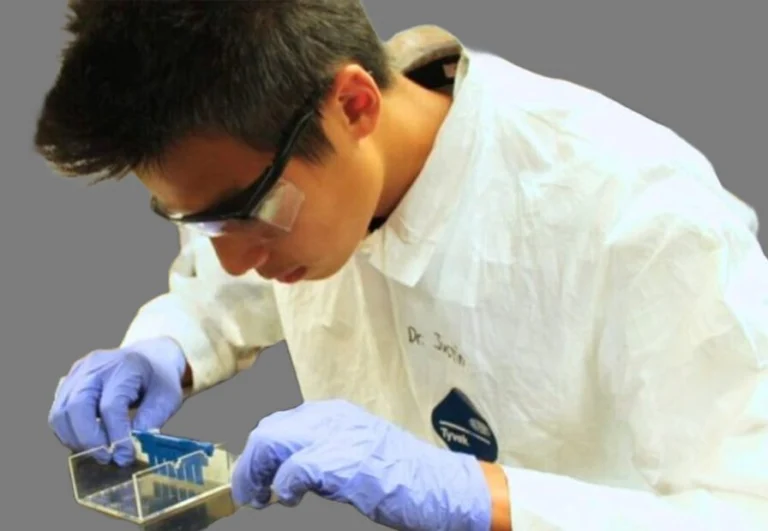
The Boston Leadership Institute offers online programs in biotechnology and biomedical research that introduce you to practical experimental methods and current developments in the life sciences. Under the guidance of a Bentley University professor, you complete hands-on lab activities using equipment shipped directly to you, allowing you to practise core techniques from home. The curriculum emphasizes building foundational research skills through structured laboratory exercises.
As a part of the Biotech Research program, you delve into the topics of genetic engineering, drug development, and the use of biotechnology in healthcare and the industry. You learn through the faculty-led instruction how the laboratory discoveries become practical technologies and therapeutic strategies.
Why it stands out: It combines advanced STEM learning with mentorship beyond what typical high school courses offer
12. University of Chicago — Introduction to Biological Psychology
Location: Virtual
Cost: Approx. $4,980 per course
Dates: July 7th – July 23rd
Application Deadline: Rolling admissions
Eligibility: Current high school freshmen, sophomores, and juniors from all around the world (ages 14+)
The University of Chicago’s Introduction to Biological Psychology course explores the neural and physiological mechanisms that underlie behaviour, cognition, emotion, and perception. You study the way biological systems affect the psychological processes and do this by using the evidence from brain structure, neural signalling, and behavioural research frameworks.
By means of online lectures, readings, and guided activities, you find out how researchers connect biological data to explain mental functions and disorders. Faculty feedback and discussion sessions help reinforce scientific reasoning and interpretation of empirical findings. By completing this course, you gain a foundational perspective on how biology shapes behaviour and a clearer sense of how university-level neuroscience and psychology intersect.
Why it stands out: It connects biology and behaviour to show how brain processes influence human cognition.
13. Camp Zon by Zon Lab
Location: Virtual
Cost: Paid program, fees not specified
Dates: July 14-25
Application Deadline: April 27th
Eligibility: High school students who are at least 16 years old, Massachusetts residents attending MA high schools
Camp Zon is a two-week paid virtual research program where you work in teams to study anemia using zebrafish as a model organism. With guidance from scientists in the Zon Laboratory, you learn to form hypotheses, design experiments, and analyze real-time data.
The program includes lectures on blood biology, training in reading scientific papers, and coding exercises to visualize results. You also receive career mentoring and end the program with a team research presentation. No prior experience is required, making it an accessible introduction to collaborative biological research.
Why it stands out: It immerses you in developmental and cancer biology research connected to real laboratory discovery
14. Johns Hopkins University – Anatomy, Physiology & Disease
Location: Virtual
Cost: $1,950 per course + $85 application fee
Dates: Two-week sessions starting June 22nd, July 6th, and July 20th
Application Deadline: Rolling admissions
Eligibility: Domestic and international students who have completed at least 9th grade with a minimum 3.0 GPA
Johns Hopkins University’s online pre-college courses in Foundations of Medicine and Health introduce you to human biology through topics such as anatomy, physiology, and disease. You study how major body systems function and how biological disruptions lead to illness, using lectures, readings, and guided activities designed by Hopkins instructors.
The program focuses on scientific reasoning and medical terminology, which support your understanding of biological evidence in a clinical context. By finishing the course, you become acquainted with the standards of college-level biology and get a more vivid idea of whether a future study in medicine or health sciences would be a good fit for your interests.
Why it stands out: It demonstrates how health and medicine are studied at a leading R1 research institution.
15. Georgetown University’s Pre-College course in Medical Research

Location: Online
Cost: $1,895, financial aid available in the form of scholarships
Dates: Multiple 1, 2, and 4-week sessions
Application Deadline: One week before the start date
Eligibility: Students worldwide aged 13 and up
Georgetown University’s Pre-College online course in Medical Research introduces you to the methods and reasoning that shape modern clinical and biomedical studies. Throughout the program, you learn how researchers design clinical trials, evaluate evidence, and address ethical considerations that guide work with human subjects.
You explore foundational and advanced topics in cancer research, using scientific articles to understand how discoveries move from laboratory findings to potential treatments. Faculty-guided modules prepare you to understand and analyze research papers, figure out the gaps in the existing literature, and come up with a focused research question by yourself.
Why it stands out: It provides insight into how medical research questions are studied at research universities.
Join the Immerse Education 2027 Essay Competition
Follow the instructions to write and submit your best essay for a chance to be awarded a 100% scholarship.
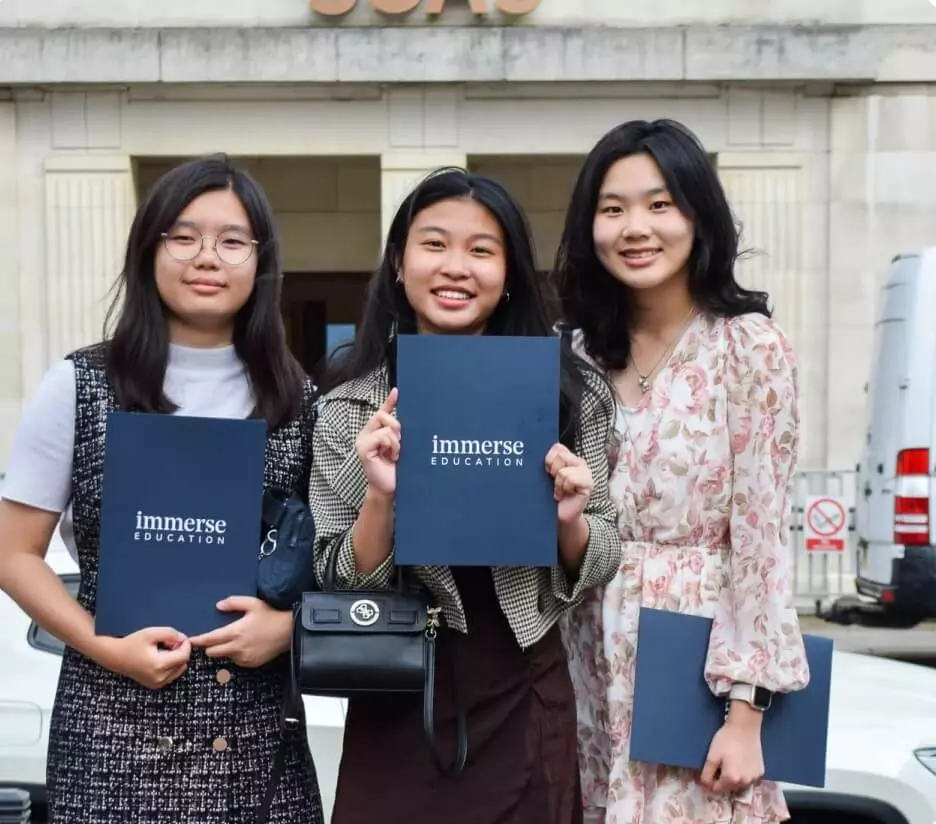
From Virtual Classrooms to Real Communities
Studying biology online can open doors you may not have expected. It lets you explore complex ideas, revisit challenging concepts, and learn at a pace that suits your interests.
Through these 15 online biology programs for high school students, you gain more than subject knowledge. You build discipline, confidence, and an understanding of how higher-level science is taught and discussed.
As your learning deepens, so does your awareness of how education connects to people, perspectives, and real-world contexts. Biology stops feeling isolated and starts to feel relevant.
If you’re ready to look beyond online study, our Student Life and Cultural Immersion blogs share stories that show how learning extends into everyday student life worldwide.





Unlock Inspiring Opportunities with the Immerse Education Newsletter
Join our newsletter to stay ahead with exclusive updates, exciting programme highlights, and expert insights from the world of immersive education.
Learn how Immerse can transform your life
An in-depth overview of our university and career preparation programmes
Get a glimpse into the life of an Immerse participant
Find the right programme for you with sample timetables, location showcases, and more