15 Online Coding Programs for High School Students

If you’re a high school student interested in coding, computer science can feel both exciting and overwhelming. You may be doing well in your school classes, but be unsure about what field to pursue or how to deepen your skills beyond the basics. After all, coding is a skill that is best developed by building, debugging, and experimenting. One of the most effective ways to explore this field is through online coding programs for high school students.
Online coding programs offer a blend of flexibility and structure. Imagine learning Python from experienced instructors, participating in live coding workshops, or collaborating with peers on projects from the comfort of your own home. These programs fit into your schedule, helping you pursue multiple commitments.
Even if you’re adept at coding basics, these programs can help you dive into AI, data science, app development, cybersecurity, or software engineering.
How to choose online programs for high school students?
There are a lot of options out there. Some programs can feel simplistic, overpriced, or disconnected from practical tech applications. That’s where the correct information is important, because not all online opportunities offer the same level of rigor or challenge.
There are various programs offered by universities, tech organizations, and coding academies. These courses allow you to develop fundamental programming skills, explore advanced topics, and build your portfolio. Many programs simulate university-level projects, giving you insight into what studying computer science at college looks like.
To help you decide, we’ve compiled a list of 15 Online Coding Programs for High School Students. They’ve been selected for their academic rigor, practical skill-building, and strong reputations.




15 Online Coding Programs for High School Students
1. Girls Who Code – Pathways
Location: Virtual
Cost/Stipend: Free
Acceptance rate/cohort size: Not specified
Dates: 6-week cycles
Application Deadline: Varies per cycle
Eligibility: Girls and non-binary students in grades 9-12 worldwide
When you join Pathways, you get the freedom to explore coding in a way that fits your schedule. The six-week course is self-paced, so you can work on projects in a flexible timeframe. You’ll pick from tracks like web development (HTML/CSS/JavaScript), data science & AI (Python), or cybersecurity, learning real-world skills that are widely used in tech jobs. Along the way, you’ll build projects (not just follow tutorials), which will help you apply what you learn and create something you can be proud of.
Beyond coding, you’ll become part of a global community of peers on Discord, get access to virtual career panels and workshops, and even connect with mentors and industry professionals through corporate-partner events. The program serves as a gentle but effective entry point into the world of computer science.
Why it stands out: It offers a long-term support pipeline that helps young women build coding skills and gain access to mentorship and tech career pathways.
2. Immerse Education’s Online Research Programme

Location: Fully remote
Cost/Stipend: Varies by program type
Acceptance rate/cohort size: 1:1 learning
Dates: Flexible; multiple cohorts in a year.
Application Deadline: Rolling admissions; multiple dates throughout the year
Eligibility: Students aged 13-18 around the world (accredited options require age 14+)
The Online Research Programme allows you to explore coding through an independent, university-style research project guided by a personal tutor from Oxford, Cambridge, or an Ivy League university. On the coding and computer science pathways, you’ll investigate areas such as programming languages, algorithms, data structures, software development, or applied computing, developing analytical and problem-solving skills used in real technical fields. You may also choose to explore encryption and cybersecurity topics, examining how cryptographic techniques protect digital information and how security principles are applied in modern systems.
Delivered through one-to-one or small-group tutoring, the programme mirrors undergraduate research and is available across more than 20 subjects. Depending on the pathway, you can earn recognised college or UCAS credits. By the end, you’ll complete a full academic research paper, receive detailed written feedback, and have the opportunity to publish your work or present it at the Immerse Online Symposium.
Why it stands out: You’ll get access to 1:1 Oxbridge- or Ivy-style research supervision culminating in a publishable academic paper.
3. Lumiere Research Scholar Program
Location: Online/remote
Cost/Stipend: Fee varies depending on the program type and duration; financial aid available
Acceptance rate/cohort size: Selective; exact size not specified
Dates: Varying deadlines based on cohorts
Application Deadline: Varies by cohort
Eligibility: High-school students worldwide
If you enroll in Lumiere Education, you’ll be guided one-on-one by a PhD mentor from a leading university, giving you a rare opportunity to explore a research topic of your choice at a serious academic level, while still in high school. You can choose from subjects such as computer science, mathematics, data science, economics, and more.
Over the course of the program (12–20 weeks depending on the track), you work on developing an independent research project, potentially culminating in a paper suitable for academic publication. The program aims to strengthen your foundational research skills, from crafting a research question to writing and revising a proper academic-style paper under expert supervision.
Why it stands out: It gives you the chance to conduct individualized research with expert mentors, helping you build standout academic projects for future applications.
4. Kode With Klossy Summer Camps
Location: Virtual
Cost/Stipend: Free
Acceptance rate/cohort size: Varies; not specified
Dates: Varies (example, summer camp runs for two weeks; shorter weekend-long events are also offered)
Application Deadline: Varies per camp/event
Eligibility: Young women and gender-expansive teens aged 13–18 around the world
When you join a Kode With Klossy camp, you’ll dive into an immersive and friendly learning environment designed especially for young women and gender-expansive teens interested in coding. Over a two-week session, you’ll work on real coding projects, learning web development (HTML/CSS/JavaScript), mobile-app development (Swift/Xcode), data science, or AI/ML tracks.
Alongside technical learning, you’re welcomed into a supportive community. You’ll meet peers, collaborate with instructors and mentors, and experience a network that aims to encourage underrepresented genders in tech. Since programs are beginner-friendly, it’s a great chance to explore computing without needing prior coding skills. If interested, you may fill up their interest form.
Why it stands out: It creates an empowering coding space for young women and nonbinary students, helping you develop both technical confidence and community connections.
5. Veritas AI
Location: Online
Cost/Stipend: Varies for various programs
Acceptance rate/cohort size: Not specified
Dates: Vary depending on program/cohort
Application Deadline: Varies by cohort
Eligibility: High-school students across the world
With Veritas AI, you’ll gain exposure to artificial intelligence and machine learning through structured online learning, positioning it among advanced online coding programs for high school students curious about AI. In the “AI Scholars” track, you and a small group of peers will learn the basics, such as Python programming, data science foundations, neural networks, image classification, NLP, ethics in AI, and collaborate on a real AI project.
If you go for the “AI Fellowship,” you’ll get 1-on-1 mentorship over 12–15 weeks to build a novel AI model or application tailored to your interests.For a student curious about AI, whether you’re a beginner or already somewhat familiar with coding, Veritas AI offers a structured, mentor-guided way to test your interest and build something concrete.
Why it stands out: It provides guided AI projects with top mentors, helping you build advanced machine learning experience early.
6. CS50: Introduction to Computer Science
Location: Online
Cost/Stipend: Audit for free; Verified certificate costs US $219
Acceptance rate/cohort size: Open enrolment; no fixed cohort size
Dates: Self-paced
Application Deadline: May vary
Eligibility: Best suited for learners ages 12 and up across the world
If you’re new to programming, this course gives you a solid foundation in computer science and problem-solving. You’ll learn how to think algorithmically, design efficient solutions, and master key concepts like abstraction, data structures, resource management, security, and software engineering.
You’ll be introduced to several programming languages like including C, Python, SQL, and also cover web-development tools like HTML, CSS, and JavaScript. Through real-world inspired problem sets (ranging from biology to finance to gaming) and a final project, you build practical coding skills and deepen your understanding of computing fundamentals. Since it’s self-paced, you can learn on your own schedule.
Why it stands out: It teaches foundational CS from one of the world’s most respected courses, helping you build rigorous problem-solving and programming skills.
7. Stanford AI4ALL
Location: Online
Cost/Stipend: Free
Acceptance rate/cohort size: Open access
Dates: Self-paced
Application Deadline: None
Eligibility: Current 9th-grade students (at time of application) from across the world
If you join Stanford AI4ALL, you’ll spend two weeks experiencing the world of artificial intelligence, exploring how AI can shape real-world change. You’ll attend lectures by Stanford faculty and industry experts. You’ll work on projects in small-group research teams (mentored by graduate students) in areas like computer vision, medical AI, natural-language processing, or robotics.
Through these hands-on projects, you’ll learn foundational AI concepts, how machines “see” or “understand” data, how AI can be used in medicine or social good, and how ethical and societal implications matter. The program doesn’t necessarily require you to be familiar with coding or AI; what counts is your passion.
Why it stands out: It exposes you to real AI applications while promoting diversity in tech, helping you learn from Stanford researchers and expand future STEM opportunities.
8. Introduction to Programming with Python
Location: Online
Cost/Stipend: Fee varies for the 1-week and 2-week programs
Acceptance rate/cohort size: Small cohorts; exact size may vary
Dates: One or two weeks during the summer
Application Deadline: Varies
Eligibility: Students in high school (grades 9–12) all over the world
In this course, you’ll get an engaging introduction to programming using Python. The course is structured to teach you the fundamentals of data representation, storage, data structures, functions, and scripting.
The program is a mix of guided lessons, collaborative work, and independent coding challenges. You’ll build logical thinking and problem-solving skills. By the end, you’ll be equipped to tackle programming tasks and approach more advanced topics in computer science, machine learning, or data analysis confidently.
Why it stands out: It strengthens your CS foundation through Ivy League–level instruction, helping you prepare for more advanced technical study.
9. NextGen Bootcamp
Location: Both online and on-site options available
Cost/Stipend: Varies based on live course duration
Acceptance rate/cohort size: Small-group classes; typically 8–15 students per instructor
Dates: Various summer sessions
Application Deadline: Varies
Eligibility: High-school students from across the globe
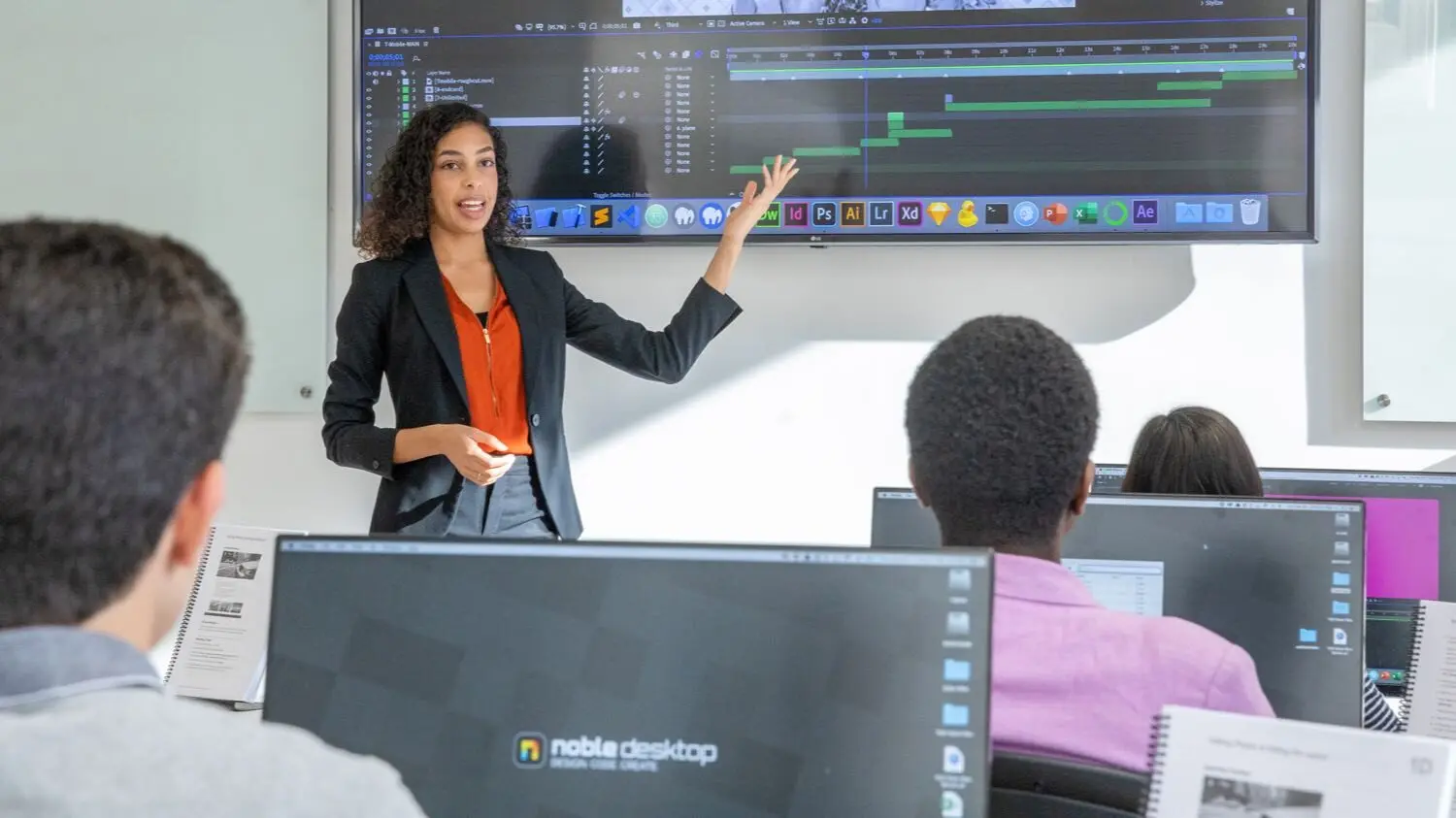
If you enroll in NextGen Bootcamp, you’ll take part in live, interactive classes where you learn by building real projects, reflecting the hands-on approach many online coding programs for high school students aim to provide. The bootcamp offers courses in languages like Java and Python, so you can choose what aligns with your interests. Because class sizes are kept small (8–15 students), instructors can give you individualized attention, which helps if you’re new to coding or want to improve your skills quickly.
The schedule (especially summer sessions) is intensive but structured, so you get a solid foundation in a specific area of computer science over a short period. NextGen Bootcamp can be a strong way to learn coding or data skills, build projects, and test whether CS or related fields suit you.
Why it stands out: It offers project-based coding classes that mirror real industry workflows, helping you build practical skills quickly.
10. CMU CS Academy — CS1: Introduction to Programming and Computer Science
Location: Online
Cost/Stipend: Free
Acceptance rate/cohort size: Open access; available globally to any eligible student
Dates: Self-paced
Application Deadline: None
Eligibility: Designed for students in 8th or 9th grade around the world with algebra readiness skills
If you choose this program, you’ll embark on a gentle but thorough introduction to programming and computer science. You’ll learn to code in Python through a series of 12 units, starting with visually engaging, graphics-based tasks (so that early mistakes are easy to spot) and gradually building up to text-based coding and computational thinking.
Each unit includes worked-through examples, a set of exercises, end-of-unit challenges, and creative tasks that let you experiment with concepts in your own style. Because the course provides its own browser-based IDE with automatic grading, you can code, run, and test your projects directly online. The focus is on a fun way to build problem-solving, creativity, and computational thinking skills, which makes CS1 an ideal choice if you’re seeking to learn programming from scratch.
Why it stands out: It gives you access to high-quality CS curriculum from a top computing institution, helping you strengthen core programming and logic skills.
11. Johns Hopkins Center for Talented Youth (CTY) — Online Computer Science & Technology
Location: Online/virtual
Cost/Stipend: Tuition varies by course and course format
Acceptance rate/cohort size: Varies
Dates: Courses offered year-round, in various formats
Application Deadline: Varies
Eligibility: Students in grades 2–12 worldwide
If you enroll in CTY’s online Computer Science & Technology offerings, you’ll get access to a range of courses, starting from block-based coding for younger learners to programming in real languages and even robotics or web design for older students. The courses emphasize creative problem solving, critical thinking, and practical skills, letting you build animations, games, web projects, or even control robots, depending on the specific class.
Because CTY offers flexible formats, you can pick what fits your school schedule and learning style. As part of a global online community, you’ll learn alongside other motivated students from around the world. Importantly, these courses allow you to explore computer science topics that are not always offered in the traditional school curriculum.
Why it stands out: It provides advanced CS coursework for academically strong students, helping you progress faster than standard school curricula.
12. CodeWizardsHQ Summer Camps
Location: Online
Cost/Stipend: Varies as per course duration
Acceptance rate/cohort size: 4-6 students per class
Dates: Varies by course
Application Deadline: Varies
Eligibility: Students aged 8-18 around the world
When you enroll in CodeWizardsHQ, you’re joining a structured, tutor-led online coding school that works with small class sizes to give you personal attention. Over the summer (or during other sessions), you can pick from quick 1-week or 2-day camps, for example, in game development with platforms like Roblox, Minecraft, or even beginner-level AI/ML. Or you may go for more intensive 3-week accelerated classes covering languages and web development (Python, Java, HTML/CSS, etc.).
Classes are live, interactive, and project-based, so you’re writing real code, building games, or small apps. This can be a neat way for you to pick up foundational coding skills, experiment with interests like game design or AI, and build a small portfolio of projects. Here’s the link to enroll.
Why it stands out: It teaches coding through live instructors and structured pathways, helping you build skills step-by-step with consistent support.
13. CS@SC Summer Coding Camps
Location: Both online and on-site options available
Cost/Stipend: $200 for online classes
Acceptance rate/cohort size: 6-8 students per instructor
Dates: Camps run during summer; exact dates vary per session
Application Deadline: Varies per session
Eligibility: Students around the world from Kindergarten through Grade 12
If you join a USC Summer or CS@SC coding camp, you’ll get exposure to computer-science topics like programming, web, game design, mobile-app development, and robotics. The camps are designed with small classes (just a handful of students per instructor), which means you’re likely to get individual guidance. You’ll also receive a more interactive learning experience despite being an online course.
Whether you attend virtually or in person, the format is hands-on and project-oriented, and you’ll build real code or designs rather than just watching lectures. This program can be a useful, budget-friendly way for you to explore computing, build skills, and see if CS or related fields interest you, even if you live far from USC.
Why it stands out: It connects you with USC faculty and labs, helping you explore computing within a major research university environment.
14. Brown Pre-College: AI, Data Science, and Machine Learning
Location: Online
Cost/Stipend: Varies by format and duration
Acceptance rate/cohort size: Not specified
Dates: Multiple weeks during the summer
Application Deadline: Varies
Eligibility: Students worldwide finishing grades 9–12 (approx. ages 14–18) by summer start
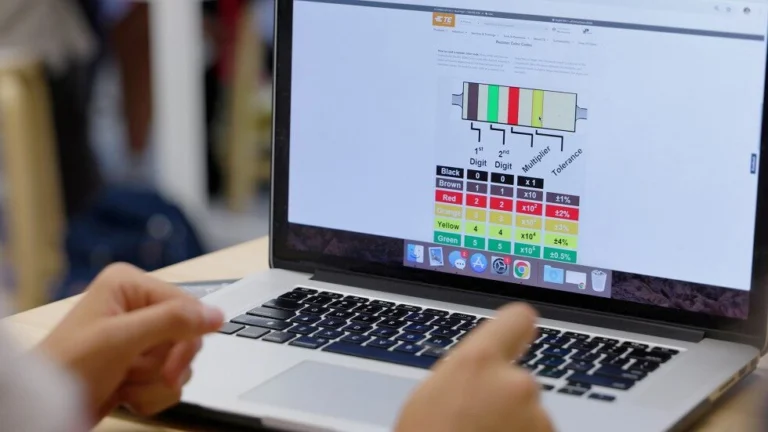
In this program, you’ll dive into the exciting world of data science, predictive modeling, and machine learning, topics that are shaping how we interact with technology and information. The course is designed to give you a grounded yet forward-looking introduction. You’ll learn to analyze data, build models, and understand core AI/ML concepts while also engaging with important ethical questions around data use and algorithmic fairness.
Through coursework and projects, you get to apply what you learn, which includes cleaning datasets, training predictive models, or exploring real-world case studies. You’ll also get a taste of college-level learning and academic freedom, which can help you explore whether computer science or data science is something you’d want to study more deeply.
Why it stands out: It lets you study CS in Brown’s collaborative learning culture, helping you build both technical ability and problem-solving confidence.
15. freeCodeCamp
Location: Online
Cost/Stipend: Free
Acceptance rate/cohort size: Varies
Dates: Self-paced
Application Deadline: Rolling admissions
Eligibility: Open to all
When you use freeCodeCamp, you’ll get access to a vast, well-structured curriculum, making it one of the most widely used online coding programs for high school students learning independently. You’ll have a holistic package, starting with fundamentals like HTML, CSS, and JavaScript, and moving up to back-end development, APIs, data visualization, Python, and more.
As you progress, you build projects, which helps you form a tangible portfolio, a big plus if you plan to demonstrate coding ability to universities or future employers. Since the platform is open source and has a global community, you’ll also have access to discussion forums, peer support, and more resources.
Why it stands out: It provides free, industry-aligned coding lessons and certifications, helping you build real portfolio projects at your own pace.
Join the Immerse Education 2027 Essay Competition
Follow the instructions to write and submit your best essay for a chance to be awarded a 100% scholarship.
Exploring What’s Possible Beyond the Screen
Learning to code at this stage is not only about mastering syntax or tools. It’s about understanding how technology can shape ideas, confidence, and future direction.
The programs listed in this article show how online coding programs for high school students can take learning beyond theory. Through hands-on projects and guided exploration, you gain insight into how computing works in real-world contexts.
These experiences also support more informed academic choices. Exposure to advanced topics and university-style learning helps clarify which pathways may suit you best.
If this exploration has sparked new questions, our Educational Innovation blogs offer thoughtful perspectives on how learning and technology continue to evolve.







Unlock Inspiring Opportunities with the Immerse Education Newsletter
Join our newsletter to stay ahead with exclusive updates, exciting programme highlights, and expert insights from the world of immersive education.
Learn how Immerse can transform your life
An in-depth overview of our university and career preparation programmes
Get a glimpse into the life of an Immerse participant
Find the right programme for you with sample timetables, location showcases, and more