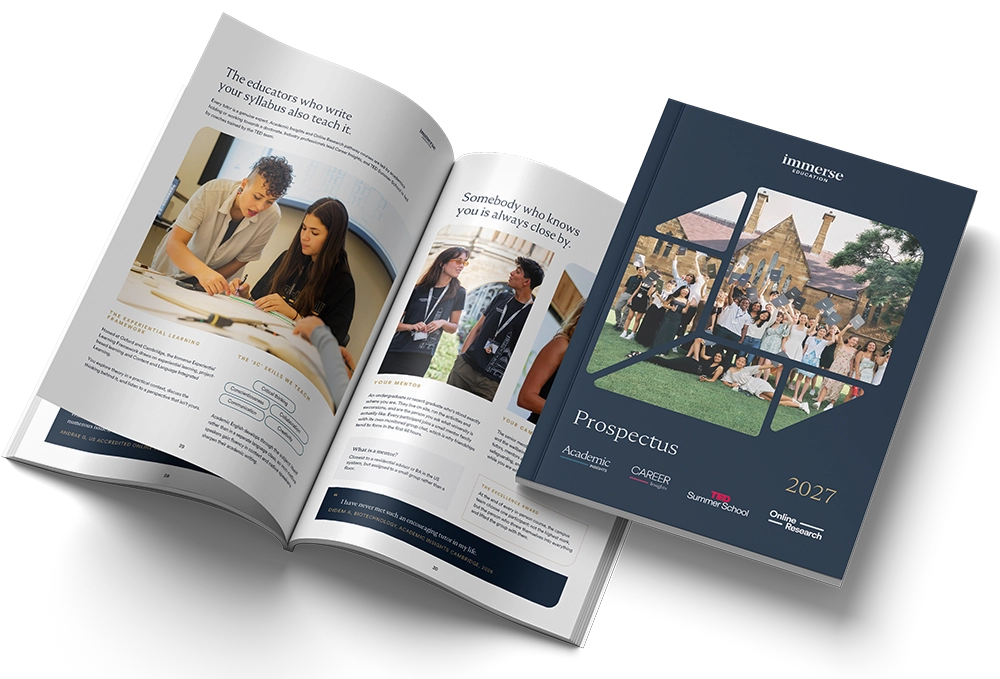
15 Pre University Summer Programs for High Schoolstudents
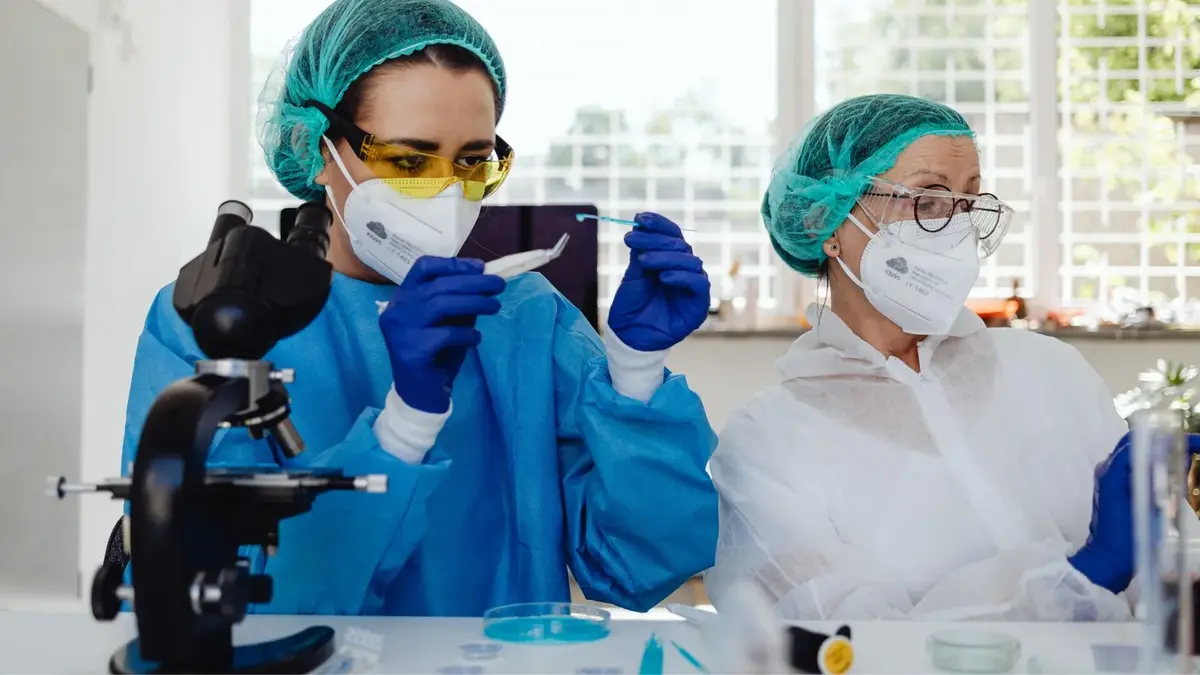
In high school, summer is usually a break from early alarms, constant homework, and exam stress. And that break matters. But pre university summer programs can also make summer a chance to try something new and see what learning feels like outside your regular classroom.
Maybe you’ve wondered what college classes are actually like. Or what it would feel like to focus on one subject you genuinely enjoy. These programs give you a chance to experience that. You can explore your interests, challenge yourself a little, and get a small preview of university life, without the full pressure of being in college yet.
Some programs focus on research and academics. Others are more about discussion, skill-building, or hands-on projects. You might study medicine, engineering, business, politics, AI, writing, or something completely different.
What kinds of pre-university summer programs are available for high school students?
With so many options offered by universities and institutes, it can be hard to know which ones are actually worth it. Some are more intensive and fast-paced. Others are more relaxed and exploratory. This is why careful research is important, so you can pick the programs best suited to your interests.
Various universities offer a number of programs in STEM, business, medicine, humanities, engineering, and arts. Regardless of whether you’re looking to delve deeper into an existing passion or take a stab at a new interest, participating would give you a meaningful glimpse of your future academic path.
You’ll learn from industry experts and distinguished faculty, participate in college-level discussions, and interact with like-minded peers. Throughout the program, you will develop teamwork, confidence, and independent-thinking skills.
So, to make your search easier, here are 15 Pre-University Summer Programs for high school students. These programs were picked for their learning experience, mentorship, and exposure to college-level academics.
For more options, you can consider participating in online summer programs.




15 Pre-University Summer Programs for High School Students
1. MITES Summer Program
Location: Massachusetts Institute of Technology, Cambridge, MA
Cost: Free
Dates: Six weeks over the summer (late June through early August)
Application Deadline: February 1st (tentative)
Eligibility: High school juniors; must be U.S. citizens or permanent residents
Joining the MITES Summer Program will allow you to engage in a six-week immersive learning experience. You’ll get to enrol in five valuable courses in math, science, and humanities. You’ll have the chance to explore and gain in-depth knowledge in STEM, go on lab tours, and participate in social events.
You’ll understand the rewards associated with a STEM career and develop personal and professional skills. You’ll experience life as a student at MIT, and explore the real-world applications of STEM disciplines, including machine learning, genomics, and architecture. If you’re a high school student interested in exploring the real-world impact of STEM, this program could be a good option to consider.
Why it stands out: You’ll spend six weeks taking five intensive STEM and humanities courses, join lab tours and hands-on projects, and experience college life at MIT while exploring fields like machine learning and genomics.
2. Immerse Education’s Pre-University Summer School
Location: Boston, Cambridge, London, Oxford, Singapore, Sydney, Tokyo, and Toronto
Cost: Varies; summer school scholarship available through their bursary programme
Application Deadline: Multiple summer cohorts; rolling admissions.
Program Dates: 2 weeks during the summer
Eligibility: Students aged 13-18 currently enrolled in middle or high school; Open to students worldwide
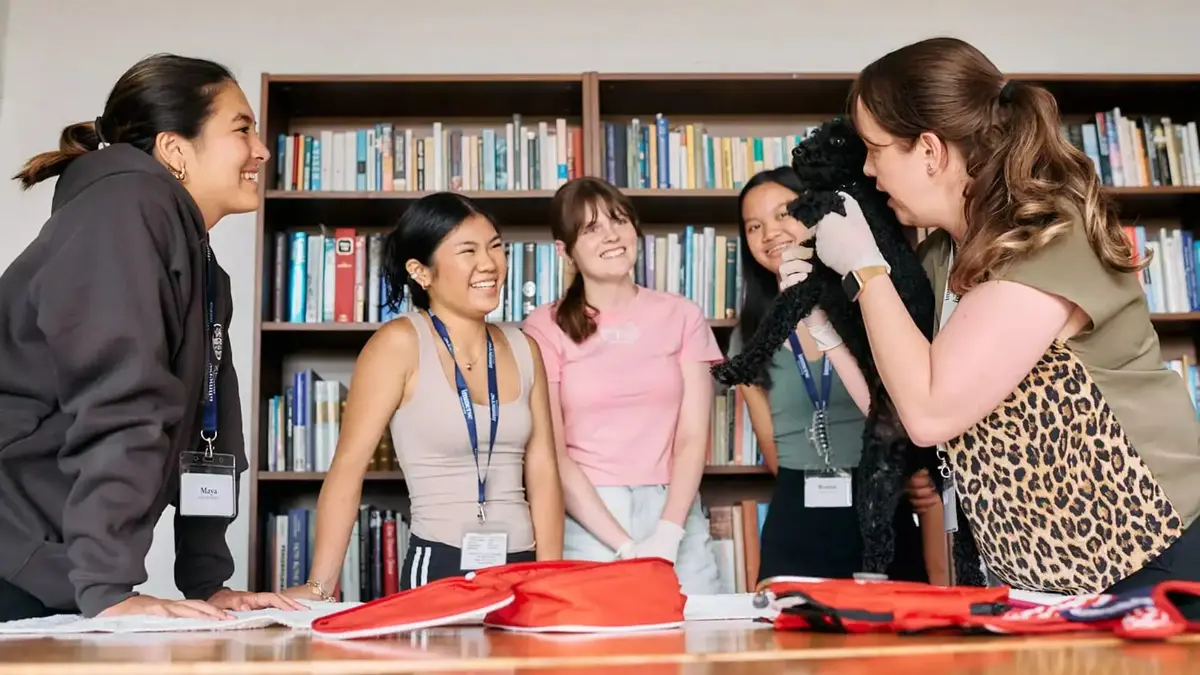
The Academic Insights Program is one of the most immersive pre university summer programs, letting you experience university life firsthand. You will live on campus, study in small groups of 7–10, and learn from tutors from eminent universities like Oxford and Cambridge while exploring 20+ subjects, including Architecture, AI, Business Management, Computer Science, Economics, Medicine, Philosophy, and more.
The courses are experiential and focus on hands-on learning. You may find yourself conducting dissections in medicine, designing a robotic arm in engineering, participating in a moot court for law, or building creative writing portfolios and business case studies. By the end of the program, you’ll complete a personal project, receive written feedback, and receive a certificate of completion. You can find more details about the application here.
Why it stands out: You’ll live on campus, study in small groups with Oxford and Cambridge tutors, explore subjects like AI or medicine through hands-on projects, and complete a final project with feedback and a certificate.
3. Stanford Institutes of Medicine Summer Research Program (SIMR)
Location: Stanford University, Stanford, CA
Cost/Stipend: Free;
Dates: June 8th – July 30th (tentative)
Application Deadline: February 21st
Eligibility: High school juniors and seniors; must be U.S. citizens or permanent residents
Stanford Institutes of Medicine Summer Research Program (SIMR) offers an eight-week learning experience to high school students. You’ll participate in basic research on a medically oriented project along with Stanford faculty, researchers, postdoctoral fellows, and students. The program aims to inspire the participation of high school students in biological sciences and medicine.
You’ll have the opportunity to choose from eight specific research areas, including bioinformatics, bioengineering, immunology, neurobiology, cancer biology, stem cell and regenerative medicine, cardiovascular biology, and genetics and genomics. Joining SIMR will also allow you to participate in the bioengineering bootcamp.
Why it stands out: You’ll spend eight weeks conducting real biomedical research with Stanford scientists in areas like immunology, cancer biology, or bioinformatics.
4. Hutton Junior Fisheries Program
Location: Multiple locations across the U.S., Canada, Mexico, Puerto Rico, and the Pacific Islands
Cost/Stipend: Free; a $3,000 stipend is paid
Dates: Eight weeks during the summer
Application Deadline: January 25th
Eligibility: Rising high-school juniors or seniors ages 16 and above, Residents of the U.S. or Canada/Mexico
Hutton Junior Fisheries Program offers an eight-week paid summer experience to high school students. You’ll gain hands-on experience working with fisheries professionals, receive expert mentorship, and explore solutions to real environmental issues. The program aims to inspire students from underrepresented groups to explore professional careers in fisheries and aquatic sciences.
You’ll also participate in a range of outdoor activities, including electrofishing, snorkeling, water quality testing, data processing, conducting fish population surveys, and more. If you’re a high school student interested in a paid, hands-on experience in marine biology, this program could be a good option to explore.
Why it stands out: You’ll spend eight paid weeks working with fisheries scientists, conduct field research like water quality testing and fish population surveys, and gain hands-on experience in aquatic science careers.
5. Aspiring Scientists Summer Internship Program (ASSIP)
Location: George Mason University’s College of Science
Cost/Stipend: $1,299 tuition + $25 application fee
Dates: June 18th – August 12th
Application Deadline: February 15th
Eligibility: High school and undergraduate students worldwide
The Aspiring Scientists Summer Internship Program is one of the most hands-on pre university summer programs, offering an eight-week research-focused experience. You’ll participate in discussion forums, interact with role models, and explore STEM career paths in a structured setting.
The program focuses on different scientific areas such as forensic science, robotics, psychology, neuroscience, mathematical modeling, astronomy, molecular medicine, and many more. You’ll develop and practice valuable skills necessary for research and innovation, including scientific writing, creativity, and communication. The program will equip you with the latest technologies and allow you to earn college credits.
Why it stands out: You’ll spend eight weeks conducting real research in fields like robotics, neuroscience, or astronomy, work with mentors, build scientific writing and communication skills, and earn college credit.
6. The Anson L. Clark Scholar Program
Location: Texas Tech University, Lubbock, TX
Cost/Stipend: Free; A $750 stipend is paid
Dates: June 21st – August 6th
Application Deadline: February 16th
Eligibility: U.S. high school juniors and seniors; minimum age: 17 years
The Anson L. Clark Scholar Program offers a seven-week summer research experience to high school students. You’ll participate in hands-on practical research, receive guidance from experienced faculty, and work on research project reports. You’ll have the opportunity to choose from a range of research areas, including physics, economics, cancer biology, computer science, computer engineering, chemistry, and more.
Along with the academic research, the program also offers weekend social activities and weekly seminars. If you’re interested in a paid opportunity to engage and work on a real-world research project, this program could be a good option to consider.
Why it stands out: You’ll spend seven paid weeks conducting hands-on research with faculty mentors, complete a formal research report, and attend weekly seminars.
7. Research Science Institute (RSI)
Location: Massachusetts Institute of Technology, Cambridge, MA
Cost: Free; a $75 non-refundable application fee needs to be paid
Dates: Late June – Early August
Application Deadline: Early- to mid-December
Eligibility: High school juniors; Open to students worldwide
Research Science Institute is one of the most selective pre university summer programs, offering a no-cost summer experience in science and engineering. You’ll learn through a balanced approach of scientific theory and science and technology research. You’ll have the opportunity to explore the complete research cycle, stay updated on current literature, and work on an in-depth research plan. You’ll attend STEM classes, learn from experienced professors, and conduct individual research.
You’ll attend a week of seminars on research topics in physics, mathematics, engineering, chemistry, humanities, and biology. Along with gaining academic knowledge, you’ll also get to enjoy field trips and explore the Boston Area cultural attractions.
Why it stands out: You’ll attend advanced STEM lectures, complete an individual research project from proposal to final paper, and work closely with top scientists in a fully funded program.
8. Jackson Laboratory Summer Student Program
Location: JAX campuses in Bar Harbor, Maine, and Farmington, Connecticut
Cost/Stipend: Free; $7,500 + room + board + travel
Dates: Bar Harbor: May 30th – August 7th; Farmington: May 30th – August 10th;
Application Deadline: January 26th
Eligibility: U.S. high school student
Jackson Laboratory Summer Student Program offers a ten-week collaborative learning experience to high school students. You’ll explore the role of genetics and genomes in shaping biological systems, work as an independent researcher, participate in laboratories, and engage in scientific communication. You’ll receive guidance from mentors and gain knowledge about a range of topics, including data visualization, peer review, science communication, and genetic testing.
The program will help you interact with JAX professionals, including attorneys, external relations specialists, grant writers, scientific service experts, and veterinarians. You’ll have the opportunity to learn along with students from all over the world and engage in personal growth in a supportive and collaborative environment.
Why it stands out: You’ll spend 10 weeks conducting independent genetics research, analyzing genomic data, building science communication skills, and working closely with JAX scientists and professionals.
9. Stanford EXPLORE
Location: Virtual/ In-person at Stanford University, Stanford, CA
Cost/Stipend: Online: $2,400 ($600/week); In-person: $3,200 ($800/week);
Dates: July 6-31
Application Deadline: Rolling
Eligibility: 9th-12th grade students; Must be U.S. citizens and permanent residents
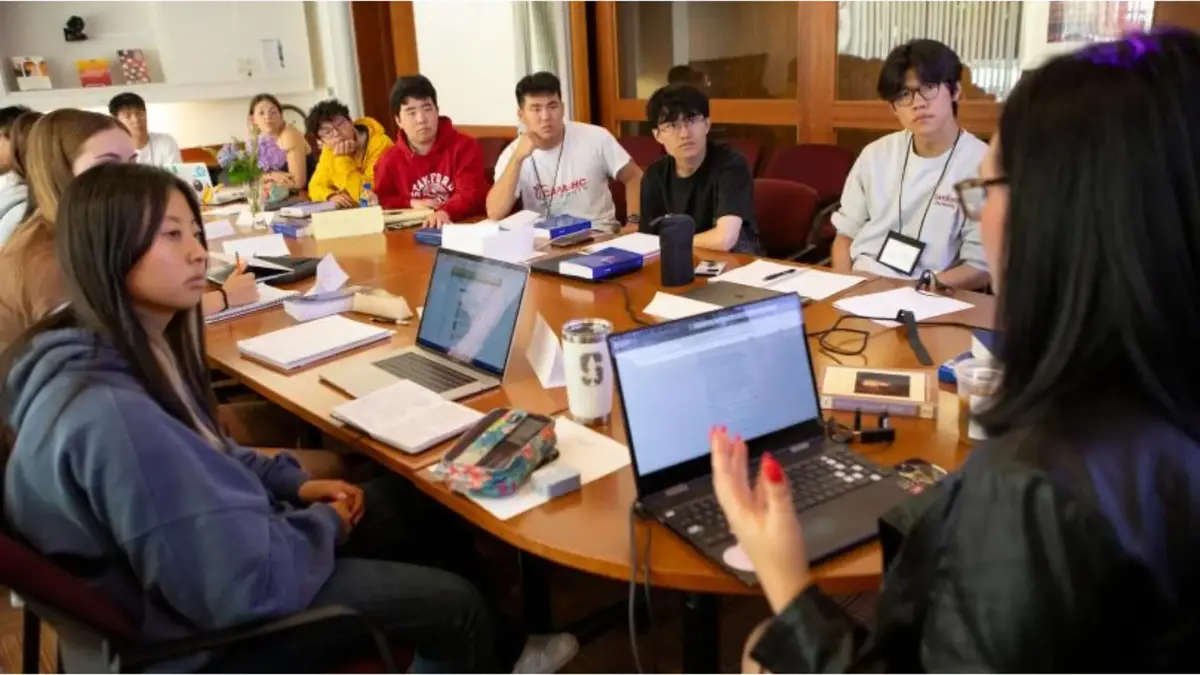
Stanford EXPLORE offers high school students an exploratory lecture series on biomedical research. You’ll attend lectures on a range of present day Research areas, including cancer biology, immunology, neuroscience, regenerative and stem cell medicine, bioengineering, and bioinformatics.
You’ll learn from Stanford faculty, postdoctoral fellows, and graduate students. You’ll not only gain knowledge about current research topics but also learn the techniques and applications used in these areas, along with exploring future career pathways in medical school education.
Why it stands out: You’ll attend expert-led lectures on topics like cancer biology, immunology, and bioengineering, learn about modern research techniques, and explore future careers in medicine and biomedical science.
10. Stony Brook University’s Simons Summer Research Program
Location: Stony Brook University, Stony Brook, NY
Cost/Stipend: A stipend is paid
Dates: June 29th – August 7th
Application Deadline: February 5th
Eligibility: High school juniors; Must be US citizens and/or permanent residents; Minimum age: 16 years
Stony Brook University’s Simons Summer Research Program offers high school students an on-campus learning experience. You’ll be paired with faculty mentors, join a research team, and work on a research project. You’ll participate in special workshops, attend weekly talk sessions led by Stony Brook faculty, and also have the opportunity to participate in extracurricular activities through tours and events.
You’ll work on a written research abstract and a research poster and present them at the conclusion of the program through a closing poster symposium. If you’re a high school student with high aptitude, creativity, and the ability to work independently in a hands-on learning environment, this program could be a good option to consider.
Why it stands out: You’ll work on campus with a faculty mentor, join a research team, write a research abstract, and present your project at a final poster symposium.
11. Carnegie Mellon’s Summer Academy for Math and Science (SAMS)
Location: Carnegie Mellon University campus, Pittsburgh, PA
Cost: Free
Dates: June 20th – August 1st
Application Deadline: February 1st
Eligibility: 11th-12th grade students; Must be U.S. citizens or permanent residents
Carnegie Mellon’s Summer Academy for Math and Science (SAMS) allows high school students to gain in-depth knowledge in STEM. You’ll attend classroom sessions, work on hands-on projects, and learn from experienced faculty and staff members. You’ll have the opportunity to explore future career and study options in STEM fields, join a supportive STEM scholars community, and form meaningful friendships with like-minded peers. The program curriculum is divided into three parts.
Part one focuses on virtual skills building, part two involves in-person courses and concludes with a research symposium, and part three is focused on college preparation, information sessions, and ongoing connection building among participants.
Why it stands out: You’ll build strong STEM skills through virtual training, take in-person courses at CMU, complete hands-on projects, and present at a final research symposium while preparing for college.
12. The Stanford Center for Artificial Intelligence in Medicine and Imaging (AIMI) – Summer Research Internship
Location: Virtual
Cost: $2,400 + $45 Application fee
Dates: Session A: June 15-26; Session B: July 6-17
Application Deadline: February 13th
Eligibility: Rising 9-12 grade students; Must currently be attending a US high school
The Stanford Centre for Artificial Intelligence in Medicine and Imaging- Summer Research Internship allows you to explore the role of AI in healthcare. You’ll attend lectures, receive mentorship, and work on collaborative projects. You’ll gain knowledge about a range of topics, including model evaluation, medical imaging AI, machine learning basics, responsible AI, clinical applications, and datasets.
You’ll engage in hands-on project sessions, develop problem-solving skills, and listen to guest speakers from the healthcare industry, government sectors, and non-profits. The program will help you understand the real-world applications of AI, form meaningful connections with peers and professionals, and explore career pathways in the field of AI.
Why it stands out: You’ll study how AI is used in healthcare, work on hands-on medical imaging and machine learning projects, learn about responsible AI and model evaluation, and receive mentorship from Stanford experts.
13. USC’s Annenberg Youth Academy for Media and Civic Engagement
Location: University of Southern California campus, LA
Cost: Free
Dates: To Be Announced
Application Deadline: To Be Announced
Eligibility: High school students who have completed 9th grade, residing and attending high school in Los Angeles County
USC’s Annenberg Youth Academy for Media and Civics Engagement offers you a three-week intensive summer learning experience. You’ll explore college-level courses, gain conceptual knowledge, and develop an in-depth understanding of the role of media, communications, and journalism in giving rise to civic-minded innovators and thought leaders.
You’ll explore careers in media and journalism and develop a range of skills in multimedia production, critical thought, writing, public speech and debate, ethnography, and interviewing. Along with gaining valuable knowledge and skills, you’ll also have the chance to interact with scholars and practitioners working towards finding solutions to complex organizational and societal challenges.
Why it stands out: You’ll spend three weeks studying media and journalism at a college level, create multimedia projects, build skills in writing and public speaking, and learn how media shapes civic engagement.
14. NYU’s Democracy Scholars
Location: New York University campus, Manhattan, NY
Cost: Free
Dates: Three weeks in July
Application Deadline: Not specified
Eligibility: New York City senior year high school students
NYU’s Democracy Scholars offers a three-week, no-cost learning experience to high school students. You’ll participate in interactive seminars, learn from experienced NYU faculty, and develop a range of skills in critical thinking and university-level reading and writing. You’ll engage in class discussions, go on field trips, and explore life as a student leader and global citizen through real-world experiences.
The program also gives you the chance to interact with like-minded peers and form meaningful friendships. After the completion of the program, you’ll get to meet throughout the year and receive support from NYU faculty for navigating your college admission process.
Why it stands out: You’ll attend interactive seminars with NYU faculty, strengthen college-level reading and writing skills, explore civic leadership through field trips, and receive ongoing college application support after the program.
15. NYU’s Computer Science for Cyber Security (CS4CS)
Location: NYU Tandon School of Engineering, Brooklyn, NY
Cost/Stipend: Free
Dates: July 13th – August 7th
Application Deadline: May 15th
Eligibility: Students currently in 10th or 11th Grade; NYC and Specific New Jersey and Nassau County Residents only
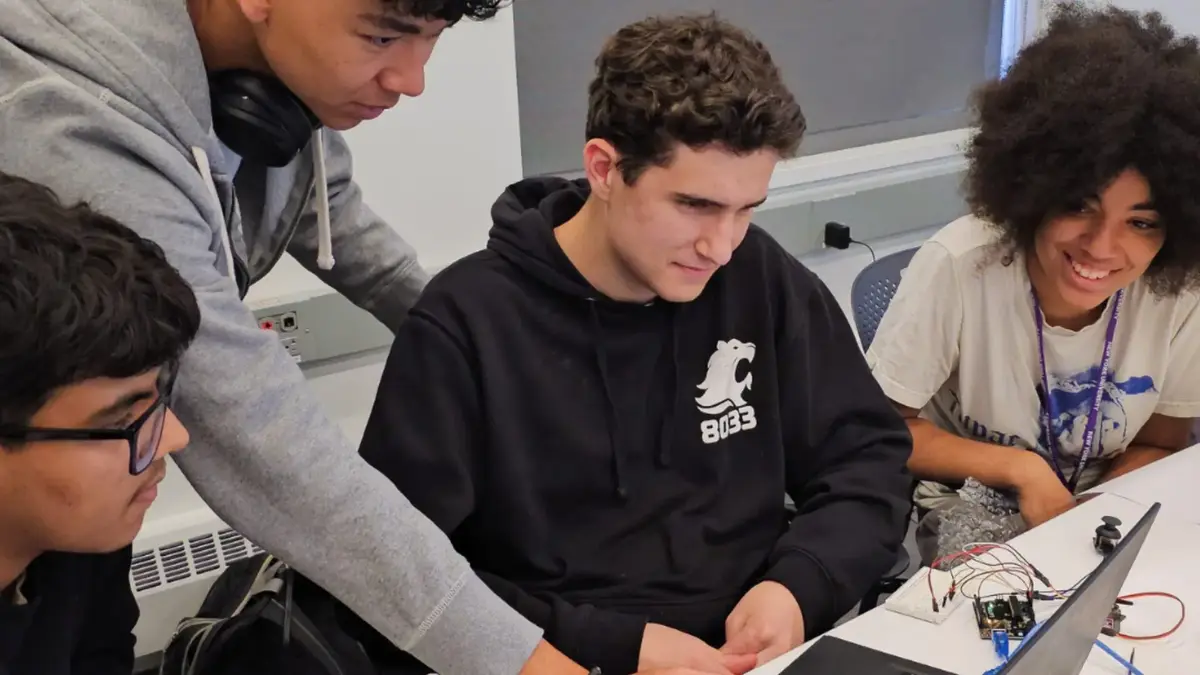
NYU’s Computer for Cyber Security (CS4CS) offers a four-week, no-cost summer learning experience to high school students. You’ll gain in-depth knowledge about cybersecurity through hands-on CTF competitions.
You’ll address real-world challenges, learn digital forensics, security-focused scripting, and cryptography. You’ll gain knowledge from industry professionals and build a real cybersecurity work portfolio. The program will allow you to receive expert mentorship while building professional connections.
Why it stands out: You’ll spend four weeks learning cybersecurity through hands-on capture-the-flag challenges, digital forensics, cryptography, and security scripting while building a real portfolio with expert mentorship with this fully-funded program.
Join the Immerse Education 2027 Essay Competition
Follow the instructions to write and submit your best essay for a chance to be awarded a 100% scholarship.
Turn Summer Learning Into Strong Applications
Summer can be more than a break; it can be a trial run for college pace, independence, and motivation, without long-term commitment for you today.
From research labs to seminar discussions, these options let you test subjects, meet ambitious peers, and practise university habits like deadlines and reflection each week.
These pre university summer programs help you build evidence of growth: projects, presentations, and clearer interests, so your next academic step feels intentional and confident.
Ready to turn experience into acceptance? Visit our University Preparation blogs for personal statement tips, interview practice, and supercurricular ideas that sharpen applications fast now.






Unlock Inspiring Opportunities with the Immerse Education Newsletter
Join our newsletter to stay ahead with exclusive updates, exciting programme highlights, and expert insights from the world of immersive education.
Learn how Immerse can transform your life
An in-depth overview of our university and career preparation programmes
Get a glimpse into the life of an Immerse participant
Find the right programme for you with sample timetables, location showcases, and more