15 Psychology Summer Programs in Canada for High School Students

If you’re a high school student curious about human behavior, mental processes, and what drives the way people think and act, exploring the top Psychology summer programs in Canada for high school students is one of the best ways to delve deeper into the field. These programs provide a unique opportunity to study under experienced mentors and explore the scientific study of the mind in a professional environment.
Imagine spending your summer in a vibrant academic setting, attending lectures on topics like cognitive psychology, neuroscience, behavioral science, or social psychology. Picture participating in experiments, analyzing case studies, and discussing real-world psychological issues with peers from around the world. These immersive experiences blend academic theory with practical application, giving you a clearer sense of what studying psychology at the university level is really like.
How do you choose the right psychology summer programs in Canada for high school students?
With many options available, it’s important to distinguish between programs that offer surface-level introductions and those that provide meaningful academic depth and hands-on learning. Some programs focus on lectures, while others include experiments, group discussions, and research-based projects. Thoughtful research ensures you find a program that aligns with your interests and learning goals.
Across Canada, psychology summer programs may explore areas such as clinical psychology, neuroscience, developmental psychology, and social behavior. You might participate in group projects, analyze research findings, or engage in discussions that mirror university-style learning.
You’ll learn from experienced instructors, take part in discussions and simulations, and collaborate with motivated peers from around the world. Along the way, you’ll sharpen your reasoning skills and gain a clearer sense of what studying psychology at the university level is really like.
To help you get started, we’ve curated a list of 15 Psychology Summer Programs in Canada for High School Students. They’ve been selected for their academic quality, engaging learning environments, and ability to inspire deeper interest in the field of psychology.
For more subject options, you can consider summer programs in Canada. To apply your skills in a professional setting, have a look at internships in Canada.


15 Psychology Summer Programs in Canada for High School Students
1. Immerse Education’s Toronto Psychology Summer School
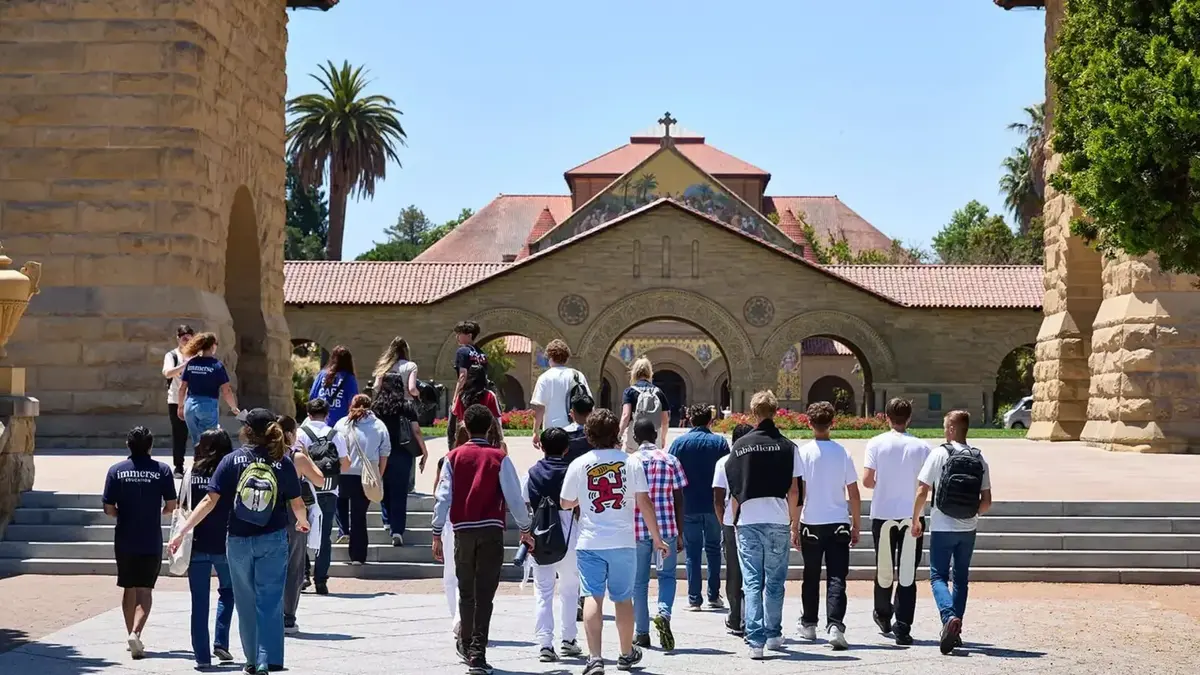
Location: Trinity College, University of Toronto, Canada
Cost/Stipend: Varies by format; summer school scholarship available through our bursary programme
Acceptance rate/cohort size: Selective, small cohorts of an average of 7 participants per class
Application Deadline: Rolling admissions
Dates: 5th July – 18th July, and 19th July – 1st August
Eligibility: Students around the world aged 15-18
In one of the most immersive Psychology summer programs in Canada for high school students, Immerse Education tutors draw on their academic backgrounds to help you work through experiments, case studies, and research tasks. They break down complex concepts into manageable ideas and introduce you to different areas of psychology based on their expertise.
Tutors provide individual feedback to support your progress and help you refine your thinking.Classes are discussion-based, allowing you to ask questions, examine evidence, and form your own interpretations. The environment encourages participation, so you can share your ideas and develop a more practical understanding of psychology.
Why it stands out: This program gives you the opportunity to explore topics such as behavior, emotion, and mental health from multiple perspectives.
2. McGill Summer Academy (MSA) - McGill University
Location: McGill University, Downtown Campus, Montreal, QC, Canada
Cost/Stipend: Program is fee‑based; specific tuition for 2026 is not itemized on the general page, but program‑wide information indicates that MSA Awards (scholarships/grants) are available for eligible participants
Acceptance rate/cohort size: Not specified
Application Deadline: TBA
Dates: Session 1: July 5th – July 18th; Session 2: July 19th – August 1st
Eligibility: High school students worldwide who are academically motivated and interested in a pre‑university‑style experience; typically open to students in grades 9-12
You participate in the McGill Summer Academy – Pathways to Neuro and Health Sciences program, a two-week, on-campus experience that combines academic coursework with structured activities in Montreal. In this stream, you study topics related to the nervous system, including brain structure and function, development, sensory systems, motor processes, and neurological conditions.
Instruction is delivered through lectures, case studies, simulations, and guided exercises. Content related to psychology is included within the broader focus on neuroscience and health, particularly in examining how brain function connects to behavior, health, and treatment.
Why it stands out: This program integrates neuroscience and health sciences with psychology-related content, allowing you to see how brain function influences behavior and mental processes in real-world contexts.
3. Introduction to Psychology – UBC Future Global Leaders On‑Campus Program
Location: University of British Columbia (UBC) Vancouver campus, Vancouver, BC, Canada (on‑campus, in‑person program for high school students)
Cost/Stipend: Course fee (per session, 10 weekdays): $1,940 CAD (Canadian/Permanent Resident) or $2,620 CAD (International); maximum total (with optional residence) is $5,270 CAD
Acceptance rate/cohort size: Not specified
Application Deadline: No fixed deadline; sessions are filled on a first‑come‑basis
Dates: Session 1: July 6-17; Session 2: July 20-31
Eligibility: Domestic and international high school students ages 15-18, enrolled in secondary school
You take an introductory course in psychology that focuses on the scientific study of mind and behavior. The curriculum covers areas such as cognitive, clinical, developmental, social, and personality psychology. Morning sessions introduce core concepts, including basic research methods, theories of cognition and emotion, and how psychological principles are applied in areas like health, education, and social interactions.
In the afternoon, you attend workshops that focus on study strategies and preparation for university-level learning.You are expected to follow a set schedule and engage with the material throughout the program. The experience is designed to help you understand what studying psychology at the university level involves.
Why it stands out: The program combines foundational psychology content with practical workshops on university study skills, giving you both subject knowledge and tools to succeed in an academic environment.
4. UBC Psychology of Social Groups Mini School
Location: University of British Columbia (UBC) Vancouver campus, Vancouver, BC, Canada (on‑campus, in‑person program)
Cost/Stipend: $2,110 CAD (Canadian/Permanent Resident) or $2,855 CAD (International) + Optional residence add‑on: $2,650 CAD (private room, full board, social activities, airport transfers for international students, UBC Recreation Card)
Acceptance rate/cohort size: Not specified; described as an open‑enrollment, selective mini‑school within the UBC Future Global Leaders on‑campus series
Application Deadline: No fixed academic deadline listed; registration is via the UBC Lifelong Learning system on a rolling basis while spots remain
Dates: August 3-14
Eligibility: High school students worldwide aged 15-18, enrolled in secondary school, and interested in psychology, social groups, and inequality
The UBC Psychology of Social Groups Mini School is a two‑week, on‑campus psychology program for high school students that focuses on social identity, bias, and group‑based inequality. You would study how social groups shape self‑perception and intergroup attitudes, examining the origins and consequences of social biases related to gender, race, and social class.
The program combines lectures, discussions, and hands-on activities that explore how biases are learned, maintained, and changed. You would see how social‑psychology experiments are designed and run, and you would practice interpreting findings about conformity, stereotyping, prejudice, and interventions that promote inclusion.
Why it stands out: The program is structured to mirror an early‑level university psychology course, giving you direct exposure to research‑based thinking about social groups rather than just textbook coverage.
5. Summer Psychology Research Initiative (SPRINT) - University of Toronto
Location: Department of Psychology, University of Toronto, St. George campus, Toronto, ON, Canada
Cost/Stipend: Free; no tuition or program fee is charged to participating high school students
Acceptance rate/cohort size: 2025 cohort had 57 participants (40 in the Research Stream, 17 in the Lecture Stream); there were 662 applications in a recent year for about 60 seats, indicating a highly selective program
Application Deadline: Details will be posted in April; applications typically open in spring and close before late July
Dates: Ten‑day program, usually the last two weeks of July
Eligibility: High school students in Ontario, Canada, with priority to upper‑year students (entering grades 11-12 or recent graduates) who identify as Indigenous, Black, and racialized (IBR) and, increasingly, other historically underrepresented groups (e.g., gender‑minority and first‑generation university students)
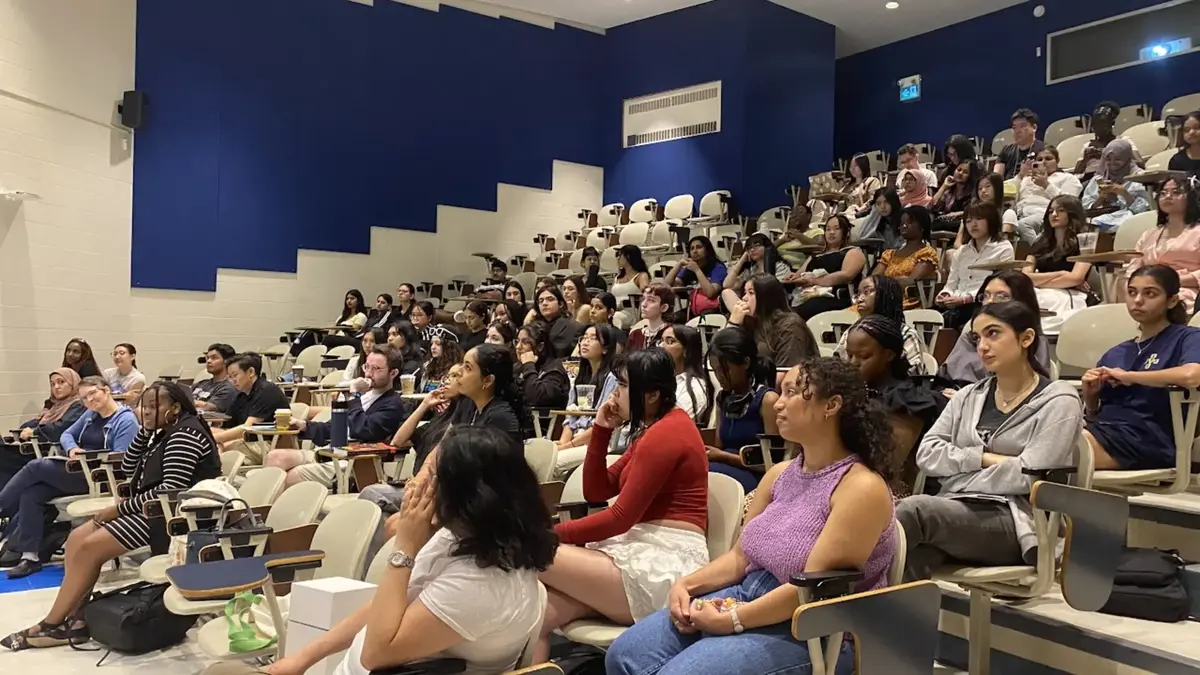
Recognized as one of the premier Psychology summer programs in Canada for high school students, SPRINT allows you to spend two weeks studying psychology at a university level, dividing your time between a lecture component and a research-focused component. In the research portion, you work in a small group with guidance from mentors to develop a research proposal. You identify a research question, review existing literature, and outline a study that includes hypotheses, methodology, and planned analysis.
You also build familiarity with research methods, basic statistical concepts, and academic writing. Throughout the program, you collaborate with peers and receive feedback on your work. At the end, you present your group’s research proposal to an audience of peers, mentors, and faculty.
Why it stands out: The program combines direct exposure to university-level lectures with hands-on experience in designing a full research proposal, giving you a rare opportunity to practice both academic learning and applied psychology skills in a single summer program.
6. Psychology of Morality - UBC Psychology Mini School
Location: University of British Columbia (UBC) Vancouver campus, Vancouver, BC, Canada (on‑campus, in‑person program)
Cost/Stipend: $2,110 CAD (Canadian/Permanent Resident) or $2,855 CAD (International) + Optional residence add‑on: $2,650 CAD (private room, full board, airport transfers for international students, social activities, UBC Recreation Card)
Acceptance rate/cohort size: Not specified; described as a selective, open‑enrollment mini‑school within the UBC Future Global Leaders on‑campus series
Application Deadline: No fixed academic deadline listed; registration operates on a rolling basis via the UBC Lifelong Learning system
Dates: July 20-31
Eligibility: High school students worldwide aged 15-18, enrolled in secondary school and interested in psychology and morality
The Psychology of Morality: UBC Psychology Mini School is a two‑week, on‑campus program for high school students that examines morality through a psychological lens. You would explore how moral reasoning develops from early childhood through adulthood, how moral values vary across individuals and cultures, and how cultural context shapes moral norms and judgments.
The mini‑school also covers topics such as psychopathy and moral motivation, contrasting how people with different personality traits respond to moral dilemmas and ethical conflicts. The program is structured around interactive research‑style activities, discussions, and application of psychological theories to real‑world and popular‑culture examples.
Why it stands out: The program gives you a research‑oriented view of morality as a scientific subject within psychology, rather than a purely philosophical or religious topic, making it especially relevant for students who are considering a psychology major.
7. Measuring Minds: UBC Psychology Mini School
Location: University of British Columbia (UBC) Vancouver campus, Vancouver, BC, Canada (on‑campus, in‑person program)
Cost/Stipend: $2,110 CAD (Canadian/Permanent Resident) or $2,855 CAD (International) + Optional residence add‑on: $2,650 CAD (private room, full board, airport transfers for international students, social activities, UBC Recreation Card)
Acceptance rate/cohort size: Not specified
Application Deadline: No fixed academic deadline listed; registration operates on a rolling basis via the UBC Lifelong Learning system
Dates: July 6-17
Eligibility: High school students worldwide aged 15-18, enrolled in secondary school and interested in psychology, personality, or data methods
The Measuring Minds: UBC Psychology Mini School is a two‑week, on‑campus program that introduces high school students to the psychology of personality and psychological measurement. You would examine how psychologists define and measure abstract constructs such as personality traits, mood, and cognitive processes, learning core measurement concepts like reliability, validity, and survey design.
You will design and test simple survey questions, then use basic statistical coding to analyze data and create visualizations that tell clear “stories” about variables like sleep, mood, attention, screen time, and stress. Instruction is delivered through a mix of lectures, interactive classroom activities, and guided lab sessions, with a focus on doing and discussing rather than memorizing formulas.
Why it stands out: The program stands out for its relevance for students curious about psychology, data science, or quantitative methods, and who want early exposure to how psychology uses measurement and statistics to study the human mind.
8. Arts + Science – Neuroscience + Psychology – “Your Brain, Your Mind, Your Future” – UBC Vancouver Summer Program
Location: University of British Columbia (UBC) Vancouver campus, Vancouver, BC, Canada
Cost/Stipend: Not specified in the course‑package description; the program is part of the UBC Vancouver Summer Program, which is tuition‑based but itemizes fees elsewhere on the site
Acceptance rate/cohort size: Not specified; described as a structured summer‑course package for secondary‑ and early‑university‑level students
Application Deadline: March 27th (for June session); April 17th (for July session)
Dates: Individual sessions in June and July (exact start and end dates follow the UBC Vancouver Summer Program calendar; typically aligned with a 3-4‑week summer‑session structure)
Eligibility: Open to students worldwide starting or in the early stages of higher education; the program is also open to high school students who meet the academic‑standing expectations of the Vancouver Summer Program
The “Your Brain, Your Mind, Your Future” program is a two‑course, July 2026 summer package co‑taught by UBC’s Department of Psychology and the Undergraduate Program in Neuroscience. You would study how the brain supports everyday human experience, covering core topics such as neuronal communication, neuroanatomy, learning and memory, neurodiversity, stress, emotion, decision‑making, and the “social brain.”
In the Mind, Emotions, and Well‑Being psychology component, you would examine how people perceive, think, and feel, exploring sensation and perception, consciousness, learning, emotion, motivation, and applications to addiction, stress, and mental‑health treatment.
Why it stands out: The program is designed as an interdisciplinary introduction to brain sciences, blending psychology and neuroscience in a single immersive experience.
9. Internships at the American Psychological Association (APA)
Location: Virtual
Cost/Stipend: Fully funded, stipend may or may not be provided. Students can receive academic credit for their contributions
Acceptance rate/cohort size: Not specified
Application Deadline: Rolling, see the application portal for open opportunities
Dates: There are programs available year-round
Eligibility: High school student; specific details vary based on the internship
You participate in an internship with the American Psychological Association (APA), where you apply psychological principles in professional contexts such as policy, communications, research, IT, or finance. You assist APA staff with tasks that match your skills, including research, writing, digital projects, and administrative work.
In addition, you attend workshops, presentations, and collaborative group activities designed to demonstrate how psychology is applied in practical settings. You engage with staff and peers while completing assigned tasks, gaining insight into the varied roles psychologists can play outside of traditional academic or clinical settings.
Why it stands out: This internship stands out because it offers direct experience applying psychology in diverse professional settings, giving you insight into how the field operates beyond academia and clinical practice.
10. High School Youth Researcher Summer Program (HYRS) - University of Alberta
Location: University of Alberta, Edmonton, Alberta, Canada (and select Alberta‑based health research sites)
Cost/Stipend: No cost. Students are paid $15+ per hour for 30-35 hours per week over 6 weeks; additional costs (travel, living, health benefits) are the student’s responsibility, though limited partially‑subsidized residence spaces are available for students outside the greater Edmonton area
Acceptance rate/cohort size: Approximately 20 placements each summer from about 175 applications, indicating a highly selective process
Application Deadline: March 13th
Dates: July 2nd – August 13th
Eligibility:
- Must be in Grade 11 (not Grade 10), enrolled in or having completed Math 20‑1/20‑2, Biology 20, and one other Grade 11 science course, with a minimum 85% average in those three.
- Must reside in or north of Red Deer, Alberta (students south of Red Deer are directed to the University of Calgary or University of Lethbridge HYRS programs).
- Must be legally eligible to work in Canada.
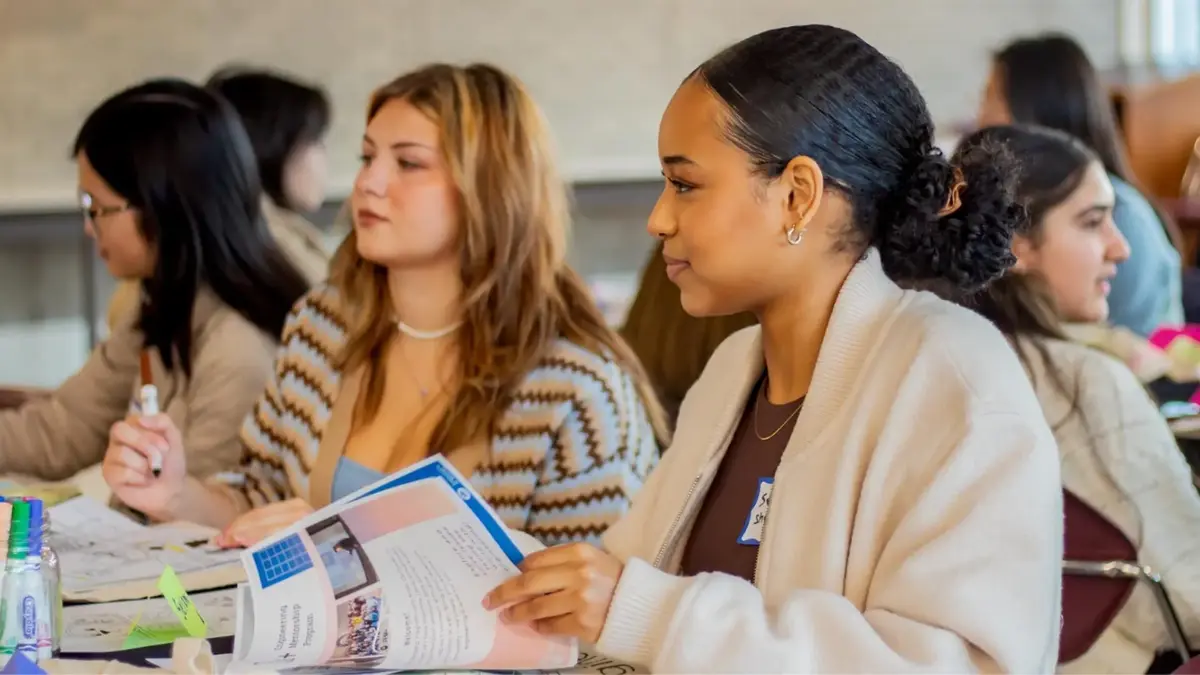
The High School Youth Researcher Summer Program (HYRS) is a paid, six‑week research‑immersion experience for Grade 11 students in Alberta, focused on health research and innovation rather than traditional lab‑only science. Psychology‑related relevance comes through projects in mental health, behavior, health‑systems design, and digital health, including work on how people interact with digital tools, clinical workflows, and community‑based interventions.
In psychology‑adjacent placements, you might help design surveys or interview protocols, organize qualitative or quantitative data, assist in behavioral‑health evaluations, or support the development and testing of digital tools that influence health‑related decision‑making or self‑management.
Why it stands out: The program is structured so that students spend the bulk of their time within a research group, learning research methods, ethics, and project management, while also participating in skill‑development and career‑exploration workshops tied to health research and innovation.
11. Topics in Psychology - Stanford Pre‑Collegiate Summer Institutes
Location: Online
Cost/Stipend: $3,200, financial‑aid options are available
Acceptance rate/cohort size: Not specified; described as a selective, small‑section course within the Summer Institutes
Application Deadline: March 13th
Dates: July 6-17
Eligibility: Students in grades 8-11 at the time of application, with an interest in the social sciences and psychology; open to domestic and international students
The Topics in Psychology course is a two‑week, online summer program within the Stanford Pre‑Collegiate Summer Institutes that introduces students to the core ideas and methods of psychology as a scientific discipline. You would study major themes such as social psychology, social and cognitive development, perception, memory, psychological disorders, and behavioral approaches to studying human behavior.
The program also connects psychological concepts to everyday life, showing how findings on motivation, emotion, social interaction, and mental‑health conditions can be applied to personal decisions and social contexts.
Why it stands out: This program allows you to apply psychology concepts through hands-on research activities while connecting theory to real-world situations, giving a balanced experience of both scientific methods and practical application.
12. Dual Credit Program, University of Calgary - Psychology Course
Location: University of Calgary, Calgary, Alberta, Canada (in‑person and online courses; high school partners may be located across Alberta)
Cost/Stipend: No tuition for participating in Dual Credit courses; students earn both high school and university credit at no extra cost beyond the usual high school framework
Acceptance rate/cohort size: Not specified; spots are coordinated through individual high schools, with selection managed by school guidance and counseling staff
Application Deadline: Not listed on the main Dual Credit page; interested students must apply through their high school according to the school’s internal timeline
Dates: Dual Credit courses generally run in parallel with the UCalgary term schedules (fall, winter, or a compressed summer‑style term) and are timed to align with the partner high school’s academic calendar
Eligibility: Current high school students in Alberta (typically in grades 10-12) who meet the prerequisite and academic requirements of the chosen UCalgary course and are nominated or approved by their school for the Dual Credit Program
As one of the most practical Psychology summer programs in Canada for high school students, the University of Calgary Dual Credit Program allows high school students to enroll in real university‑level courses while still in secondary school, earning dual credit toward both their high school diploma and a future degree program. The program is designed to ease the transition to postsecondary education by giving students early exposure to university‑style instruction, expectations, and workload.
The program is ideal for students who are considering a psychology major or simply want to experience what a university‑level psychology course feels like while still in high school.
Why it stands out: This program stands out because it lets you earn both high school and university credit while experiencing a full university-level psychology course, providing a practical head start on postsecondary study.
13. University of Texas Southwestern Inspiring Careers in Mental Health Internship
Location: Virtual
Cost/Stipend: None
Acceptance rate/cohort size: Not specified
Application Deadline: TBA
Dates: Two weeks in June
Eligibility: Rising domestic high school sophomores, juniors, and seniors + graduating seniors
You participate in the Inspiring Careers in Mental Health Internship offered by UT Southwestern Medical Center, a virtual program for high school students interested in mental health professions. You engage with licensed social workers, psychiatrists, physician assistants, and neuropsychologists through online sessions.
These professionals describe their roles and share how psychological principles are applied in their work. You observe how practitioners approach clinical and research questions and learn about the skills and training required for each role. The experience is focused on learning and exposure rather than hands-on clinical practice.
Why it stands out: The program is structured around discussions and presentations, giving you insight into different career paths in mental health.
14. Spark Lab - Forensic Science Experimental Stream - York University
Location: York University, on campus at either the Keele or Markham campus, Toronto, Ontario, Canada
Cost/Stipend: $495 CAD
Acceptance rate/cohort size: Not specified; the program is open‑enrollment within each session and age/grade band
Application Deadline: Not itemized on the main page; registration is managed through York’s youth‑program enrollment system on a rolling basis
Dates: Keele Campus: July 20-24; Markham Campus: July 6-10
Eligibility: Students worldwide in Grades 9-10 (ages 13-16); recommended minimum overall average of about 80-85% (program suggests around 80% for the Experimental Stream)
For those seeking specialized Psychology summer programs in Canada for high school students, York University’s Spark Lab – Forensic Science Experimental Stream is a one‑week summer camp that introduces the scientific methods used in real‑world forensic investigations.
You would learn how forensic scientists and criminal psychologists gather and interpret physical evidence to reconstruct events and identify suspects, with an emphasis on the scientific reasoning behind each technique. It is especially relevant for students who are considering paths in criminal psychology, forensics, or related fields and want a practical, project‑driven summer experience.
Why it stands out: The program teaches criminology and forensic science through investigative puzzles: you are given a mock crime scene and must collect, organize, and analyze evidence to answer specific questions about what happened and who is responsible.
15. Foundations of Psychological Research - University of Chicago Summer Session
Location: Online
Cost/Stipend: $4,980
Acceptance rate/cohort size: Not specified; described as a small‑section, pre‑college course within the Summer Session
Application Deadline: Not itemized on the course page; applications are managed through the University of Chicago Summer Session admissions system
Dates: July 7-23
Eligibility: Students from all nationalities in 9th-11th grade who are academically prepared for a college‑level social‑science course; applications require a transcript, short essays, a letter of recommendation, a writing sample, and a parent confirmation
The Foundations of Psychological Research course is a three‑week, online summer program that introduces high school students to the core methods and logic of psychological science. You would learn how psychologists design studies to answer questions about thoughts, emotions, and behavior, examining different research designs, sampling strategies, and ways to measure variables in real‑world settings.
The centerpiece of the course is a final project in which you pose a research question of personal interest and design a psychological study to investigate it, drawing on the methods covered in class (such as experiments, surveys, or observational plans).
Why it stands out: This program gives you hands-on experience designing your own psychological study, allowing you to apply research methods and critical analysis skills in a structured, mentor-guided environment.
Join the Immerse Education 2027 Essay Competition
Follow the instructions to write and submit your best essay for a chance to be awarded a 100% scholarship.
The Global Mind: Navigating Psychology and Beyond
Choosing to explore human behavior through psychology summer programs in Canada for high school students is a transformative step toward mastering the complexities of the mind.
These elite programs provide more than just classroom theory; they offer a rigorous “test drive” of university life within Canada’s world-renowned, collaborative research culture.
By analyzing social behavior and clinical case studies now, you develop the sophisticated analytical skills and intellectual independence required to thrive at top-tier global institutions.
Stop wondering where your passion fits and dive into our Study Abroad blogs to unlock the ultimate roadmap to your dream international university today!





Unlock Inspiring Opportunities with the Immerse Education Newsletter
Join our newsletter to stay ahead with exclusive updates, exciting programme highlights, and expert insights from the world of immersive education.
Learn how Immerse can transform your life
An in-depth overview of our university and career preparation programmes
Get a glimpse into the life of an Immerse participant
Find the right programme for you with sample timetables, location showcases, and more