15 Psychology Summer Schools in Toronto for High School Students
If you’re a high school student curious about how people think, feel, and behave, psychology can feel both fascinating and deeply relevant to everyday life. You might enjoy discussing human behavior in class, reading about mental health, or wondering why people make certain decisions. One of the most powerful ways to explore this field more seriously is by attending a psychology summer school in Toronto.
Imagine spending your summer on a university campus in Toronto, attending interactive seminars on topics like cognitive psychology, social behavior, mental health, or developmental science. Picture participating in research simulations, analyzing case studies, and engaging in discussions with motivated peers who share your interest in understanding the human mind. Psychology summer schools in Toronto offer a structured academic environment where curiosity turns into meaningful exploration.
How do you choose the right psychology summer schools in Toronto for high school students?
With a variety of programs available, it’s important to identify those that offer genuine academic depth. Some focus primarily on lectures, while others incorporate hands-on activities, small-group discussions, and exposure to research methods. Thoughtful selection helps ensure you find a program that balances accessibility with intellectual challenge.
Across Toronto, psychology summer schools may explore areas such as clinical psychology, neuroscience, behavioral science, social psychology, or mental health studies. You might take part in collaborative projects, analyze real research findings, or engage in guided discussions that reflect university-style learning. Programs range from introductory explorations to more rigorous experiences for students seeking academic enrichment.
To help you begin your search, we’ve curated a list of 15 Psychology Summer Schools in Toronto for High School Students. They’ve been selected for their academic quality, engaging learning environments, and ability to provide meaningful insight into the world of psychology.
For more options, you can have a look at summer programs in Toronto for high school students.




15 Psychology Summer Schools in Toronto for High School Students
1. Immerse Education’s Psychology Summer School
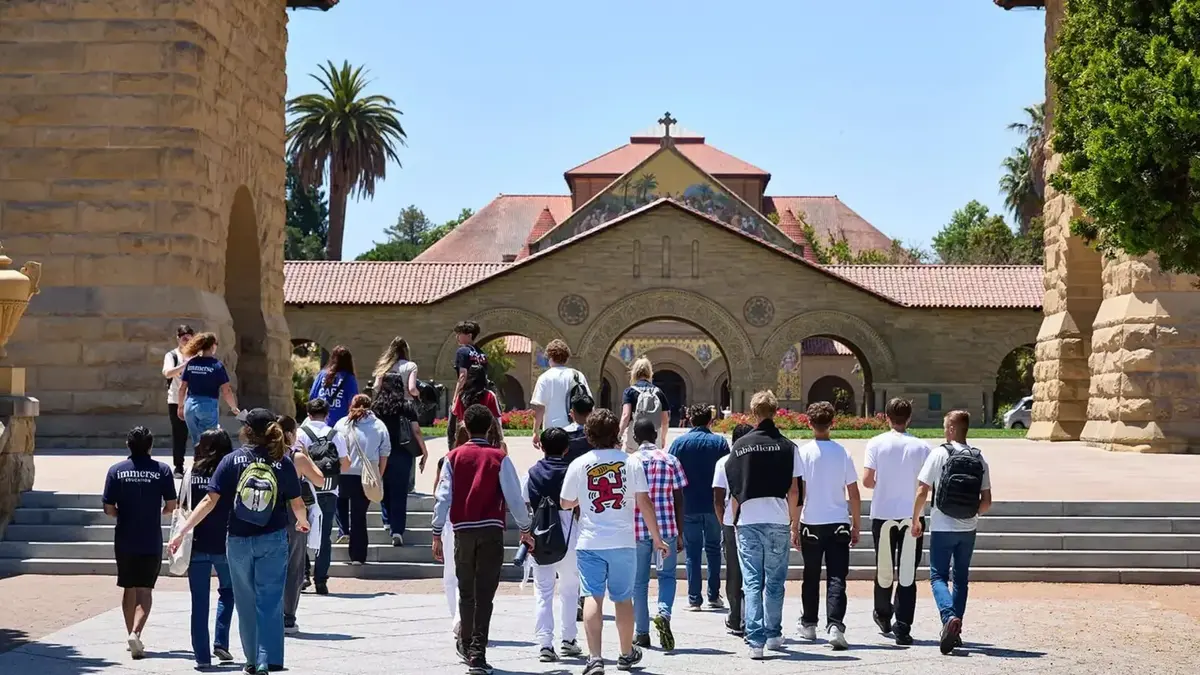
Location: Trinity College, University of Toronto, Toronto
Cost: Varies; summer school scholarship available through our bursary programme
Dates: 2 weeks during the summer
Application Deadline: Multiple summer cohorts; rolling admissions
Eligibility: International students aged 13–18 currently enrolled in middle or high school
This residential program allows you to experience university life firsthand while studying psychology in small, discussion-based groups led by tutors from top institutions such as Oxford and Cambridge, making it one of the most academically rigorous psychology summer school in Toronto for students who want close mentorship and university-style discussion. You’ll explore core psychological themes, such as cognition, behavior, and mental health, through interactive lessons that emphasize academic inquiry and real-world application. Classes typically enroll 7–10 students, encouraging close mentorship, active participation, and individualized feedback.
Beyond the classroom, experiential learning activities help you apply theoretical concepts while strengthening analytical and communication skills. You’ll live on campus, collaborate with a globally diverse peer cohort, and gain insight into the expectations and independence associated with university study. By the end of the program, you will complete a personal project and receive a certificate of completion along with written feedback, providing tangible academic output for future applications. Overall, the structure is designed to help you evaluate potential majors while building confidence in a university-style learning environment. You can find more details about the application here.
Why it stands out: You experience a realistic preview of college academics and residential life while receiving personalized mentorship in a small-cohort setting.
2. University of Toronto’s Summer Psychology Research Initiative (SPRINT)
Location: St. George campus, University of Toronto, Canada
Cost: Free
Dates: Last two weeks in July
Application Deadline: Not specified
Eligibility: High school students in Ontario; international students are not eligible
This research-focused summer program introduces you to psychological science through structured academic sessions centered on research, data literacy, and critical thinking. Over roughly ten days, you’ll attend lectures, panel discussions, and interactive workshops that explore topics ranging from research methods and statistics to specialized areas within psychology. You’ll engage with peers who share an interest in psychological inquiry, creating a supportive academic environment that encourages discussion and intellectual curiosity.
A core element of the initiative is its commitment to equity, diversity, and inclusion, with programming intentionally designed to support students from underrepresented backgrounds in psychology. By participating, you gain early exposure to research-oriented learning and a clearer understanding of how psychological studies are developed and evaluated at the university level.
Why it stands out: The program prioritizes hands-on training in research methods, statistics, and equity-focused scholarship, giving you a strong conceptual foundation in modern psychological science.
3. Immerse Education – Psychology Online Summer School
Location: Online
Cost: £3,495 (≈ $4,400 USD); financial aid and scholarships available
Dates: Flexible start dates; multiple cohorts throughout the year
Application Deadline: Rolling admissions
Eligibility: All students aged 13-18 currently enrolled in middle or high school; open to international students
This is a mentor-led online research program where you investigate a psychology topic in depth while learning how academic research is designed, conducted, and presented. You’re placed in a small cohort and guided by an expert tutor from leading universities such as Oxford or Cambridge, participating in seminars that emphasize critical thinking, research methodology, and academic writing. The curriculum focuses on developing a structured research project, helping you evaluate psychological literature, refine a research question, and build evidence-based arguments.
Sessions are interactive rather than lecture-heavy, encouraging discussion, peer collaboration, and individualized feedback from your mentor. You’ll complete a final research project that demonstrates your analytical skills and understanding of university-level psychology. Upon completion, you receive personalized feedback and a certificate, providing tangible academic output suitable for college applications. Overall, the program aligns with expectations for undergraduate research and helps you assess whether pursuing psychology at university aligns with your educational goals.
Why it stands out: Instead of broad subject exposure, this program centers on producing a structured research project under expert mentorship, giving you an early experience of independent academic inquiry.
4. SickKids Summer Research (SSuRe) Program – Neurosciences & Mental Health Track
Location: The Hospital for Sick Children (SickKids), Toronto, ON
Cost: Paid; minimum wage plus 6% vacation pay
Dates: 15 weeks, typically May to mid-August
Application Deadline: Varies by position; applications open in late fall/early winter
Eligibility: High school students in their final year (graduating in June and entering a college/university program in the fall); open to international students residing in Ontario during the placement
This 15-week research internship offers you the opportunity to work alongside scientists in SickKids’ Neurosciences & Mental Health program, making it one of the most immersive psychology summer school in Toronto experiences for students interested in neuroscience and mental health research. You’ll engage in hands-on research projects, attend weekly seminars, and participate in career development events.
The program culminates in a symposium where you’ll present your research findings. To apply, identify a scientist whose work aligns with your interests and submit an application through the SSuRe portal. Positions are competitive, so early application is advised.
Why it stands out: You gain immersive research experience in a leading pediatric hospital, enhancing your understanding of neuroscience and mental health.
5. ILAC International High School Summer Program – Leadership and Peer Support
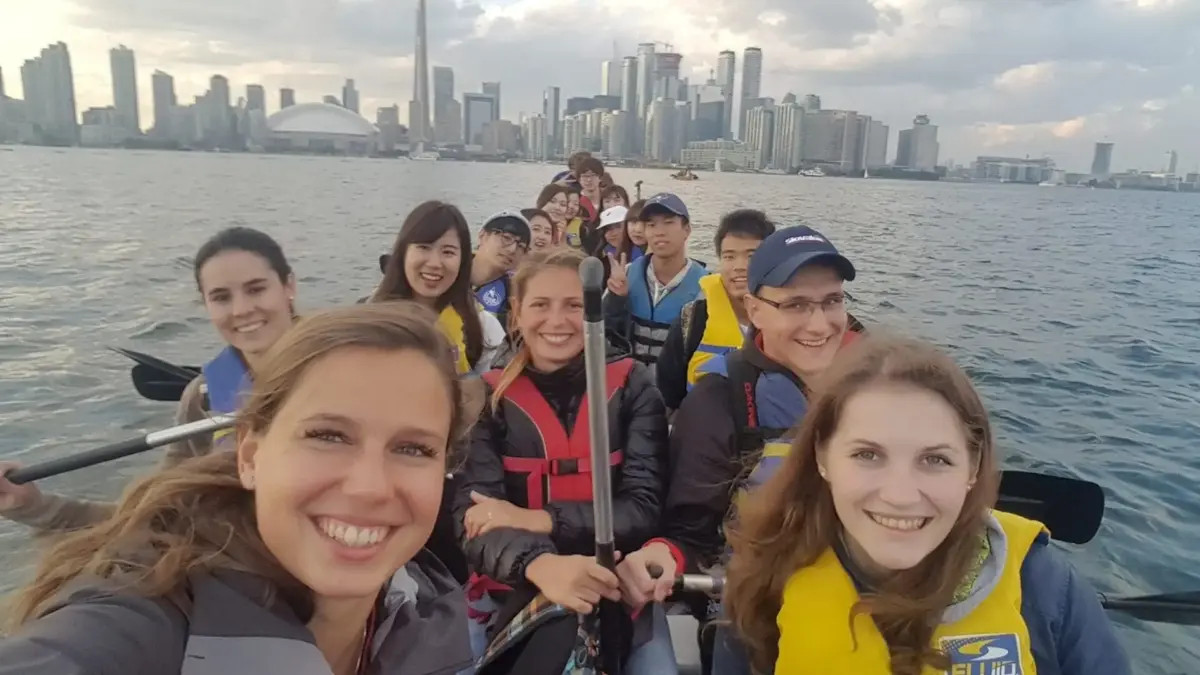
Location: Toronto, ON, and Vancouver, BC
Cost: CAD $5,900 (≈ $4,350 USD) for the 4-week Experience Program; CAD $6,650–$8,900 (≈ $4,900–$6,550 USD) for the 7-week Academic Program; packages typically include tuition, accommodation, meals, and activities
Dates: 4-week and 7-week sessions offered across July and August
Application Deadline: Rolling admissions
Eligibility: Grades 9-12 (Toronto) and Grades 10-11 (Vancouver); designed for international students, though domestic students may also apply
This summer program allows you to develop leadership, communication, and conflict-management skills through structured coursework within a Canadian high school environment. In the Leadership and Peer Support track, you’ll examine interpersonal dynamics, teamwork strategies, and approaches to supporting peers: competencies closely aligned with foundational principles in psychology, such as social behavior and emotional awareness.
The program emphasizes experiential learning, combining classroom instruction with collaborative exercises that help you practice real-world communication. Studying alongside an international cohort and participating in supervised cultural activities provides exposure to diverse perspectives on group interaction and community building. By engaging with applied social skills in an academic setting, you gain insight into behavioral sciences while experiencing the structure of secondary education in Canada.
Why it stands out: You build practical interpersonal and leadership competencies that directly support future study in psychology, particularly in areas related to social interaction, counseling, and group behavior.
6. NeuroSci 101: High School Neuroscience Course – University of Toronto
Location: Virtual (online lecture series)
Cost: Free
Dates: Lectures run throughout the academic year, often from fall through spring with sessions on Mondays and Wednesdays (e.g., 5:00 – 6:30 PM)
Application Deadline: Open enrollment when registration opens for each season (register early to secure access)
Eligibility: High school students; international students may participate with registration
This free online lecture series introduces you to foundational and contemporary topics in neuroscience through presentations led by graduate students and postdoctoral researchers at the University of Toronto. You’ll learn about brain function, neuroanatomy, neurons and signaling, learning and memory, sensory systems, sleep, stress, and emerging areas such as artificial neural networks, strengthening your understanding of the biological bases of behavior.
Sessions emphasize scientific concepts and research methods, providing a bridge between high school learning and advanced academic inquiry. Participation typically involves interactive presentations and opportunities to deepen scientific literacy alongside peers with similar interests.
Why it stands out: It brings research-informed neuroscience insights to high school students at no cost, helping you connect foundational brain science to psychological concepts and emerging scientific developments.
7. Social Sciences and Psychology – Columbia University Pre-College Program
Location: Virtual
Cost: $3,080; need-based financial aid available
Dates: August 11th – August 15th
Application Deadline: April 2nd
Eligibility: High school students entering grades 9-12; open to domestic and international students with English proficiency
This intensive online course introduces you to psychology as a scientific discipline, emphasizing both theory and research practice. You will learn how psychologists study human experience by examining memory, perception, personality, behavior, and mental health. The curriculum focuses on research design, data collection, and behavioral analysis, helping you understand the basic methods used in psychological science.
Through guided activities, you may conduct simple surveys, interpret sample datasets, or observe behavioral patterns to connect abstract concepts with real-world applications. Live instruction and structured coursework encourage discussion, analytical reasoning, and collaborative learning. Students who complete the course receive an official Columbia University certificate that verifies their academic involvement.
Why it stands out: You engage with psychology through a research-focused framework at an Ivy League institution, gaining early exposure to evidence-based academic inquiry.
8. The Next Neuroscientist – Harquail Centre for Neuromodulation & Hurvitz Brain Sciences Program
Location: Sunnybrook Health Sciences Centre, Toronto, ON
Cost: Free, paid placement (students receive compensation at minimum wage)
Dates: Summer (typically full-time 8-12 weeks; schedule set with host lab)
Application Deadline: Not yet published (applications usually open in the early year)
Eligibility: Secondary school students in grades 11-12; priority given to underrepresented students in Toronto communities; international students require an appropriate study/work status to participate
This neuroscience research program places you directly into active laboratories at Sunnybrook’s Hurvitz Brain Sciences and Harquail Centre for Neuromodulation, where clinicians and scientists study brain function and brain health. Over the summer, you will work alongside researchers and clinicians on hands-on research projects that investigate neural mechanisms, cognitive processes, or neuromodulation techniques.
Sessions typically involve lab meetings, literature review, and supervised research activity that reflects real academic inquiry in neuroscience. As you contribute to ongoing projects, you gain insight into how neuroscience research is conducted, how hypotheses are tested, and how discoveries shape understanding of the brain and behavior.
Why it stands out: You work in a world-leading clinical neuroscience research environment on real projects, gaining direct exposure to experimental methods, data analysis, and interdisciplinary research that bridges brain science and psychology.
9. University of Toronto Pre-University Program – Social Psychology in Action
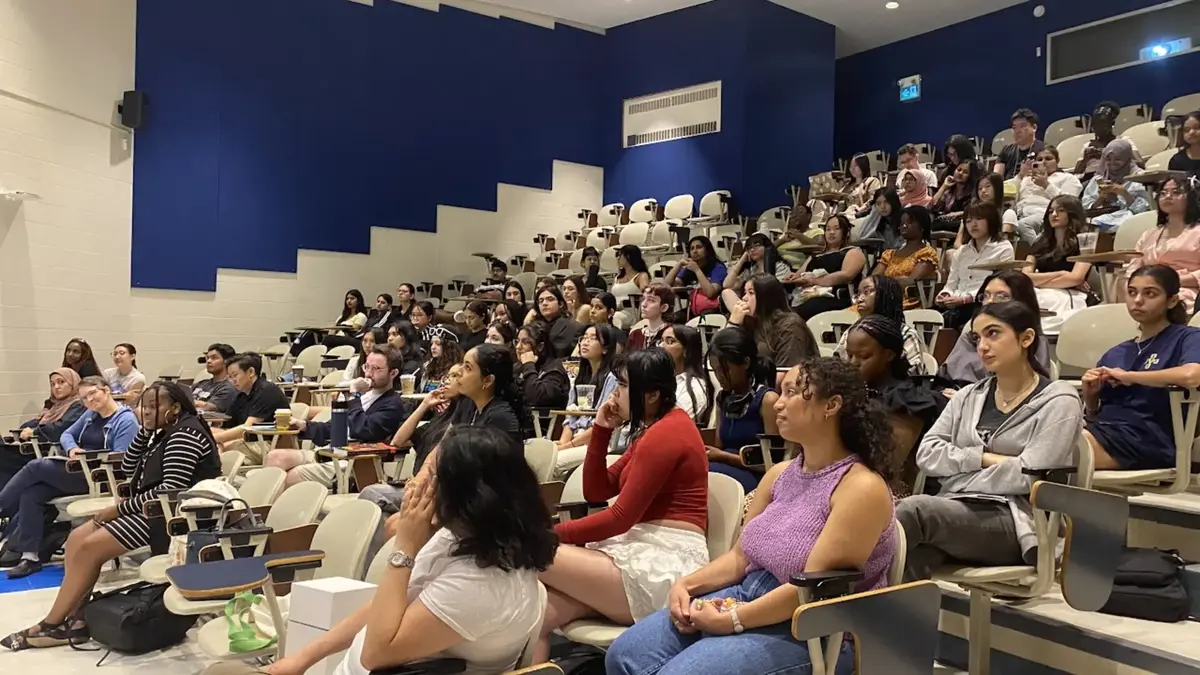
Location: University of Toronto, St. George Campus, Toronto, ON
Cost: $6,275 CAD (international) / $4,850 CAD (domestic); includes tuition, accommodation, meals, health insurance, excursions, and activities
Dates: Three-week sessions: June 14th – July 4th, July 5th – July 25th, July 26th – August 15th
Application Deadline: Rolling admissions; early application recommended due to limited availability
Eligibility: Students aged 15-18 with advanced English proficiency; open to international students
This three-week pre-university course introduces you to social psychology through structured academic instruction designed to reflect undergraduate learning. You’ll study topics such as social perception, group dynamics, interpersonal relationships, attitudes, and research design, helping you understand how psychologists analyze behavior within social contexts.
The curriculum combines lectures, readings, and guided participation tasks that encourage evidence-based thinking and academic discussion. You’ll complete a final project involving small-scale research, allowing you to apply theoretical concepts to practical inquiry. Overall, the program supports informed decision-making about pursuing psychology at the university level.
Why it stands out: You complete a structured research project within a residential university setting, offering both academic depth and firsthand exposure to undergraduate study.
10. Summer Mentorship Program (SMP) – Temerty Faculty of Medicine, University of Toronto
Location: University of Toronto, St. George Campus, Toronto, ON
Cost: Free attendance; students receive a local transit pass and may earn a high school credit
Dates: July 6th – July 31st (four weeks)
Application Deadline: Final applications typically close late March (exact date varies)
Eligibility: High school students in grades 10-11 who are residents of Ontario; priority for Indigenous or Black African/Caribbean/Black North American identities, though all qualified applicants may apply
This four-week summer mentorship program places you in an academic environment where research, health science inquiry, and career exploration intersect. You’ll participate in hands-on workshops, lectures, and interactive discussions that introduce you to scientific investigation methods and contemporary research topics, including aspects relevant to psychology.
Weekly mentorship with university students allows you to discuss academic planning, refine research thinking, and receive guidance on interpreting scientific literature. By engaging directly with research-oriented activities and faculty, you gain a clearer understanding of how rigorous inquiry underpins many psychology subfields and how research practices translate to undergraduate study and career exploration.
Why it stands out: It integrates mentorship and research practice in a health science context, helping you build analytical and investigative skills that are foundational to psychology and other scientific disciplines.
11. YMCA of Greater Toronto – Youth Leadership Development (YLD) Program
Location: Greater Toronto Area (in-person community locations across GTA)
Cost: Free
Dates: Weekly ongoing sessions throughout the year; summer sessions vary by location (contact local YMCA for schedule)
Application Deadline: There is no formal deadline; registration is open, and spaces are often first-come, first-served
Eligibility: Youth aged ~11-18; open to local residents and international participants living in the GTA with eligible status
This community-based youth leadership program focuses on building leadership, communication, teamwork, and community engagement skills through structured group sessions and volunteer experiences. You attend regular in-person meetings where facilitators guide you in activities designed to strengthen confidence, interpersonal communication, and self-governance.
Peer interactions and collaborative projects provide opportunities to practice listening, conflict resolution, and group problem-solving: skills relevant to understanding human behaviour and social dynamics in psychology. Engaging in leadership development and community involvement can help you build foundational skills that are directly applicable to college-level study in psychology and related social sciences.
Why it stands out: The program emphasizes practical leadership and social skills through community engagement and peer collaboration, giving you real-world experience in interpersonal dynamics that are foundational to psychology.
12. UCLA Neuroscience High School Scholars Summer Program
Location: Virtual
Cost: $14,650 (Session D, six weeks) / $15,950 (Session C, eight weeks)
Dates: June 23rd – August 15th OR July 7th – August 15th (tentatively)
Application Deadline: March 10th (tentatively)
Eligibility: High school students (domestic & international) who will be at least 16 by June 22nd and have completed 10th or 11th grade; minimum B average required.
This six-week program will provide you with a lot of information about neuroscience, with a focus on Alzheimer’s disease and other dementias similar to it. You’ll learn about current neuroscience research by doing virtual lab activities, reading literature, and going to journal club meetings.
The program includes neuroscience seminars and neurology grand rounds, which give students access to the work of top researchers. Mentorship is an integral part of finishing an independent research project. By engaging in these activities, you’ll gain practical experience in conducting research and a clearer understanding of neuroscience as a field.
Why it stands out: You gain hands-on research experience in neuroscience, with mentorship and exposure to real-world clinical scenarios, enhancing your understanding of the field.
13. Carnegie Mellon Open Learning Initiative – Introduction to Psychology
Location: Virtual
Cost: None
Dates: 14 weeks; self-paced
Application Deadline: Rolling
Eligibility: High school students and international students may enroll
This online course from CMU’s OLI provides an interactive introduction to core psychology topics. You’ll explore issues such as research methods, perception, memory, motivation, personality, social behavior, and psychological disorders through interactive modules, videos, and self-assessments.
The course emphasizes scientific thinking and experimental design, allowing you to strengthen your analytical skills in psychological science before college. While this is a self-paced online course rather than a structured program, it provides an accessible and academically sound introduction to psychological science.
Why it stands out: You gain free access to a research-informed psychology curriculum from a leading U.S. university, making it a highly accessible way to build foundational knowledge before college.
14. Harvard Secondary School Program – Psychology Courses
Location: Harvard University, Cambridge, MA , or Virtual
Cost: $4,180 – $15,735 (depending on length and type) + $75 application fee
Dates: 4-Week: July 12th – August 8th | 7-Week: June 20th – August 8th
Application Deadline: February 12th
Eligibility: High school students aged 16-18; includes rising juniors, seniors, and recent graduates, open to international students
This 4- or 7-week program at Harvard lets you take real college-level psychology and neuroscience courses before you even start college. You can choose from classes like Introduction to Psychology, The Psychology of Eating, Neuroinvesting, or The Neuroscience of Learning.
You will take part in class discussions, do homework, and do some research. You will learn about experimental methods, cognitive theory, and how the brain and behavior are related. Finishing this program can give you both academic credentials and a strong signal for selective college admissions.
Why it stands out: You’ll be taught by top faculty and work on an independent project, giving you a complete experience of future university life.
15. UC Berkeley Pre-College Scholars Summer Program—Psychology Track
Location: UC Berkeley, Berkeley, CA, and Virtual
Cost: Varies by format; some scholarships available
Dates: May – August (multiple sessions available)
Application Deadline: March 10th (Residential) | June 2nd (Commuter/Virtual)
Eligibility: Students who have completed 10th or 11th grade and are 16 years of age with a minimum 3.0 GPA, open to international students
This program lets you enroll in college-level psychology or neuroscience courses at UC Berkeley, either on campus or online. You will take lower-division undergraduate courses, such as PSYCH 1: General Psychology and PSYCH 3: How the Brain Works, and interact with Berkeley professors and other students.
You’ll also experience campus life, attend college-readiness workshops, and participate in extracurricular activities and trips through the residential track. If you’re interested in psychology or behavioral science, this is a good addition to your profile because it will emphasize academic rigor, independent thinking, and a taste of university-level learning in psychological science.
Why it stands out: You’ll be taught by top faculty and work on an independent project, giving you a complete experience of future university life.
Join the Immerse Education 2027 Essay Competition
Follow the instructions to write and submit your best essay for a chance to be awarded a 100% scholarship.
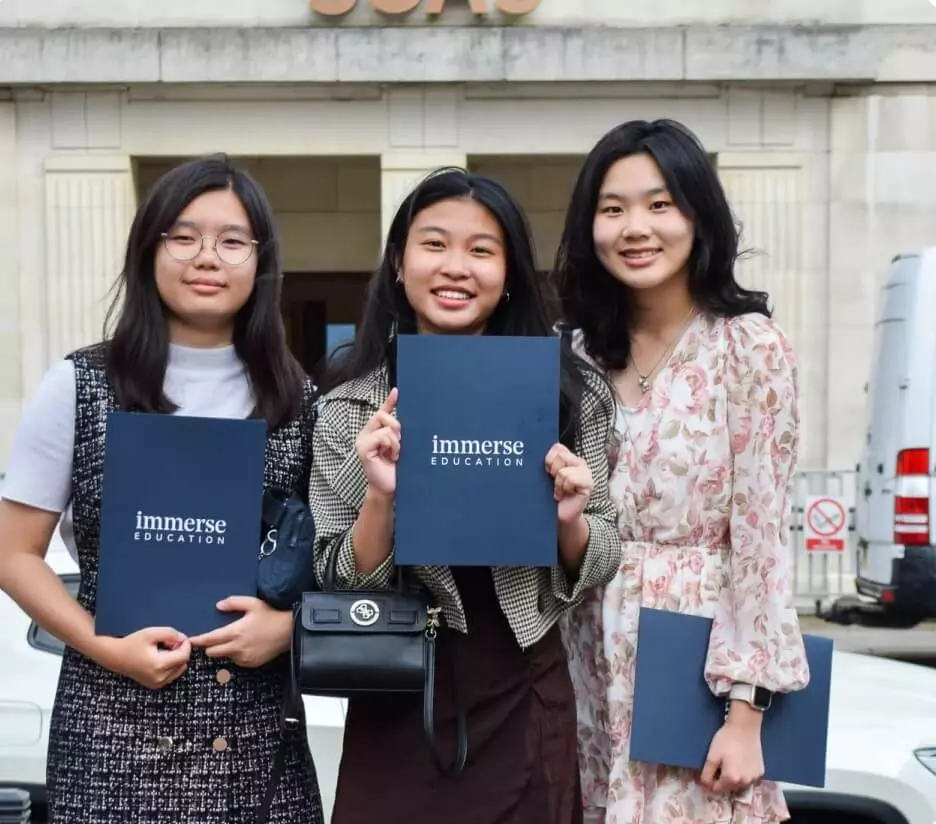
From Classroom Insight To Real-World Growth
One afternoon you’re mapping how stress affects memory; the next, you’re rewriting your argument so it actually holds up. By the end, you start noticing patterns in everyday conversations, not just textbook definitions around you.
In a psychology summer school in Toronto, you might design a mini experiment, code survey responses, and discuss consent, bias, and wellbeing in case studies.
You’ll practise presenting findings in a short talk, asking sharper questions in seminars, and working calmly in teams when ideas clash.
For the next step, explore our Personal Development blogs for practical habits in communication, leadership, adaptability, and emotional intelligence.





Unlock Inspiring Opportunities with the Immerse Education Newsletter
Join our newsletter to stay ahead with exclusive updates, exciting programme highlights, and expert insights from the world of immersive education.
Learn how Immerse can transform your life
An in-depth overview of our university and career preparation programmes
Get a glimpse into the life of an Immerse participant
Find the right programme for you with sample timetables, location showcases, and more